

Available Properties
Discover the latest listings in kepong


What Makes Kepong Affordable Housing a Smart Investment?
Kepong's strategic location in Kuala Lumpur's northern corridor has positioned it as an emerging hotspot for budget-conscious buyers. Here's why:
Prime Location Benefits:
Connectivity: Direct access via LRT Ampang Line (Kepong Station) reduces commute times to Kuala Lumpur City Centre
Highway Access: Elevated near major expressways (North-South Expressway, KLIA Expressway), making it ideal for professionals working across Klang Valley
Growing Commercial Hub: Nearby commercial developments include shopping malls, business parks, and retail centers
Educational Institutions: Proximity to schools and universities adds to residential appeal and rental demand
Market Dynamics: Unlike premium neighborhoods with inflated prices, Kepong maintains realistic property valuations. Properties under 500K here offer genuine value—not forced affordability from stagnant markets, but genuine accessibility to an area with actual growth catalysts.
Types of Affordable Properties Under 500K in Kepong
1. Terrace & Semi-Detached Houses (RM 350K - RM 480K)
Built-up: 1,200 - 1,400 sq ft
Land size: 18 x 60 to 20 x 70 sq ft
Ideal for: Families seeking space and privacy
Rental potential: RM 1,500 - RM 2,200/month (4-6% yield)
2. Bungalows & Corner Lots (RM 420K - RM 500K)
Built-up: 1,500 - 1,800 sq ft
Premium corner positioning
Ideal for: Investors targeting high-end rental markets
Rental potential: RM 2,000 - RM 2,800/month (5-7% yield)
3. Apartment & Condo Units (RM 200K - RM 380K)
Built-up: 600 - 1,100 sq ft
Low maintenance, lower mortgage
Ideal for: First-time buyers, young professionals
Rental potential: RM 1,000 - RM 1,600/month (5-8% yield)
4. Newly Launched Projects (RM 280K - RM 450K)
Modern facilities (gym, swimming pool, co-working space)
Flexible payment schemes
Ideal for: Long-term investors, end-users
Appreciation potential: 5-8% annually
Getting Approved for Your RM 500K Property
Mortgage Basics:
Loan-to-Value (LTV): Banks typically offer 80-90% financing for properties under RM 500K
Monthly Repayment Example (RM 400K property, 25-year tenure, 3.5% interest):
Approximate monthly payment: RM 1,800 - RM 2,000
Compared to Kepong rental: Often lower than market rent (strong owner-occupancy case)
Financing Options:
Conventional Bank Loans - Competitive rates, flexible tenures (15-30 years)
Government Schemes (if applicable):
PR1MA (People's Housing Program) - For eligible Malaysians
Rumah Mampu Milik - Bumiputera-only affordable housing scheme
Developer Financing - Limited, but some launches offer promotional rates
Investment Property Loans - If purchasing as investment (typically 70% LTV)
Pro Tip: Properties under 500K often qualify for faster loan approvals due to lower risk profiles and streamlined assessment processes.
Why Kepong Properties Generate Strong Returns
Rental Market Strength: Kepong's working-age population (young professionals aged 25-45) creates consistent rental demand. Properties here typically command:
Studio/1-BR Apartments: RM 1,000 - RM 1,400/month
2-BR Houses: RM 1,600 - RM 2,200/month
3-BR Terrace Houses: RM 1,800 - RM 2,500/month
Capital Appreciation Trajectory: Historical data shows Kepong properties appreciating 3-5% annually. With infrastructure developments (LRT extensions, new commercial zones) planned through 2026-2028, appreciation could accelerate to 5-8% in premium sub-locations.
Investment Strategy for Under-500K Properties:
Strategy | Buy Price | Est. Monthly Rent | Annual Yield | 5-Year Appreciation |
|---|---|---|---|---|
Residential Rental | RM 380K | RM 1,600 | 5.0% | RM 475K |
Student Housing | RM 350K | RM 1,200 | 4.1% | RM 440K |
Service Apartment | RM 320K | RM 1,800 | 6.75% | RM 405K |
Top Neighborhoods & Micro-Locations Under 500K
Kepong Baru (The Heart of Kepong)
Price Range: RM 380K - RM 490K
Property Type: Mix of older terrace houses and newer semi-detached units
Highlights: Walking distance to LRT, established community, mature schools
Buyer Profile: Families seeking established neighborhoods with proven rental history
Taman Shamelin (Emerging Development Zone)
Price Range: RM 320K - RM 450K
Property Type: New launches, modern apartments, affordable townhouses
Highlights: New commercial centers, flexible payment schemes, younger demographic
Buyer Profile: First-time buyers, young investors seeking fresh developments
Jalan Raja Laut Area (Transit Hub)
Price Range: RM 350K - RM 480K
Property Type: Terrace houses, some heritage charm with modern upgrades
Highlights: Near business districts, established amenities, good accessibility
Buyer Profile: Professionals commuting to city, investors targeting office workers
Segambut-Kepong Fringe (Value Zone)
Price Range: RM 250K - RM 420K
Property Type: Apartments, landed houses on larger plots
Highlights: Quieter, more spacious, slightly lower prices, emerging amenity development
Buyer Profile: Budget-conscious buyers, investors hunting undervalued properties
The Complete Buyer's Checklist
Before committing to a Kepong property under 500K, verify:
Property Assessment:
Title is clean (no encumbrances or legal disputes)
Structural inspection completed (foundation, roof, plumbing)
Land title category: Freehold or Leasehold? Leasehold duration remaining?
Built-up vs. land area matches advertised specifications
Vacant possession timeline aligns with your needs
Financial Readiness:
Down payment saved (minimum 10%, optimal 20%)
Credit score checked and optimized
Pre-approval letter from bank (strengthens negotiation position)
Legal & professional fees budgeted (3-5% of purchase price)
Insurance and stamp duty costs factored in
Location Verification:
Walk the neighborhood at different times (morning, evening, weekends)
Check flood history (Kepong has some low-lying areas)
Assess noise levels (proximity to highways, LRT tracks)
Evaluate nearby amenities (schools, clinics, markets)
Research upcoming developments (potential congestion or benefits)
Common Misconceptions About Kepong Affordable Housing
Myth | Reality |
|---|---|
"Affordable properties mean lower quality" | Modern Kepong launches meet contemporary building standards. Affordability comes from strategic location pricing, not construction shortcuts. |
"You can't get financing for RM 500K properties" | Banks actively compete for sub-RM 500K mortgages due to lower default rates. Approval timelines are often shorter than premium properties. |
"Kepong will be overshadowed by new developments" | Kepong's established infrastructure and LRT connectivity create lasting value. New developments enhance the area rather than overshadow existing stock. |
"Rental yields are impossible under 500K" | Our data shows 4-7% yields are achievable, competitive with higher-priced segments when considering lower capital outlay. |
Comprehensive FAQ & Keyword Optimization Section
Q: Are there affordable houses under 500K available for immediate purchase in Kepong?
Yes. We maintain an updated inventory of affordable houses under 500K in Kepong with various vacancy timelines. Properties range from immediate vacant possession to launching projects with flexible payment structures.
Q: What are the best micro-locations for buying affordable property in Kepong?
Top areas include Kepong Baru (established community), Taman Shamelin (new developments), and Segambut-Kepong Fringe (value pricing). Each offers distinct advantages depending on whether you prioritize rental income, appreciation, or owner-occupancy.
Q: Can first-time buyers get financing for Kepong houses under 500K?
Absolutely. First-time buyers often find sub-RM 500K properties more approachable than premium segments. With proper credit and employment verification, loan approval rates exceed 85% for properties in this bracket.
Q: What's the average rental return for RM 400K property in Kepong?
Properties valued around RM 400K typically command RM 1,600-RM 2,000 monthly rent, yielding 4.8-6% annual returns—competitive against fixed-income alternatives and higher than many premium neighborhoods.
Explore
Related Posts

View new launches houses for sale in Bukit Bintang, KL City Centre, Kuala Lumpur. Contact verified agents, view floor plans and compare prices with IQI Global.
Continue Reading
Discover new launched affordable houses under 500K in Johor. Explore modern developments, flexible payment plans & investment opportunities. Start today with IQI Global.
Continue Reading
Looking for a list of houses suitable for MM2H in Malaysia? Discover property options by tier, minimum prices, and best locations for foreign buyers under the 2024–2026 MM2H programme.
Continue Reading

Looking for a list of new launch projects for Airbnb investment in Kuala Lumpur (2026)? Explore top developments with high rental yield, strategic locations, and strong short-term rental demand.
Continue Reading
Be updated on new launches
Subscribe to our emails to find out about the latest property news, trends and launch dates.
Learn
Tips and Guides
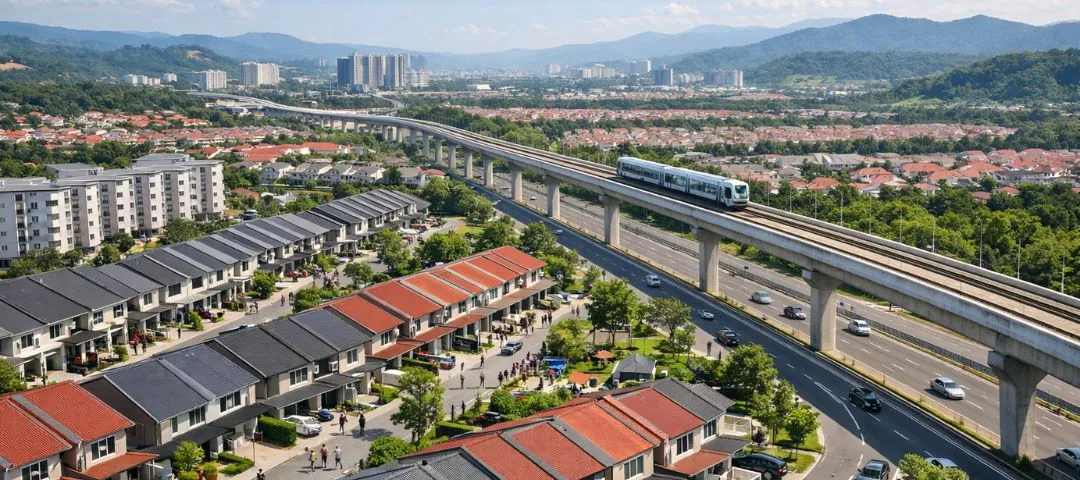 Top 10 Cheapest Neighbourhoods in Klang Valley (2026)
TL;DRBuying a home in the Klang Valley does not always mean paying RM1 million or more. Several suburbs, such as Semenyih, Rawang, Puncak Alam, and Salak Selatan, still offer properties priced under RM500k. These areas attract first-home buyers and investors due to lower entry prices and expanding infrastructure. Buying property in Kuala Lumpur often feels like chasing a moving train. According to The Edge and Savills, Prices in prime areas such as Bangsar or KLCC easily exceed RM900,000 and can reach RM1.4 million for typical homes, making them out of reach for many buyers. The good news is that affordable suburbs still exist across Klang Valley, especially in emerging townships around Selangor. If you know where to look, buying a property under RM400k–RM500k is still possible in 2026. This guide explores the top 10 cheapest neighbourhoods in Klang Valley, along with property prices, advantages, and growth potential. Key Takeaways Semenyih, Rawang, and Puncak Alam remain among the cheapest areas to buy property in Klang Valley. Entry-level homes in many suburbs still fall within the RM300k–RM500k price range. Affordable areas often sit slightly outside Kuala Lumpur but benefit from new highways, MRT lines, and urban expansion. These suburbs attract first-home buyers, young professionals, and property investors seeking lower entry prices. Know The Price Before Buying a House in These Areas!1. What Are the Cheapest Neighbourhoods in Klang Valley in 2026?2. What Are the Top 10 Cheapest Neighbourhoods in Klang Valley?3. Why Are Some Klang Valley Suburbs Cheaper Than Others?4. Is It Still Possible to Buy a House Under RM500k in Klang Valley?6. What Role Do PR1MA Homes Play in Affordable Housing?7. Are Cheap Klang Valley Suburbs Good for Property Investment?8. Frequently Asked Questions 1. What Are the Cheapest Neighbourhoods in Klang Valley in 2026? Below is a quick overview of the most affordable suburbs in Greater Kuala Lumpur based on transaction trends and property listings. AreaEstimated Price RangeKey AdvantageSemenyihRM350k – RM820kRapid township developmentRawangRM280k – RM779kLarge supply of affordable homesPuncak AlamRM270k to RM500kQuiet suburban livingCheras SouthRM300k – RM688kClose to MRTSetapakRM300k – RM650kNear city centreKepongRM300k – RM750kMRT2 connectivitySalak SelatanRM200k – RM498kRail accessKajangRM289k – RM580kGrowing infrastructureSungai BesiRM281k – RM1.5mStrategic KL locationKlang outskirtsRM343k – RM630kAffordable family homes These areas frequently appear in property market analyses and affordability studies. 2. What Are the Top 10 Cheapest Neighbourhoods in Klang Valley? a. Semenyih Semenyih has become one of the most popular affordable property markets in Selangor. Price rangeMedian property priceRM per square footRM350,000 – RM820,000RM600,000RM357Source: BRICKZ (2025 Mar - 2026 Jan) Transaction data shows a median property price of around RM600,000 and RM357 per square foot. Why buyers choose Semenyih: Large township developments such as EcoHill Proximity to Kajang and the MRT Kajang Line Growing education hubs and universities ExampleLet’s say Ahmad wants his first home with a RM400k budget. In Semenyih, he may find a two-storey terrace house with a built-up area of 1,200–1,500 sq ft. However, commuting to central KL can take 45–60 minutes during peak hours. For buyers seeking affordable homes in expanding townships, Semenyih remains a strong entry-level market. If you want help comparing property opportunities in this area, IQI Global provides data-driven insights and local expertise to guide buyers through Klang Valley’s affordable housing markets. b. Rawang Another cheap neighbourhood in the Klang Valley is Rawang. Price rangeMedian property priceRM per square footRM280,000 to RM779,800RM450,000RM320Source: BRICKZ (2025 Mar - 2026 Jan) Recent transaction records show a median price of around RM450,000 and RM320 per square foot. Why Rawang attracts buyers: Large supply of landed homes New highways are improving connectivity More space compared to central KL ExampleA young couple could buy a single-storey terrace house for RM360k–RM420k, which is often impossible in Kuala Lumpur. The main trade-off is distance from city centres. Still, Rawang continues attracting buyers who prioritise affordability over proximity. c. Puncak Alam Puncak Alam is well known for affordable landed homes. Price rangeMedian property priceRM per square footRM270,000 to RM500,000RM420,000RM282Source: BRICKZ (2025 Jan - 2025 Dec) Key reasons it remains affordable: Located further from central Kuala Lumpur Newer townships with abundant land supply Gradual infrastructure growth This area suits families seeking peaceful suburban living at lower prices. d. Cheras South Despite being relatively close to Kuala Lumpur, Cheras South still offers affordable property options. Price rangeMedian property priceRM per square footRM300,000 and RM688,000RM488,000RM376Source: BRICKZ (2025 Mar - 2026 Jan) Advantages include: MRT connectivity Mature neighbourhood amenities Hospitals and shopping malls nearby This area appeals to young professionals working in the city. e. Setapak Setapak is one of the closest cheap areas to central Kuala Lumpur. Price rangeMedian property priceRM per square footRM300,000 to RM650,000RM450,000RM384Source: BRICKZ (2025 Mar - 2026 Jan) Why buyers consider Setapak: Near TAR UMT university LRT access Strong rental demand Many investors target this area due to its student rental market. f. Kepong Kepong has become more attractive after the opening of MRT2. Price rangeMedian property priceRM per square footRM300,000 and RM750,000RM536,500RM425Source: BRICKZ (2025 Mar - 2026 Jan) Advantages: Established neighbourhood MRT connectivity Good food and lifestyle amenities However, newer developments may push prices higher over time. g. Salak Selatan This neighbourhood offers surprisingly affordable homes near Kuala Lumpur city centre. Price rangeMedian property priceRM per square footRM200,000 to RM498,000RM300,000RM335Source: BRICKZ (2024 Dec - 2025 Nov) Key advantages: KTM, LRT, and ERL connections Strategic location near KL Sentral Established residential area Many first-time homebuyers consider Salak Selatan because it offers city access alongside relatively affordable property prices. h. Kajang Kajang is another affordable suburb with strong growth potential. Price rangeMedian property priceRM per square footRM289,000 to RM580,000RM400,000RM327Source: BRICKZ (2025 Mar - 2026 Jan) Reasons for popularity: MRT Kajang Line Educational hubs Large residential developments Kajang also benefits from urban expansion from Kuala Lumpur. i. Sungai Besi Although closer to Kuala Lumpur, some properties in Sungai Besi remain relatively affordable. Price rangeMedian property priceRM per square footRM281,000 to RM1,510,000RM600,000RM541Source: BRICKZ (2025 Jan- 2025 Dec) Advantages: Strategic location Upcoming developments Access to highways and rail networks This area may offer long-term appreciation potential. j. Klang Outskirts Areas on the outskirts of Klang remain among the cheapest in Klang Valley. Price rangeMedian property priceRM per square footRM343,000 to RM630,000RM450,000RM324Source: BRICKZ (2025 Mar- 2026 Jan) Benefits: Affordable landed homes Family-friendly communities Growing township developments However, commuting to Kuala Lumpur can take 60–90 minutes during peak traffic. 3. Why Are Some Klang Valley Suburbs Cheaper Than Others? Property affordability in the Klang Valley depends on several factors. a. Distance from Kuala Lumpur Areas farther from KL typically have lower land prices. b. Infrastructure Development New highways and MRT lines can increase property values. c. Supply of Housing Townships with large land banks can build more affordable homes. d. Employment Centres Areas near major job hubs tend to command higher prices. According to Malaysia’s National Property Information Centre (NAPIC), the average Malaysian house price is around RM494,384, but in prime urban areas it can exceed RM900,000. 4. Is It Still Possible to Buy a House Under RM500k in Klang Valley? Yes, but location is key. Below is a simplified price comparison. Property BudgetPossible AreasUnder RM300kRawang, Puncak Alam, Salak Selatan, KajangRM300k – RM400kSemenyih, Cheras South, SetapakRM400k – RM500kKepong, Klang outskirtsRM500k – RM600kSungai Besi For example: If Sarah has an RM450k budget, she might find: A terrace house in Rawang A condo in Setapak An apartment in Cheras South The choice depends on commuting preferences and lifestyle needs. 5. Where Can You Find Affordable Housing in Klang Valley? Knowing which suburbs are cheap is only half the answer. The other half is knowing where to actually look. Affordable homes are not all sold the same way, and the channel you choose changes your price, your waiting time, and your eligibility. There are five main places to find affordable housing in the Klang Valley. a. Government affordable housing portals These offer the lowest prices, because the government controls them. The trade-off is eligibility limits, balloting, and waiting lists. SchemeCoversPrice rangeHousehold income limitWhere to applyRumah Selangorku (RSKU)SelangorRM42k to RM250kRM3,500 to RM14,500, by house typeehartanah.lphs.gov.myResidensi Wilayah (RUMAWIP)KL, Putrajaya, LabuanUp to RM300kRM10,000 single, RM15,000 marriedresidensiwilayah.jwp.gov.myPR1MANationwideRM100k to RM400kRM2,500 to RM15,000pr1ma.myPPRNationwideLow-cost rental and ownershipB40 householdsKPKT and state housing offices Rumah Selangorku is the biggest source of affordable homes in Selangor. Prices are set by the state and typically sit 20% to 30% below market. Your house type depends on your income: Type A caps at RM3,500 household income, Type B at RM7,000, Type C at RM10,000, and Types D and E at RM14,500. Applications are free and online only. Residensi Wilayah is the Kuala Lumpur equivalent, capped at RM300,000. It suits buyers who want to stay inside KL rather than move out to Selangor. Be aware of the conditions. Most schemes require you to live in the home rather than rent it out, and they lock you in before you can sell. Rumah Selangorku has a 5-year moratorium, and Residensi Wilayah has a 10-year moratorium. Demand also far exceeds supply, so waiting lists are normal. b. The sub-sale market This is the fastest route, and the one most buyers overlook. Sub-sale means buying an existing home from its current owner. The advantages are real: no income limit, no balloting, no waiting list, and no moratorium. You can move in as soon as the deal completes, and you can see exactly what you are buying. Older apartments and terrace homes in Rawang, Puncak Alam, Salak Selatan, and Kajang regularly sell in the RM250k to RM450k range. You can filter by price and area on IQI's sub-sale listings. c. New launches in emerging townships Developers building in Semenyih, Rawang, Kajang, and Puncak Alam still price entry-level units within reach, and new launches often come with incentives like absorbed legal fees or a low booking fee. The trade-off is time. Many are still under construction, so you may wait two to three years for the keys. Browse current new launches here. d. Property auctions Auctioned homes can sell below market value, but this route is not for first-time buyers. You usually need a 10% deposit on the spot, you often cannot inspect the property, and you may inherit unpaid maintenance fees or outstanding bills. Only consider it with cash ready and professional guidance. e. Through a real estate agent An agent sees listings, pricing history, and upcoming units you will not find by browsing alone. In a sub-sale, the commission is usually paid by the seller, so the guidance costs you nothing. Do not forget the financing side Sometimes the home is affordable but the upfront cash is not. Three things can close that gap: First Home MGP (managed by Cagamas SRP): up to 110% financing for eligible first-time buyers, which can remove the down payment entirely. SJKP: a government guarantee offering up to 100% financing, often a better fit for gig workers and the self-employed. Stamp duty exemption: first-time buyers of homes up to RM500,000 are exempt, and this runs until 31 December 2027. Read our full guides to first home loan schemes in Malaysia and government housing schemes for B40 and M40. Which channel is right for you? Your situationBest place to lookHousehold income under RM14,500 and you can waitRumah Selangorku or PR1MAYou want to stay inside KLResidensi WilayahYou need a home now, or you exceed income limitsSub-sale marketYou want a brand-new home and can wait 2 to 3 yearsNew launches in emerging townshipsYou have no down payment savedSub-sale or new launch, paired with First Home MGP Scheme prices, income limits, and conditions can change. Confirm the latest details on the official portal before applying. 6. What Role Do PR1MA Homes Play in Affordable Housing? The PR1MA housing scheme is designed to help middle-income Malaysians buy affordable homes. Key facts: Price range: RM100,000 – RM400,000 Target group: Malaysian households earning RM2,500 – RM15,000 monthly Property types: apartments, terrace houses, townhouses Many PR1MA developments in areas such as Serdang, Bukit Jalil, and Alam Damai offer facilities similar to condominiums but at lower prices. For first-time buyers struggling with rising property prices, PR1MA projects provide an accessible entry point into the property market. 7. Are Cheap Klang Valley Suburbs Good for Property Investment? Affordable suburbs can sometimes deliver better long-term growth than expensive areas. Why? Lower entry price Growing population Infrastructure expansion ExampleWhen a new MRT line opens, property prices nearby often increase. This pattern explains why investors closely monitor suburbs such as Semenyih, Rawang, and Kajang. If you want to identify emerging affordable-property hotspots, IQI Global combines data analytics, property insights, and its global agent network to help investors evaluate opportunities across the Klang Valley and beyond. Affordable homes in Klang Valley still exist, but they require strategic location choices. Suburbs such as Semenyih, Rawang, Puncak Alam, and Setapak continue attracting first-home buyers thanks to lower prices and expanding infrastructure. While these areas may be slightly farther from Kuala Lumpur, they provide realistic entry points into the property market. With careful research and the right guidance, buyers can still find value in the evolving Klang Valley housing landscape. 8. Frequently Asked Questions What are the cheapest neighbourhoods in Klang Valley? Some of the cheapest areas include Semenyih, Rawang, Puncak Alam, Setapak, and the Klang outskirts. Can you still buy a house under RM500k in Klang Valley? Yes. Several suburbs offer properties between RM300k and RM500k, particularly in Selangor townships. Which cheap Klang Valley suburbs are good for first-home buyers? Semenyih, Kajang, and Rawang are popular with first-time buyers due to affordable prices and new township developments. Are affordable suburbs far from Kuala Lumpur? Many are located 30–60 minutes from KL, but new highways and MRT lines are improving connectivity. What property types are cheapest in Klang Valley? Budget apartments, older condominiums, and terrace houses in suburban areas are usually the most affordable. Are cheap suburbs good for property investment? Yes. Lower entry prices can generate better rental yields and long-term capital appreciation. Why do people move to suburbs like Semenyih or Rawang? Buyers move there mainly because homes are significantly cheaper compared to central Kuala Lumpur. Where can I find affordable housing without an income limit? The sub-sale market. Buying an existing home from its owner has no income cap, no balloting, and no moratorium, so it suits buyers who earn above scheme limits or who need a home immediately. What is the cheapest way to buy a house in Klang Valley? Government schemes are cheapest, because prices are controlled. Rumah Selangorku starts from RM42,000 depending on the house type and your income, and Residensi Wilayah caps at RM300,000. The trade-off is eligibility limits, waiting lists, and a moratorium before you can sell. Explore affordable property opportunities with IQI Global, a PropTech-driven real estate company operating in 35+ countries. Connect with our experts to discover the best investment or homebuying options today. [custom_blog_form] Continue Reading: An Insight into Real Property Gains Tax (RPGT) in Malaysia: 2026 Updates 5 Best Place in Melaka for Airbnb Investment: Top Areas to Buy Property Why Melaka Is the Best Place for an Affordable House? Reference Bambooroutes. (2026, January 26). What are the best areas for real estate in Malaysia? (2026). Retrieved fromhttps://bambooroutes.com/blogs/news/malaysia-which-area CT Properties. (2025, May 19). Top 5 affordable areas to buy a home in Klang Valley (2025 update). Retrieved fromhttps://www.ctproperties.com.my/top-5-affordable-areas-to-buy-a-home-in-klang-valley-2025-update/ Fezili, F. (n.d.). Top 10 best areas in Kuala Lumpur for rental yield 2026. Property Genie. Retrieved fromhttps://www.propertygenie.com.my/insider-guide/top-10-areas-in-kuala-lumpur-for-rental-yield-2026-NjjUkLPJzYjTXYA3N825e7 Koh, S. (2026, February 11). Living as a KL expat Malaysia in 2026: The complete guide to neighbourhoods, rental options, and daily life. iProperty. Retrieved fromhttps://www.iproperty.com.my/guides/expat-guides-best-rental-properties-in-kl-and-selangor-2022-82839 Surelah. (2025, December 7). Best family-friendly townships in KL & Selangor (Guide 2026). Retrieved fromhttps://surelah.com/best-family-friendly-townships-in-kl-selangor/ Tang, R. (2025, October 2). Cheapest areas to live in Klang Valley & PR1MA homes you can afford (2025 guide). MET Property. Retrieved fromhttps://www.metproperty.com/property-guides/cheapest-areas-to-live-in-klang-valley-pr1ma-homes-you-can-afford-2025-guide/
Continue Reading
 Affordable Housing Programmes in Malaysia: 10 Schemes to Know
“According to Bank Negara Malaysia, the benchmark price for an affordable home in Malaysia is around RM282,000 based on average household income.” Amelia is 30, works in store manager in Kota Damansara, and has been renting for years.With living costs rising and property prices creeping up, she keeps asking the same question as many Malaysians: Is there any realistic way I can own a home without drowning in debt? The good news is, yes, but only if you know how to use the right government schemes and financing programmes that are still active and relevant in 2026. This guide puts everything in one place, in simple language, so you do not have to open 10 different websites. 2026 snapshot – what has changed? Compared to 2024 and 2025, a few big things have shifted: New focus on affordable units under RM300k – RM400k through Program Residensi Rakyat (PRR), PPR and Rumah Mesra Rakyat (RMR), with hundreds of new projects funded under Budget 2025 and Budget 2026. Stronger financing support for buyers without payslips through Skim Jaminan Kredit Perumahan (SJKP) and the i-Biaya umbrella, especially for gig workers, self employed and B40 M40 families. Stamp duty waivers for first home buyers are extended until 2027, which reduces upfront cost for homes up to RM1 million. Under the 13th Malaysia Plan (2026 to 2035), the government targets one million affordable homes, with hundreds of thousands already completed or under construction by 2025. In short, there is more help than ever, but the schemes are confusing. So let us break them down properly. How to use this guide This list focuses on nationwide programmes plus a few important state or city schemes that most buyers actually ask about. Quick overview: ProgrammeBest forTypical price range*PR1MA Homes & RTOM40, some B40, own stay± RM100k – RM400k (iMoney)Residensi Wilayah & Residensi MADANIKL & Federal Territories residents± RM63k – RM300k+ (residensiwilayah.jwp.gov.my)PPR & PRRB40 renters who want low cost homes± RM30k – RM42k sale, RM124 rent (kpkt.gov.my)Rumah Mesra Rakyat (RMR SPNB)Lower income with own landFrom ± RM75k after subsidy (spnb.com.my)Skim Rumah Pertamaku (SRP)First home buyers needing up to 100–110% financingHomes up to RM500k (PropertyGuru Malaysia)Skim Jaminan Kredit Perumahan (SJKP)Buyers without payslips or fixed incomeHomes up to RM500k (PEPS Ventures Learning Resources)BSN MyHome / MyHome i (linked to SJKP)BSN customers who want 100% type financingRM100k – RM500k typical (BSN Malaysia)Rumah SelangorkuSelangor residents± RM42k – RM250k (iMoney)E-Perumahan DBKLLow to medium income families in KLLow and medium low cost units (IQI Global)PPAM (Perumahan Penjawat Awam Malaysia)Government servants nationwide± RM90k – RM300k (iMoney) *Price ranges are indicative and can vary by location and project. Always confirm on the official portal or with the bank before you decide. All About Affordable Housing Programmes in Malaysia2026 snapshot – what has changed?How to use this guide1. PR1MA Homes and PR1MA Rent-To-Own (RTO)2. Residensi Wilayah & Residensi MADANI (Federal Territories)3. Program Perumahan Rakyat (PPR) & Program Residensi Rakyat (PRR)4. Rumah Mesra Rakyat (RMR) by SPNB5. Skim Rumah Pertamaku (SRP) under i-Biaya6. Skim Jaminan Kredit Perumahan (SJKP)7. BSN MyHome and MyHome-i (linked to SJKP)8. Rumah Selangorku (State Affordable Housing)9. E-Perumahan DBKL (Public Housing under DBKL)10. Perumahan Penjawat Awam Malaysia (PPAM)Other schemes and incentives you should not ignoreWhere to Find Affordable Housing in MalaysiaSo which scheme should you apply for?Final check before you applyFAQ: Affordable Housing Programmes in Malaysia 1. PR1MA Homes and PR1MA Rent-To-Own (RTO) What it offers PR1MA is one of the best known federal affordable housing programmes. It provides apartments and landed homes at below market price, mainly for middle income Malaysians (M40) with some coverage for upper B40. In recent years PR1MA also focuses on Rent-To-Own (RTO) in collaboration with i-Biaya, where you rent first, then buy later at a pre agreed price after a fixed period. Who is it for Malaysian citizen, age 21 and above Single or married Individual or combined household income roughly RM2,500 to RM15,000 First or second home only Property type and price Apartments and landed homes, often in growing townships Commonly RM100k to RM400k, sometimes slightly higher for larger units in good locations Why buyers like it Prices lower than similar private projects nearby Some projects near public transport and mature townships Ability to combine with SJKP or SRP financing under i-Biaya for higher margin of finance Things to watch out for 10 year moratorium on sub sale in many projects, so it really suits own stay buyers, not short term flippers Popular projects can be oversubscribed, balloting is competitive Where to check Official PR1MA portal for latest projects, pricing and campaigns 2. Residensi Wilayah & Residensi MADANI (Federal Territories) Previously known as RUMAWIP, this programme has been rebranded as Residensi Wilayah and complemented by Residensi MADANI. Both focus on Federal Territories (Kuala Lumpur, Putrajaya and Labuan). What it offers Stratified apartments, usually with 3 bedrooms and 2 bathrooms Built ups around 800 square feet and above Units are priced below market, targeted at residents and workers in Federal Territories Who is it for General Residensi Wilayah criteria: Malaysian citizen Age 21 and above Born, living or working in Federal Territories Household income not more than RM10,000 (single) or RM15,000 (married) Usually must not own more than one property in KL Residensi MADANI targets similar income groups but may have slightly different income limits and age floor at 18 years, check the official site for each project. Property price Older RUMAWIP units used to start from around RM63k, up to RM300k Newer Residensi Wilayah projects in prime areas can be higher but still below surrounding market price Pros Good for own stay buyers who work in KL, but cannot afford normal condo prices Locations often close to LRT MRT or established neighbourhoods Cons Usually must be owner occupied, renting out is restricted for a number of years Strong competition for popular projects, you may need to try several rounds 3. Program Perumahan Rakyat (PPR) & Program Residensi Rakyat (PRR) These are the core low cost programmes under KPKT for B40 families. What they offer PPR has two main formats: PPR Disewa – rent a flat at a highly subsidised rate PPR Dimiliki – buy the unit at a controlled low price PRR is a newer programme that upgrades the concept with better design and facilities while keeping prices low Typical features of PPR units: Around 700 sq ft, 3 bedrooms, 2 bathrooms, living and kitchen Flats usually 5 to 25 storeys in urban areas, or landed terraces in some semi urban locations Price and rental PPR sale units often around RM30k – RM42k depending on region PPR rental around RM124 per month (excluding maintenance) Who is it for B40 households in squatter areas or overcrowded housing Low income families usually earning below RM1,500 – RM2,500 monthly, criteria differ by state and project Pros One of the cheapest paths to home ownership in Malaysia Ideal for families who simply want a safe, basic home Cons Strict eligibility and priority selection Locations can be far from your workplace or less connected Facilities and maintenance standards can vary 4. Rumah Mesra Rakyat (RMR) by SPNB RMR is ideal for families who have land but no proper house, especially in semi urban or rural areas. What it offers A single storey detached house (typically 3 rooms, 2 bathrooms) built on your own or family land SPNB manages the design and construction Government subsidises part of the construction cost, reducing your loan amount Who is it for Typical criteria: Malaysian citizen, usually 18 years and above Household income around RM750 to RM5,000 Do not own a house, or current house is dilapidated Own suitable land, free from heavy encumbrances Land size commonly 3,000 sq ft or more Price House cost roughly from RM75,000 upward, with government subsidy around RM20,000 in many batches You repay the balance through long term instalments Pros Lets rural and small town families upgrade from wooden or unsafe homes into proper brick houses Monthly instalments usually comparable to renting a basic house Cons You must already have land or access to land Approval depends on budget allocations and yearly quotas 5. Skim Rumah Pertamaku (SRP) under i-Biaya SRP, also called My First Home Scheme, is a financing programme that helps first time buyers get up to 100 percent or 110 percent financing, so you do not need a big 10 percent deposit. What it offers Up to 100 – 110 percent home loan from participating banks Can cover property price plus entry costs like legal fees and insurance, subject to bank policy Works with both completed and under construction homes, including some affordable housing projects Who is it for General criteria: Malaysian citizen First home buyer Salaried or self employed Individual or joint application Combined gross monthly income generally up to RM5,000 (individual) or RM10,000 (joint) Property price usually up to RM500,000 Pros Main benefit is no need for 10 percent downpayment Good for young families with stable income but low savings Cons Higher loan amount means higher monthly instalment and interest over time You still need to pass the bank’s credit scoring and debt service ratio 6. Skim Jaminan Kredit Perumahan (SJKP) SJKP is a government guarantee scheme that makes it easier for people without regular payslips to get a home loan, for example gig workers, small business owners and self employed. What it offers A government guarantee that covers part of your housing loan Financing up to RM500,000 with tenure up to 35 years, sometimes with two generation loans allowed Supports several banks and Islamic financial institutions Who is it for From MOF and SJKP guidelines: Malaysian citizen, 18 years and above First residential home to live in, new or subsale or auction For both fixed income and non fixed income earners (including self employed, gig work, small business) Main applicant income ceiling typically around RM11,000 per month No serious negative CCRIS or CTOS record Pros One of the most important schemes in 2026 for Malaysians who cannot show formal payslips Can be combined with PR1MA units or other affordable projects Cons Not automatic approval, the bank still checks your cash flow and commitments Some banks may ask for extra documents, such as bank statements or business proofs 7. BSN MyHome and MyHome-i (linked to SJKP) Bank Simpanan Nasional (BSN) offers several MyHome and MyHome-i packages, some of which are linked to SJKP and target first time or lower income buyers, including those under Program Perumahan Rakyat. What they offer BSN MyHome (Hartanah Kediaman) and MyHome-i (Islamic) for residential properties Financing margin up to about 95 – 100 percent plus possible coverage for MRTA MRTT and legal fees, subject to package Special versions for PPR buyers and SJKP MADANI linked financing for irregular income earners Who is it for Malaysian citizen, age 21 and above, not exceeding 70 at end of tenure Regular or irregular income earners, depending on scheme Some packages are specific for first home, others allow refinancing Pros BSN is one of the main partner banks for government housing schemes You can sometimes get up to 100 percent style financing plus support from SJKP or SRP Cons Terms differ by package, you really need to speak to BSN or an agent who understands the details Youth only schemes have changed over the years, so do not rely on outdated info from 2016–2020 articles 8. Rumah Selangorku (State Affordable Housing) If you work or live in Selangor, Rumah Selangorku is still one of the most important state programmes. What it offers Several categories of low and medium cost apartments and houses Different unit types and sizes, usually priced between RM42,000 and RM250,000 for eligible categories Who is it for Common criteria: Malaysian citizens who are residents or workers in Selangor Household income typically RM3,000 – RM10,000, depending on house category Must not already own property in Selangor Selection often based on a merit system, and cancellations can get you blacklisted for a period Pros Very attractive for young families working in Klang Valley but priced out of normal market projects Many projects are in growing townships Cons Restrictions on resale and renting out for the first few years Application can be competitive and waiting time may be long 9. E-Perumahan DBKL (Public Housing under DBKL) E-Perumahan DBKL covers public housing managed by Kuala Lumpur City Hall, including both rental and ownership options for low and medium low income households in KL. What it offers Public housing flats with 1 to 3 bedroom layouts Rental units for very low income families Options to purchase selected units later at controlled prices Some medium low cost projects in areas like Gombak 2, Seri Tioman and others Who is it for From DBKL information: Malaysian citizens who live or work in Kuala Lumpur Priority for low income married couples For low cost homes, household income ceiling often around RM3,000 For medium low cost homes, income ceiling around RM4,000 Pros Good stepping stone if you want to stay within city limits but cannot afford private housing Option to convert from tenant to owner in some projects Cons Unit sizes are basic, usually smaller than many newer condos Supply is limited compared to demand, and location choices may not suit everyone 10. Perumahan Penjawat Awam Malaysia (PPAM) If you are a civil servant, PPAM is a key affordable housing option that many people still overlook. What it offers Apartments or landed homes at below market prices, often with decent sizes and facilities Prices typically around RM90,000 to RM300,000 depending on project and location Who is it for Malaysian citizens who are federal or state civil servants, local authority staff or employees of statutory bodies Monthly income usually below RM10,000, with some flexibility depending on project Pros Tailored for government staff who want to own a home near their posting Usually more comfortable than typical low cost housing Cons Only for civil servants, not the general public Project locations may be limited, depending on where you are posted Other schemes and incentives you should not ignore Even if you do not qualify for the schemes above, 2025 and 2026 still offer strong support for first time buyers: Stamp duty exemptions (i-Miliki and related incentives) 100 percent exemption on MOT and loan agreements for first homes up to RM500,000 75 percent exemption for homes RM500,001 to RM1 million Extended until end 2027 under Budget 2026 Personal income tax relief on housing loan interest Relief up to RM7,000 per year for homes priced RM500,000 and below, RM5,000 for homes between RM500,001 and RM750,000, from YA 2025 to 2027 State affordable housing Many states, such as Johor, Penang and Perak, run their own Rumah Mampu Milik programmes with specific rules on residency and income. Where to Find Affordable Housing in Malaysia Knowing the right programme is only the first step you also need to know where to search and apply. Start with the official TEDUH portal by KPKT, which serves as a central platform to browse housing projects by location, type and price, along with project status and application guidelines. For federal affordable homes, visit the PR1MA portal, which lists available projects and eligibility details for Malaysians aged 21 and above with incomes typically between RM2,500 and RM15,000. If you are looking in Kuala Lumpur, Putrajaya or Labuan, the Residensi Wilayah portal provides information on active projects, pricing, unit sizes and application access. Low-income households seeking PPR units can refer to the TEDUH portal and KPKT channels. PPR remains one of the most affordable options, with rentals from RM124 per month and ownership units generally priced between RM35,000 and RM42,000. If you own land but cannot afford to build, consider Rumah Mesra Rakyat (RMR) under SPNB, which supports lower-income households in constructing homes on their own land. For Selangor residents, the Rumah Selangorku portal under LPHS is the main platform for applications, project listings and status tracking. In Kuala Lumpur, e-Perumahan DBKL manages applications for public housing, including PA and PPR rental units. Civil servants can apply through the PPAM portal, which is specifically designed for public-sector housing. For financing support, check SJKP and First Home MGP via participating banks. These schemes help eligible buyers, including first-time and self-employed applicants, secure higher-margin financing. Before applying, always confirm that the portal is official, the project is still open, and your eligibility matches the latest requirements. So which scheme should you apply for? If you think like a normal Malaysian buyer in 2026, these are the usual paths: Fresh grad or young couple in Klang Valley, no savings for depositLook at PR1MA, Residensi Wilayah, and SRP or SJKP financing. Gig worker or business owner without payslipFocus on SJKP-backed loans and banks like BSN MyHome-i (SJKP MADANI). Family with own kampung land but old wooden houseConsider Rumah Mesra Rakyat (RMR) by SPNB. Civil servantShortlist PPAM first, then combine with SRP or SJKP if needed. Very low income family renting in cityPPR Disewa or PPR Dimiliki are still the main starting points. Final check before you apply Before you submit any application in 2026, do two things: Confirm the latest criteria on the official portalRules like income ceiling, age limit and property price cap can change slightly every year or every budget cycle. Talk to a professional real estate negotiator or mortgage advisorMany buyers actually qualify for more than one scheme. Choosing the right combination of property type, location and financing is what really determines whether you can hold the property comfortably for 10 to 20 years. If you want someone to help you compare these programmes based on your income, debts and target area, you can always speak to an IQI agent. They can: Check your loan eligibility with different banks Match you with PR1MA, Residensi Wilayah, PPAM or private projects that fit your budget Guide you step by step from booking until key collection Owning a home in Malaysia is still possible in 2026. The key is not to chase every scheme, but to pick one or two programmes that truly match your income, lifestyle and long term plan. FAQ: Affordable Housing Programmes in Malaysia What is affordable housing in Malaysia? Affordable housing in Malaysia refers to homes priced below normal market prices and designed for eligible Malaysians, especially first-time buyers, B40 households, M40 households, civil servants and lower-income families.These homes are usually offered through federal, state or agency-led programmes such as PR1MA, PPR, Rumah Selangorku, Residensi Wilayah, PPAM and Rumah Mesra Rakyat. Who can apply for affordable housing in Malaysia? Eligibility depends on the programme. In general, applicants must be Malaysian citizens, meet the minimum age requirement, fall within the income limit, and not already own a home or not own more than the allowed number of properties.Some schemes are for first-time buyers, while others are designed for specific groups such as low-income households, Selangor residents or civil servants. Where can I apply for affordable housing in Malaysia? You can apply through official government or agency portals such as TEDUH, PR1MA, Residensi Wilayah, Rumah Selangorku, e-Perumahan DBKL, PPAM and SPNB.Before submitting any application, make sure the portal is official, the project is still open, and the eligibility requirements match your income, location and home ownership status. What is the best affordable housing programme for first-time buyers? For first-time buyers, PR1MA, Residensi Wilayah, Rumah Selangorku and selected state affordable housing schemes are usually good starting points.If the main challenge is financing rather than finding a house, buyers can also check SJKP or First Home MGP through participating banks. Can I choose any location when applying for affordable housing? Not always. Some programmes may require applicants to live, work or have a connection to the state or area where the housing project is located.For example, state-based programmes such as Rumah Selangorku usually prioritise eligible applicants who meet the state’s specific requirements. Why was my affordable housing application rejected? Common reasons include not meeting the income requirement, already owning a property, incomplete documents, applying for the wrong scheme, poor credit profile, or the project being fully subscribed.If your application is rejected, review the eligibility criteria carefully and check whether another programme is more suitable for your income level and location. Too many to choose from in finding the home of your dreams? Seek us out to assist you in the perfect affordable housing meant just for you. Our professional team will help you make the right choice, so leave your details below, and we will contact you soon! [custom_blog_form] Continue reading: PPR & PPRT Malaysia 2026: Affordable Housing That Builds Hope and Dignity 4 Essential Agent Fees When Selling a House in Malaysia 2026 The Beginner’s Guide to Property Investment in Malaysia
Continue Reading
 Are You Eligible for Rumah Mampu Milik Johor?
cover image source: Rujukan.my Calling all Anak Johor and local residents! Dreaming of owning a house but not sure if you qualify for the Rumah Mampu Milik Johor (RMMJ) scheme? Don't worry, we've broken down the official criteria so you can easily see if you're eligible to apply. Let's find out if you're ready to take the next step! Johor Affordable Housing & Portal GuideWhat is Rumah Mampu Milik Johor (RMMJ)?What is the Johor Real Estate Portal?Eligibility Requirements (RMMJ)What is e-Housing (e-Rumah)?How to Apply for an Affordable House in Johor?Rental House ApplicationPortal LoginApply for a house for rent What is Rumah Mampu Milik Johor (RMMJ)? Rumah Mampu Milik Johor (RMMJ) is an affordable home scheme provided by the Johor state government, under Projek Rumah Mampu Biaya (Affordable House Project) which aims to benefit low-income groups (B40) in the state of Johor. What is the Johor Real Estate Portal? The Office of the Secretary to the Government of Johor (SUKJ) Housing Division has taken the initiative to develop a real estate portal, which is the eRumah system for the state of Johor. With this portal, you can obtain information such as eligibility requirements, application guidelines and checking the status of the Rumah Mampu Milik Johor (RMBJ) application online. It also displays information such as Affordable Houses, Bumiputera Lots, People's Housing, and the eRumah Portal. Eligibility Requirements (RMMJ) Eligibility requirements for the Rumah Mampu Milik Johor Scheme, Bumiputera Lot, and the People's Housing Program have certain eligibility requirements. Below are the conditions for the three schemes. 1) Rumah Mampu Biaya Johor (RMB) You must be a Malaysian citizen aged 18 and above Has lived in Johor for 10 years Household income does not exceed the following limits: RMB A – RM4,000 RMB B – RM6,000 RMB C – RM8,000 RMB D – RM10,000 KKS – RM13,000 Single or married are eligible to apply Only one application is allowed for husband or wife For the second and subsequent wife's application, it cannot be in the husband's name and must use the wife's name only as the applicant Applicants or spouses who have already owned RKR for 10 years or more are allowed to apply for a second home, namely Rumah Mampu Biaya (RMB B) Sole ownership for the Medium Cost Shop (KKS) in the state of Johor Applicants or spouses who own Moderate Cost Homes or Affordable Homes or Luxury Homes are not eligible to apply for this scheme Applicants or spouses who have RKR / RKSR / PKJA / PKJB can apply for a second house which is RMB C and RMB D The validity period of house registration is two years from the date of registration 2) Native lot (Bumiputera) Is a Malaysian citizen aged 18 years and above Married, single are allowed to apply Native (Bumiputera) status 3) People's Housing Program (PPR) for Rent Malaysian citizen aged 18 years and above Married and those with widow or widower status are also eligible under consideration However, for other wives, they are not eligible to be considered for PPR and RSK houses Singles who are fifty (50) years old and above and have dependents or the death of a parent are eligible to be considered. Applicants who were not born in Johor, must reside in the state of Johor for more than ten (10) years. The applicant and/or spouse is a voter in the state of Johor. Monthly gross income of the whole household does not exceed RM3,000. Applicants and spouses who do not have residential property or stay in any government-owned quarters and have never rented PPR and RSK houses in the state of Johor are eligible The applicant and spouse are clean of criminal records. What is e-Housing (e-Rumah)? eRumah was launched with the aim of providing convenience to the people of the state of Johor in applying for Johor RMBJ Affordable Homes, Bumiputera Lots and People's Housing Projects (PPR). The Housing Division has carried out the responsibility of controlling all the distribution of low-cost houses, medium-low-cost houses and private medium-low-cost shops. In addition, it also places importance of bumiputera ownership in the marketing of real estate and maintaining the facilities of public rental houses or People's Housing Projects (PPR). How to Apply for an Affordable House in Johor? Applying for your dream home in Johor doesn't have to be complicated! Whether you're aiming for an affordable house or looking at rental options, the entire process is done online through the SPJ Portal. To make things easy, we’ve broken down the application into a few simple, step-by-step phases. Let's walk through it together! Register an Account To register a new SPJ account, click "Register Account Now" (“Daftar Akaun Sekarang”) and select the "Individual" ('Individu') option. After reading the terms, click "I Agree" ('Saya Setuju') to open the form, then fill out your required information including your Name, IC, Date of Birth, Email, and Password. Next, check the "I'm Not a Robot" box and click "REGISTER" ('DAFTAR'). Finally, check your email for a registration notification; please note that an alert will pop up if your IC Number is already registered. Log In to the SPJ Portal Click "Log In to Account" (“Log Masuk ke Dalam Akaun”) in the top right corner and select the "Individual" ('Individu') box. Enter your Username and Password, then click "Login" to open the Personal Information Form. Next, complete all required fields, including your Basic Information, Address, Additional Details, and Spouse Information. Finally, check the Applicant Declaration box and click "Submit". Apply for Rumah Mampu Milik Johor Click on "Rumah Mampu Milik Johor" and select "New Application" to view the eligibility conditions. If you meet the requirements, click "I Agree" to proceed, then select your Project Name and enter your House Purchase Payment Method. Click "Submit" and confirm by clicking "Yes" to complete the application.Note: Once submitted, your application status will update to "PRINT CHECK LIST/OATH STATEMENT". Check Application Status Click on "Affordable Homes" ('Rumah Mampu Biaya') to view your application list, then click the "CHECK APPLICATION STATUS" menu to see your detailed progress.Note: Your latest and most current status will be highlighted in BLUE. Update Account Click "Update Account" to open the Account Update ('Kemaskini Akaun') screen. To change your credentials, fill in your Old Password, New Password, and Repeat Password, then click "Update" to save the changes. Rental House Application Before making an application with the Johor Housing System (SPJ), applicants are required to register with the SPJ public portal. To register, follow the steps below; Visit erumah.johor.gov.my On the main page of the portal, click Register Account Now. The User Category Options screen will be displayed. There are 4 user categories on the Individual Options screen. To register as an applicant, click the Individual ('Individu') icon. Then, the Account Registration Application Conditions screen will be displayed. After understanding the terms, click I Agree to continue registration. The account registration screen will be displayed. Applicants must complete the information as requested. Once done, click REGISTER. A successful registration notification screen will be displayed. On this screen, username and password information will be displayed. At the same time, an email will also be sent to the applicant using the registered email. Portal Login After completing the portal registration, the applicant is allowed to log into the portal. To log in, follow these steps; On the main page of the portal, click Log Into Account. The User Category Options screen will be displayed. Click on the Individual ('Individu') icon. The Individual Login screen will be displayed. Enter IC Number and Password. Then, click Login. The Update Personal Information screen will be displayed. Applicants need to update their personal information as follows: Update the Applicant's Address information Update Additional Applicant Information Update Applicant's Spouse Information After completing the updated information, mark the Applicant Declaration section. Then, click the SEND Button. A message will be displayed. Applicants need to click on Public Housing ('Perumahan Rakyat'). Apply for a house for rent To apply for a government rental house, the applicant must follow the following steps; Click the People's Housing Menu. The Rental House Application List screen will be displayed. To make a new application, click PERMOHONAN RUMAH SEWA (RENTAL HOUSE APPLICATION). The application conditions screen will be displayed. Click Saya Setuju ('I Agree') to continue the application. The Rental House Application screen will be displayed. On the Rental House Application screen, the applicant only needs to select the available Project Name. Then, complete the required Dependent Information. Click the Add Button (in green) to add another dependent. To delete, click the Cancel Button (in orange). When finished, click SAVE. An alert message will be displayed. Click Yes to submit the rental application. Rental house applications will be displayed on the Rental House Application List. If the application was unsuccessful, click Sebab ('Reason'). The screen will show you why your application was unsuccessful. Version: MY cover image source: Rujukan.my Is this your first time applying for Rumah Mampu Milik Johor? Don't fret - we have a team of real estate professionals who are ready to help you with all of your property needs! Fill in your details below and an expert will get in touch with you shortly. [custom_blog_form] Continue reading: The 10 Best Affordable Housing Programmes in Malaysia (Updated 2026) PPR & PPRT Malaysia 2026: Affordable Housing That Builds Hope and Dignity PPR vs Rumah Malaysia. The Complete Guide 2021 Malaysia Housing Outlook 2026: Build-Then-Sell Model Reshaping Buyer Confidence Why choose Malaysia as Your Second Home for 2019
Continue Reading
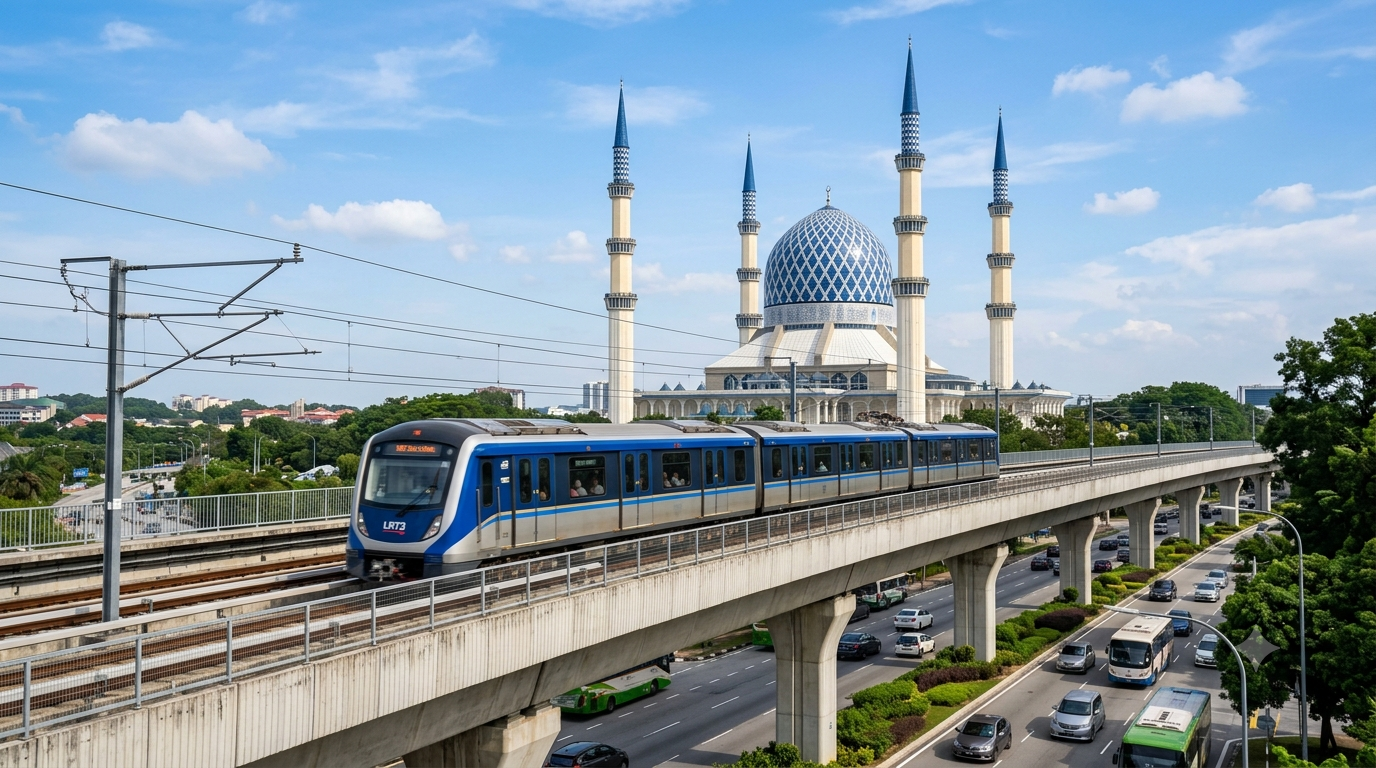 LRT3 Shah Alam Line: Stations, TOD & Property Guide 2026
TL;DR: LRT3 Shah Alam Line at a glance> Opened 29 June 2026, running 37.8 km from Bandar Utama to Johan Setia with 20 stations.Free rides for everyone until 31 July 2026, feeder buses included.> After that, reported fares run up to about RM4.90 cash, RM4.30 cashless and RM2.40 concession.> Serves around 2 million residents. Target ridership is 67,000 a day, rising to 117,708 within five years.> Interchanges: Bandar Utama (MRT Kajang Line) and Glenmarie 2 (LRT Kelana Jaya Line).> The government is planning TOD (affordable housing and shops) on Prasarana land near several stations.> Property tip: transit premiums usually appear 12 to 24 months after a line stabilises, not on launch day. It finally happened. After more than a decade of construction and a long string of delays, the LRT3 Shah Alam Line opened to the public at 6am today, 29 June 2026. Prime Minister Datuk Seri Anwar Ibrahim officiated the launch a day earlier at the Johan Setia depot in Klang. For the western Klang Valley, this is a big deal. Shah Alam and Klang have leaned on cars for decades. Now they finally have a proper rail link. And there is a sweetener. Rides are free for the first month, from today until 31 July 2026. If you live, work, or are thinking of investing along the Petaling Jaya to Shah Alam to Klang stretch, here is everything you need to know. We will also cover the part most headlines skip: Transit-Oriented Development (TOD), the economic ripple effect, and what the line really means for traffic. Everything You Should Know About the LRT3 Shah Alam LineWhat is the LRT3 Shah Alam Line?How many stations does the LRT3 have?What are the LRT3 Shah Alam Line stations?How much are LRT3 fares?Which lines does the LRT3 connect to?What is Transit-Oriented Development (TOD)?TOD Along the LRT3 Shah Alam LineHow the LRT3 Can Boost the EconomyHow the LRT3 Eases Traffic CongestionBest Areas to Invest Around the LRT3 Shah Alam LineThe Future of the LRT3 Shah Alam LineFAQs What is the LRT3 Shah Alam Line? The LRT3, also known as LRT Laluan Shah Alam, is the Klang Valley's third LRT line. It runs 37.8 km from Bandar Utama in Petaling Jaya to Johan Setia in Klang. The line is fully automated and driverless, running on Grade of Automation 4 (GoA4) technology. The trains are the new sky-blue 3-car sets built by CRRC Zhuzhou. Most of the track is elevated. Only one short stretch of about 2.5 km, between Persiaran Dato' Menteri and Stadium Shah Alam, runs underground. The project cost about RM16.63 billion. It was a long road. Construction began in 2016, paused in 2018 for a cost review, then revived and repeatedly delayed before today's opening. How many stations does the LRT3 have? Twenty stations are open at launch. Another five stations (Tropicana, Raja Muda, Temasya, Bukit Raja and Bandar Botanik) are provisional. These were shelved during the 2018 cost-cutting exercise and later reinstated. Construction is expected to begin at the end of 2026. What are the LRT3 Shah Alam Line stations? Here are all 20 stations, grouped by zone from Petaling Jaya down to Klang. ZoneStations (in order)Petaling JayaBandar Utama (interchange, MRT Kajang Line), Kayu Ara, BU 11, Damansara Idaman, SubangShah AlamGlenmarie 2 (interchange, LRT Kelana Jaya Line), Kerjaya, Stadium Shah Alam, Dato' Menteri, UiTM Shah Alam, Seksyen 7 Shah AlamKlangBandar Baru Klang, Pasar Klang, Jalan Meru, Jambatan Kota, Taman Selatan, Seri Andalas, Klang Jaya, Bandar Bukit Tinggi, Johan Setia How much are LRT3 fares? Rides are free for the first month, until 31 July 2026. After that, fares follow the standard distance-based Rapid KL pricing. Reported figures run up to about RM4.90 by cash and RM4.30 cashless, with concession fares around RM2.40. For a daily commuter from Klang or Shah Alam, a cashless fare each way works out to roughly RM189 a month. That can beat petrol, tolls and parking combined. Fares are integrated across the LRT, MRT and Monorail, so you tap once and transfer. Do confirm the latest fares with Rapid KL, as final pricing may be adjusted. Which lines does the LRT3 connect to? Two interchange stations plug the LRT3 into the wider rail network. Bandar Utama connects to the MRT Kajang Line, which runs to Pusat Bandar Damansara, Semantan, TRX and KL Sentral. Glenmarie 2 connects to the LRT Kelana Jaya Line, which serves Bangsar South, Mid Valley (via Abdullah Hukum), KLCC and KL Sentral. Jambatan Kota also sits near the Klang KTM Komuter station for an onward KTM link. So commuters from Klang and Shah Alam finally have a one-transfer ride into KL's main office belts. Feeder buses, vans and parking The line is backed by 40 feeder buses across 13 routes and 323 stops, at RM1 per ride from 6am to 11.30pm. These are also free during the launch month. There are also 44 Rapid On-Demand vans serving 20 zones at RM2 per trip. For drivers, around 2,300 park-and-ride bays are available at the Kayu Ara, Damansara Idaman, Pasar Besar Klang, Seri Andalas, Bandar Bukit Tinggi and Johan Setia stations. What is Transit-Oriented Development (TOD)? Here is where it gets interesting for property. Transit-Oriented Development, or TOD, is the idea of building homes, shops and offices tightly around a transit station. The goal is simple. Put daily life within a short walk of the train, so people drive less and the land around the station actually gets used. A good TOD blends residential, retail and workspace. It puts walkability, covered links to the station and amenities ahead of car parks. Done well, a TOD turns a station from a place you pass through into a place you live, work and spend. TOD Along the LRT3 Shah Alam Line This is now official policy, not just theory. At the launch, the Transport Ministry confirmed it is eyeing several LRT3 station sites for TOD. The named areas include Seri Andalas, Kayu Ara, Bandar Bukit Tinggi and Johan Setia. Transport Minister Anthony Loke made a sharp point. A park-and-ride with 600 bays only ever serves 600 cars a day, because they sit there from morning to night. That land, he argued, can do far more. Prime Minister Anwar pushed the same message. He wants Prasarana's landbank near stations turned into people's housing, not luxury towers, with small shops and stalls for local entrepreneurs. He set an ambitious target: complete affordable, transit-linked housing in Shah Alam within two to three years. The private sector is already moving, with TOD-style projects rising near LRT3 stations and covered walkways planned direct to the platforms. How the LRT3 Can Boost the Economy A new rail line is not just about getting to work faster. It moves money too. First, jobs. The construction phase alone created around 2,000 jobs. Operations, retail and the planned TOD projects will add more. Second, small business. TOD shop lots and stalls give SMEs ready footfall. A station serving tens of thousands of daily riders is a captive market for food, services and convenience retail. Third, land value. When access improves, land near stations becomes more productive. Homes, offices and retail can all command higher value over time. Fourth, spending power. When a household swaps a car loan, petrol and tolls for a roughly RM4 train ride, that saved money gets spent elsewhere in the economy. And there is a wider unlock. Two million residents along the corridor gain easier access to jobs, universities like UiTM Shah Alam, and hospitals like Hospital Tengku Ampuan Rahimah. Better access to opportunity is an economic multiplier in itself. How the LRT3 Eases Traffic Congestion Anyone who drives the Federal Highway or KESAS at rush hour knows the pain. The western corridor has relied almost entirely on roads for decades. Shah Alam and Klang were built around the car. The LRT3 changes the maths. It can move up to 18,630 passengers per hour in each direction. Every full train is dozens of cars taken off the road. Prasarana is targeting 67,000 riders a day in year one, rising to 117,708 within five years. If even a portion are former drivers, the highways breathe a little easier. The line also feeds big traffic generators directly. The Stadium Shah Alam station, for example, gives event crowds a rail option instead of flooding the roads. A realistic note though. Congestion relief is gradual. It builds as ridership grows and as feeder buses and TOD make the train the easy default, not a one-off trip. Best Areas to Invest Around the LRT3 Shah Alam Line Now the question on every investor's mind. Should you buy near an LRT3 station? History says a transit line can lift nearby property values, often by 10% to 20% over comparable homes further out. But timing matters. That premium usually shows up 12 to 24 months after a line stabilises operationally, not on launch day. Anticipation pricing can run ahead of reality, so it pays to be patient. Not all stations are equal either. It helps to think in three zones. 1. Petaling Jaya stretch (already connected) Stations: Bandar Utama, Kayu Ara, BU 11, Damansara Idaman, Subang. These PJ areas already enjoy MRT, LRT or strong highway access. The LRT3 adds convenience, not a structural shift. Capital upside here is the most modest of the three zones. 2. Shah Alam core (the transformation zone) Stations: Glenmarie 2, Kerjaya, Stadium Shah Alam, Dato' Menteri, UiTM Shah Alam, Seksyen 7. This is the standout. Shah Alam has been car-dependent for decades, so this is its first real rail access. The demand drivers are strong: UiTM's large student population, the stadium, and established residential density. For rental investors, stations like Stadium Shah Alam, Dato' Menteri and UiTM Shah Alam look the most promising in the near term. 3. Klang stretch (the long game) Stations: Bandar Baru Klang, Pasar Klang, Jalan Meru, Jambatan Kota, Taman Selatan, Seri Andalas, Klang Jaya, Bandar Bukit Tinggi, Johan Setia. This zone has the biggest transformation potential, and the most competitive entry prices. It is also where the government's TOD plans are most concentrated. The trade-off is time. This is a longer hold, suited to buyers who can wait for the corridor to mature. New projects to watch Several launches are already marketing their LRT3 access. Alia @ Mori Park by OSK Property is a TOD near the Stadium Shah Alam area, about an 800m walk to the line, with prices reported from around RM270,000 for built-ups of 550 to 958 sq ft. Armani Residence Shah Alam by Armani Group takes a lower-density approach, with larger units of roughly 990 to 1,280 sq ft. Across the Shah Alam stretch, new launches have been entering at roughly RM250,000 to RM450,000. For context, the median home in Klang district sits around RM477,000, or about RM335 per sq ft (NAPIC, 2025). One caution worth repeating. Many of these projects complete in 2027 or 2028. You may service loan progress payments for a while before any rental income arrives, and several projects completing at once can compete for the same tenants. Treat all pricing here as indicative and check current figures before you commit. The Future of the LRT3 Shah Alam Line Today is a starting line, not a finish line. Five more stations (Tropicana, Raja Muda, Temasya, Bukit Raja and Bandar Botanik) are due to begin construction at the end of 2026, widening the line's reach. The bigger story is TOD. If the government and private developers deliver affordable, walkable communities around these stations, the LRT3 becomes more than transport. It becomes a backbone for how the western Klang Valley grows. For buyers and investors, the window is now interesting. Prices often soften around launch and firm up once the line proves itself. Watching the Shah Alam and Klang stations over the next 12 to 24 months could pay off. What say you? Is the LRT3 the nudge that finally gets the western corridor out of its cars? FAQs When did the LRT3 Shah Alam Line open? It opened to the public at 6am on 29 June 2026. Prime Minister Anwar Ibrahim officiated the launch on 28 June 2026. Is the LRT3 really free to ride? Yes. Rides on the LRT3 and its feeder buses are free for one month, from 29 June to 31 July 2026. Normal fares apply after that. How many stations does the LRT3 have? Twenty stations are open at launch, from Bandar Utama to Johan Setia. Five more provisional stations are planned, with construction expected to start at the end of 2026. Which lines does the LRT3 connect to? It connects to the MRT Kajang Line at Bandar Utama and the LRT Kelana Jaya Line at Glenmarie 2. Jambatan Kota also sits near the Klang KTM Komuter station. How much will LRT3 fares cost after the free period? Fares follow the distance-based Rapid KL system. Reported figures run up to about RM4.90 cash and RM4.30 cashless, with concession fares around RM2.40. Confirm current fares with Rapid KL. Is property near the LRT3 a good investment? A station nearby can lift values by around 10% to 20% over time, but the premium usually appears 12 to 24 months after the line stabilises, not on launch day. The Shah Alam core and Klang stretch hold the most upside. What is TOD and why does it matter for the LRT3? TOD, or Transit-Oriented Development, builds homes, shops and offices within walking distance of a station. The government plans TOD on Prasarana land near several LRT3 stations, which could reshape neighbourhoods and property demand. Thinking of buying, renting or investing along the LRT3 Shah Alam Line? Our IQI property professionals know these neighbourhoods inside out. Leave your details below and we will help you find the right home or investment. [custom_blog_form] Continue reading: Damansara Rental Yield for Property Investment 5 Reasons Why You Should Invest in Klang Valley in 2025 3 Reasons Why You Will Definitely Want to Live in Petaling Jaya! | Real Estate 101 Sources & References: Figures in this article reflect official announcements and launch-day reporting as of 29 June 2026. Fares and project details may be revised, so confirm current information with Rapid KL and the relevant developers before making decisions. The Star. (2026, June 27). PM Anwar to launch LRT3 Shah Alam line tomorrow. Tan, D. (2026, June 28). LRT3 Shah Alam Line launched by PM, 20 stations open to public 6am tomorrow, free rides till July 31. Paultan.org. Malay Mail. (2026, June 27). PM Anwar to launch LRT3 Shah Alam Line tomorrow, 20 new stations set to transform commutes. RinggitPlus. (2026, June). LRT3 Shah Alam Line starts operations on 29 June. The Edge Malaysia. (2026, June 28). MOT eyeing several sites around LRT3 stations for transit-oriented housing projects, says minister. Scoop. (2026, June 28). LRT3 launch: Anwar pushes Prasarana land for affordable, people's housing under TOD push. New Straits Times. (2026, June 28). Affordable housing, retail spaces planned along Shah Alam LRT3 line. EdgeProp.my. (2026, June 28). Transport Ministry identifies several areas around LRT3 stations for TOD projects. Hartamas Real Estate. (2026). LRT3 is open: What past rail launches tell us about property prices. EdgeProp.my. (2025, July 2). New home launches around soon-to-start LRT3. Prasarana Malaysia / Rapid Rail. (2026). LRT Shah Alam Line (LRT3). Railway News. (2026, May 17). LRT3 project: 2026 construction update and route map. For the most accurate and up-to-date information, please refer to official announcements from Prasarana and Rapid KL.
Continue Reading

