

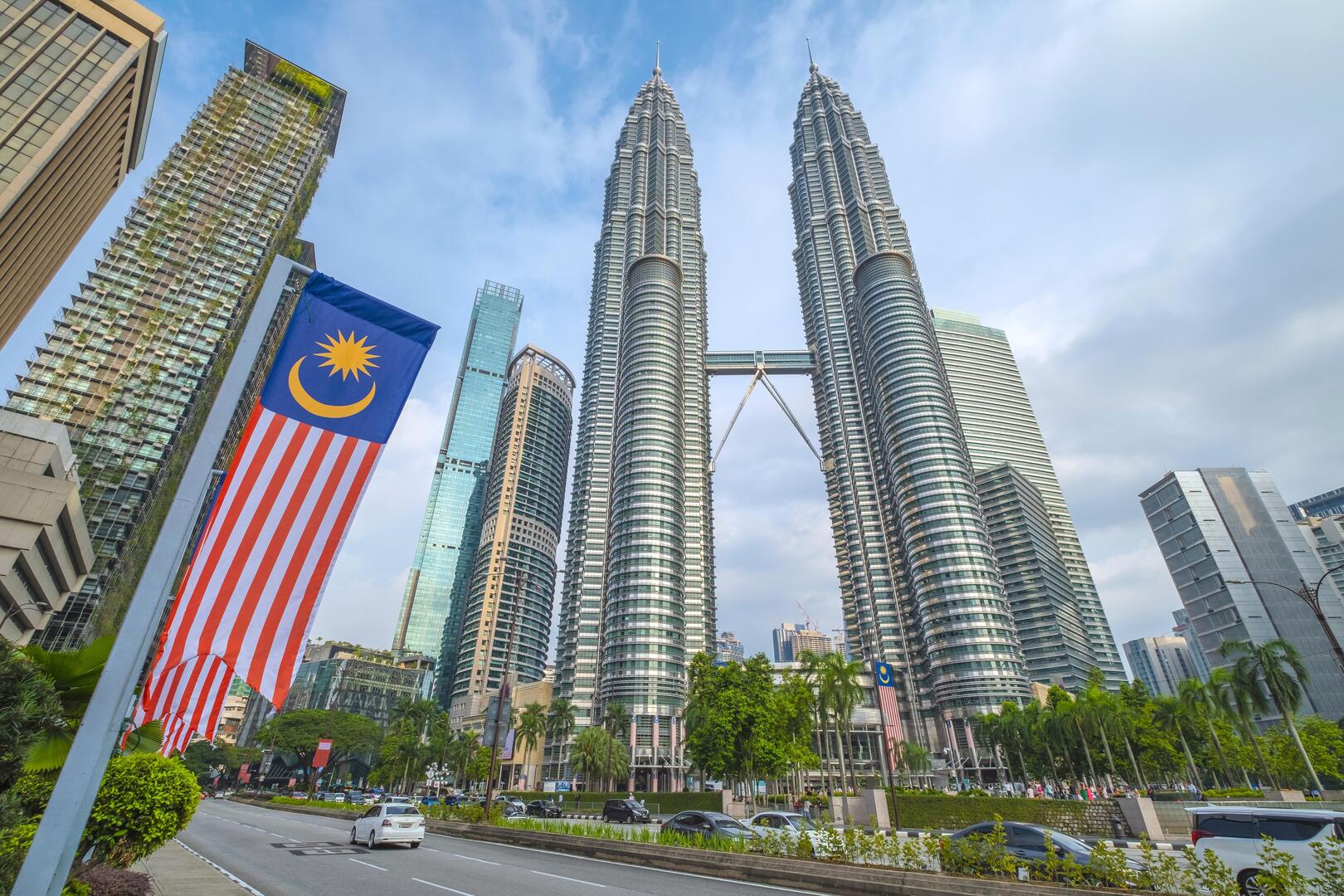
Available Properties
Discover the latest listings in Malaysia
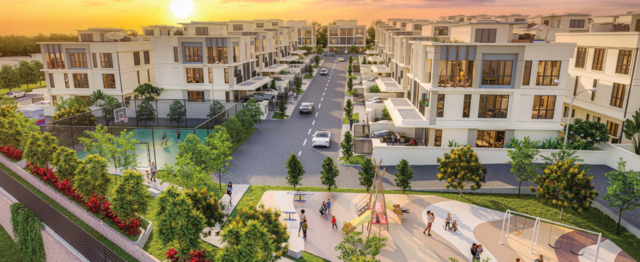
Erica Residence - Bandar Bukit Puchong
Jalan BP 11/5, Bandar Bukit Puchong 2, 47120 Puchong, Selangor
Starting from RM 2,142,000
Listed on August 21, 2026

The Atas - Taman Desa
66, Jalan Taman Bukit Desa, Taman Bukit Desa, 58100 Kuala Lumpur, Wilayah Persekutuan Kuala Lumpur
Starting from RM 825,000
Listed on August 21, 2026
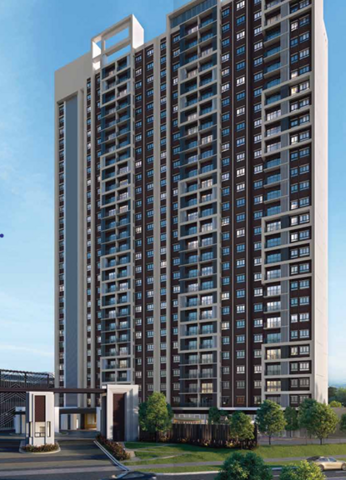
Erat Residence - Alam Impian
1, 35/45, Persiaran Hang Nadim, Alam Impian, 40470 Shah Alam, Selangor
Starting from RM 598,000
Listed on August 21, 2026

M Aurora @ Old Klang Road
13, Jalan 18/1, Seksyen 1a, 46000 Petaling Jaya, Selangor
Starting from RM 492,960
Listed on August 11, 2026
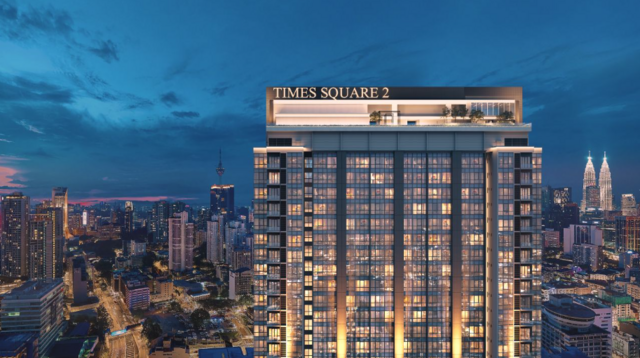
Times Square 2 @ Bukit Bintang
Jln Imbi, Imbi, 57000 Kuala Lumpur, Wilayah Persekutuan Kuala Lumpur
Starting from RM 688,000
Listed on August 11, 2026

RIA Sunsuria @ Kwasa Damansara
Selangor, U 4, 40160 Shah Alam, 40160 Selangor
Starting from RM 849,000
Listed on August 11, 2026

Divine KLCC
50450 Kuala Lumpur, Federal Territory of Kuala Lumpur
Starting from RM 997,000
Listed on July 16, 2026
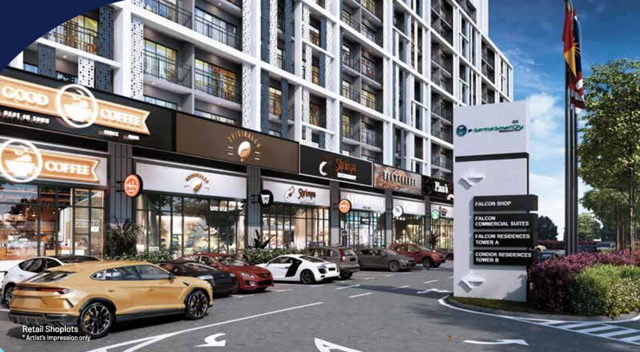
E.Sentral Smart City
20, Jln Marikh CB U5/CB, Taman Subang Kristal, 40150 Shah Alam, Selangor
Starting from RM 270,000
Listed on July 14, 2026
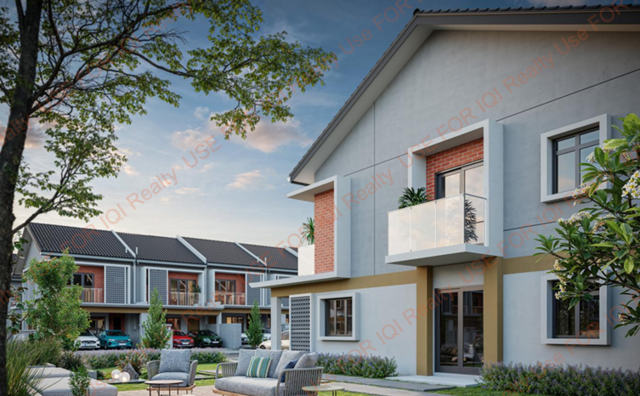
Majestic Flora @ Semenyih
Jalan Kesuma 8/2, 43500 Semenyih, Selangor
Starting from RM 738,000
Listed on July 14, 2026

Lunar Seputeh @ Old Klang Road
20, Jalan Telok Batu, Datok, 58000 Kuala Lumpur, Wilayah Persekutuan Kuala Lumpur
Starting from RM 607,800
Listed on July 14, 2026

Sutera Suites @ KL City
Jalan Sungai Baru, Kampung Baru, 50300 Kuala Lumpur, Wilayah Persekutuan Kuala Lumpur
Starting from RM 595,000
Listed on June 22, 2026
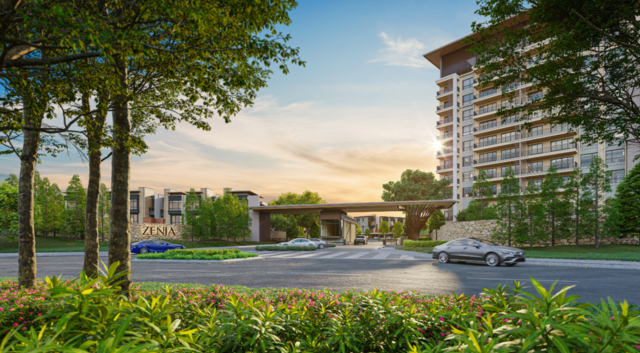
Zenia ParkCity
4HRF+33, Pju 4, 47410 Petaling Jaya, Selangor
Starting from RM 1,300,000
Listed on June 22, 2026
List of Houses Suitable for MM2H by Category (2026)
Platinum Tier (RM2 Million+)
Ideal for high-net-worth individuals seeking premium lifestyle properties:
Luxury bungalows and gated landed homes
High-end condominiums in prime districts
Waterfront or branded residences
📍 Recommended areas:
KLCC, Bangsar, Mont Kiara
Penang waterfront
Exclusive enclaves in Klang Valley
Gold Tier (RM1 Million+)
Balanced option between lifestyle and investment:
Semi-detached houses and modern terrace homes
Spacious condominiums with full facilities
📍 Recommended areas:
Petaling Jaya, Subang Jaya
Penang Island
Johor Bahru
Silver Tier (RM600,000+)
Entry-level MM2H property options:
Standard condominiums
Townhouses and smaller landed homes
📍 Recommended areas:
Ipoh, Melaka
Outer Klang Valley growth areas
SEZ / SFZ (Johor Special Zones)
Designed for specific investment zones:
High-rise apartments (e.g. Forest City)
Developer-linked projects with flexible thresholds
Location-Based Property Options in Malaysia
State rules may vary, but these are commonly compliant choices:
Location | Suitable Property Type | Typical Range |
|---|---|---|
Kuala Lumpur | High-rise condos (KLCC, Mont Kiara, Bangsar) | RM 1M+ |
Penang | Condos & selected landed homes | RM 800K – RM 2M+ |
Selangor | Terrace, semi-D, condos | RM 600K – RM 2M+ |
Johor | Landed homes & condos | RM 500K – RM 2M+ |
⚠️ Key MM2H Property Rules You Must Know
Property must be residential (not commercial)
Eligible types: landed houses, strata units (condo/apartment)
Must purchase within 1 year after visa approval
Cannot use inherited or non-qualifying property
💡 Always check state-specific rules before purchasing.
FAQ
1. What type of house is allowed under MM2H?
Only residential properties, including landed houses and condominiums, are allowed.
2. Can foreigners buy any property in Malaysia under MM2H?
No. You must meet minimum price thresholds set by MM2H tier and state regulations.
3. What is the minimum property price for MM2H?
Silver: RM600,000+
Gold: RM1,000,000+
Platinum: RM2,000,000+
4. Can I rent out my MM2H property on Airbnb?
This depends on local regulations and building management rules, especially in Kuala Lumpur.
Explore
Related Posts
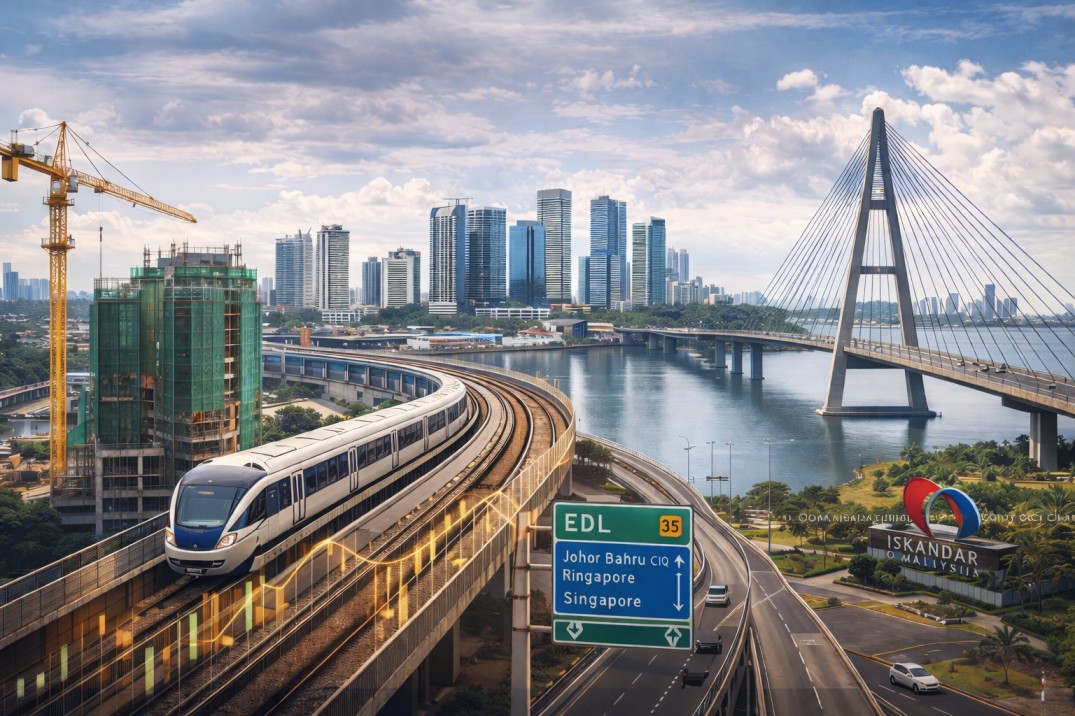
Discover new launched affordable houses under 500K in Johor. Explore modern developments, flexible payment plans & investment opportunities. Start today with IQI Global.
Continue Reading

Discover affordable houses under 500K in Kepong. Explore verified listings, financing options & investment potential. Start your property journey with IQI Global today.
Continue Reading

Looking for a list of new launch projects for Airbnb investment in Kuala Lumpur (2026)? Explore top developments with high rental yield, strategic locations, and strong short-term rental demand.
Continue Reading

View new launches houses for sale in Bukit Bintang, KL City Centre, Kuala Lumpur. Contact verified agents, view floor plans and compare prices with IQI Global.
Continue Reading
Not Sure Which Property Fits Your MM2H Tier?
Choosing the wrong property can delay your MM2H approval or limit your investment returns. Our team helps you: > Identify MM2H-compliant properties > Match projects based on your tier and budget > Evaluate rental potential and long-term value 👉 Speak to our MM2H property specialists today and get personalised recommendations
Get My MM2H Property Shortlist
Be updated on new launches
Subscribe to our emails to find out about the latest property news, trends and launch dates.
Learn
Tips and Guides
 MM2H China: Are Chinese Buyers Taking Over Malaysian Property?
In February 2026, a parliamentary reply sparked headlines across Malaysia: China had emerged as the largest source of MM2H property buyers. The story was quickly picked up by The Star, New Straits Times, The Sun and the South China Morning Post, while questions were raised in Parliament over whether the programme had become too concentrated in one market. But the headlines left out an important piece of context. How significant are these Chinese purchases when compared with Malaysia’s overall property market? That is the question this article answers, using the numbers behind the headlines. Key Takeaways Chinese nationals made 304 of the 744 MM2H property purchases recorded as at 31 December 2025, making China the programme’s largest single buyer market. Despite China’s strong share within MM2H, the overall programme remains small compared with Malaysia’s wider property market. The 744 MM2H purchases represent less than 0.3% of Malaysia’s 256,512 residential transactions in 2025 alone. Foreign buyers generally operate in a different segment from most local buyers. They cannot purchase low-cost housing, Bumiputera quota units or Malay Reserved Land, and are subject to state minimum purchase prices, including around RM1 million in Kuala Lumpur. Foreign demand is concentrated mainly in higher-priced strata and high-rise properties, rather than the affordable housing segment where most Malaysian transactions take place. From 1 January 2026, foreign residential buyers face a flat 8% stamp duty, up from 4%, with no special exemption for MM2H participants. MM2H provides a renewable long-term stay option, but it does not grant permanent residency or Malaysian citizenship. Table of contentsWhat the MM2H China numbers actually sayHow big is 744 purchases, really?So why is China so dominant within MM2H?Does this push up house prices for Malaysians?Where are these buyers actually buying?What changed on 1 January 2026?What the industry is sayingWhat this means for youFAQs What the MM2H China numbers actually say According to Tourism, Arts and Culture Minister Datuk Seri Tiong King Sing, 744 MM2H participants had purchased property in Malaysia as at 31 December 2025, following the programme’s relaunch. Of the total, Chinese nationals accounted for 304 purchases, the largest share, followed by Taiwan with 91 and Singapore with 63. NationalityProperty purchasesChina304Taiwan91Singapore63United States41United Kingdom40Hong Kong34Australia29Bangladesh19South Korea15Indonesia and Japan14 each Source: Ministry of Tourism, Arts and Culture, Dewan Rakyat reply, 4 February 2026. Figures as at 31 December 2025. A further 2,637 participants were still in the process of purchasing property, either finalising their sale and purchase agreements or shortlisting suitable locations. In March 2026, Tiong also announced that MM2H had approved 3,172 applications in 2025, representing 9,038 participants including dependants and generating an estimated RM3.875 billion in economic value. Of this, around RM1.51 billion came from residential property purchases, while the larger share came from fixed deposits placed with Malaysian banks. These figures are significant, but they need context. Without comparing them against Malaysia’s overall property market, the numbers can easily appear larger than they really are. How big is 744 purchases, really? According to NAPIC, Malaysia recorded 256,512 residential transactions in 2025, worth RM108.27 billion. That figure covers just one year, while the 744 MM2H property purchases were recorded over roughly two years. In other words, MM2H-linked purchases represent only a very small share of Malaysia’s overall residential market. MeasureFigureMalaysian residential transactions, 2025256,512All MM2H property purchases, Dec 2023 to Dec 2025744Chinese MM2H purchases, same period304Chinese MM2H purchases as a share of one year's residential marketabout 0.12% Put simply, for every 840 residential properties transacted in Malaysia in 2025, only about one was purchased by a Chinese MM2H participant. Even if the full 2,637-participant purchase pipeline is added to the completed transactions, the combined figure would still represent only around 1.3% of one year’s residential market. China may lead MM2H, but it does not lead Malaysia’s property market. The distinction is important when interpreting the headline numbers. Want the full picture of what actually drives the market? Read our breakdown of the NAPIC data. So why is China so dominant within MM2H? China’s strong presence within MM2H does not necessarily translate into dominance of Malaysia’s wider property market. Three key factors help explain why Chinese buyers lead the programme. Promotion has been concentrated in East Asia Tiong acknowledged in Parliament that MM2H promotional efforts have been more heavily focused on East Asian markets. The ministry has since indicated plans to broaden its outreach, particularly across the Middle East. This helps explain why Chinese buyers account for such a large share of the programme. Markets that receive greater promotion are naturally more likely to generate stronger applicant numbers. MM2H attracts financially established applicants MM2H requires participants to place a fixed deposit in Malaysia and purchase a qualifying property. These requirements naturally appeal to applicants with sufficient liquid capital who are looking for a long-term base in the region. Chinese and Taiwanese families represent a significant share of this profile, particularly among buyers considering property, education, lifestyle and regional mobility together. Malaysia offers a relatively easy transition Malaysia also offers several practical advantages for Chinese families considering relocation. Mandarin is widely spoken in many communities, international schools are well established, healthcare is accessible, and major Chinese cities are within relatively short flying distance. These factors can make the transition to Malaysia more straightforward compared with destinations such as Australia, Canada or the United Kingdom. Malaysia has also remained relatively open to foreign property buyers while several other major markets have introduced tighter restrictions. Against this backdrop, Juwai IQI recorded a 52.5% year-on-year increase in international property enquiries, with Kuala Lumpur accounting for 44% of all foreign buyer enquiries. Does this push up house prices for Malaysians? This is one of the biggest concerns behind the MM2H headlines, but the national data suggests the impact is limited. Foreign buyers generally operate in a different segment from most Malaysian homebuyers. They cannot purchase low-cost or medium-cost housing, Bumiputera quota units or Malay Reserved Land, and are typically restricted to strata properties such as condominiums and apartments. Landed property is also more tightly controlled in most states. Each state also sets a minimum purchase price for foreign buyers. In Kuala Lumpur, the threshold is generally RM1 million, while on Penang Island it is RM1 million for strata properties and RM3 million for landed homes. For more details, see our foreigner's guide to buying property in Malaysia and guide to foreign land ownership rules. This matters because Malaysian demand is concentrated much lower down the price range. In Q1 2026, homes priced at RM300,000 and below recorded 27,209 transactions, making them the most active segment in the residential market. Affordable homes remain the main driver of transaction volume in Malaysia. Kashif Ansari, Co-Founder and Group CEO, Juwai IQI In other words, local and foreign buyers are largely shopping in different parts of the market. A foreign buyer subject to a RM1 million minimum is unlikely to compete directly with most Malaysians buying lower-priced homes. There is another factor to consider. Malaysia continues to carry a residential overhang of more than 30,000 completed unsold units, with condominiums and apartments accounting for a significant share. High-rise properties in the RM500,000 to RM1 million range are among the most oversupplied segments. Foreign demand can therefore help absorb part of this existing stock rather than simply adding pressure to prices. Our H1 2026 market review looks more closely at how the overhang is changing. That said, the national picture does not apply equally everywhere. In certain developments or neighbourhoods, concentrated foreign demand can still influence local prices and rental yields. The broader data suggests the impact is limited nationally, but local effects can still occur. Worried a specific area is being priced out? An IQI agent can pull actual transacted prices for the neighbourhood you are looking at, not headline averages. Browse subsale homes → Where are these buyers actually buying? Foreign and MM2H demand is concentrated mainly in three markets, each appealing to a different buyer profile. Kuala Lumpur remains a key choice for families, professionals and business owners. Areas such as Mont Kiara, Bangsar, Desa ParkCity, KLCC and Bukit Jalil offer access to international schools, healthcare, established Mandarin-speaking communities and strong public transport connections. The city’s RM1 million foreign purchase threshold also aligns closely with the MM2H Gold property requirement. See our guide to the best places to live and invest in Malaysia. Johor appeals strongly to buyers who value proximity to Singapore. The RTS Link, the Johor-Singapore Special Economic Zone and the Forest City special financial zone are strengthening Johor’s cross-border investment appeal. Our analysis of Johor property prices explores the market in greater detail. Penang continues to attract lifestyle, retirement and long-stay buyers. Its appeal comes from a combination of healthcare, food, established communities and a slower-paced lifestyle. For investors, see our guide to the top rental yield areas in Penang. What changed on 1 January 2026? The MM2H purchase figures above were recorded before a major change in the cost of buying residential property as a foreigner in Malaysia. From 1 January 2026, non-citizens and foreign-owned companies are subject to a flat 8% stamp duty on residential property transfers, up from the previous 4%. Malaysian citizens continue to pay tiered stamp duty rates of 1% to 4%, while MM2H participants who are neither citizens nor permanent residents do not receive an exemption from the higher foreign-buyer rate. Purchase priceMalaysian citizenForeign buyer from 2026RM1,000,000About RM24,000RM80,000RM2,000,000About RM64,000RM160,000 The difference also extends to the eventual sale of the property. Under Real Property Gains Tax, non-citizens are subject to 30% tax on gains within the first five years of ownership, falling to 10% from the sixth year onwards. Malaysian citizens, by comparison, are generally subject to 0% RPGT from the sixth year. These changes make the cost of entering and exiting Malaysia’s property market significantly higher for foreign buyers. As a result, the strong Chinese presence recorded under MM2H up to the end of 2025 may not necessarily continue at the same pace in 2026. The higher transaction costs introduce a new factor that could influence future foreign-buyer demand. What the industry is saying The concentration of Chinese buyers within MM2H has also drawn attention across Malaysia’s property industry, where experts have generally offered a more measured view than the headlines suggest. Siva Shanker, CEO of Estate Agency, Rahim & Co Siva Shanker has pointed to a basic problem with the debate itself. Malaysia lacks comprehensive data on foreign property ownership, which makes the true impact of Chinese investment difficult to measure accurately. He has also observed that while Chinese buyers are visibly present in the market, the scale is not as large as many assume, and is broadly comparable to interest from British buyers. Kashif Ansari, Co-Founder and Group CEO, Juwai IQI Kashif Ansari frames the foreign buyer question as a competitive one rather than a defensive one. He has argued that foreign buyer bans send an unwelcoming signal and make it harder to compete globally for investment, jobs and technology, noting that Malaysia is winning in that market precisely because it has stayed open while others closed. He has also pointed out that economic contributions from foreign residents have grown to more than RM84.2 billion a year. Datuk Paul Khong, Group Managing Director, Savills Malaysia Paul Khong has suggested that momentum from projects such as the Johor-Singapore Special Economic Zone could revive Chinese interest in Malaysian property, after a period in which earlier waves of Chinese investment underdelivered against expectations. The Forest City experience is the cautionary example, where capital controls in China left an ambitious project far short of its projections. Datuk Seri Tiong King Sing, Minister of Tourism, Arts and Culture Responding to questions in the Dewan Rakyat about the concentration of applicants, Tiong urged that the programme not be politicised, stressing that MM2H is open to applicants worldwide and that participants from Arab countries are also accepted. He acknowledged that promotion has been weighted towards East Asia and committed to broadening it, particularly across the Middle East where participation remains low. Two things stand out across those views. Nobody credible is arguing that Chinese MM2H buyers are reshaping the Malaysian housing market. The debate is about whether the programme's applicant mix is diverse enough, which is a policy question rather than an affordability one. The second is the data gap Siva Shanker identifies. Malaysia does not publish comprehensive foreign ownership statistics, which is precisely why a single parliamentary answer about one visa programme ended up carrying more weight than it should. For more of Juwai IQI's outlook on the year ahead, read our CEO's 2026 Malaysia forecast. What this means for you If you are buying a home in Malaysia: MM2H buyers are unlikely to be your main competition, especially in lower-priced segments. Focus on actual transacted prices in your target area rather than national headlines. Our subsale price data shows where prices are really moving. If you are selling a high-rise above RM1 million: foreign and MM2H buyers remain a relevant target market, particularly in Kuala Lumpur, Johor and Penang. The segment is relatively small, but still active. If you are an investor: the bigger signal is not which nationality leads MM2H, but where foreign demand is flowing. Much of it is concentrated in higher-priced high-rise properties, a segment where Malaysia already has substantial supply. If you are following the policy debate: MM2H remains open to applicants worldwide. The government has also indicated plans to diversify its promotional efforts beyond East Asia and attract more participants from other regions. FAQs Are Chinese buyers taking over the Malaysian property market? No. Chinese nationals made 304 MM2H property purchases between December 2023 and December 2025, while Malaysia recorded 256,512 residential transactions in 2025 alone. This means Chinese MM2H purchases represented only about 0.12% of one year’s residential market. China leads MM2H, but not Malaysia’s overall property market. How many properties have Chinese nationals bought under MM2H? As of 31 December 2025, Chinese nationals had purchased 304 properties under MM2H, the highest among all nationalities. This was out of 744 total MM2H property purchases, followed by Taiwan with 91 and Singapore with 63. Do foreign buyers push up house prices in Malaysia? Not broadly. Foreign buyers are restricted from low-cost housing, Bumiputera quota units and Malay Reserved Land, and usually face minimum purchase prices, such as around RM1 million in Kuala Lumpur. While foreign demand can affect prices in specific developments, national data does not show a major impact on Malaysia’s overall housing market. What can foreigners buy in Malaysia? Foreigners can generally buy strata properties such as condominiums and apartments, subject to each state’s minimum purchase price and approval requirements. They cannot buy low-cost housing, Bumiputera quota units or Malay Reserved Land, while landed property is more restricted. How much stamp duty do foreign buyers pay in Malaysia in 2026? From 1 January 2026, foreign buyers pay a flat 8% stamp duty on residential property transfers in Malaysia, up from 4%. This means a RM1 million property incurs RM80,000 in stamp duty. MM2H participants who are not Malaysian citizens or permanent residents do not receive an exemption. Does MM2H give Chinese buyers permanent residency or citizenship? No. MM2H grants a long-term social visit pass with a multiple-entry visa, renewable in five-year cycles across the Platinum, Gold, Silver and Special Economic Zone categories. The Malaysian government has repeatedly confirmed the programme has never offered permanent residency or citizenship to participants. Get the number that actually applies to you National figures will not tell you what your area is doing. Tell us where you are looking and whether you are buying, selling or investing, and an IQI agent will come back with real transacted prices for that location. [custom_blog_form] Continue reading: MM2H explained: the Silver, Gold, Platinum and SEZ requirements The MM2H programme: eligibility and how to apply MM2H drives nearly RM1 billion in annual investment Juwai IQI's CEO provides a Malaysia forecast for 2026 Malaysia's 2026 outlook for economic and property stability Sources Ministry of Tourism, Arts and Culture, Dewan Rakyat reply by Datuk Seri Tiong King Sing, 4 February 2026, as reported in The Star, "China, Taiwan and Singapore top MM2H property buyers, says Tiong" South China Morning Post, "Chinese buyers top the list in Malaysia's MM2H golden visa scheme", 4 February 2026 ExpatGo, "MM2H home purchases on the rise, but misconceptions about the programme persist", 5 February 2026 IMI Daily, "Malaysia's MM2H programme records 744 property purchases since late 2023", 4 February 2026 National Property Information Centre (NAPIC), Property Market Report 2025 and Q1 2026 Property Market Status Report, for residential transaction volumes, price bands and overhang figures Global Property Guide, "Malaysia's residential property market analysis 2026", for stamp duty comparison, MM2H 2025 approval figures and Q1 2026 transaction bands The Malaysian Reserve, "Malaysia's open-door stance drives 50% jump in foreign property interest", 10 September 2025, for Kashif Ansari's commentary and the RM84.2 billion figure Outbound Investment Group, "Evaluating the impact of China's investment in Malaysia's property market", for commentary from Siva Shanker of Rahim & Co and Datuk Paul Khong of Savills Malaysia Lembaga Hasil Dalam Negeri (LHDN) for stamp duty rates under the Stamp Act 1949 and Real Property Gains Tax rates for non-citizens Respective state authority guidelines for minimum purchase prices applicable to foreign buyers IQI Global, NAPIC Q3 2025 analysis
Continue Reading
 MM2H Explained: Why Malaysia Is a Safe Haven for Property Investors in 2026
With conflict reshaping the Middle East and Gulf cities under fire for the first time, a growing wave of professionals, retirees, and families are exploring Malaysia’s MM2H programme as a pathway to residency, safety, and property investment. Here’s what international investors need to know. Key Takeaways Malaysia is strengthening its position as a safe-haven destination for foreign investors looking for stability, long-term residency and property investment opportunities. MM2H remains a major gateway for foreign buyers, with 5,972 approved participants as of August 2025, including 2,134 principal applicants and 3,838 dependents. Chinese nationals made up the largest group. The revamped MM2H programme is more structured and closely monitored, with immigration-related approvals handled through the Ministry of Home Affairs and the Immigration Department. Stronger screening may improve investor confidence, as stricter checks help protect Malaysia’s residency programme and keep it attractive to serious long-term applicants. Rising interest from the Middle East and Asia could support Malaysian property demand, especially in locations popular with foreign residents, retirees and long-stay families. Why Malaysia Is a Safe Haven for Property Investors in 2026The Middle East Crisis and the Rise of MM2H: How Conflict Moves CapitalNeutral Ground: What Makes Malaysia the Right Destination for MM2H ApplicantsWhy Malaysia? Six Reasons It Stands OutFrom MM2H Visa to Property Keys: How Residency Becomes InvestmentThe Investment CaseConnecting the DotsFAQs The Middle East Crisis and the Rise of MM2H: How Conflict Moves Capital When geopolitical tensions escalate, capital moves. On 28 February 2026, coordinated US-Israeli airstrikes on Iran triggered a full-scale regional war. Iran retaliated with missile and drone barrages against Israel, US military bases, and allied nations across the Persian Gulf. For the first time, Gulf capital cities came under direct fire. Residential areas in Bahrain’s Manama, airports in Abu Dhabi, oil fields in Kuwait and Saudi Arabia, and even Qatar and Oman were hit. The economic fallout has been just as disruptive. Oil surged toward US$120 per barrel. Qatar and Kuwait declared force majeure on energy contracts. The Strait of Hormuz, which carries roughly 20% of global oil supply, has been effectively disrupted. The UN Security Council adopted Resolution 2817, condemning the attacks and demanding cessation. The pattern is familiar. The Russian capital moved to Dubai and Southeast Asia after the Ukraine invasion. Chinese investors diversified into Australia and Malaysia as their domestic market slowed. Now the same dynamic is emerging from the Gulf, and a growing number of professionals, retirees, and families are asking: Where is safe now? For many, the answer is Malaysia. Neutral Ground: What Makes Malaysia the Right Destination for MM2H Applicants Malaysia is increasingly viewed as a geopolitically neutral country, and that perception is now translating into real enquiries. Anthony Liew, president of Malaysia’s MM2H Consultants Association, confirmed in a report published by The Star on 16 March 2026 that interest from Gulf citizens is rising. The enquiries are coming from Saudi Arabia, the UAE, Kuwait, Bahrain, and Qatar. What the Industry Is Saying According to Liew, the potential applicants are predominantly working professionals, retirees, and parents seeking educational opportunities for their children. Applications have not yet surged as prospective applicants are still verifying documents, but the direction of travel is unmistakable. The enquiry pipeline is building. Juwai IQI co-founder and Group CEO Kashif Ansari confirmed this shift. Malaysia, he said, is a natural destination for those in the Middle East, given its safe haven status and distance from the conflict. He noted that there is already evidence of Middle Eastern buyers turning their attention to Malaysia, and that outside the Middle East, it is rare to find attractive, multilingual markets that also offer halal food and access to Islamic finance In the same report by The Star, Sunway University economics professor Dr Yeah Kim Leng noted that Malaysia has long had a small but growing Middle Eastern expatriate community. He said this gives the country a comparative advantage over Thailand and Singapore in attracting this demographic, particularly if regional turbulence persists. Source: The Star, More Middle East interest in MM2H Why Malaysia? Six Reasons It Stands Out Malaysia’s appeal is not based on a single factor. It is the combination that makes it stand out for Gulf citizens specifically: 1. Geopolitical Neutrality Malaysia hosts no foreign military bases and has maintained diplomatic neutrality in the US-Iran and Israel-Palestine conflicts. For Gulf nationals whose cities were struck because of their proximity to US installations, this is not a theoretical benefit. It is a direct safety factor. 2. Muslim-Majority Country with Cultural Familiarity Malaysia is one of the few economically developed, politically stable nations where Gulf nationals can find a genuinely familiar environment. Halal food is universally available, Islamic schools operate alongside international curricula, and daily life reflects Islamic values. This makes the transition far smoother than relocating to Western alternatives. 3. World-Class Islamic Finance Infrastructure Malaysia is a global hub for Shariah-compliant banking, takaful (Islamic insurance), and Islamic real estate investment trusts (REITs). Gulf investors can structure property acquisitions, mortgages, and savings entirely within a Shariah-compliant framework, which very few relocation destinations can offer. The global Shariah-compliant real estate market is valued at approximately US$12.5 billion, with Malaysia ranking second only to Saudi Arabia in fund assets. This existing infrastructure makes the country uniquely positioned to absorb a wave of Gulf capital seeking both safety and compliance. 4. Competitive Property Prices and Healthy Yields Property in Kuala Lumpur’s prime areas ranges from approximately €3,000 to €5,000 per square metre, with rental yields of 4.5% to 6%. Compared to Dubai or Singapore, Malaysia offers significantly more value per dollar. The Malaysian ringgit remains favourable against the US dollar and Gulf currencies, adding an extra layer of purchasing power for foreign buyers entering the market now. 5. Established Middle Eastern Expat Community According to The Star’s report, Malaysia already has a small but growing expatriate community from the Middle East. This existing community provides a social and cultural foundation for newcomers, from Arabic-speaking neighbourhoods to established business networks. It is a practical advantage that competing destinations like Thailand and Singapore do not yet offer at the same scale. 6. Government Backing and Visit Malaysia 2026 The Ministry of Tourism, Arts and Culture has identified the Middle East as a priority tourism market for 2026. The MM2H programme alone has generated RM3.87 billion (approximately US$870 million) for the national economy as of last year, and the government is actively promoting the country to Gulf audiences through Visit Malaysia 2026. From MM2H Visa to Property Keys: How Residency Becomes Investment The Malaysia My Second Home programme is what transforms interest in Malaysia into actual property investment. It is the mechanism that connects residency with real estate, and it is increasingly well-suited to what Gulf investors are looking for. What Is MM2H? MM2H is a government-backed long-term residency initiative offering foreign nationals a renewable social visit pass of 5 to 20 years. Launched in 2002 and significantly reformed over the past two years, it now operates under a clear tiered framework with four categories: Platinum, Gold, Silver, and Special Economic Zone (SEZ). Key requirements and benefits include: Applicants must be aged 25 and above for Silver, Gold and Platinum categories, or aged 21 and above for the SEZ/SFZ category. Tax exemption on foreign-sourced income remitted to Malaysia. Tax-free interest on the mandatory fixed deposit. Inclusion of family members (spouse, unmarried children up to 34, disabled children of any age, and parents or parents-in-law on both sides). Multi-entry travel privileges. Access to Malaysia's healthcare and education systems. Applicants need comprehensive medical insurance with a minimum coverage of RM80,000 and must pass a medical fitness check. Since July 2024, all MM2H applications must be submitted through a MOTAC-licensed agent. Self-direct applications are no longer accepted. MOTAC sets professional fees for agents at RM40,000 to RM70,000 for the main applicant, excluding medical checks, insurance premiums, visa stamping fees and standard property purchase costs. Applicants should verify that any agent they engage holds a current licence issued under the MM2H 3.0 framework before submitting an application. MM2H Tiers at a Glance TierVisa DurationFixed Deposit (USD)Min Property PurchaseProperty RequiredPlatinum20 yearsUSD 1,000,000RM 2,000,000Yes (directorships, shareholding)Gold15 yearsUSD 500,000RM 1,000,000NoSilver5 yearsUSD 150,000RM 600,000NoSEZ / SFZ5 to 10 yearsUSD 65,000 (under 50) / USD 32,000 (50+)RM 500,000 (Forest city developer only)Limited Sources: MOTAC official guidelines; Bratu Capital (June 2026); Hudson McKenzie (May 2026); Rumavi (July 2026). State-level foreign buyer minimums may override these thresholds where higher. Important: work rights vary by tier Only Platinum tier holders can work in Malaysia, serve as company directors and hold shareholdings. Silver and Gold holders do not have employment rights in Malaysia. This is a critical distinction for Gulf professionals considering active business operations from Malaysia. Under all previous MM2H frameworks, work and business activities were prohibited entirely. The 2026 Platinum tier changes this for the first time. Note: Participants under 50 must spend 90 cumulative days per year in Malaysia (shareable with dependents). Those 50+ have no minimum stay requirement. How MM2H Connects to Property This is the critical link. Under the current framework, all mainland MM2H tiers require a compulsory property purchase. This transforms the programme from a simple residency visa into a residency-plus-investment pathway, making MM2H especially relevant to investors, not just retirees or lifestyle migrants. How it works: Each state sets its own foreign property threshold, so the minimum purchase value can vary by location. In Kuala Lumpur, it is generally RM1 million, while prime Selangor zones can reach RM2 million. For Silver, Gold and Platinum MM2H tiers, the property must be bought within 12 months of visa endorsement. For the SEZ pathway, the property must be purchased from a Forest City developer before visa endorsement. MM2H properties are also subject to a 10-year sale restriction, unless the participant upgrades to a higher-value property or ends their MM2H participation. Existing Malaysian property bought more than two years before visa endorsement cannot be used to trigger fixed deposit withdrawal. The fixed deposit bridge: participants can withdraw up to 50% of their fixed deposit upon visa endorsement and immediately after completing a qualifying property purchase, education payment or medical expense. The remaining 50% must stay locked for the duration of the visa. Withdrawal is on a reimbursement basis and requires a formal application through MOTAC. The fixed deposit earns tax-exempt interest. For Gulf investors, the Shariah-compliant angle matters. Malaysian banks offer Islamic home financing products, including murabaha and diminishing musharakah structures, that comply fully with Shariah principles. This means Gulf nationals can finance their MM2H property purchases without compromising their financial values, using familiar instruments within one of the world's most developed Islamic banking ecosystems. Alternative route: Sarawak S-MM2H For investors who prefer a more flexible entry without a mandatory property purchase, Sarawak runs its own S-MM2H programme independently from the mainland scheme. It requires applicants to demonstrate RM500,000 in liquid funds and sufficient income, but does not mandate a property purchase. The trade-off is that S-MM2H only covers residency in Sarawak, not Peninsular Malaysia, and uses its own income-based criteria rather than the tiered fixed-deposit system. The Investment Case For Gulf investors comparing Malaysia to other destinations, the numbers are worth examining. Malaysia’s GDP growth is forecast at 4.0 to 4.5% for 2026, with inflation contained at 1.3 to 2.0%. The Overnight Policy Rate has held at 2.75% since May 2023, translating to effective mortgage rates of 3.95 to 4.50%. Combined with rental yields of 4.5 to 6% in prime KL areas, this creates a stable, income-generating investment environment. Dr Yeah Kim Leng projected that large property developers may begin offering customised housing projects if Gulf emigration to Malaysia gains momentum. This could open a new market segment tailored to Middle Eastern preferences, and for early movers, it represents a window before demand fully materialises. Programme Momentum and Security Reforms As of August 2025, the revamped MM2H programme had approved 5,972 participants, including 2,134 principal applicants and 3,838 dependents. Chinese nationals formed the largest group, followed by applicants from Taiwan, Hong Kong, Singapore and the United States. Security checks have also become stricter. MOTAC, the Ministry of Tourism, Arts and Culture Malaysia, has integrated its database with the Immigration Department’s MyIMMS system to support background checks for applications and renewals. Some applicants may also be called for police vetting interviews. For Gulf applicants, this may add more processing time, but it also strengthens the programme’s credibility and long-term stability. What Investors Should Watch While the opportunity is real, international investors should go in with eyes open: Stamp duty for foreign buyers. From 1 January 2026, non-citizens (excluding permanent residents) pay a flat 8% stamp duty on residential property transfers. This is a significant increase from the previous 4% rate and adds materially to upfront transaction costs. Processing timeline. Applications typically take 2 to 6 months from initial preparation through to visa endorsement, depending on individual circumstances and document verification. For Gulf applicants, additional time may be needed given regional disruptions to government services. Global competition. Economist Geoffrey Williams cautioned that the MM2H programme may appear less competitive compared to some other global visa schemes in the short term, and that Malaysia needs to offer benefits beyond the residence visa to truly stand out. However, he acknowledged that in the long term, Malaysia will remain attractive to those from conflict zones. State-level variation. Property minimum thresholds, foreign ownership rules, and available housing stock vary significantly by state. Kuala Lumpur and Penang offer the most developed expat ecosystems, while Johor provides the most affordable entry point, particularly through the Forest City SEZ pathway. Working with experienced local advisors is essential to match your budget and lifestyle preferences to the right location. Connecting the Dots The three-part logic is straightforward: Conflict creates capital movement. The 2026 Iran war has shattered the Gulf’s image as an insulated safe haven. Citizens of Saudi Arabia, the UAE, Kuwait, Bahrain, and Qatar are actively seeking to relocate wealth and secure second residencies in stable countries. Malaysia is uniquely positioned to receive that capital. Its combination of geopolitical neutrality, cultural and religious familiarity, world-class Islamic finance infrastructure, and competitive cost of living is unmatched by any other destination in the region. MM2H is the mechanism that turns residency into investment. The programme’s compulsory property purchase requirement creates a direct pipeline from foreign residency applications to Malaysian real estate, benefiting both the investor and the national economy. Anthony Liew’s advice to the government is simple: spread awareness about Malaysia and MM2H directly to Gulf audiences. The demand signal is already there. The gap is information and process, not interest. For international property investors, whether from the Gulf or elsewhere, the convergence of a geopolitical crisis, a reformed residency programme, and a stable property market with healthy yields creates a moment worth paying attention to. The safe haven trade has reached Malaysian shores. MM2H is how it will flow into property. Disclaimer: This article is for informational purposes only and does not constitute financial, legal, or immigration advice. Prospective MM2H applicants should consult licensed MM2H agents and qualified professionals before making decisions. Programme requirements and regulations are subject to change. FAQs What is MM2H and who is it for? MM2H, or Malaysia My Second Home, is a long-term residency programme for eligible foreigners who want to live in Malaysia. The current framework includes Silver, Gold, Platinum and SEZ/SFZ categories, with minimum age requirements of 25 and above for Silver, Gold and Platinum, and 21 and above for SEZ/SFZ. Can citizens from Gulf countries (Saudi Arabia, UAE, Kuwait, Bahrain, Qatar) apply for MM2H? Yes. The MM2H programme is open to citizens of all countries that have diplomatic relations with Malaysia. There are no restrictions based on nationality, religion, or ethnicity. Is it mandatory to buy property under MM2H? Yes. MM2H participants must buy a qualifying property after approval. The property must be held for 10 years, unless they upgrade to a higher-value property or end their MM2H participation. What is the minimum property price for MM2H participants? The minimum property value depends on the MM2H category. Based on the revamped framework, the minimum is RM600,000 for Silver, RM1 million for Gold and RM2 million for Platinum. The SEZ/SFZ pathway has separate requirements based on the approved special zone. Is Islamic financing available for MM2H property purchases? Yes. Malaysia is one of the world’s leading Islamic finance hubs. Malaysian banks offer Shariah-compliant home financing, including structures such as murabaha and diminishing musharakah, which may suit Gulf investors. Is foreign income taxed under MM2H? MM2H participants receive tax exemption on approved foreign funds or income, including their fixed deposit, under the programme’s official benefits. Applicants should still seek tax advice for personal income, business income or country-specific tax obligations. Do I need to live in Malaysia full-time? No. MM2H participants aged below 50 must stay in Malaysia for 90 cumulative days per year. Participants aged 50 and above do not have this minimum stay requirement under the current guideline. How many people have been approved under the revamped MM2H? As of August 2025, the revamped MM2H programme approved 5,972 participants, including 2,134 main applicants and 3,838 dependents. Chinese nationals were the largest group, followed by applicants from Taiwan, Hong Kong, Singapore and the United States. Ready to Explore MM2H and Malaysian Property? Speak with IQI’s advisory team for a personalised MM2H eligibility assessment and property consultation. Available in English, Arabic, Mandarin, and Bahasa Malaysia. [custom_blog_form] Continue reading: The Malaysia My Second Home Programme (MM2H): A Comprehensive Guide What Is Foreign Home Ownership Rules in Malaysia? Malaysia’s 2026 Outlook: Roadmap for Economic and Property Stability Reformed MM2H Programme Drives Nearly RM1 Billion Annual Investments Sources: "More Middle East interest in MM2H,” The Star, 16 March 2026, by Tarrence Tan & Gerard Gimino; MOTAC ACLED Bloomberg Al Jazeera UN Security Council IFN Investor MM2H official guidelines Zagdim Overseas. (2026, June 10). Malaysia's MM2H Programme: Security Vetting Reported as Embedded; 5,972 Approved Under the Revamped Framework. https://zagdim.com/en/news/malaysia-mm2h-security-vetting/ Hartamas International. (2026, June 5). MM2H Malaysia 2026 Explained: The 3 Groups Winning the Most From the New Rules. https://international.hartamas.com/malaysia-mm2h-2026-explained/ Rumavi. (2026, July). MM2H Malaysia 2026: Silver, Gold & Platinum Reality Check. https://rumavi.com/en/property-guides/malaysia-mm2h-program-2026-requirements-property-rules-and-application-guide Bratu Capital. (2026, June). Malaysia MM2H Requirements 2026: Visa Tiers, Costs & Rules. https://bratucapital.com/post/mm2h-requirements-2026-what-has-changed Hudson McKenzie. (2026, May 5). MM2H Malaysia 2026: Requirements, Categories & How to Apply. https://www.hudsonmckenzie.com/insights/malaysia-my-second-home-mm2h-requirements-guide
Continue Reading
 Can I Buy a House in Malaysia Without a Down Payment?
TL;DRBuying a house in Malaysia without a down payment is entirely possible for eligible buyers through initiatives like the Skim Jaminan Kredit Perumahan (SJKP), PR1MA financing, Maybank HouzKEY, rent-to-own schemes, or specific developer packages. However, securing a 100% home loan doesn't mean "zero cost"; buyers must still budget for upfront expenses such as booking fees, legal fees, stamp duty, valuation charges, and MRTA/MRTT insurance. First-time buyers have the highest chance of approval by maintaining a healthy debt service ratio (DSR), a clean CCRIS and CTOS credit record, and ensuring the property aligns with the chosen scheme's guidelines. Saving for a house deposit can feel like fighting the final boss before the game even starts. One minute you are browsing nice kitchens, the next you see the 10% down payment and quietly close the tab. The good news is that buying with little or no upfront deposit is possible in Malaysia, but only if you choose the right scheme and understand the costs hidden behind the term “full loan”. Key Takeaways No-down-payment housing in Malaysia is real, but it usually applies only to selected schemes, specific properties, and buyers who pass bank approval. SJKP Malaysia can help first-time Malaysian home buyers, including those with fixed or non-fixed incomes, the self-employed, and gig workers, access home financing with government-backed support. A fully financed house in Malaysia still comes with costs such as SPA legal fees, loan agreement fees, stamp duty, valuation fees, MRTA/MRTT, fire insurance or takaful, and monthly installments. Rent-to-own in Malaysia can help buyers who cannot yet qualify for a mortgage, but it may cost more than a standard housing loan if they already qualify. Home loan eligibility depends heavily on repayment ability, debt service ratio, CCRIS report, CTOS score, income documents, and the property’s value. House Without Down Payment is not What You Think!1. Can I Buy a House in Malaysia Without a Down Payment?2. How Much Down Payment Is Normally Needed to Buy a House in Malaysia?3. What Is SJKP Malaysia and How Does It Help First-Time Buyers?4. Which Other Ways Can Help You Buy a House With No or Low Deposit?5. How Do Banks Decide Whether to Approve a 100% Home Loan?6. Is Buying a Zero Down Payment House in Malaysia Safe?7. What Is the Best Way to Buy Your First House in Malaysia With Low Savings?8. Frequently Asked Questions (FAQs) Estimated reading time: 18 minutes 1. Can I Buy a House in Malaysia Without a Down Payment? The practical answer is: some buyers can, but not with every property or every bank. The main routes are SJKP, SJKP MADANI, PR1MA-related financing, Maybank HouzKEY, rent-to-own, and selected developer packages. a. What does “no down payment” actually mean? In a typical purchase, the buyer usually makes a down payment of at least 10% of the property's price. If a house costs RM400,000, a buyer would usually need RM40,000 upfront, with the remaining 90% covered by a home loan. A 100% home loan in Malaysia means the bank may finance the full property price. In some schemes, financing can exceed 100% to cover selected related costs, but that does not mean all costs disappear. The terms loan margin, margin of finance, and loan-to-value ratio all refer to the same big idea: how much the bank is willing to lend relative to the property's value. A 90% loan-to-value ratio means the bank lends 90%, and the buyer prepares 10%; a 100% structure means the bank may finance the full property value, subject to approval. b. Who has the best chance of buying with little upfront cash? The strongest candidates for the first house under Malaysia's low-deposit routes are Malaysian first-time buyers who can demonstrate repayment capacity. SJKP may consider fixed- and non-fixed-income earners, including salaried workers, self-employed applicants, and gig workers, subject to bank assessment. For overseas readers, SJKP Malaysia is not a general scheme for foreign buyers. Foreigners cannot access SJKP, as it is for Malaysian citizens; however, foreign buyers may explore other property investment routes. IQI Global can help buyers to identify suitable new launches and subsale properties before they commit in Malaysia. Approach us for more information! Approach IQI Now! 2. How Much Down Payment Is Normally Needed to Buy a House in Malaysia? The standard house down payment in Malaysia is usually 10% of the purchase price. That is why a RM300,000 house often starts with a RM30,000 deposit discussion, and a RM500,000 house can quickly become a RM50,000 savings challenge before other costs are added. a. What is the difference between booking fee, deposit, and down payment? A booking fee or earnest deposit is normally the first part of the down payment. The earnest deposit is often 2% and is commonly paid when the buyer signs a Letter of Offer or Offer to Purchase. The remaining property deposit in Malaysia is usually paid when signing the Sales and Purchase Agreement. For example, if a buyer has paid a 2% earnest deposit, the remaining 8% is usually due at SPA signing to complete the 10% down payment. A buyer should never treat signing the Sales and Purchase Agreement as a mere formality. Payments should go through a reputable real estate agency or neutral third party, not directly to an individual. b. What upfront costs should buyers prepare besides the deposit? A first-home buyer should budget for more than just the deposit. Common costs include SPA legal fees, loan agreement legal fees, stamp duty, valuation fees, MRTA or MRTT, fire insurance or takaful, bank processing charges, disbursement fees, maintenance fees, and sinking fund for strata properties. For a full-loan route, legal fees and Malaysian property costs may still appear unless the scheme or developer package clearly covers them. SJKP and SJKP MADANI may include selected related expenses within their financing limits, but the exact coverage depends on the scheme and bank approval. Cost itemNormal 90% loan purchase100% or higher financing scenarioWhat buyers should check10% down paymentUsually paid by the buyerMay be covered under eligible schemesConfirm the exact margin of financeBooking fee or earnest depositOften paid upfrontMay still be required firstAsk if it is refundable or offsetSPA legal feeUsually paid by the buyerMay be covered by selected packagesCheck if the developer or financing covers itLoan agreement feeUsually paid by the buyerMay be financed in some schemesAsk the bank for a written breakdownStamp dutyUsually paid by the buyerMay be exempted or financed depending on the schemeConfirm current exemption and eligibilityValuation feeUsually paid by the buyerMay be financed under selected schemesRequired more often for completed or subsale homesMRTA/MRTTPaid upfront or financedMay be included in financingConfirm whether it increases the monthly installmentFire insurance/takafulUsually requiredStill usually requiredAsk whether it is billed separatelyMonthly instalmentStarts after the loan drawdown or the scheduleStill payable even without a depositCheck affordability and DSR The table reflects cost categories highlighted across buyer guides and bank scheme pages, including deposit, legal fees, stamp duty, valuation fee, mortgage protection, fire coverage, and monthly repayment obligations. 3. What Is SJKP Malaysia and How Does It Help First-Time Buyers? SJKP Malaysia is a government-backed housing credit guarantee scheme that helps eligible first-time homebuyers obtain home financing when they may struggle to meet standard bank requirements. It is especially useful for buyers with non-fixed income, irregular income, or limited traditional income documents. a. What is SJKP home loan eligibility in Malaysia? For SJKP home loan eligibility in Malaysia, Maybank states that applicants must be Malaysian citizens aged 18 and above, and all named parties to the SPA must be first-time home buyers. Maybank also states that all named SPA parties must have a maximum monthly income of RM11,000 per person. Alliance Bank lists SJKP eligibility as Malaysian citizens only, first-time home buyers only, individuals aged 18 years and above, salaried or self-employed workers, and gross monthly income not more than RM11,000. The bank loan approval still depends on repayment capacity, an acceptable CCRIS record, and the bank's assessment. In simple words, SJKP helps open the door, but the bank still checks whether the buyer can carry the monthly installment. b. How does the SJKP MADANI home loan 2026 work? SJKP Madani home loan is an enhanced version with different limits. Maybank states that SJKP MADANI offers financing up to 120% of the property value or RM360,000, whichever is lower, and may cover the principal financing amount, MRTA/MRTT, CLTA/CLTT, related expenses, and renovation or furnishing costs. By comparison, standard SJKP at Maybank provides financing up to 110% of the property value or RM500,000, whichever is lower. The additional 10% can cover related expenses such as mortgage protection, stamp duty, legal fees, and valuation fees. FeatureStandard home loanSJKPSJKP MADANITypical depositUsually 10%May require no down paymentMay require no down paymentFinancing marginCommonly up to 90%May go up to 110%May go up to 120%Property or financing capDepends on the bank and the propertyUp to RM500,000 financing or property cap stated by the bankUp to RM360,000 financing and a lower property cap stated by the bankBuyer typeBroad borrower groupFirst-time Malaysian home buyersTargeted first-time Malaysian home buyersIncome typeUsually, fixed income preferredFixed and non-fixed income acceptedFixed and non-fixed income acceptedRelated costsOften paid separatelySelected costs may be financedSelected costs and renovation/furnishing may be financedTenureVaries by bankUp to 35 years or age 70 at MaybankUp to 35 years or age 70 at Maybank This comparison is based on Maybank’s SJKP and SJKP MADANI details, Alliance Bank’s SJKP feature page, and general home loan explanations from RinggitPlus. c. Can gig workers buy a house without a payslip? Yes, gig workers can apply under SJKP if they meet the scheme and bank requirements. Workforce such as Gig workers, freelancers, independent contractors, small business owners, hawkers, traders, farmers, fishermen, and commission-based workers may benefit from SJKP. For applicants without payslips, home loan eligibility is proven through other documents. Maybank asks self-employed applicants for items such as tax forms, current account statements from the company or firm, commission statements, EPF statements, financial accounts, or bank statements, depending on the applicant's profile. 4. Which Other Ways Can Help You Buy a House With No or Low Deposit? Besides SJKP, buyers may consider PR1MA financing, Maybank HouzKEY, rent-to-own, selected developer packages, and possibly EPF-related support. Each route reduces upfront pressure in a different way, so the best choice depends on buyer profile, property type, and approval readiness. a. Can PR1MA financing help first-time buyers? PR1MA financing can help eligible buyers of PR1MA properties reduce upfront cash pressure. CIMB states that its PR1MA Home Financing Package allows homebuyers to obtain up to 100% plus 5% financing for GMTA/GMTT, legal fees, and valuation fees for PR1MA property. CIMB also states that PR1MA home financing is available to Malaysian citizens aged 21 and above, with a financing tenure of 5 to 35 years, or up to age 70, whichever is earlier. b. Is rent-to-own Malaysia better than a housing loan? Rent-to-own in Malaysia is useful when a buyer cannot yet qualify for a mortgage but expects to qualify later. In simple terms, rent-to-own is an arrangement in which the buyer rents first, accumulates credits, and later has the option to buy at an agreed-upon price. It is not automatically cheaper. Rent-to-own is “not a discount mechanism” and notes that if a buyer is already approved for a mortgage, rent-to-own is almost always more expensive than buying conventionally. A rent-to-own house in Malaysia with no deposit arrangement may sound attractive because the upfront cash can be lower than a normal purchase. The trade-off is that rent can be above market rate, credits may be forfeited if the buyer does not buy, and the buyer still needs loan approval later. c. Can Maybank HouzKEY help buyers avoid a down payment? Maybank HouzKEY is a Shariah-compliant homeownership financing solution based on a lease structure that ends with ownership. The HouzKEY offers homebuyers 100% financing, no down payment, no payments during construction, and lower monthly payments during the initial tenure. HouzKEY is not the same as a normal mortgage loan in Malaysia. It is a leasing facility based on Islamic principles, and homebuyers begin with a 5-year initial tenure, with the option to continue for up to an additional 30 years, subject to assessment and terms. 5. How Do Banks Decide Whether to Approve a 100% Home Loan? Banks approve 100% home loans in Malaysia based on repayment capacity, not just the scheme name. Your debt service ratio, income documents, CCRIS report, CTOS score, property value, and scheme eligibility all matter. a. What is the debt service ratio, and why does it matter? The debt service ratio compares your monthly debt commitments against your income. Banks use DSR to assess whether borrowers can manage home loan repayments, and many Malaysian banks set a DSR limit of around 60% for regular borrowers, with some allowing up to 70% for stronger profiles. DSR is also a key factor in the home loan approval process, alongside CCRIS, CTOS, income stability, and property value. If DSR is too high, the bank may reduce the eligible loan amount or reject the application. b. Why do CCRIS reports and CTOS scores matter? A CCRIS report shows recent repayment behavior, including loan records and payment history. The CCRIS is managed by Bank Negara Malaysia and is used by banks to understand a borrower’s creditworthiness. A CTOS score gives banks a broader credit profile. CTOS provides a credit score from 300 to 850, and banks use CTOS reports to review credit behavior, legal issues, defaults, and bankruptcies. For first-time buyers, CTOS score issues such as late payments, legal actions, high debt, or frequent loan applications can make approval harder. It is advisable for buyers to check CCRIS and CTOS before applying, so that errors or negative marks can be addressed early. c. What documents are usually needed for an SJKP or home loan application? To apply for the SJKP home loan Malaysia, Maybank lists documents such as NRIC, property financing application form, business registration documents if applicable, copy of SPA, booking fee receipt, developer letter of offer, valuation report for completed property, income proof, salary slips, EPF statement, bank statements, tax forms, and financial records, depending on employment type. This closely aligns with what other providers listed. d. Checklist before applying for a 100% home loan Home loan eligibility: Check whether you are a first-time buyer, a Malaysian citizen, and within the scheme’s property and income limits. Debt service ratio: Calculate your DSR before applying, so the monthly installment does not crush your monthly cash flow. CCRIS report: Review repayment history early and fix overdue payments before submitting a housing loan application. CTOS score: Check your credit profile and avoid unnecessary loan applications before applying. Sales and Purchase Agreement: Confirm whether the property, SPA, and buyer names match the scheme requirements. Legal fees Malaysia property: Ask which fees are financed, waived, absorbed, or still paid in cash. MRTA MRTT: Check whether mortgage protection is compulsory, optional, financed, or paid separately. Monthly installment: Prepare for the real monthly payment, not just the nice “zero deposit” headline. This checklist follows the financing, credit, and documentation concerns raised across various financial providers. 6. Is Buying a Zero Down Payment House in Malaysia Safe? A zero-down-payment house in Malaysia can be safe when the buyer understands the full cost, has stable repayment ability, and chooses a suitable property. It becomes risky when the buyer only sees “no deposit” and forgets that monthly installments still arrive with gym-level consistency. a. What are the main risks of zero down payment property in Malaysia? The biggest risk of a no-down-payment house in Malaysia is a higher monthly commitment. If the bank finances more of the purchase price, the loan amount is larger, and the monthly installment can be higher than a buyer expects. Another risk of a zero-down-payment property in Malaysia is a weaker cash buffer. Buyers who use all savings for moving, furniture, and fees may struggle when repairs, assessment tax, maintenance fees, or life surprises show up together like they planned a reunion. For rent-to-own, the key risk is forfeiture. If the buyer chooses not to purchase, accumulated credits and premium rent may be forfeited. For HouzKEY, buyers must understand that it is a leasing facility, not a traditional mortgage. Missed payment can trigger default, late payment charges, legal action, and termination-related consequences. b. When is zero down payment a smart move? A full-loan house Malaysia route makes sense when the buyer has a stable income, a clean repayment history, a manageable DSR, a realistic property choice, and sufficient emergency savings after moving in. The buyer should treat the missing 10% deposit as breathing room, not shopping money. It can also work for first-time home-buyer applicants in Malaysia who are owner-occupiers rather than short-term speculators. SJKP and SJKP MADANI are designed for residential properties intended for own stay, and SJKP is strictly tied to first-time homebuyer status. c. When should buyers avoid it? Avoid buying a house without a down payment in Malaysia when income is unstable, DSR is already high, CCRIS or CTOS has serious issues, or the buyer does not understand what the bank is financing. A full loan with weak cash flow is not a shortcut; it is a bigger monthly promise. Buyers should also be careful with new-launch property zero-down-payment promotions in Malaysia if the rebates, legal fees, valuation fees, or loan agreement terms are unclear. Hong Leong Bank notes that many developers offer early-bird or easy-entry packages with rebates, but buyers still need to check the actual terms carefully. IQI Global can help buyers compare new-launch properties in Malaysia with normal subsale alternatives, so the decision is based on affordability and suitability, not just marketing headlines. Approach us for more! Approach IQI Now! 7. What Is the Best Way to Buy Your First House in Malaysia With Low Savings? The best first-time home buyer route in Malaysia depends on your buyer profile. SJKP is for eligible first-time Malaysian buyers; PR1MA financing is for selected PR1MA property buyers; rent-to-own is for buyers who need time to qualify; and a normal home loan is usually better for buyers who already qualify. Buyer profileBest option to exploreWhy it fitsMain cautionFirst-time Malaysian buyer with low savingsSJKP or SJKP MADANIMay reduce or remove the 10% deposit barrierMust pass the bank assessment and scheme rulesGig worker or self-employed buyerSJKPAccepts non-fixed income profilesNeeds strong proof of repayment abilityBuyer interested in PR1MA propertyPR1MA financingCIMB offers up to 100% + 5% financing for PR1MA propertyApplies only to PR1MA property and eligible buyersBuyer not ready for mortgage approvalRent-to-ownGives time to build a credit and income profileCan cost more, and credits may be forfeitedBuyer exploring lease-to-ownMaybank HouzKEYOffers 100% financing under a Shariah-compliant lease structureIt is not a normal mortgage productBuyer is already eligible for a standard mortgageNormal home loanUsually clearer and may be cheaper than RTOStill needs a deposit and upfront costs a. What questions should you ask the bank before taking a full loan? Before signing a loan agreement, ask the bank these questions in writing: 100% home loan Malaysia: Is the financing 100%, 105%, 110%, or 120%? Margin of finance: What exactly is included in the financing amount? Monthly installment: What is my actual monthly payment after all financed costs? MRTA MRTT: Is mortgage protection compulsory, and is it financed or paid separately? Stamp duty Malaysia property: Which stamp duties are exempted, financed, waived, or paid in cash? Valuation fee: Is the valuation fee required for this property, and who pays it? Subsale house without down payment Malaysia: Does the scheme apply to subsale, new launch, completed, or under-construction properties? Bank loan approval: What DSR, CCRIS, CTOS, and income documents will the bank use to assess me? IQI Global can connect buyers with local real estate professionals who understand buy-first-home options in Malaysia, so buyers can compare property choices before committing to a financing path. Approach IQI Now! Buying a house without a down payment in Malaysia is possible, but the smarter question is whether the full purchase is affordable after approval. Compare SJKP, PR1MA, HouzKEY, rent-to-own, and normal home loans. Check DSR, CCRIS, CTOS, legal costs, and the monthly installment first. A low-deposit home is helpful only when it protects your cash flow, not when it quietly turns your dream home into a monthly headache. 8. Frequently Asked Questions (FAQs) a. Can I buy a house in Malaysia without a down payment? Yes, can I buy a house in Malaysia without a down payment is possible through selected options such as SJKP, SJKP MADANI, PR1MA financing, Maybank HouzKEY, rent-to-own, or certain developer packages, subject to eligibility and bank approval. b. What is the minimum down payment for a house in Malaysia? The usual minimum down payment is 10% of the purchase price. For an RM400,000 property, that means RM40,000 unless the buyer qualifies for a full-financing scheme or a special package. c. What is a 100% home loan in Malaysia? A 100% home loan in Malaysia means the bank finances the full property price. Some schemes may exceed 100% to include selected costs, such as mortgage protection, legal fees, or valuation fees, subject to scheme limits and approval. d. Who is eligible for SJKP Malaysia? SJKP Malaysia is generally for Malaysian first-time home buyers aged 18 and above who meet income, property, repayment, and bank approval requirements. Both fixed- and non-fixed-income earners may apply. e. Can gig workers buy a house in Malaysia without a payslip? Yes, gig workers may apply under SJKP if they can prove repayment ability through documents such as bank statements, income records, business documents, or other supporting evidence required by the bank. f. Is rent-to-own better than a normal housing loan? Usually, rent-to-own in Malaysia is not a better option if you already qualify for a normal mortgage, because it can be more expensive. It is mainly useful for buyers who need time to improve their credit, DSR, or loan eligibility. g. What costs should I prepare if I get a full home loan? Even with a fully financed house in Malaysia, prepare for the booking fee, SPA legal fee, loan agreement fee, stamp duty, valuation fee, MRTA/MRTT, fire insurance or takaful, maintenance fee, sinking fund, and monthly installment. Explore properties in Malaysia with IQI Global and speak to a local real estate professional before choosing your first-home financing route. [custom_blog_form] Continue Reading Is It Really Possible to Buy a House Under RM300K in KL? A Realistic Guide for Malaysian First-Time Buyers Are You Eligible for Rumah Mampu Milik Johor? Minimum Wage Raised to RM1.7k. But Is It Really Enough to Buy a House in KL? Sources and References AJobThing. (2026, January 28). Skim Jaminan Kredit Perumahan (SJKP): How Malaysians can buy a home without a payslip. Retrieved from https://www.ajobthing.com/resources/blog/skim-jaminan-kredit-perumahan-sjkp-how-malaysians-can-buy-a-home-without-a-slip Alliance Bank Malaysia. (n.d.). Skim Jaminan Kredit Perumahan (SJKP) | First time home buyer | Alliance Bank Malaysia. Retrieved from https://www.alliancebank.com.my/personal/Financing/personal-mortgage/skim-jaminan-kredit-perumahan Allianz Malaysia. (2022, April 4). What you need to know buying your first home - Allianz Malaysia. Retrieved from https://www.allianz.com.my/personal/help-and-services/a-z-reads/home/what-you-need-to-know-buying-your-first-home.html Chandra, C. (2026, April 17). Your first home loan: A step-by-step guide for new homebuyers. Ringgitplus. Retrieved from https://ringgitplus.com/en/blog/home-loans/your-first-home-loan-a-step-by-step-guide-for-new-homebuyers.html CIMB. (n.d.). Pr1ma Home Financing Package | CIMB. Retrieved fromhttps://www.cimb.com.my/en/personal/day-to-day-banking/financing/packages/pr1ma-home-financing.html FAR Capital. (2026, April 2). How to buy zero down payment property Malaysia in 2026? Retrieved fromhttps://farcapital.com.my/zero-down-payment-property-malaysia-2026/ Hong Leong Bank. (2026, July 2). Buy A House Part 2. Retrieved fromhttps://www.hlb.com.my/en/personal-banking/campaigns/duitsmart/buy-a-house-part-2.html Maybank Malaysia. (n.d.). Skim Jaminan Kredit Perumahan (SJKP) Loan | Maybank Malaysia. Retrieved from https://www.maybank2u.com.my/maybank2u/malaysia/en/personal/loans/home/skim-jaminan-kredit-perumahan.page maybank2own.com. (n.d.). m2own. Retrieved fromhttps://www.maybank2own.com/portal/how-it-works Poptani, A. P. (2026, February 20). First Time Home Buyer Guide: CCRIS, CTOS & Budget 2026 Schemes Explained - iproperty. Retrieved from https://www.iproperty.com.my/guides/housing-loan-how-to-apply-as-a-first-time-homebuyer-in-malaysia-56409#government-schemes-2026 PropertyGuru Editorial Team. (2023, September 21). Making A Down Payment In Malaysia: Here Are 6 Things To Expect. Retrieved from https://www.propertyguru.com.my/property-guides/what-is-downpayment-house-malaysia-11913 PropCashflow. (2026, March 29). Rent-to-Own Property Malaysia 2026: How It Works. Retrieved fromhttps://propcashflow.my/blog/rent-to-own-property-malaysia/ StashAway Malaysia. (2026, February 28). Complete Guide For First Time Home Buyer to Buying a House in Malaysia. Retrieved from http://stashaway.my/r/complete-guide-first-time-home-buyer-buying-house-in-malaysia
Continue Reading
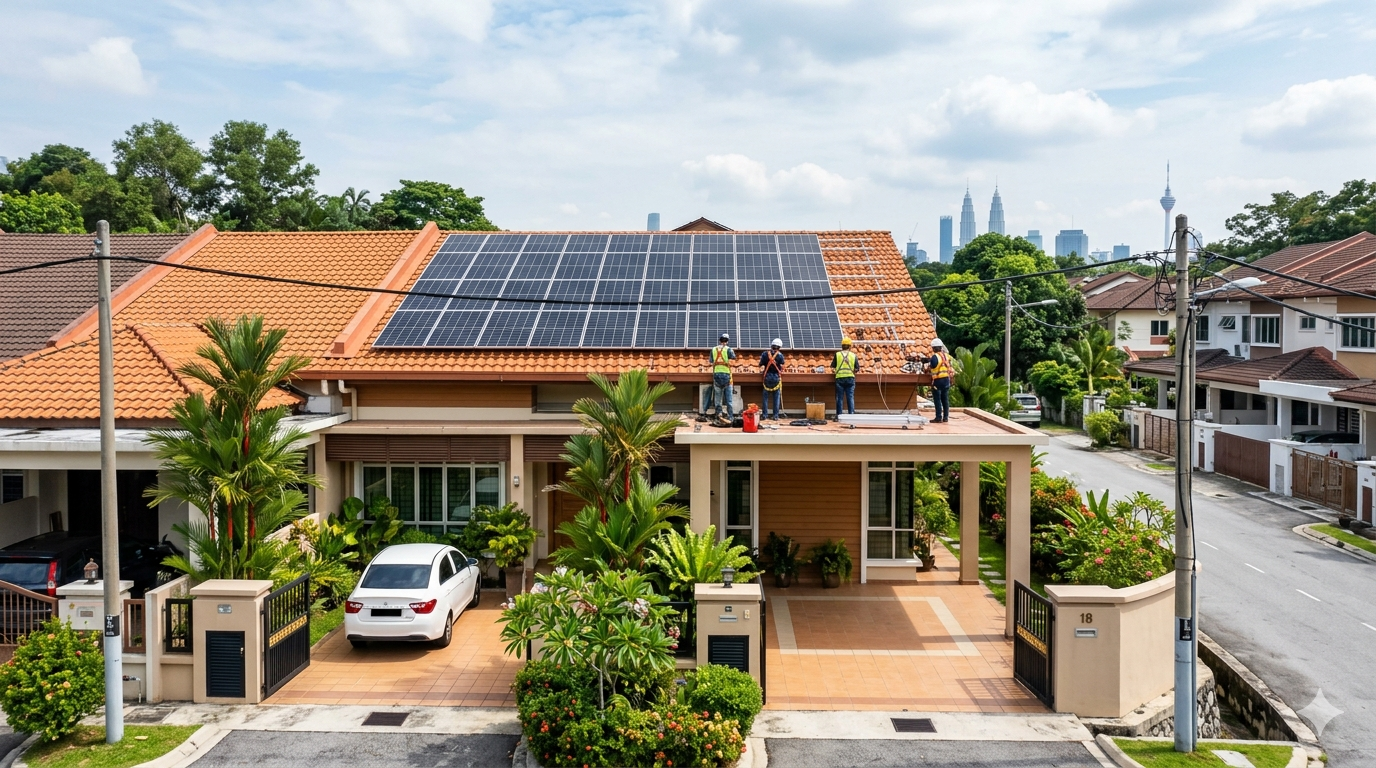 Here’s How You Can Save Up to RM3,000 From Your TNB Bill — Thanks to SuRIA Home
Raise your hand if your TNB bill has been giving you minor heart attacks lately. We get it. Bills go up, salaries feel like they're standing still, and every single month, you open that MyTNB notification with a little bit of dread. And you're not alone, electricity costs have been quietly creeping up across Malaysia, and for a lot of households, it's become one of the biggest household expenses eating into your monthly budget. Here's the thing though: the government actually has a programme that could put up to RM3,000 back in your pocket, and most people either don't know about it or don't know if they qualify. We're talking about SuRIA Home short for the Sustainable Rebate and Incentive Assistance Home Programme, introduced by the Ministry of Energy Transition and Water Transformation (PETRA) and administered through TNB. It's new, it's real, and if you own a landed home, you need to read this. TL;DR Too busy to read the whole thing? Here's what you need to know in 30 seconds:- TNB's SuRIA Home gives you a one-time cash rebate of up to RM3,000 (RM600 per kWac) when you install rooftop solar under the Solar ATAP scheme- You must be a Malaysian citizen, a domestic TNB customer, and your system must be commissioned by 31 December 2026- It's first-come, first-served — the clock is ticking- TNB will email you — you don't apply directly; just make sure your TNB registered email is active- Currently available for landed homes only (condos & apartments not eligible yet)- Solar can reduce your monthly TNB bill by 50–80%, and the system pays for itself in 5–7 years- Don't pay anyone for the rebate — it comes directly from TNB to your bank account Everything We're Covering TodayTL;DRWhy Are Our Electricity Bills So High in the First Place?So, What Is SuRIA Home?The Numbers That MatterWhat About Condo and Apartment Owners?Is Solar Really Worth It? Let's Do the Real MathWhat Real Malaysians Are Saying About Going SolarWhat Homeowners Should Do Right NowThe Bigger Picture: This Is More Than Just Savings Why Are Our Electricity Bills So High in the First Place? Before we get into the good stuff, let's talk about why your bill keeps climbing because understanding the problem makes the solution feel even more urgent. Malaysia's electricity grid is still heavily dependent on coal and natural gas. These are fossil fuels, and when global fuel prices go up (which they have been doing consistently), that cost gets passed down to you through what TNB calls the Automatic Fuel Adjustment (AFA) mechanism. It's essentially a floating surcharge on your bill that moves with international commodity prices. So yes when oil prices spike in some refinery halfway around the world, your bill in Shah Alam or Johor Bahru feels it too. The cost of living is already squeezing Malaysians from every direction groceries, rent, petrol, you name it. Electricity shouldn't have to be another one of those sleepless-night items. And that's exactly why programmes like SuRIA Home matter. So, What Is SuRIA Home? SuRIA Home is a one-time cash rebate programme launched by the Government of Malaysia on 22 May 2026, designed to encourage homeowners to install rooftop solar panels under the Solar ATAP (Accelerated Transition Action Programme) scheme. Sources: SuRIA Home Announcement on MyTNB Here's the simple version: the government will pay you up to RM3,000 for installing solar panels on your roof. Not a voucher. Not credit. Actual cash, transferred to your bank account. It's part of a larger national strategy to reduce Malaysia's dependence on fossil fuels, cut carbon emissions, and build energy resilience all while giving everyday Malaysians a real, tangible way to lower their monthly bills. The Numbers That Matter Let's break this down clearly: DetailInfoProgramme NameSuRIA Home (Sustainable Rebate & Incentive Assistance)Launched ByMinistry of Energy Transition and Water Transformation (PETRA)Administered ByTNB (Tenaga Nasional Berhad)Rebate AmountRM600 per 1 kWac installedMaximum RebateRM3,000 (for 5 kWac and above)Disbursement MethodCash transfer to your local bank accountProgramme Period1 June 2026 31 December 2026 (or until allocation runs out)How It's Given OutFirst-come, first-served basis The rebate is calculated based on your installed solar capacity. A 5 kWac system = RM3,000 rebate. That's your maximum. And with solar installations currently trending among landed homeowners, this is the kind of incentive that could tip the decision in your favour especially if you've been sitting on the fence. Who Actually Qualifies for SuRIA Home? This is the part where you need to pay attention, because there are specific criteria. You're eligible if: ✅ You are a Malaysian citizen✅ You are a domestic TNB customer (residential use)✅ You have installed (or are installing) a rooftop solar PV system under the Solar ATAP scheme✅ Your solar system is successfully commissioned by 31 December 2026✅ You have NOT previously received a cash rebate under the earlier SolaRIS programme You won't qualify if: ❌ You already received cash rebates under SolaRIS❌ Your property is a high-rise / strata unit (condos, apartments, serviced residences) more on this below❌ Your system is not under the Solar ATAP scheme How Do You Actually Apply? Good news: you don't have to chase anyone. TNB will contact you. Here's how the process works, step by step: Step 1: Install Your Solar System Under Solar ATAPYou'll need to hire a Registered Photovoltaic Service Provider (RPVSP) — these are solar installers registered with SEDA (Sustainable Energy Development Authority). They handle the full application and installation process on your behalf. Find one at seda.gov.my. Step 2: Commission Your SystemYour solar system needs to be fully commissioned (up and running) by 31 December 2026. Step 3: Wait for TNB's EmailEligible customers will be contacted by TNB via their registered email address in phases starting 1 June 2026. TNB will ask you to submit your preferred local bank account details for the rebate transfer. Step 4: Receive Your CashOnce verified, the rebate amount will be transferred directly to your bank account. No going to Kedai Tenaga. No queuing. Just money in the bank. ⚠️ Important: PETRA has warned that solar service providers found misusing the application process may be blacklisted from future incentive programmes. Make sure you work with legitimate, registered installers only. What Is Solar ATAP? (And Why It Matters) Source: SEDA Website Solar ATAP is the rooftop solar framework that replaced the older NEM (Net Energy Metering) programme, which ended on 30 June 2025. It's designed to be more inclusive and equitable for all electricity users. Here's how it works in plain English: You generate your own solar electricity from the panels on your roof You use that solar energy first reducing how much you need to buy from TNB If you produce more than you use, the excess is exported to the TNB grid and you earn ATAP credits to offset your bill further At night or on cloudy days, TNB still supplies electricity as normal The result? Your TNB bill goes down significantly potentially by 50–80% depending on your system size and household usage. And now, with SuRIA Home, you also get a cash rebate on top of that. What About Condo and Apartment Owners? Here's the honest part and we know some of you reading this are living in high-rise buildings: SuRIA Home currently only covers landed properties. Installing rooftop solar panels on a strata-titled building is complicated. It involves shared common areas, JMB/MC approvals, grid connectivity challenges, and building infrastructure limitations. For now, the programme hasn't extended to high-rise residential buildings. But here's the hopeful part: as Malaysia accelerates its energy transition and solar technology becomes more accessible, there's growing advocacy for extending these incentives to high-rise communities too. We're watching that space closely. If you live in a high-rise and want to benefit from solar energy, keep an eye on future announcements and in the meantime, look at other energy-saving strategies like LED upgrades, smart home systems, and energy-efficient appliances. Is Solar Really Worth It? Let's Do the Real Math Let's say you install a 5 kWac rooftop solar system. Typical installation cost: RM18,000 – RM25,000 (depending on brand, installer, and complexity) SuRIA Home rebate: RM3,000 cash back Monthly bill savings: Approximately RM200 – RM400 per month (based on average household consumption) Estimated payback period (after rebate): 5–7 years System lifespan: 25 years After the payback period, you're essentially getting free electricity from the sun with the added bonus of exporting excess energy back to TNB for ATAP credits. Over the life of the system, you could be looking at savings well above RM60,000. The RM3,000 rebate doesn't just feel good it meaningfully accelerates your return on investment. What Real Malaysians Are Saying About Going Solar Numbers are one thing. But what are actual Malaysian homeowners experiencing on the ground? We dug into community discussions, forums, and verified accounts from solar users across the country and the verdict is overwhelmingly positive, with some honest caveats worth knowing. The bill drops are real and sometimes dramatic Petrol station manager Peter Wong used to dread his monthly electricity bill, which hovered around RM280. After installing 10 solar panels on his home, he's been enjoying what he describes as almost free electricity. His experience, reported by Earth Journalism Network, mirrors what many Malaysian homeowners are finding: once the system is running, the savings are immediate and consistent. Industry data backs this up. For residential solar systems, the maximum capacity is 17 kWh, which can save households between RM950 and RM1,000 per month. The cheapest installations cater to homes with RM200 to RM250 monthly bills, while the priciest systems target households with bills exceeding RM1,500. Meanwhile, prices for solar installations have dropped by 20 per cent. A real-world example from Shah Alam: one homeowner installed a 4 kWac system in January 2024. His TNB bill dropped from RM420 to RM98 per month. After 25 months, he had already recovered over RM8,000 in electricity savings with full payback on track by early 2028. The payback period question the one everyone asks This is the most common concern in every solar discussion group: "How long before I actually break even?" The payback period for solar panels in Malaysia is typically 5–8 years. After payback, you enjoy nearly free electricity for another 17–20 years, as panels last 25 years or more. Thanks to abundant sunlight and the Solar programmes, Malaysia enjoys one of the fastest solar payback times in Southeast Asia. Most homeowners see a 12–18% annual ROI, depending on usage and sunlight exposure. One thing experienced solar users consistently flag: size your system around your daytime consumption, not your total bill. Under Solar ATAP, you consume solar energy first and only export excess to the grid for credits. If most of your household usage happens at night (air-conditioning, TV, cooking), your savings won't be as high unless you also invest in a battery storage system. "Solar is the only investment where you consume the returns daily" That quote, from a Malaysian energy analyst, captures something important. Unlike stocks or unit trusts where returns are abstract and unpredictable, solar savings show up every single month on your TNB bill. You're not waiting for a payout you're seeing the reduction in real time. A system that costs RM45,000 to install could save an estimated RM90,000 over 25 years. Even at more modest system sizes say RM20,000 for a 5 kWac setup total lifetime savings remain strongly favourable, especially with TNB tariffs expected to continue their gradual upward trend. What about property value? Here's the bonus insight that doesn't get talked about enough: solar-equipped homes are increasingly attracting a premium in Malaysia's resale market. Data from 2024–2026 indicates that homes with solar installations command 3–5% higher valuations. For a RM800,000 terrace house, that's potentially RM24,000–RM40,000 in added value enough to cover a significant chunk of the installation cost, on top of the bill savings. Buyers today are more energy-conscious, and a home with solar already installed especially under Solar ATAP is a home with quantifiable, ongoing savings built in. The honest reality: it's not magic, but it works Community discussions also surface a few things to be realistic about: Installation quality matters enormously. A system installed by a dodgy contractor with substandard panels will underperform. Always use a registered RPVSP. Roof orientation and shading affect output significantly. A south or west-facing roof with minimal shade is ideal. Under Solar ATAP, the export credit rate (what TNB pays for your excess solar) is lower than what you pay to import electricity. So maximising your own consumption of the solar you generate gives the best returns. Battery storage adds cost upfront but significantly improves ROI if your household uses a lot of electricity in the evening. Want the unfiltered version? Go straight to the source. The r/malaysia and r/malaysians subreddits have had some genuinely eye-opening discussions on this real homeowners doing the math, sharing their actual bills, asking the hard questions, and comparing installer experiences. No PR spin, just people figuring it out together. ? ROI of Installing Solar — r/malaysia — A thread where Malaysians break down the actual numbers: system costs, monthly savings, payback timelines, and whether the investment holds up under scrutiny. ? I'm Contemplating Installing Solar Panels — Any Advice? — r/malaysians — First-timers asking questions, experienced solar owners sharing what they wish they knew before installing. Practical, honest, and very relatable. ? Malaysia's Solar Capacity Surpasses 5.7 GW — r/malaysia — The bigger picture: a discussion on how far Malaysia has come with solar adoption and what it means for everyday homeowners. The Malaysian solar community from Reddit threads to Facebook groups to Telegram chats has largely moved past the "should I or shouldn't I" debate. The consensus is: if you own a landed home and your monthly bill is consistently above RM200, the math almost always works in your favour. And right now, with SuRIA Home adding RM3,000 on top? The numbers are even more compelling. What Homeowners Should Do Right Now If you own a landed property and have been considering solar, here's your action plan: Check your TNB registered email — make sure it's updated so you don't miss TNB's notification about SuRIA Home Get quotations from RPVSP installers — compare at least 2–3 registered providers Understand your current electricity consumption — look at your past 6 months of bills to size your system correctly Act before the allocation runs out — this is first-come, first-served, and the deadline is 31 December 2026 Don't pay anyone "upfront" for the rebate — the rebate goes from TNB directly to you, not through any third party For more information, visit myTNB Solar ATAP page or call TNB CareLine at 1-300-88-5454. The Bigger Picture: This Is More Than Just Savings Look, saving money is great. But SuRIA Home is also part of a bigger shift that's happening in how Malaysians relate to energy. We're moving slowly but meaningfully from being passive consumers of fossil-fuel electricity to active participants in a cleaner energy future. Every rooftop solar installation reduces pressure on the national grid, cuts carbon emissions, and gives Malaysian families more control over their household finances. In a world where the cost of living feels increasingly out of your control, solar energy is one of the few things where you can actually take back some agency. You're literally turning sunlight something Malaysia has in abundance, every single day into savings. And right now, the government is willing to pay you RM3,000 to get started. If you own a landed home and haven't started the conversation yet, this is your sign. Thinking About How This Affects Your Property? Here's a bonus insight for property owners: homes with rooftop solar installations are increasingly being viewed as higher-value assets in the market. Buyers are becoming more energy-conscious, and a property with existing solar infrastructure especially one enrolled in Solar ATAP has a clear, quantifiable advantage. At IQI Global, we work with homeowners every day who are making smart decisions about their properties whether that's buying, selling, or simply maximising the value of what they already own. Energy efficiency is becoming part of that conversation. Thinking about your next property move? Our agents are ready to help you navigate both the real estate market and the lifestyle decisions that come with homeownership in Malaysia today. Connect with an IQI agent near you by submitting the form below, our agent will be in touch soon! [custom_blog_form] Sources: TNB (mytnb.com.my), SEDA Malaysia (seda.gov.my), Ministry of Energy Transition and Water Transformation (PETRA) Disclaimer: Rebate amounts and eligibility criteria are subject to TNB's terms and conditions. All information is accurate as of June 2026. Always verify directly with TNB or a registered RPVSP before making financial decisions. Continue reading: Muhazrol: By 2035, Solar Could Top Every New Home in Malaysia Clean Energy, Clear Vision: Malaysia’s Road to Net Zero Mastering Money: The 7:3 Salary Management Method for Malaysians Australian government rebates foreigners up to $50,000 to buy a new home PTPTN Discounts, Flat Rate Stamp Duty & More: Malaysia’s Budget 2024 Highlights | #Budget2024
Continue Reading

