

The Future of
Global Real Estate
IQI offers you a comprehensive range of properties and services using the power of technology, connecting you globally.
Discover
Your one-stop property solution
Get the latest Property News
Expand your knowledge here!
List your property
Have an agent list my property
Global Market Insights
Get detailed property reports and insights across multiple countries
Manage My Deal
Follow up on my buying process
Mortgage Calculator
I want to calculate my budget
Register as a Real Estate Negotiator
I want to be a real estate negotiator in IQI

Malaysia Market Insight
Malaysia enters the second half of 2026 with the strongest economic momentum in years and a property market moving in two directions at once. Growth is running ahead of forecast, financing costs have been flat for over a year, and prices are still climbing. At the same time, transaction volumes have... Malaysia enters the second half of 2026 with the strongest economic momentum in years and a property market moving in two directions at once. Growth is running ahead of forecast, financing costs have been flat for over a year, and prices are still climbing. At the same time, transaction volumes have thinned and unsold completed stock has risen for six consecutive quarters. For an investor, that combination is not a contradiction. It is leverage. This guide sets out what the current data actually says, what it costs a foreign buyer to enter this market in 2026 after January's stamp duty change, and where the numbers still support a return.
New Launches
Latest Listings

Ara BLoc - Ara Damansara
Jalan PJU 1a/3, Ara Damansara, 47301 Petaling Jaya, Selangor
Starting from RM 552,800
Listed on October 19, 2026

Trybe - Subang Jaya
Persiaran SJ7 Sentral 2, Usj 7, 47610 Subang Jaya, Selangor
Starting from RM 608,800
Listed on October 19, 2026
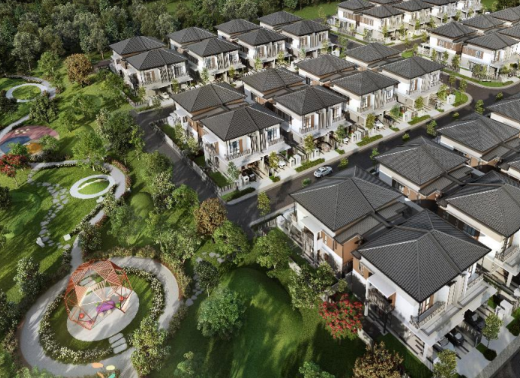
Bandar Seri Coalfield & Kamelia - Sg Buloh
Lengkok BSC 2/4, Presint 2, 47000 Sungai Buloh, Selangor
Starting from RM 597,800
Listed on October 19, 2026
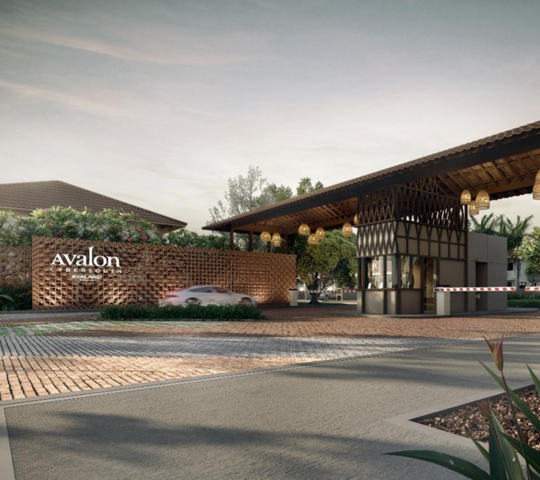
Avalon - Cybersouth
Avalon Cybersouth, 43800 Dengkil, Selangor
Starting from RM 803,800
Listed on October 19, 2026

New Launch in KL City Centre
Starting from RM 699,000
Listed on October 5, 2026

Trinity Rainfora - Bandar Kinara
33, Jalan BK 5a/1, Bandar Kinrara 5, 47180 Puchong, Selangor
Starting from RM 615,888
Listed on September 8, 2026

Trinity Nordic - Seri Kembangan
Seksyen 1, PT 2973, Jalan BS 3/1, Taman Bukit Serdang, 43300 Seri Kembangan, Selangor
Starting from RM 588,888
Listed on September 8, 2026

Erica Residence - Bandar Bukit Puchong
Jalan BP 11/5, Bandar Bukit Puchong 2, 47120 Puchong, Selangor
Starting from RM 2,142,000
Listed on August 21, 2026

The Atas - Taman Desa
66, Jalan Taman Bukit Desa, Taman Bukit Desa, 58100 Kuala Lumpur, Wilayah Persekutuan Kuala Lumpur
Starting from RM 825,000
Listed on August 21, 2026

Erat Residence - Alam Impian
1, 35/45, Persiaran Hang Nadim, Alam Impian, 40470 Shah Alam, Selangor
Starting from RM 598,000
Listed on August 21, 2026

M Aurora @ Old Klang Road
13, Jalan 18/1, Seksyen 1a, 46000 Petaling Jaya, Selangor
Starting from RM 492,960
Listed on August 11, 2026

Times Square 2 @ Bukit Bintang
Jln Imbi, Imbi, 57000 Kuala Lumpur, Wilayah Persekutuan Kuala Lumpur
Starting from RM 688,000
Listed on August 11, 2026
Our story
Award-winning PropTech Agency

IQI goes beyond conventional boundaries.
With offices in 30+ countries and 60,000+ real estate negotiators and growing, we have a unique perspective into international best practices in real estate, allowing our team to become global real estate entrepreneurs through cross border property investment and transactions.
Countries
Agents
Projects








AI-Powered App for Agents on the Go
Introducing IQI Atlas SuperApp and IQPilot. Your proprietary AI duo built to manage leads, sales, earnings and every step of your real estate journey, anytime, anywhere.



All-in-one
Connecting you globally
Invest with us
Invest on a platform with over 6 million global properties from more than 111 countries to empower yourself as a citizen of the world.
Advertise with us
Maximise advertising efficiency and lead conversion through our buyers using data.
Testimonials
Hear from our happy buyers

Learn
Tips and Guides
 How Much Salary Do You Need To Live Comfortably in KL?
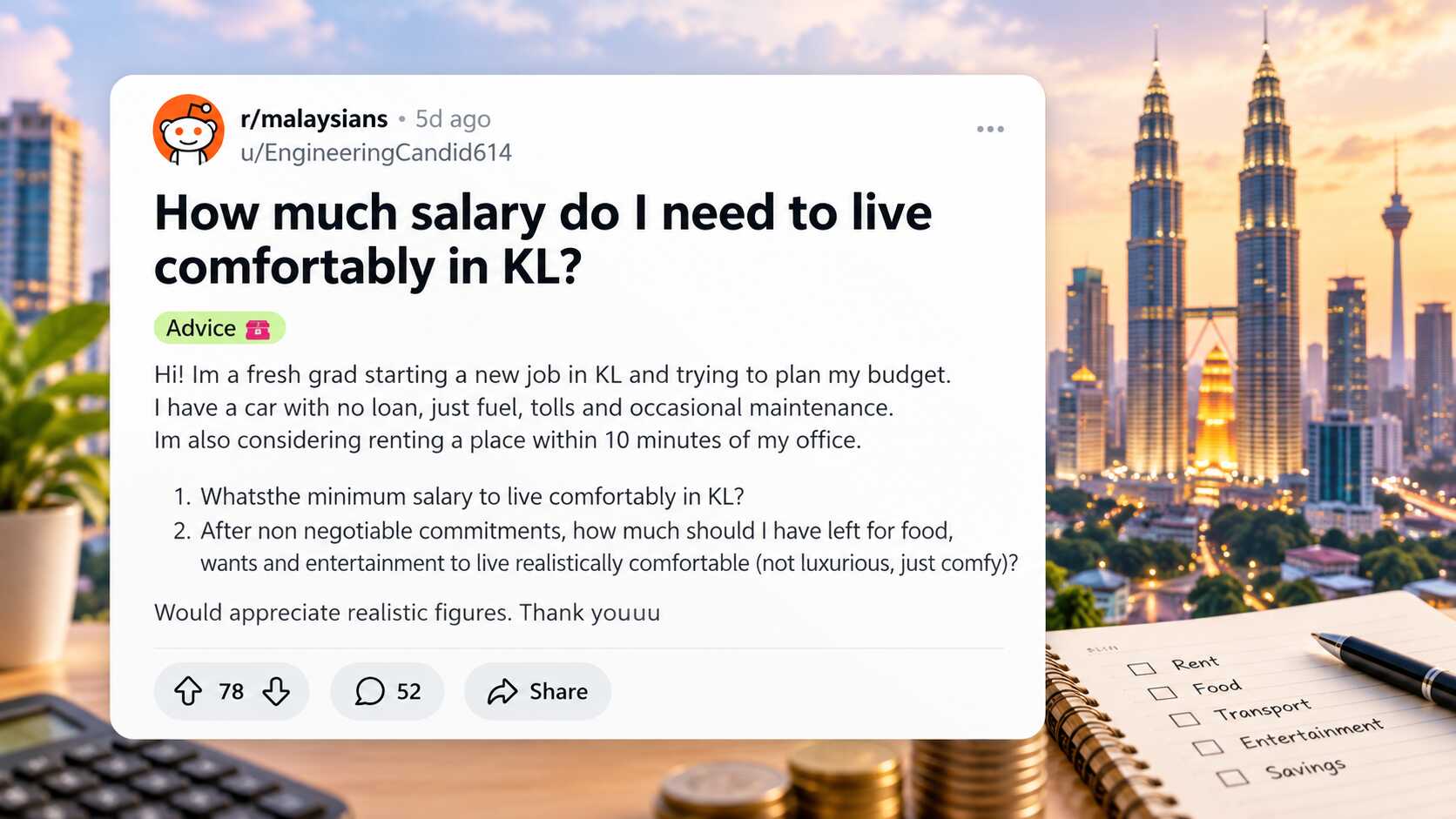
A fresh grad recently asked Reddit a simple question: how much salary do I need to live comfortably in KL? They had a car with no loan. They wanted to rent within 10 minutes of the office. Not luxury, just comfy. Dozens of Malaysians replied. The answers ranged from RM2,500 to RM100,000 a month. Some were jokes. Most were painfully honest. We went through every comment, checked them against expert benchmarks, and worked out the real salary to live comfortably in KL, with budgets you can actually use. TL;DR Baseline: economists treat around RM3,100 a month as the minimum reference point for basic needs in cities like KL. It works, but it is tight. Decent (single): RM3,500 to RM5,000 gross was the most common answer for a fresh grad. Comfortable (single): RM6,000 to RM8,000, with room to save, invest and enjoy. Family: Malaysians on Reddit put it at around RM7,000 for a couple and RM12,000 with kids. Biggest cost: rent. A room near a KL office starts around RM750 to RM1,000. The gap: many fresh grads earn well below "comfortable". A REN career needs only SPM and a 2-day course, with no salary ceiling. Source: https://www.reddit.com/r/malaysians/comments/1xbluxa/how_much_salary_do_i_need_to_live_comfortably_in/ The question that started it all on r/malaysians. How much salary do you need to live comfortably in KL? There is no single salary to live comfortably in KL, because "comfortable" means different things to different people. But the Reddit replies clustered into four clear levels. LevelMonthly gross salary (single)What life looks likeSurviveRM2,500 to RM3,000Shared room, cooking or cheap meals, savings of RM200 to RM300 if you are strictDecentRM3,500 to RM5,000Own room near work, eating out on workdays, a real emergency fundComfortableRM6,000 to RM8,000Better home, regular savings and investing, fun without guiltTruly comfortableRM10,000 and aboveService apartment in central KL, supporting parents, travel The expert view lines up with the bottom of this table. Economists commenting in August 2026 called RM3,100 a minimum reference point, not a comfortable one. One noted it buys roughly what RM2,500 did in 2020. For context, Malaysia's minimum wage is RM1,700. That is a long way from even the baseline. What eats your salary in KL? One commenter summed it up perfectly. Food, rent and vehicle eat most of your pay. Cut one or two of those, and you suddenly have money left at the end of the month. Rent: the budget killer Almost every reply mentioned rent first. Here is what Malaysians on the thread said it really costs: Room near a KL office: around RM1,000, or about RM750 in an older building Room further out: around RM700 Service apartment within 10km of the city centre: RM2,500 and up, plus around RM200 for parking The smartest advice? If you already have a car, live a little further out. If not, rent near an LRT or MRT station. Either way, you trade a few minutes of commute for hundreds of ringgit a month. Comment by u/EngineeringCandid614 from discussion in malaysians A room near a KL office starts around RM1,000, according to one commenter. Food: RM30 to RM60 a day adds up fast Estimates ranged from RM30 a day for a careful eater to RM35 to RM60 a day if you eat out for every meal. At RM30 a day on workdays only, that is about RM600 a month. Add groceries and household items, and it is closer to RM1,000. Transport: car or no car Petrol, tolls and parking were estimated at around RM300 to RM500 a month for someone who drives to work in KL. One commenter with no car, eating near a university cafe, kept total spending to about RM1,900 to RM2,200. No car and cheap food is the cheat code, but it does not suit everyone. A realistic budget on a RM4,000 salary The most useful reply on the thread did the actual maths on the salary to live comfortably in KL as a fresh grad. Here is a cleaned-up version based on it. On RM4,000 gross, after EPF, SOCSO, EIS and tax, you take home roughly RM3,500. ItemMonthly (RM)Room near the office800Food and groceries900Petrol, tolls and parking350Phone, internet and utilities200Medical card or insurance150Emergency fund and savings700Wants and entertainment400Total3,500 It works, but there is not much slack. One car repair or a family emergency, and the savings line disappears. The commenter's rule was simple and wise. Build six months of emergency funds first, then think about entertainment. Comment by u/EngineeringCandid614 from discussion in malaysians The most practical answer in the thread: a line-by-line budget on RM4,000. Use the 50/30/20 rule as a starting point Another commenter suggested the 50/30/20 split. On RM3,500 take-home, it looks like this: 50% needs: RM1,750 for rent, food, transport and bills 30% wants: RM1,050 for eating out, hobbies and fun 20% savings: RM700 for your emergency fund and investments In KL, needs often spill past 50%. That is normal. Just protect the 20% savings line first. Single, couple or family: how much more do you need? Several replies scaled the salary to live comfortably in KL by household size. The pattern was consistent. HouseholdReddit estimate (monthly gross)SingleRM4,000 to RM7,000CoupleRM7,000 to RM9,000 and aboveFamily with kidsRM12,000 and aboveSupporting parents and renting your own placeAround RM10,000 Your family situation matters more than almost anything else. One commenter said RM4,000 felt like plenty while living with parents rent-free. Remove that safety net, and the number more than doubles. The real problem: the gap between "comfortable" and a fresh grad salary This is where the thread got real. When one person said you need RM10,000 to be comfortable, others pushed back hard. They reminded everyone that the person asking is a fresh grad, and that calling RM5,000 to RM6,000 "the minimum" is unrealistic for most new graduates. Then came the replies. One person in their 40s said they earn RM5,000. Another said they earn RM2,300 at 27. Comment by u/EngineeringCandid614 from discussion in malaysians The gap between what comfort costs and what many people earn, in one reply chain. So how do you reach the salary to live comfortably in KL? What were the solutions offered? Ask for a raise. Or find a remote job paying in US dollars. Even the commenters admitted the second one is rare for most fresh grads. You can budget your way to "survive". You usually cannot budget your way to "comfortable". At some point, the answer is earning more. Wondering what property agents actually earn? See the real commission maths behind a real estate career in Malaysia. Read the earnings guide How can you earn more without a degree? Most high-paying paths in Malaysia ask for years of study, a professional certificate, or years of climbing a pay scale. Real estate is different. To become a Real Estate Negotiator (REN), the minimum education is SPM. No degree. No diploma. What you need to become a REN Age 18 and above SPM or equivalent, with a pass in Bahasa Malaysia A non-bankruptcy certificate A 2-day Negotiator Certification Course (NCC), from about RM600 plus tax Registration with BOVAEP through a registered agency like IQI Most people get their REN tag in about 4 to 8 weeks, for under RM1,000 in total. Compare that to a three or four-year degree. For the full step-by-step process, read our guide on how to be a property agent in Malaysia in 5 steps. How does a REN earn money? Let's be honest about this part. A REN earns commission, not a fixed monthly salary. That means your income depends on the deals you close. Here is how the maths works on a subsale: Malaysian subsale commission is typically 2% to 3% of the sale price A RM500,000 home sold at 2% earns RM10,000 in gross commission Your share depends on your tier and your agency's commission structure Rentals close faster and earn smaller fees, which helps new agents build steady income while they work on bigger sales. The first few months are a ramp-up period while you learn the market and build a client base. Plan for it. But unlike a fixed salary, there is no ceiling on how far your income can grow. Want the details? Read our breakdown of the real estate agent commission structure in Malaysia. Why it fits a KL fresh grad Look back at that Reddit thread. Whatever salary you need to live comfortably in KL, the single biggest cost for every commenter was rent. As a REN, you learn the property market from the inside. You know which areas offer better rents, when to buy, and how to make your own housing costs work for you, not against you. Plenty of IQI agents started with no property background at all. Alvin Chan went from hawker to real estate agent. Natasha switched from journalism to leading her own team. If you want the full career picture, start with our guide to becoming a real estate agent in Malaysia. Why join IQI Global? IQI is one of Malaysia's largest real estate networks, with 30,000+ property professionals across 20+ countries. Fast 5-day commission payout, so you are not waiting months to get paid No-forfeit policy on your commission Full training and mentorship to help you close your first deal In-house tech, including IQI Atlas and IQPilot, to manage leads and listings Local and global listings under a trusted brand Frequently asked questions How much salary do you need to live comfortably in KL as a single person? Most Malaysians on Reddit said RM6,000 to RM8,000 a month for a comfortable single life in KL. RM3,500 to RM5,000 is considered decent, and economists treat around RM3,100 as the minimum reference point for basic needs. Is RM3,000 enough to live in KL? Yes, but it is tight. You would likely need a shared room, careful food spending and little room for wants. One commenter with no car spent about RM1,900 to RM2,200 a month by eating cheaply and using public transport. How much is rent in KL for a room near the office? According to Malaysians on the thread, a room within 10 minutes of a KL office costs around RM1,000, or about RM750 in an older building. A service apartment within 10km of the city centre starts around RM2,500. How much salary do you need in KL with a family? Reddit estimates put it at around RM7,000 to RM9,000 for a couple and RM12,000 or more for a family with children. Supporting parents while renting your own place pushes the number to around RM10,000. Can I become a property agent in Malaysia with only SPM? Yes. To register as a Real Estate Negotiator (REN), you need SPM or equivalent with a pass in Bahasa Malaysia, a 2-day Negotiator Certification Course, and BOVAEP registration through a registered agency. No degree is required. Does a REN get a basic salary? No. A REN earns commission from completed sales and rentals, not a fixed salary. Income depends on the deals you close, and there is no salary ceiling. Expect a ramp-up period in the first few months How long does it take to become a REN? Most people complete the process in about 4 to 8 weeks, including the 2-day NCC and BOVAEP processing, usually for under RM1,000 in total. Figures in this article are based on a public r/malaysians discussion (October 2026) and economist commentary reported in August 2026. They are estimates for guidance only. Your actual costs depend on your area, lifestyle and commitments. You can't budget your way to a comfortable life. But you can earn your way there. All you need is SPM and a 2-day course. IQI agents earn uncapped commission, get paid within 5 days, and receive full training to close their first deal. Fill in your details below to start your journey. [custom_blog_recruit_form] Continue reading Minimum Wage Raised to RM1.7k. But Is It Really Enough to Buy a House in KL? Real Estate Agent Salary in Malaysia: How Much Do They Really Make? 10 Years as a Property Agent: Lessons From MarieJualKondo
Continue Reading
 Buying a House vs Buying an iPhone: It’s Less Different Than You Think (2026)
You did not overthink it when you put the latest iPhone on a monthly plan. So why does buying a home feel like a completely different game? Here is the plot twist: the maths is not that different. Both come down to a price, a monthly payment and a fixed number of years. The real difference is the size and the length, because a home loan usually runs for 30 to 35 years, not 12 to 24 months. This guide breaks it down in plain words, so buying your first home feels like a plan, not a mystery. Yes, it is a big commitment. But with the right numbers, it is more doable than it looks. TL;DR A home loan works like a phone plan: a price, a monthly payment and a set number of years. The difference is that a home loan runs for 30 to 35 years. Banks usually finance up to 90% of the price for your first two homes, so plan for at least a 10% down payment. Budget another 10% to 15% on top for legal fees, stamp duty, valuation and moving-in costs. Keep your monthly instalment within 30% to 40% of your income. Most banks want your total debts within roughly 60% to 70% of income (your DSR). First-time Malaysian buyers pay no stamp duty on homes up to RM500,000 until 31 December 2027. Budget 2027 proposes to raise this to RM750,000 for SPAs signed from 1 January 2027 to 31 December 2030. If you are single, you can rent out spare rooms to lower the amount you pay toward the instalment yourself. What's insideTL;DRHow Is Buying a House Like Buying an iPhone?What Are the 3 Numbers That Matter?What Does a RM300,000 Home Actually Cost?Where Does the iPhone Comparison Stop Working?Can Your Spare Rooms Help Pay the Instalment?Is Buying a Home Out of Reach?What Are Your First 3 Moves?Frequently Asked Questions How Is Buying a House Like Buying an iPhone? Think about how you chose your last phone. You probably looked at the monthly number, not the full price. A home loan works on the same logic. Same thinking, very different stakes. Here is how they compare: Phone on instalmentHome with a home loanExample priceRM5,500RM300,000Payment period12 to 24 months30 to 35 yearsMonthly paymentAbout RM208 at 0% interestAbout RM1,195 at 4% interest (see the worked example below)Upfront costOften RM0Usually a 10% down payment, plus feesInterestOften 0%Yes, set by the bankChanging your mindUpgrade it or sell itMuch harder: lock-in periods and early settlement penalties Phone figures are an example only, and plans differ by telco and bank. Home loan figures are illustrative. What Are the 3 Numbers That Matter? Before you fall in love with a unit, know these three numbers. They decide what you can realistically buy. Monthly instalment. The amount you pay the bank every month. A safe rule of thumb is to keep it within 30% to 40% of your monthly income. Down payment. Banks usually finance up to 90% of the price for your first two homes, so plan for at least 10% upfront. Some government schemes work differently, so check the first-home schemes before you decide. One-off fees. Legal fees, stamp duty, valuation and moving-in costs. Keep a 10% to 15% buffer on top of your down payment, and read up on the hidden fees first-time buyers often miss. There is one more number banks care about: your Debt Service Ratio (DSR). It is the share of your income already going to debt repayments, such as car loans and credit card payments. Most banks want it within roughly 60% to 70%, and a high DSR is one of the most common reasons home loans get rejected. Learn how DSR works. What Does a RM300,000 Home Actually Cost? Let's run the numbers on a RM300,000 first home. You would need about RM30,000 upfront and a monthly instalment of roughly RM1,195, based on the assumptions below. ItemAmountNoteHome priceRM300,000Example onlyDown payment (10%)RM30,000The bank finances the other 90%Loan amountRM270,000Monthly instalment (35 years)About RM1,195Assumes 4% interest a year. Your rate depends on the bank and current rates.Monthly instalment (30 years)About RM1,289Same assumptions, shorter loanLegal fees (SPA)RM3,7501.25% on the first RM500,000, before disbursements and SST. The loan agreement has a separate legal fee.Valuation feeAbout RM750Roughly 0.25% of the priceStamp dutyRM0 if you qualifyFirst-time Malaysian buyers are exempt on homes up to RM500,000 until 31 December 2027, and Budget 2027 proposes to widen this (see below). Without it, expect about RM5,000 on the transfer and RM1,350 on the loan agreement. Budget 2027 update (proposed). Good news for first-time buyers: for SPAs signed from 1 January 2027 to 31 December 2030, Malaysian first-time buyers would get stamp duty relief on the loan agreement and the transfer instrument for first homes up to RM750,000. The first RM500,000 is fully exempt, and the balance gets a 50% exemption. It applies to your first home only and takes effect once Parliament passes the Budget. See Budget 2027 Malaysia: key property highlights. A RM1,195 instalment within 30% to 40% of income points to a monthly income of roughly RM3,000 to RM4,000, before looking at your other debts. Here is the honest truth: over the full 35 years you would repay about RM502,000, and about RM232,000 of that is interest. That is why it pays to compare banks, check the latest house loan interest rates, and look at flexi, semi-flexi and fixed loans, where extra payments can reduce interest. Use the property transaction fees calculator to estimate your own one-off costs. Where Does the iPhone Comparison Stop Working? The iPhone analogy helps you read the numbers, but a home loan is a bigger and much less flexible deal. Here are the five differences that matter most: Length. A phone plan ends in a year or two. A home loan runs for 30 to 35 years, so your life will change a lot while you are still paying. Interest. Many phone plans are 0%. A home loan charges interest, so you repay far more than the price. Exit. You cannot hand a house back after a bad month. Loans often have a lock-in period and an early settlement penalty, so check both before you sign. Running costs. Maintenance fees, the sinking fund, insurance and utility deposits are separate from your instalment. Speed. A phone plan is approved in minutes. Home loan approval usually takes 1 to 2 weeks, and a subsale purchase takes 3 to 6 months from booking to keys. Bottom line: that is the real commitment. It is not a reason to avoid buying. It is a reason to know your numbers first. Can Your Spare Rooms Help Pay the Instalment? Here is where a home beats a phone. A phone only costs you money, but a home can pay you back. If you are single, you can live in one room and rent out the others, and the rent can reduce your share of the monthly instalment. iPhoneHomeCan it earn income?No. Reselling usually brings in less than you paidYes, by renting out your spare rooms to tenantsWhen can you start?Straight awayOnce you have the keys: 3 to 6 months from booking for a subsale, 24 to 48 months for a property under constructionWhat can the income cover?Nothing toward the paymentPart or all of your monthly instalment, depending on the rentMain risksDamage, theft and newer modelsEmpty months, a tenant who does not pay, repairs Plenty of single buyers do exactly this. How much it helps depends on three things: Number of rooms. More spare rooms means more rent. A studio has none to spare, while a three-bedroom unit may have two. Average rent in the area. Room rents differ a lot from one area to the next, so check what similar rooms nearby are listed at before you buy. Facilities and connectivity. Tenants look for easy access to public transport such as the MRT, LRT or KTM, a reasonable commute, and good security and amenities. These also tend to decide how quickly a room gets rented. Here is how it could look with our example. If one spare room rents for RM600 a month, your share of the RM1,195 instalment drops to about RM595, before costs. The RM600 is an illustration, not a market rent. One client of an IQI agent did something similar: they bought a RM350,000 home, lived in one room and rented out the rest, and the rent covered the monthly mortgage. You can read more in our guide for young and single buyers. Real talk before you count on the rent: Rent is not profit. Maintenance fees, the sinking fund, insurance and repairs come out of it, and rental income may be taxable. See what landlords actually pay in rental income tax. Plan for gaps. A room can sit empty, or a tenant may not pay. Keep savings to cover about 3 months of instalments, and use a written rental agreement. You will share your home. Renting rooms means living with people you did not choose, so screen tenants and agree house rules upfront. Check the rules first. Ask your lawyer or agent whether your agreements or the building's rules limit renting. Treat rent as a bonus that eases the monthly payment, not a guarantee. Still deciding between renting and buying? Read Renting Forever or Buying a House? Is Buying a Home Out of Reach? Less than it feels. Buying a first home takes preparation more than luck, and there is real help for first-time buyers: Stamp duty exemption. Good news for first-time buyers: Malaysian first-time buyers of a home up to RM500,000 pay no stamp duty on the transfer or the loan agreement until 31 December 2027. On a RM500,000 home, that saves RM11,250. Budget 2027 proposes to raise the cap to RM750,000 for SPAs signed from 1 January 2027 to 31 December 2030, with the first RM500,000 fully exempt and 50% off the balance, subject to Parliament passing the Budget. Government schemes. PR1MA, Residensi Wilayah and rent-to-own exist for first-time and lower-to-middle income buyers. See the first-home schemes guide, the affordable housing programs and how rent-to-own works. No fixed payslip. The SJKP credit guarantee helps buyers without a fixed salary, such as gig workers, get a home loan. Not every scheme suits every buyer, and eligibility rules apply, so check the details before you plan around one. If you are single and on one income, our guide for young and single buyers covers more strategies. What Are Your First 3 Moves? You do not need to commit to anything yet. Start here: Find your comfortable monthly number. Multiply your monthly income by 30% and 40%. That range is the instalment to aim for. See how much home loan your salary can get. List your debts. Add up car loans, credit cards and other commitments to see how they affect your DSR. Paying off small debts first can help. Compare at least 3 banks. Even a 0.1% difference in rate can save thousands over a long loan, so compare rates, lock-in periods and flexi features. Still building your down payment? Read how Gen Z can save to buy a house before 30. Ready to make your first move? Follow our step-by-step guide to buying property in Malaysia, or talk to an IQI agent. Frequently Asked Questions Can I buy a house on monthly instalments? Yes. Most buyers use a home loan and repay it every month. You still need the down payment and the one-off fees upfront. How many years is a home loan in Malaysia? Commonly 30 to 35 years. A longer loan means a lower monthly payment but more interest overall. Do I need to pay everything upfront? No. You pay a booking fee or deposit, then the down payment, which is usually 10%, and the bank finances the rest. Budget for fees and moving-in costs too. Can I use EPF to help pay for a house? Some buyers can use EPF savings toward housing, but the rules and amounts depend on your account. Read our guide to withdrawing EPF Account 2 to buy a house. Ready to start? Fill in your details below, and our IQI agents will contact you to guide you through the process, from budget and loan to keys. [custom_blog_form] Related reading: First-Time Home Buyer Guide Malaysia 2026: From Savings to Keys Rent vs Buy in Malaysia: Which Makes Sense with Your Current Salary? Gen Z’s Guide to Saving Money to Buy a House Before 30
Continue Reading
 Real Estate Company to Join in Malaysia: 7 Things to Check
Choosing a real estate career is one thing. Choosing the right company to join is another. With hundreds of registered estate agencies in Malaysia, how do you know which one offers the right training, mentorship and career opportunities? The best real estate company to join depends on your experience, goals and the support you need. Beginners may prioritise hands-on training, while experienced negotiators may focus on commissions, technology and career growth. This guide will not hand you a ranking. If that is what you are after, our list of award-winning real estate agencies in Malaysia covers it. Instead, you will learn how to judge any company, what to ask recruiters and how to get your REN tag. TL;DR There is no single best real estate company to join. The right one matches your experience, income goals and the support you need. Beginners should weigh training, mentorship and lead access above the headline commission split. Every REN must be attached full-time to one BOVAEP-registered firm. Part-time or freelance REN work is not allowed. To start, complete the 2-day Negotiator Certification Course (NCC, RM636 at MIEA). Your firm then applies for your REN tag, which takes about 7 working days. Most RENs are paid on commission, not salary, so ask how you will be supported before your first deal closes. Practising without registration is an offence under Act 242, with fines of up to RM300,000. In this guideIs Real Estate a Good Career in Malaysia?Which Real Estate Company Should You Join? 7 Things to Look ForLarge Real Estate Agency vs Small Agency: Which Is Better?What Questions Should You Ask Before Joining a Real Estate Agency?How Do You Join a Real Estate Company in Malaysia?Looking for a Real Estate Company to Join? Here Is Where IQI Global FitsFrequently Asked Questions Is Real Estate a Good Career in Malaysia? Real estate can be a rewarding career, but it comes with challenges. Before joining an agency, it is important to understand what the job involves. A Real Estate Negotiator (REN) helps clients buy, sell and rent properties under a Registered Estate Agent (REA). Daily responsibilities include marketing listings, arranging viewings, negotiating deals and coordinating with lawyers and banks. How Do Real Estate Negotiators Get Paid? Most RENs earn through commissions rather than a fixed salary, meaning income depends on successful transactions. For example, if a RM500,000 property sells at a 2% agency fee: Agency commission: RM10,000 REN's share (illustrative 70% split): RM7,000 before deductions Actual earnings depend on the agency's commission structure and agreed terms. Learn more about real estate agent commission structures and how much property agents earn in Malaysia. Can You Join Real Estate With No Experience? Yes. You generally need to be at least 18, meet the relevant education requirements and complete the Negotiator Certification Course (NCC). No previous property experience is required, making proper training and mentorship especially important. What Are the Challenges of Being a Real Estate Agent? Unpredictable income: Your first commission may take months to arrive. Flexible but demanding hours: Property viewings often happen during evenings and weekends. Self-driven career: Building clients, listings and a strong reputation takes consistent effort. Full-time commitment: RENs must work under one registered estate agency on a full-time basis. The takeaway? Real estate offers flexibility and income potential, but your success depends on consistent effort, patience and choosing an agency that supports your growth. Still weighing up the REN path? Our career guide compares the REN and REA routes, the skills that matter and what success looks like. Read the career guide → Which Real Estate Company Should You Join? 7 Things to Look For Not all real estate companies offer the same support, training or career opportunities. Before joining, look beyond attractive commission rates and recruitment promises. Here are seven factors to consider and the questions worth asking recruiters. 1. Training and onboarding for beginners Good training helps new agents build confidence and close their first deal. Look for structured onboarding that covers prospecting, property listings, client communication, negotiations and the Sale and Purchase Agreement (SPA) process. Ask the recruiter: "What training and support will I receive during my first month?" 2. Commission structure and additional fees A higher commission split doesn't always mean higher take-home earnings. Understand how commissions are calculated, when payments are made and whether deductions apply for marketing, administration or co-broking. Ask the recruiter: "If the agency earns RM10,000 in commission, how much will I actually receive after deductions?" 3. Mentorship and Team Support Training provides knowledge, but experienced mentors help you handle real transactions and unexpected challenges. Find out whether you will have a dedicated team leader, access to experienced agents and guidance during your first few deals. Ask the recruiter: "Who will guide me if I face challenges with my first transaction?" 4. Marketing Tools and Technology The right technology can help agents save time, manage leads and market properties more effectively. Look for CRM systems, property listing tools, digital advertising support and AI-powered features. Check whether these are included or require additional fees. Ask the recruiter: "What marketing tools and technology will I have access to?" 5. Property Listings and Lead Opportunities Access to property listings and potential clients is especially important for new agents. Check whether the agency offers new development projects, subsale and rental listings, or lead-generation support. Understand how opportunities are distributed among agents. Ask the recruiter: "How does the company help new agents find their first clients?" 6. Company Reputation, Registration and Culture A reputable, registered agency builds trust with both agents and clients. Verify the company's BOVAEP registration, review its track record and understand its working culture. You can also learn how to verify a real estate agent's licence in Malaysia. Choose an environment that matches your working style, whether you prefer a competitive or collaborative team. Ask the recruiter: "Can I speak with agents who recently joined the company?" 7. Career Development and Growth Opportunities Choose a company that supports your long-term career, not just your first sale. Look for opportunities to become a team leader, specialise in different property markets or pursue the qualifications required to become a Registered Estate Agent (REA). Ask the recruiter: "What career growth opportunities are available for new agents?" Which type of real estate company suits you? Your priorityWhat to look forQuestion to askNo experienceStructured training and hands-on mentorship“Who trains me, and how often?”Higher commission potentialTransparent splits, clear deductions and fast payout“What is my net take on a typical deal?”Flexible working styleClear expectations and a team that suits your schedule“What is expected of me each week?”Better marketing supportCRM, digital advertising and listing tools“Which tools are free, and which are paid?”Steady deal flowDeveloper partnerships and shared listings“Where will my first leads come from?”Long-term career growthLeadership development and progression pathways“How do agents become team leaders here?”International exposureCross-border network and referral opportunities“Can I work with overseas buyers or offices?” These are selection criteria, not guarantees about any particular agency. Want to see how IQI answers these 7 questions? Speak to our recruitment team about training, commission payout and your first 90 days. Ask them everything on this list. Explore a career at IQI Large Real Estate Agency vs Small Agency: Which Is Better? Neither is better across the board. They suit different people at different stages of a career. Large vs small real estate agency at a glance FactorLarge agency networkSmall or boutique agencyTrainingScheduled programmes, classes and online learningInformal, often learning on the job from the ownerMentorshipTeam leaders, but quality varies by teamOften direct access to the principal REAListings and projectsWide access to developer launches and listingsNarrower, usually focused on one area or segmentTechnologyIn-house CRM, apps and marketing tools are commonLighter tools, more do-it-yourselfBrand recognitionEasier first conversations with new clientsStrong reputation within its local nicheCultureCompetitive, high-energy, more eventsClose-knit and personalCareer pathsFormal leadership tracks and international referralsFewer layers, faster informal influenceWatch out forGetting lost in the crowd if your team is weakThin support when the principal is busy If you are starting from zero, structure usually wins. A larger network tends to give you more training, more listings and more people to learn from. But the team you join inside a big agency matters more than the logo on the door. A strong leader in a large network beats a distracted one anywhere. Experienced agents with a clear niche, such as a single township or landed homes in one area, can thrive in a boutique where they get more say. What Questions Should You Ask Before Joining a Real Estate Agency? Before committing to an agency, ask the right questions to understand what you are signing up for. A good company should provide clear, realistic answers. "What will my first 90 days look like?" Check the training schedule, mentorship and expectations for new agents. "How are commissions calculated and paid?" Request a breakdown of commission splits, deductions and payment timelines. "What are the joining and ongoing costs?" Clarify training fees, registration, marketing tools and REN tag renewal costs. "How will I find my first clients?" Ask about property listings, lead generation and support for beginners. "Can I speak to agents who recently joined?" Their experiences can offer valuable insights into the company's training and culture. Red Flags to Watch Out For Unregistered practice: Being encouraged to negotiate property transactions before obtaining your REN tag. Unrealistic working arrangements: Promises of part-time REN work or working for multiple agencies simultaneously. Hidden fees: Unclear commission deductions or refusal to provide written terms. High upfront charges: Pressure to pay large fees without a clear explanation of what is included. Guaranteed income claims: Promises of high earnings without realistic explanations or supporting evidence. Remember: A trustworthy agency should be transparent about its expectations, costs and support before you join. Is this real estate company right for you?Tick off each one during your recruitment conversation.☐ The agency provides structured training for beginners☐ I have a named mentor for my first transaction☐ Commission splits and deductions are explained in writing☐ I will get marketing, listing or lead-generation support☐ There is a clear path for my career to growUse this as a conversation guide, not a company rating. Verify answers and commercial terms before committing. How Do You Join a Real Estate Company in Malaysia? Becoming a Real Estate Negotiator (REN) in Malaysia involves six key steps, from meeting the requirements to obtaining your official REN tag. Check your eligibility. You must be at least 18, have SPM or an equivalent qualification and provide proof of non-bankruptcy status. Choose a registered agency. Compare training, commissions and mentorship before deciding which company to join. Complete the Negotiator Certification Course (NCC). Attend the mandatory two-day course and pass the online assessment to receive your NCC certificate. Join the agency full-time. RENs must be attached to one registered estate agency and cannot practise independently. Apply for your REN tag. Your agency submits the required documents to BOVAEP. You can only begin practising after your REN tag is issued. Maintain your REN status. Wear your REN tag when conducting business and complete the annual REN Renewal Programme (RRP). For official requirements, refer to the Malaysian Institute of Estate Agents (MIEA). What does it cost to become a REN? ItemTypical costNotesNegotiator Certification Course (NCC)RM636 at MIEAIncludes course material and refreshments. Other approved providers set their own fees.Agency registration or onboarding feeVaries by agencyAsk what it covers, such as training, name cards or tools.Annual REN renewal programmeProvider fee, commonly around RM250Completed each year before your tag is renewed. Fees as published or commonly charged at the time of writing. Confirm current fees with your provider and agency. Do not take on clients before your tag arrives. Under Act 242, acting as an estate agent without registration can lead to a fine of up to RM300,000, up to three years in jail, or both. Want the registration steps in five minutes? Our quick guide breaks the REN registration process into five simple steps. See the 5 steps Looking for a Real Estate Company to Join? Here Is Where IQI Global Fits It would be strange not to mention ourselves. So here is how IQI Global lines up against the seven checks, in plain terms. Put the same questions to us as you would to anyone else. IQI Youth is our commitment to giving new agents the structure, mentorship and tools they need to succeed. Kashif AnsariCo-Founder and Group CEO, Juwai IQI (EdgeProp, 19 May 2026) How IQI Global measures up What to checkWhat IQI offersTraining and onboardingA 4-day New REN Training programme with an assessment, regular physical training and online courses through IQI AcademyCommission and payoutUncapped commission, with full commission paid 5 days after closing on qualified projectsMentorship and supportTeam leader structure, plus the IQI Youth platform launched in May 2026 to develop newer agentsTools and technologyThe in-house IQI Atlas SuperApp and IQPilot, an AI companion for managing leads, sales and earningsListings and leadsAccess to over 400 projects in Malaysia with developer partners, plus subsale and rental listingsReputationNamed Top Agency of the Year at the PropertyGuru Agent Awards Malaysia 2026 (see the full list)Growth and reachPart of the Juwai IQI group, with more than 65,000 agents across 35 countries (EdgeProp, May 2026) Programme details and terms may change. Confirm current offerings with the IQI recruitment team. Want the fuller picture? Read inside IQI Global for the company background, or how IQI supports its real estate negotiators for day-to-day perks. To start, you need SPM, the NCC and a one-time registration fee. The recruitment team can walk you through current costs and timelines. From the authorWorking on content for people entering this industry, I see the same pattern again and again. People search for the best company to join, when the real question is which company will still be backing them in month four.If I were starting from zero, I would weigh three things above the commission split: who trains me, who I call when a deal wobbles, and where my first leads come from. The split matters more later, once you have deals to split.My other tip is simple. Do not decide after one conversation. Visit the office, sit in on a training session if they allow it, and talk to someone who joined last year. A company confident in its support will not mind.And whichever logo you choose, get your REN tag before you meet a single client. This career runs on trust, and that starts with being registered. Frequently Asked Questions Which real estate company is best to join in Malaysia? The best real estate company to join in Malaysia depends on your experience and career goals. Beginners should prioritise training, mentorship and lead support, while experienced agents may focus on commissions, technology and career growth. Always choose a BOVAEP-registered agency. Can I join a real estate company without experience? Yes. No prior property experience is required to become a Real Estate Negotiator (REN) in Malaysia. You must be at least 18, meet the SPM or equivalent requirements and complete the 2-day Negotiator Certification Course (NCC). Choose an agency that offers structured training and mentorship for beginners. Do real estate companies in Malaysia offer basic salaries? Most Real Estate Negotiators (RENs) in Malaysia earn commissions rather than a fixed salary. Some agencies offer allowances or performance incentives. Always clarify the payment structure and prepare financially for the first few months without commission income. How much does it cost to become a real estate negotiator? The 2-day Negotiator Certification Course (NCC) costs RM636 at MIEA, while other providers may charge differently. Additional costs may include agency onboarding fees and annual REN renewal. Always confirm all fees before joining. Should I join a large or small real estate agency? Large agencies often offer structured training, wider property listings and better technology support, while smaller agencies may provide closer mentorship and specialised market opportunities. The best choice depends on your career goals, preferred working environment and team support. How do I know if a real estate company is legitimate? Verify that the agency is registered with BOVAEP and has a valid registration number beginning with “E”. Check its reputation, client reviews and agents’ REN tags. Avoid agencies that allow you to conduct property transactions before obtaining your REN tag. Can I work part-time as a real estate negotiator in Malaysia? No. Real Estate Negotiators (RENs) in Malaysia must work full-time under one BOVAEP-registered agency. Part-time or freelance REN work is not permitted under the applicable regulations, and practising without proper registration may violate Act 242. Ready to Turn Your Real Estate Ambitions Into a Career? The right company can make all the difference. With structured training, uncapped commission potential and a supportive team, IQI Global gives you the tools to grow from your first listing to your first successful deal. Your real estate journey starts here. Join IQI Global today! [custom_blog_recruit_form] Continue reading List of 10 award-winning real estate agencies in Malaysia A guide to becoming a successful real estate agent in Malaysia How much do property agents earn in Malaysia? Sources Malaysian Institute of Estate Agents (MIEA), Negotiators Certification Course FAQ MIEA, Certified Real Estate Negotiator FAQ Valuers, Appraisers, Estate Agents and Property Managers Act 1981 (Act 242) EdgeProp, Juwai IQI marks US$4.3b global transactions, launches IQI Youth platform, 19 May 2026 IQI Global, Join IQI
Continue Reading
 Commercial Property in Malaysia: 2026 Market Outlook
Malaysia’s commercial property market closed RM24.13 billion in deals in the first half of 2026.The headline looks calm, but underneath it a sharp split is forming: some buildings are almost full, while others sit half empty. With Johor’s data centres booming and the RTS Link and JS-SEZ around the corner, where is the money going, and what does it mean for you? Key Takeaways Commercial deals held steady in 1H2026: 21,454 transactions worth RM24.13 billion, almost unchanged from a year earlier. Offices are splitting in two. KL Fringe buildings are 88.6% occupied, while KL's old CBD is only 54.1% full. Industrial property and data centres lead demand, with Johor's data centre vacancy at just 0.7%. The JS-SEZ, the RTS Link (targeted for February 2027) and a stable 2.75% OPR are the main growth drivers. The biggest risks are a serviced apartment overhang, new supply and construction costs up about 13%. What You’ll Discover in This Guide1. Market performance: flat volume, softer value2. Office: a tale of two markets3. Retail: prime malls thrive, the rest compete4. Industrial, logistics and data centres: the standout5. What is driving demand6. The risks to watch7. Outlook for 2027ConclusionFrequently Asked Questions 1. Market performance: flat volume, softer value Commercial property held its ground in 1H2026, even as the wider market slipped. The National Property Information Centre (NAPIC) recorded 21,454 commercial transactions worth RM24.13 billion, almost unchanged from a year earlier. SegmentTransactions1H2025Transactions1H2026ChangeValue 1H2025(RM)Value 1H2026(RM)ChangeCommercial21,26021,454+0.9%24.4524.13-1.3%Industrial4,1483,932-5.2%14.2514.78+3.7%All property196,232187,320-4.5%107.68105.12-2.4% Sources: NAPIC via The Edge Malaysia, 1H2026 and 1H2025. Commercial deals made up about 11.5% of all transactions but 23% of total value. That gap is the nature of the asset class: fewer deals, bigger tickets. One condition: NAPIC counts serviced apartments and SoHo units as commercial because they sit on commercial-titled land. For more on how the year started, read our NAPIC Q1 2026 breakdown. 2. Office: a tale of two markets Office demand is improving, but almost all of it is going to new, green, well-located buildings. Nationwide purpose-built office occupancy rose to 78.5% in 1H2026 from 77.8%, the Finance Ministry reported. Rents follow the same split. Offices in KL's new CBD averaged RM7.45 psf a month in 1Q2026, against RM4.47 psf in the old CBD, according to Knight Frank.Supply is the swing factor. About 4.61 million sq ft of new office space is due in the Klang Valley in 2026 and 2027, mostly in the KL Fringe, while KL's overall vacancy sits near 30% (Cushman & Wakefield).For older towers, the answer is refurbishment or conversion into hotels and homes, helped by Budget 2026 tax incentives for repurposing commercial buildings. 3. Retail: prime malls thrive, the rest compete Retail property is holding up, but shoppers and tenants are getting choosier. Nationwide shopping complex occupancy slipped to 77.9% in 1H2026 from 78.7% a year earlier, according to the Finance Ministry. Top malls such as Suria KLCC, Pavilion Kuala Lumpur and Mid Valley Megamall stay above 90% occupied, while older and smaller malls struggle to fill space.Spending is growing, but slowly. Retail sales rose just 2.5% in 2Q2026, below the 4.8% retailers expected, as shoppers chased vouchers and cheaper brands.New supply adds pressure. About 2.0 million sq ft of retail space is due in the Klang Valley by end-2026, including 118 Mall at Merdeka 118, which opens in November with more than 300 outlets.Shop lots face their own supply wave, with completed shop units more than doubling year on year in 1Q2026. Well-located shophouses in busy townships still rent well, but check local vacancy before paying new-launch prices. Thinking of buying a shoplot or office unit? Work out your monthly repayments with our mortgage calculator before you start viewing. 4. Industrial, logistics and data centres: the standout Industrial property is where the strongest demand sits. NAPIC recorded 3,932 industrial deals worth RM14.78 billion in 1H2026, with value up about 3.7% even as the number of deals fell.Klang Valley warehouses were 96.1% occupied in 1Q2026, even after 2.8 million sq ft of new space was completed (CBRE | WTW). Another 7.2 million sq ft is due by end-2026, which could cool rental growth. Data centres are the headline act, and Johor leads. It has 1,110 MW of live IT capacity, third in Asia Pacific, and the region's biggest pipeline at 8,542 MW. Co-location vacancy is just 0.7%, against 4.9% in Singapore.Land deals follow the servers. Disclosed data centre land and property deals reached about RM1.02 billion in Johor and RM1.4 billion in Selangor and KL in 1H2026.The catch is utilities. Rising power and water tariffs are narrowing Johor's cost edge over Singapore, and the state now vets new data centre projects through a special technical committee. 5. What is driving demand Six forces are shaping commercial property demand in 2026, and most of them favour industrial land, prime offices and well-run malls. Strong investment inflows. Malaysia approved RM218.5 billion of investments in 1H2026, up 11.7%, with Selangor and Johor taking about 59%. New factories, offices and data centres all need space. The RTS Link. Passenger service is targeted for February 2027, and at least 20 projects have launched within 5 km of the Johor Bahru terminal. The JS-SEZ. The Johor-Singapore Special Economic Zone drew RM132 billion of investments from 2025 to June 2026, and qualifying firms pay a 5% corporate tax rate. Stable borrowing costs. Bank Negara has held the OPR at 2.75% since July 2025, most recently on 3 September 2026. Trade and tech flows. CBRE | WTW expects the Malaysia-US trade agreement to draw more foreign money into industrial parks, mixed-use projects and offices. Lower tax on rent. Service tax on rental and leasing fell to 6% from 8% on 1 January 2026, easing costs for business tenants. 6. The risks to watch The biggest risks are too much new space in the wrong places, rising building costs and a careful consumer. Office oversupply. KL's office vacancy is near 30%, and more towers complete in 2H2026. Older, non-prime buildings will feel it first. Rising construction costs. Developers reported costs up about 13% on average in 1H2026 as diesel and bitumen prices climbed. Warehouse supply. About 7.2 million sq ft of new Klang Valley industrial space by end-2026 could slow rental growth. Careful shoppers. With retail sales up only 2.5% in 2Q2026, malls without a clear draw will struggle to raise rents. Rates and geopolitics. Some economists see an OPR hike risk in 2027, and energy prices remain tied to tensions in West Asia. Serviced apartment overhang. 23,375 completed serviced apartments worth RM19.33 billion were unsold in 1H2026, over half priced between RM500,001 and RM1 million. See our housing overhang analysis. Malaysia Housing Overhang 2026 7. Outlook for 2027 Expect the two-speed market to carry into 2027. Industrial, logistics, data centres and Johor should lead, while older buildings will need to upgrade, convert or cut rents.Budget 2027 offers little direct help. Savills' Paul Khong called it "not a property-led budget", but still expects industrial, logistics and data centre assets and Johor's growth corridors to do well.The gains come indirectly: a RM15 billion TNB grid upgrade that could open data centre sites beyond the Klang Valley, plus enhanced Global Services Hub incentives from January 2027 and a planned elevated ART line in Johor Bahru. The RTS Link start is the clearest signal of whether cross-border demand turns into higher commercial rents in Johor Bahru. Conclusion Malaysia's commercial property story is no longer about recovery. It is about relevance: buildings that match how companies now work, shop and store data are pulling ahead, and the rest are being left to reinvent themselves. For buyers and investors, that rewards homework over headlines. Look at how full nearby buildings are, what supply is coming within a few kilometres, and whether the asset can keep up with tenants' rising standards. Frequently Asked Questions 1. How is Malaysia's commercial property market performing in 2026? Steady. NAPIC recorded 21,454 deals worth RM24.13 billion in 1H2026, nearly flat year on year. However, demand is shifting to newer, well-located buildings. 2. Which commercial property segment has the strongest demand? Industrial, logistics and data centres. Klang Valley warehouses are 96.1% occupied, while Johor’s data centre vacancy is just 0.7%. 3. Are serviced apartments and SoHo units considered commercial property? Yes, in NAPIC’s data, because they sit on commercial-titled land. So check the land title, utility tariffs and maintenance fees before you buy. 4. How much RPGT do I pay when I sell a commercial property? It depends on who sells and when. Citizens and PRs pay 30% within three years, falling to 0% from year six. In contrast, companies and foreigners still pay 10% from year six (PwC). 5. Is there SST on commercial property rental? Yes, at 6% since 1 January 2026, down from 8%. However, small businesses with annual sales below RM1.5 million are exempt. Looking to Invest in Commercial Property?Whether you are eyeing a shoplot, an office unit or industrial land, our property consultants can help you compare locations, prices and rental potential. Leave your details below and we will get in touch. [custom_blog_recruit_form] Continue Reading: Malaysia Housing Overhang 2026: Why RM300K Homes Stay Unsold NAPIC Q1 2026: What Malaysia's Property Data Means for Buyers Guide to the Johor Real Estate Market Outlook (2025-2026) References Bank Negara Malaysia. (n.d.). OPR decisions. bnm.gov.my. Retrieved from https://www.bnm.gov.my/monetary-stability/opr-decisions CBRE | WTW. (2026). CBRE | WTW. (2026). Klang Valley property market, 1Q 2026 [MarketView snapshot]. cbre-wtw.com.my. Retrieved from https://cbre-wtw.com.my/wp-content/uploads/2026/05/Klang-Valley-Snapshot-1Q-2026.pdf EdgeProp.my. (2026, July 31). EdgeProp.my. (2026, July 31). Johor leads Asia-Pacific data centre pipeline as Klang Valley sees 1H2026 investment rebound, says Knight Frank. edgeprop.my. Retrieved from https://www.edgeprop.my/content/1916967/johor-leads-asia-pacific-data-centre-pipeline-klang-valley-sees-1h2026-investment-rebound-says-knight-frank Malaysian Investment Development Authority. (2026, August 28). Malaysia secures RM218.5 billion in approved investments in 1H 2026, with domestic investment in manufacturing up 23%. mida.gov.my. Retrieved from https://www.mida.gov.my/media-release/malaysia-secures-rm218-5-billion-in-approved-investments-in-1h-2026-with-domestic-investment-in-manufacturing-up-23/ Ministry of Finance Malaysia. (2026, September 10). Majlis Pelancaran Laporan Pasaran Harta Separuh Pertama Tahun 2026 [Speech by the Minister of Finance II]. mof.gov.my. Retrieved from https://mof.gov.my/portal/images/2026/09/12/20260910-Teks-Ucapan-MK-II-Pelancaran-LPH-2026.pdf National Property Information Centre. (n.d.). NAPIC official portal. napic.jpph.gov.my. Retrieved from https://napic.jpph.gov.my/ PwC Malaysia. (n.d.). Real property gains tax. In 2025/2026 Malaysian tax booklet. pwc.com. Retrieved from https://www.pwc.com/my/en/publications/mtb/real-property-gains-tax.html The Edge Malaysia. (2025, September 4). Malaysia's property market softens as deal volume dips, developers slow launches, first-half data shows. theedgemalaysia.com. Retrieved from https://theedgemalaysia.com/node/769317 The Edge Malaysia. (2026, June 18). Klang Valley office market showed modest improvement in 1Q2026. theedgemalaysia.com. Retrieved from https://theedgemalaysia.com/node/806058 The Edge Malaysia. (2026, September 10). Malaysia flags growing property overhang amid slowing transactions in 1H2026. theedgemalaysia.com. Retrieved from https://theedgemalaysia.com/node/817533
Continue Reading

Be updated on new launches
Subscribe to our emails to find out about the latest property news, trends and launch dates.


Juwai.com, Juwai.asia, IQI, and Juwai IQI are trademarks of Juwai IQI group. All rights are reserved.
© IQI Global 2026
This site is protected by reCAPTCHA and the Google Privacy Policy and Terms of Service apply.
Your privacy matters!
We use cookies. See our Cookie Policy.
Got questions? 😊 I'm JIQI, happy to help!