


| TLDR Airbnb in Klang Valley is still profitable in 2026, with average yields of 5% to 9% and monthly income ranging from RM2,500 to RM6,500. However, profitability now depends heavily on location, cost control, and active management rather than passive ownership |
“Airbnb is easy money.”
That used to be true.
In 2026, things feel very different. More competition, tighter margins, and rising costs have changed the game. Some investors are still making strong returns, while others are wondering where their profits went.
So before you invest, let’s answer the real question clearly:
Is Airbnb in Klang Valley still worth it today, or is it already too late?
Key Takeaways
- Airbnb is still profitable, but no longer passive income
- Average net returns range from 5% to 9% yield
- Hidden costs can reduce profits by up to 40%
- Prime areas like KLCC still outperform most locations
- Strategic hosts continue to win, while average listings struggle
Table of contents
- How Much Can You Earn from Airbnb in Klang Valley 2026
- What Are the Real Costs That Reduce Airbnb Profit
- Which Areas Perform Best for Airbnb in Klang Valley
- Airbnb vs Long-Term Rental: An Honest Comparison
- Is The Airbnb Market Oversaturated in Kuala Lumpur?
- New Regulations You Cannot Ignore in 2026
- Who Should — and Shouldn’t — Invest in Airbnb in 2026?
- Final Verdict: Is Airbnb Still Profitable in Klang Valley 2026
How Much Can You Earn from Airbnb in Klang Valley 2026
Let’s start with the most important question: income.
According to Airbtics (2026), Kuala Lumpur remains one of the strongest short-term rental markets in Southeast Asia, supported by tourism recovery and urban demand.
Estimated Airbnb Performance (2026)
| Area | Avg Monthly Revenue | Occupancy Rate | Estimated Yield |
|---|---|---|---|
| KLCC | RM4,500 – RM6,500 | 65% – 80% | 6% – 9% |
| Mont Kiara | RM3,500 – RM5,000 | 55% – 70% | 5% – 7% |
| Petaling Jaya | RM2,500 – RM4,000 | 50% – 65% | 4% – 6% |
Source: Airbtics, Bamboo Routes, Juwau IQI market data (2026)
New Straits Times (December 2025) reported that Kuala Lumpur ranked as the most-booked Airbnb city in Malaysia for H1 2025 — a trend that has held into 2026, supported by the Visit Malaysia 2026 campaign and recovering inbound tourism from China and the Middle East.
What This Means
- Prime areas still generate strong income
- Suburban areas require more strategy
- Income is still attractive, but no longer effortless
What Are the Real Costs That Reduce Airbnb Profit
This is where most first-time Aribnb investors get blindsided
Monthly Cost Breakdown
| Cost Category | Estimated Cost |
|---|---|
| Mortgage Repayment | RM1,500 – RM3,000 |
| Utilities (elctricity, water, WiFi) | RM200 – RM500 |
| Cleaning & Laundry | RM500 – RM1,200 |
| Airbnb Platform fee | ~3% of revenue |
| Property Management Fee | 15% – 25% of revenue |
| Maintenance & Minor Repairs | RM150 – RM400 |
| Furniture Replacement (amortised) | RM100 – RM300 |
Say your KLCC unit grosses RM5,000 per month.
After a 20% management fee (RM1,000), cleaning costs (RM800), utilities (RM350), platform fee (RM150), and RM2,200 in mortgage repayments — your actual net is closer to RM500 to RM1,500 per month.
That is not a passive income story. That is an active business with tight margins.
Hidden Costs Most Investors Miss
- Vacancy gaps during school holidays, monsoon season, and post-festive lulls
- Furniture wear and teardown from frequent guest turnover
- Emergency repairs (air conditioning breakdowns are notorious in Malaysia)
- Compliance costs as new regulations take effect (more on this below)
- Insurance premiums, which are now increasingly expected under proposed regulatory frameworks
Key insight: Airbnb is not a yield-boosting strategy you layer on top of a property purchase. It is a hospitality business that happens to involve real estate. Treat it accordingly.
Which Areas Perform Best for Airbnb in Klang Valley
Location doesn’t just matter. In Airbnb, location is the business model.
KLCC & Bukit Bintang — Highest Revenue Potential

The core tourist zone with strong walkability and demand. Units can achieve RM250–RM450 per night with 65%–80% occupancy.
👉 Best for: Maximum income and experienced investors
Mont Kiara — Stable, Consistent Returns
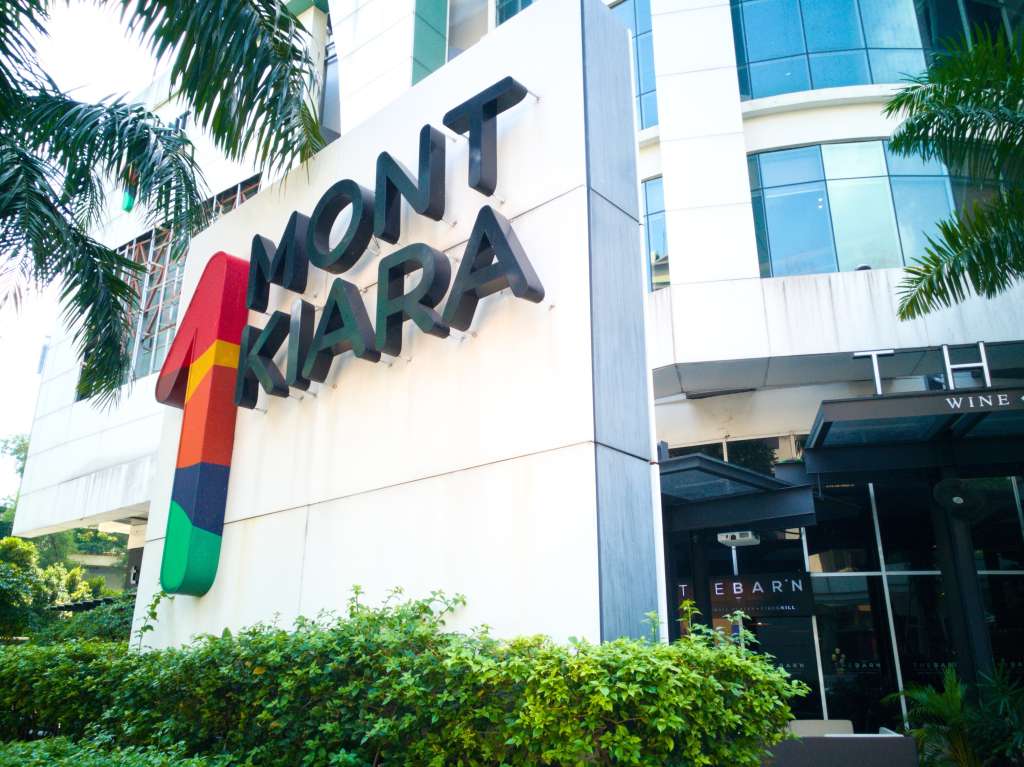
Driven by expats and business travellers, with longer stays (4–10 nights) and lower turnover costs.
👉 Best for: Predictable income and hybrid rental strategy
Petaling Jaya — Lower Entry, Steady Demand
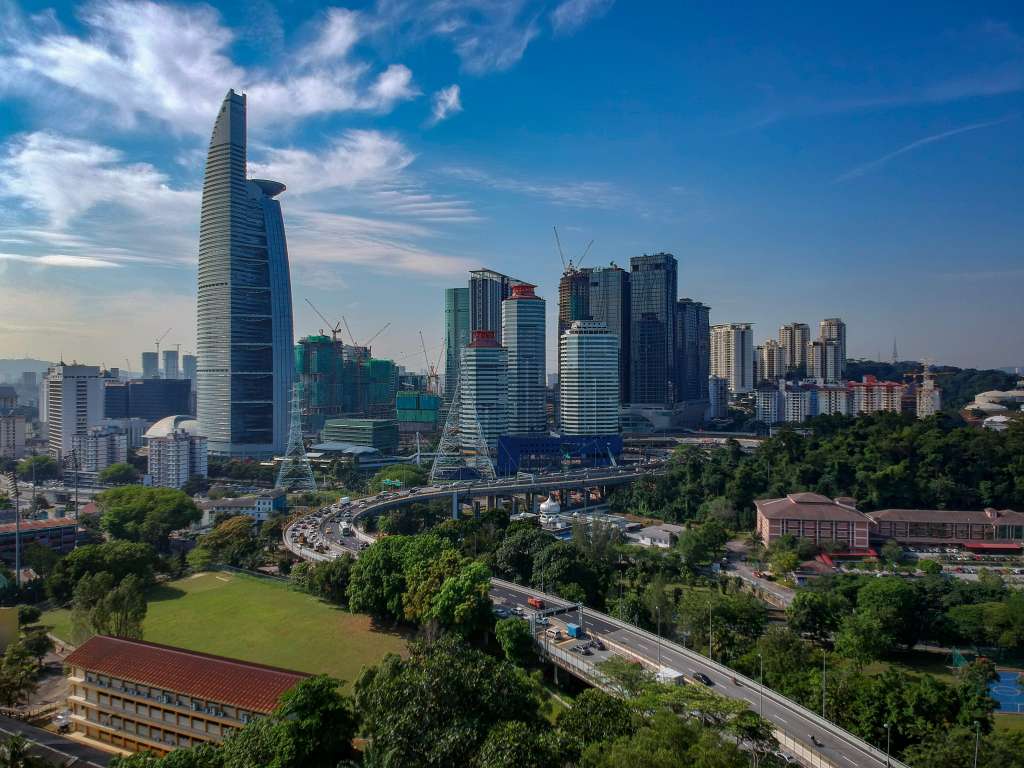
More affordable entry with RM150–RM250 per night, supported by domestic travel and event-driven demand.
👉 Best for: First-time investors
Key Insight: Proximity Drives Performance
Properties near MRT/LRT stations, tourist hotspots, or business hubs consistently outperform others.
As PropNex Malaysia’s analysis (2026) notes, transit connectivity has become a baseline filter for savvy short-term rental investors.
Airbnb vs Long-Term Rental: An Honest Comparison
The question isn’t which model is “better.” The question is which model fits your capacity
| Factor | Airbnb (Short-Term) | Long-Term Rental |
|---|---|---|
| Monthly Income Potential | RM2,500 – RM6,500 | Moderate |
| Management Effort | High (daily/weekly) | Low (monthly) |
| Income Consistency | Variable | Stable |
| Gross Yield Potential | 5% – 9% | 3% – 5% |
| Vacancy Risk | Moderate–High | Low |
| Regulatory Exposure | Increasing | Minimal |
Expert Insight
Short-term rental is no longer passive income. It is an active business that requires pricing strategy, positioning, and management.
Kashif Ansari, Group CEO of Juwai IQI
If you are a hands-off investor who values predictability, long-term rental is the smarter choice right now — especially given rising compliance pressure on short-term operators.
If you are willing to manage actively (or pay someone competent to do so), Airbnb can meaningfully outperform. But the gap narrows quickly once you factor in all costs.
Is The Airbnb Market Oversaturated in Kuala Lumpur?
Let’s be honest. It depends on which segment you are looking at
Mid-Range Market: Getting Crowded
Average-quality listings in secondary locations are facing real pressure.
- Generic design
- Weak positioning
- Competing mainly on price
👉 These units are seeing lower occupancy and shrinking margins
Premium Market: Still Performing
High-quality units in prime locations continue to do well.
- Strong occupancy
- Better pricing power
- Higher guest spending
Airbnb’s own heritage collaboration with Think City in Kuala Lumpur (2025) signals growing confidence in KL’s tourism positioning — and guests who follow this kind of narrative spend more and stay longer.
The market has not peaked. It has bifurcated.
Investors who understand branding, guest experience, and data-driven pricing are winning. Investors who bought a unit and assumed the income would come are struggling.
New Regulations You Cannot Ignore in 2026

This is the part of the conversation that is often glossed over — and it is increasingly material.
Malaysia’s regulatory environment for short-term rentals is tightening. Two key developments stand out:
1. Permits and Insurance Requirements
New Straits Times (August 2025) reported that short-term rental operators will soon be required to obtain official permits and carry insurance coverage — a shift that brings Malaysia closer to the regulatory posture of Singapore and parts of Europe.
2. Strata Building Restrictions
RinggitPlus (August 2025) and Erik KL Mont Kiara (November 2025) both highlight that joint management bodies (JMBs) in condominium buildings have been granted more authority to restrict short-term rental activity within their developments.
What this means for investors:
- Before purchasing any unit for Airbnb purposes, verify the building’s by-laws explicitly
- Budget for compliance costs: permit fees, insurance premiums, and possible retrofitting
- Operators who establish clean, documented processes now will have a competitive moat when regulations fully take effect
Who Should — and Shouldn’t — Invest in Airbnb in 2026?
Use this as your decision filter before committing capital.
You should INVEST if:
- You are purchasing in a prime, high-demand location (KLCC, Bukit Bintang, Mont Kiara)
- You have the capital to furnish well and maintain high presentation standards
- You are prepared to actively manage (or budget adequately for a professional manager)
- You understand that income will fluctuate month-to-month You have verified the building’s by-laws and regulatory compliance pathway
You should RECONSIDER if:
- You are choosing the property primarily because it is affordable
- You expect consistent passive income without operational involvement
- You cannot absorb 2–3 months of vacancy without financial stress
- The building’s JMB has already restricted short-term rentals
- Your projected returns only work on optimistic occupancy assumptions
Simple Decision Framework
- Want higher returns and willing to work → Airbnb works
- Want stable income with less effort → Choose long-term rental
Final Verdict: Is Airbnb Still Profitable in Klang Valley 2026

Yes, but only if you adapt.
Airbnb today is:
- More competitive
- More strategic
- Less forgiving
It is no longer about owning a property.
It is about running a business with the right strategy
Frequently Asked Questions (FAQs)
Yes. Airbnb remains profitable with 5%–9% yields, but only for investors who actively manage pricing, costs, and location.
Typically RM2,500–RM6,500 gross monthly, depending on location. Net income is usually 40%–60% lower after costs.
Airbnb is not banned in Malaysia, but it operates in a tightening regulatory environment in 2026. There is no single nationwide law, but a national Short-Term Rental Accommodation (STRA) framework is under review that would require hosts to obtain business licences from local councils.
KLCC and Bukit Bintang deliver the highest returns, while Mont Kiara offers stability and Petaling Jaya suits beginners.
Not nationwide yet, but a regulatory framework is coming. Some areas may soon require permits and insurance.
Airbnb offers higher returns (5%–9%) but requires active effort. Long-term rental offers stable income with lower risk.
Ready to invest in Airbnb the right way? Speak to an IQI Global property consultant and discover data-backed opportunities in Klang Valley that match today’s market, not outdated assumptions
Continue Reading:
2. Unfurnished vs Semi Furnished vs Fully Furnished Property: Which One Should You Choose?
3. Top 10 Cheapest Neighbourhoods in Klang Valley (2026)
References:
- Airbtics. (2026, March 12). Airbnb revenue in Kuala Lumpur: 2026 short-term rental data and insights. https://airbtics.com/annual-airbnb-revenue-in-kuala-lumpur-malaysia/
- Airbnb. (2025). Airbnb and Think City launch heritage guide to Kuala Lumpur. https://news.airbnb.com/ms/airbnb-and-think-city-launch-heritage-guide-to-kuala-lumpur/
- Aziff Azuddin. (2025, December 15). From home-sharing to asset class: KL’s short-term rental market. https://aziffazuddin.com/current-affairs/airbnb-market-analysis-kuala-lumpur/
- Bamboo Routes. (2026, April 2). How profitable are Airbnb rentals in Kuala Lumpur (2026). https://bambooroutes.com/blogs/news/kuala-lumpur-airbnb
- Erik KL Mont Kiara. (2025, November 11). Attention: Malaysia tightens regulations on Airbnb. https://www.erikklmontkiara.com/post/attention-malaysia-tightens-regulations-on-airbnb
- iProperty Malaysia. (2026, February 10). Short-term rental in Malaysia 2026: Legal reality, risks and what hosts need to know. https://www.iproperty.com.my/guides/is-short-term-rental-airbnb-legal-malaysia-74128
- New Straits Times. (2025, December 18). Airbnb bookings rise in Malaysia, KL most booked in H1 2025. https://www.nst.com.my/business/corporate/2025/12/1339995/airbnb-bookings-rise-malaysia-kl-most-booked-h1-2025
- New Straits Times. (2025, August 19). Airbnb-style operators will soon need permits and insurance. https://www.nst.com.my/news/nation/2025/08/1262114/airbnb-style-operators-will-soon-need-permits-and-insurance
- PropNex Malaysia. (2026). Malaysia’s short-term rental boom: Is a KL city condo still a smart play? https://boongiap.com.my/malaysias-short-term-rental-boom-is-a-kl-city-condo-still-a-smart-play-for-international-and-high-net-worth-buyers-in-2026/
- RinggitPlus. (2025, August 4). Understanding the proposed new rules for Airbnb and short-term rentals in Malaysia. https://ringgitplus.com/en/blog/property/understanding-the-proposed-new-rules-for-airbnb-and-short-term-rentals-in-malaysia.html
