Property Fundamentals Pass the Mid-Year Test
The first half of 2026 tested global property markets through regional security tensions, temporary repricing and changing financing conditions.
What followed was a rapid recovery and a clearer investment picture. Capital is now moving towards markets supported by demographics, infrastructure and policy, rather than short-term speculation.
The United Arab Emirates demonstrated strong…
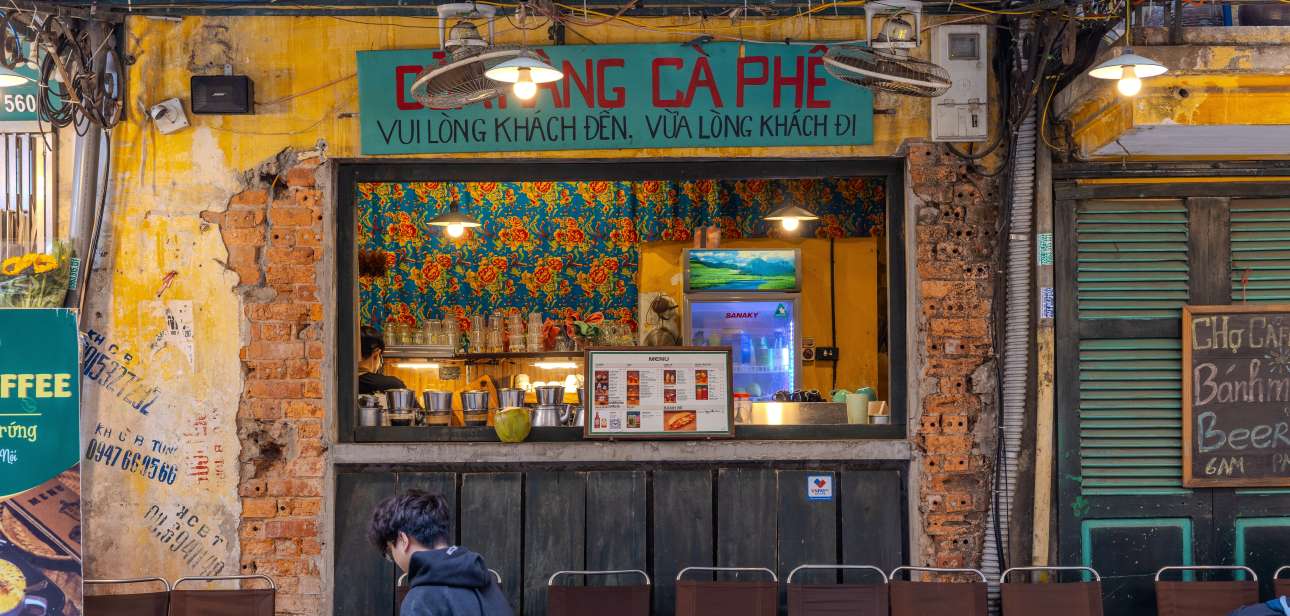
Vietnam’s Housing Market Enters a Selective Reset
Vietnam’s residential market entered August 2026 in a period of consolidation. Prices remain relatively firm, but transaction activity is slower as buyers become more selective and borrowing costs stay elevated.
During Q2 2026, developers launched approximately 12,000 primary condominiums across the enlarged Ho Chi Minh City market and more than 4,000…
Bangkok Retail Market Enters a New Phase
Bangkok’s retail property market is evolving as developers place greater emphasis on transit-oriented locations, experiential concepts and asset repositioning.
Total retail supply reached 9.27 million square metres in Q1 2026, recording only a marginal 0.12% quarter-on-quarter decline. This reflects a relatively stable market despite wider economic uncertainty and a fresh pipeline…
Vision 2030 Continues to Drive Market Momentum
Saudi Arabia’s real estate market maintained strong momentum in June 2026, supported by Vision 2030, major infrastructure investment and continued population growth.
Demand remains healthy across the residential, commercial, hospitality and logistics sectors, particularly in Riyadh, Jeddah and Dammam.
Large government-backed developments, including NEOM, Diriyah Gate, The Red Sea and Qiddiya,…
Inflation Eases as Market Conditions Improve
The Philippines property market entered the second half of 2026 with a gradually improving economic outlook.
Inflation declined for a second consecutive month, falling from 7.2% in April to 6.4% in June. Lower fuel and transport costs supported the improvement, while monthly inflation recorded its first decline in a year…
Lower Oil Prices Bring Economic Relief
Global financial conditions are showing signs of improvement after a turbulent start to 2026. Oil prices fell by more than 20% in June, declining from US$105 to around US$73 per barrel as tensions between the United States and Iran eased and key shipping routes gradually reopened.
Lower oil prices could reduce pressure…
Karachi Enters a More Disciplined Market Phase
Karachi’s real estate market is moving towards a more stable and yield-driven investment environment, supported by macroeconomic improvements and major fiscal reforms.
As of June 2026, the State Bank of Pakistan maintained its policy rate at 11.50%, while inflation stood at 11.70%. Foreign exchange reserves reached USD 22.04 billion, helping the Pakistani…
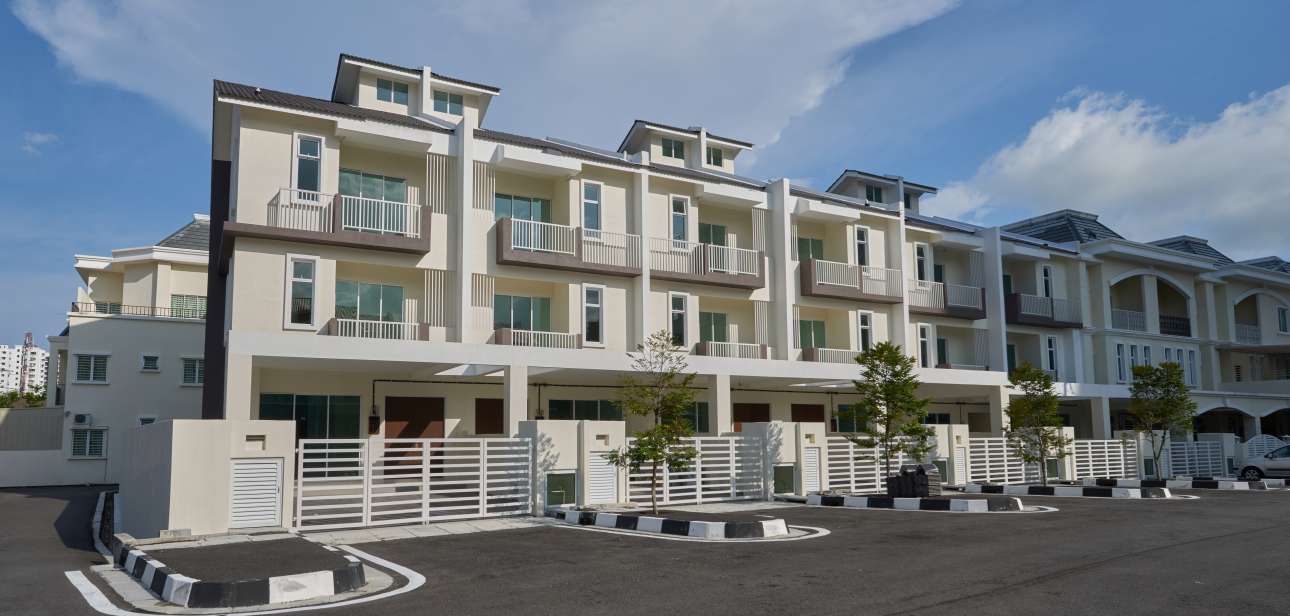
Malaysia’s Market Shifts in Favour of Buyers
Malaysia’s property market entered the second half of 2026 with a clearer focus on value, affordability and financial discipline.
Targeted fuel subsidies and higher living costs have reduced the appeal of speculative property purchases. Instead, the market increasingly rewards buyers who study pricing, location fundamentals and long-term affordability…
Chinese Buying Continues After Permanent Residency
Canada’s foreign buyer restrictions may have reduced direct purchases by non-residents, but they do not apply in the same way to permanent residents.
According to Juwai IQI Co-Founder and Group Managing Director Daniel Ho, Chinese buyers continue entering Canada’s housing market after obtaining permanent residency. Once they become Canadian…
Energy Investment Supports Property Demand
Malaysia’s oil and gas industry remains resilient, supported by upstream capital commitments from PETRONAS, Shell, ExxonMobil and ConocoPhillips.
The PETRONAS Activity Outlook 2025 to 2027 projects continued offshore maintenance demand, with Dayang Enterprise securing RM4 billion in contracts. Major energy hubs such as Bintulu, Kerteh, Pengerang and Sabah’s deepwater fields remain central to industry…