

Newsletter
Keep yourself update with our current news for Juwai IQI
Singapore Property Market July 2026: Suburban New Home Demand Stays Strong
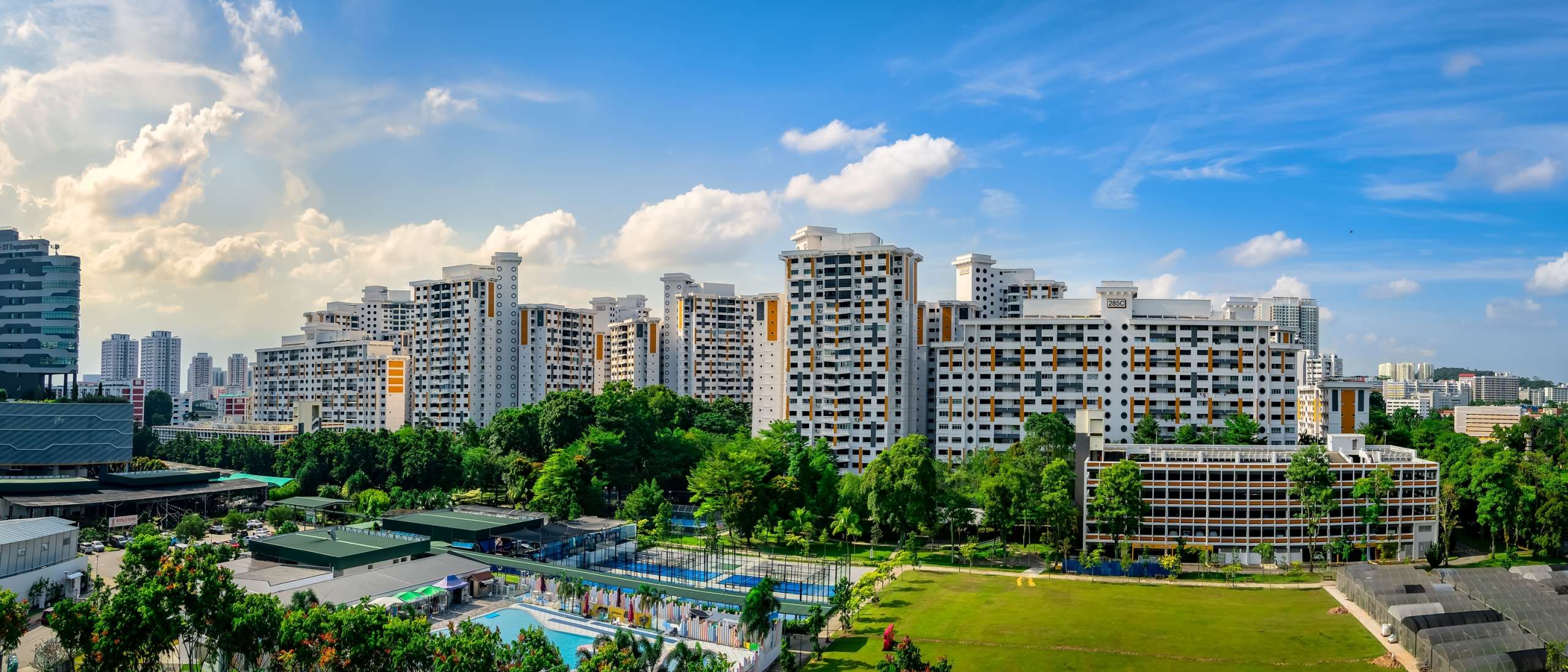
Suburban Launches Drive Strong New Home SalesSingapore’s private residential market continued to show strong momentum in April 2026, led by healthy demand in the Outside Central Region (OCR).New home sales rose for the second consecutive month to 1,548 units in April, up 19.1% from March and 129.3% year-on-year. The increase was mainly supported by two major suburban launches, Tengah Garden Residences and Vela Bay.The OCR recorded a 14-month high in launched units, with 1,406 units released in April. It also accounted for the bulk of developer sales, making up 87.7% of all new private homes sold during the month.Tengah Garden Residences was the standout performer, selling 99.1% of its project within the launch month. As the first private residential project in Tengah, it attracted buyers looking for first-mover advantage and future capital and rental appreciation.Vela Bay also performed well, selling 71.8% of its total units, supported by sea-view units and proximity to Bayshore MRT Station and East Coast Park. OutlookSingapore’s new private home demand is expected to remain firm, especially among first-time buyers and HDB upgraders.While Middle East conflicts could push energy prices higher and place upward pressure on interest rates, any rate increases are expected to be moderate in the near term. Current mortgage rates remain relatively low compared with the peak of over 3% two years ago, supporting affordability.As long as employment and income growth stay resilient, buyer confidence should remain intact. Upcoming launches such as Dunearn House, Lucerne Grand and Lentor Gardens Residences may further test market depth in the second half of 2026.Download to see insights from other country marketsDownload
4 July

Saudi Arabia Property Market July 2026: Cooling Prices Create a Buyer Repricing Window
Saudi Residential Market Cools After Rapid GrowthSaudi Arabia’s residential property market is entering a clear cooling phase after several years of strong price growth.The national Real Estate Price Index stood at 103.3 in Q1 2026, down 0.2% quarter-on-quarter and 1.6% year-on-year. The decline was mainly driven by housing, where prices fell 3.6%, led by lower residential land, apartment and villa prices.The correction is most visible in Riyadh, where real estate prices declined 4.4%. This marks a sharp shift after the capital recorded strong gains in both 2023 and 2024.The main pressure point is affordability. After major price increases over the past five years, higher mortgage costs have reduced buyer activity and pushed the market into a more selective phase.However, this is not a weak market story. Rental demand remains strong. In Riyadh, apartment rents rose 19.6% year-on-year, while villa rents increased 17.2%. Saudi Arabia’s average gross rental yield stood at 6.84% in Q1 2026, supporting income-focused investors. Policy Support and Foreign Ownership Strengthen Long-Term DemandSaudi Arabia’s long-term housing fundamentals remain supported by Vision 2030, which targets a 70% homeownership rate, lower down payments and greater mortgage liquidity.The country is also expected to need more than 800,000 additional homes by 2030, pointing to a continued supply gap.A major catalyst is the new foreign ownership law, which took effect in January 2026, allowing non-Saudis to buy property in the Kingdom for the first time.OutlookSaudi Arabia’s market is shifting from fast capital gains to a more fundamentals-driven cycle.For investors, mid-2026 may offer a buyer repricing window, especially where rental demand, policy support and long-term supply needs remain strong. The outlook is more disciplined, but still attractive for investors focused on income, quality assets and long-term market growth.Download to see insights from other country marketsDownload
4 July

Philippines Property Market July 2026: Recovery Builds as Energy Pressure Eases
Philippines Real Estate Shows Stronger Recovery SignalsThe Philippines property market is entering the second half of 2026 with improving momentum. The US-Iran ceasefire and reopening of the Strait of Hormuz have helped stabilise global oil markets, leading to major fuel rollbacks in the Philippines.This is easing pressure on household budgets and business costs, while also supporting buyer confidence. At the same time, the proposed Japan-Philippines petroleum reserve partnership strengthens the country’s long-term energy security outlook.The residential market remains selective. Metro Manila condominiums are still a buyer’s market, with around 74,000 to 75,300 unsold units. However, developer discounts, rent-to-own schemes and longer payment terms are creating attractive entry opportunities.Supply is also expected to tighten, with only about 3,600 new condo units annually from 2026 to 2028, far below the previous peak average of 13,000 units. Regional markets such as Cavite, Laguna, Cebu, Iloilo and Davao remain stronger performers, with projected annual appreciation of 5% to 7%.Industrial and Commercial Segments Lead GrowthIndustrial and logistics remain the strongest investment theme. The New Clark City industrial hub is reinforcing the Clark-Pampanga corridor as a key manufacturing and logistics destination, while industrial rents have risen 45% since 2019.Commercial property is also improving. Office demand rose 70% year-on-year in Q1 2026, supported by BPO and IT-BPM expansion. Retail vacancy is expected to fall below 10% by end-2026, while hospitality is benefiting from flight surcharge cuts and route restoration. OutlookThe Philippines market is not without challenges, but its fundamentals remain strong.With 115 million people, record OFW remittances, infrastructure expansion and improving energy stability, H2 2026 could mark a clearer recovery phase. Industrial assets, Clark-linked logistics, regional residential corridors and prime income-generating assets are likely to remain the best-positioned opportunities.Download to see insights from other country marketsDownload
4 July

People’s Financial Guide July 2026: Stay Diversified as Asia Leads Global Growth
Global Economy Faces Pressure, But Growth Remains IntactThe global economy is moving through a more uncertain phase in 2026, mainly due to the Middle East conflict, higher oil prices and rising living costs. These pressures have made fuel, food and daily expenses more expensive in many markets.Even so, global growth remains positive. The IMF expects the world economy to grow by 3.1% in 2026, slightly lower than 3.4% last year, but still resilient under current conditions.Investors are also becoming more defensive. Gold has risen by more than 44% over the past year and is now trading at around US$4,830 per ounce, showing continued demand for safe-haven assets.At the same time, technology remains one of the strongest global investment themes. In Q1 2026, investors placed a record US$300 billion into startups worldwide, with around US$242 billion directed into artificial intelligence companies. Major technology firms are also expected to spend more than US$527 billion this year on AI infrastructure. Asia Remains the Growth CentreFor regional investors, Asia remains a major bright spot. Developing Asia is expected to grow by 5.1% this year, making it one of the fastest-growing regions globally.Malaysia, Thailand and Vietnam are benefiting from technology-related investment, while Asia Pacific real estate investment reached US$47 billion in Q1 2026, up 31% year-on-year.Rental yields across Southeast Asia and Turkey remain attractive at around 5% to 8.5%, compared with 3% to 4% in many Western markets.OutlookThe practical message for investors is to stay calm, diversified and focused on long-term fundamentals.A balanced strategy may include maintaining cash reserves, holding defensive assets such as gold or fixed income, and selecting real estate in high-growth markets. In a fast-changing world, informed and patient investors are likely to find the strongest opportunities.Download to see insights from other country marketsDownload
4 July
Malaysia Property Market July 2026: Prices Firm as Transaction Volume Slows
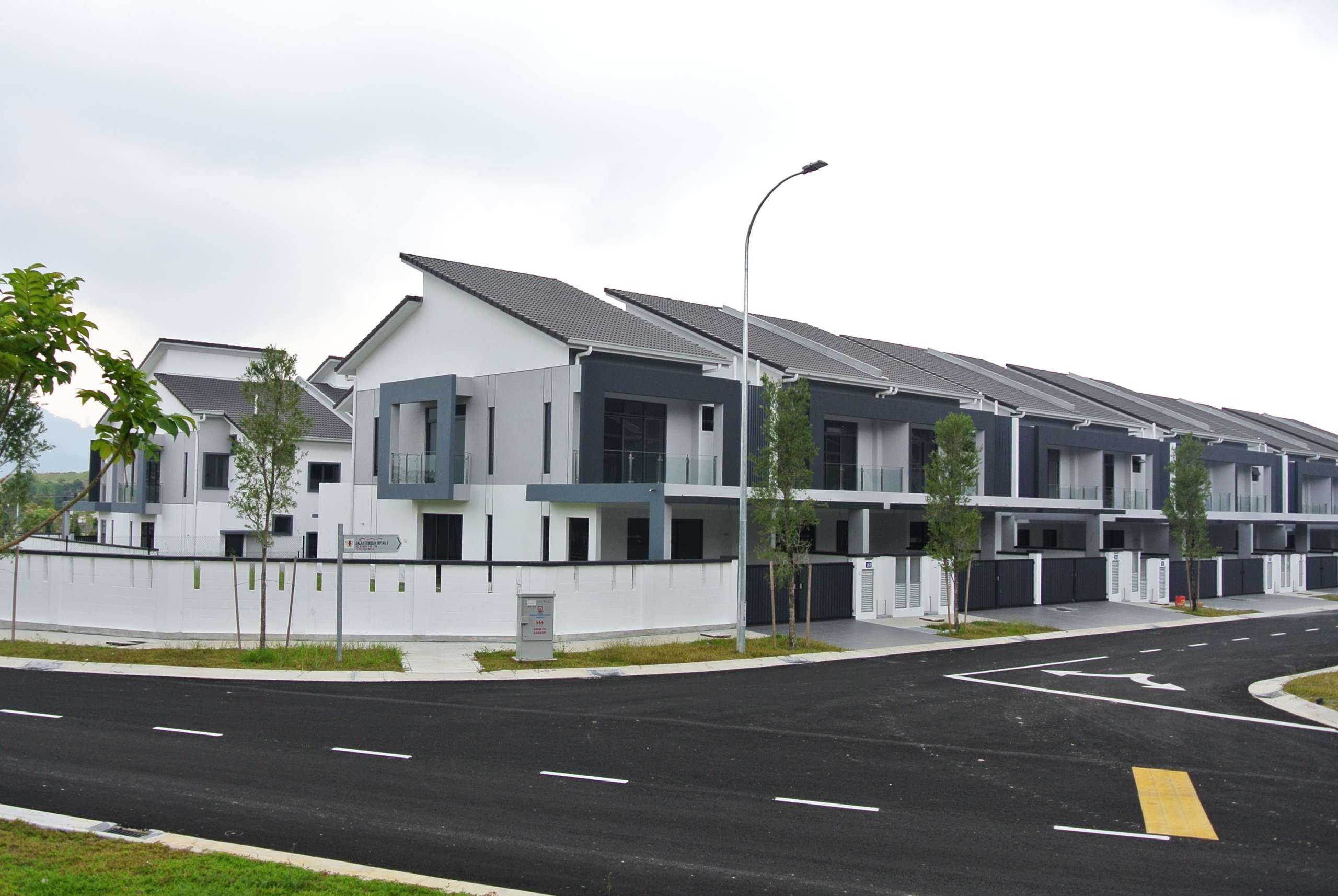
Malaysia Housing Market Shows Firmer Prices on Lower VolumeMalaysia’s housing market is entering mid-2026 with firmer prices, even as transaction activity slows.According to NAPIC/JPPH’s Q1 2026 data, overall property transactions fell 8% year-on-year to 89,966, while transaction value slipped only 0.6% to RM51.09 billion. This suggests a more controlled market rather than a broad contraction.Pricing remained positive. The Malaysian House Price Index rose 1.7% to 235.2 points, while the average home price increased to RM507,533, up from RM494,384 in Q3 2025.By property type, terraced and semi-detached homes led growth at 2.2%, followed by high-rise units at 1.3%. Detached houses dipped 0.7%, showing that demand remains more selective across different segments.The interest rate environment remains supportive, with Bank Negara Malaysia keeping the OPR at 2.75% in May 2026. Inflation also remained manageable, with headline inflation at 1.6% and core inflation at 2.1% in Q1 2026. OutlookMalaysia’s property market is expected to remain selective in the second half of 2026.The main challenge is still unsold supply. Residential overhang exceeded 32,000 completed units worth RM16.37 billion, while unsold serviced apartments reached 19,263 units worth RM16.52 billion.New launches are also being moderated, with 9,112 residential units launched in Q1 2026 and a take-up rate of only 11.5%. This points to cautious buyer sentiment, especially as many buyers continue to face mortgage approval challenges.Looking ahead, landed homes, transit-oriented locations and areas linked to the Johor JS-SEZ and RTS Link are likely to remain more resilient. Oversupplied high-rise and serviced-apartment pockets may continue to give buyers stronger negotiating power.Download to see insights from other country marketsDownload
4 July

Chinese Buyers Remain Australia’s No.1 Foreign Home Investors in 2026
Chinese Buyers Continue to Lead Australia’s Foreign Home InvestmentChinese buyers remain the leading foreign buyer group in Australia’s residential property market, even as overall foreign home investment cools.According to Australian Treasury data highlighted in the Juwai IQI Insight, buyers from China purchased more Australian residential property than citizens of any other country. Juwai IQI Co-Founder and Group Managing Director Daniel Ho noted that China ranked first by both the number and value of approved investment in every quarter.Other key buyer sources include Taiwan, Vietnam and Hong Kong, with demand mainly driven by migration, education and lifestyle.Juwai IQI’s internal data also shows that Australia became the most popular global destination for Chinese buyers in Q1 2026, moving up from second place in 2025. The next most popular destinations were Thailand, the United Kingdom, the United States and Malaysia.Education and Migration Remain Core Demand DriversEducation remains one of the strongest reasons behind Chinese buyer interest in Australia. More than 35,000 Chinese citizens moved to Australia in 2025, while around 730,000 Australian residents were born in China.In the first quarter of FY2026, Chinese buyers accounted for 234 of 799 approved residential investments. The value of approved Chinese residential investment reached about $2.6 billion in FY2024, around $1.4 billion in FY2025, and roughly $0.8 billion across the first three quarters of FY2026.This shows that while investment volumes have moderated, the underlying connection between China and Australia remains strong. Chinese companies are also the third-biggest source of approved foreign direct investment in Australia. OutlookChinese demand for Australian property is likely to remain resilient, especially where it is linked to education, migration and long-term lifestyle planning.For developers and agents, Australia’s appeal to Chinese buyers remains clear, but stronger targeting and trusted market positioning will be essential as foreign investment becomes more selective.Download to see insights from other country marketsDownload
3 July

Italy Property Market July 2026: Residential Prices Rise as Investment Demand Strengthens
Italy’s Residential Market Gains MomentumItaly’s residential market entered mid-2026 with stronger pricing and sales activity. House prices rose 1.0% quarter-on-quarter and 5.2% year-on-year in Q1 2026, supported mainly by existing homes, which increased 1.5% over the quarter.Transaction activity also improved. Residential sales rose 4.4% year-on-year in Q1 2026, a clear acceleration from the previous quarter. This follows 766,756 transactions in 2025, one of the strongest annual performances of the past decade.Growth remains uneven across major cities. Milan led with 6.3% year-on-year price growth, followed by Rome at 5.0% and Turin at 3.6%. Rental yields also remained attractive, with average gross yields at 7.23% in January 2026. Investment Demand Remains SelectiveItaly’s investment market also showed strong momentum, with total investment volume reaching €12.5 billion in 2025, up 23% year-on-year. Foreign capital accounted for 58% of total investment, mainly targeting retail, hospitality, industrial and logistics assets.However, investors are becoming more selective. Demand is strongest for premium, liquid assets, with prime office yields in Milan around 4%. Limited supply of Grade A and energy-efficient stock continues to support competition for quality assets.OutlookItaly’s 2026 outlook remains positive but disciplined. Residential demand should stay supported by major cities, rental income and continued interest from international buyers.At the same time, higher energy risks, inflation pressure and steady ECB rates may keep investors cautious. The strongest opportunities are likely to be in well-located residential assets, student housing, logistics and high-quality buildings that meet modern efficiency standards.Download to see insights from other country marketsDownload
3 July

Strait of Malacca 2026: Why Maritime Risk Matters for Malaysia’s Property Market
The Strait of Malacca Moves Into Sharper FocusThe Strait of Malacca is once again drawing attention as global markets reassess the importance of major maritime trade routes.After Iran’s closure of the Strait of Hormuz in late February 2026, investors and policymakers have become more alert to the risks surrounding key shipping corridors. For Southeast Asia, any disruption in the Strait of Malacca could carry wider implications, affecting energy flows, industrial supply chains and logistics costs.Regional developments have added to this uncertainty. In mid-April 2026, the US and Indonesia signed a Major Defence Cooperation Partnership focused on capacity building, training and operational cooperation. Although Indonesia later ruled out the idea of transit fees, the brief discussion still contributed to higher shipping insurance premiums. What This Means for Malaysia’s Property MarketFor Malaysia, the Strait of Malacca is more than a maritime route. It is closely linked to trade, ports, manufacturing activity and logistics movement.If shipping through Malacca is disrupted, businesses could face higher import and logistics costs. This may influence tenant demand, industrial activity, investor confidence and commercial property decisions, especially in locations connected to trade and supply chains.Security concerns are also evolving. Risks now go beyond traditional military threats and include cybersecurity, regional competition and emerging operational challenges. This means market players may need to think more carefully about resilience, cost planning and long-term location strategy.OutlookThe Strait of Malacca remains calm, but the stakes are rising.For Malaysia’s property market, the immediate impact may be limited, but prolonged uncertainty could affect business sentiment and logistics-driven demand. In 2026, investors should watch how maritime security, shipping costs and regional cooperation develop, as these factors may increasingly shape industrial and commercial property outlooks.Download to see insights from other country marketsDownload
3 July

