


Available Properties
Discover the latest listings in Johor
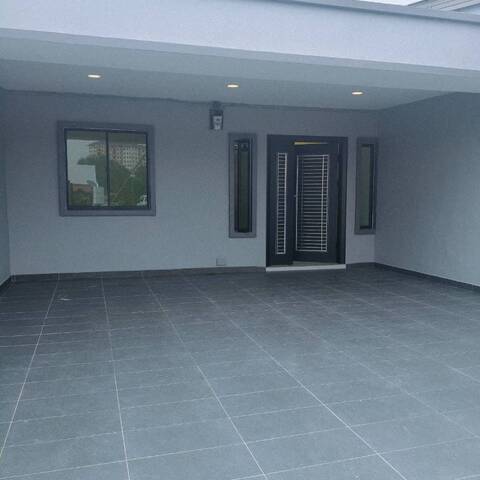
Taman Desa Rahmat 1 Sty Low Cost,Jalan Kebudayaan,Tampoi,Skudai,Renovated
tampoi
RM 418,000
Listed on September 22, 2026

Taman Industri Jaya
Jalan Bistari
RM 14,000,000
Listed on September 22, 2026
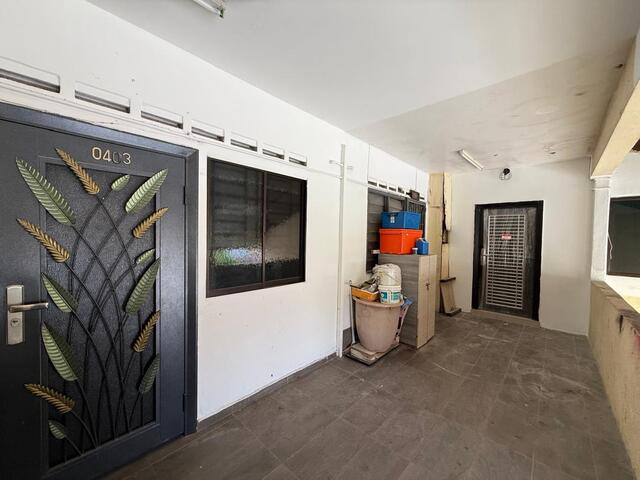
Bandar Selesa Jaya Low Cost Flat,Jalan Silat Lincah,Skudai,Level 4,Renovated
skudai
RM 198,000
Listed on September 22, 2026
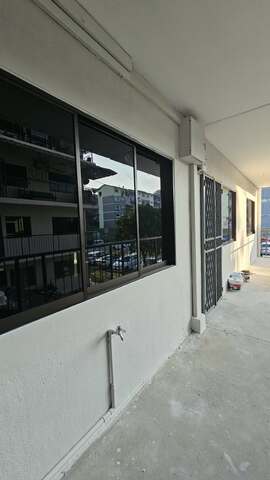
Cempaka Low Cost Flat,Kempas,Johor Bahru,Level 5,High Floor,Renovated
johor bahru
RM 228,000
Listed on September 22, 2026
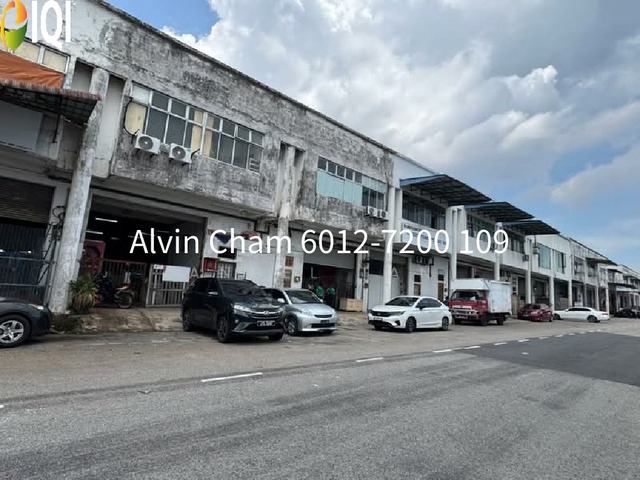
Taman Industri Jaya
Jalan Bistari
RM 1,280,000
Listed on September 22, 2026
Taman Seri Alam
Jalan Tasek Seri Alam
RM 950,000
Listed on September 21, 2026
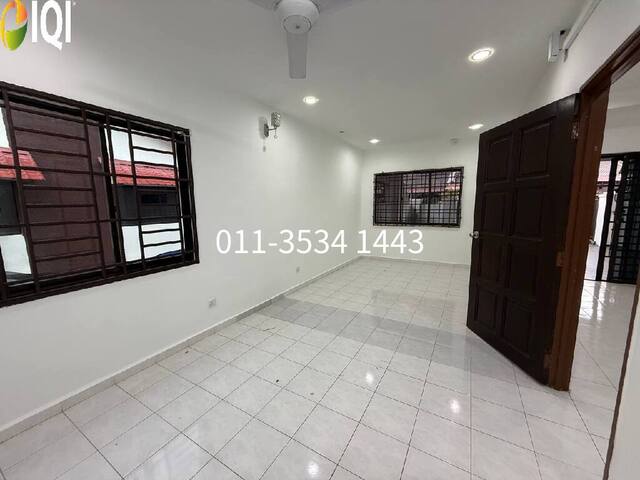
Jalan Pakis Taman Sri Pulai
Jalan Pakis Taman Sri Pulai
RM 465,000
Listed on September 21, 2026
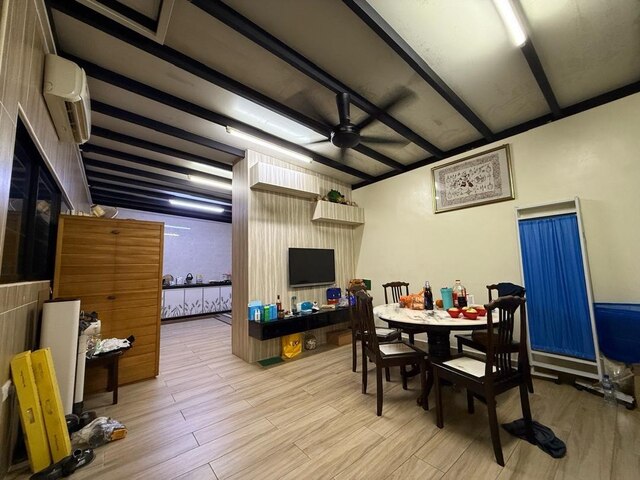
Eco Tropics
Jalan Rambai , Eco Tropics
RM 800,000
Listed on September 21, 2026
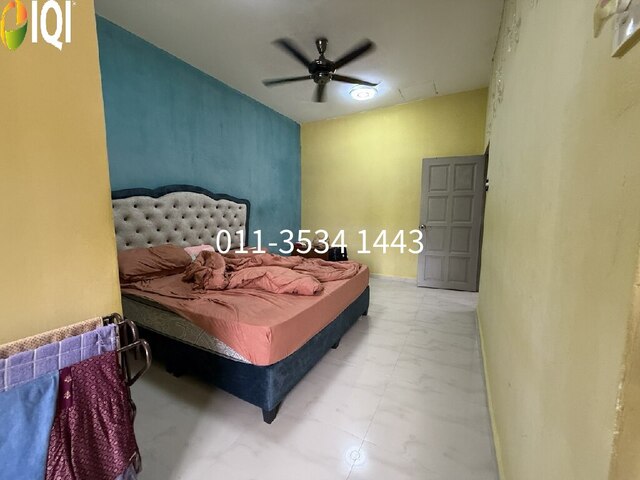
Taman Sri Pulai
Jalan Meranti , Taman Sri Pulai
RM 1,000,000
Listed on September 21, 2026
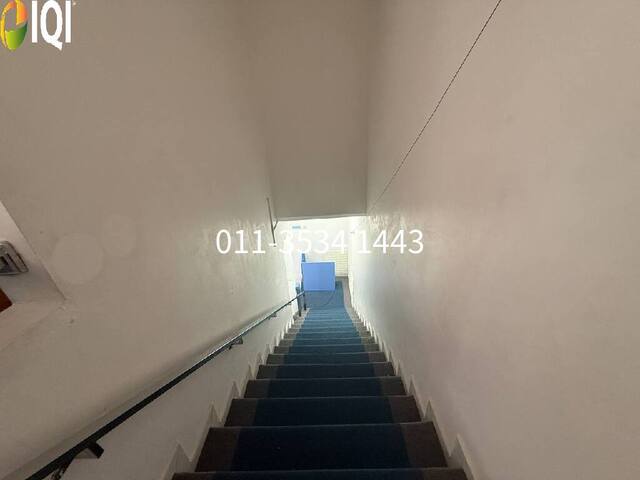
Taman Setia Indah
Jalan Setia
RM 1,150,000
Listed on September 21, 2026
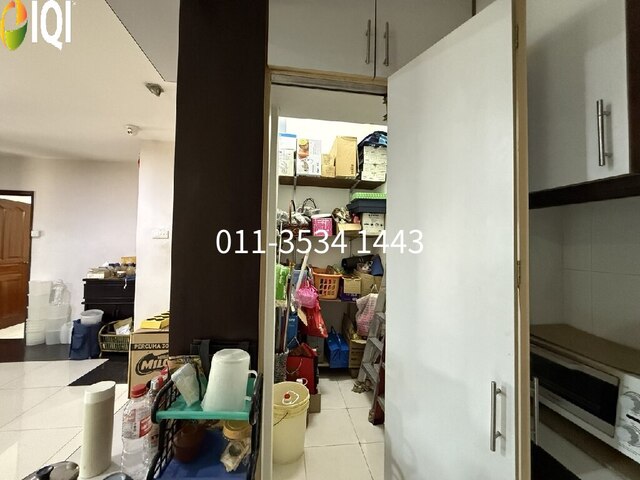
Setia Indah Corner
Jalan Setia Indah 5/10
RM 1,200,000
Listed on September 21, 2026
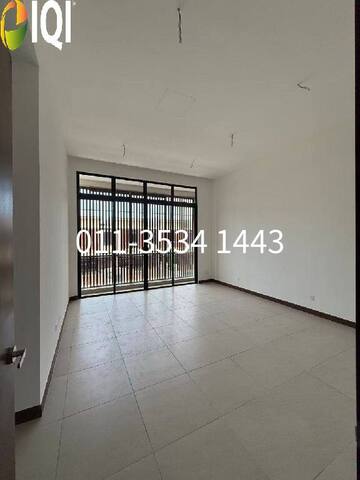
Aurora Resort Villa Iskandar Puteri
Aurora Resort Villa
RM 1,470,000
Listed on September 21, 2026
The cheapest areas outside Johor Bahru
If your work is not tied to Johor Bahru, the interior is where the real savings are. In Segamat or Kluang, a whole terrace house costs about what a single room costs near the Causeway.
Kluang and Segamat
Interior Johor, and the lowest rents in the state. Quiet, small town amenities, very car dependent. Only sensible if you work in or near these towns.
Batu Pahat
Low cost flats and older terraces are the cheapest whole units in Johor. Rooms in Taman Soga and around UTHM Parit Raja run RM320 to RM450. A three bedroom low cost terrace can be found around RM650.
Muar
Similar pricing to Batu Pahat with a stronger town centre. Popular with families rather than single workers.
Mersing
Cheap, coastal and remote. Rental stock is thin, so availability matters more than price here.
These districts are also where Johor's most affordable homes to buy are, which is worth knowing if you plan to stay long term. See our breakdown of Johor property prices by district.
The cheapest areas inside the Johor Bahru metro
Most renters cannot choose the interior, because the job is in Johor Bahru. Within the metro area, these are the cheapest realistic options.
Pasir Gudang, RM500 to RM1,000
The industrial and port belt, and the lowest rents in the JB metro. Excellent value if you work in the Pasir Gudang or Tanjung Langsat corridor. A car or motorcycle is essential. The area sits beside heavy industry and has had pollution incidents in the past, so check the specific taman and speak to current residents before committing.
Senai, RM700 to RM1,100
Serves Senai Airport, the surrounding industrial parks and the growing data centre cluster. Quiet, functional and cheap.
Skudai, RM700 to RM1,200
The best room market in Johor thanks to UTM, with rooms from about RM350. The trade-off is traffic on Jalan Skudai, which is genuinely bad at peak hours.
Kulai, RM800 to RM1,200
Good for airport and industrial workers, and a common choice for young families who want a whole house rather than a condo unit.
Mount Austin, RM800 to RM1,400 furnished
RM600 to RM1,000 unfurnished. This is Johor Bahru's affordable condo belt, and the best option if you want facilities and a proper city location without city centre pricing.
Medini and Forest City, RM800 to RM1,500
Rents look low, but that is oversupply rather than value. Vacancy is high and amenities can be sparse. Negotiation room of 10% to 20% below asking is common here.
How much rent can you afford on a Johor salary?
Most rental guides skip this, which is why so many first time renters overcommit.
Landlords and agents in Malaysia screen with a simple rule. Monthly rent should not exceed one third of your gross monthly income.
Ground that in real Johor numbers. Indeed reports the average new graduate salary in Johor Bahru at about RM2,763 a month across 648 reported salaries as of July 2026. Market surveys put the Johor fresh graduate band at roughly RM2,700 to RM3,000. The national minimum wage is RM1,700.
On RM2,763 gross, one third is about RM920 a month. That budget:
Comfortably covers a room anywhere in Johor
Covers a whole unit in Pasir Gudang, Senai, Skudai, Kulai or Batu Pahat
Does not cover Johor Bahru city centre, Iskandar Puteri, Danga Bay or Bukit Indah on your own
Sharing changes everything. A furnished Mount Austin unit at RM1,200 split three ways is RM400 each, which sits well inside budget and buys a far better location than renting solo in the cheapest taman you can find.
What do you actually pay on day one?
This is the number that catches people out, and it rarely appears next to the rent tables.
Malaysia's standard residential deposit structure is 2+1. Two months as a security deposit, one month as a utility deposit, plus the first month's rent in advance. Add stamping and you need roughly 3.5 to 4.5 months of rent before you get the keys.
Payment | On a RM800 unit | On a RM1,500 unit |
|---|---|---|
First month's rent | RM800 | RM1,500 |
Security deposit, 2 months | RM1,600 | RM3,000 |
Utility deposit, 1 month | RM800 | RM1,500 |
Stamping | about RM40 | about RM72 |
Total upfront | about RM3,240 | about RM6,072 |
Stamp duty on a tenancy of up to one year is RM1 for every RM250 of annual rent. The old RM2,400 exemption was removed on 1 January 2025, so duty now applies to the full annual rent, with a RM10 minimum. An unstamped tenancy agreement is not admissible as evidence in a Malaysian court, so do not skip it.
Two ways to soften the upfront hit. Ask for 1+1 instead of 2+1, which many Johor landlords will accept in a competitive market. Or look at co-living and zero deposit operators, which have grown quickly in Tampoi, Skudai and JB town.
Malaysia has no deposit protection scheme and no residential tenancy tribunal.
Your landlord holds the deposit directly. Photograph every room on move-in day, sign a written inventory with the landlord, and keep the stamped agreement. Deposit disputes are the most common landlord and tenant conflict in Malaysia, and documentation is your only real protection.
Why the cheapest rent is not always the cheapest place to live
Johor has almost no urban rail. There is no MRT or LRT, and bus coverage outside the core is limited. In practice, a car or a motorcycle is part of your housing cost in Johor, not a separate line item.
Work the total. A car loan of RM800 to RM1,200 a month, plus fuel, insurance and tolls, dwarfs the RM200 you saved by renting 20km further out. A motorcycle changes the maths completely, which is why so many young workers in the industrial belt ride.
Scenario | Rent | Transport | True monthly cost |
|---|---|---|---|
Cheap unit, 25km from work, car | RM700 | RM1,100 | RM1,800 |
Dearer unit, 5km from work, motorcycle | RM1,000 | RM250 | RM1,250 |
The "expensive" option wins by RM550 a month. Before you sign anything, price the commute.
Why rents near the Causeway are so much higher
Roughly 300,000 Malaysians cross into Singapore for work each day. They earn Singapore dollars and they compete for the same housing near the CIQ complex and the upcoming RTS Link station at Bukit Chagar.
That is why asking rents in the RTS catchment have pushed past RM3,300, while units a ten minute drive away still sit at RM2,000 to RM3,000.
If you work in Johor and earn ringgit, do not try to live in the commuter belt. You would be paying a premium for a border advantage you never use. Let the Singapore commuters have Bukit Chagar and take the saving somewhere else.
If the border is your commute, that changes the calculation completely. See our guide to developments near the Johor to Singapore CIQ and RTS Link.
Asking rent is not what tenants pay
Every rent figure on a listing portal is an asking rent. Transacted rents in Johor typically land 5% to 10% below asking, and further in oversupplied pockets.
You have more leverage than you think. Average vacancy in Johor Bahru runs four to eight weeks, and Johor has led Malaysia in unsold residential stock for years. An empty unit earns the landlord nothing.
Three things that work:
Offer a two year tenancy in exchange for a lower monthly rent. Landlords value stability.
Ask for a 1+1 deposit rather than 2+1.
In Medini, Forest City and other oversupplied areas, open 10% to 20% below asking.
What about the most expensive areas in Johor?
For contrast, the top of the market is a different world. Gated landed homes in Horizon Hills, East Ledang and Leisure Farm ask from RM8,800 to well past RM15,000 a month, and the largest bungalows go higher still.
We cover that end separately in Johor's richest neighbourhoods.
Should you rent or buy in Johor?
In the interior districts this question is genuinely close. Median prices in Kluang, Segamat and Mersing sit in the RM236,000 to RM265,000 range, and a monthly instalment at that price can land near what you would pay in rent.
In the border corridor it is not close at all. Prices there have been pushed by cross-border demand faster than rents have followed, so renting is often cheaper in the early years.
The deciding factor is not the rent. It is what you can actually borrow.
If the numbers point towards buying, check whether you qualify for state help first. See Rumah Mampu Milik Johor eligibility and how much home loan you can get on your salary. For the full picture of what ownership really costs, read the real cost of buying a house in Malaysia.
Still weighing it up? Renting forever or buying a house walks through both sides.
Explore
Related Posts

Discover new launched affordable houses under 500K in Johor. Explore modern developments, flexible payment plans & investment opportunities. Start today with IQI Global.
Continue Reading

Discover affordable houses under 500K in Kepong. Explore verified listings, financing options & investment potential. Start your property journey with IQI Global today.
Continue Reading
Looking for a list of houses suitable for MM2H in Malaysia? Discover property options by tier, minimum prices, and best locations for foreign buyers under the 2024–2026 MM2H programme.
Continue Reading

Looking for a list of new launch projects for Airbnb investment in Kuala Lumpur (2026)? Explore top developments with high rental yield, strategic locations, and strong short-term rental demand.
Continue Reading
Find the Right Johor Rental for Your Budget
Rent ranges only get you so far. Whether a taman actually works depends on your workplace, your commute and what you can put down on day one. An IQI agent who covers Johor daily can shortlist areas that fit your budget and tell you which asking prices are genuinely negotiable.
Talk to a Johor agent
Be updated on new launches
Subscribe to our emails to find out about the latest property news, trends and launch dates.
Learn
Tips and Guides
 Johor Property Market Forecast 2027: What the JS-SEZ and RTS Link Actually Change
Every Johor forecast published in the last two years has leaned on the same two events. Both of them finally land inside the next four months. The Rapid Transit System Link is scheduled to carry its first passengers on 1 January 2027. The Johor-Singapore Special Economic Zone master plan is due to be launched in December 2026. So 2027 is the year the promises get tested. That makes it a very different year to plan for than 2025 or 2026 were. This is our institutional view of what changes, what does not, and where we think the market is mispricing the risk. It is deliberately less enthusiastic than most of what you will read on this topic. TL;DR RTS Link opens 1 January 2027. Bukit Chagar to Woodlands North, roughly 5 minutes, 10,000 passengers per hour each direction, about 40,000 riders a day expected at launch. The JS-SEZ master plan launches in December 2026 at the Annual Leaders' Retreat. It has already slipped three times. Johor is a two-speed market. Industrial and landed have the momentum. High-rise carries the supply risk, with 108,863 existing serviced apartment units and another 60,544 in the pipeline through 2030 to 2031. Industrial land has roughly doubled, from RM70 to RM80 per sq ft in 2024 to around RM150 per sq ft, driven mainly by data centre demand. The binding constraint is power, not demand. Data centres could take 40% of Johor's electricity by 2035. Our base case for 2027 is selective strength, not a broad rally. The real test arrives in 2028. What this forecast coversTL;DRWhat actually happens between now and the end of 2027?Why is Johor really a two-speed market?Is Johor Bahru high-rise in a bubble?What incentives apply under the JS-SEZ, and who qualifies?What is the real constraint on Johor's industrial story?Does the RTS Link change the cross-border maths?Our assumptionsBase, bull and bear: three scenarios for 2027What does this mean for you?Frequently asked questions What actually happens between now and the end of 2027? Start with the calendar, because almost every argument about Johor rests on these four dates. EventDateWhy it mattersBelanjawan 2027 tabled9 October 2026Sets federal allocations, and any change to stamp duty or RPGT lands hereJohor-Singapore Cooperation Ministerial CommitteeNovember 2026Ministerial groundwork ahead of the master plan launchJS-SEZ Master Plan launchDecember 2026Investor clarity on zones, sectors, incentives and agency coordinationRTS Link passenger service1 January 2027The single biggest change to cross-border commuting in decadesSingapore VEP increase1 January 2027Cars rise from S$35 to S$50, motorcycles from S$4 to S$7 How firm are these dates? The RTS looks solid. As of August 2026 the Bukit Chagar station and the Malaysian CIQ complex were structurally complete and the project had moved into testing and commissioning. The master plan is a different story, and you should price that in. It was first expected by the end of 2025, then moved to 30 March 2026, then to the second quarter, then to the fourth, and it now sits in December. A plan that has moved three times can move a fourth. Any 2027 model that assumes a December launch should carry a scenario where clarity does not arrive until the first half of 2027. Image source: LandTransport Guru Why is Johor really a two-speed market? This is the most useful frame we can give you, and it explains why intelligent people look at the same market and reach opposite conclusions. They are not disagreeing. They are describing different segments. Speed one: industrial and landed Prime industrial land in Johor has climbed from RM70 to RM80 per sq ft in 2024 to roughly RM150 per sq ft, driven largely by data centre operators. The transaction data tells the same story. In the first nine months of 2025, commercial transaction values rose 29.5% year on year and industrial rose 30.5%. Residential managed 3.4%. Johor also pulled RM91.1 billion in approved investment over that period, the highest of any state, with the JS-SEZ accounting for RM68 billion of it. Singapore was the largest single source at RM28.5 billion. That is not a housing story. It is an industrial story with housing attached. Speed two: high-rise residential Here the picture inverts. Johor Bahru had 108,863 existing serviced apartment units as at the first quarter of 2026, with a further 60,544 units under construction or planned through 2030 to 2031. That is a pipeline worth more than half the standing stock, arriving into a market where the demand case is largely forward-looking. CIMB Securities has kept a neutral rating on the property sector specifically on this basis, favouring industrial and landed exposure while flagging oversupply risk in JB high-rise. If you are looking at specific projects rather than the market as a whole, our guide to developments near the RTS Link breaks down the individual addresses. Is Johor Bahru high-rise in a bubble? You will hear this argued both ways with equal confidence. Here is the honest version. The bear case New launches near the RTS have been marketed at around RM1,500 per sq ft. The median transacted price for subsale property in the same area sits just below RM900 per sq ft. More pointedly, transactions above RM1,000 per sq ft made up less than 0.1% of Johor Bahru high-rise deals across 2024 and 2025. The bear reading is straightforward. When launch pricing detaches this far from the secondary market, and supply is set to expand sharply at the same time, you have the conditions that produced the Iskandar Puteri correction between 2013 and 2023. The bull case The price gap with Singapore is not a marketing line, it is arithmetic. The average residential price in Johor was RM487,128 in the first quarter of 2026. The average resale HDB flat in Singapore was around RM2.1 million. Even after Malaysia doubled foreign-buyer stamp duty in January 2026, the saving is large enough to absorb the additional tax comfortably. Our reading The Socio-Economic Research Centre found no apparent sign of an overheating bubble despite some speculative buying, while noting the need for supply and demand alignment and better price transparency. Ground-level data supports the calmer view. Olive Tree Property Consultants found Johor Bahru prices broadly stable through the first quarter of 2026, with selective rather than broad-based increases. Landed schemes moved modestly, with a double-storey terrace in Taman Molek rising to RM1.1 million from RM980,000 and Horizon Hills moving from RM800,000 to RM820,000. Both camps are right about different things. Landed and mass-market Johor is stable and fundamentally supported. A specific slice of RTS-adjacent new-launch high-rise is priced for an outcome that has not happened yet. Treat those as two markets, and most of the confusion disappears. The mistake is treating Johor as one market. Landed housing and industrial land are being driven by real occupiers and real investment approvals. A narrow band of high-rise product near the RTS is being priced on expectation. Investors who separate the two will do well. Investors who do not are taking industrial-grade risk for residential-grade returns.Kashif Ansari, Co-Founder and Group CEO, Juwai IQI What incentives apply under the JS-SEZ, and who qualifies? If you are assessing an entry rather than reading for interest, this is the section that matters. IncentiveWhat it offersApplies toSpecial corporate tax rate5% for up to 15 yearsNew investments in qualifying high-value activitiesInvestment tax allowance100% on qualifying capital expenditureQualifying capital investmentStamp duty exemptionFull exemptionCommercial property transactionsAccelerated capital allowanceFaster write-downRenovation expenditureFlat personal income tax15% for 10 yearsEligible knowledge workersFast-track approvalsManufacturing licences within seven daysApplications through IMFC-J The talent layer matters too, and it is often overlooked in property analysis. The zone targets 20,000 high-skilled jobs over five years, and the Johor Talent Development Council has set premium minimum salaries of RM4,000 for diploma holders and RM5,000 for Malaysian Skills Certificate holders at degree equivalent. Those wage floors are the mechanism that turns investment approvals into housing demand. Approvals alone do not fill units. Salaries do. For the wider zone background, see our overview of JS-SEZ investment opportunities. What is the real constraint on Johor's industrial story? Not demand. Power. Johor approved 51 data centre projects worth RM182.96 billion as at November 2025, of which 17 were operational, 11 under construction and 23 approved but not yet started. Wood Mackenzie's assessment is that Johor's data centres could consume 40% of the state's electricity demand by 2035, an increase of roughly 24 percentage points. Their framing is the one to hold onto: the question is increasingly about where power is available rather than whether it is available. The arithmetic is tight. Johor has around 6.8 GW of installed generation capacity, mostly gas and coal, with 2.1 GW of coal-fired plant due to retire in the 2030s. Fitch Ratings reaches the same conclusion from the credit side, noting that growth in both Singapore and Johor will be shaped more by infrastructure readiness than by demand, and that new projects face greater delay risk from power availability, grid upgrades and equipment lead times. Image source: StarProperty Why this matters for property specifically The RM150 per sq ft industrial land figure rests on data centre bidding. If grid readiness caps new approvals, and Johor's existing freeze on water-intensive Tier 1 and Tier 2 facilities stays in place, the marginal buyer for industrial land thins out. There is a second-order effect worth planning for. The construction cycle peaks before occupancy does. Major Johor data centre contracts currently run to completion dates of mid-2027, the fourth quarter of 2027 and the second quarter of 2028. Building these facilities employs many times more people than running them. If your rental thesis depends on data centre workers, know which phase you are underwriting. The handover from construction workforce to operational workforce happens inside your holding period. We looked at this in more depth in Malaysia's data centre boom and its impact on housing supply. Does the RTS Link change the cross-border maths? Yes, and the VEP increase is the underrated half of it. From 1 January 2027, foreign-registered cars entering Singapore pay S$50 a day instead of S$35, and motorcycles pay S$7 instead of S$4. That is a 43% increase for cars and 75% for motorcycles, landing in the same month the train opens. Samuel Tan, chief executive of Olive Tree Property Consultants, has argued that this looks like a deliberate push to move daily commuters onto the RTS rather than driving across the Causeway, and that it should support demand for homes near RTS stations as commuters start prioritising accessibility. He has also made the structural argument we find most persuasive, comparing the JS-SEZ to the Hong Kong and Shenzhen model, with Singapore providing financial and headquarters functions while Johor provides land and labour at lower cost. On his reading, the transit network is what makes that twinning model workable. What a cross-border buyer is really comparing Run your own numbers rather than trusting a brochure. The calculator below handles the repayment side. Estimates for guidance only. Actual figures depend on the bank's assessment, current rates, and your full financial profile. The difference between the right Johor asset and the wrong one is about two kilometres. Catchment, tenure, completion year and competing supply decide the outcome long before the market does. An IQI adviser will walk you through the specific asset you are considering, with the transaction data behind it. Speak to our Johor market team > Or review the pipeline directly: new launches and land. Our assumptions Every forecast rests on things that may not happen. Here are ours, stated plainly so you can stress-test them against your own view. The RTS Link opens on or close to 1 January 2027 and reaches meaningful daily ridership within the first two quarters. The JS-SEZ master plan is launched in December 2026 and published in enough detail to guide capital allocation. No further change to foreign-buyer stamp duty or RPGT in Belanjawan 2027. The overnight policy rate stays broadly where it is through 2027. Johor's freeze on water-intensive data centre categories remains, but AI-related approvals continue. Feeder transit, whether ART or APM, is still not operational during 2027. If two or more of these break, the base case below no longer holds. Base, bull and bear: three scenarios for 2027 BearBaseBullTriggerMaster plan slips again, RTS ridership undershoots, grid constraints stall industrial approvalsRTS opens on time, master plan lands in December, feeder transit still absentMaster plan lands with detailed zoning, RTS ridership beats projections, feeder transit fundedLanded residentialFlatModest, selective growthBroad-based growth in RTS and ART catchmentsHigh-rise, RTS catchmentNew-launch pricing corrects toward subsale levelsSharp split between walkable and non-walkable addressesRental absorption validates current launch pricingHigh-rise, wider JBRising overhang, rental compressionSoft, competing with the completion pipelineSpillover demand lifts the second ringIndustrial landPlateau as data centre bidding slowsHolds near current levelsContinues climbing on fresh AI-linked approvals We hold the base case. Our reading is that 2027 delivers selective strength rather than a broad rally, and that the genuine test arrives in 2028, when the construction cycle rolls off and the high-rise completion wave meets the market at the same time. What does this mean for you? If you are an institutional or industrial investor Power availability is your diligence priority, not land price. Confirm the substation position, the grid connection timeline and the energy supply agreement status before you underwrite the land. Wood Mackenzie's point about location-specific grid pressure is the operative risk. If you are a developer holding Johor landbank The landed and industrial-adjacent portions of your bank are working. The high-rise portion faces a 2028 to 2031 competition problem that is already visible in the pipeline data. Phasing decisions made in 2027 will matter more than pricing decisions. If you are a cross-border individual investor Walkability to Bukit Chagar is doing more work in the price than most buyers realise, and the feeder transit that would extend that catchment is not built yet. The second ring is cheaper for a reason that is real today and may not be real in 2029. That is a timing bet, so size it like one. Johor's fundamentals are the strongest they have been in a decade. That is exactly why discipline matters now. Infrastructure creates value over years, not over launch weekends, and the assets that reward patience are rarely the ones with the loudest marketing.Kashif Ansari, Co-Founder and Group CEO, Juwai IQI About this forecast. Prepared by Juwai IQI using research from CIMB Securities, Wood Mackenzie, Moody's Ratings, Fitch Ratings, the Socio-Economic Research Centre and Olive Tree Property Consultants. Figures as at 7 September 2026. Next scheduled review: after the JS-SEZ master plan launch in December 2026. This is general market commentary and not investment advice. Frequently asked questions When does the Johor Bahru to Singapore RTS Link open? Passenger service is scheduled to begin on 1 January 2027, connecting Bukit Chagar in Johor Bahru with Woodlands North in Singapore. The journey takes about five minutes and the system is designed for 10,000 passengers per hour in each direction, with roughly 40,000 riders a day expected at launch. When will the JS-SEZ master plan be released? It is expected to be launched in December 2026 at the Annual Leaders' Retreat, jointly by the Malaysian and Singaporean prime ministers. The launch has been postponed several times, having originally been expected by the end of 2025. Is Johor Bahru property in a bubble? It depends entirely on the segment. Landed and mass-market housing has been stable, with selective rather than broad price increases. A narrow band of new-launch high-rise near the RTS has been marketed at levels well above the subsale median in the same area, and that specific slice carries genuine correction risk. What tax incentives does the JS-SEZ offer? Qualifying high-value activities can access a special corporate tax rate of 5% for up to 15 years, a 100% investment tax allowance on qualifying capital expenditure, stamp duty exemption on commercial property transactions, accelerated capital allowance on renovation, and a flat 15% personal income tax rate for eligible knowledge workers over 10 years. How much supply is coming to the Johor Bahru high-rise market? Johor Bahru had 108,863 existing serviced apartment units as at the first quarter of 2026, with a further 60,544 units under construction or planned through 2030 to 2031. Will data centres keep driving Johor industrial land prices? Demand remains strong, but power is the constraint. Johor's data centres could consume 40% of state electricity demand by 2035, and grid readiness rather than investor appetite is likely to determine how many further projects proceed. Forecasts are useful. Transaction data is decisive. IQI tracks Johor transactions, completions and rental movement through Realtycheck, our own property data platform. Fill in your details below and one of our Johor agents will connect with you to discuss what the numbers actually say about the catchment you are looking at. Fill in your details below and our agent will be in touch. [custom_blog_form] Continue reading: Discover Johor’s 7 Most Richest Neighborhoods: Where Malaysia’s Southern Elite Choose to Live Guide to the Johor Real Estate Market Outlook (2025-2026) Johor and Klang Valley: A Growing Partnership or Rivalry? | Juwai IQI Earn in SGD With Your Property: Why Investing in the Johor-Singapore SEZ is a Smart Move! Johor Property Market is on Fire! Join as Real Estate Agent Now! References and sources: JS-SEZ – Steady as it goes, Lee Heng Guie, 7 January 2026 (https://www.thestar.com.my/business/insight/2026/01/07/js-sez---steady-as-it-goes) | The Star Johor govt urges immediate release of JS-SEZ master plan, edited by Presenna Nambiar, 2 July 2026 (https://theedgemalaysia.com/node/809167) | The Edge Malaysia JS-SEZ ready for next step, 1 August 2026 (https://www.thestar.com.my/news/nation/2026/08/01/js-sez-ready-for-next-step) | The Star Malaysia, Singapore to jointly launch JS-SEZ master plan in December, says Akmal Nasrullah, 31 July 2026 (https://www.malaymail.com/news/malaysia/2026/07/31/malaysia-singapore-to-jointly-launch-jssez-master-plan-in-december-says-akmal-nasrullah/229782) | Malay Mail Single permits key to unlocking JS-SEZ potential, September 2026 (https://www.nst.com.my/business/economy/2026/09/1525649/single-permits-key-unlocking-js-sez-potential) | New Straits Times CIMB Securities flags diverging outlook between asset classes in Johor, edited by Isabelle Francis, 16 July 2026 (https://theedgemalaysia.com/node/810909) | The Edge Malaysia The Edge Malaysia | Olive Tree Property Consultants Johor Bahru Housing Property Monitor 1Q2026: Remaining resilient amid geopolitical uncertainty, 5 June 2026 (https://theedgemalaysia.com/node/804728) | The Edge Malaysia Johor election won't hurt property market, 5 July 2026 (https://www.thestar.com.my/business/business-news/2026/07/05/johor-election-wont-hurt-property-market) | The Star State election unlikely to derail Johor home sales, June 2026 (https://www.nst.com.my/property/2026/06/1475943/state-election-unlikely-derail-johor-home-sales) | New Straits Times Equity market resilient despite Johor volatility, 14 July 2026 (https://www.thestar.com.my/business/business-news/2026/07/14/equity-market-resilient-despite-johor-volatility) | The Star ohor's data centres could consume 40% electricity demand by 2035, says WoodMac, edited by S Kanagaraju, 18 June 2026 (https://theedgemalaysia.com/node/807442) | The Edge Malaysia Powering Johor's Data Centre Boom: Supply, Demand, and Grid Constraints, Alvin Tan, June 2026 | Wood Mackenzie Singapore's low data centre rate to propel demand in Johor, 1 September 2026 (https://www.thestar.com.my/business/business-news/2026/09/01/singapores-low-data-centre-rate-to-propel-demand-in-johor) | The Star Kerjaya Prospek bags first data centre contract worth RM858 mil, edited by Jason Ng, 3 September 2026 (https://theedgemalaysia.com/node/816701) | The Edge Malaysia Sunway Construction bags RM664 mil variation orders, lifts Johor data centre contracts to RM865 mil, edited by Isabelle Francis, 18 June 2026 (https://theedgemalaysia.com/node/807321) | The Edge Malaysia IJM Corp unit secures RM1.4 bil data centre project in Johor, its biggest yet, edited by Presenna Nambiar, 15 August 2025 (https://theedgemalaysia.com/node/766764) | The Edge Malaysia Belanjawan 2027 perlu penuhi harapan rakyat, rancakkan pembangunan negara – PM Anwar (https://mof.gov.my/portal/ms/berita/akhbar/belanjawan-2027-perlu-penuhi-harapan-rakyat-rancakkan-pembangunan-negara-pm-anwar) | Kementerian Kewangan Malaysia Belanjawan Johor 2026: Kerajaan negeri peruntuk RM2.546 bilion (https://berita.rtm.gov.my/nasional/senarai-berita-nasional/senarai-artikel/belanjawan-johor-2026-kerajaan-negeri-peruntuk-rm2-546-bilion/) | RTM Berita Johor's economic boost to reach all districts, says MB, March 2026 (https://www.nst.com.my/business/economy/2026/03/1395266/johors-economic-boost-reach-all-districts-says-mb) | New Straits Times
Continue Reading
 How Much Rent Can You Afford in Johor? A First Job Guide (2026)
On a typical Johor starting salary of about RM2,763 a month, you can afford roughly RM920 in rent. That covers a room anywhere in the state, or a whole unit in Pasir Gudang, Senai, Skudai, Kulai or Batu Pahat. It does not cover Johor Bahru city centre, Iskandar Puteri or Danga Bay on your own. But the monthly rent is not the number that catches most people out. It is the roughly RM3,000 you need on day one, before your first payslip arrives. TL;DR Stamp the tenancy agreement. An unstamped one is not admissible in court. Budget rent at one third of gross pay. On RM2,763 that is about RM920. Your workplace decides your area, not the price list. Pick from the commute, then optimise for cost. A room at RM350 to RM700 or a shared unit is the realistic first-job option, not a solo condo. Standard 2+1 deposit means 3.5 to 4 months of rent upfront. On a RM800 unit that is about RM3,240. Price rent and transport as one number. Johor has almost no urban rail. Do not chase the RTS or Causeway corridor unless you cross the border for work. Start with the one third rule Landlords and agents in Malaysia screen tenants with a simple test. Monthly rent should not exceed one third of your gross monthly income. Go past it and you will feel it every month, usually around the third week. Ground that in real numbers. Indeed reports the average new graduate salary in Johor Bahru at about RM2,763 a month across 648 reported salaries as of July 2026. Market surveys put the Johor fresh graduate band at roughly RM2,700 to RM3,000. The national minimum wage is RM1,700. Gross monthly salaryRent ceiling (one third)What that realistically gets youRM1,700RM565Room in Skudai, Batu Pahat or the industrial beltRM2,500RM830Room anywhere, or a shared unit in a good areaRM2,763RM920Whole unit in Pasir Gudang, Senai, Skudai or KulaiRM3,500RM1,165Whole condo in Mount Austin or TebrauRM4,500RM1,500Most of Johor Bahru, excluding the border corridor One thing the rule hides: it uses gross pay, but you live on net. After EPF and SOCSO, RM2,763 gross is closer to RM2,450 in hand. The one third rule leaves room for that, which is exactly why it works. Rent a room, not a condo Most rental guides quote whole-unit prices. On a first salary, that is the wrong market to be shopping in. Your realistic options are a room, or sharing a whole unit with colleagues. Both are normal in Johor and neither is a compromise. OptionMonthly costWorth knowingRoom, Batu Pahat and interiorRM320 to RM450Cheapest in the stateRoom, Skudai and UTM areaRM350 to RM600Deepest room market in JohorRoom, JB townRM400 to RM700Utilities often includedCo-living, Tampoi and SkudaiRM850 to RM950Private bathroom, low or zero depositShared condo, Mount Austin, 3 peopleRM270 to RM470 eachFacilities and a real location for room money That last row is the one worth sitting with. Splitting a decent unit three ways usually beats renting solo in the cheapest taman you can find. You get a better location, a shorter commute and lower total cost. The trade-off is that you need housemates you can live with, and one of you carries the tenancy agreement. Co-living is the other route worth a look, mainly because several operators advertise low or zero deposit terms. Given what comes next, that matters more than the monthly saving. What you actually pay on day one This is the part nobody warns first-time renters about. Malaysia's standard is 2+1. Two months as a security deposit, one month as a utility deposit, plus the first month's rent in advance. Add stamping and you are looking at 3.5 to 4.5 months of rent before you get the keys. PaymentRoom at RM500Unit at RM800Unit at RM1,200First month's rentRM500RM800RM1,200Security deposit, 2 monthsRM1,000RM1,600RM2,400Utility deposit, 1 monthRM500RM800RM1,200Stampingabout RM24about RM40about RM58Total upfrontabout RM2,024about RM3,240about RM4,858 If you are moving for a posting, you often need this money before your first payslip. Plan for it early. Four ways to bring the number down: Ask for 1+1 instead of 2+1. Many Johor landlords will take it, especially on a unit that has been sitting empty. Look at co-living operators. Several run low or zero deposit terms in Tampoi, Skudai and JB town. Rent a room rather than a unit. The deposit scales with the rent, so a room roughly halves the day-one cost. Ask your employer about a relocation advance. If you are being posted, this is a normal request and many companies have a policy for it. The worst answer is no. Malaysia has no deposit protection scheme and no residential tenancy tribunal.Your landlord holds the money directly. There is no third party holding it and no tribunal to appeal to, so disputes go to civil court. Photograph every room on move-in day, sign a written inventory with the landlord, and keep the stamped agreement. Deposit disputes are the most common landlord and tenant conflict in Malaysia, and documentation is your only real protection. Where to live, based on where you work Here is the thing most rental guides get backwards. They rank areas by price and let you pick. But if you have been posted to Johor, your workplace has already picked your area. Knowing Segamat is cheap is useless if the job is in Pasir Gudang. Work it the other way. Start from where you report on Monday, then optimise for cost within that catchment. If you work inLive inTypical rentGetting therePasir Gudang, Tanjung Langsat, the portPasir Gudang, Masai, Bandar Seri AlamRM500 to RM1,000Motorcycle or car. Cheapest option in the JB metro.Senai Airport, Kulai industrial parks, data centresSenai, Kulai, SalengRM700 to RM1,200Short drive. Quiet and functional.UTM, Taman Universiti, Skudai industrySkudai, Taman Universiti, Kangkar PulaiRooms RM350 to RM600Deepest room market in Johor. Jalan Skudai traffic is bad at peak.JB city centre, Southkey, KSLMount Austin, Tampoi, Larkin, Permas JayaRM800 to RM1,500Living in the city centre itself is not worth it on a first salary.Tebrau, Mount Austin, hospitals and commercialMount Austin, Setia Indah, Austin HeightsRM800 to RM1,400JB's affordable condo belt. Best value if you can share.Iskandar Puteri, Medini, EduCityGelang Patah, Bukit Indah, MediniRM1,000 to RM1,800Medini looks cheap because of oversupply. Negotiate hard.Kluang, Segamat, Batu Pahat, MuarLocally, in townRM400 to RM1,200A whole terrace house for room money in JB. For the full state-wide picture including the areas above your budget, see our guide to the most affordable areas to rent in Johor. Your commute is part of your rent Johor has almost no urban rail. No MRT, no LRT, and bus coverage outside the core is limited. In practice, a car or a motorcycle is part of your housing cost, not a separate line item. This is where cheap areas stop being cheap. A car loan of RM800 to RM1,200 a month, plus fuel, insurance and tolls, wipes out the RM200 you saved by renting 20km further out. A motorcycle changes the maths completely, which is why so many young workers in the industrial belt ride. ScenarioRentTransportTrue monthly costCheap unit, 25km out, carRM700RM1,100RM1,800Dearer unit, 5km out, motorcycleRM1,000RM250RM1,250Room near work, motorcycleRM500RM250RM750 The "expensive" option beats the cheap one by RM550 a month. Before you sign anything, price the commute. Do not chase the Causeway Around 300,000 Malaysians cross into Singapore for work each day. They earn Singapore dollars and they compete for the same housing near the CIQ complex and the RTS Link station at Bukit Chagar. Asking rents in that catchment have pushed past RM3,300, while units a ten minute drive away still sit at RM2,000 to RM3,000. If you work in Johor and earn ringgit, staying out of the commuter belt is one of the easiest financial decisions you will make. You would be paying a premium for a border advantage you never use, against people earning roughly three times your salary. Let them have Bukit Chagar. Before you hand over any money Check the landlord is the landlord Rental scams target first-time renters, and direct-owner listings on Facebook and Mudah are where most of them happen. Before paying a deposit, ask to see the title document or a recent utility bill in the landlord's name, and view the unit in person. Never transfer a deposit for a property you have not physically seen. If you are dealing with an agent, ask for their REN or REA number and check it. Stamp the tenancy agreement An unstamped tenancy agreement is not admissible as evidence in a Malaysian court, which means it is close to useless in a dispute. Stamp duty on a tenancy of up to one year is RM1 for every RM250 of annual rent, with a RM10 minimum. Note that the RM2,400 exemption was removed on 1 January 2025, so duty now applies to the full annual rent. On a RM800 unit that is about RM40. Cheap insurance. What to check at the viewing Water pressure, especially on high floors Age and condition of the aircon, and who pays for servicing Ceiling and wall stains, which usually mean leaks Whether a parking bay is included or extra Unifi or fibre availability in the building, not just the area Mobile signal inside the unit What the walk from the car park looks like after dark Negotiate, because you can Asking rents in Johor typically settle 5% to 10% lower once negotiated, and 10% to 20% lower in oversupplied areas like Medini and Forest City. Average vacancy in Johor Bahru runs four to eight weeks, and an empty unit earns the landlord nothing. Offering a two year tenancy in exchange for lower monthly rent works, because landlords value not having to find someone new. Most first-time renters do not know they are allowed to ask. You are. One last thought on that RM920 Every number on this page is anchored to one thing: your income. Change that, and the whole calculation moves. If you are early in your career in Johor and open to work where earnings are not capped by a fixed salary, real estate is one route people take, and IQI trains newcomers from scratch. Worth knowing it exists. See how it works. Frequently asked questions How much rent can I afford on RM3,000 a month in Johor? About RM1,000, using the standard one third of gross income rule. That covers a whole unit in Pasir Gudang, Senai, Skudai or Kulai, a room almost anywhere in Johor, or a shared condo in Mount Austin. How much deposit do I need to rent a house in Johor? The standard structure is 2+1, meaning two months' security deposit plus one month's utility deposit, on top of the first month's rent in advance. Expect about 3.5 to 4 months of rent upfront. On a RM800 unit that is roughly RM3,240 including stamping, and about RM2,024 for a RM500 room. Can I negotiate the deposit down to 1+1 in Johor? Often yes. Average vacancy in Johor Bahru runs four to eight weeks, so landlords with an empty unit have a real incentive to be flexible. Several co-living operators in Tampoi, Skudai and JB town also advertise low or zero deposit terms. Is it cheaper to rent a room or share a whole unit in Johor? Sharing usually wins on value. A furnished Mount Austin condo at RM1,200 split three ways is RM400 each, similar to a room but with facilities and a better location. A room is cheaper on day one because the deposit is smaller, and it does not require housemates. Do I need a car to live in Johor? Practically, yes, unless you live within a short ride of work. Johor has no MRT or LRT and limited bus coverage outside the core. A motorcycle is the cheaper option and common among young workers in the industrial belt, costing around RM250 a month against RM800 to RM1,200 for a car loan plus running costs. How do I avoid rental scams in Johor? View the unit in person before paying anything, ask to see the title document or a utility bill in the landlord's name, and check the REN or REA number if you are dealing with an agent. Never transfer a deposit for a property you have not physically seen. Direct-owner listings on social media are where most first-time renters get caught. Does my tenancy agreement need to be stamped in Johor? Yes. An unstamped tenancy agreement is not admissible as evidence in a Malaysian court. Stamp duty for a tenancy of up to one year is RM1 for every RM250 of annual rent, with a RM10 minimum. The RM2,400 exemption was removed on 1 January 2025, so duty applies to the full annual rent. Which area in Johor is cheapest for a first job? It depends on where you work rather than on price alone. Pasir Gudang is the cheapest in the Johor Bahru metro at RM500 to RM1,000 and suits the industrial and port belt. Skudai has the deepest room market from about RM350. If your posting is to Kluang, Segamat, Batu Pahat or Muar, a whole terrace house there costs about what a room costs in JB. Working Out Where to Live in Johor? Tell us where you will be working and what you can spend. An IQI agent who covers Johor daily can come back with a few areas that fit, what rent to expect in each, and what you would need upfront. [custom_blog_form] Continue reading: Affordable Places to Rent in Selangor 2026: Real Rents by Township The Difference Between An Apartment And A Service Apartment RM1Million Home With RM3K Salary? Find Out How Much Home Loan You Can Get With Your Salary! Are You a -P or -J MBTI Personality Type? Unleash Your Hidden Talent as a Real Estate Agent Based On Your Type! Guide to tenancy agreements in Malaysia
Continue Reading
 Affordable Places to Rent in Selangor 2026: Real Rents by Township
Rent in Selangor ranges from under RM1,000 to well past RM3,000 for a similar-sized unit, depending almost entirely on which township you pick. This guide uses real rents from live listings and signed tenancies, not vague estimates. It also covers the part most rental guides skip: what you actually pay upfront, and what protection you have if things go wrong. Key takeaways Klang is the cheapest well-connected township in Selangor, with 900 sq ft units from around RM950 Cyberjaya's median signed high-rise rent is RM1,500, with 36% of tenancies below RM1,300 Keep rent at or under 30% of gross household income, and price your commute in before comparing townships Expect to pay roughly 3.5 times the monthly rent to move in There is no Residential Tenancy Act, no deposit cap and no tenancy tribunal, so the agreement is your protection Bukit Jalil, Kepong and Desa Petaling are in Kuala Lumpur, not Selangor What we're covering about renting in SelangorKey takeawaysHow much does it cost to rent in Selangor?What actually counts as affordable?First, where Selangor actually isFive affordable Selangor townships, and what they rent forWhat you actually pay before you move inWhat are your rights as a tenant in 2026?Which township suits which renter?Should you rent or buy in Selangor?Six mistakes renters make in SelangorFrequently asked questions How much does it cost to rent in Selangor? Across Selangor, listing portals put the median asking rent for an apartment near RM982 a month. That number is worth understanding before you rely on it. Asking rent is not the same as signed rent. Landlords list high and negotiate, and unlet listings sit online for months. Where we have signed tenancy data, we use it and say so. As a working range for a whole apartment or condo of roughly 800 to 1,100 square feet: Klang and outer townships: RM950 to RM1,600 Cyberjaya, Puchong, Shah Alam: RM1,200 to RM2,200 Petaling Jaya, Subang, Kota Damansara: RM1,800 to RM3,000 Rooms in shared units run far lower, typically RM500 to RM900 depending on township and whether the room has its own bathroom. What actually counts as affordable? The word gets used loosely. Here is a threshold you can hold a listing against. The common guideline is to keep rent at or under 30% of gross household income. Anything above that starts squeezing savings, transport and emergencies. Gross household incomeSensible rent ceilingRM3,000RM900RM4,000RM1,200RM5,000RM1,500RM6,000RM1,800RM8,000RM2,400 One adjustment for Selangor specifically. If a cheaper township adds an hour of daily driving, add your fuel and toll cost to the rent before comparing. A RM950 unit in Klang and a RM1,300 unit closer to work are often the same number once the commute is priced in. First, where Selangor actually is This trips up a lot of rental searches, so it is worth thirty seconds. Bukit Jalil, Kepong, Desa Petaling, Setapak and Cheras city-side are in Kuala Lumpur, not Selangor. So are Putrajaya and Cyberjaya's neighbouring administrative zone. Kuala Lumpur and Putrajaya are Federal Territories. Selangor wraps around them. Petaling Jaya, Subang Jaya, Shah Alam, Klang, Puchong, Kajang, Bangi, Semenyih, Rawang and Cyberjaya are all genuinely in Selangor. This matters practically. Rental rates, assessment rates and state housing schemes such as Rumah Selangorku follow the state line, not the highway. Five affordable Selangor townships, and what they rent for Klang The cheapest well-connected option in Selangor, and by a clear margin. Current IQI listings show a 935 sq ft three-bedroom apartment in Taman Sentosa at RM950 a month, which works out to about RM1.02 per square foot. That is the lowest rate per square foot in our Selangor listings. Bayu Villa in Bayu Perdana lists at RM1,300 for 807 sq ft. In Bandar Botanic, Laman Impian units of around 905 sq ft list at RM1,500 to RM1,600. Newer stock like Gravit8 at Klang South asks RM2,200 for 900 sq ft, which shows how much the building itself moves the price within one town. Klang has KTM Komuter access and the Federal Highway and KESAS for drivers. The trade-off is commute time to KL and PJ. Puchong More expensive than Klang, better connected. Vista Lavender in Bandar Kinrara lists at RM1,800 for 1,017 sq ft. LBS Skylake Residence in Putra Perdana asks RM2,600 for 1,060 sq ft, roughly RM2.45 per square foot. Puchong sits on both the Sri Petaling and Kelana Jaya LRT lines, plus the LDP. That access is what you are paying the premium for. Cyberjaya This is the one township where we can quote signed rents rather than asking rents, from IQI tenancy records. Across 90 residential tenancies, the median for a high-rise unit was RM1,500 a month. Around 36% of those tenancies closed at RM1,300 or below. Small SOHO and serviced units are the cheap end, letting near RM1,050 to RM1,200. Family-sized condos sit closer to RM1,800 to RM2,000. Selangorku affordable stock in Cyber Valley has been letting around RM1,300. Cyberjaya suits tech workers and MMU students. Note that both MRT stations sit away from the built-up core, so most residents still drive. Shah Alam The state capital, and a genuine student market thanks to UiTM, MSU and UNISEL. Published platform data puts rooms from around RM500 with a median near RM850, studios at RM900 to RM1,400, and whole two to three bedroom condos from about RM1,200 with a median near RM2,000. Shah Alam is section-based, so two units a few kilometres apart can have very different commutes depending on whether you are anchored to UiTM, i-City or the KTM line. Dengkil and Cybersouth The overlooked option, and often the cheapest way to stay near Putrajaya and Cyberjaya. Agent listings show a 930 sq ft three-bedroom apartment in Dengkil at RM1,000, and a 602 sq ft two-bedroom in Kita Ria Cybersouth at RM1,300. UiTM Dengkil, KLIA and Putrajaya are all within an easy drive. Also worth shortlisting Kajang, Bangi, Semenyih, Rawang and Setia Alam all belong on an affordable Selangor list, and all have improving rail or highway access. We are adding verified rent figures for these townships and would rather leave the numbers out than publish estimates. You can filter live Selangor rentals by budget, bedrooms and property type on IQI's Selangor rental listings. The Smart Score tool there also lets you rank results by what matters to you, whether that is transport, schools or nearby amenities. What you actually pay before you move in The monthly rent is the number people compare. The move-in cost is the number that catches them out. The standard Malaysian structure is two months security deposit, half a month utility deposit, one month advance rent, and stamp duty on the tenancy agreement. Here is that worked through on a real Klang listing at RM1,300 a month. ItemAmountSecurity deposit (2 months)RM2,600Utility deposit (0.5 month)RM650Advance rent (1 month)RM1,300Stamp duty and stamped copyabout RM63Total to move inabout RM4,613 That is three and a half times the monthly rent, due before you get the keys. Budget for it early, because it is the single most common reason a rental falls through at the last minute. On stamp duty Two things changed recently, and plenty of older guides still have them wrong. The Finance Act 2024 removed the RM2,400 annual rent exemption from January 2025. Duty is now charged on the full annual rent from the first ringgit. For a tenancy of one year or less the rate is RM1 for every RM250 of annual rent, with a RM10 minimum, and each additional stamped copy costs RM10. Longer tenancies are charged at higher rates. The old STAMPS portal was also decommissioned on 31 December 2025. Since 1 January 2026, tenancy stamping is submitted through e-Duti Setem on LHDN's MyTax portal under the Stamp Duty Self-Assessment System. You have 30 days from signing. It matters more than people think: an unstamped agreement cannot be produced as evidence in court until the duty and any penalty are paid, which is exactly when you need it in a deposit dispute. What are your rights as a tenant in 2026? This is the part almost no rental guide tells you, and it changes how you should treat the paperwork. Malaysia has no Residential Tenancy Act in force. The Bill has been in drafting since 2017. As of 2026 it has not been tabled in Parliament or gazetted, and some legal commentary suggests tabling may not happen until 2027. What that means in practice: No legal deposit cap. "Two months plus half" is market convention, not law. It is negotiable. No tenancy tribunal. Disputes go to the ordinary civil courts. Claims up to RM5,000 can use the Magistrates' Court small claims route without a lawyer. No statutory minimum notice periods or repair standards. Whatever is in your agreement is what applies. There is one protection that does not depend on the agreement. A landlord cannot evict you by changing the locks, cutting the water or electricity, or removing doors. Recovery of possession has to go through the courts. The practical takeaway: since the law is thin, the tenancy agreement is your actual protection. Make sure it names the deposit refund process, the notice period, who pays for which repairs, and the early termination terms. Then get it stamped. Which township suits which renter? Students Shah Alam for UiTM, MSU and UNISEL. Cyberjaya for MMU. Both have room rental markets from around RM500, which beats renting a whole unit alone. Factory and industrial workers Klang, Dengkil and the Kuala Langat stretch sit closest to the major industrial belts and carry the lowest rents in the state. Young professionals commuting to KL Puchong for LRT access on two lines. Klang if you drive and want the rent as low as possible. Shah Alam if your office is on the Federal Highway corridor. Families wanting space Bandar Botanic in Klang and Bandar Kinrara in Puchong both offer 900 to 1,000 square feet in the RM1,500 to RM1,800 band, which is hard to match closer to KL. Should you rent or buy in Selangor? Worth asking if your rent has crept above RM1,500 and you plan to stay put for five years or more. Selangor still has entry-level stock in the RM300,000 to RM400,000 range in townships like Klang, Kajang, Semenyih and Rawang. On a 35 year loan at current rates, instalments on that range often land close to what you are already paying in rent. The catch is the upfront cost. A 10% down payment plus legal fees and stamp duty is a much larger cheque than a rental deposit, and loan approval ratios have been running near 40% nationally, so approval is not a formality. Find out what a bank would actually lend you before you go any further. Estimates for guidance only. Actual figures depend on the bank's assessment, current rates, and your full financial profile. If buying is on the table, start with our guide to the cheapest neighbourhoods in the Klang Valley, then check how much home loan your salary supports and the real cost of buying a house in Malaysia. Six mistakes renters make in Selangor Skipping the move-in condition report. Photograph everything, dated, with the landlord present. Without it, every pre-existing scratch becomes yours at move-out. Paying in cash. Bank transfer creates a record. Cash gets forgotten when the deposit is due back. Not stamping the agreement. It costs tens of ringgit and it is what makes the document usable in court. Not checking whether maintenance is included. On a condo, the maintenance and sinking fund charge can add RM150 to RM300 a month if it lands on you. Ignoring the title type. SOHO and serviced apartment units often carry commercial utility tariffs, so the electricity bill runs higher than a residential-title condo. Not confirming the landlord owns the unit. Ask to see the title or the sale and purchase agreement. Subletting scams usually fail this one question. Renting your place out instead? See what landlords actually pay in rental income tax and six points to remember when renting out a room. Rental figures in this article come from live IQI listings, IQI signed tenancy records, and published platform data, and are current as of September 2026. Asking rents and signed rents are labelled separately in the text. Rents change, so confirm current figures with an agent before committing. Frequently asked questions How much is rent in Selangor per month? A whole apartment or condo of roughly 800 to 1,100 square feet typically rents for RM950 to RM1,600 in Klang and outer townships, RM1,200 to RM2,200 in Cyberjaya, Puchong and Shah Alam, and RM1,800 to RM3,000 in Petaling Jaya, Subang and Kota Damansara. Rooms in shared units run RM500 to RM900. Where is the cheapest place to rent in Selangor? Klang is the cheapest well-connected township, with 900 sq ft apartments available from around RM950 a month. Dengkil and the Kuala Langat area are similarly affordable and suit anyone working near Putrajaya, Cyberjaya or KLIA. What can I rent for RM1,000 in Selangor? Around RM1,000 will get you a three-bedroom apartment of roughly 900 to 935 square feet in Klang or Dengkil, or a small SOHO or serviced unit in Cyberjaya. In Shah Alam or Puchong the same budget generally gets a room rather than a whole unit. How much deposit do I need to rent a house in Malaysia? The market standard is two months rent as a security deposit plus half a month as a utility deposit, on top of one month advance rent and stamp duty. On a RM1,300 unit that totals about RM4,613. There is no legal cap on the deposit, so the amount is negotiable. Does Malaysia have a Residential Tenancy Act? No. As of 2026 Malaysia has no Residential Tenancy Act in force. The proposed Bill has been in drafting since 2017 but has not been tabled in Parliament or gazetted. Tenancies are governed by the tenancy agreement together with general contract law. Do I need to stamp my tenancy agreement? Yes. For a tenancy of one year or less, stamp duty is charged on the annual rent above RM2,400 at RM1 for every RM250. Stamping is done through e-Duti Setem within 30 days of signing, and an unstamped agreement is difficult to rely on in court. Is it cheaper to rent or buy in Selangor? If your rent is above RM1,500 and you plan to stay five years or more, buying is worth calculating. Entry-level Selangor homes in the RM300,000 to RM400,000 range can produce instalments close to that rent. The barrier is usually the upfront down payment and loan approval rather than the monthly figure. The right township depends on your commute, not just your budget. An IQI agent can tell you what a specific building is really renting for, what the maintenance charge adds, and which townships fit the way you actually travel to work. Drop your details below and we will connect you with the right agent for your area. [custom_blog_form] Continue reading: Cyberjaya Property 2026: Weekend Spots, Real Prices and Real Yields The Difference Between An Apartment And A Service Apartment Guide to tenancy agreements in Malaysia 5 Things To Look Out For In A Tenancy Agreement Ringgit Strong in 2026: Why Cost of Living and Property Still Feel Expensive in Malaysia
Continue Reading
 Moving Out Checklist: 15 Steps to Get Your Full Deposit Back (Rental & Airbnb)
Moving out of a rental in Malaysia is more than packing boxes and returning the keys. Missing a notice deadline, leaving unpaid utility bills or skipping the final inspection could cost you part, or all, of your rental deposit. Whether you are ending a long-term tenancy or checking out of an Airbnb, this Malaysia moving out checklist walks you through 15 essential steps, from giving notice and settling TNB bills to documenting the property's condition and getting your deposit back. Follow this guide to avoid common mistakes, reduce deposit disputes and move out with confidence. Key Takeaways Give written notice at least two months before moving out, or follow the notice period stated in your tenancy agreement. Settle all TNB, Air Selangor, Indah Water and internet bills before returning the keys Take dated photos of every room and compare them with your move-in condition report. Complete a joint inspection with your landlord and obtain a signed handover acknowledgement. Your deposit should usually be returned within 30 days, with no deductions for normal wear and tear. For Airbnb stays, follow the house rules, return all keys or access cards, remove rubbish and leave the unit in good condition. Table of contentsWhat is a move-out checklist?Why does this matter in Malaysia?15-step moving out checklist for Malaysian tenantsAirbnb checkout checklist MalaysiaHow much does moving out actually cost?What can your landlord deduct from your deposit?FAQs What is a move-out checklist? A move-out checklist is a step-by-step guide that helps tenants leave a rental property or short-term stay properly. It covers everything from giving notice and settling utility bills to cleaning the property, documenting its condition, and getting your security deposit back. In Malaysia, moving out involves a few extra steps that are unique to the local rental process. You may need to transfer or close your TNB (Tenaga Nasional) electricity account, settle your Air Selangor or other state water bills, and understand the common 2+1+0.5 deposit structure: two months' security deposit, one month's advance rental, and half a month's utility deposit. Without a proper checklist, it is easy to overlook a small but important task. Something as simple as an unpaid utility bill, missing meter reading, or lack of photo evidence can delay your deposit refund or result in unnecessary deductions. Why does this matter in Malaysia? Malaysia does not yet have a dedicated Residential Tenancy Act. As of 2026, the proposed RTA is still in final drafting. This means your signed tenancy agreement is your primary legal protection, not a national statute. Tenant rights come from the Contracts Act 1950, the Specific Relief Act 1950, and the Personal Data Protection Act 2010. If your landlord refuses to return your deposit, your main recourse is Small Claims Court (for claims up to RM5,000, no lawyer needed, RM10 filing fee) or the Consumer Claims Tribunal (up to RM25,000 for corporate landlords). In any dispute, documentation matters. Dated photos, meter readings, a signed inspection report and proof of key handover can support your case. This checklist helps you collect the evidence needed before you leave. The whole process to file the claim, the bureaucracy, then going to a tribunal, will take months and does not benefit owner or tenant. Knowing government agencies, it is never easy to get your money back. Datuk Chang Kim Loong, Secretary-General, National Housing Buyers Association (HBA), (source: Malay mail) The same principle applies to tenants: preventing a dispute is easier and cheaper than taking legal action. Follow the checklist below to protect your deposit and reduce the risk of needing to file a claim. Planning your next move? Read the 6 things to remember when renting out a room before signing your next tenancy agreement. 15-step moving out checklist for Malaysian tenants Step 1: Check your tenancy agreement notice period Start by checking the termination clause in your tenancy agreement. Most tenancy agreements in Malaysia require two months’ written notice, although monthly tenancies may only require one month, while longer agreements may require three. Late or verbal notice can put your deposit at risk. Always submit your notice in writing and keep proof that your landlord received it. Step 2: Send written notice to your landlord Send your notice in writing. A WhatsApp message may serve as documentary evidence, but a formal email or printed letter provides a clearer record. Include your name, rental address, intended move-out date and the relevant notice clause in your tenancy agreement. Keep a copy together with the delivery confirmation or read receipt. Step 3: Review your move-in condition report and photos Find your move-in inventory list and any photos taken when you first moved in. If you do not have formal records, check your phone gallery for older photos that may still show the unit's original condition. Your landlord may compare the property's move-out condition with how it looked at the start of the tenancy. Existing damage should not be charged to you. But without evidence, it may be difficult to prove. Step 4: Settle your TNB electricity account If the TNB account is under your name, close it or transfer it back to the landlord before moving out. To do this: Log in to myTNB or visit a Kedai Tenaga. Request an account closure or Change of Tenancy. Take a dated photo of the final meter reading. Settle the outstanding bill. Apply for a refund of your TNB deposit after any unpaid charges are deducted. Keep the deposit refund receipt with your tenancy file. The TNB deposit is separate from your rental security deposit and is refunded directly by TNB, not your landlord. Step 5: Settle your water account (Air Selangor / state provider) The same applies to your water account. In the Klang Valley, this is managed by Air Selangor, while Johor residents deal with SAJ. Other states have their own water providers. Take a dated photo of the final meter reading, request the final bill and settle any outstanding amount. If the account is under the landlord’s name, keep proof of payment to prevent the charge from being deducted from your utility deposit. Step 6: Close or transfer your internet and Astro Contact your internet provider, such as Unifi, Maxis or TIME, to terminate or relocate your service. Most providers require at least 30 days’ notice. Check your contract for early termination fees and return any rented equipment, including routers or set-top boxes, to avoid extra charges. Astro subscriptions must be cancelled or transferred separately. Step 7: Settle Indah Water sewerage charges Indah Water bills are easy to miss because they are not issued as often as electricity or water bills. Before moving out, check your Indah Water account and settle any outstanding sewerage charges. Keep the payment receipt as proof. If the bill remains unpaid, your landlord may deduct the amount from your utility deposit, depending on the terms of your tenancy agreement. Step 8: Cancel or redirect your mail Arrange mail forwarding with Pos Malaysia if you are expecting important letters after moving out. Remember to update your address with your bank, insurance provider, EPF and subscription services. It is a small step, but missing government letters, financial statements or account notices can create bigger problems later. Step 9: Deep clean the unit Cleaning costs are the single most common deposit deduction in Malaysian rentals. The goal is to return the unit to its move-in condition, allowing for normal wear and tear. Focus on the areas landlords are most likely to inspect: Kitchen: Clean the stove, hood, countertops, sink and cabinets. Bathrooms: Scrub the tiles, grout, toilet, shower screen and mirrors. Floors: Mop hard flooring and vacuum carpets. Windows: Wipe the glass and clean the window tracks. Air conditioners: Wash or replace the filters. If you rent a condo, this also helps avoid issues flagged during building management inspections. Ceiling fans: Remove dust from the blades. Professional move-out cleaning usually costs around RM150 to RM400, depending on the unit size and condition. If the property needs a deep clean, hiring a cleaner may cost less than the amount your landlord could deduct from your deposit. Sub-RM2,500 leases accounted for nearly nine out of 10 transactions in our data. It is the entry-level affordable tier of properties that accounts for the greatest number of leases." Kashif Ansari, Co-Founder and Group CEO, Juwai IQI (source: The Star, July 2025) Step 10: Repair minor damage (and leave the rest) Handle minor repairs before the final inspection. Fill small nail holes, replace blown light bulbs and tighten loose handles. These fixes cost very little but may lead to larger deposit deductions if left unattended. For more serious damage, be honest with your landlord instead of trying to hide it. Discuss the repair cost early and agree on a fair amount. In most cases, this is cheaper than letting the landlord arrange their own contractor after the inspection. Step 11: Take dated move-out photos (room by room) This is one of the most important steps in your move-out checklist. Before the joint inspection, take clear photos of every room, wall, floor, appliance, fixture and meter reading. Make sure the date and time are saved in the photo metadata. Capture wide shots of each room, then take close-ups of anything that could be disputed, such as stains, scuff marks, chipped tiles or appliance damage. If the issue was already there when you moved in, compare it with your original move-in photos. These photos can protect your rental deposit if a dispute arises. Without clear evidence, it may come down to your word against the landlord’s. Step 12: Do a joint inspection walkthrough with your landlord Arrange a joint inspection with your landlord on or before your move-out date. Walk through the property together, compare its condition with the inventory list and discuss any issues on the spot. If damage is identified, agree on a fair deduction and record it in writing before handing over the keys. If your landlord is unable or unwilling to attend, carry out your own inspection. Take clear photos of the entire property and send them by email or WhatsApp, requesting confirmation of receipt. This creates a documented record if any dispute arises later. Step 13: Hand over all keys and access cards Return every key, access card, parking pass and remote control provided at the start of the tenancy. Ask the landlord to sign a handover acknowledgement that lists each item returned and the date. Missing items may lead to replacement charges, often around RM50 to RM200 depending on whether it is a standard key or security access device. Check your tenancy agreement for the exact fee. Step 14: Provide your bank details for the deposit refund Provide your landlord with your bank name, account holder’s name and account number in writing. This gives them everything needed to process your rental deposit refund without delay. Check your tenancy agreement for the refund timeline. Many agreements state that the security deposit should be returned within 30 days after you move out, subject to any agreed deductions. The utility deposit may take longer because the final TNB and water bills can take one or two billing cycles to be issued. Step 15: Follow up on your deposit refund If 30 days have passed without a refund or an itemised list of deductions, follow up with your landlord in writing. Ask for a clear explanation and supporting receipts for any amount withheld. If the landlord still refuses to return your deposit without a valid reason, you may consider: Small Claims Court: For claims up to RM5,000, generally without a lawyer. Consumer Claims Tribunal: For eligible claims up to RM25,000, including certain disputes involving corporate landlords. Looking for your next rental or ready to buy? Moving out is a chance to rethink what you really need. An IQI property advisor can help you compare renting versus buying based on your budget, timeline, and goals. Free, no pressure. Explore Property Opportunities Airbnb checkout checklist Malaysia Short-term stays have a different set of rules. If you are checking out of an Airbnb, homestay, or serviced apartment in Malaysia, your checklist is shorter but just as important for avoiding damage charges. Read the host's checkout instructions. These appear in your Airbnb app under the Arrival Guide. Most hosts list specific tasks: strip the beds, start the dishwasher, take out rubbish, lock the doors. Check out by the stated time. Late checkout delays the cleaning crew and the next guest's check-in. If you need extra time, message the host in advance. Take out all rubbish. Separate recyclables if the building requires it. In Malaysian condos, take rubbish to the designated bin area on your floor, not the lobby. Return keys, access cards, and remotes. Follow the host's instruction for key return (lockbox, reception desk, or hand-off). Unreturned keys can result in a damage claim. Check for personal belongings. Look under beds, behind bathroom doors, and in drawers. Hosts are not obligated to post lost items back to you. Leave the unit as you found it. You do not need to deep clean, but leaving the place in a reasonable state protects you from a cleaning fee claim. Wash any dishes you used, wipe kitchen surfaces, and leave furniture where it was. Document the condition. Take a few quick photos of the unit before you leave. If the host files a damage claim, these are your defence. Airbnb's Resolution Centre requires evidence from both sides. Under Airbnb's voluntary Code of Conduct for Malaysia, hosts are expected to maintain safety standards and register guests under the Registration of Guests Act 1965. As a guest, your main obligation is to follow house rules and leave the property in good condition. Considering the rent-versus-buy question after your tenancy ends? Compare the real numbers in our renting forever or buying a house guide. How much does moving out actually cost? Most tenants focus on getting their security deposit back but overlook the costs of moving out. Planning ahead can help you avoid unexpected expenses and keep your moving budget under control. Here is a realistic breakdown of tenant-side move-out costs in Malaysia. Cost itemEstimated rangeNotesProfessional cleaningRM150 to RM400Standard unit. Deep clean for heavily soiled units costs more.Minor repairs (nail holes, bulbs)RM30 to RM100DIY putty and light bulbs.Key replacement (if lost)RM50 to RM200 per keySecurity fobs and access cards cost more than standard keys.Moving companyRM300 to RM1,500Depends on distance, volume, and floor access (no lift costs more).Early termination penaltyForfeiture of 2-month deposit + possible remaining rentOnly if you break the tenancy agreement before the term ends.TNB final billVariesSettled from your TNB deposit. Refund of excess returned to you.Internet early terminationRM0 to RM500+Depends on provider and remaining contract period. Rental vs Airbnb: move-out comparison FactorRental tenancyAirbnb / short-term stayNotice period1 to 3 months (per tenancy agreement)None (fixed checkout date)Deposit structure2 months security + 0.5 month utility + 1 month advanceNo deposit (damage covered by Airbnb's Resolution Centre)Utility settlementTenant settles TNB, water, Indah Water, internetIncluded in nightly rateCleaning expectationReturn unit to move-in conditionReasonable tidiness (host arranges professional cleaning)InspectionJoint walkthrough recommendedHost inspects after checkoutKey returnSigned handover acknowledgementPer host instructions (lockbox, reception)Dispute processSmall Claims Court (up to RM5,000)Airbnb Resolution CentreLegal frameworkContracts Act 1950, tenancy agreementAirbnb Terms of Service, Registration of Guests Act 1965 What can your landlord deduct from your deposit? This is the part every tenant should understand before handing back the keys. A landlord should not deduct money from your rental deposit for normal wear and tear, such as minor wall scuffs, faded paint or carpet wear caused by everyday use. Reasonable deductions may include: Damage beyond normal wear and tear, such as wall holes, broken fixtures or badly stained carpets Unpaid rent Outstanding utility bills, where allowed under the tenancy agreement Missing items listed in the original inventory Unreturned keys, access cards or remote controls Any deduction should come with a clear breakdown and supporting evidence, such as photos, receipts or repair invoices. A vague charge like “RM500 for general repairs” without explanation may be difficult to justify. If you disagree with a deduction, ask for the reason and evidence in writing. Where there is no proven breach of the tenancy agreement, you may consider filing a claim through the Small Claims Court for amounts up to RM5,000. Thinking about buying instead of renting next time? Start with the real cost of buying a house in Malaysia to see the full picture. Local Expert Insight Juwai IQI own rental data shows that Malaysia’s rental market has become more stable, with average rents across major price segments moving by no more than 1.5% year on year. Stable rental prices bring predictability. That is good for tenants, developers and property investors planning for the long term. Kashif Ansari, Co-Founder and Group CEO, Juwai IQI For tenants, this creates a better environment for fair deposit discussions. However, the most common disputes still come down to two issues: cleaning and undocumented damage. A professional move-out clean can cost less than the deduction a landlord may charge, while dated move-in and move-out photos remain the strongest proof when damage is disputed. The key takeaway is simple: leave the unit clean, document everything and agree on deductions in writing. FAQs How much notice must a tenant give before moving out in Malaysia? Most tenancy agreements in Malaysia require two months’ written notice before moving out, although monthly tenancies may require only one month. The exact notice period depends on the termination clause in your tenancy agreement, so always check your contract and submit the notice in writing. How long does a landlord have to return my deposit in Malaysia? Landlords in Malaysia usually return the security deposit within 30 days after move-out and key handover. Some agreements allow up to 60 days, while utility deposits may take longer due to final TNB and water bills. Can my landlord deduct for normal wear and tear? No. A landlord should not deduct for normal wear and tear, such as minor wall scuffs, faded paint or carpet wear from regular use. Deductions should only cover actual damage and must be supported by clear evidence, such as photos or receipts. How can I get my TNB deposit refunded after moving out? If the TNB account is under your name, close or transfer it through myTNB or at a Kedai Tenaga. TNB will refund the remaining deposit after deducting any unpaid final bill. This refund is separate from the rental deposit held by your landlord. What happens if my Airbnb host claims I damaged the property? The host may submit a claim through Airbnb’s Resolution Centre. You can respond with your own evidence, including photos taken before checkout. Airbnb will review information from both sides before deciding whether you are responsible. What can I do if my landlord refuses to return my deposit? First, request a written and itemised breakdown of any deductions. If the landlord cannot provide a valid reason, you may file a claim through the Small Claims Court for amounts up to RM5,000 or the Consumer Claims Tribunal for eligible claims up to RM25,000 Ready to invest in property with more confidence? Submit your enquiry today and our IQI property specialist will help you explore suitable investment options based on your goals, budget and market preference. [custom_blog_form] Continue Reading: Renting Forever or Buying a House? The Real Cost of Buying a House in Malaysia What First Homebuyers Wish They Knew Rights, Responsibilities, and Realities in Renting Do I Need to Pay Tax on Rental Income? Sources: Contracts Act 1950 (Malaysia) Specific Relief Act 1950, Section 7(2) Registration of Guests Act 1965 (Malaysia) Personal Data Protection Act 2010 (PDPA) Tenaga Nasional Berhad (TNB), Change of Tenancy process, myTNB portal Airbnb Responsible Hosting in Malaysia, Code of Conduct (2026)
Continue Reading

