

































Newsletter
Keep yourself update with our current news for Juwai IQI
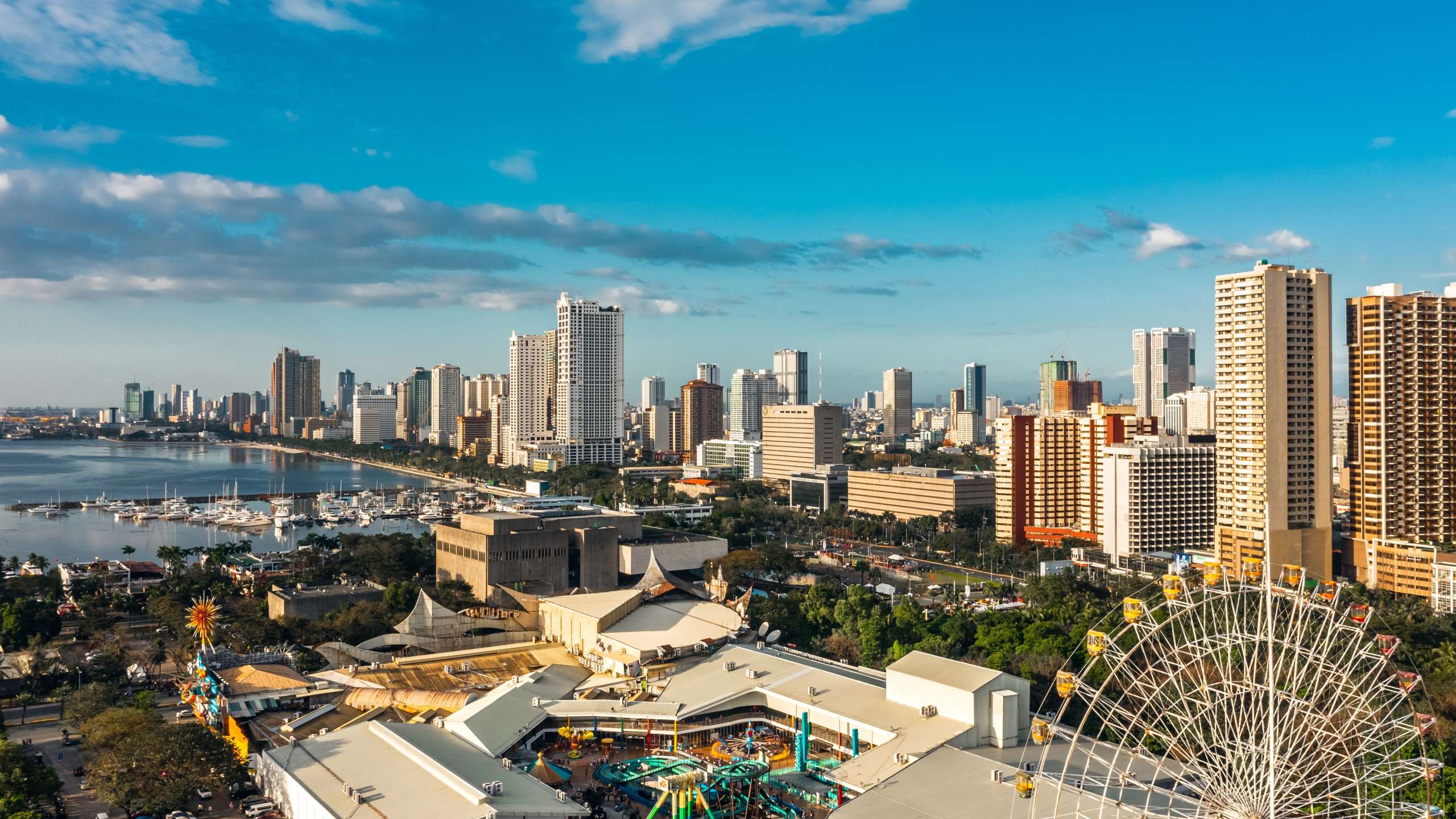
Philippines Property Market Stabilises as Infrastructure and Demand Drive Growth
Philippines Market Enters a More Stable Growth PhaseThe Philippines property market in 2026 is transitioning into a more stable and structured growth phase, supported by improving economic conditions and easing monetary policy. With interest rates lowered to 4.25%, affordability is gradually improving, helping to revive demand in the mid-market residential segment.At the same time, the market is shifting away from post-pandemic volatility towards a more selective environment, where demand is concentrated in established urban hubs and high-growth corridors rather than speculative fringe developments.Residential Market Shows Signs of RecoveryThe residential sector is stabilising as excess inventory from previous years is gradually absorbed. Reduced new project launches and steady overseas remittances are supporting demand, particularly in the mid-market condominium segment.Meanwhile, the luxury segment remains resilient, with strong demand from high-net-worth buyers sustaining high take-up rates and stable pricing in prime areas such as Makati and BGC.Industrial and Commercial Segments Drive MomentumBeyond residential, the industrial and logistics sector is emerging as a key growth driver, fuelled by e-commerce expansion and manufacturing decentralisation. Demand for new industrial space is rising, particularly in regions such as Central Luzon and CALABARZON.The office market is also improving, with vacancy rates expected to tighten as supply slows and demand for high-quality, ESG-compliant spaces continues to grow. At the same time, the retail sector remains resilient, with low vacancy rates supported by experiential mall concepts.OutlookLooking ahead, infrastructure developments such as major transport links are expected to unlock new growth areas and support property values beyond core cities. As the market continues to stabilise, 2026 is shaping up to be a pivotal year for long-term positioning, particularly in well-located assets and emerging regional hubs.Download to see insights from other countriesDownload
14 April
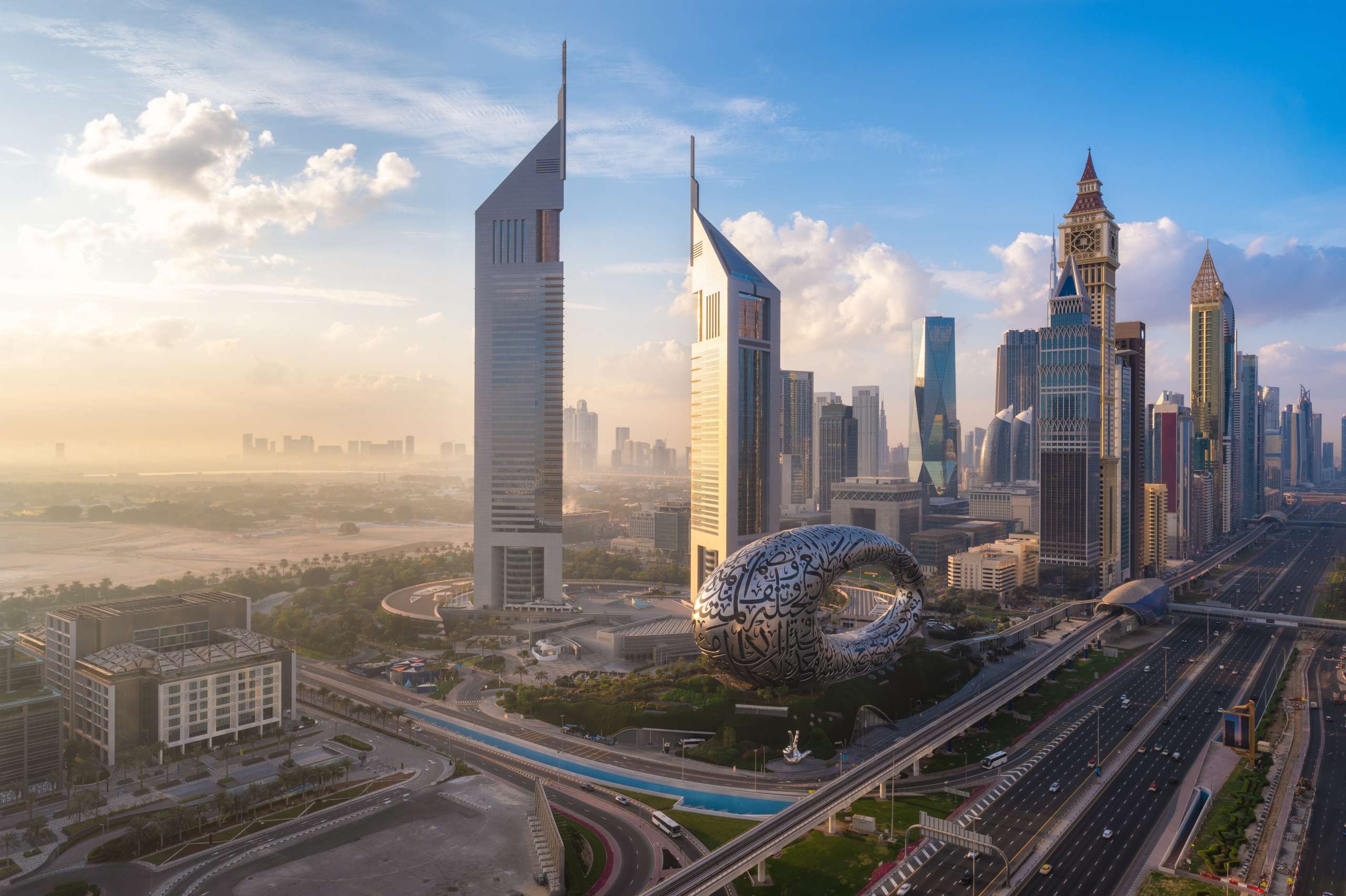
Dubai Property Market Shows Strong Resilience with Long-Term Growth Momentum
Dubai Property Market Built on Long-Term ResilienceDubai’s property market continues to stand out in 2026 as one of the most resilient real estate markets globally. Despite nearly two decades of global disruptions, including financial crises and the pandemic, the market has consistently rebounded and maintained a strong long-term upward trajectory.The market’s ability to recover quickly is rooted in its adaptive structure. After the 2008 financial crisis, Dubai implemented regulatory reforms and improved oversight, restoring confidence and laying the foundation for sustained growth. A similar pattern was seen during the COVID-19 period, where prices declined only modestly before rebounding rapidly as the economy reopened.Strong Fundamentals Drive Consistent GrowthDubai’s growth is supported by a combination of investor-friendly policies, strong infrastructure, and global positioning. Initiatives such as long-term residency programmes and foreign ownership policies have strengthened international demand, while major global events like Expo 2020 have further boosted investment activity and price growth.Over time, property prices have shown consistent expansion, rising significantly since 2008 despite cyclical fluctuations. This reflects the market’s ability to absorb downturns and return to growth quickly, reinforcing its reputation as a stable and attractive investment destination.OutlookLooking ahead, Dubai’s property market is expected to maintain steady growth, supported by continued international demand, population inflows, and pro-investment policies. While market cycles will remain part of the landscape, the emirate’s proven ability to recover quickly and expand positions it as a strong long-term investment destination in an increasingly uncertain global environment.Download to see insights from other country marketslDownload
14 April

Saudi Arabia Real Estate Surges with Vision 2030 and Mega Project Growth
Saudi Arabia’s Property Market Enters a High-Growth PhaseSaudi Arabia’s real estate market is entering a rapid growth phase in 2026, driven by Vision 2030 and large-scale economic transformation. With projected annual growth of 7% to 8%, the country is positioning itself as one of the fastest-growing property markets globally.Policy Reforms Attract Global InvestorsA key driver of this growth is the introduction of foreign ownership reforms. International buyers can now own property in selected cities such as Riyadh and Jeddah, while institutional investors are encouraged to participate in large-scale developments.These changes are expected to boost foreign investment and strengthen Saudi Arabia’s competitiveness on the global real estate stage.Mega Projects and Urban TransformationSaudi Arabia is undergoing an unprecedented wave of development, with over USD1 trillion in mega projects underway, including iconic developments like Jeddah Tower and Diriyah.The market is shifting towards integrated, mixed-use communities supported by smart city infrastructure, reflecting the country’s long-term vision for sustainable urban growth.Rising Demand Across Residential and Tourism SectorsStrong population growth and a national homeownership target are driving demand in the residential market, while tourism expansion is fuelling growth in hospitality, branded residences, and lifestyle developments.This dual demand from both local and international segments is reinforcing long-term market fundamentalsOutlookSaudi Arabia’s real estate market is set to maintain strong momentum, supported by ongoing policy reforms, mega-project execution, and rising global investor interest. As Vision 2030 progresses, demand across residential, commercial, and hospitality segments is expected to grow steadily.While opportunities remain significant, investors should stay mindful of execution risks, cost pressures, and evolving regulations as the market continues to mature.Download to see insights from other country marketsDownload
13 April

Canada Housing Market Slows as Inventory Rises and Prices Ease
Canada’s Housing Market Is Moving Toward BalanceCanada’s housing market in early 2026 is slowing but stabilising, as rising inventory and moderating prices bring the market closer to balance. While overall activity has softened, this shift is creating more opportunities for buyers who were previously priced out.Home sales have declined year-on-year, while average prices have eased slightly. At the same time, inventory has risen to around 140,000 listings, with nearly five months of supply, giving buyers more options and reducing urgency across the market.TorontoToronto is showing mixed signals. Sales remain relatively steady, but new listings have dropped sharply, tightening supply in certain segments. Prices continue to adjust, although strong underlying demand suggests potential recovery if inventory tightens further.VancouverIn Vancouver, higher inventory continues to put pressure on the market. Sales activity remains below historical averages, while benchmark prices have declined as supply outweighs demand. This reflects more cautious buyer sentiment, particularly in higher-priced segments.Overall, Canada’s housing market is transitioning into a more balanced phase. With improved supply, softer pricing, and steady demand, the current environment offers greater flexibility and entry opportunities for buyers and long-term investors.QuebecSource: GVR Residential Market Report - January 2026Download to see insights from other country marketsDownload
13 April

Hong Kong Real Estate Market Recovers with Strong Office Demand and Stable Prices
Improving Office Demand and Stable Residential ActivityHong Kong’s property market is showing steady signs of recovery in early 2026, supported by improving office demand and stable residential activity. Market conditions are gradually strengthening as both leasing and transaction volumes pick up.Office Market Shows Stronger Leasing ActivityThe office sector is improving, with strong demand from the financial industry driving higher occupancy. Vacancy rates are declining across key districts, while rents continue to rise, led by prime areas like Central.Residential Market Remains Stable and ActiveResidential activity remains healthy, with steady transaction volumes across both primary and secondary markets. Prices have stabilised, while new project launches continue to attract both homebuyers and investors.OutlookHong Kong’s property market is gradually recovering, with improving fundamentals across both office and residential segments. As demand strengthens, the market is moving towards a more stable and sustainable growth phase.Download to see insights form other countriesDownload
13 April

Iceland Property Market Turns Buyer-Friendly as Supply Rises and Prices Stabilise
Iceland Enters a Buyer’s Market Phase in 2026Iceland’s property market is entering a more favourable phase for buyers in 2026, as supply reaches record highs and price growth begins to moderate. This shift is creating more balanced conditions after several years of tighter market activity.A surge in new housing supply, particularly from new developments, is easing competition and extending selling periods, giving buyers more choice and negotiation power. At the same time, price growth remains positive but is slowing, with apartments showing stronger annual performance due to sustained rental demand.Looking ahead, expected interest rate cuts later in the year are likely to improve affordability, especially as a large portion of mortgages are inflation-linked. Meanwhile, the rental market remains resilient, supported by steady demand and rising rents.Overall, Iceland presents a clear entry window for investors and homebuyers. With higher supply, stabilising prices, and improving financing conditions, the market is transitioning into a more accessible and opportunity-driven phase.Download to see insights from other property marketsDownload
13 April

Vietnam Property Market: Rising Rates Pressure Demand as Mega Projects Drive Growth
Vietnam Market Faces Short-Term Pressure, Long-Term Growth Remains StrongVietnam’s property market in 2026 is facing short-term pressure, as rising mortgage rates continue to impact affordability and buyer demand. At the same time, the country is accelerating large-scale urban development, reinforcing its long-term growth outlook.Rising Mortgage Rates Weigh on DemandHigher borrowing costs are putting pressure on the apartment market, with many sellers lowering prices by around 10% to 12% to attract buyers. Demand has weakened in recent months, with property searches declining significantly as interest rates rise across the market.Affordability Challenges Impact Market ActivityMortgage rates ranging up to 14% and even higher for floating rates are reducing purchasing power, leading to slower transactions and more cautious buyer behaviour. This has created a temporary slowdown, particularly in the residential segment.Mega Urban Projects Drive Long-Term GrowthDespite short-term challenges, Vietnam is pushing forward with large-scale urban development. As of 2025, 27 mega projects valued at over USD115 billion are underway, led by major developers such as Vingroup and Sun Group.These projects, spanning key regions from Hanoi to Ho Chi Minh City, reflect the country’s strategy to develop integrated townships and modern infrastructure, supporting long-term urbanisation and economic growth.OutlookWhile rising interest rates are slowing demand in the short term, Vietnam’s strong pipeline of mega developments highlights its long-term potential. For investors, the market presents a mix of near-term caution and future growth opportunities driven by urban expansion and economic development.Download to see insights from other country marketsDownload
13 April
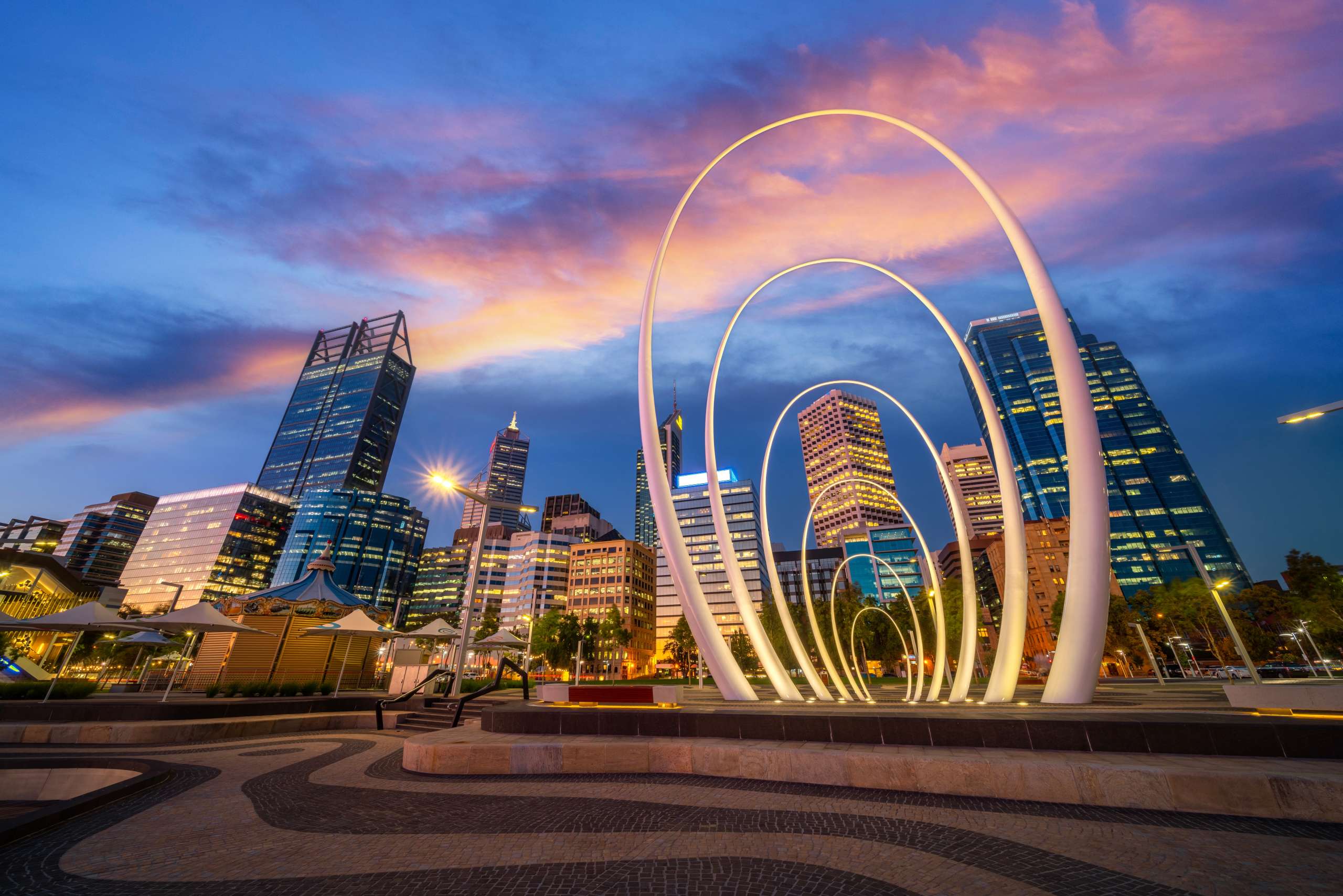
Australia Property Market Split: Perth Surges, Sydney and Melbourne Stall
Australia’s housing market has entered 2026 with a clear split in performance across cities. While Sydney and Melbourne have begun to stabilise, mid-sized capitals continue to record solid growth, with several markets achieving more than 1% month-on-month increases.PerthPerth is leading the nation, with home values rising 2.3% in February alone, adding significant value to the median dwelling in just one month. Brisbane, Adelaide and Hobart also posted strong gains, reinforcing the growing strength of these markets as demand shifts beyond the traditional major cities.Sydney and MelbourneIn contrast, Sydney and Melbourne were more sensitive to February’s rate hike and softer buyer sentiment. Property values in both cities remained flat over the month and showed slight declines over the rolling quarter, reflecting a more cautious market environment.A key factor supporting growth in the smaller capitals is limited housing supply. Perth listings remain significantly below historical averages, while Brisbane and Adelaide are also experiencing notable undersupply. Although stock levels in Sydney and Melbourne are still relatively tight, both cities have seen an increase in new listings, which may signal rising vendor activity amid softer conditions.At the same time, the more affordable end of the market continues to show resilience nationwide. In Sydney, lower-priced homes recorded modest growth, while higher-end properties declined. Ongoing demand from first-home buyers and investors, combined with tighter borrowing capacity at higher price points, continues to support entry-level segments.Overall, Australia’s property market is becoming more selective in 2026. For investors and homeowners, markets like Perth are presenting compelling opportunities, driven by strong growth, affordability, and supply constraints.As Australia’s property market shifts, opportunities are becoming more location-driven than ever. Whether you are exploring high-growth markets like Perth or reassessing your strategy in major cities, now is the time to make informed decisions. Connect with our team at sales@iqiwa.com.au to discover where the real opportunities are and take your next step with confidence.Download to see insights form other country marketsDownload
13 April

