

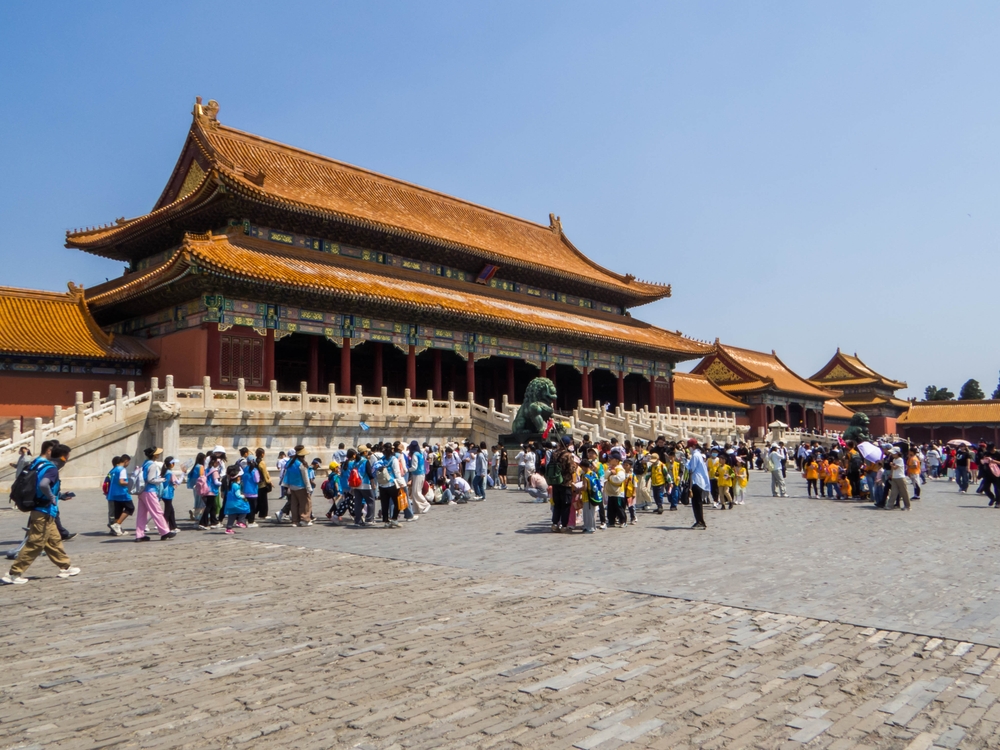

China Market Insights
China is one of the world’s largest and most influential economies, with a vast urban population, deep domestic capital pools, and a property market that continues to shape regional and global investment sentiment. While the market is now in a period of adjustment rather than rapid rebound, Tier 1 cities and selected commercial asset classes still offer strategic opportunities for long-term investors.
Table of contents
- TL;DR
- Introduction
- What Makes China an Attractive Investment Destination?
- What’s Happening in the Current China Property Market Now?
- Why Is Oversupply Still Blocking Recovery?
- Are Tier 1 Cities Stabilising While Lower-Tier Cities Struggle?
- What Government Policies Are Supporting Recovery?
- How Has Developer Restructuring Changed the Market?
- How Much Can You Earn from Property Investment in China?
- Where Are the Best Places to Invest in China Right Now?
- What Do Local Experts Say About the Market?
- Can Foreigners Buy Property in China? What Are the Rules?
- Frequently Asked Questions
Key takeaway
- Primary home sales are forecast to decline 10%–14% in 2026.
- Inventory is estimated to be 45% above pre-downturn averages, limiting the potential for a price rebound.
- The policy stance remains “support, not stimulus”, suggesting gradual adjustment rather than aggressive rescue.
- Tier 1 cities, such as Shanghai, show relative resilience, while lower-tier cities face greater price pressure.
- Commercial real estate and logistics assets are gaining selective investor interest.
TL;DR
China’s property market in 2026 is stabilising but not rebounding. Sales are projected to fall 10%–14%, inventory remains elevated, and recovery is uneven across cities. However, Tier 1 cities and selected commercial segments such as logistics and rental housing present strategic opportunities for long-term investors.
Introduction
China’s property market was once the engine of the world’s second-largest economy. For over two decades, rising urbanisation, easy credit, and rapid income growth fuelled one of the largest real estate expansions in history.
But since 2021, the market has undergone a prolonged correction. Developers defaulted. Prices fell. Confidence weakened.
Now in 2026, investors, buyers, and institutions are asking:
Is China’s housing market recovering — or entering a new structural phase?
This article provides comprehensive, data-driven insights into the China real estate and property market for 2026.
What Makes China an Attractive Investment Destination?
Despite the correction, China remains a major global investment market.
a. Urbanisation and Demographics
China’s urbanisation rate exceeds 65%, but it remains below that of developed Asian economies. Urban migration continues to support structural housing demand, especially in Tier 1 and high-growth Tier 2 cities.
Urbanisation historically drove the 1990s–2020 housing boom following housing privatisation reforms.
b. Economic Growth Outlook
Goldman Sachs forecasts China’s GDP growth at 4.8% in 2026, slightly above consensus expectations of 4.5%.
While slower than past decades, this growth rate remains strong relative to most major economies.
c. Capital Pool Strength
Chinese household deposits have nearly doubled over the past five years. This large domestic liquidity base supports selective investment opportunities even during market corrections.
What’s Happening in the Current China Property Market Now?
The Chinese housing market in 2026 is defined by stabilisation without a strong recovery.
a. Sales and Inventory Trends
| Metric | 2025 | 2026 Forecast |
|---|---|---|
| Primary home sales | -12.6% | -10% to -14% |
| Inventory | Elevated | 45% above pre-downturn average |
| Property investment | -17.2% | Continued pressure |
| New home price change | -2.7% YoY | Further decline expected |
Metric 1
Metric 2
Metric 3
Metric 4
b. Secondary Market Weakness
S&P notes that secondary home prices have declined for 44 consecutive months, and rents have fallen for 23 months.
This matters because falling secondary prices reduce household wealth, creating a negative consumption effect.
Let’s give an example:
If Ms. Zhang bought an apartment in 2020 for RMB 4 million and today it is worth RMB 3.6 million, she may delay additional purchases or investments. Multiply that behaviour nationwide, and demand recovery slows.
Why Is Oversupply Still Blocking Recovery?
The biggest structural challenge remains property inventory overhang.
Developers continued completing projects even as demand weakened, resulting in rising unsold housing stock.
S&P estimates inventory levels are 45% above pre-downturn averages.
Meanwhile, Fitch forecasts annual new housing demand to average 800 million square metres between 2024 and 2040, compared with 1.6 billion square metres in 2021.
This structural demand shift suggests the construction boom era is over.
Are Tier 1 Cities Stabilising While Lower-Tier Cities Struggle?
China’s property market is polarised.
| City | Price Trend | Outlook |
|---|---|---|
| Shanghai | +5.7% YoY | Resilient |
| Beijing, Shenzhen | ≥ -3% | Mild pressure |
| Lower-tier cities | -4% to -6% | Ongoing decline |
Metric 1
Metric 2
Metric 3
Tier 1 cities benefit from:
Strong employment base
Population inflow
Financial and technology concentration
Lower-tier cities face a structural slowdown in demand.
What Government Policies Are Supporting Recovery?
China has implemented multiple property stimulus measures, but carefully calibrated.
a. Policy Timeline Summary
| Year | Measure | Impact |
|---|---|---|
| 2023 | Project whitelist financing | Support completion |
| 2024 | Downpayment ratios reduced to 15% | Encourage buyers |
| 2025 | Major cities eased restrictions | Boost transactions |
| 2026 | Continued rate cut expectations | Support liquidity |
Metric 1
Metric 2
Metric 3
Metric 4
However, Reuters reports that private developers still struggle to secure new bank loans.
Policy stance remains “support, not stimulus.”
How Has Developer Restructuring Changed the Market?
The crisis triggered major developer restructuring.
Highly leveraged private developers defaulted following the “three red lines” policy introduced in 2020.
Developer Strategy Comparison
| Type | Funding Access | Land Buying | Risk Level |
|---|---|---|---|
| SOEs | Stronger | Expanding selectively | Lower |
| Private Developers | Restricted | Defensive | Higher |
Metric 1
Metric 2
S&P warns that if sales weaken further, several rated developers may face rating pressure.
By contrast, state-owned enterprises (SOEs) have greater access to funding and expanded market share.
This shift is reshaping competitive dynamics in China’s residential property sector.
How Much Can You Earn from Property Investment in China?
In 2026, returns from China investment property depend largely on city tier, entry price, and holding horizon.
a. Residential Rental Yields by Major Cities
According to Global Property Guide, gross rental yields in major Chinese cities remain relatively low compared to Southeast Asia or emerging markets, reflecting higher capital values and compressed returns.
| City | Gross Rental Yield (Approx.) |
|---|---|
| Shanghai | 1.5% – 2.5% |
| Beijing | 1.7% – 2.4% |
| Shenzhen | 1.5% – 2.3% |
| Guangzhou | 1.8% – 2.8% |
| Selected Tier 2 Cities | 2.5% – 4.0% |
Metric 1
Metric 2
Metric 3
Metric 4
Metric 5
Tier 1 cities such as Shanghai and Shenzhen typically show lower yields because property prices are high relative to rents. Tier 2 cities may offer slightly higher yields but carry greater price volatility risk.
b. Example: What Does That Mean in Practice?
Let’s say an investor purchases a RMB 5 million apartment in Shanghai with a 2.2% gross rental yield:
Annual rental income ≈ RMB 110,000
Before tax, maintenance, and vacancy costs
That return is modest compared to higher-yield markets globally. Therefore, most investors in China rely on:
Long-term capital appreciation
Currency exposure
Portfolio diversification
Defensive asset allocation
c. Capital Appreciation Outlook in 2026
S&P Global Ratings projects an additional 2%–4% price pressure nationally in 2026.
This suggests that short-term flipping strategies are unlikely to perform well.
Instead, 2026 may favour:
Distressed entry pricing
Prime city defensive assets
Long-term repositioning strategies
d. How Do China Yields Compare Globally?
For context:
Many Southeast Asian cities offer 4%–6% yields
Middle Eastern hubs often exceed 6%
China’s Tier 1 yields are below 3%
This reflects:
Strong capital values
Tight regulatory structure
Lower speculative foreign ownership
China in 2026 is more of a capital preservation and strategic allocation market, not a high-cash-flow market.
Where Are the Best Places to Invest in China Right Now?
Investment strategy in 2026 requires selectivity.
a. Defensive Strategy: Tier 1 Cities
Shanghai
Beijing
Shenzhen
b. Growth-Aligned Tier 2 Hubs
Cities tied to:
Semiconductor production
AI and advanced manufacturing
Renewable energy clusters
c. Commercial Segments with Momentum
According to CBRE:
Industrial & logistics
Rental housing
Retail repositioning
Data-centre linked assets
43% of respondents plan to buy more, while 52% plan to sell more, indicating active portfolio rebalancing.
What Do Local Experts Say About the Market?
Institutional consensus is cautious but not alarmist.
S&P Global Ratings: Continued sales decline, gradual stabilisation.
Reuters Developers: Funding challenges persist.
GAM Investments: Systemic banking crisis risk remains low due to conservative mortgage practices.
Goldman Sachs: Property drag on GDP expected to narrow gradually.
Collectively, experts describe a market transitioning rather than collapsing.
Can Foreigners Buy Property in China? What Are the Rules?
Foreign ownership is permitted but restricted.
Key rules:
Must reside, work, or study in China for at least one year.
Limited to one property for self-use.
Speculative purchases are restricted.
Many foreign investors enter through:
REITs
Institutional funds
Joint ventures
China does not operate a broad freehold system for foreign buyers.
Frequently Asked Questions
a. Is China property market recovering in 2026?
Recovery is uneven. Sales are forecast to fall 10%–14%
b. Will property prices rise in 2026?
Most cities face continued pressure; Tier 1 cities are more stable.
c. What are the main risks?
Oversupply, weak demand, and developer liquidity stress.
d. Are banks at risk?
Mortgage non-performing loans remain below 1% at major banks (GAM Investments).
e. Which cities are strongest?
Shanghai shows relative resilience.
f. Is this a structural correction?
Yes. Analysts describe it as a structural reset rather than a cyclical dip.
g. Is 2026 a good year to invest?
Selective long-term investors may find value in logistics and core Tier 1 assets.
Need help to get started
Let our agents help you find the ideal land for you
Disclaimer:
The information provided is for general market insight only and does not constitute financial, investment, tax, or legal advice. IQI does not solicit or compel any purchase or investment. Property values and rental returns may fluctuate; please conduct your own due diligence and consult licensed professionals before making any decisions.
References & Citations
- 2026 China investor intentions survey – CBRE (February 4, 2026)
- No easy way out of China’s slowdown – East Asia Forum (February 20, 2026)
- China’s economy expected to grow in 2026 amid surging exports – Goldman Sachs (January 8, 2026)
- China housing market downturn and its impact – GAM Investments (January 13, 2026)
- China rental yields – Global Property Guide (April 1, 2026)
- S&P cuts forecast for China property market – International Investment (February 26, 2026)
- Hopeful signs in China’s property market? Not really, say developers – Reuters (February 2, 2026)
- China’s measures to shore up its indebted property sector – Reuters (April 2, 2026)
- China property: Supply glut to impede recovery – S&P Global Ratings (February 8, 2026)
Share on
Want to discuss further?
Other Countries









Why Do Smart Investors Choose IQI as Their Real Estate Partner?
Get your financial planning right by using our simple mortgage loan calculator to find out estimates of monthly instalments, applicable interest rates and the principal amount that best suit your financial capacity
Exclusive market insights
powered by on-ground teams in 30+ countries
Data-driven strategies
using our proprietary IQI Atlas system for returns, yields, and forecasting
Award-winning agents
trained to serve local and international investors with integrity and expertise
Secure investment processes
with verified partners, legal guidance, and full transparency
Diverse project portfolios
across residential, commercial, and international markets

