


Penang is not one property market. It is two, separated by a bridge and a price gap that changes everything about your yield math.
On the island, condos in George Town and Gurney Drive trade at RM600 to RM1,200 per square foot, and gross yields often sit below 4%. Cross over to the mainland, and entry prices drop 40% to 60% while rents only fall 20% to 30%. That gap is where Penang’s real rental yield story lives.
This guide breaks down the top rental yield areas in Penang for 2026, with actual price ranges, rental figures, tenant profiles and the demand drivers behind each neighbourhood. Whether you are a Malaysian investor or a foreigner exploring Penang under the MM2H programme, the data here will help you compare areas and invest with clearer numbers.
Key Takeaway
- Penang’s gross rental yields range from 3.5% to 7%, depending on whether you buy on the island or the mainland.
- Bayan Lepas (island) and Batu Kawan (mainland) deliver the strongest yields, driven by multinational employer demand from the semiconductor and E&E sectors.
- George Town yields are lower (3% to 4%) but offer better capital appreciation and tenant liquidity.
- The Penang LRT Mutiara Line (29.5 km, 21 stations, targeted completion 2031) will reshape property values along its corridor.
- Foreign buyers face a minimum purchase price of RM1 million on the island and RM500,000 on the mainland, plus 8% stamp duty from January 2026.
Table of contents
Why Penang rental yields deserve investor attention in 2026
Penang has always been a strong property story. But in 2026, the investment case has become more focused, especially for investors looking at rental yield.
First, semiconductor growth is driving real tenant demand. Intel has committed over US$7 billion to its Penang facility, while Bosch, Infineon, AMD and over 300 tech firms continue to operate in the state. InvestPenang also reported RM12.5 billion in approved manufacturing investments in the first half of 2025, with more than 11,000 expected new jobs. This supports rental demand near Bayan Lepas, Batu Kawan and the Perai industrial corridor.
Second, mainland Penang offers a stronger price-to-rent advantage. Condos in Batu Kawan and Butterworth can still be found around RM200,000 to RM350,000, while rents are only about 20% to 30% lower than comparable island units. This creates a yield premium of around 1% to 1.5% over island properties.
Third, new infrastructure could reshape future rental demand. The Mutiara LRT Line, Penang International Airport expansion and Silicon Island project are expected to improve connectivity and strengthen demand in currently undervalued areas.
Expert Insight
I see 2026 as a year of renewed momentum across the residential landscape, driven by affordability tailwinds and economic fundamentals. Four factors will support the housing market: expected interest rate stability, stamp duty exemptions, strong job and income trends, and major infrastructure investments.
Kashif Ansari, Co-Founder and Group CEO of Juwai IQI
Malaysia’s average gross rental yield stood at 5.27% as of Q1 2026, according to Global Property Guide, up from 5.19% in Q3 2025. Penang’s island yields tend to sit slightly below this national average due to higher entry prices, while the mainland consistently outperforms it.
For investors tracking Malaysia’s broader market trajectory, our Malaysia Property Market Insights 2026 page provides updated yield data, price trends and expert analysis across all major states.
Top 5 rental yield neighbourhoods in Penang
1. Batu Kawan (mainland): highest yields in Penang
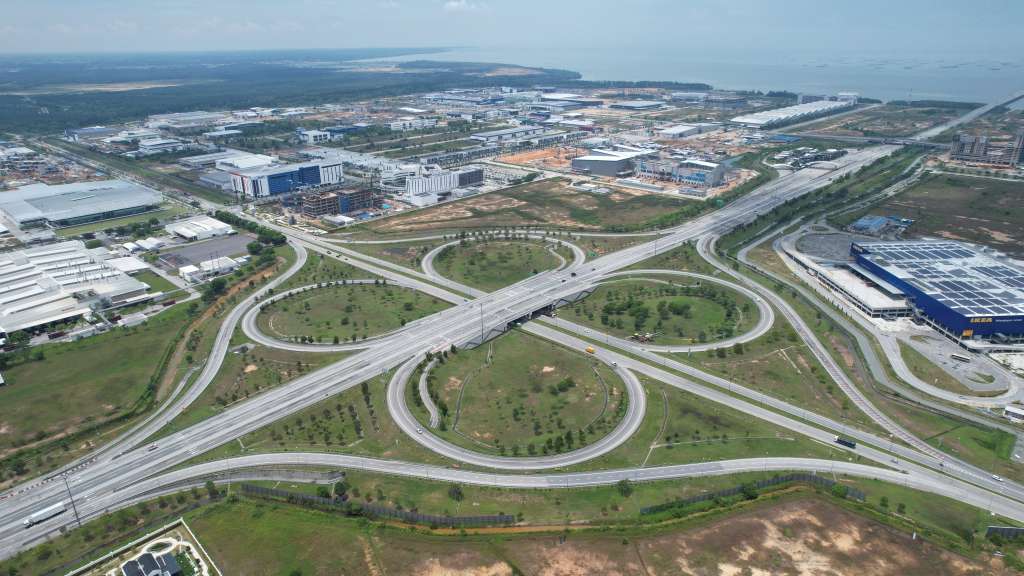
Batu Kawan is one of Penang mainland’s key growth areas, supported by the Batu Kawan Industrial Park and major employers such as Boon Siew Honda, Schlumberger and other E&E firms. This creates steady rental demand from workers who need to live close to their workplace.
Its main advantage is the price-to-rent gap:
- Condo entry price: Around RM200,000 to RM350,000
- Rental difference: Only about 20% to 30% lower than similar island units
- Example yield: A RM280,000 condo rented at RM1,200 per month can generate around 5.1% gross yield
- Better-performing locations: Units near IKEA Batu Kawan and Design Village may perform better due to stronger job access and nearby amenities
However, investors should be careful with new supply. From 2025 to 2029, Penang mainland is expected to see 84 new projects with 19,176 units. To reduce vacancy risk, focus on established projects near existing commercial and lifestyle hubs.
2. Bayan Lepas (island): the semiconductor yield engine
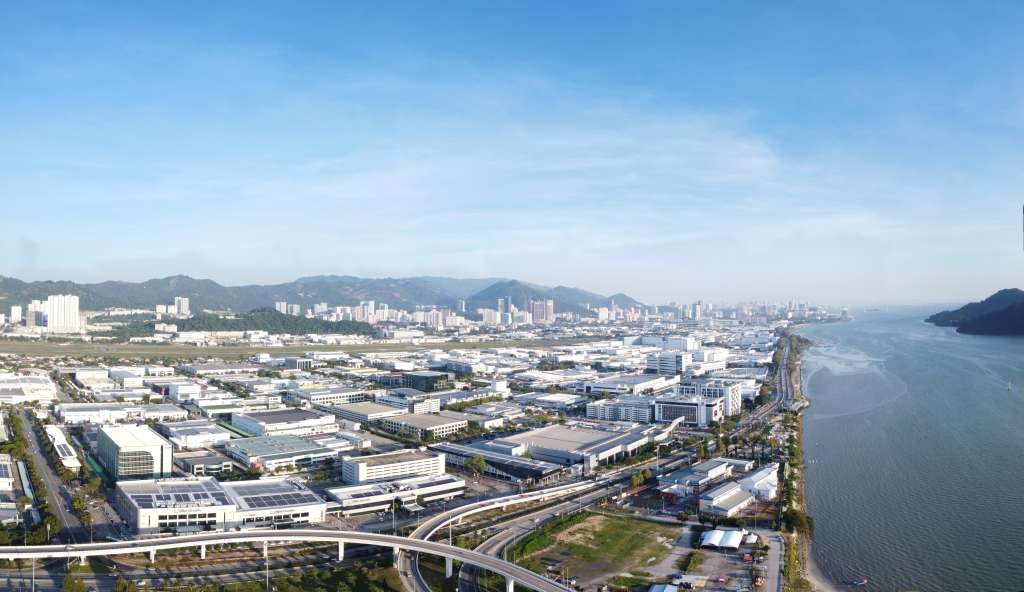
Bayan Lepas is Penang’s industrial powerhouse, supported by the Free Industrial Zone (FIZ) and major companies such as Intel, Bosch, Motorola and Dell. This creates steady rental demand from engineers, factory managers and support staff, many of whom stay on one to three year work contracts.
Its rental appeal comes from strong employment demand:
- Condo entry price: Around RM400 to RM700 per sq ft
- Furnished 2-bedroom rent: Around RM1,500 to RM2,500 per month
- Gross rental yield: Around 4% to 5.5%
- Tenant demand: Well-priced and well-maintained units can usually find tenants within two to four weeks
- Vacancy risk: Properly maintained properties can keep vacancy rates below 10%
The upcoming Mutiara LRT Line will also connect Bayan Lepas to George Town, adding stronger transport value to properties near planned stations.
Read more about upcoming projects in our guide to top new housing developments on Penang Island.
3. Jelutong (island): the commuter’s sweet spot
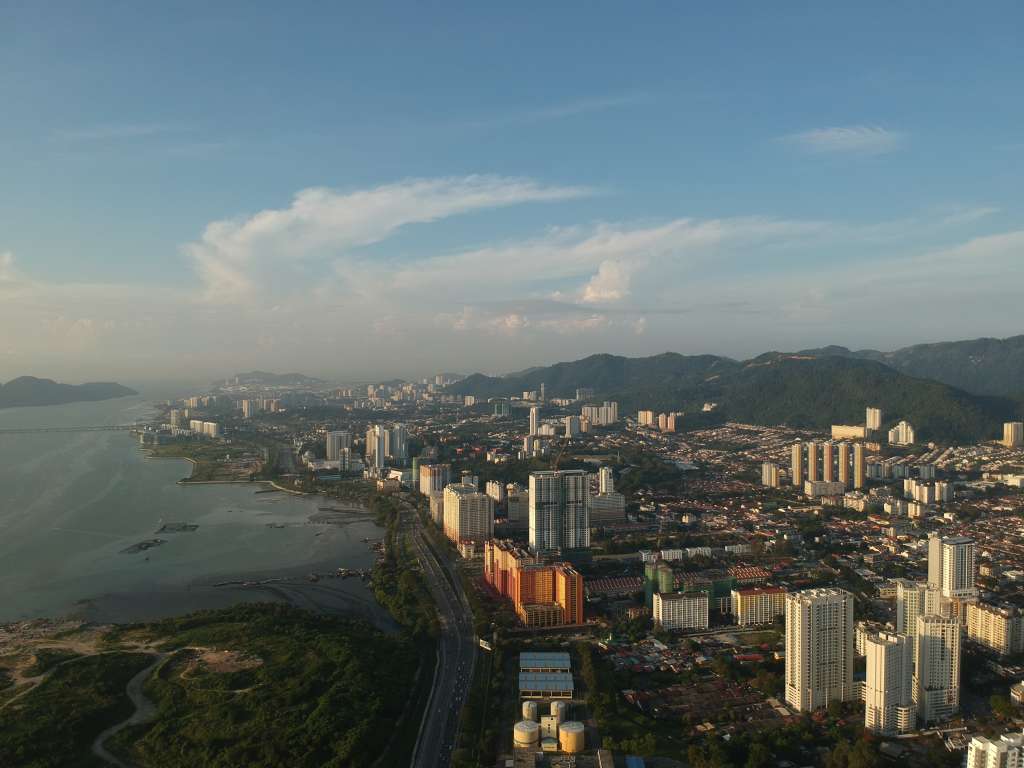
Jelutong is a practical rental area along Penang Island’s eastern corridor, positioned between George Town’s services economy and Bayan Lepas’s industrial zone. This makes it attractive to tenants who want mid-range rent with reasonable commute access in both directions.
Its rental strength comes from location and affordability:
- Gross rental yield: Around 4.5% to 6.5%
- Entry price: More moderate than George Town or Gurney Drive
- Tenant demand: Supported by nearby hospitals, schools and the upcoming LRT corridor
- Target renters: Young professionals, mid-level expats and tenants who want convenience without paying for a premium George Town address
Jelutong is also showing signs of gentrification, especially along the Jelutong and Gelugor stretch. Newer developments are making the area more attractive to renters who want daily convenience, better access and a more affordable island address.
4. Butterworth and Bukit Mertajam (mainland): low entry, stable returns
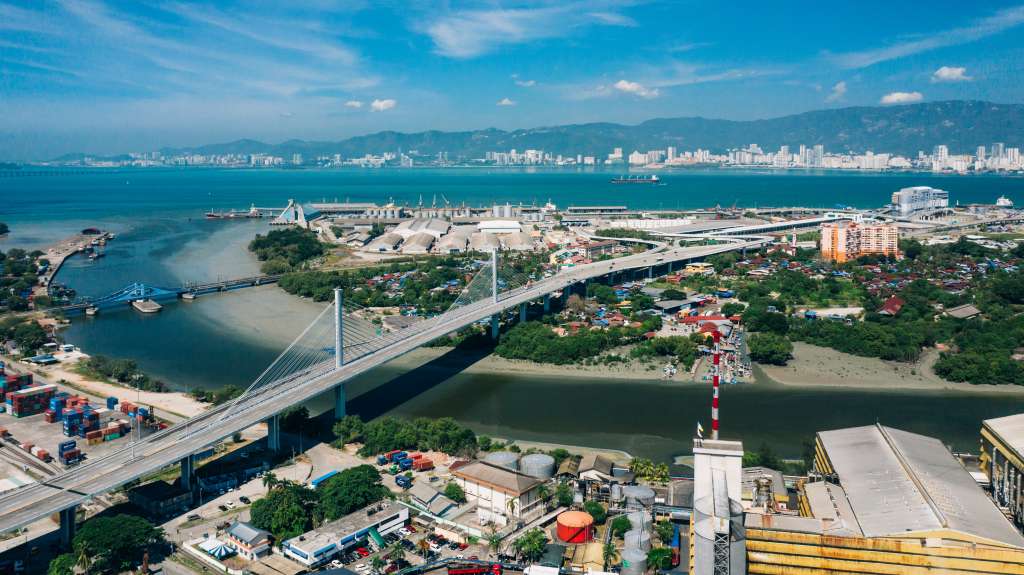
Butterworth and Bukit Mertajam are strong mainland rental areas, mainly serving Penang’s industrial and blue-collar workforce. Entry prices are among the lowest in the state, making them attractive for investors who want lower upfront cost.
Their rental appeal comes from affordable entry and steady worker demand:
- Gross rental yield: Around 5% to 7%
- Butterworth example: A RM280,000 condo near Penang Sentral rented at RM1,100 per month can generate around 4.7% gross yield
- Entry price advantage: Lower than most Penang Island locations
- Tenant demand: Mainly supported by manufacturing and industrial workers
- Exit potential: Bukit Mertajam has stronger transaction activity, which may support better resale liquidity
The main risk is limited rent upside compared to island locations. Rental demand here is stable, but it still depends on manufacturing activity. However, with lower entry prices, the breakeven point is more forgiving for investors.
For a closer look at mainland emerging areas, check out our article on hidden gems in Penang real estate.
5. George Town (island): lower yield, stronger capital growth
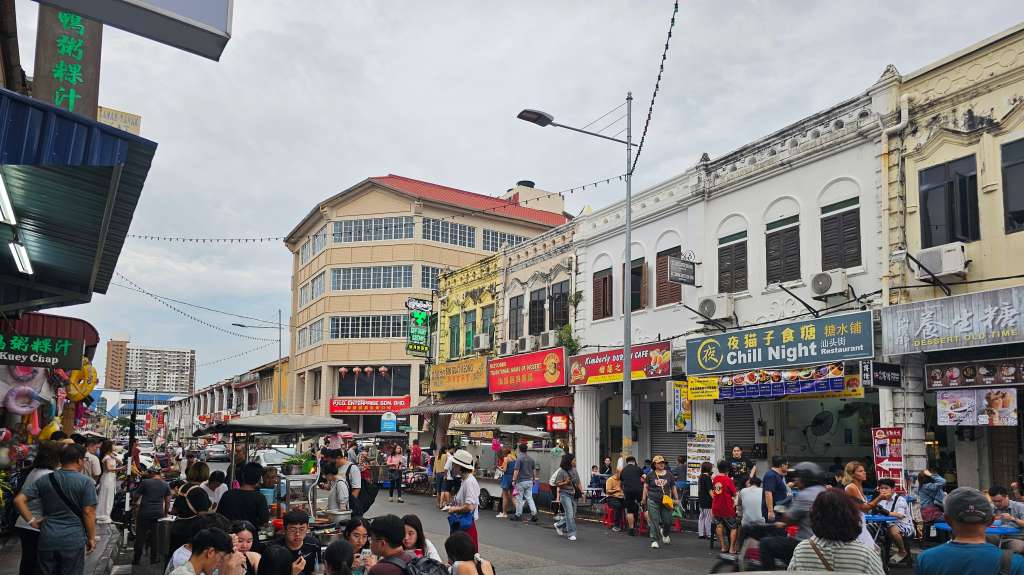
George Town is Penang’s urban core, attracting professionals, expats, digital nomads and medical tourists. As a UNESCO World Heritage Site, it offers a deep and diverse tenant pool, which helps reduce vacancy risk.
Its rental profile is stronger for stability than maximum yield:
- Condo price: Around RM500 to RM1,200 per sq ft
- Furnished 2-bedroom rent: Around RM2,000 to RM4,500 per month
- Gross rental yield: Around 3% to 4%
- Tenant demand: Supported by professionals, expats, medical tourists and digital nomads
- Main advantage: Stronger long-term capital appreciation compared to many higher-yield areas
The trade-off is clear. George Town may not offer the highest rental yield because of its premium entry price, but it can work well for investors who want long-term capital preservation, stable demand and moderate cashflow.
Explore the lifestyle premium in our guide to Penang’s richest neighbourhoods.
At a glance: Penang rental yield comparison by area
| Area | Side | Entry price (condo) | Typical rent (2-bed) | Gross yield | Key tenant profile |
|---|---|---|---|---|---|
| Batu Kawan | Mainland | RM200,000 to RM350,000 | RM1,100 to RM1,500/mo | 5% to 7% | Factory workers, industrial staff |
| Bayan Lepas | Island | RM350,000 to RM600,000 | RM1,500 to RM2,500/mo | 4% to 5.5% | MNC engineers, shift workers |
| Jelutong | Island | RM300,000 to RM500,000 | RM1,400 to RM2,200/mo | 4.5% to 6.5% | Young professionals, mid-level expats |
| Butterworth / Bukit Mertajam | Mainland | RM200,000 to RM320,000 | RM1,000 to RM1,400/mo | 5% to 7% | Industrial workforce, families |
| George Town | Island | RM500,000 to RM1,200,000 | RM2,000 to RM4,500/mo | 3% to 4% | Professionals, expats, medical tourists |
Sources: BambooRoutes (2026), PropCashflow (2026), Asia Lifestyle Magazine (2026), Rumavi (2026). Figures are indicative estimates based on median listing and transacted data. Actual yields depend on the specific unit, furnishing and management.
Comparing areas for your next Penang investment? An IQI property agent in Penang can walk you through available units, realistic rental comparables and the actual numbers for your budget.
Island vs mainland: which side fits your strategy?
Penang Island: Better for Stability and Tenant Quality
Penang Island has limited land, a UNESCO heritage core and a stronger mix of tech, medical tourism, services and lifestyle demand. This supports better tenant quality, lower vacancy risk and stronger resale liquidity.
The downside is the entry price. A one-bedroom condo on the island usually starts above RM400,000. For foreign buyers, the state minimum is also higher, with RM1 million for strata properties and RM3 million for landed homes. Because of this, yields are usually more compressed at around 3% to 5%.
In short, investors choose the island for capital preservation, tenant quality and long-term resale value, not maximum cashflow.
Mainland Penang: Better for Rental Yield
Mainland Penang, especially Batu Kawan, Butterworth and the Perai industrial corridor, offers much lower entry prices. Properties can be 40% to 60% cheaper than island equivalents, while rents do not fall by the same margin.
This creates a stronger yield advantage, usually around 1% to 1.5% higher than similar island properties.
The trade-off is lower liquidity and slower capital growth. Some mainland projects are also more isolated, so investors should focus on areas near established hubs such as Penang Sentral, IKEA Batu Kawan and Design Village.
Overall, the island is stronger for capital growth and tenant quality, while the mainland is stronger for rental yield and lower entry cost (PropCashflow, 2026).
Side-by-side: island vs mainland
| Factor | Penang Island | Penang Mainland |
|---|---|---|
| Typical gross yield | 3% to 5.5% | 5% to 7% |
| Entry price (condo) | RM350,000 to RM1,200,000+ | RM200,000 to RM400,000 |
| Capital appreciation | Moderate to strong (land scarcity) | Moderate (developing corridor) |
| Foreign buyer minimum | RM1 million (strata), RM3 million (landed) | RM500,000 |
| Tenant profile | Expats, professionals, medical tourists | Factory workers, young families |
| Vacancy risk | Lower (diverse tenant pool) | Higher (employer-cycle dependent) |
| Liquidity (exit speed) | Higher | Lower |
For a broader view of how Penang compares with other states, read our analysis of the top states for property investment in Malaysia.
What Drives Rental Demand in Penang?
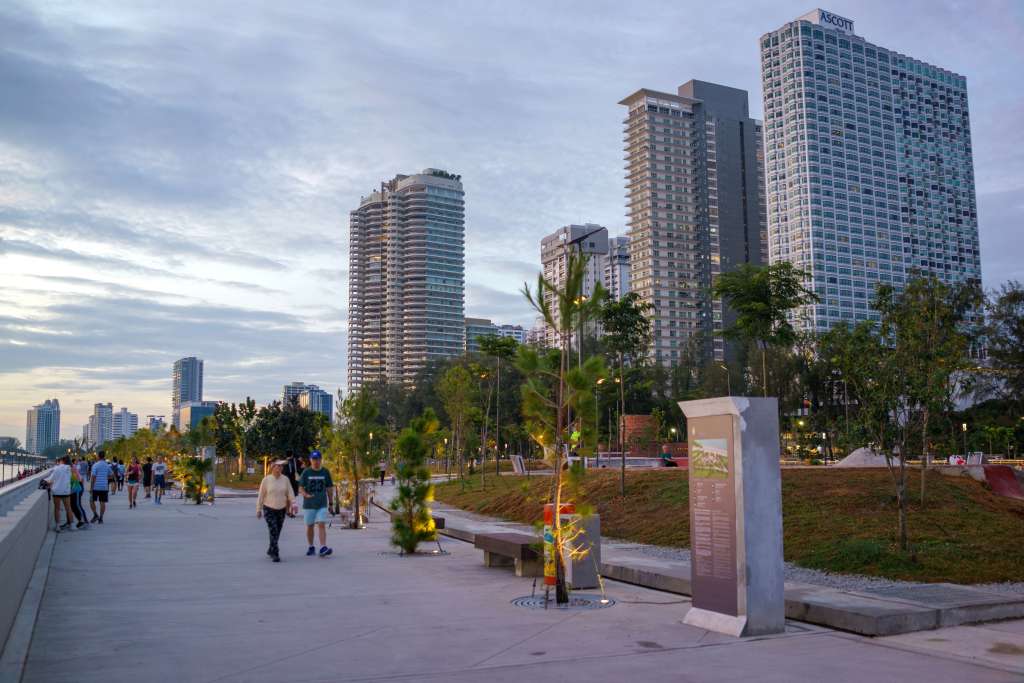
Yield numbers only matter if tenants keep coming. In Penang, rental demand is supported by stronger economic drivers than many other Malaysian states, especially the E&E sector, manufacturing jobs and upcoming transport upgrades.
The E&E Sector Anchors Demand
Penang’s electronics and electrical (E&E) sector plays a major role in the state’s economy. Key areas like Bayan Lepas Free Industrial Zone and Batu Kawan Smart Industrial Park create steady rental demand from engineers, managers, support staff and industrial workers.
This demand is more stable than tourism-led rental markets because many tenants are tied to work contracts for one to three years. Intel’s US$7 billion Penang investment also supports this trend, creating more demand for furnished homes near employment hubs.
The Mutiara LRT Line Adds Future Upside
The Mutiara LRT Line, a 29.5 km project with 21 stations, is expected to improve connectivity across Penang, with operations targeted around 2030 to 2031.
For investors, the impact will be gradual. The key is not to overpay now, but to watch confirmed station locations and nearby areas before the full price premium appears.
Expert Insight
The three biggest opportunities for property developers are infrastructure, infrastructure and infrastructure,” listing a pipeline of major projects from Johor to Penang and Sabah that will reshape commute times, unlock new corridors and lift long-term demand.
Kashif Ansari, Co-Founder and Group CEO of Juwai IQI (BusinessToday, December 2025)
MM2H Supports Foreign Buyer Demand
The revised Malaysia My Second Home (MM2H) programme has made Malaysia more accessible again for foreign investors. Its new tiered structure offers clearer entry options, while some MM2H holders may access higher mortgage financing than typical non-resident buyers.
Penang remains attractive to investors from Singapore, Hong Kong and mainland China, supported by its island lifestyle, expat community and established infrastructure.
For deeper context on how national policy supports this outlook, see our piece on Malaysia’s 2026 roadmap for economic and property stability.
Costs, risks and practical tips for Penang investors
Foreign buyer costs have increased
Foreign buyer costs are higher in 2026. From 1 January 2026, non-citizens pay 8% stamp duty on residential property transfers, excluding permanent residents. In Penang, a state consent fee of around 3% may also apply.
For a RM1 million island condo, this can mean about RM110,000 in stamp duty and consent fees before legal fees, valuation and furnishing costs.
For the full breakdown of transaction costs, use our property transaction fee calculator.
Overhang Risk Is Still Present
Malaysia’s residential overhang remains a concern, especially for high-rise condos and serviced apartments above RM500,000. In Penang, the risk is not everywhere, but mainly in oversupplied corridors with weak amenities and no clear employment demand.
Well-located units near job hubs and transport links can still find tenants within 25 to 45 days. Before buying, always check the vacancy rate and rental listings in the same development.
Areas to Approach Carefully
- Batu Ferringhi: More dependent on tourism and short-term rentals, so income can be seasonal.
- Oversupplied island high-rise clusters: Heavy new supply can pressure rents and resale prices.
- Far-commute mainland areas like Nibong Tebal: Weaker tenant pool due to longer travel time to island job centres.
Practical Tips to Protect Your Yield
Before buying, check at least five comparable rental listings in the same development. If similar units stay listed for four weeks or more, the real market rent may be lower than the asking price.
Always budget for vacancy. Even one empty month per year can reduce your effective gross yield and affect your cashflow.
Lastly, furnish for your target tenant, not your personal taste. For example, MNC workers near Bayan Lepas may value covered parking, a proper work desk and blackout curtains, while night-shift workers may prefer quiet, well-ventilated units over sea views. The right setup helps reduce vacancy, which is one of the biggest risks to net yield.
Expert Insight
The most popular homes are those priced between RM300,000 and RM600,000 in suburban Kuala Lumpur, Penang mainland, and Johor. Stable rental prices bring predictability. That’s good not just for tenants, but also for developers and property investors looking to plan long-term.
Kashif Ansari, Co-Founder and Group CEO of Juwai IQI (The Star, May 2026)
FAQs
A good gross rental yield in Penang for 2026 is around 4% to 6%. Island properties usually range from 3% to 5.5%, while mainland areas like Batu Kawan and Butterworth can reach 5% to 7%. Net yield is usually 1% to 2% lower after costs.
Yes, foreigners can buy property in Penang, subject to minimum price rules: RM1 million for strata properties and RM3 million for landed homes on Penang Island, and RM500,000 on the mainland. From January 2026, non-citizens also pay 8% stamp duty, with state consent required.
Yes, Bayan Lepas is a good area for property investment in Penang because rental demand is supported by multinational employers in the Free Industrial Zone, including industrial and tech workers on employment contracts. Well-located and properly furnished units can achieve around 4% to 5.5% gross rental yield, with more predictable occupancy than speculation-driven areas.
Choose Penang Island if you want capital preservation, better tenant quality and stronger resale liquidity, with typical gross yields around 3% to 5%. Choose mainland Penang if you want higher rental yield and lower entry prices, especially in areas like Batu Kawan and Butterworth, where gross yields can reach around 5% to 7%, but capital growth and liquidity may be slower.
The main risks of investing in Penang property include oversupply in high-rise clusters, seasonal rental income in tourism areas like Batu Ferringhi, possible short-term rental restrictions, and currency fluctuation risk for foreign investors. Before buying, check the development’s vacancy rate, rental demand and sinking fund health.
Ready to invest in property with more confidence? Submit your enquiry today and our IQI property specialist will help you explore suitable investment options based on your goals, budget and market preference.
Continue reading:
- Penang Property Insights: Beautiful Homes by the Sea, Upcoming Mutiara LRT Brings High Return Potential
- East Coast Rail Link (ECRL) and Future Developments in Penang
- Damansara Rental Yield for Property Investment
- Malaysia’s 2026 Outlook: Roadmap for Economic and Property Stability
- 7 High Rental Potential Properties in Kepong Investors Should Watch in 2026
Sources
- Airbtics. (2026, March 12). Airbnb revenue in Penang: 2026 short-term rental data & insights. airbtics.com
- BambooRoutes. (2026, May 7). What are the rental yields for apartments in Penang? bambooroutes.com
- BambooRoutes. (2026, May 8). What rental yield can you get with a condo in Penang? bambooroutes.com
- Bernama. (2025, September 23). Property market poised for growth in 2026. bernama.com
- BusinessToday. (2025, December 20). Changing landscape of Malaysia’s property market: What 2026 holds? businesstoday.com.my
- Collins, B. (2026, March 26). Penang property market 2026: Is it still worth buying? Asia Lifestyle Magazine. asialifestylemagazine.com
- Global Property Guide. (2026). Gross rental yields in Malaysia. globalpropertyguide.com
- Hartamas Real Estate. (2026, May 11). 5 reasons Malaysia’s property market is stronger than the headlines suggest in 2026. hartamas.com
- NAPIC / JPPH. (2025). Property Market Report Q3 2025. National Property Information Centre, Malaysia.
- Numbeo. (2026, June 19). Property prices in Penang, Malaysia. numbeo.com
- PropertyGuru. (2026). Property hotspots in Malaysia 2026: Johor vs Penang vs Klang Valley. propertyguru.com.my
- PropCashflow Team. (2026, February 23). Best rental yield areas in Malaysia 2026: Top 15 ranked. propcashflow.my
- The Star. (2026, May 5). OPR to hold at 2.75%, hike risk ahead. thestar.com.my
- Tsai, E. (2026, February 11). Penang property market 2026: Prices and trends for condos & landed homes. Rumavi. rumavi.com
