


Moving out of a rental in Malaysia is more than packing boxes and returning the keys. Missing a notice deadline, leaving unpaid utility bills or skipping the final inspection could cost you part, or all, of your rental deposit.
Whether you are ending a long-term tenancy or checking out of an Airbnb, this Malaysia moving out checklist walks you through 15 essential steps, from giving notice and settling TNB bills to documenting the property’s condition and getting your deposit back.
Follow this guide to avoid common mistakes, reduce deposit disputes and move out with confidence.
Key Takeaways
- Give written notice at least two months before moving out, or follow the notice period stated in your tenancy agreement.
- Settle all TNB, Air Selangor, Indah Water and internet bills before returning the keys
- Take dated photos of every room and compare them with your move-in condition report.
- Complete a joint inspection with your landlord and obtain a signed handover acknowledgement.
- Your deposit should usually be returned within 30 days, with no deductions for normal wear and tear.
- For Airbnb stays, follow the house rules, return all keys or access cards, remove rubbish and leave the unit in good condition.
Table of contents
What is a move-out checklist?

A move-out checklist is a step-by-step guide that helps tenants leave a rental property or short-term stay properly. It covers everything from giving notice and settling utility bills to cleaning the property, documenting its condition, and getting your security deposit back.
In Malaysia, moving out involves a few extra steps that are unique to the local rental process. You may need to transfer or close your TNB (Tenaga Nasional) electricity account, settle your Air Selangor or other state water bills, and understand the common 2+1+0.5 deposit structure: two months’ security deposit, one month’s advance rental, and half a month’s utility deposit.
Without a proper checklist, it is easy to overlook a small but important task. Something as simple as an unpaid utility bill, missing meter reading, or lack of photo evidence can delay your deposit refund or result in unnecessary deductions.
Why does this matter in Malaysia?
Malaysia does not yet have a dedicated Residential Tenancy Act. As of 2026, the proposed RTA is still in final drafting. This means your signed tenancy agreement is your primary legal protection, not a national statute.
Tenant rights come from the Contracts Act 1950, the Specific Relief Act 1950, and the Personal Data Protection Act 2010. If your landlord refuses to return your deposit, your main recourse is Small Claims Court (for claims up to RM5,000, no lawyer needed, RM10 filing fee) or the Consumer Claims Tribunal (up to RM25,000 for corporate landlords).
In any dispute, documentation matters. Dated photos, meter readings, a signed inspection report and proof of key handover can support your case. This checklist helps you collect the evidence needed before you leave.
The whole process to file the claim, the bureaucracy, then going to a tribunal, will take months and does not benefit owner or tenant. Knowing government agencies, it is never easy to get your money back.
Datuk Chang Kim Loong, Secretary-General, National Housing Buyers Association (HBA), (source: Malay mail)
The same principle applies to tenants: preventing a dispute is easier and cheaper than taking legal action. Follow the checklist below to protect your deposit and reduce the risk of needing to file a claim.
Planning your next move? Read the 6 things to remember when renting out a room before signing your next tenancy agreement.
15-step moving out checklist for Malaysian tenants
Step 1: Check your tenancy agreement notice period
Start by checking the termination clause in your tenancy agreement. Most tenancy agreements in Malaysia require two months’ written notice, although monthly tenancies may only require one month, while longer agreements may require three.
Late or verbal notice can put your deposit at risk. Always submit your notice in writing and keep proof that your landlord received it.
Step 2: Send written notice to your landlord
Send your notice in writing. A WhatsApp message may serve as documentary evidence, but a formal email or printed letter provides a clearer record.
Include your name, rental address, intended move-out date and the relevant notice clause in your tenancy agreement. Keep a copy together with the delivery confirmation or read receipt.
Step 3: Review your move-in condition report and photos
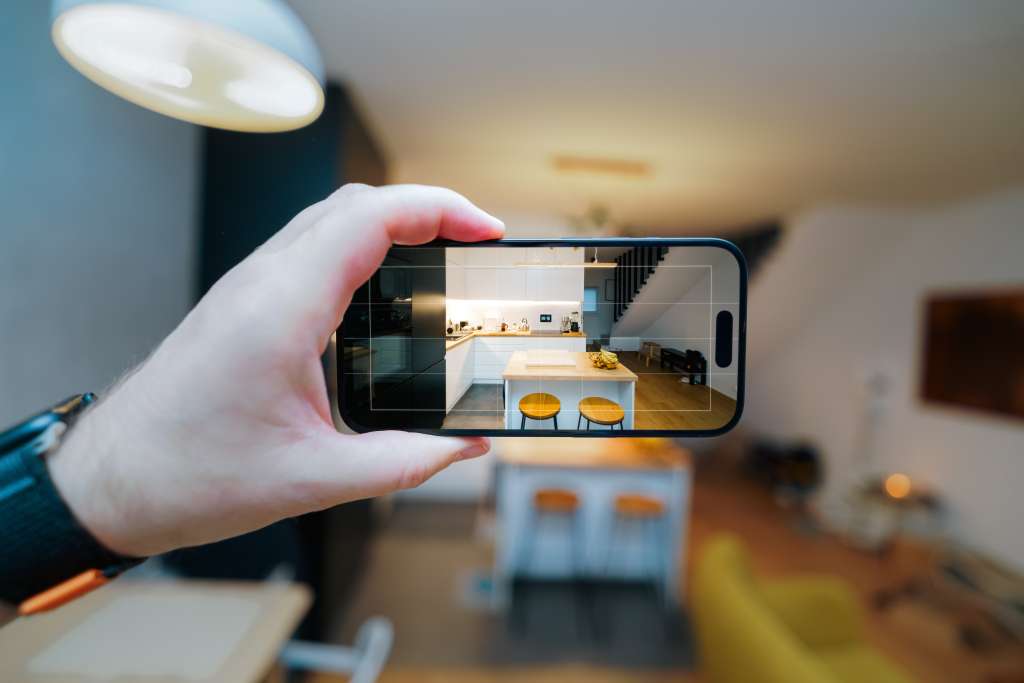
Find your move-in inventory list and any photos taken when you first moved in. If you do not have formal records, check your phone gallery for older photos that may still show the unit’s original condition.
Your landlord may compare the property’s move-out condition with how it looked at the start of the tenancy. Existing damage should not be charged to you. But without evidence, it may be difficult to prove.
Step 4: Settle your TNB electricity account
If the TNB account is under your name, close it or transfer it back to the landlord before moving out.
To do this:
- Log in to myTNB or visit a Kedai Tenaga.
- Request an account closure or Change of Tenancy.
- Take a dated photo of the final meter reading.
- Settle the outstanding bill.
- Apply for a refund of your TNB deposit after any unpaid charges are deducted.
Keep the deposit refund receipt with your tenancy file. The TNB deposit is separate from your rental security deposit and is refunded directly by TNB, not your landlord.
Step 5: Settle your water account (Air Selangor / state provider)
The same applies to your water account. In the Klang Valley, this is managed by Air Selangor, while Johor residents deal with SAJ. Other states have their own water providers.
Take a dated photo of the final meter reading, request the final bill and settle any outstanding amount. If the account is under the landlord’s name, keep proof of payment to prevent the charge from being deducted from your utility deposit.
Step 6: Close or transfer your internet and Astro
Contact your internet provider, such as Unifi, Maxis or TIME, to terminate or relocate your service. Most providers require at least 30 days’ notice.
Check your contract for early termination fees and return any rented equipment, including routers or set-top boxes, to avoid extra charges. Astro subscriptions must be cancelled or transferred separately.
Step 7: Settle Indah Water sewerage charges
Indah Water bills are easy to miss because they are not issued as often as electricity or water bills. Before moving out, check your Indah Water account and settle any outstanding sewerage charges.
Keep the payment receipt as proof. If the bill remains unpaid, your landlord may deduct the amount from your utility deposit, depending on the terms of your tenancy agreement.
Step 8: Cancel or redirect your mail
Arrange mail forwarding with Pos Malaysia if you are expecting important letters after moving out. Remember to update your address with your bank, insurance provider, EPF and subscription services.
It is a small step, but missing government letters, financial statements or account notices can create bigger problems later.
Step 9: Deep clean the unit

Cleaning costs are the single most common deposit deduction in Malaysian rentals. The goal is to return the unit to its move-in condition, allowing for normal wear and tear.
Focus on the areas landlords are most likely to inspect:
- Kitchen: Clean the stove, hood, countertops, sink and cabinets.
- Bathrooms: Scrub the tiles, grout, toilet, shower screen and mirrors.
- Floors: Mop hard flooring and vacuum carpets.
- Windows: Wipe the glass and clean the window tracks.
- Air conditioners: Wash or replace the filters. If you rent a condo, this also helps avoid issues flagged during building management inspections.
- Ceiling fans: Remove dust from the blades.
Professional move-out cleaning usually costs around RM150 to RM400, depending on the unit size and condition. If the property needs a deep clean, hiring a cleaner may cost less than the amount your landlord could deduct from your deposit.
Sub-RM2,500 leases accounted for nearly nine out of 10 transactions in our data. It is the entry-level affordable tier of properties that accounts for the greatest number of leases.”
Kashif Ansari, Co-Founder and Group CEO, Juwai IQI (source: The Star, July 2025)
Step 10: Repair minor damage (and leave the rest)
Handle minor repairs before the final inspection. Fill small nail holes, replace blown light bulbs and tighten loose handles. These fixes cost very little but may lead to larger deposit deductions if left unattended.
For more serious damage, be honest with your landlord instead of trying to hide it. Discuss the repair cost early and agree on a fair amount. In most cases, this is cheaper than letting the landlord arrange their own contractor after the inspection.
Step 11: Take dated move-out photos (room by room)
This is one of the most important steps in your move-out checklist. Before the joint inspection, take clear photos of every room, wall, floor, appliance, fixture and meter reading. Make sure the date and time are saved in the photo metadata.
Capture wide shots of each room, then take close-ups of anything that could be disputed, such as stains, scuff marks, chipped tiles or appliance damage. If the issue was already there when you moved in, compare it with your original move-in photos.
These photos can protect your rental deposit if a dispute arises. Without clear evidence, it may come down to your word against the landlord’s.
Step 12: Do a joint inspection walkthrough with your landlord
Arrange a joint inspection with your landlord on or before your move-out date. Walk through the property together, compare its condition with the inventory list and discuss any issues on the spot. If damage is identified, agree on a fair deduction and record it in writing before handing over the keys.
If your landlord is unable or unwilling to attend, carry out your own inspection. Take clear photos of the entire property and send them by email or WhatsApp, requesting confirmation of receipt. This creates a documented record if any dispute arises later.
Step 13: Hand over all keys and access cards

Return every key, access card, parking pass and remote control provided at the start of the tenancy. Ask the landlord to sign a handover acknowledgement that lists each item returned and the date.
Missing items may lead to replacement charges, often around RM50 to RM200 depending on whether it is a standard key or security access device. Check your tenancy agreement for the exact fee.
Step 14: Provide your bank details for the deposit refund
Provide your landlord with your bank name, account holder’s name and account number in writing. This gives them everything needed to process your rental deposit refund without delay.
Check your tenancy agreement for the refund timeline. Many agreements state that the security deposit should be returned within 30 days after you move out, subject to any agreed deductions. The utility deposit may take longer because the final TNB and water bills can take one or two billing cycles to be issued.
Step 15: Follow up on your deposit refund
If 30 days have passed without a refund or an itemised list of deductions, follow up with your landlord in writing. Ask for a clear explanation and supporting receipts for any amount withheld.
If the landlord still refuses to return your deposit without a valid reason, you may consider:
- Small Claims Court: For claims up to RM5,000, generally without a lawyer.
- Consumer Claims Tribunal: For eligible claims up to RM25,000, including certain disputes involving corporate landlords.
Looking for your next rental or ready to buy?
Moving out is a chance to rethink what you really need. An IQI property advisor can help you compare renting versus buying based on your budget, timeline, and goals. Free, no pressure.
Airbnb checkout checklist Malaysia
Short-term stays have a different set of rules. If you are checking out of an Airbnb, homestay, or serviced apartment in Malaysia, your checklist is shorter but just as important for avoiding damage charges.
- Read the host’s checkout instructions. These appear in your Airbnb app under the Arrival Guide. Most hosts list specific tasks: strip the beds, start the dishwasher, take out rubbish, lock the doors.
- Check out by the stated time. Late checkout delays the cleaning crew and the next guest’s check-in. If you need extra time, message the host in advance.
- Take out all rubbish. Separate recyclables if the building requires it. In Malaysian condos, take rubbish to the designated bin area on your floor, not the lobby.
- Return keys, access cards, and remotes. Follow the host’s instruction for key return (lockbox, reception desk, or hand-off). Unreturned keys can result in a damage claim.
- Check for personal belongings. Look under beds, behind bathroom doors, and in drawers. Hosts are not obligated to post lost items back to you.
- Leave the unit as you found it. You do not need to deep clean, but leaving the place in a reasonable state protects you from a cleaning fee claim. Wash any dishes you used, wipe kitchen surfaces, and leave furniture where it was.
- Document the condition. Take a few quick photos of the unit before you leave. If the host files a damage claim, these are your defence. Airbnb’s Resolution Centre requires evidence from both sides.
Under Airbnb’s voluntary Code of Conduct for Malaysia, hosts are expected to maintain safety standards and register guests under the Registration of Guests Act 1965. As a guest, your main obligation is to follow house rules and leave the property in good condition.
Considering the rent-versus-buy question after your tenancy ends? Compare the real numbers in our renting forever or buying a house guide.
How much does moving out actually cost?
Most tenants focus on getting their security deposit back but overlook the costs of moving out. Planning ahead can help you avoid unexpected expenses and keep your moving budget under control. Here is a realistic breakdown of tenant-side move-out costs in Malaysia.
| Cost item | Estimated range | Notes |
|---|---|---|
| Professional cleaning | RM150 to RM400 | Standard unit. Deep clean for heavily soiled units costs more. |
| Minor repairs (nail holes, bulbs) | RM30 to RM100 | DIY putty and light bulbs. |
| Key replacement (if lost) | RM50 to RM200 per key | Security fobs and access cards cost more than standard keys. |
| Moving company | RM300 to RM1,500 | Depends on distance, volume, and floor access (no lift costs more). |
| Early termination penalty | Forfeiture of 2-month deposit + possible remaining rent | Only if you break the tenancy agreement before the term ends. |
| TNB final bill | Varies | Settled from your TNB deposit. Refund of excess returned to you. |
| Internet early termination | RM0 to RM500+ | Depends on provider and remaining contract period. |
Rental vs Airbnb: move-out comparison
| Factor | Rental tenancy | Airbnb / short-term stay |
|---|---|---|
| Notice period | 1 to 3 months (per tenancy agreement) | None (fixed checkout date) |
| Deposit structure | 2 months security + 0.5 month utility + 1 month advance | No deposit (damage covered by Airbnb’s Resolution Centre) |
| Utility settlement | Tenant settles TNB, water, Indah Water, internet | Included in nightly rate |
| Cleaning expectation | Return unit to move-in condition | Reasonable tidiness (host arranges professional cleaning) |
| Inspection | Joint walkthrough recommended | Host inspects after checkout |
| Key return | Signed handover acknowledgement | Per host instructions (lockbox, reception) |
| Dispute process | Small Claims Court (up to RM5,000) | Airbnb Resolution Centre |
| Legal framework | Contracts Act 1950, tenancy agreement | Airbnb Terms of Service, Registration of Guests Act 1965 |
What can your landlord deduct from your deposit?
This is the part every tenant should understand before handing back the keys. A landlord should not deduct money from your rental deposit for normal wear and tear, such as minor wall scuffs, faded paint or carpet wear caused by everyday use.
Reasonable deductions may include:
- Damage beyond normal wear and tear, such as wall holes, broken fixtures or badly stained carpets
- Unpaid rent
- Outstanding utility bills, where allowed under the tenancy agreement
- Missing items listed in the original inventory
- Unreturned keys, access cards or remote controls
Any deduction should come with a clear breakdown and supporting evidence, such as photos, receipts or repair invoices. A vague charge like “RM500 for general repairs” without explanation may be difficult to justify.
If you disagree with a deduction, ask for the reason and evidence in writing. Where there is no proven breach of the tenancy agreement, you may consider filing a claim through the Small Claims Court for amounts up to RM5,000.
Thinking about buying instead of renting next time? Start with the real cost of buying a house in Malaysia to see the full picture.
Local Expert Insight
Juwai IQI own rental data shows that Malaysia’s rental market has become more stable, with average rents across major price segments moving by no more than 1.5% year on year.

Stable rental prices bring predictability. That is good for tenants, developers and property investors planning for the long term.
Kashif Ansari, Co-Founder and Group CEO, Juwai IQI
For tenants, this creates a better environment for fair deposit discussions. However, the most common disputes still come down to two issues: cleaning and undocumented damage.
A professional move-out clean can cost less than the deduction a landlord may charge, while dated move-in and move-out photos remain the strongest proof when damage is disputed.
The key takeaway is simple: leave the unit clean, document everything and agree on deductions in writing.
FAQs
Most tenancy agreements in Malaysia require two months’ written notice before moving out, although monthly tenancies may require only one month. The exact notice period depends on the termination clause in your tenancy agreement, so always check your contract and submit the notice in writing.
Landlords in Malaysia usually return the security deposit within 30 days after move-out and key handover. Some agreements allow up to 60 days, while utility deposits may take longer due to final TNB and water bills.
No. A landlord should not deduct for normal wear and tear, such as minor wall scuffs, faded paint or carpet wear from regular use. Deductions should only cover actual damage and must be supported by clear evidence, such as photos or receipts.
If the TNB account is under your name, close or transfer it through myTNB or at a Kedai Tenaga. TNB will refund the remaining deposit after deducting any unpaid final bill. This refund is separate from the rental deposit held by your landlord.
The host may submit a claim through Airbnb’s Resolution Centre. You can respond with your own evidence, including photos taken before checkout. Airbnb will review information from both sides before deciding whether you are responsible.
First, request a written and itemised breakdown of any deductions. If the landlord cannot provide a valid reason, you may file a claim through the Small Claims Court for amounts up to RM5,000 or the Consumer Claims Tribunal for eligible claims up to RM25,000
Ready to invest in property with more confidence? Submit your enquiry today and our IQI property specialist will help you explore suitable investment options based on your goals, budget and market preference.
Continue Reading:
- Renting Forever or Buying a House?
- The Real Cost of Buying a House in Malaysia
- What First Homebuyers Wish They Knew
- Rights, Responsibilities, and Realities in Renting
- Do I Need to Pay Tax on Rental Income?
Sources:
- Contracts Act 1950 (Malaysia)
- Specific Relief Act 1950, Section 7(2)
- Registration of Guests Act 1965 (Malaysia)
- Personal Data Protection Act 2010 (PDPA)
- Tenaga Nasional Berhad (TNB), Change of Tenancy process, myTNB portal
- Airbnb Responsible Hosting in Malaysia, Code of Conduct (2026)
