


TLDR: How you treat your first property can either make or break your chances of owning a second one later.
From over-renovating to neglecting maintenance, these common mistakes can shrink your Debt Service Ratio (DSR) and make banks see you as a high-risk borrower.
Here’s a breakdown of what those mistakes are, why they happen, and how to fix them – before your first home becomes your financial dead-end.

Key Takeaways:
- Don’t over-stretch with renovation loans: Big renovation debt raises your monthly obligations, inflates your Debt Service Ratio (DSR), and weakens your chances of qualifying for a second home loan.
- Stay on top of bills, taxes & insurance: Missing strata fees, property taxes, or letting insurance lapse can damage your credibility with banks and risk your coverage when disaster strikes.
- Don’t rush into the second purchase: Trying to buy a second home too soon (e.g. within a year) is often viewed by lenders as “aggressive”—they want to see consistent repayment history first.
Common Mistakes & How to Avoid Them:
- Mistake #1: Taking Renovation Loans You Can’t Afford
- Mistake #2: Ignoring Maintenance and Repairs
- Mistake #3: Missing Strata Fees, Taxes, or Insurance Payments
- Mistake #4: Rushing to Buy a Second Property Too Soon
- Mistake #5: Underinsuring or Forgetting Coverage
- Mistake #6: Living Without a Financial Buffer or Plan
- Why These Mistakes Happen
- Who’s Most at Risk?
- How to Build Towards Your Second Home (Without Getting Stuck)
- Final Thoughts
- Frequently Asked Questions (FAQs)
Mistake #1: Taking Renovation Loans You Can’t Afford
After moving in, many first-time homeowners rush into full-scale makeovers — often financed through personal loans, credit cards, or “zero-interest” instalments.
While the new kitchen or built-ins might look great, those loans quietly inflate your monthly commitments and banks will count them in your DSR calculation.
A high DSR (above 70–80%) tells banks you’re already at capacity, which means your next home loan will almost certainly be rejected, even if you’ve been paying everything on time.
| Example Scenario | DSR Impact | Result |
| RM30,000 renovation loan | Adds ~RM600/month repayment | Lowers your next home loan eligibility by ~RM100,000 |
| Cash-based renovation plan | No new debt | Keeps DSR healthy for next mortgage |
Fix it: Renovate in stages, using savings or cashflow. Treat design upgrades as long-term projects — not one big expense.
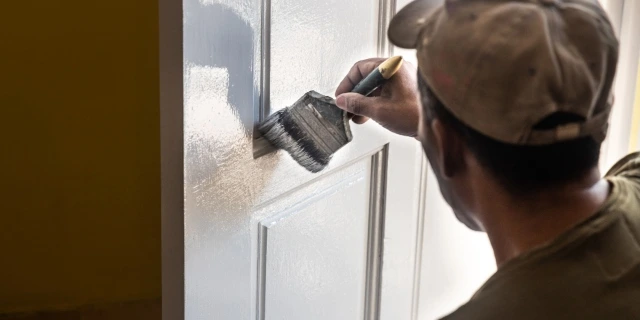
Mistake #2: Ignoring Maintenance and Repairs
Neglecting basic maintenance is one of the biggest silent killers of your second-home plans.
In Malaysia’s humid climate, water seepage, cracked walls, and termite damage can appear quickly.
If your home’s condition deteriorates, its valuation drops. When you try to refinance or use it as collateral for a second loan, the bank’s valuer will appraise it lower — meaning you have less usable equity.
Fix it: Schedule annual home inspections, especially after heavy rain seasons. Keep receipts and service records; they support your property’s maintained value if you ever need refinancing.
Mistake #3: Missing Strata Fees, Taxes, or Insurance Payments
If you own a condo or serviced apartment, management fees, sinking funds, and assessment taxes are unavoidable.
That means, missing or delaying them — even by a few months — can affect your credibility.
Some Joint Management Bodies (JMB) and local councils report arrears, and banks may request these records during loan assessments.
Insurance lapses are just as dangerous. If damage happens while coverage is inactive, you’ll pay out of pocket.
| Missed Payment | Why It Matters | Long-Term Impact |
| Strata maintenance / sinking fund | Reported to management body | Lowers your loan reputation |
| Cukai Pintu / Cukai Tanah | Government arrears record | Hurts loan approval or refinance |
| Insurance renewal | Loss of coverage during disaster | Adds financial risk and debt |
Fix it: Automate payments for property-related bills. Always maintain full insurance coverage: including flood or fire add-ons where relevant.
Mistake #4: Rushing to Buy a Second Property Too Soon
This remains one of the most common mistakes among homeowners today.
According to Agent AJ Anand, many first-time homeowners are eager to buy their second property right after getting their first especially if they see another good deal or want to start investing.
But banks don’t see it that way.
If you try to purchase another home within the first 12 months of your existing mortgage, most banks will consider it an “aggressive purchase.”
This raises a red flag, even if your salary and credit score seem strong. Lenders interpret it as overextension meaning you might be taking on more financial risk than you can handle.
On top of that, your first-year repayment record plays a crucial role. Banks will closely monitor how consistent you’ve been with your monthly instalments.
Even a few late payments can signal poor repayment behaviour, which could make your second loan application much harder to approve.
| Key Bank Considerations | Why It Matters |
| Time gap between first and second home | Buying too soon (within 1 year) seen as “aggressive purchase” |
| Repayment behaviour | Late or inconsistent payments reduce approval confidence |
| DSR and income stability | Must show at least 12 months of stable repayment record |
Mistake #5: Underinsuring or Forgetting Coverage
Disasters are unpredictable. And Malaysia isn’t immune to floods, fires, and structural damage.
Without proper insurance, you’ll pay for repairs out of your own pocket or take on new loans, both of which affect your creditworthiness and cash flow.
Fix it:
- Keep both fire/building and contents insurance active.
- Review policies every two to three years.
- Add flood or natural disaster riders if your area is prone to them.
Your property is a major financial asset — treat its protection seriously.

Mistake #6: Living Without a Financial Buffer or Plan
The biggest mistake of all is thinking homeownership is the finish line.
Many Malaysians stop saving once the first property is secured then struggle when costs rise or emergencies hit.
Without savings, you end up relying on credit cards or personal loans, both of which destroy your DSR and your chances for a second home loan.
Fix it: Keep a 3–6 month emergency fund and review your financial commitments annually. Use your CCRIS report to track your credit health and plan ahead.
| Smart Habits | Long-Term Advantage |
| Stagger renovations using savings | Keeps DSR healthy for next loan |
| Pay all fees/taxes on time | Builds strong financial record |
| Maintain property condition | Preserves home valuation |
| Review mortgage annually | Identifies refinance opportunities |
| Keep designs flexible | Easier to rent or sell later |
Why These Mistakes Happen
Most of these mistakes stem from emotion over logic. After buying their first home, Malaysians often feel they’ve “made it” — leading to lifestyle inflation, impulsive renovations, or skipped financial discipline.
Another issue is lack of post-purchase literacy.
We’re taught how to buy a house but rarely how to manage one financially. Without a roadmap, homeowners accidentally sabotage their own future loan eligibility.
Finally, external pressures play a role. Rising living costs, fluctuating interest rates, and maintenance hikes catch people off guard.
Without a buffer, even small changes can trigger a chain of financial stress.
Who’s Most at Risk?
Young professionals and newly married couples are the most affected. They usually stretch their savings to buy the first home and underestimate ongoing costs.
Strata homeowners are another vulnerable group. Recurring fees, sinking funds, and repairs can pile up quickly.
When payments are missed or delayed, financial credibility drops — making banks wary of extending another loan.

How to Build Towards Your Second Home (Without Getting Stuck)
Think of your first property as your financial base. Manage it well, and it becomes the leverage for your next home.
Start by keeping your debt light, your payment record spotless, and your property value strong.
Reassess your DSR yearly, and plan renovations or upgrades only when they won’t disrupt your loan eligibility.
When the time comes to apply for your second home loan, banks won’t just see your income — they’ll see your entire track record as a homeowner.
A disciplined first-time buyer becomes a trusted repeat buyer.
Final Thoughts
Your first home isn’t the end goal; it’s your foundation for the next one.
Every financial choice you make after getting your keys affects your ability to grow your property portfolio.
Avoid the traps of over-borrowing, neglect, and impulsive upgrades. Manage your first home like an investor, and it’ll open the door to your second faster than you think.
Frequently Asked Questions (FAQs)
1. How long should I wait before buying my second home after the first one?
By the rule of thumb, you should wait at least one to two years so banks can see a stable repayment record and avoid flagging it as an aggressive purchase.
2. Can renovation loans affect my chances of getting a second home?
Yes. Renovation or personal loans increase your monthly commitments, which can raise your DSR and lower your loan eligibility.
3. Why does late payment on my first home loan matter?
Even one or two late payments can hurt your credit score and make banks see you as a higher-risk borrower for your next loan.
4. Does property maintenance really affect loan approval?
Yes. Poor maintenance can lower your property valuation, reducing your refinancing or collateral potential.
5. What’s the biggest mistake first-time homeowners make?
Many overextend financially too soon. Taking on extra debt, skipping maintenance, or rushing to buy a second home before they’re ready.
Planning to buy your second property but not sure if you can qualify? Talk to IQI agents. They’ll guide you through the process and help you find your next dream home.
Continue Reading:
