


Version: BM
TLDR: You can still buy a house while owing PTPTN.
However, under certain circumstances, your loan repayment may affect your mortgage eligibility — especially debt-to-service ratio.
With smart financial planning and the right strategy, many Malaysians have managed to secure home loans despite having an active PTPTN balance.
But you’ll need to improve your credit health and reduce liabilities before applying for a mortgage. Here’s how.

Key Takeaways:
- PTPTN Loan Affects Borrowing Power: Your monthly PTPTN loan repayment affects your debt-to-service ratio, which plays a significant role in determining your home loan eligibility.
- Government Schemes Can Help: Initiatives like the My First Home Scheme can provide opportunities for first-time buyers, even with an existing PTPTN loan.
- Strategic Financial Planning is Crucial: Reducing your debt, improving your credit score, and saving for a larger down payment can improve your chances of securing a mortgage.
- Consulting a Financial Advisor is Essential: Before committing to a property, seek expert advice to understand your borrowing capacity and available mortgage options.
PTPTN Debt: A Barrier to Homeownership?
- So, Can I Still Buy a House While Still Owing PTPTN?
- How Much Does PTPTN Debt Impact Home Loan Approval?
- But When Is the Right Time to Buy a House if I Have PTPTN Debt?
- Where Can I Buy a House While Repaying PTPTN?
- Why Is It Difficult (But Not Impossible) to Buy a House with PTPTN Debt?
- How Can I Increase Your Chances of Getting a Home Loan With PTPTN Debt?
- Conclusion
- Frequently Asked Questions (FAQ’s)
So, Can I Still Buy a House While Still Owing PTPTN?
Yes. The idea that you must be debt-free to own property is actually a myth.
Many Malaysians have successfully purchased homes while still repaying their PTPTN loan. So, who qualifies?
The short answer: anyone with a stable income and manageable debt obligations.
Banks assess home loan applicants based on overall financial health—not just whether you have a PTPTN loan.
If you’re consistently repaying your PTPTN loan without arrears and your monthly commitments don’t exceed a certain percentage of your income, you’re very much in the running.
But here’s the real issue: a PTPTN loan still considered a liability.
That means your monthly payment toward PTPTN will count against your affordability when a bank calculates your Debt Service Ratio (DSR).
How Much Does PTPTN Debt Impact Home Loan Approval?
The main impact of having an active PTPTN loan is on your DSR, a formula banks use to decide how much of a home loan you can afford.
If your DSR is too high due to PTPTN repayments (alongside any other debts like credit cards or car loans), your chances of loan approval drop—or the amount you’re approved for gets reduced.
It’s also worth noting: your PTPTN repayment history affects your CCRIS record.
Late or missed payments can negatively impact your credit score, making banks less likely to approve your housing loan.
If you’ve defaulted or have arrears, your name may even be blacklisted from financing until the account is settled or restructured.
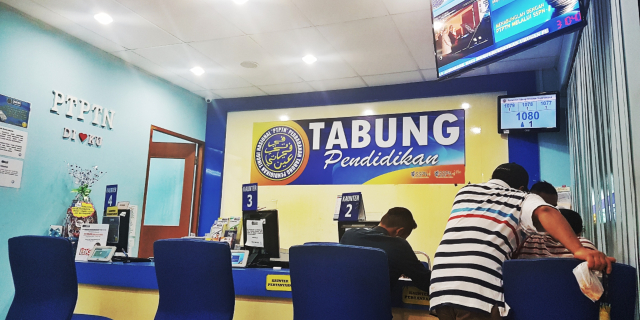
But When Is the Right Time to Buy a House if I Have PTPTN Debt?
Timing is everything.
You don’t need to fully settle your PTPTN loan before buying a house, but you should be in a financially stable position. That means:
Your PTPTN repayments are consistent and not in arrears.
Your income is stable and sufficient to cover a mortgage.
Your other financial commitments are minimal and, or well-managed.
If you’re just starting your career and your PTPTN repayment is eating into a big chunk of your monthly salary, it might be better to wait, reduce other debts, or increase your income before applying for a housing loan.
However, if your income has increased, your DSR is healthy, and you have savings for a deposit, then it might be the right time—even if you still owe PTPTN.
Where Can I Buy a House While Repaying PTPTN?
The location of your property doesn’t directly affect your eligibility, but it does affect affordability.
For instance, buying a high-end condo in the city will naturally require a higher loan amount, pushing your DSR even higher.
Many PTPTN borrowers opt for more affordable homes in suburban or developing areas where property prices are lower.
This not only increases the chance of loan approval but also lowers your monthly repayments and overall financial risk.
And remember: some government housing initiatives are available only for specific types of properties or price ranges, often located in more accessible or suburban areas.
Why Is It Difficult (But Not Impossible) to Buy a House with PTPTN Debt?
Let’s be real: a PTPTN loan is not the biggest financial burden, but it’s still considered a commitment by banks.
Here’s why it can complicate your home-buying journey:
It reduces your DSR capacity. Even a small PTPTN monthly payment limits how much banks are willing to lend you.
It can hurt your CCRIS record. If you’re behind on payments, you might be flagged in the system, and that can lead to loan rejection.
According to our agent AJ Anand, the team lead from IQI Elite,
Some banks may reject you outright if your PTPTN loan is in default or if you’re blacklisted due to long-term arrears.”
In other words, the issue isn’t having the PTPTN loan, it’s how well you manage it.
How Can I Increase Your Chances of Getting a Home Loan With PTPTN Debt?
If you’re serious about buying a house while still repaying PTPTN, here’s what you can do to improve your chances:
- Make sure your PTPTN account is in good standing. If you’re in arrears, consider settling them or applying for a restructuring plan.
- Reduce your DSR. You can do this by clearing other short-term debts like personal loans or credit cards.
- Save for a bigger down payment. The more you pay upfront, the less you’ll need to borrow—making banks more comfortable approving your loan.
- Take advantage of government schemes. Programs like Skim Rumah Pertamaku (SRP) are designed to help first-time homebuyers with low income and high commitments.
- Talk to a mortgage advisor. They can help you assess your borrowing power realistically and recommend the right banks or home schemes based on your financial profile.
Conclusion
Having PTPTN debt doesn’t mean you can’t own a home—it just means you’ll need to be more strategic and financially prepared.
Banks don’t mind lending to borrowers with debt, as long as it’s well-managed and doesn’t exceed your affordability threshold.
So if you’re dreaming of owning a home while still repaying your PTPTN loan, don’t give up.
Clean up your CCRIS, reduce your DSR, explore available housing schemes, and start planning. With the right steps, your dream home may be closer than you think.
Frequently Asked Questions (FAQ’s)
1. Can I buy a house if I still owe PTPTN?
Yes, as long as your loan is not in default and your DSR is within the bank’s limit.
2. But will my PTPTN loan affect home loan approval?
If you’ve been making consistent payments and shows good credit behaviour then it won’t affect.
3. Do I need to settle my PTPTN before applying for a home loan?
Not necessarily — but it helps if your DSR is too high.
4. What if I’m blacklisted by PTPTN?
You’ll need to settle or start a repayment plan before banks will consider your home loan.
5. Does paying PTPTN on time help my chances?
Yes, consistent payments show good credit behavior and improve your approval chances.
If you need help sorting out your PTPTN loan and making the home loan approval process easier, get in touch with our agents today.
Continue Reading:
