


Version: BM
After covering monthly commitments like paying off loans, car installments, and other living expanses, have you ever stared at your bank balance and wondered, “How on earth will I ever buy a house?”.
This is a common struggle for single, unmarried Malaysian who rely on just one income to make ends meet.
As a result, many young adults feel that homeownership is expensive and out of reach.
But is it truly impossible or do you just need the right strategy and roadmap to start?

Home-Buying Guide for Single Malaysians:
Review Your Monthly Savings Plan
Owning a home is a dream for many young Malaysians, as it’s seen as a symbol of independence, financial stability, and adulthood.
But for many single, young adults in Malaysia, the money they have simply isn’t enough.
However, it’s not laziness or a lack of interest in owning assets. Young people are constrained by a tough economic climate.
The biggest problem? The gap between starting salaries (around RM2,500–RM3,000) and housing prices in major cities which are far beyond reach.
Add existing commitments like PTPTN loans and car payments, which damage credit scores and hinder loan approval.
Singles face even more challenges due to no dual income and high living costs in cities.
To make matters worse, terms like DSR, MRTA, leasehold, and various schemes often cause analysis paralysis. So much to consider that many decided put their dream on pause.
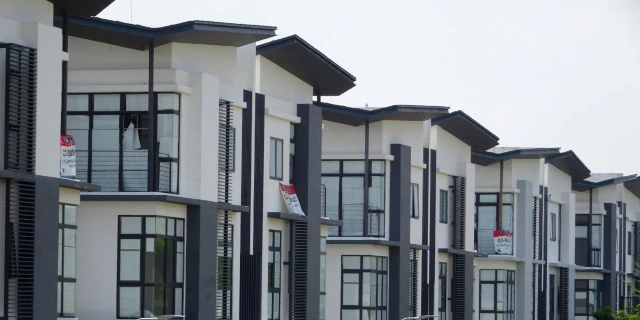
Keep Renting or Dare to Buy?
So, should single and unmarried Malaysians continue renting or take the leap to buy a property?
This is a common financial dilemma among young adults, and the answer depends on your long-term goals.
Renting offers flexibility and no long-term commitment but financially…
- Paying RM1,200 in rent for five years means RM72,000 gone with nothing to show for it.
- If that same amount went into monthly mortgage payments for a RM300,000 home, you’d be building equity and if the property appreciates 4% annually, it could be worth over RM360,000 in five years.
Buying vs. Renting: A Quick Comparison
| Factor | Buying a House | Renting a House |
| Stability | Own a tangible asset, rent it or live in | Lease can end anytime |
| Monthly Costs | Loan installments + maintenance | Rent only |
| Long-Term Value | Property may appreciate | No investment return |
| Commitment | High (long-term loan) | Low and flexible |
| Control of Space | Freedom to renovate or sublet | Subject to landlord rules |
Bottom Line: If you can manage mortgage payments and use strategies like renting out a spare room, buying offers long-term investment benefits that renting cannot match.

7 Strategic Ways to Buy Your First Home
It’s not easy but it’s far from impossible. Here’s your step-by-step:
1. Start with the Right Scale
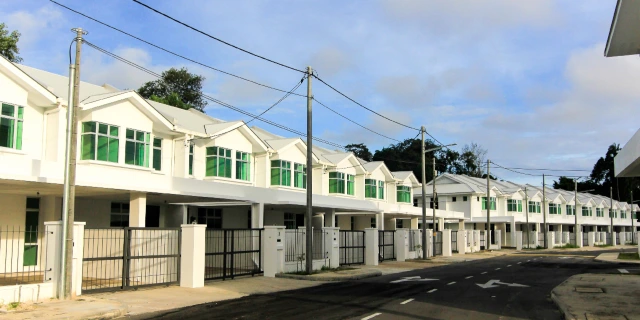
With property prices on the rise, first-time homebuyers should steer clear of multi-level terrace homes in the city, for now.
Think smaller: a studio, a two-bedroom apartment, or a well-maintained subsale unit.
Remember, your first home is a starting point, not the finish line.
2. Rent Out a Room
If your new home has more than one bedroom, rent out another room.
Like a client of IQI’s Real Estate Agent, Yanie, did. He bought a RM350,000 home, lived in one room, rented out the rest.
Rental income covered the monthly mortgage. Over a few years, the house became a solid asset before she even got married.
3. Choose Emerging Locations
Don’t be too quick to judge an area and don’t limit yourself to only popular locations.
Emerging neighborhoods can offer affordable prices, strong growth potential, and improved infrastructure.
Examples: Rawang or Semenyih priced between RM250,000–RM400,000 with good access.
4. Boost Your Loan Eligibility
Keep your Debt Service Ratio (DSR) under 70%. Pay off small debts, avoid new credit applications for at least 6 months, and ensure a clean CCRIS record.
5. Utilize Government Schemes
Take advantage of schemes like “Skim Rumah Pertamaku” (SRP) offering up to 100% financing and other incentives. Check your eligibility here, as terms apply.
6. Generate Side Income
Now’s the time to start earning some side income. Tap into the gig economy and make it work for you.
Become a part-time property agent, freelancer, or e-hailing driver. Additional income boosts your financial profile in the eyes of the bank.
7. Start Early and Plan Long-Term
Don’t wait for “everything to be perfect” to start. Delaying even a year may cost you tens of thousands more for the same property down the road.
5 Common Mistakes Young First-Time Buyers Make
- Buying Due to Social Pressure or “FOMO”
Buying should be based on long-term planning, not emotional hype. Don’t stretch beyond what you can afford just to keep up with peers.
- Applying Without Checking Your DSR
Jumping into a home loan without knowing your financial standing is risky.
High DSR (over 60–70%) leads to rejections and damages your credit record. Use online DSR calculators and reduce debt first.
- Forgetting Hidden Costs
Many focus only on the deposit and overlook additional costs (which can amount to tens of thousands). These include solicitor fees, stamp duty, bank valuation fees, MRTA/MLTA insurance, and transfer fees.
- Not Understanding Leasehold vs. Freehold
Freehold means permanent land ownership. Leasehold is temporary (usually 99 years) and cheaper but may lose value over time or affect loan eligibility.
- Going It Alone
Many young buyers don’t seek professional guidance. A qualified real estate advisor from IQI Global is not just a salesperson.
They’re a personal investment consultant who can analyse market trends, negotiate better prices, and assist with loans and legal processes. A bit of expert help can save you tens of thousands.

Just Take Bold Steps Toward Your First Home
At the end of the day, owning a home at a young age doesn’t have to mean a financial burden.
With the right knowledge, financial discipline, and strategy, young people can turn their first home into a valuable long-term investment.
The success story of Agent Yanie’s client shows that even with a modest starting salary, owning property is possible if you take that first brave step.
Your home isn’t just shelter; it’s an asset that could yield significant returns.
Frequently Asked Questions FAQs
What’s the minimum income to start considering a home?
Around RM2,800–RM3,500 net monthly could be sufficient, depending on your debts and property prices.
Is a 10% deposit mandatory?
Not necessarily. Schemes like SRP offer 100% financing, though having 3–5% savings is still advisable for emergencies.
What’s the risk with “house hacking” (renting out a room)?
The main risk is a tenant not paying rent. Always have a rental agreement and savings to cover 3 months of mortgage payments.
Subsale vs. new launch: What’s better for first-time buyers?
New Projects: Often include rebates, free legal fee promos, and fewer initial repairs.
Subsale: You can inspect the actual unit and surroundings—often located in more developed areas.
Fastest way to improve high DSR?
Pay off the debt with the highest commitment first (like a credit card), and avoid new debt to reduce your CCRIS load.
What should I do first if I’m still unsure?
Check your CCRIS and CTOS reports. Understand your debts and credit score, then consult a real estate advisor for eligibility guidance.
Ready to turn “someday” into “today”? IQI Global advisors are ready to help you. From loan eligibility checks right up to getting the keys to your first home, we have the answers.
Continue Reading:
