


Vietnam’s wealth is growing, but its most affluent residents do not all live behind the same gates.
Some choose riverside villas surrounded by international schools and stylish cafés. Others prefer modern financial districts, private island developments or green townships located away from the noise of the city centre.
This contrast is especially visible in Ho Chi Minh City and Hanoi, Vietnam’s two most important property markets.
Ho Chi Minh City was estimated to have around 7,200 millionaires, 24 centi-millionaires and three billionaires in 2024. Its wealthy population has expanded alongside sectors such as technology, financial services, electronics, tourism and manufacturing.
Hanoi tells a slightly different story. Its high-end property market is shaped by limited supply, strong domestic demand and growing interest in gated, green and master-planned communities. Apartment prices in Hanoi reportedly increased by around 22.3% to 36% year-on-year during late 2024 and early 2025.
So, where do Vietnam’s wealthy families, entrepreneurs, senior executives and international residents choose to live?
Here are seven of the most prestigious residential areas in HCMC and Hanoi.
Note: This is not an official wealth ranking. The areas were selected based on luxury housing, reputation, resident profile, lifestyle facilities, international appeal and property investment relevance.
TL;DR
Thảo Điền, Thủ Thiêm, Phú Mỹ Hưng and Diamond Island are among HCMC’s best-known affluent residential enclaves.
In Hanoi, Tây Hồ, Ciputra and Ecopark attract wealthy families and international residents seeking greenery, privacy, security and integrated amenities.
For investors, HCMC generally offers deeper rental demand, while Hanoi has recently recorded stronger apartment price growth.
1. Thảo Điền: HCMC’s International Riverside Enclave
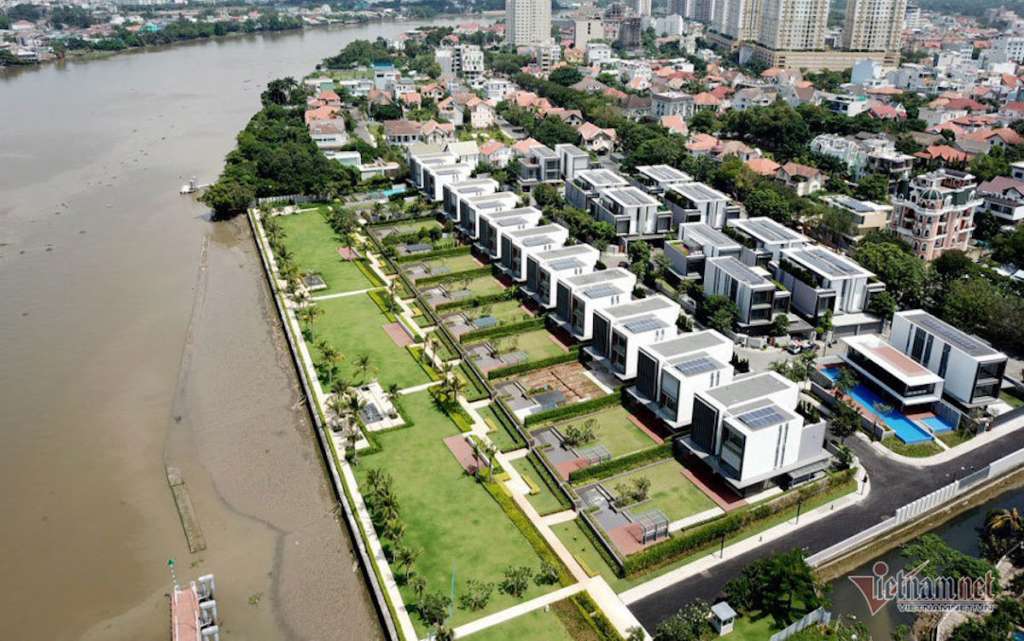
Where luxury meets creativity
Thảo Điền is one of the first places people mention when discussing wealthy neighbourhoods in Ho Chi Minh City.
Located within Thủ Đức City, formerly District 2, the area sits along a bend of the Saigon River. Its riverside location, leafy roads, private villas and quieter environment make it feel separated from the dense activity of central HCMC.
For years, Thảo Điền was mainly known as an expatriate neighbourhood. Today, it also attracts wealthy Vietnamese families, entrepreneurs, creative professionals and younger business owners.
Local discussions frequently identify Thảo Điền as one of the city’s most recognisable concentrations of affluent living. However, residents also point out that not everyone living there is extremely wealthy, and not every wealthy HCMC family chooses to live there.
What makes Thảo Điền special?
Thảo Điền offers a combination that is difficult to find elsewhere:
- Riverside villas and luxury condominiums
- International schools
- Global and Vietnamese restaurants
- Boutique cafés and wellness centres
- Contemporary art and design spaces
- Artisan shops and independent fashion brands
- Metro access towards central HCMC
The neighbourhood has developed beyond its traditional expatriate identity. Recent lifestyle coverage describes it as an influential creative district, where Vietnamese chefs, designers and entrepreneurs are building contemporary local brands.
Places such as 28 Thảo Điền, independent galleries, garden cafés and intimate restaurants help create the area’s distinctive lifestyle. It feels international without completely losing its Vietnamese character.
Experience 24 Hours in Thảo Điền
What makes Thảo Điền one of HCMC’s most desirable addresses?
In this video, What The Pho explores the neighbourhood’s metro access, riverside property market, Vietnamese food, creative businesses, galleries and hidden dining spots.
Watch below to experience the lifestyle behind Thảo Điền’s luxury reputation.
Investor perspective
Thảo Điền can appeal to investors targeting:
- Expatriate families
- Foreign executives
- International-school households
- Senior professionals
- High-income Vietnamese tenants
Its established reputation supports rental demand, but investors should be highly selective. Rental performance can vary significantly depending on building quality, flood exposure, road accessibility, management standards and distance from schools or the metro.
The lifestyle premium is already reflected in many property prices, so buyers should not assume every luxury unit will automatically produce a high rental yield.
2. Thủ Thiêm and Sala: HCMC’s Future-Facing Luxury District
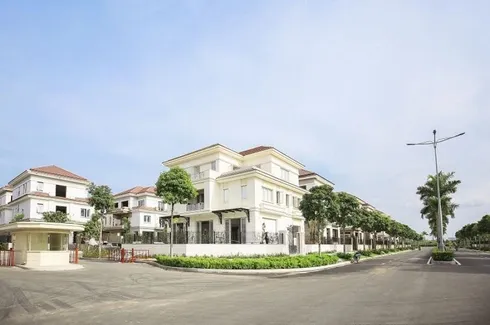
A new centre across the river
If Thảo Điền represents relaxed riverside living, Thủ Thiêm represents the future of central HCMC.
Located directly across the Saigon River from District 1, Thủ Thiêm is being developed as a new commercial and financial centre. The area combines luxury residences, premium offices, public spaces, cultural facilities and large mixed-use developments.
Within the wider Thủ Thiêm area, Sala Urban Area has become one of its most recognisable residential communities. It offers landscaped streets, luxury apartments, villas, parks and convenient access to central HCMC.
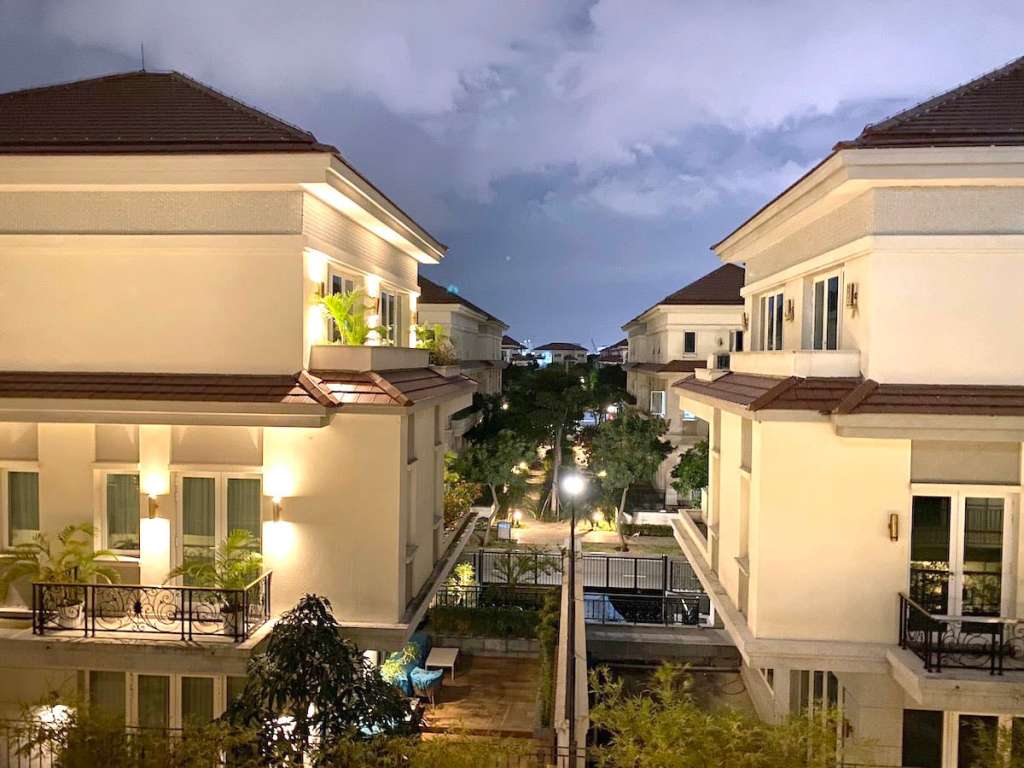
IQI Global identifies Thủ Thiêm as one of the key infrastructure-linked areas investors should watch, especially because HCMC continues to have the country’s deepest rental market.
What attracts wealthy residents?
Thủ Thiêm’s appeal comes from:
- Proximity to District 1
- Modern master planning
- Saigon River and skyline views
- New luxury residential projects
- Future commercial and financial activity
- Wider roads and newer infrastructure
- Limited supply of well-positioned riverfront land
The lifestyle here is more polished and contemporary than Thảo Điền. Instead of converted villas and independent cafés, residents are more likely to live in newer luxury towers or integrated developments.
Investor perspective
Thủ Thiêm is better suited to investors focused on long-term capital value and urban transformation.
Rental demand may come from executives, finance professionals, entrepreneurs and international companies operating near the new financial district. However, investors should compare completed projects with future developments carefully.
A prestigious address alone is not enough. Important considerations include:
- Actual occupancy levels
- Surrounding construction
- Completion timelines
- Title documentation
- Building management
- Foreign ownership quota
- Resale competition within the same development
Thủ Thiêm has considerable potential, but entry prices can be high and returns may take time to mature.
3. Phú Mỹ Hưng: Planned Living for Affluent Families
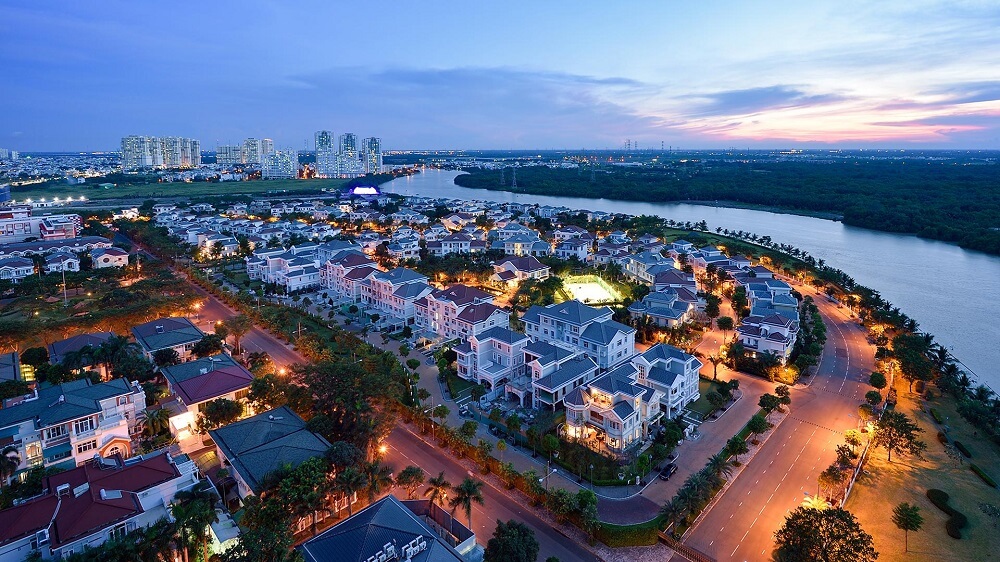
HCMC’s established modern township
Located in District 7, Phú Mỹ Hưng offers a different version of luxury.
Rather than relying on nightlife or city-centre prestige, the area is known for order, space and family-friendly planning. It has broad roads, landscaped public areas, luxury condominiums, villas, schools, healthcare facilities and shopping centres.
The official township describes Phú Mỹ Hưng as an internationally planned urban area built around an all-in-one service ecosystem.
It is especially popular among families who want a calmer and more predictable environment than central HCMC.
What makes it attractive?
Phú Mỹ Hưng is known for:
- Gated villa communities
- Modern condominiums
- International schools
- Hospitals and medical centres
- Shopping malls and supermarkets
- Parks and pedestrian-friendly areas
- Established Korean and international communities
The neighbourhood feels spacious and organised. Daily necessities are usually close by, which makes it practical for families with children.
While Thảo Điền has a creative and boutique atmosphere, Phú Mỹ Hưng feels more structured, residential and family-centred.
Investor perspective
Phú Mỹ Hưng is well suited to investors seeking relatively stable, long-term tenants such as:
- International families
- Korean professionals
- Corporate tenants
- Senior managers
- Families with children attending nearby schools
District 7 is included among the HCMC urban condominium markets where estimated gross rental yields can range from 3.5% to 8%, depending on the unit, price, building and tenant segment. These are broad market estimates, not guaranteed returns for every project.
Investors should prioritise practical layouts, good maintenance, nearby schools and units suitable for families rather than buying based only on decorative finishes.
4. Diamond Island: Private and Discreet Waterfront Living
A quieter form of wealth
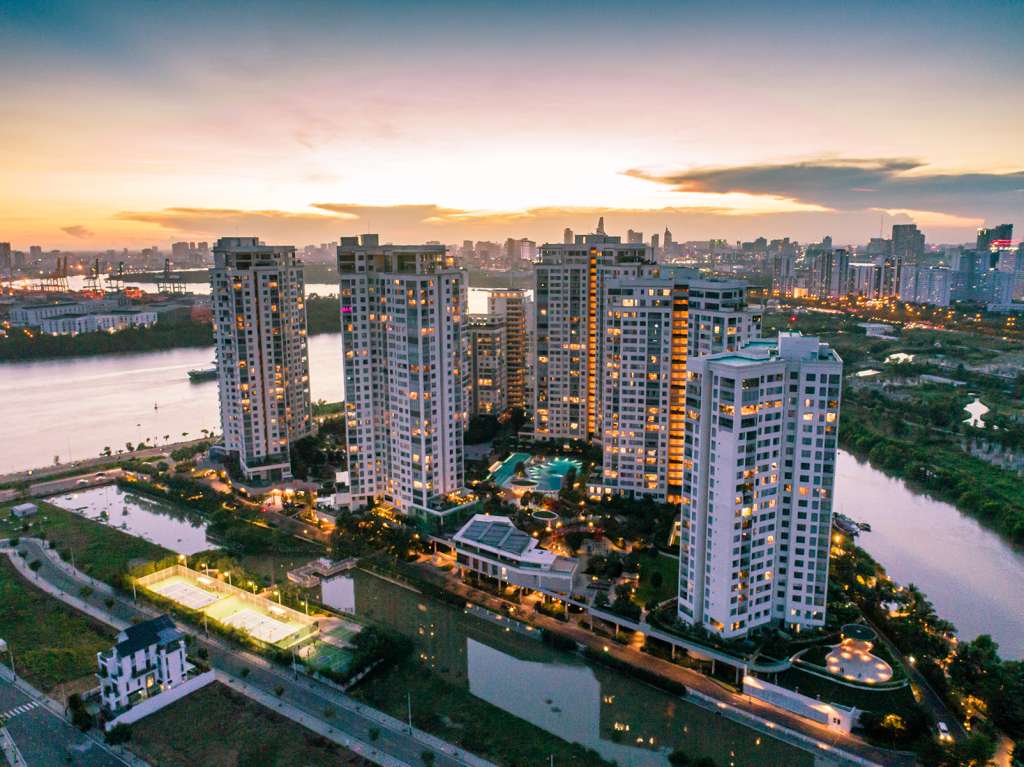
Diamond Island, also known as Đảo Kim Cương, is a private residential enclave surrounded by the Saigon River and Giồng Ông Tố River.
Unlike Thảo Điền or Phú Mỹ Hưng, it is not a broad neighbourhood filled with shops, schools and independent businesses. It is a smaller, more controlled residential environment centred around luxury condominiums and waterfront living.
Its main attraction is privacy.
For wealthy residents who do not need to live within a busy lifestyle district, Diamond Island offers a calmer environment with water views, security and lower-density surroundings.
What makes it different?
Diamond Island appeals to residents who value:
- Controlled access
- Waterfront views
- Privacy and security
- Resort-style facilities
- Distance from heavy through-traffic
- A more discreet residential environment
In community discussions, the enclave is associated with business owners, senior executives and affluent families who prefer privacy over visibility. Such comments should be treated as anecdotal because the identities and wealth of individual residents cannot be independently confirmed.
Investor perspective
The privacy that makes Diamond Island attractive can also create investment limitations.
Investors should consider:
- A smaller pool of potential tenants
- Dependence on private vehicles
- Accessibility during peak-hour traffic
- Competition from newer riverside developments
- Service and management fees
- Resale liquidity
Diamond Island may work best for investors targeting premium tenants who actively want a peaceful waterfront lifestyle. It is less suitable for investors seeking mass-market demand or very fast resale turnover.
5. Tây Hồ and West Lake: Hanoi’s Diplomatic and International Address
Lakeside living in the capital
In Hanoi, one of the most recognisable affluent areas is Tây Hồ, which surrounds part of West Lake.
The neighbourhood has long attracted diplomats, foreign executives, entrepreneurs and internationally connected Vietnamese residents. Its large lake, lower-density streets, villas, restaurants and international services create a lifestyle that feels noticeably different from Hanoi’s historic centre.
Tây Hồ is not entirely luxurious. It includes a broad mix of older housing, local communities, serviced apartments, modern condominiums and premium villas. However, its most desirable lakeside pockets remain among the capital’s most prestigious addresses.
Why do wealthy residents choose Tây Hồ?
The area offers:
- Lake views and waterfront roads
- Diplomatic residences and embassies
- International restaurants and cafés
- Luxury apartments and private villas
- International schools within reach
- Wellness and leisure facilities
- A strong expatriate community
It provides the international convenience of Thảo Điền while retaining Hanoi’s quieter, more traditional character.
Investor perspective
Tây Hồ has an established long-term rental market supported by diplomats, international organisations, corporate tenants and expatriate families.
IQI Global estimates gross rental yields for urban Hanoi condominiums, including areas such as Tây Hồ and Ba Đình, at around 2.9% to 7%. Monthly rents for a one-bedroom apartment were broadly estimated at US$400 to US$650, although premium serviced units can command more.
Investors should assess:
- Actual lake views, not only marketing descriptions
- Road noise and access
- Air quality during different seasons
- Building age and maintenance
- Competition from serviced apartments
- Distance from schools and offices
Tây Hồ is usually better positioned for stable lifestyle-led demand than speculative short-term gains.
6. Ciputra Hanoi: Security, Schools and Established Prestige
Hanoi’s classic gated community
Ciputra International City is one of Hanoi’s best-known gated residential developments.
Located in the northwest of Hanoi, it was designed as an integrated township where residents could access housing, education, recreation and daily services within one controlled environment.
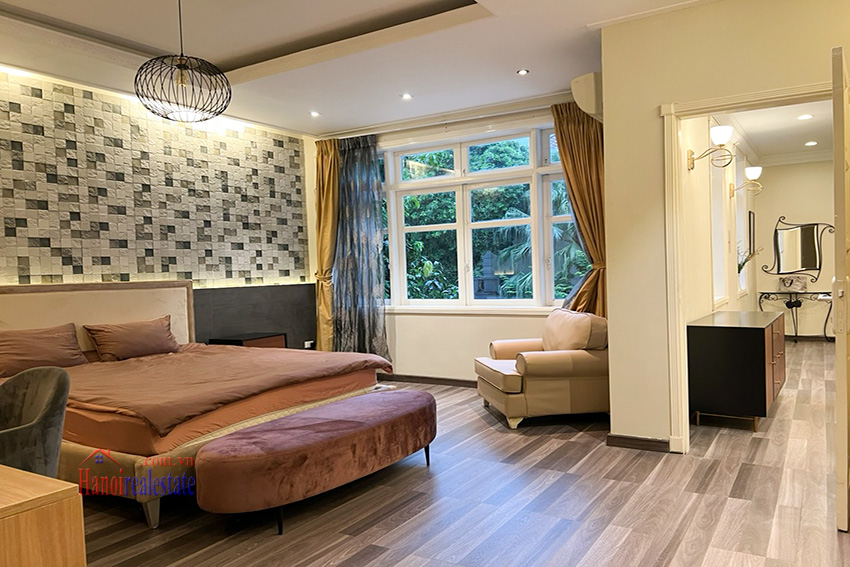
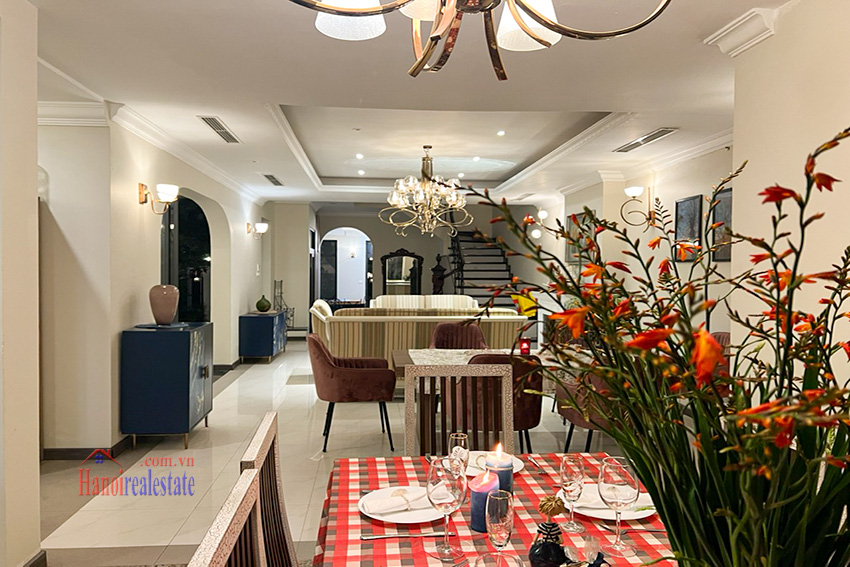
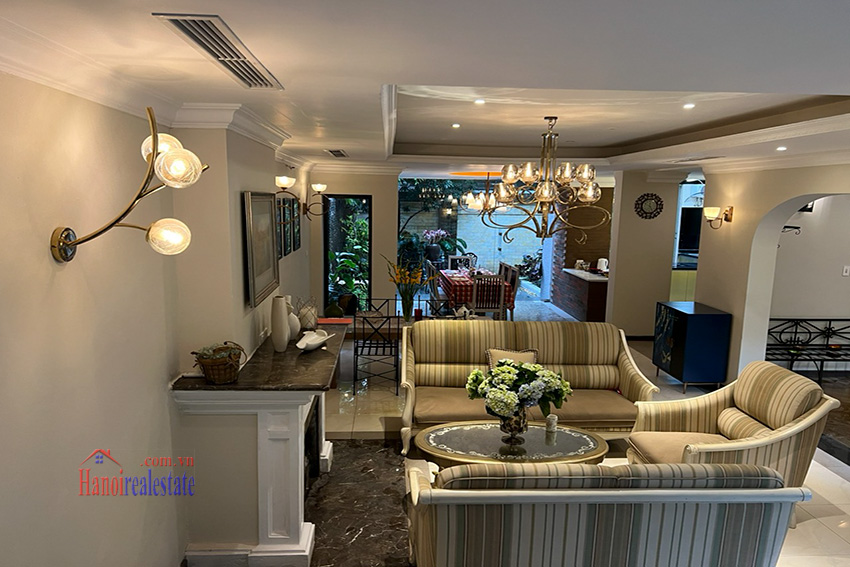
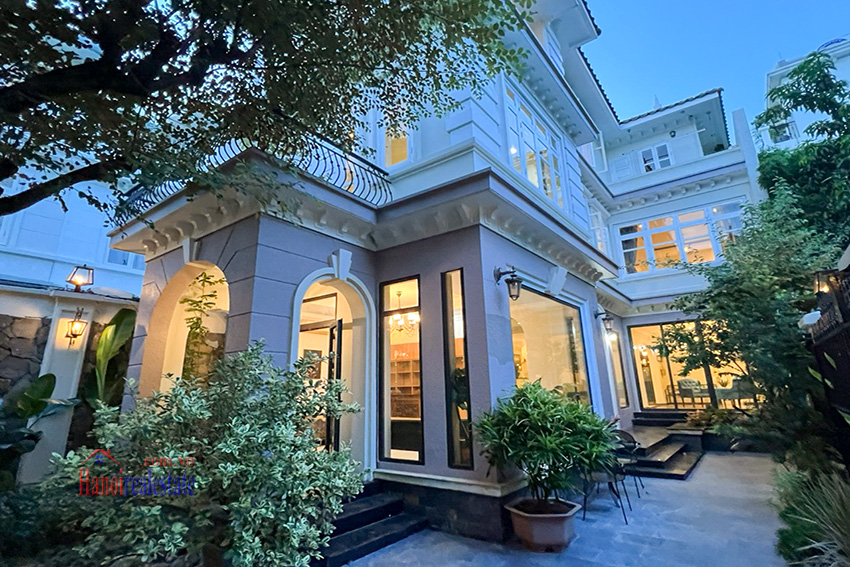
Ciputra became associated with both Hanoi’s local elite and expatriate community. Its large villas, landscaped roads, private schools, security and clubhouse facilities helped establish a model for high-end gated living in the capital.
Why does Ciputra remain desirable?
Its strongest advantages include:
- Large villas and family-sized homes
- Gated entrances and private security
- International schools
- Landscaped streets
- Recreational and clubhouse facilities
- Established community reputation
- Relative privacy from Hanoi’s congestion
Unlike newer luxury towers, Ciputra’s appeal is built around space and community rather than height or skyline views.
It is particularly attractive to families who value security and education more than central-city nightlife.
Investor perspective
Ciputra can benefit from a relatively specific but financially capable tenant segment:
- Diplomats
- International-school families
- Senior corporate executives
- Long-term expatriates
- Affluent Vietnamese households
However, investors should understand that large homes often require higher maintenance spending. Older villas may also need renovation to compete with newer luxury developments.
The historical reputation is valuable, but property condition, renovation quality and proximity to schools can significantly influence rentability.
The development has also been discussed as part of a wider debate about inequality and social separation within gated communities. This context should not be ignored when presenting it purely as a lifestyle destination.
7. Ecopark: Green Township Living Beyond Central Hanoi
Where space becomes the luxury
Ecopark represents a more suburban version of affluent living.
Located on the eastern side of Hanoi, the large master-planned township combines villas, apartments, shophouses, schools, landscaped parks, water features and recreational facilities.
Its main promise is not city-centre convenience. It is the opportunity to enjoy more greenery, open space and a quieter family environment.
The development has been promoted as a resort-style township built around the relationship between nature and modern urban living.
What attracts residents?
Ecopark offers:
- Extensive landscaping and green space
- Villas and modern apartment communities
- Family-oriented facilities
- Schools and educational institutions
- Parks, lakes and recreational areas
- A township environment away from central congestion
It can appeal to affluent families who work remotely, do not need to commute daily or prefer a larger home outside the city centre.
Investor perspective
Ecopark may offer longer-term potential as infrastructure and surrounding economic activity improve. However, investors should not treat every property within a large township as having the same value.
Important considerations include:
- Distance to central Hanoi
- Actual travel time during peak hours
- Occupancy within the specific precinct
- Nearby schools and commercial facilities
- Differences between completed and future phases
- Resale supply within the township
- The target tenant for each property type
Ecopark may be more attractive as a family home, second residence or long-term township investment than as a high-yield city-centre rental property.
Its development history has also involved land-acquisition disputes, which should be acknowledged when discussing the township’s broader social impact.
Which Wealthy Vietnam Neighbourhood Matches Your Lifestyle?
| Area | Best suited for | Main attraction | Investor angle |
|---|---|---|---|
| Thảo Điền | Entrepreneurs, expatriates and creative professionals | Riverside lifestyle, international schools and dining | Established premium rental demand |
| Thủ Thiêm and Sala | Executives and future-focused urban buyers | New financial centre and modern infrastructure | Long-term capital appreciation potential |
| Phú Mỹ Hưng | Affluent families and international households | Planned environment, schools and family facilities | Stable long-term family tenants |
| Diamond Island | Privacy-focused wealthy residents | Controlled, waterfront and resort-style living | Niche premium tenant market |
| Tây Hồ | Diplomats, expatriates and internationally connected families | West Lake, villas and international lifestyle | Established serviced and long-term rental demand |
| Ciputra Hanoi | Families prioritising security and education | Gated living, large homes and schools | Corporate and international-family tenants |
| Ecopark | Families seeking space, nature and quieter living | Green township and resort-style environment | Long-term township growth potential |
HCMC or Hanoi: Which Luxury Market Is Better for Investors?
Vietnam’s two largest cities offer different investment propositions.
HCMC: deeper rental demand
HCMC remains Vietnam’s economic engine and attracts more international buyers. It has strong demand from corporate tenants, expatriates, entrepreneurs and professionals.
IQI Global estimated the city’s average apartment price at approximately US$3,000 per sqm in Q2 2025. HCMC urban condominiums recorded broad estimated gross rental yields of around 3.5% to 8%.
HCMC may be the stronger choice for investors prioritising:
- Rental demand
- International tenants
- Corporate leasing
- Infrastructure-led districts
- A more mature resale market
Hanoi: stronger recent price growth
Hanoi has experienced sharp apartment price increases due to low supply and strong demand.
Average primary asking prices were estimated at around US$2,836 to US$3,284 per sqm in Q2 2025, with late-2024 and early-2025 price growth ranging from approximately 22.3% to 36% year-on-year.
Hanoi may appeal more to investors prioritising:
- Capital appreciation
- Domestic buyer demand
- Family-sized residences
- Government and corporate tenants
- Limited supply in established districts
Recent growth should not automatically be projected into the future. Rapid price increases can also reduce affordability and compress rental yields.
Four Things Investors Should Check Before Buying
1. Do not confuse prestige with returns
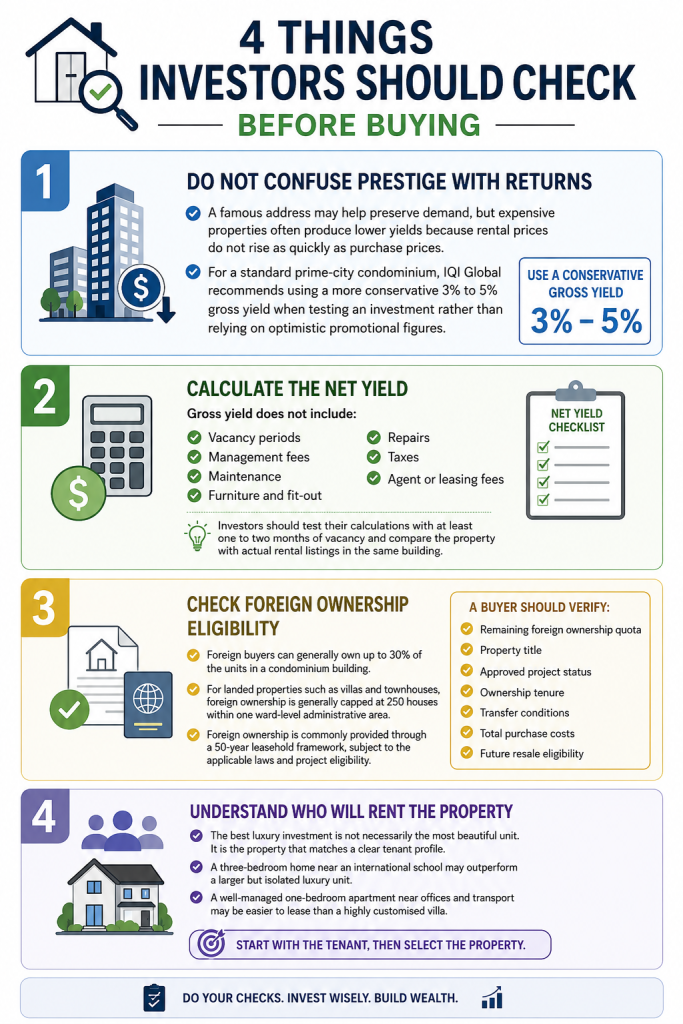
A famous address may help preserve demand, but expensive properties often produce lower yields because rental prices do not rise as quickly as purchase prices.
For a standard prime-city condominium, IQI Global recommends using a more conservative 3% to 5% gross yield when testing an investment rather than relying on optimistic promotional figures.
2. Calculate the net yield
Gross yield does not include:
- Vacancy periods
- Management fees
- Maintenance
- Furniture and fit-out
- Repairs
- Taxes
- Agent or leasing fees
Investors should test their calculations with at least one to two months of vacancy and compare the property with actual rental listings in the same building.
3. Check foreign ownership eligibility
Foreign buyers can generally own up to 30% of the units in a condominium building.
For landed properties such as villas and townhouses, foreign ownership is generally capped at 250 houses within one ward-level administrative area. Foreign ownership is commonly provided through a 50-year leasehold framework, subject to the applicable laws and project eligibility.
A buyer should verify:
- Remaining foreign ownership quota
- Property title
- Approved project status
- Ownership tenure
- Transfer conditions
- Total purchase costs
- Future resale eligibility
4. Understand who will rent the property
The best luxury investment is not necessarily the most beautiful unit. It is the property that matches a clear tenant profile.
A three-bedroom home near an international school may outperform a larger but isolated luxury unit. A well-managed one-bedroom apartment near offices and transport may be easier to lease than a highly customised villa.
Start with the tenant, then select the property.
Wealth in Vietnam Is More Dispersed Than It Appears
Not all wealthy Vietnamese residents live in branded developments.
Some affluent families continue to live in long-established central neighbourhoods or properties connected to family businesses. Others own several homes in different cities, coastal areas or overseas.
VietnamNet’s profile of Hai Minh commune in Nam Định also shows how wealth can develop outside major cities. In that case, successful wood manufacturing, exports and traditional businesses helped fund large villas and mansion-style homes.
This means visible luxury is only one part of Vietnam’s wealth story.
Which Address Represents Vietnam’s Luxury Lifestyle Best?
There is no single answer.
Thảo Điền offers international energy, dining and creativity.
Thủ Thiêm represents modern ambition and future growth.
Phú Mỹ Hưng provides planned, family-friendly convenience.
Diamond Island offers discreet waterfront privacy.
Tây Hồ combines Hanoi’s diplomatic character with lakeside living.
Ciputra provides established gated-community prestige.
Ecopark gives residents something increasingly valuable in a growing city: space, greenery and distance from congestion.
For investors, the right choice should depend on more than the neighbourhood’s reputation. It should reflect the property’s entry price, tenant profile, foreign ownership eligibility, expected vacancy and long-term development outlook.
Explore Vietnam’s Luxury Property Market With IQI Global
Whether you are looking for a lifestyle home, an internationally connected residence or a property with long-term investment potential, local market knowledge matters.
Connect with IQI Global’s property specialists to compare locations, verify foreign ownership eligibility and discover properties that match your lifestyle and investment goals.
Continue reading:
