

































19%*
YOY Price Growth
Sustained demand and population growth.

Greetings! I am JIQI. 👋
How may I assist you today? 😊
Please choose one of the following options:

JIQI can make mistakes. Always verify listings and prices with an IQI agent before making any property decisions.
IQI United Arab Emirates provides comprehensive real estate services and makes your real estate process easy with our professional team
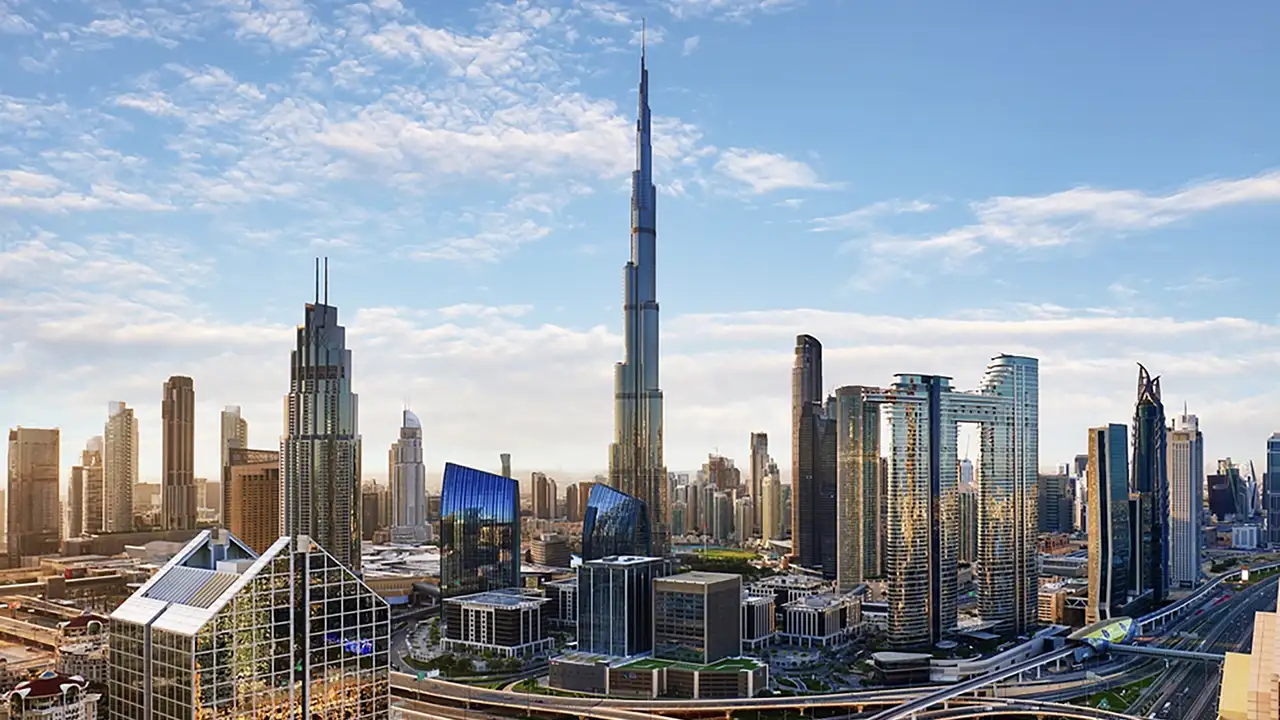
YOY Price Growth
Sustained demand and population growth.
Rental Yield
Outperforms London, New York, and Singapore.
Income & Capital Gains Tax
No inheritance or wealth tax either.
Foreign Freehold Ownership
In prime Dubai freehold and investment zones.
Curated Opportunities
Three handpicked projects — selected by our advisory team for their exceptional return profile, developer credibility, and location fundamentals.
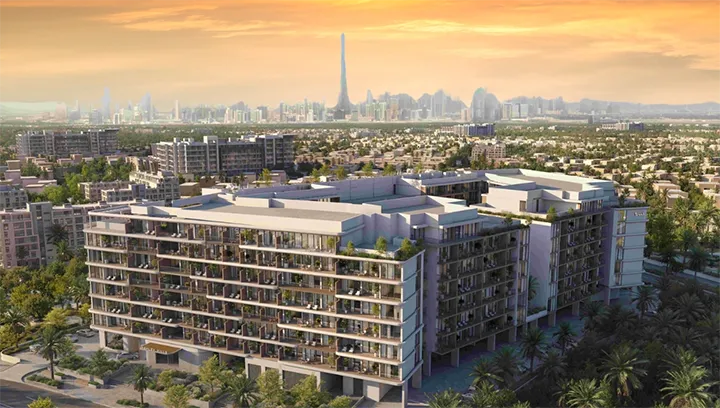
Jumeirah Village Triangle • Dubai
Starting From
AED 820,000
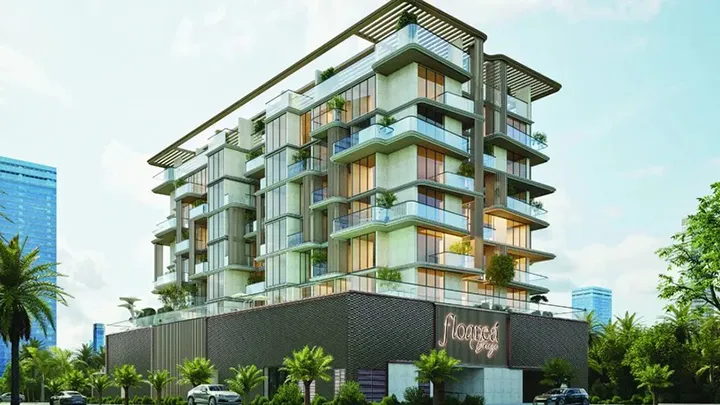
Al Furjan • Dubai
Starting From
AED 760,000
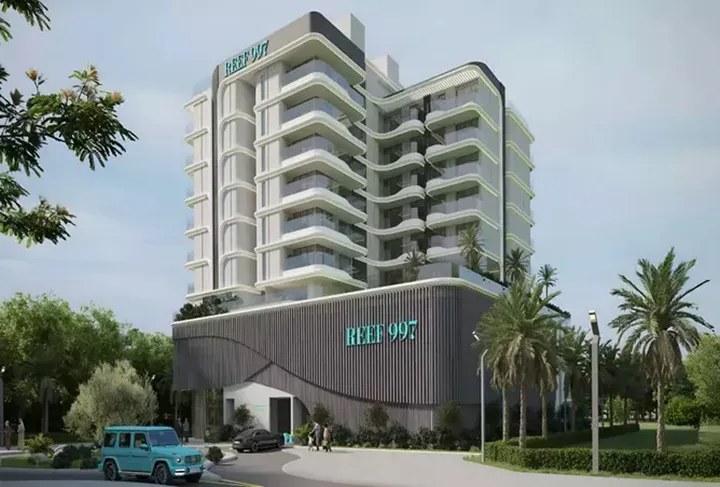
Al Marjan Island • Ras Al Khaimah
Starting From
AED 997,000
Our Story

Countries
Agents
We don't just wait for buyers; we find them through our 70,000+ strong network before your property even hits the open market.
Aftab Ahmed
Senior Dubai Property Advisor • 8+ Years
I don't just sell property; I help you navigate the Dubai market with confidence. With 8+ years on the ground and AED 200M in transactions, my goal is simple: to protect your capital and find the right home for your goals. I’m here to give you the honest, data-backed advice I’d give my own family.
Aftab Ahmed
Senior Dubai Property Advisor • 8+ Years
I don't just sell property; I help you navigate the Dubai market with confidence. With 8+ years on the ground and AED 200M in transactions, my goal is simple: to protect your capital and find the right home for your goals. I’m here to give you the honest, data-backed advice I’d give my own family.
Our Dubai advisory team has collectively guided hundreds of international investors from first enquiry to title deed.
Every investor is different. Your budget, risk appetite, residency ambitions, and timeline all shape what the right Dubai property looks like for you.










Testimonials

Fill in the form and one of our Dubai investment advisors will reach out within 24 hours to discuss your goals, budget, and the best opportunities available right now.
What happens next?
Knowledge Hub
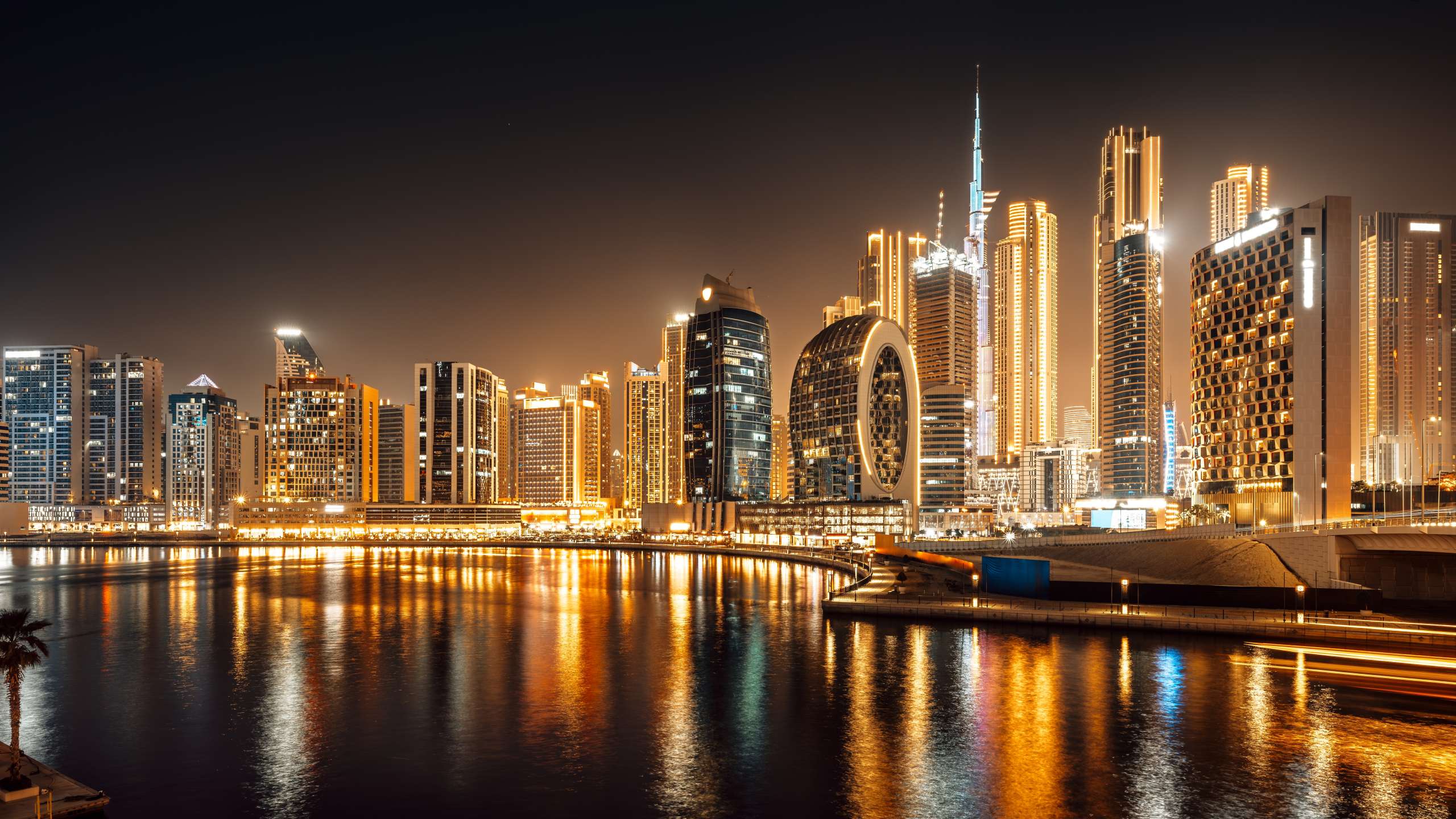 Dubai Property Investment 2026: Why UAE Investors Are Going Global for Wealth Protection
As global uncertainty, inflation concerns, and geopolitical risks continue shaping investment decisions, cross-border real estate is becoming a core wealth-building strategy for UAE residents. Rather than focusing solely on domestic markets, investors are increasingly using international property portfolios to diversify risk, preserve wealth, and secure long-term financial stability. This trend is placing Dubai at the centre of global real estate investment activity. Dubai Leads the Cross-Border Investment Trend Dubai continues to strengthen its position as one of the world's most active international property markets. Real estate transaction values approached AED 500 billion in 2025, supported by sustained double-digit annual growth and increasing participation from overseas buyers. Indian investors remain the largest foreign buyer group, followed by investors from the UK, China, Saudi Arabia, and Russia. More importantly, many of these purchases are being made as long-term wealth and residency strategies rather than short-term speculation. Real Estate as a Wealth Preservation Tool For many UAE-based professionals, entrepreneurs, and high-net-worth individuals, cross-border property ownership offers more than investment returns. It provides protection against currency concentration, reduces dependence on a single market, and supports long-term family wealth planning. Real estate's combination of rental income, inflation protection, and tangible asset ownership continues to make it a preferred asset class during periods of uncertainty. Recent data also highlights growing institutional confidence in the sector. According to Knight Frank's Global Wealth Report, 44% of family offices worldwide plan to increase their real estate exposure, reinforcing the view that property remains a key component of long-term wealth strategies. Outlook As global investors become more focused on diversification and resilience, Dubai is expected to remain a major gateway for international property investment. While market conditions continue evolving, demand for cross-border real estate is likely to stay strong as investors prioritise wealth preservation, geographic diversification, and stable long-term returns. For UAE residents, building a globally diversified property portfolio may become an increasingly important part of future wealth planning. Download to see insights from other country marketsDownload
Continue Reading
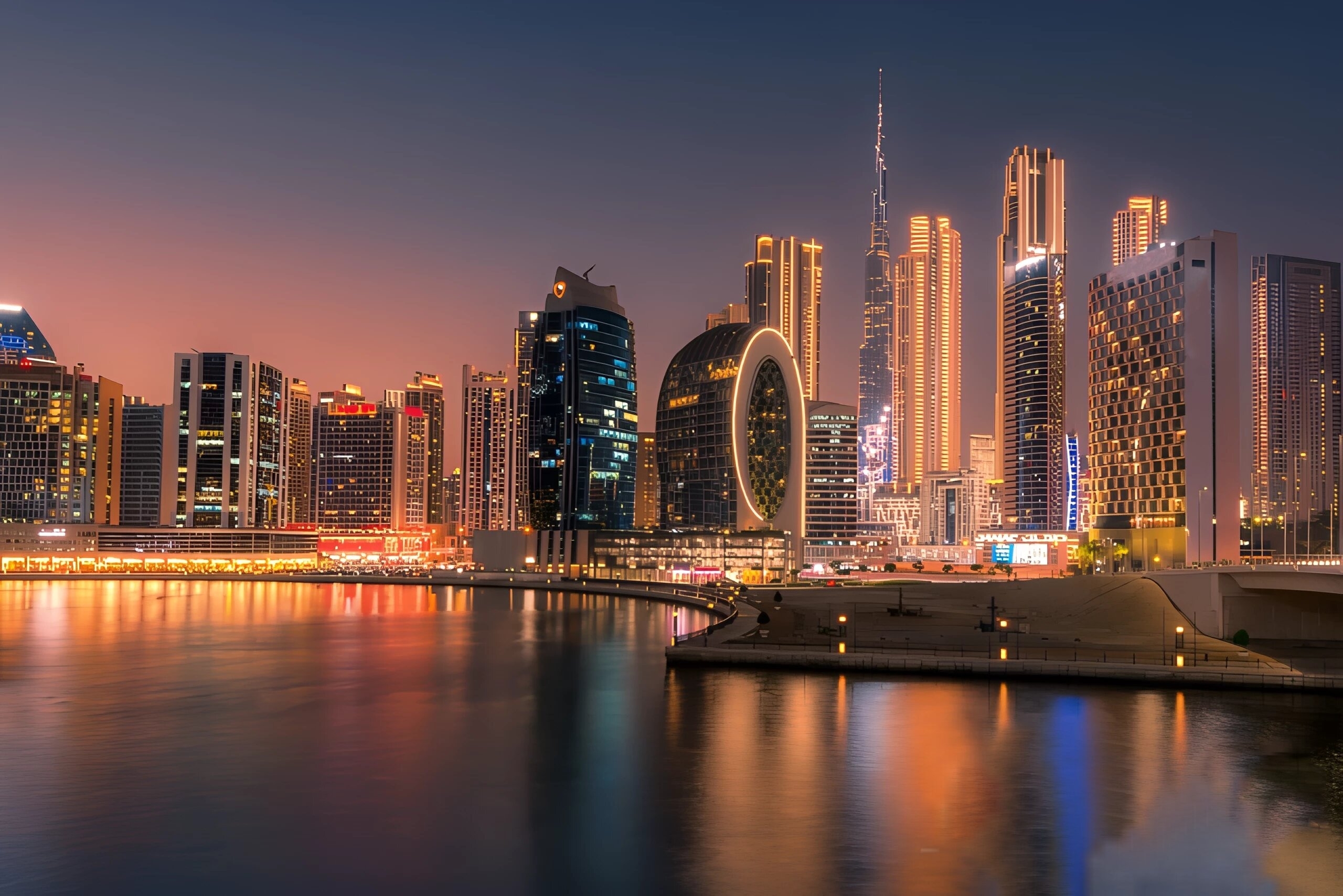 Dubai Real Estate: Why Developer Credibility Now Matters as Much as Location
Dubai’s property market has long been driven by location, but in 2026, investors are looking beyond the address. With rapid development cycles and a strong off-plan market, developer credibility has become one of the most important factors in deciding whether an investment succeeds. Buyers are not only purchasing a property. They are trusting a developer to deliver the project, quality and long-term value promised. Off-Plan Demand Raises the Stakes Dubai recorded strong activity, with over 17,000 transactions and around AED 70 billion in sales recently. More importantly, around 70% of activity came from off-plan units. This makes execution risk a major consideration. Delays, redesigns, cost pressure and poor finishing can affect final returns, even when the location is attractive. Developer Quality Shapes Property Value In areas such as Business Bay and JVC, nearby towers can achieve very different rental and resale values. The difference is often not location, but build quality, finishing, maintenance and brand trust. This is why investors are increasingly willing to pay a premium for developers with a proven delivery record. Investors Are Buying Promises In an off-plan-heavy market, the product is not fully visible at the time of purchase. Investors are effectively buying a promise that the project will be completed well, on time and to the expected standard. That makes due diligence more important. Track record, financial strength, contractor network and post-handover management are no longer secondary details. They are part of the investment case. Outlook Dubai will remain a strong real estate market, but investor behaviour is becoming more selective. Established locations will continue to attract demand, but the gap between strong and weak projects may widen. For buyers and investors, the key is no longer just choosing the right area. It is choosing the right developer, the right product and the right execution strategy. Download to see insights from other country marketsDownload
Continue Reading
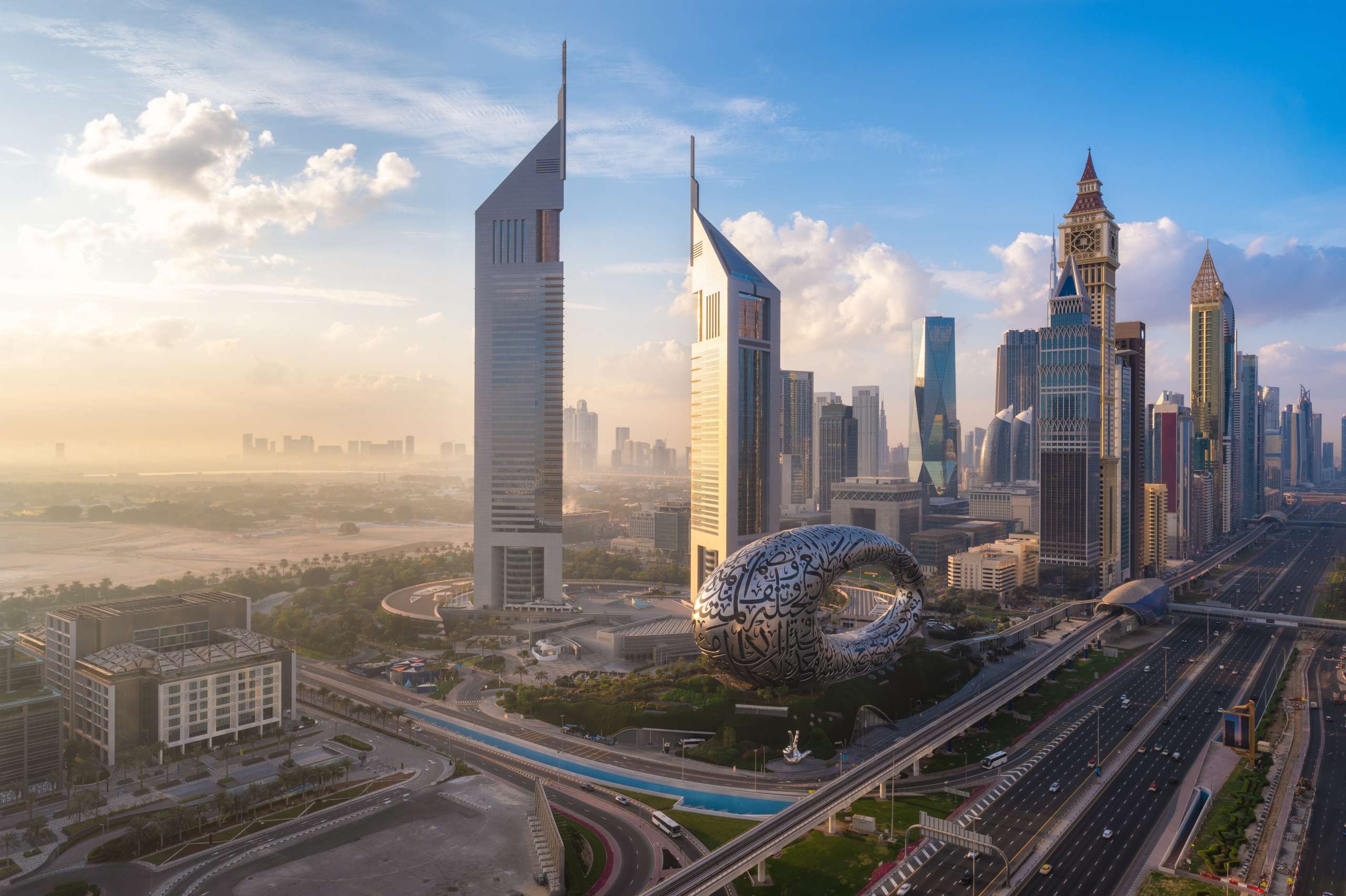 Dubai Property Market Shows Strong Resilience with Long-Term Growth Momentum
Dubai Property Market Built on Long-Term Resilience Dubai’s property market continues to stand out in 2026 as one of the most resilient real estate markets globally. Despite nearly two decades of global disruptions, including financial crises and the pandemic, the market has consistently rebounded and maintained a strong long-term upward trajectory. The market’s ability to recover quickly is rooted in its adaptive structure. After the 2008 financial crisis, Dubai implemented regulatory reforms and improved oversight, restoring confidence and laying the foundation for sustained growth. A similar pattern was seen during the COVID-19 period, where prices declined only modestly before rebounding rapidly as the economy reopened. Strong Fundamentals Drive Consistent Growth Dubai’s growth is supported by a combination of investor-friendly policies, strong infrastructure, and global positioning. Initiatives such as long-term residency programmes and foreign ownership policies have strengthened international demand, while major global events like Expo 2020 have further boosted investment activity and price growth. Over time, property prices have shown consistent expansion, rising significantly since 2008 despite cyclical fluctuations. This reflects the market’s ability to absorb downturns and return to growth quickly, reinforcing its reputation as a stable and attractive investment destination. Outlook Looking ahead, Dubai’s property market is expected to maintain steady growth, supported by continued international demand, population inflows, and pro-investment policies. While market cycles will remain part of the landscape, the emirate’s proven ability to recover quickly and expand positions it as a strong long-term investment destination in an increasingly uncertain global environment. Download to see insights from other country marketslDownload
Continue Reading
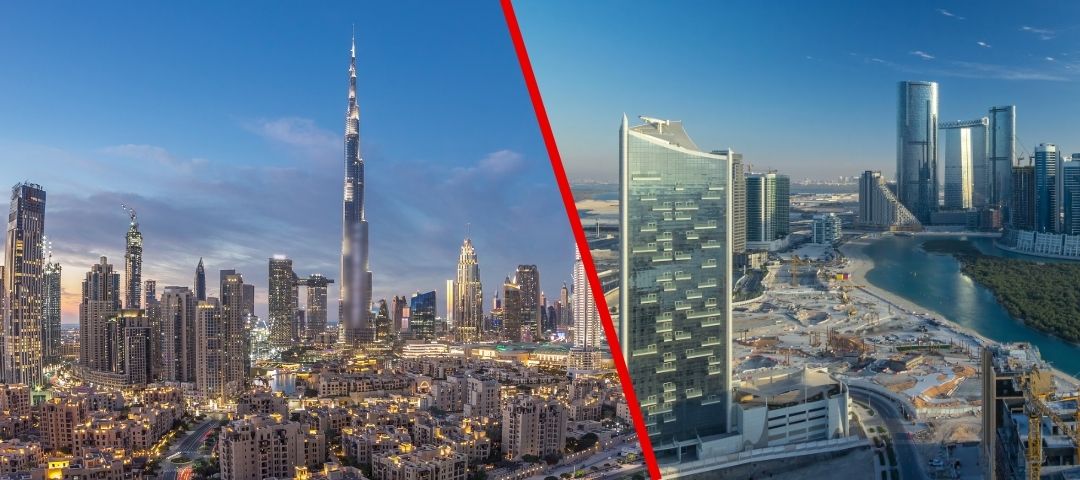 Where to Invest? Dubai vs. Abu Dhabi Rental Yields 2026
If you’re eyeing the UAE real estate market right now, you’re not alone. Investors from around the world are pouring capital into the Emirates—and for good reason. But as we navigate the current landscape, the most critical question for your portfolio is: Dubai vs. Abu Dhabi rental yields in 2026—which city actually delivers the better ROI? While both markets offer tax-friendly frameworks and world-class lifestyles, the "best bang for your buck" depends on whether you value high-octane liquidity or steady, sovereign-backed stability. Let’s break down the data, the hotspots, and the emerging supply trends so you can invest with total confidence. Dubai or Abu Dhabi? Key Differences for Real Estate Investors in the UAEThe UAE’s Economic Resilience: Why Investors Are Doubling Down in 2026Dubai Market Pulse: High-Yield Districts and Upcoming SupplyAbu Dhabi’s Strategic Edge: Stability and Long-Term Capital GainsHead-to-Head: Dubai vs. Abu Dhabi (2026 Edition)4 Recession-Proof Investment Strategies for 2026How to Calculate Your Rental YieldThe Verdict: Where to Park Your Capital for Maximum ROIFrequently Asked Questions (FAQs) The UAE’s Economic Resilience: Why Investors Are Doubling Down in 2026 Before we pit Dubai against Abu Dhabi, let’s talk about why the UAE as a whole continues to be one of the smartest places to park your property investment dollars. Zero tax on rental income and capital gains. That’s right — your rental profits stay in your pocket. No income tax, no capital gains tax. The UAE’s tax-free environment is one of the biggest draws for savvy investors worldwide. The Golden Visa advantage. Invest at least AED 2 million in real estate, and you could qualify for a long-term residency visa of up to 10 years. That’s not just an investment — it’s a lifestyle upgrade for you and your family. ? Read more: Everything You Need to Know About UAE’s Golden Visa Rock-solid stability. The UAE boasts a stable political climate, low crime rates, and a diversified economy that continues to grow. Your investment is in safe hands. Strategic global positioning. Sitting at the crossroads of Asia, Europe, and Africa, the UAE is a magnet for international businesses and global talent — which means steady tenant demand. Yields that outperform. Average rental yields in prime areas hover around 7%, with some locations delivering as high as 10%. Compare that to London or Hong Kong, and the numbers speak for themselves. Currency stability. The UAE Dirham is pegged to the US Dollar, eliminating exchange rate risk and giving international investors peace of mind. Dubai Market Pulse: High-Yield Districts and Upcoming Supply Dubai needs no introduction. From the Burj Khalifa to the Palm Jumeirah, this city is synonymous with ambition, luxury, and opportunity. But beyond the glitz, Dubai’s real estate fundamentals are incredibly strong. What’s Happening in Dubai’s Market? The numbers tell a compelling story. In Q1 2024, residential transactions saw a 20% annual increase, with over 6,450 new units added to the market in that quarter alone. With an estimated 64,000 additional units expected by the end of 2024 and 52,000 more in the pipeline for the following year, Dubai’s real estate machine is firing on all cylinders. Average rental yields across Dubai range from 5% to 9% — well above the UAE average of 4.87%. ? Deep dive: Dubai Property Market 2026: Power, Growth & Stability Top Areas to Watch in Dubai Here’s where the smart money is going: AreaProperty TypeGross Yield (%)Price (USD)Monthly RentAl FurjanStudio8.51%$159,814$1,134Downtown DubaiStudio7.92%$392,050$2,586JVCStudio7.87%$190,034$1,247ArjanStudio7.58%$183,092$1,157JLTStudio7.22%$245,031$1,474Business BayStudio6.68%$312,823$1,742Dubai MarinaStudio6.50%$355,839$1,928 Source: Global Property Guide & Bayut. Figures are indicative and subject to market changes. Area Spotlights Al Furjan leads the pack with an impressive 8.51% yield. It’s a family-friendly community with a growing infrastructure — exactly the kind of area that savvy investors love to get into early. Downtown Dubai delivers 7.92% yields and commands premium rents thanks to its iconic location near the Burj Khalifa and Dubai Mall. High-income professionals and tourists keep demand consistently strong. JVC (Jumeirah Village Circle) at 7.87% is a sweet spot for families, offering parks, schools, and community living at accessible price points. Dubai Marina may offer a slightly lower yield at 6.50%, but the waterfront lifestyle and strong capital appreciation potential make it a perennial favourite. The Dubai Advantage High and consistent rental yields across multiple areas Strong capital appreciation, especially in prime locations More established freehold options for foreign investors Booming short-term rental (Airbnb) market driven by tourism World-class infrastructure and a dynamic, cosmopolitan lifestyle What to Watch Out For No market is perfect. Dubai’s rapid development means more competition for tenants as new supply enters the market. Service charges can also vary significantly between developments, so always factor those into your net yield calculations. ? Related: Leasehold vs Freehold: Which Is the Better Offer of a Lifetime? Abu Dhabi’s Strategic Edge: Stability and Long-Term Capital Gains Abu Dhabi plays a different game. As the UAE’s capital city, it’s known for stability, long-term vision, and strong government-backed growth. If Dubai is the sports car, Abu Dhabi is the luxury sedan — reliable, powerful, and built for the long haul. What’s Happening in Abu Dhabi’s Market? The first half of 2024 saw a massive 102% growth in residential rental contracts compared to the same period the previous year, with 49,135 contracts registered. Demand is outpacing supply, especially in prime areas, pushing rental rates higher. Average rental yields across Abu Dhabi range from 6% to 8%, with standout areas offering even more. Top Areas to Watch in Abu Dhabi Here’s where the opportunities are: AreaProperty TypeGross Yield (%)Price (USD)Monthly RentAl Reem IslandStudio9.50%$200,653$1,588Al GhadeerStudio7.05–8.28%$460,948$3,144Al ReefStudio8.00%$470,461$3,540Yas IslandStudio7.79%$244,486$1,588Masdar CityStudio7.39%$587,980$4,118Al Maryah IslandStudio6.91–6.94%$675,875$8,409Al Raha BeachStudio6.06–7.48%$978,282$5,465Saadiyat IslandStudio4.04–4.66%$1,210,913$4,853 Source: Global Property Guide, Bayut & Zawya. Figures are indicative and subject to market changes. Area Spotlights Al Reem Island is the standout performer at a remarkable 9.50% yield. Popular with young professionals and families, this natural island offers vibrant waterfront living at relatively accessible prices. Al Reef delivers a solid 8.00% yield and is a favourite among budget-conscious investors. Families love it for its community vibe, and the price point makes it an easy entry into Abu Dhabi’s market. Yas Island — home to Ferrari World and the Yas Marina Circuit — pulls in both tourists and long-term residents, offering 7.79% yields with strong demand year-round. Saadiyat Island offers lower yields (4–5%) but attracts high-net-worth individuals drawn to cultural landmarks like the Louvre Abu Dhabi. It’s a prestige play rather than a yield play. The Abu Dhabi Advantage Market stability and consistent long-term growth Strong government backing through Abu Dhabi Economic Vision 2030 Growing focus on sustainable and eco-friendly developments More affordable entry points in key areas What to Watch Out For Freehold ownership for foreigners is limited to designated investment zones like Al Reem Island, Saadiyat Island, Yas Island, and Al Raha Beach. The market also moves at a slower pace compared to Dubai, so it’s better suited for investors with a longer time horizon. Head-to-Head: Dubai vs. Abu Dhabi (2026 Edition) Choosing between Dubai and Abu Dhabi isn't about finding the 'better' market—it's about matching a city to your strategic goals. In 2026, Dubai remains the global engine for immediate liquidity and high-margin rental income, particularly in the holiday home sector. Conversely, Abu Dhabi has solidified its position as the region's capital for stability, where lower transaction fees and a tighter supply-demand balance offer a defensive play for long-term wealth preservation. So how do these two emirates really stack up? Here’s the quick comparison: FeatureDubaiAbu DhabiRental Yields5–9% in prime areas6–8%, with Al Reem hitting 9.5%Property PricesHigher on averageGenerally more affordableMarket PaceFast, dynamic, high turnoverSteady, stable, long-term focusedInvestment StyleGreat for both short & long-termBest suited for long-term holdsLifestyleCosmopolitan, fast-paced, luxuriousFamily-oriented, culturally richFreehold OptionsWidely availableLimited to designated zonesShort-Term RentalsStrong Airbnb marketGrowing, especially Yas IslandEconomic FocusTourism, trade, financeDiversifying from oil into tech & renewables 4 Recession-Proof Investment Strategies for 2026 Whether you choose Dubai or Abu Dhabi, your strategy matters just as much as the location. 1. Buy-to-Let Purchase a property and rent it out for a steady income stream. With yields averaging 7–10% in prime areas across both cities, buy-to-let remains one of the most reliable strategies in the UAE. 2. Capital Appreciation Target high-growth areas where property values are on an upward trajectory. Dubai has historically delivered stronger capital gains, while Abu Dhabi offers more predictable, stable appreciation. ? New opportunity: Dubai Property Tokenisation: Unlocking New Investment Streams 3. Short-Term Rentals (Holiday Lets) Dubai’s tourism boom makes it a hotspot for Airbnb-style rentals. Abu Dhabi is catching up, particularly around Yas Island. Just make sure you’re familiar with the local regulations. 4. Off-Plan vs. Ready Properties Off-plan purchases often come at lower prices with the potential for significant appreciation upon completion — but they carry more risk. Ready properties offer immediate rental income with lower uncertainty. Choose based on your risk appetite and timeline. ? Step-by-step: 9 Things You Need to Know Before Buying Property in Dubai How to Calculate Your Rental Yield Before you invest, you need to know your numbers. Here’s the formula: (a) Gross Rental Yield Formula: (Annual Rental Income ÷ Property Price) × 100 Example: If your monthly rent is AED 10,000, your annual income is AED 120,000. Divide by a property price of AED 1,000,000, and multiply by 100 = 12% gross yield. (b) Net Rental Yield Formula: ((Annual Rental Income – Annual Expenses) ÷ Property Price) × 100 Don’t forget to subtract service charges, maintenance costs, property management fees, and insurance. Net yield gives you the real picture of your returns. The Verdict: Where to Park Your Capital for Maximum ROI Both Dubai and Abu Dhabi offer incredible opportunities for property investors. Dubai is your pick if you want higher yields, faster returns, and a dynamic market with plenty of action. Abu Dhabi is the choice if you prefer stability, long-term growth, and a more measured approach to building wealth. The best investment? The one that aligns with your financial goals, risk tolerance, and lifestyle preferences. At IQI, we’re here to help you navigate the UAE property market with expert guidance and on-the-ground insights. Whether it’s Dubai, Abu Dhabi, or anywhere else in the world — we’ve got you covered. Frequently Asked Questions (FAQs) What is considered a good rental yield in Dubai and Abu Dhabi? In Dubai, a gross rental yield of 5–9% is considered strong, while in Abu Dhabi, 6–8% is a healthy benchmark. Some standout areas — like Al Furjan in Dubai (8.51%) and Al Reem Island in Abu Dhabi (9.50%) — can push even higher. The key is to compare gross and net yields, factoring in service charges and maintenance costs. Should I invest in Dubai or Abu Dhabi? It depends on your investment profile. Dubai suits investors looking for higher yields, faster capital appreciation, and a dynamic market with strong short-term rental demand. Abu Dhabi is ideal for those who prefer stability, long-term growth, and government-backed developments. Many experienced investors diversify across both cities. Can foreigners buy property in the UAE? Yes! Foreign nationals can purchase freehold property in designated areas across both Dubai and Abu Dhabi. Dubai offers a wider selection of freehold zones, while Abu Dhabi’s freehold areas include Al Reem Island, Saadiyat Island, Yas Island, and Al Raha Beach. Leasehold options (typically 99 years) are also available in other areas. What is the UAE Golden Visa, and how does it benefit property investors? The Golden Visa is a long-term residency programme (up to 10 years, renewable) for investors, professionals, and other qualifying individuals. If you invest at least AED 2 million in UAE real estate, you can apply for a Golden Visa — giving you and your family the right to live, work, and study in the UAE without a national sponsor. What’s the difference between freehold and leasehold property? Freehold gives you full ownership of the property and the land it sits on, indefinitely. Leasehold grants you the right to occupy the property for a set period — usually 99 years in the UAE. Freehold is generally preferred by investors for its flexibility and resale value, but leasehold properties can offer lower entry prices. Is it better to buy off-plan or ready property in the UAE? Off-plan properties often come at lower prices with flexible payment plans and the potential for strong capital gains on completion. However, they carry more risk (delays, market shifts). Ready properties give you immediate rental income and certainty. Your choice should depend on your timeline, risk appetite, and cash flow needs. What are the risks of investing in UAE real estate? Like any property market, the UAE has risks including market fluctuations, oversupply in certain segments, and varying service charges. Off-plan purchases also carry completion risk. The best way to mitigate these is to do thorough research, understand your net yields, and work with experienced real estate professionals who know the market inside out. Ready to Make Your Move? The UAE property market waits for no one. Whether you’re exploring Dubai’s high-yield hotspots or Abu Dhabi’s steady growth story, our team is ready to guide you every step of the way. Fill in your information below [custom_blog_form] Continue reading: Everything You Need to Know About UAE’s Golden Visa Dubai Property Market 2026: Power, Growth & Stability 9 Things You Need to Know Before Buying Property in Dubai Leasehold vs Freehold: Which Is the Better Offer of a Lifetime? Dubai Property Tokenisation: Unlocking New Investment Streams References: 1. UAE Government Golden visa Global Property Guide Gross rental yields in United Arab Emirates: Dubai and 4 other cities 2. Bayut Bayut Exclusive Report: Areas with top rental yields for studio units in Dubai, Abu Dhabi Bayut's Annual Dubai Sales Market Report 2023 Bayut’s Q1 2024 Data Shows Stable Apartment Prices Amidst Continued Property Surge Bayut’s Abu Dhabi Annual Sales Market Report 2023 Bayut’s Abu Dhabi Sales Market Report for H1 2024 Sale Transactions for Properties in Dubai Studio Apartments for Sale in Al Reef Studio Apartments for Rent in Al Reef Downtown Studio Apartments for Rent in Al Maryah Island Studio Apartments for Sale in Al Maryah Island Studio Apartments for Rent in Saadiyat Island Studio Apartments for Sale in Saadiyat Island Studio Apartments for Sale in Masdar City Studio Apartments for Rent in Masdar City Studio Apartments for Sale in Al Raha Beach Studio Apartments for Rent in Al Raha Beach Studio Apartments for Rent in Al Ghadeer Studio Apartments for Sale in Al Ghadeer 3. REIDIN REIDIN DATA ANALYTICS: DUBAI & ABU DHABI REAL ESTATE MARKET OVERVIEW Q1 2024 4. Average Rental Yield in Dubai: 5-9% How to Estimate Your Rental Yields in Dubai as an Investor by QUBE Development Rental Yields in Dubai: Uncovering the Areas with the Highest Returns by International Business Magazine, LLC. Top Areas for Rental Yield in Dubai: Where to Invest in 2024 by Homeland Realty 5. Average Rental Yield Abu Dhabi: 6-8% 12 market data about Abu Dhabi's real estate market (2025) by Sands of Wealth What is the average rental yield in Abu Dhabi? by Crest Range Properties Is Abu Dhabi Good for Real Estate Investment? by Property Shop Investment Is Property Cheaper in Dubai or Abu Dhabi? by Property Shop Investment 6. The Industry Leaders Pros and Cons of Buying Freehold vs. Leasehold Property in Dubai 7. The National News Abu Dhabi residential rental market is 'buzzing' as demand outweighs supply 8. Zawya Dubai and Abu Dhabi experience surging property demand and high rental yields according to dubizzle findings 9. Property Scout Properties For Sale in Al Reem Island Properties For Sale in Saadiyat Island 10. Valorisimo Freehold vs Leasehold: What You Should Know Before Buying Property in Abu Dhabi
Continue Reading
All-in-one
Juwai is the world’s largest Chinese-language property platform — connecting millions of Mandarin-speaking buyers across China, Southeast Asia, and the global diaspora with international real estate opportunities.


Monthly Active Buyers
Countries Covered
Transactions Facilitated
IQI Listed Partner Status
Discover
Sell or lease your Dubai property through IQI's global network of 60,000+ negotiators.
Explore freehold apartments, off-plan launches, and luxury villas across Dubai's top investment zones.
Join a fast-growing UAE real estate team with the tools, training, and global network to grow your career.

 IQI Global
Dubai
Al Moosa Tower 1, Sheikh Zayed Road, Dubai, United Arab Emirates
Juwai.com, Juwai.asia, IQI, and Juwai IQI are trademarks of Juwai IQI group. All rights are reserved.
© IQI Global 2026
This site is protected by reCAPTCHA and the Google Privacy Policy and Terms of Service apply.
Your privacy matters!
We use cookies to improve your browsing experience, serve personalized content, and analyze our traffic. By clicking Accept all Cookies, you agree to the storing of cookies on your device. For more details, see our Cookie Policy.
Got questions? 😊 I'm JIQI, happy to help!