

































Newsletter
Keep yourself update with our current news for Juwai IQI

Vietnam Property Market Update: HCMC Apartment Prices Hit Record High While Hanoi Slows
This article contributed by Dustin Trung Nguyen, Head IQI VietnamResidential: HCMC apartment price climbs to new peak of nearly $4,700 per square meter. Apartment prices in Ho Chi Minh City rose to an unprecedented VND120 million (US$4,691) per square meter on average in the first quarter, marking a 47% increase year-on-year. But the record price was achieved because a majority of new launches in the last three months were in the high-end and luxury segments priced at above VND100 million (US$3,870) per square meter The eastern and central districts of HCMC, where the high-end projects are largely concentrated, continue to lead the charge in new supply, accounting for some 53% of over 2,390 units launched in the first quarter. The south and west, which still offer some mid-range projects (priced at around VND60 million per square meter), represent 19% and 15% of the supply. Knight Frank’s data shows that the average apartment price in HCMC in the first quarter reached nearly VND92 million per square meter, a 12% rise from the same period last year, with transaction volumes dropping by 47% compared to late 2024. Cushman & Wakefield CEO Trang expected HCMC to add around 9,500 new apartments in the second quarter, predominantly in the high-end segment with an average selling price of VND120 million per square meter. If the prices continue to rise, demand is expected to gradually shift toward the city’s suburban areas and neighboring cities, where prices remain affordable. Hanoi apartment price growth in the first quarter decelerated to the slowest pace in nearly two years as sellers lower their rates to attract buyers. Prices on the primary market – where developers sell directly to buyers – averaged VND75 million (US$2,915) per square meter in the first three months, a 3% growth from the last quarter of 2024, this was the slowest quarterly growth since the second quarter of 2023. The secondary market – where buyers sell to other buyers – also saw slower price growth at 3% to VND50 million. In most projects, prices were stagnant, except for those in prime areas where leasing potential was high. Data from research firm Cushman & Wakefield echoed these findings, reporting declining demand for Hanoi’s apartment sector. The market recorded sales of over 4,300 units, a 53% drop from the previous three-month period. Absorption rates weakened as buyer confidence waned, with many prospective buyers adopting a cautious stance amid ongoing economic uncertainties. Most of the new units, 77%, were in the high-end and luxury segments, and few were affordable. Property listing platform Batdongsan has seen apartment prices in the capital going flat since the end of last year. Commercial: Many shopping malls in Hanoi, most of them once thriving hubs of entertainment and retail, are now largely vacant and attract few customers. Meanwile, HCMC office rents at 5-year high driven by rising demand Premium office rents in HCMC reached a five-year high of US$67 per square meter on average last year after rising by 2.2% from 2023. Across all grades (affordable, mid-range and premium), the average rent rose by 1.6% to $36, according to property consultancy JLL Vietnam. Data from market researcher Knight Frank confirms the rising trend, showing prime office rents grew by 3% last year to $61. Occupancy rates in new office buildings were 88-90%, it said. Another property consultancy, Savills, said the HCMC office market has seen a steady increase in rentals over the past decade. Last year, across all grades, they increased by 2-3% but demand remained strong as indicated by occupancy rates of above 89%. Trang Le, CEO of JLL Vietnam, said recovery in demand from both domestic and international businesses has been a key driver, allowing premium office landlords to confidently hike prices. Last year the vacancy rate dropped to just 6% at premium buildings and 12% across the market, she added. Japanese companies have been active in securing office space, accounting for 19% of the more than 75 companies that signed new lease agreements in HCMC, JLL data shows. Vietnamese businesses were in second place, with South Korean and American firms close behind. The information technology and communications sector led the demand for office space (accounting for 30% of the total absorbed area), followed by the finance and banking, retail and pharmaceutical industries. Want deeper insights into global property trends? Download our comprehensive market value report to explore opportunities beyond VietnamDownload
5 May, 2025

Canada’s Real Estate Outlook: Regional Shifts and Signs of Recovery in March 2025
This article is contributed by Yousaf Iqbal, Head of IQI CanadaIn March 2025, the Canadian real estate market reflected a mixed picture, shaped by ongoing economic uncertainties and regional variations. While national home sales experienced a slowdown, stable home prices and early signs of recovery in key urban centers signal cautious optimism for the months ahead. Interest rate adjustments and improved affordability continue to influence buyer sentiment. Greater Toronto Area (GTA) The GTA market saw a modest cooling in March, with home sales declining compared to last year. The average selling price dipped by 2.5% year-over-year to $1,093,254, while the MLS® HPI benchmark fell by 3.8%. Despite the slowdown, market watchers point to a potential rebound later in the spring, as more listings come online and borrowing conditions improve. Vancouver Vancouver’s housing market remained relatively balanced. While residential sales slowed slightly, increased listing activity and steady pricing indicate seller confidence. Inventory continued to build, giving buyers more negotiating room. The market is expected to maintain stability, especially as mortgage rates become more favorable. Montreal Montreal experienced a healthy uptick in activity, with home transactions surpassing seasonal expectations. The city's relative affordability compared to other major metros, paired with supportive lending conditions, has kept buyer interest strong. Inventory levels are rising steadily, helping to meet demand. Toronto Homeownership in the Greater Toronto Area became more affordable in March 2025, with lower borrowing costs and declining home prices making monthly mortgage payments more manageable. According to the Toronto Regional Real Estate Board (TRREB), continued rate cuts and increased housing supply are expected to benefit buyers by boosting affordability and negotiation power. However, economic uncertainty and the upcoming federal election are causing some households to delay purchasing decisions. TRREB officials noted that consumer confidence, particularly around employment stability, will be key to driving future home buying activity. Vancouver Metro Vancouver recorded its lowest March home sales since 2019, with 2,091 residential transactions—a 13.4% decline from March 2024 and 36.8% below the 10-year average. Meanwhile, active listings surged, reaching 14,546, up 37.9% year-over-year and nearly 45% above the seasonal average. Despite political and economic uncertainties, market conditions have become increasingly favorable for buyers. Mortgage rates remain low, prices have eased from past highs, and inventory is at its highest in almost a decade. However, buyer activity remains muted, with a sales-to-active listings ratio of 14.9%, indicating a balanced market overall. Benchmark prices showed mixed trends: Detached homes: $2,034,400 (↑0.8% YoY) Apartments: $767,300 (↓0.9% YoY) Townhomes: $1,113,100 (↓0.8% YoY) New listings jumped 29% from last year, reflecting growing seller confidence. While attached homes are nearing sellers’ market territory, the overall market is experiencing slower momentum similar to early 2023, with potential for stronger activity in the coming months. Quebec Source: https://members.gvrealtors.ca/news/GVR-Stats-Package-Mar-2025.pdf Source: https://trreb.ca/wp-content/files/market-stats/market-watch/mw2503.pdf Source: https://com.apciq.ca/fsmi-stats/mensuelles/2025/stats-202503-en.pdf Want deeper insights into global property trends? Download our comprehensive market value report to explore opportunities beyond Canada Download
5 May, 2025
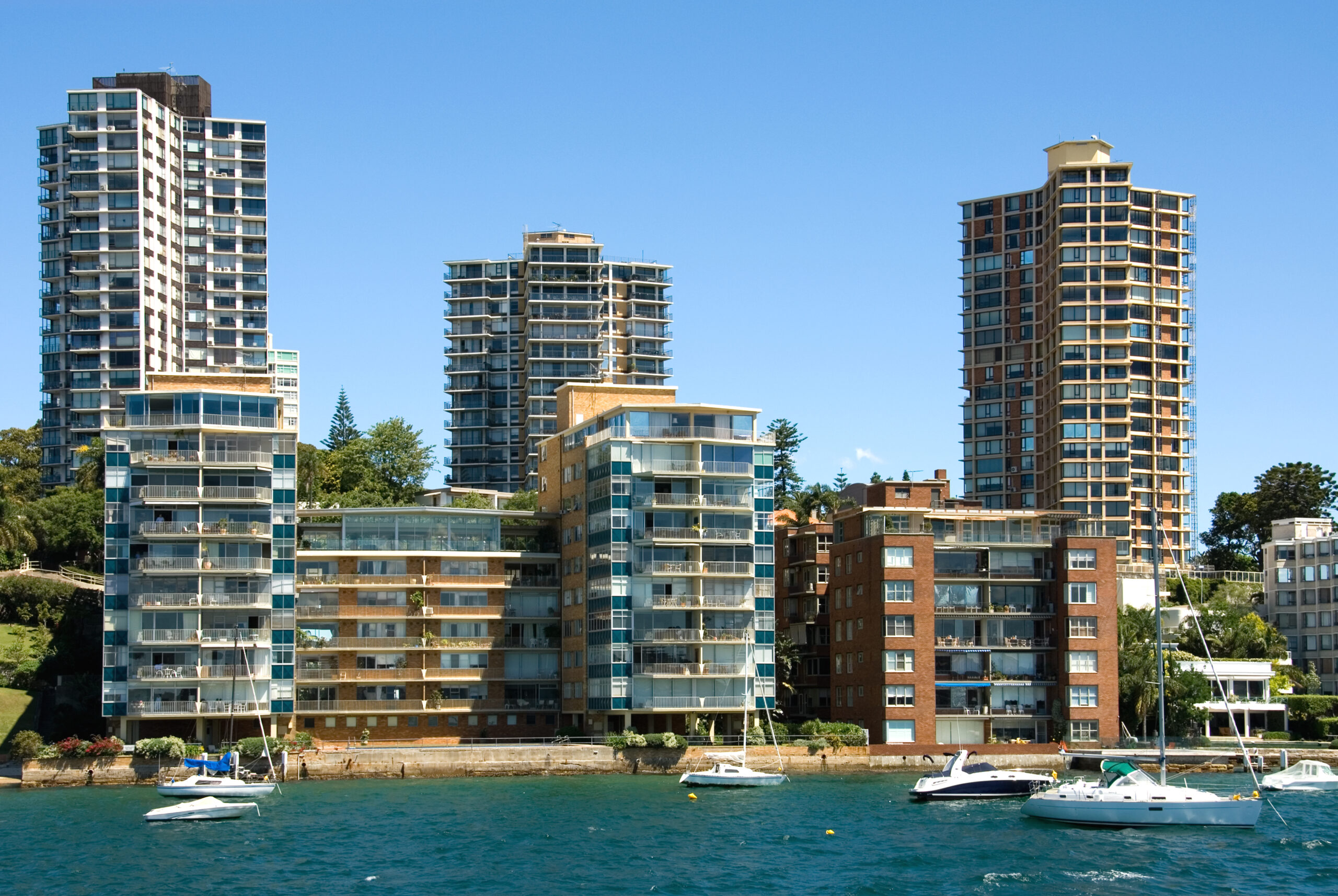
Rising Returns: Why Perth Is the Bright Spot in Australia’s Housing Market Recovery?
This article is contributed by Lily Chong, Country Head of IQI AustraliaAustralia’s property market is back on the rise, with national home values increasing by 0.4% in March, marking the second month of growth after a brief three-month decline. According to CoreLogic’s Home Value Index, this broad-based recovery saw positive results in every capital city except Hobart, and gains across all regional areas. Darwin led the way with a 1.0% rise, while Sydney and Melbourne—Australia’s largest markets—have now enjoyed two months of upward movement. Sydney values are just 1.4% below their record high, and Melbourne, despite a longer downturn, has recovered by 0.9% over the past two months. What’s behind the bounce? Improved sentiment following the February interest rate cut is likely the main driver, improving both borrowing capacity and mortgage serviceability, says CoreLogic Research Director, Tim Lawless. However, he notes that with the rate-cutting cycle expected to be drawn out, affordability constraints could test the momentum. Interestingly, the growth in values is becoming more balanced across market segments. In Sydney, for example, upper-tier properties rose 0.6% in the past three months compared to 0.3% in the lower quartile, reversing a recent trend of stronger gains among more affordable properties. Perth has recorded a remarkable 75.9% surge in property values since the start of the pandemic, adding $348,519 to the median dwelling price, now at $807,715, according to CoreLogic. Houses rose by $367,000 and units by $225,000 over five years, making Perth the top-performing capital city in Australia, ahead of Adelaide and Brisbane. Regional WA also saw strong growth, with Geraldton up 94.4% and Bunbury rising 81.1%. The rapid rise is attributed to Perth’s previously low price point, following a market decline before 2020. Despite these gains, Perth remains more affordable than Sydney, Brisbane, Canberra, and Adelaide. Analysts predict values will grow by another 8% in 2025, though housing affordability remains a concern, especially for younger buyers, as highlighted by recent research from the Bankwest Curtin Economics Centre. For investors and homeowners alike, Perth’s property market presents exciting opportunities. Whether you’re considering selling, buying, or investing, now is the time to explore your options. Contact our team at sales@iqiwa.com.au to discuss your property goals today. Want deeper insights into global property trends? Download our comprehensive market value report to explore opportunities beyond AustraliaDownload
5 May, 2025
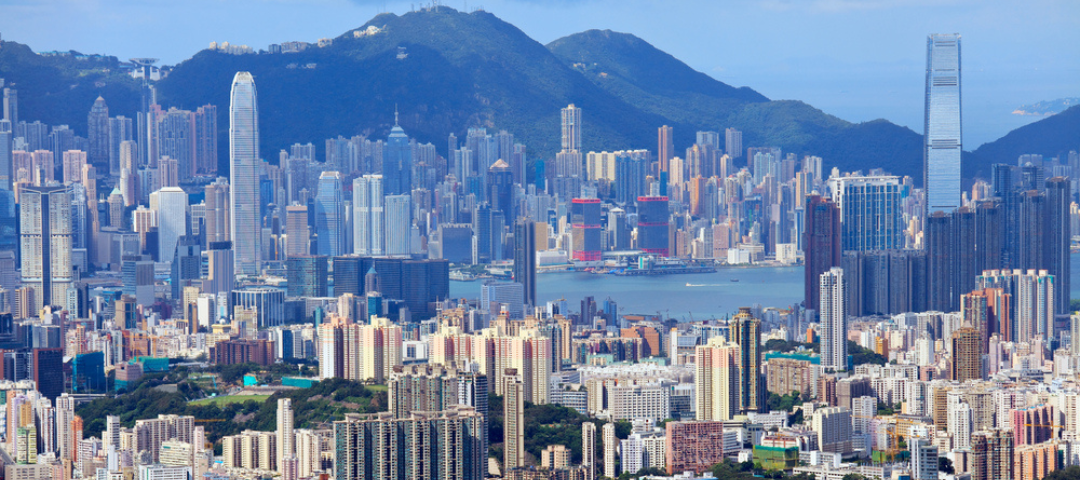
Hong Kong Residential Sales Market Dynamics
Relaxing the CIES to Safeguard the Northern MetropolisHong Kong’s residential property market has endured a three-year downturn, marked by a structural oversupply of housing units. While lower housing costs and increased availability align with social objectives, this environment has created a critical challenge—a contraction in the future development pipeline and a sharp erosion of governmentland revenue.The number of units on disposed sites (ready for imminent construction) plummeted by 33% year-on-year to about 12,000 units in 2024.Government land premium income collapsed to about HKD 4 billion in the first three quarters of FY2024/25—a fraction of both last year’s HKD 13.9 billion actual income and this year’s HKD 33 billion target.If left unaddressed, relying on market self-correction risks perpetuating a downward spiral of asset devaluation, stalling urban renewal projects, and jeopardizing strategic initiatives such as the Northern Metropolis—a cornerstone of Hong Kong’s long-term economic and social development.The Northern Metropolis, envisioned to house 2.5 million residents and generate 650,000 jobs, demandsunwavering commitment from developers. However, their participation hinges on confidence in future demand and returns. With demand-side headwinds intensifying—sticky U.S. interest rates dampening price recovery prospects and population growth lagging—developers are increasingly reluctant to commit capital to large-scale projectsThis hesitancy creates a vicious cycle:Prolonged oversupply suppresses developer margins, reducing their capacity to invest in future projects.Falling land premiums strain public finances, limiting critical infrastructure investments for the NorthernMetropolisActivating Demand-Side Mechanisms to Resolve Structural OversupplyThe solution to the current market stalemate lies in activating demand-side mechanisms. We propose the following targeted refinements to enhance the Capital Investment Entrant Scheme (CIES):Full recognition of residential property investments – Allow 100% of residential property investments to counttoward the HKD 30 million eligibility threshold under the CIES.Remove price restrictions on residential property investment – Eliminate the HKD 50 million valuationrequirement for residential properties under the CIES.DOwnload now!
10 April, 2025

Branded Residences: The Future of Luxury Living in India
Written by, Mannu Bhazin, Country Head of IQI India. India’s luxury real estate market is undergoing a significant transformation, with branded residences emerging as the new gold standard for affluent buyers. These high-end homes, developed in collaboration with global hospitality and lifestyle brands, offer a seamless blend of five-star living and premium real estate.As the country’s high-net-worth individual (HNWI) population continues to rise—expected to grow from 797,714 in 2022 to over 1.65 million by 2027—the demand for ultra-exclusive, fully serviced residences is surging. This shift is set to propel the branded residences market to an estimated $5 billion by 2025.Unlike conventional luxury apartments, branded residences command a significant premium, often 30-40% higher than standard offerings due to their exclusivity, limited supply, and world-class amenities. These homes do not just promise luxury; they deliver an entire lifestyle experience, offering:Concierge servicesPrivate chefsWorld-class spas and wellness retreatsAccess to elite clubsThe integration of AI-powered security, biometric access, and 24/7 management ensures that residents enjoy an unparalleled level of safety and convenience. Many investors, particularly NRIs and HNWIs, view these properties as an attractive asset class, benefiting from superior capital appreciation and impressive rental yields.With branded residences from names like Taj and Marriott boasting an annual rental increase of up to 18%, they are increasingly seen as inflation-resistant assets with strong long-term returns.Beyond luxury, the appeal of branded residences lies in their ability to provide a hassle-free living experience. Unlike traditional real estate investments that require extensive maintenance, these properties are managed by top-tier hospitality brands, ensuring seamless upkeep and enhanced property value.Developers are also pushing the boundaries of personalized living, incorporating:Smart home technologyPrivate elevatorsWellness-centric featuresThese residences cater to an elite clientele that values exclusivity and convenience.India’s growing appetite for luxury real estate, fueled by rising disposable incomes and an evolving consumer mindset, is reshaping the country’s property market. Branded residences are no longer just about prime locations—they are about experience, service, and legacy.As this segment gains momentum, it is redefining the very essence of homeownership in India. For those seeking an investment that blends sophistication with long-term value, branded residences represent not just a place to live but a statement of lifestyle and success.The Tech Revolution Reshaping India’s Real Estate IndustryIndia’s real estate industry is poised for an unprecedented transformation, projected to reach a $1-trillion market valuation by 2030.This growth is being fueled by:Cutting-edge PropTech innovationsProactive government initiatives such as the Smart Cities Mission and the Digital India campaignWith technology becoming a cornerstone of real estate, developers, investors, and homebuyers alike areexperiencing a paradigm shift in how properties are built, managed, and transacted.Technology Driving Innovation in 2024The integration of:Artificial Intelligence (AI)The Internet of Things (IoT)Blockchain technologyHas revolutionized the real estate sector, introducing new levels of efficiency, security, and customization.AI-powered analytics are enabling personalized property recommendations based on search history, market trends, and consumer behavior, allowing buyers to make more informed decisions.Virtual and augmented reality (VR/AR) property tours have minimized the need for physical visits, making real estate exploration more accessible and immersive than ever before.IoT-driven automation is redefining modern living spaces—smart thermostats, automated lighting, and advanced security systems are no longer luxury add-ons but critical features that enhance convenience and energy efficiency.Sustainability: A Key Driver of ChangeWith eco-conscious buyers seeking greener alternatives, developers are incorporating:Solar powerSmart water management systemsEnergy-efficient construction materialsThe focus on automation means that property owners spend less time managing their assets, as AI-powered virtualassistants now:Handle maintenance requestsOptimize energy usagePredict repair needs before they ariseThis shift is not only enhancing the homeownership experience but also making commercial real estate moreattractive to investors looking for high-tech, low-maintenance assets.Policy Reforms & Market TransparencyGovernment policy reforms are shaping a more transparent and investor-friendly market:The Real Estate (Regulation & Development) Act (RERA) continues to instill confidence by ensuring accountability and compliance.State governments are accelerating the digitization of land records through initiatives like the Digital India Land Records Modernization Programme (DILRMP).Online title verification and reduced bureaucratic hurdles are eliminating inefficiencies, making propertytransactions faster and more secure.A Smarter, More Agile, and Future-Ready MarketWith data collection, analytics, and AI-driven insights becoming integral to decision-making, developers andinvestors can now:Better assess market trendsMitigate risksIdentify high-yield opportunitiesThe government’s push for a digitally enabled real estate ecosystem is reinforcing India’s position as a globalleader in PropTech adoption.As trust in technology grows and stakeholders continue to embrace innovation, India’s real estate industry is not just expanding—it is evolving into a smarter, more agile, and future-ready market.Juwai IQI Monthly Newsletter April 2025Download here!
10 April, 2025
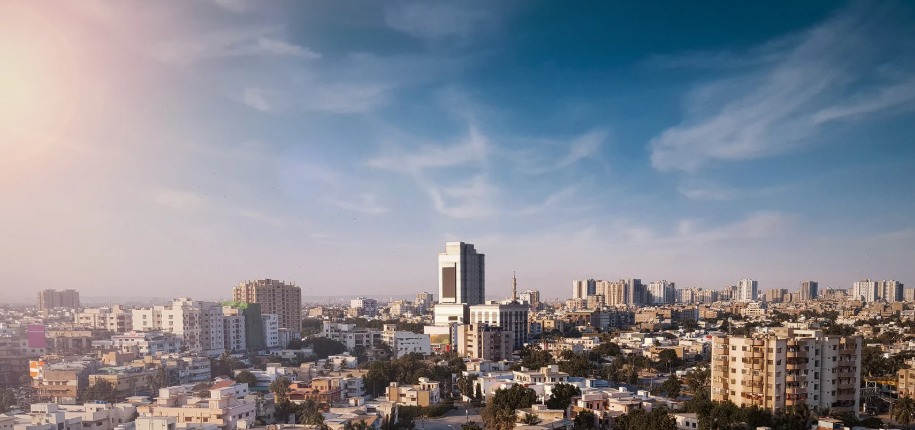
Navigating Pakistan’s Real Estate Transformation in 2025
Written by Junaid Hamid, Head of IQI Karachi PakistanPAKISTAN’S REAL ESTATE SECTOR IN 2025: REGULATORY REFORMS, STRATEGIC INVESTMENTS, AND MARKET EVOLUTIONThe real estate sector in Pakistan is undergoing a paradigm shift in 2025, driven by regulatory reforms, innovative investment vehicles, and evolving market dynamics.As the government prioritizes transparency and institutional participation, stakeholders are navigating a landscape defined by structured growth, technological integration, and sustainable development. This article explores the latest developments shaping the industry and their implications for investors, developers, and homeowners.Regulatory Overhaul: Strengthening Accountability and FairnessLaunch of the Real Estate Regulatory Authority (RERA)To combat fraud and streamline operations, Pakistan’s federal government has finalized plans to establish a Real Estate Regulatory Authority (RERA). Modeled on global best practices, RERA is set to introduce stringent measures to professionalize the sector:Mandatory registration for agents and developers, with penalties ranging from Rs50,000 to Rs0.5 million for non-compliance.Criminal liability, including up to three years’ imprisonment, for unregistered agents.Enhanced buyer protections, such as license cancellations for fraudulent disclosures and fines up to Rs1 million for unauthorized transactions.This framework aims to rebuild trust in real estate transactions while aligning Pakistan’s sector with international standards (GNN News, 2025).Revised Property Valuations in KarachiThe Federal Board of Revenue (FBR) has recalibrated property valuations in Karachi to reflect depreciation and market realities. Adjustments include:5% reduction in assessed values for homes aged 5–10 years.Up to 50% reduction for flats over 30 years old.This revision eases tax burdens for homeowners and incentivizes transactions in aging properties, potentially revitalizing Karachi’s mid-tier housing market.Relaxed Rules for Non-FilersIn a bid to stimulate market activity, the FBR now permits non-filers to purchase properties valued up to PKR 10 million. This policy shift aims to:Boost liquidity in the PKR 5–10 million segment.Encourage informal investors to enter the formal economy.Support developers in optimizing pricing strategies for broader buyer pools.Investment Trends: Institutionalization and DiversificationEmergence of Real Estate Investment Trusts (REITs)Pakistan’s first major REIT, launched by fashion giant Image, marks a milestone in institutionalizing real estate investments. Managed independently from Image Pakistan Ltd, the trust will offer 92 million shares at below net asset value, backed by high-value Karachi properties.Joint advisors Topline Securities and Growth Securities highlight its potential to:Attract institutional capital amid rising property prices.Provide retail investors with diversified, low-entry portfolios.Catalyze further REIT launches in urban centers.Smart and Sustainable DevelopmentsThe demand for green buildings and tech-integrated homes is surging. Developers are prioritizing:AI-driven automation (smart lighting, security).Solar energy systems and recycled construction materials.Mixed-use projects combining residential, commercial, and leisure spaces for higher yields.Luxury and Vertical ExpansionUrbanization is driving demand for high-rise luxury apartments, particularly in Karachi, Lahore, and Islamabad.Standard features in premium developments now include:Concierge servicesRooftop gardensCo-working spacesMarket Dynamics: Growth Projections and HotspotsPakistan’s real estate sector is projected to grow at 3.75% annually through 2029.Key Trends by City:Karachi: Revitalization of older neighborhoods through revised FBR valuations.Islamabad: Boom in mixed-use projects near the CPEC route.Lahore: Surge in luxury high-rises catering to returning expatriates.Conclusion: Navigating a Transformative EraPakistan’s real estate sector is transitioning from an informal, cash-driven market to a regulated, institutionalized industry.While RERA and REITs signal maturity, challenges remain, including:Balancing affordability with luxury demand.Ensuring compliance with new tax regulations.To capitalize on emerging opportunities, stakeholders must leverage data-driven insights, sustainable practices, and policy reforms. As the market evolves, collaboration between regulators, developers, and investors will be critical to achieving long-term stability and growth.FOR MORE UPDATE NEWSLATTER, CLICK HERE!
9 April, 2025

Shifting Trends in Canada’s Housing Market
Written by Yousaf Iqbal, Head of IQI CanadaCANADA'S HOUSING MARKET – FEBRUARY 2025In February 2025, Canada's housing market showed mixed trends across regions. National home sales reached 41,118 in January, marking a 3.9% year-over-year increase but a 4.9% decline from December.New home listings surged by 11% month-over-month, the highest monthly increase since the late 1980s, excluding the pandemic period.Active listings rose by 12.7% year-over-year.The national average home price moderated to $670,064 in January, reflecting a 1% decline from December but a 1.6% increase from January 2024.The national benchmark home price stood at $709,200, showing a 0.5% month-over-month increase and a 0.2% annual increase.Greater Toronto Area (GTA)The Greater Toronto Area reported 4,037 home sales in February, down 27.4% from February 2024.New listings reached 12,066, a 5.4% increase year-over-year.The average selling price was $1,084,547, a 2.2% decline from the previous year, as high mortgage rates and economic uncertainties, including trade relations with the U.S., affected buyer confidence.QuebecQuebec’s benchmark home price hit a record $501,300 in January, surpassing $500,000 for the first time.Montreal's average home price rose 8.7% annually to $619,874.Quebec City's average price increased to $440,495, up 0.9% month-over-month and 25% annually.Ontario Rental Market TrendsOntario's average asking rent for apartments dropped 4.7% to $2,332.Toronto rents fell 7.1%, averaging $2,632, driven by:◦ Unsold condos entering the rental market.◦ Increased purpose-built rental stock.◦ Reduced demand due to new international study permit limits.Bank of Canada’s Interest Rate & Housing AffordabilityThe Bank of Canada reduced its main interest rate by half a percentage point to 3.75% in November 2024—the fourth consecutive cut—as inflation returned to the 2% target earlier than expected. Despite these cuts, the housing affordability crisis is expected to persist for years, with high home prices and weak spending power keeping mortgage costs out of reach for many. While some regions, such as Quebec, are experiencing price growth, others, particularly Toronto, are seeing declining sales and prices due to economic uncertainty and affordability challenges.Market OutlookTORONTO, ON – March 5, 2025GTA homebuyers had ample choices in February, as sales dropped 27.4% year-over-year, while new listings rose 5.4%.High mortgage rates and economic uncertainty, including U.S. trade concerns, dampened buyer confidence.TRREB expects lower borrowing costs in the coming months, which could boost affordability and sales.The average home price fell 2.2% to $1,084,547, while the MLS® HPI Composite declined 1.8% year-over-year.TRREB emphasizes the need for clear housing, trade, and economic policies to restore consumer confidence.VANCOUVER, BC – March 4, 2025Metro Vancouver’s housing market remained balanced in February, as new listings rose 10.9% year-over-year, following January’s surge.Residential sales totaled 1,827, down 11.7% from February 2024 and 28.9% below the 10-year average.The total number of homes for sale increased 32.3% to 12,744.The sales-to-active listings ratio stood at 14.8%, indicating stable prices.The MLS® benchmark price for all homes was $1,169,100, down 1.1% year-over-year.With a potential Bank of Canada rate cut ahead, market activity could shift in the coming monthsQuebecFOR MORE UPDATE NEWSLATTER, CLICK HERE!
9 April, 2025

ARUGA RESORT BY ROCKWELL: A PREMIER INVESTMENT OPPORTUNITY IN MACTAN, CEBU
Written by, Emmanuel Andrew Venturina, Head of IQI Philippines Rockwell Land Corporation, a distinguished name in the Philippine real estate sector, proudly introduces Aruga Resort by Rockwell, a luxurious retreat set amidst the pristine landscapes of Mactan, Cebu. This new project stands out for its unparalleled investment potential making it a prime opportunity for discerning investors looking to capitalize on the booming resort and residential market in the Philippines.Overview of Aruga ResortAruga Resort by Rockwell offers a harmonious blend of luxury and nature, providing residents and guests with an exquisite experience characterized by world-class amenities and breathtaking ocean views. Designed for those seeking both a getaway and a permanent residence, this resort embodies leisure and sophistication.The project features a range of accommodation options:Studio Units: 30-45 square meters, priced between $150,000 and $250,000One-Bedroom Units: 50-70 square meters, ranging from $250,000 to $400,000Two-Bedroom Units: 80-105 square meters, costing between $400,000 and $600,000Three-Bedroom Units: 120 square meters and above, priced up to $800,000Each unit is designed with meticulous attention to detail, featuring high-end finishes, spacious layouts, and access to exclusive amenities such as infinity pools, wellness facilities, and curated dining experiences.Investment OpportunityInvesting in Aruga Resort by Rockwell presents a unique opportunity for both local and international buyers. Cebu has emerged as one of Southeast Asia’s fastest-growing tourist destinations, comparable to Bali and Thailand. With robust infrastructure development, Mactan is poised to become a hub for tourism and commerce, offering significant returns on investment.Market Growth & Infrastructure DevelopmentThe Philippine tourism industry is on a strong upward trajectory, with international arrivals increasing year after year. In 2023, tourist arrivals reached record highs, driven by the country’s pristine beaches, rich cultural heritage, and vibrant local communities.Government investments in tourism infrastructure—including airports, roads, and eco-parks—enhanceaccessibility and further propel tourism growth. This consistent influx of tourists supports a strong rental market and reinforces the capital appreciation potential of properties in the area.Projected Return on Investment (ROI)One of the standout features of Aruga Resort is the income-generating potential through its serviced apartment offerings.Projected ROI from rental services is estimated at 8% to 12% annually, depending on unit type and market conditions.This return is supported by comprehensive property management services, ensuring high occupancy rates and premium pricing strategies.With steady demand from both local and international tourists, investors can expect substantial income from short-term rentals, replicating the success of other top tourist destinations.The strategic positioning of Aruga Resort capitalizes on the growing trend of staycations and experiential travel, further enhancing the appeal of serviced apartments Unique Selling PropositionAruga Resort by Rockwell stands out for its fusion of premium living experiences with Cebu’s rich cultural heritage and natural beauty.Rockwell’s reputation for excellence ensures a superior standard of quality, service, and holistic living.A focus on sustainability and community integration positions it as a future-proof investment, aligned withmodern lifestyle choices.By incorporating eco-friendly practices and communal spaces, Aruga caters to a growing market ofenvironmentally conscious buyers.A Comparable MarketWhen comparing investment opportunities in the resort and residential sectors of the Philippines, Bali, and Thailand, several key factors stand out:The Philippines offers a unique value proposition, combining stunning landscapes, rich culture, andcompetitive real estate prices.While Bali and Thailand remain top vacation destinations, rising property prices can deter new investors.Mactan’s charm, strategic location, and upward property value trajectory make projects like Aruga Resorthighly attractive.With the Philippine government's strong commitment to infrastructure and tourism development, investmentgrowth in Mactan, Cebu, is expected to be substantial.ConclusionAruga Resort by Rockwell is more than just a luxurious residential option—it is a strategic investment in one of Southeast Asia’s most promising real estate markets.Projected ROI of 8% to 12% from serviced apartments provides investors with consistent incomeopportunities.The booming tourism industry and government-backed infrastructure projects ensure long-term capitalappreciation.For investors seeking high-value opportunities comparable to Bali and Thailand, Aruga Resort presents asignificant potential for growth and desirability.Now is the time to secure your investment in this exceptional project in Mactan, Cebu.Donwload now!
9 April, 2025

