


The global economy is entering a more uncertain phase in 2026 as geopolitical tensions, inflation pressure and rising oil prices create new risks for markets.
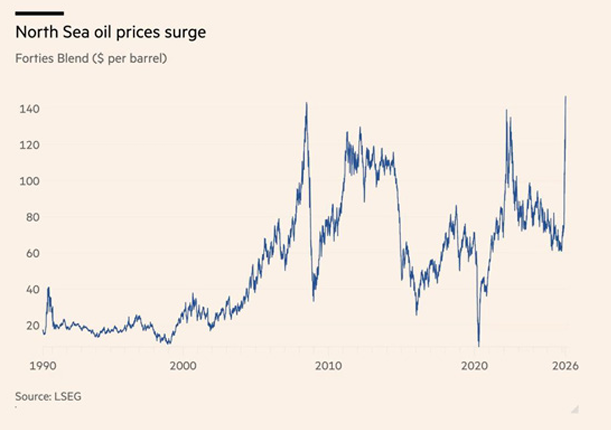
With U.S. inflation climbing to 3.3%, oil prices moving above US$105 per barrel, gold reaching around US$4,700 per ounce and copper staying firm at US$13,000 per tonne, investors are facing a market environment that looks increasingly inflation driven.
Supply Shocks Add Pressure
Global markets are already absorbing major supply disruptions across key commodities, including fertilisers, LNG, oil and helium.
These are not small disruptions. They affect food, energy, manufacturing and logistics, which means cost pressures can spread quickly across the global economy. This raises the risk of slower growth while inflation remains elevated.
Oil Market Volatility Remains a Key Risk
The Strait of Hormuz remains a major concern, with daily vessel crossings reportedly down by more than 95%.
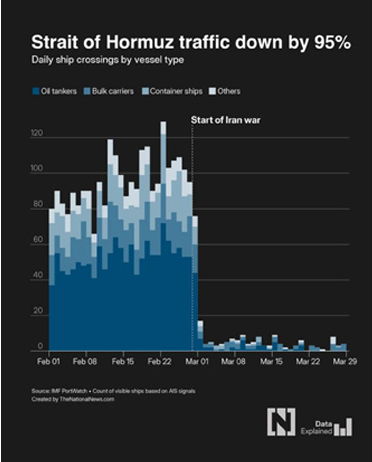
With European and Asian refineries rushing to secure oil cargoes, oil prices could remain volatile. If disruption continues, oil may potentially move above US$150 per barrel in the coming months.
Investors Turn Toward Real Assets
In this environment, portfolio strategy needs to be more defensive and deliberate.
Real estate, gold, silver and commodities are becoming more important as inflation-resilient assets. These assets can help investors preserve value when markets become volatile and confidence in traditional growth assets weakens.
Outlook
The global economy in 2026 is likely to be shaped by one major trade-off: growth or inflation.If geopolitical risks continue and energy prices stay high, investors may need to prepare for more market turbulence. Real assets, especially well-selected real estate, could remain attractive because they offer income, long-term value and protection against inflation pressure.
For investors, the priority is no longer just chasing returns. It is about building a portfolio that can stay resilient through uncertainty.
