


| TL;DR: Abandoned housing projects can cause serious financial and emotional stress, but early warning signs often appear before a project stops. Buyers are protected under the HDA, yet prevention is still the best safeguard. Always choose developers with a strong track record, proper licences and clear financial practices. |
Buying a home is supposed to be a milestone you look forward to. But when a project slows to a crawl or suddenly stops, the worry begins.
An abandoned housing project is not just a construction issue. It affects your finances, your plans and your emotional well-being!
To protect yourself, you need to know how abandoned projects happen, the early warning signs and the steps you can take before and after committing to a property.
Key Takeaways:
- More than 100,000 housing units in Malaysia are linked to abandoned or troubled projects, showing that the risk is bigger than many buyers realise.
- Silent developers, repeated delays and inactive construction sites are clear early warning signs that buyers should never ignore.
- Buyers are legally protected under the Housing Development Act, including the right to refunds, compensation and access to funds safeguarded in the HDA account.
- The most effective way to avoid abandoned projects is to choose developers with a proven track record, valid licences and transparent financial practices.
A Homebuyer’s Guide to Avoiding Abandoned House Projects:
- 1. What Is Considered an Abandoned Project?
- 2. Why Do Projects Get Abandoned?
- 3. The Difference Between a Delayed Project and an Abandoned Project
- 2. How Abandoned Projects Impact Homebuyers
- 3. Early Red Flags Homebuyers Should Not Ignore
- 4. Why Buyers Still Fall for High-Risk Projects
- 5. What Legal Protections Do Buyers Have?
- 6. If Your Project Is Already Declared Abandoned
- 7. How to Prevent Yourself from Becoming a Victim
- 8. Is Malaysia Moving Toward Safer Housing Delivery?
- Final Thoughts
1. What Is Considered an Abandoned Project?
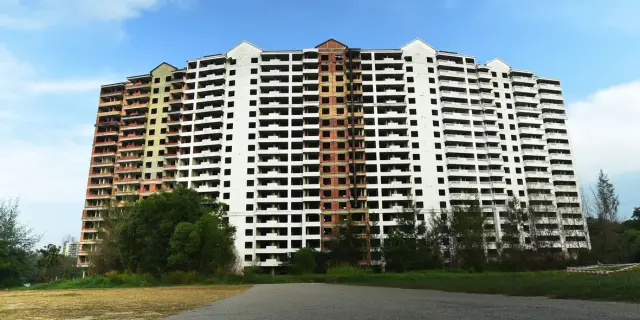
A project is usually considered abandoned when construction is delayed far beyond the promised timeline or when the developer can no longer continue work.
Most buyers affected have already signed their SPA and started paying their housing loans, yet the building remains incomplete for months or even years.
In Malaysia, abandoned projects are painful because they trap buyers in a difficult financial position while offering very little clarity about the future.
How Big Is the Abandoned Project Problem in Malaysia?
To understand the scale of this issue, it helps to look at recent data from KPKT and national news agencies.
The numbers below show how widespread delays, sick projects, and abandoned developments are across Malaysia.
Summary of Abandoned, Sick and Delayed Housing Projects (2023–2025)
| Year / Period | Project Status | Number of Projects / Units | GDV (Value) |
|---|---|---|---|
| 2023–2024 (Revival) | Abandoned projects revived | 1,289 projects, 154,659 units | RM123.7 billion |
| 2024 | Newly identified abandoned projects | 113 projects | Not specified |
| 2024 | Total delayed, sick and abandoned projects | 139,969 units | RM130.83 billion |
| As of April 2025 | Delayed projects | 233 projects | — |
| As of April 2025 | Sick projects | 339 projects | — |
| As of April 2025 | Abandoned projects | 114 projects (approx. 119,964 units) | RM101.98 billion |
These figures show that abandoned and troubled projects are a significant national issue, affecting hundreds of thousands of units and buyers.
2. Why Do Projects Get Abandoned?
There is rarely a single cause. Most abandoned projects happen due to a combination of financial, operational and approval issues on the developer’s side. Common reasons include:
- Developer cash flow problems: When developers cannot pay contractors or suppliers, construction halts.
- Rising construction costs: Material and labour prices may increase beyond the project’s budget.
- Weak early sales: Poor sales reduce the cash flow needed to fund construction stages.
- Land or approval complications: Delayed permits, compliance issues, or unresolved land matters freeze progress.
- Inexperienced developers: New or untested developers may lack experience and financial discipline.
Understanding these causes helps buyers recognise early signs of trouble.
3. The Difference Between a Delayed Project and an Abandoned Project
Understanding the difference between a delayed project and an abandoned one helps buyers avoid unnecessary panic and recognise real risks early.
Below is a simple comparison:
| Category | Delayed Project | Abandoned Project |
|---|---|---|
| Site Activity | Work is still ongoing, although slower than expected | Construction stops completely for long periods |
| Developer Communication | Developer provides updates, even if progress is slow | Developer becomes unresponsive or avoids giving updates |
| Timeline Changes | Completion dates may be pushed back, but reasons are explained | Deadlines shift repeatedly without clear justification |
| Contractor Presence | Workers, machinery and contractors are still visible on-site | Site appears empty, inactive or abandoned |
| Internal Issues | Usually caused by material shortages, weather or minor delays | Often linked to financial problems or major disputes |
| Chance of Recovery | High, as the project is still active | Low to uncertain, may take years and require government intervention |
2. How Abandoned Projects Impact Homebuyers

When a housing project stops, the first thing buyers feel is financial pressure.
Many end up paying their home loan while still renting a place to stay, which quickly drains their monthly budget and savings.
Money that was meant for a new life now gets stuck in a property that is not even close to completion.
This uncertainty brings stress, frustration and a sense of being trapped in a situation they cannot control.
At the same time, big life plans are also affected. Some postpone marriage, delay moving closer to work or put off starting a family because their home is not ready.
In short, an abandoned project does not just stop construction. It disrupts a buyer’s finances, emotions and future plans all at once.
3. Early Red Flags Homebuyers Should Not Ignore
Buyers often sense something is wrong long before a project is officially declared abandoned. These warning signs should prompt immediate caution:
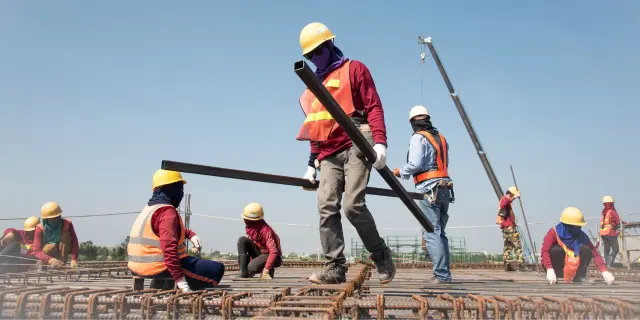
- Slowed Construction Work: If workers appear less frequently or machinery is no longer active, this is an early red flag.
- Lack of Communication: Developers who stop sharing progress updates or keep delaying announcements are often struggling behind the scenes.
- Frequent Changes in Contractors: Sudden replacement of construction teams can signal payment issues or disputes.
- Completion Dates Keep Shifting: Minor delays are normal, but repeated postponements show a deeper problem.
- Buyers Complaining Online: Property forums and social media are usually the first places where early alarms appear.
Watching for these signs can help you act early before the situation worsens.
4. Why Buyers Still Fall for High-Risk Projects
Many buyers unintentionally commit to high-risk developments because the projects appear attractive at first glance.
Developers may offer low entry costs, rebates or promotional packages that make the property seem affordable. Strong marketing or impressive showrooms can also create a false sense of confidence.
Some buyers assume that if a bank approves their loan, the project must be safe. In reality, loan approvals evaluate the buyer more than the developer.
Without proper research, buyers may rely on the wrong indicators and miss early red flags.
Understanding these common traps helps buyers make decisions based on facts, not emotions.
5. What Legal Protections Do Buyers Have?
Wenn, a Real Estate Negotiator from IQI Global, explained that buyers should understand their legal protections under the Housing Development Act before assuming they have no options when a project stalls.
As long as your project is under the Housing Development Act, your rights are protected by law.
Wenn, IQI Global Real Estate Negotiator
Under the Housing Development Act (HDA), buyers are not completely helpless. Several important protections exist:
1. You can lodge a formal complaint
The Ministry of Housing and Local Government (KPKT) handles buyer complaints and project monitoring.
2. You can check the project status
The e-Perumahan portal lets you verify if your development is progressing, delayed or under watch.
3. You may claim compensation
If your SPA includes a late delivery clause, you can claim liquidated damages once the delay exceeds the agreed timeline.
4. You have the right to official updates
Developers must respond to legitimate buyer inquiries and provide status updates.
While these protections help, they do not erase the stress buyers face. They simply provide a structured way to seek answers and accountability.
6. If Your Project Is Already Declared Abandoned
Don’t panic. Follow the proper steps and check the status officially.
Wenn, IQI Global Real Estate Negotiator
Once a project receives official abandoned status, the government steps in. The process usually involves several structured phases:
| Phase | What Happens |
|---|---|
| Investigation | Authorities verify the condition and issues causing the abandonment. |
| Negotiation | Discussions are held with the original developer to determine the next steps. |
| Rescue Developer Appointment | A new developer may be brought in to revive the project. |
| Reconstruction Plan | A new timeline and project structure are created. |
| Monitoring | Authorities closely track the rescue plan until completion. |
This process can take time, but it provides hope for buyers who have been left waiting for years.
7. How to Prevent Yourself from Becoming a Victim

Careful research before paying a booking fee can protect you from unnecessary risks. Here is a buyer-friendly checklist:
1. Check the developer’s reputation: Look at completed projects, delivery records and customer feedback. A trustworthy developer reduces your risk by half.
2. Verify the license and APDL: Make sure the project is legally approved. You can request this from the sales team or check official listings.
3. Assess the project’s progress online: The e-Perumahan website is a reliable tool for buyers to monitor construction status.
4. Visit the site physically: A real visit reveals more than brochures. You can see activity levels, surrounding developments and accessibility.
5. Observe buyer communities: Facebook groups, Telegram channels and property forums often hold early discussions about project issues.
Doing your homework helps you avoid long-term regret.
8. Is Malaysia Moving Toward Safer Housing Delivery?
Malaysia has been exploring a safer way for people to buy homes through the Build-Then-Sell (BTS) concept.
This system differs from the traditional method used today, in which most homes are sold before construction even begins.
a) What is Build-Then-Sell?
Under BTS, developers must finish building the house first before selling it. Buyers get to see the actual home, check the quality and understand the surroundings before committing.
This greatly reduces the risk of delays or abandonment, as the project already exists.
b) Why is the government encouraging this model
BTS gives buyers more protection! When a house is already built, you avoid many common risks such as long construction delays, poor workmanship or buying into a project that may later be abandoned.
Developers are also encouraged to plan better financially because they cannot rely on early sales to fund construction.
c) How it benefits homebuyers
BTS helps buyers avoid the biggest risks in the property market:
- No need to pay for a house you cannot see yet
- No loan instalments while waiting for construction
- No risk of buying into an abandoned or “sick” project
- Fewer surprises in quality, finishing and layout
- Higher confidence because the house already exists
Choosing the right developer is choosing peace of mind. Price and promotions are never worth the risk if the developer cannot deliver.
Wenn, IQI Global Real Estate Negotiator
Final Thoughts
An abandoned project is one of the most painful experiences a homebuyer can face.
But with the proper awareness, due diligence and understanding of your rights, you can minimise your risk and make better decisions.
Buying a home should bring peace, not anxiety! Take the time to research, ask questions and verify every detail before committing.
A few extra steps today can prevent years of financial and emotional stress later.
Grow with IQI, where every agent is equipped with the right tools, mentorship and market insights to succeed. Complete the form below and take your first step toward a successful career.
Continue Reading:
