


Iceland’s housing market is showing signs of renewed strength in 2026, supported by rising home prices, easing inflation, and a slowing construction pipeline. As new project activity declines and supply growth moderates, market conditions are gradually shifting in favour of sellers.
Housing Prices Continue to Rise
National housing prices increased 0.62% month-on-month in March 2026, accelerating from February and lifting annual growth to 2.61%. Reykjavik continued to lead market performance, with capital area home prices rising 0.8% monthly and 2.82% year-on-year. Detached homes recorded the strongest gains, while apartment prices remained stable and continued posting annual growth.
Construction Activity Continues to Slow
A key trend shaping the market is the decline in construction activity. Active construction projects fell to 6,172 units nationwide, marking the sharpest contraction since the post-2023 building peak. Completions are now outpacing new project starts, suggesting future housing supply may become increasingly constrained.
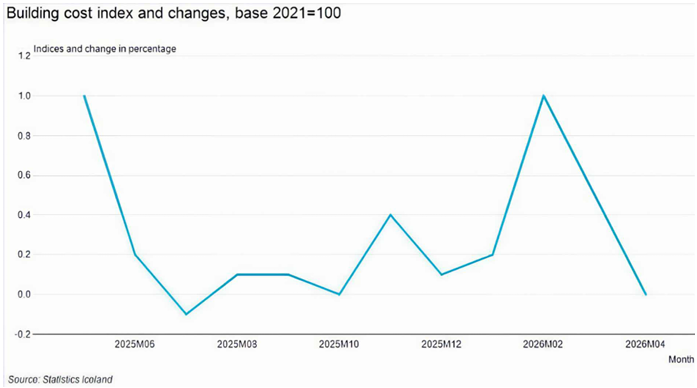
At the same time, building cost pressures have eased, indicating that the slowdown is being driven more by softer development activity and weaker demand conditions than by rising construction expenses.
Inflation Moderates but Interest Rates Remain High
Inflation is showing signs of improvement, with annual CPI easing to 5.2% in April. However, Iceland’s policy rate remains elevated at 7.5%, continuing to weigh on borrowing conditions and housing affordability. While rate cuts are anticipated later in the year, financing costs remain a key factor influencing market activity.
Outlook
Iceland’s housing market appears to be entering a new phase of recovery. Rising prices, declining construction activity, and easing inflation are gradually improving market fundamentals. While high interest rates continue to limit affordability in the short term, a potential easing cycle in the second half of 2026 could support stronger buyer activity and create a more active market environment heading into 2027.
