


A Narrow Path for Global Growth
The global economy in 2026 is entering a phase of cautious stability. Growth remains resilient at around 3.3%, supported by steady trade recovery and strong sovereign demand. However, this stability sits alongside rising geopolitical tensions and persistent inflation risks, creating a more complex investment environment.
Monetary Policy Reaches Its Limits
Central banks are now navigating a difficult balance. While inflation has moderated, aggressive rate tightening cycles in recent years have left limited room for further intervention without risking financial instability.
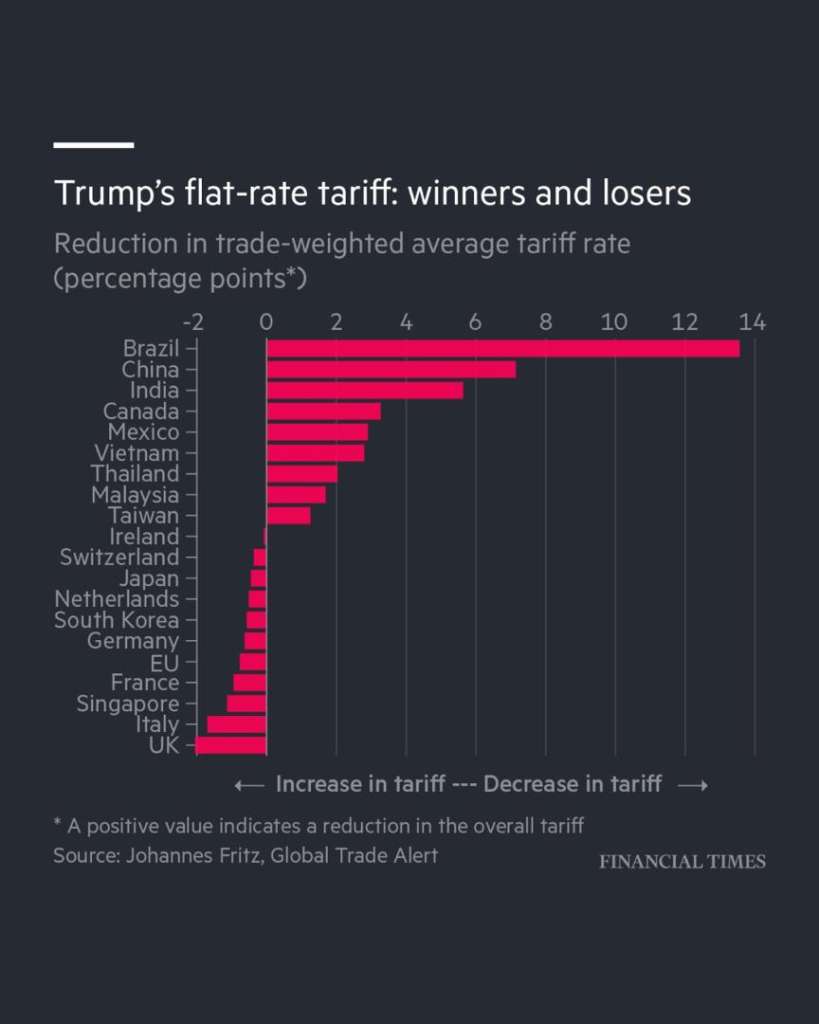
Across major economies, growth remains uneven. The United States continues to outperform, while Europe and the UK face structural constraints. China remains a key stabiliser, supported by industrial capacity and policy support.
Energy Shocks and the Return of Inflation Risk
The most critical risk in 2026 lies in geopolitical developments, particularly in energy-sensitive regions. Tensions affecting key oil routes such as the Strait of Hormuz highlight how vulnerable global supply chains remain.
Historically, energy shocks have been the starting point of broader inflation cycles. As energy prices rise, the impact spreads across transportation, construction, and financing costs, reinforcing inflationary pressure across the global economy.

The Strategic Repricing of Hard Assets
In response, markets are entering a phase where hard assets are being repriced. Gold and commodities typically react first, but real estate and other tangible assets follow as investors reposition portfolios toward stability.
Unlike financial assets, real estate adjusts more gradually. Instead of sharp corrections, rising costs and tighter liquidity reshape market dynamics over time, reinforcing its role as a long-term store of value.
Final Take
The current environment marks a shift from cyclical investing to structural positioning. Investors are increasingly prioritising resilience, focusing on assets that can withstand inflation, volatility, and geopolitical disruption.
