


| TL;DR VM2026 (Visit Malaysia 2026) is reshaping Malaysia’s property market through higher-value tourism, DE Rantau long-stay demand, infrastructure delivery, and clearer short-term rental rules. The opportunity is real, but returns in 2026 will depend on choosing the right locations, compliant assets, and realistic rental strategies, not hype. |
VM2026 Marks a Structural Shift, Not a Tourism Spike
Visit Malaysia 2026 (VM2026) is not just another tourism slogan. For investors who have been watching Malaysia’s property market through multiple cycles, this campaign represents something more meaningful: a structural reset in how tourism, long-stay demand, infrastructure, and real estate intersect.
With the government targeting 35.6 million visitors and RM147.1 billion in tourism receipts, VM2026 is supported by real fiscal commitment rather than marketing optics. At the same time, long-stay initiatives like DE Rantau, major transport infrastructure completion, and tighter short-term rental regulation are reshaping demand toward quality, compliant, and professionally managed assets.
From an investor’s perspective, 2026 is not about chasing speculation. It is about positioning ahead of demand that is already forming.
Table of contents
- VM2026 Marks a Structural Shift, Not a Tourism Spike
- DE Rantau Is Quietly Changing Rental Behaviour
- Infrastructure Is the Real Signal Investors Should Watch
- Location Still Matters More Than Timing
- Short-Term Rental Rules Are No Longer Optional
- Rental Yields Are Recovering, but Selectively
- Conclusion: VM2026 Creates Opportunity, Not Guarantees
- Frequently Ask Questions
VM2026 Is About Value, Not Just Visitor Numbers
Malaysia has run tourism campaigns before, but VM2026 is noticeably different in intent. The focus is no longer purely on volume. Instead, the emphasis has shifted toward higher-spending, longer-staying visitors, and this distinction matters greatly for property.
Medical tourists do not stay for a weekend. Business travellers and event delegates do not tolerate poor connectivity. Digital nomads do not choose locations with unreliable infrastructure. These groups require quality accommodation, good transport access, and a level of professionalism that goes beyond informal hosting.
This is why the government’s target of RM147.1 billion in tourism receipts is more telling than the headline visitor numbers. Revenue-driven tourism almost always reshapes accommodation demand, and property investors tend to benefit earlier than the hotel sector when flexibility is required.
DE Rantau Is Quietly Changing Rental Behaviour
One of the biggest mistakes investors make is assuming all foreign demand behaves like tourism. DE Rantau changes that assumption.
Digital nomads do not think in terms of nights booked. They think in terms of months lived. From an investment perspective, this is a very different tenant profile. These renters care about furnishings, layout, internet reliability, and transport access. They are also less price-sensitive than local tenants but more demanding in terms of quality.
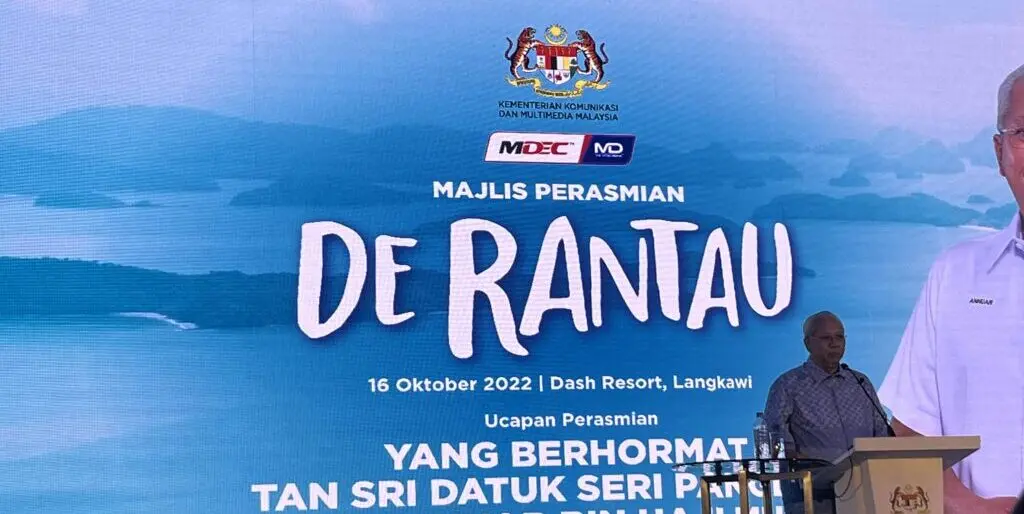
Over time, this creates a healthier rental ecosystem. Properties are no longer dependent on weekend traffic alone. Instead, demand becomes layered, combining short stays, mid-term rentals, and longer professional occupancy. Markets with this mix tend to experience more stable yields and less extreme vacancy cycles.
This is already visible in parts of Kuala Lumpur and Penang, and the trend is expected to strengthen as regional mobility continues normalising into 2026.
Infrastructure Is the Real Signal Investors Should Watch
Experienced investors know that tourism campaigns matter far less than where infrastructure money is actually being spent.
Airport expansions in Penang and Kota Kinabalu are not short-term projects. They are multi-year commitments that increase flight capacity, frequency, and international connectivity. Historically, these upgrades precede sustained growth in accommodation demand, especially outside traditional hotel zones.
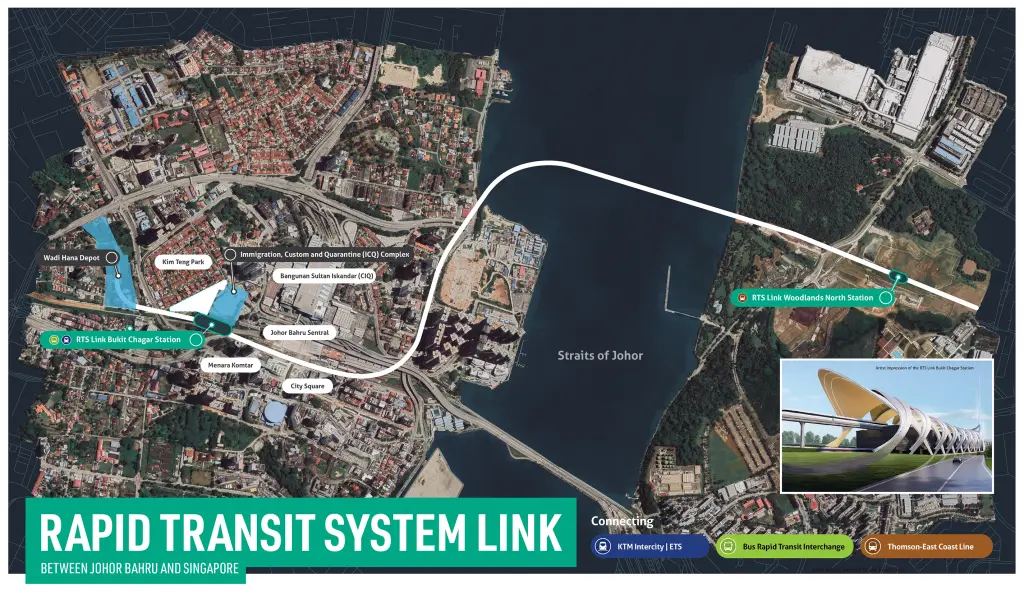
More importantly, 2026 coincides with key milestones for urban transport infrastructure. The RTS Link connecting Johor and Singapore and the progress surrounding MRT3 in the Klang Valley are not speculative announcements. They represent physical changes that will alter daily movement patterns.
When commuting behaviour changes, property demand follows. Transit-linked developments have consistently outperformed peripheral locations across multiple cycles, not because they are fashionable, but because they reduce friction in daily life.
Location Still Matters More Than Timing
VM2026 will not lift every market evenly. This is where experience matters.
Kuala Lumpur continues to benefit from its role as the country’s medical, corporate, and events hub. Demand here is driven less by tourism headlines and more by employment density and international exposure. Well-located properties near transport nodes and established commercial zones tend to see demand first.
Johor Bahru is entering a different phase altogether. The RTS Link fundamentally changes the conversation from “future potential” to “daily usage.” When cross-border movement becomes routine rather than aspirational, rental demand becomes structural rather than speculative.
Penang remains a more controlled market. Regulations are tighter, supply growth is slower, and this naturally limits upside for poorly selected assets. However, compliant properties aligned with tourism and long-stay demand continue to perform steadily, which appeals to investors who prioritise resilience over aggressive growth.
Short-Term Rental Rules Are No Longer Optional
Another reality investors must accept is that short-term rental regulation is tightening, not loosening.
This is not a sign of a hostile environment. In fact, it often signals market maturity. Clear rules reduce friction with authorities, local councils, and management bodies. Over time, this benefits investors who operate professionally.
By 2026, licensing, title selection, and management capability will no longer be secondary considerations. They will be central to whether an asset performs as intended. Investors who plan around compliance early tend to experience fewer disruptions and better tenant quality.
Rental Yields Are Recovering, but Selectively
The rental market has moved through a full cycle over the past five years. Pandemic lows forced prices down, recovery stabilised them, and current conditions are pushing yields back into focus.
However, this recovery is not uniform. Properties aligned with tourism corridors, transport infrastructure, and long-stay demand are seeing much healthier absorption than generic residential supply. In these zones, yields in the mid to high single digits are increasingly achievable with the right asset and management strategy.
The opportunity is real, but it is not automatic.
Conclusion: VM2026 Creates Opportunity, Not Guarantees
Visit Malaysia 2026 should be viewed as a window, not a shortcut.
Tourism recovery, DE Rantau, infrastructure completion, and regulatory clarity are converging in a way that does not happen often. For disciplined investors, this creates a favourable environment to deploy capital with confidence.
At the same time, experience teaches us that outcomes depend on decisions made at the asset level. Location, compliance, and understanding real demand will always matter more than campaign slogans.
IQI Global works closely with developers, regulators, and professional operators across Malaysia’s key growth zones. For investors who want to approach the 2026 cycle with clarity rather than optimism alone, having access to verified data and on-the-ground insight makes a material difference.
Frequently Ask Questions
Visit Malaysia 2026 is a national tourism campaign targeting higher visitor arrivals and tourism spending, which increases demand for short-term rentals, serviced apartments, and investment-grade accommodation.
DE Rantau attracts digital nomads and remote professionals who prefer flexible, mid-term stays, increasing demand for fully furnished and professionally managed rental properties.
Yes, but regulations vary by state. Kuala Lumpur requires licensing, Selangor has a capped rental period for residential titles, and Penang restricts short-term rentals to commercial properties only.
Key locations include Kuala Lumpur city centre, Johor Bahru near the RTS Link, Penang island, and tourism-driven cities such as Melaka and Kota Kinabalu.
2026 presents strong opportunities due to tourism recovery, infrastructure completion, and rising rental yields, especially in transit-oriented and tourism-aligned developments.
Engage with an IQI advisor to receive our 2026 Property Investment Catalogue and location-specific market analysis.
Related articles:
References:
- Ministry of Tourism, Arts and Culture Malaysia. (2023). Tourism development and Visit Malaysia 2026 strategy. https://www.motac.gov.my
- Malaysia Digital Economy Corporation. (2023). DE Rantau Digital Nomad Initiative. https://mdec.my
- Tourism Malaysia. (2024). Malaysia tourism performance and outlook. https://www.tourism.gov.my
- Department of Statistics Malaysia. (2024). Tourism satellite account and visitor expenditure. https://www.dosm.gov.my
- PLANMalaysia. (2024). Short-term accommodation regulatory framework. https://www.planmalaysia.gov.my
