

จดหมายข่าว
ติดตามข่าวสารล่าสุดของเราเกี่ยวกับ Juwai IQI

Canada Housing Market Outlook 2026: Buyer Activity Strengthens in Toronto and Vancouver
Canada’s Housing Market Regains MomentumCanada’s housing market strengthened in June 2026 as lower borrowing costs, improving affordability and growing consumer confidence encouraged more buyers to return.The recovery was particularly visible in Toronto and Vancouver, where sales increased while the supply of newly listed homes declined. This combination points to improving demand, although market conditions remain different across provinces and property types. Toronto and Vancouver Lead the RecoveryThe Greater Toronto Area recorded 6,770 home sales, representing a 9.4% year-on-year increase. At the same time, new listings fell 12.9%, while active listings declined 13.5%.Toronto’s average home price reached $1,058,658, down 3.9% year-on-year. This suggests buyers are returning to the market, but price sensitivity continues to shape purchasing decisions.Metro Vancouver also recorded renewed momentum. Residential sales rose 9.6% year-on-year to 2,390 transactions, while new listings decreased 6.0%.Demand strengthened across detached homes, townhouses and apartments. Apartments generated the highest number of sales at 1,103 transactions, with a benchmark price of $695,200.Quebec presented a more mixed picture. Total residential sales declined 4% year-on-year to 8,492, while active listings increased 18%. However, median prices remained resilient, with single-family homes rising 3% to $515,000and condominiums increasing 1% to $409,500.OutlookCanada’s housing recovery is likely to remain gradual and regionally uneven.Toronto and Vancouver may continue benefiting from stronger buyer confidence and tighter new supply. However, buyers are expected to remain selective, especially where affordability remains challenging.Markets with balanced pricing, improving financing conditions and limited inventory should be better positioned to maintain momentum through the second half of 2026.Download to see insights from other country marketsDownload
29 กรกฎาคม

Cambodia Property Market Outlook 2026: Infrastructure Corridors Lead the Recovery
Cambodia’s Property Recovery Remains SelectiveCambodia’s property market remains in a gradual recovery phase, with buyer confidence improving but transaction activity still selective.Demand is strongest in strategic locations supported by major infrastructure projects. Ring Road 3, Techo International Airport and development across southern Phnom Penh continue to strengthen interest in nearby land.Buyers are also becoming more cautious. Rather than purchasing based on broad market optimism, they are prioritising completed developments, realistic pricing and well-connected locations.This shift means recovery is not happening evenly across all property segments. Properties with clear infrastructure advantages and stronger long-term demand are performing better than projects relying mainly on speculative interest. Infrastructure-Led Land OutperformsThe residential market remains generally stable, although demand is concentrated in selected projects and locations.The borey market continues to face pressure from weaker purchasing power and high existing supply. Cambodia’s condominium segment is also experiencing slow absorption, with limited investor demand affecting sales momentum.In comparison, land within major growth corridors is currently the strongest-performing segment. Infrastructure improvements are making these areas more accessible and commercially relevant, which supports both buyer interest and longer-term appreciation potential.The market increasingly rewards projects that offer clear value, practical locations and completed or visible development progress. Sellers and developers may therefore need to adjust pricing expectations and focus more closely on buyers’ concerns around quality, delivery and usability.OutlookCambodia’s property recovery is expected to continue at a measured pace.Growth corridor land should remain the most promising segment, especially near major transport and infrastructure developments. Borey and condominium markets may improve gradually as economic confidence and purchasing power strengthen.For investors, the strongest opportunities are likely to remain in well-located, realistically priced and infrastructure-supported assets, rather than across the broader market.Download to see insights from other country marketsDownload
29 กรกฎาคม
Australia Property Market Cools as Buyers Gain More Choice in 2026
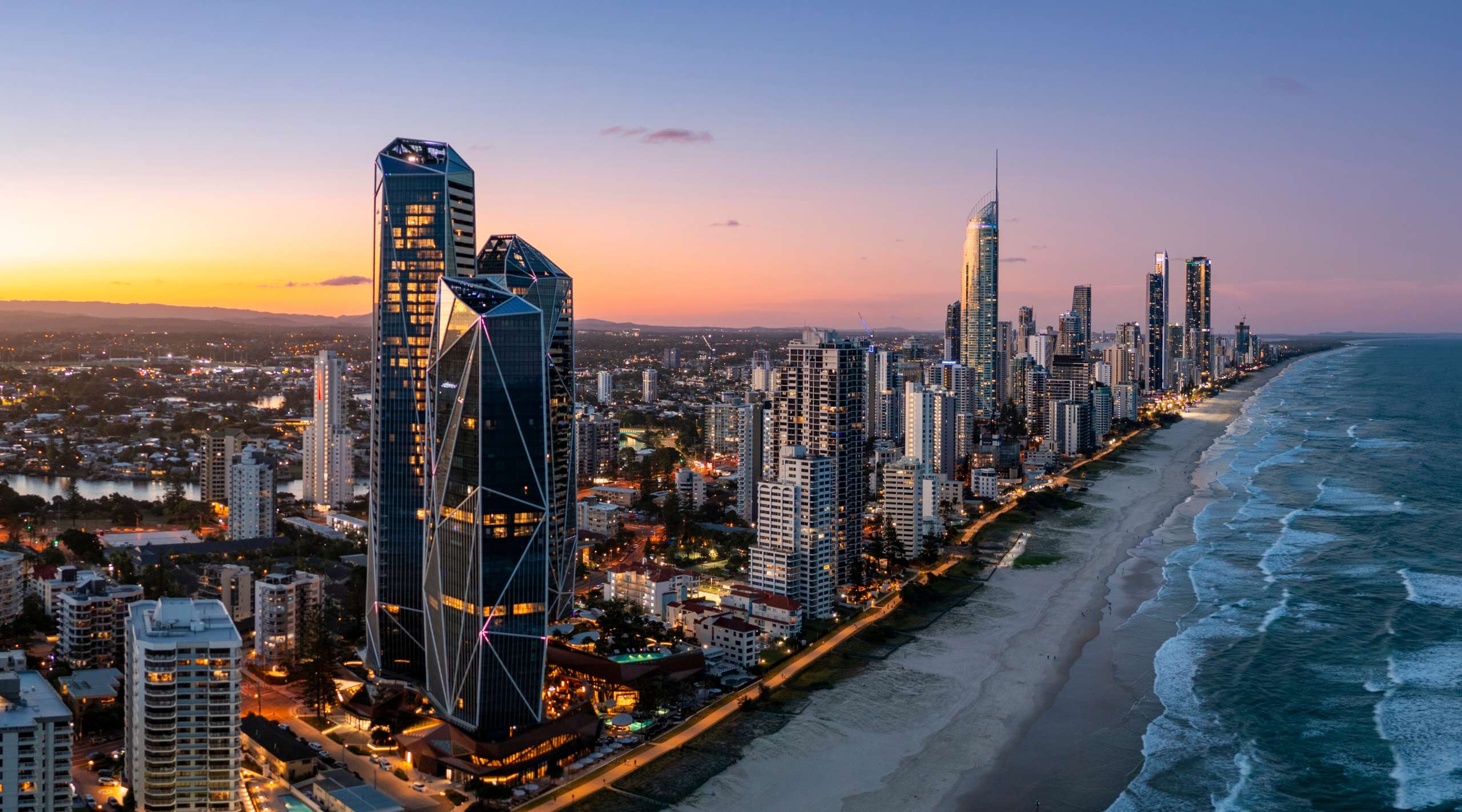
Australia’s Housing Market Enters a Cooling PhaseAustralia’s housing market shifted in June 2026, with the national Home Value Index falling 0.4% month-on-month. This was the largest monthly decline recorded since December 2022.Sydney experienced the sharpest correction, with dwelling values falling 1.2%, followed by Melbourne at 1.0% and Canberra at 0.6%. Adelaide remained unchanged, while Brisbane and Perth continued to grow by 0.3% and 0.7%respectively.Over the June quarter, national dwelling values declined 0.7%, while combined capital city values fell 1.3%. The slowdown was mainly driven by weaker buyer demand and growing affordability pressures. Market Conditions Become More Buyer-FriendlyHigher interest rates, cost-of-living pressures, cautious buyer sentiment and recent property tax changes have contributed to softer market conditions.Auction clearance rates across the combined capital cities have remained below 50% since late May. Capital city sales volumes were also estimated to be 16.2% lower year-on-year.Meanwhile, advertised listings increased by almost 11% compared with the previous year. This has given buyers more options, reduced urgency and placed greater pressure on sellers to set realistic asking prices.Despite the national slowdown, market performance remains uneven. Perth recorded the strongest annual growth among the major capital cities at 23.9%, while Brisbane increased 17.4%, highlighting continued demand in selected markets.OutlookAustralia’s housing market is likely to remain more balanced and selective in the coming months.Buyers may benefit from wider choice and improved negotiating power, while sellers will need to align pricing expectations with changing demand. Markets with stronger population growth, affordability and supply fundamentals, particularly Perth, may remain more resilient than Sydney and Melbourne.Download to see insights from other country marketsDownload
29 กรกฎาคม

Juwai IQI Global Real Estate Newsletter for August 2026
Global Property Markets Enter a More Selective PhaseGlobal real estate entered the second half of 2026 with steady economic growth, but market performance became increasingly uneven. Global growth is projected at approximately 2.8%, supported by investment in infrastructure, technology, energy security and data centres.Institutional capital remains active in markets offering stronger fundamentals. India recorded USD 4.1 billion in institutional property investment during the first half of 2026, representing a 58% year-on-year increase. Saudi Arabia also continued to benefit from Vision 2030, with residential property accounting for around 45% of investment activity.Dubai maintained strong transaction momentum, with Q2 property deals reaching AED 108.1 billion, supported by record off-plan demand and continued international investor interest.Buyers Focus on Value and QualityResidential markets showed mixed movements. Hong Kong’s mass residential values increased 2.0% month-on-month, while office vacancy declined to 13.3%. Canada also saw improving buyer activity, with Toronto sales rising 9.4% year-on-year as borrowing costs eased.In contrast, Australia’s national dwelling values declined 0.4% in June, reflecting affordability pressures and more cautious buyer sentiment.Malaysia’s market is not facing a broad downturn, but it is becoming more selective. Buyers are increasingly prioritising realistic pricing, transit connectivity and cash-flow sustainability, creating opportunities in well-connected growth corridors.OutlookThe second half of 2026 is expected to reward disciplined investors rather than momentum-driven buyers. Markets supported by infrastructure investment, limited supply, demographic growth and policy reforms are likely to remain resilient.Quality assets in strategic locations should continue to outperform, while overpriced or poorly connected properties may face longer selling periods and greater pricing pressure.Discover More HereDownload
29 กรกฎาคม

Where to Invest in 2026: Japan, Malaysia and India Lead Fundamentals-Driven Growth
Global Capital Moves Toward StabilityAs Gulf markets cool from their post-pandemic highs, investors are becoming more selective. Dubai’s market has slowed on transaction volume, while apartment prices dipped by around 3% year-on-year, signalling that momentum-led gains are becoming harder to find.In this environment, global capital is rotating toward markets where returns are supported by fundamentals, stability and long-term demand, rather than short-term sentiment.Japan stands out as one of the clearest beneficiaries. Tokyo has ranked as the world’s top city for cross-border real estate investment for seven consecutive years, while Asia-Pacific net buying intentions rose to 17%, up from 13% a year earlier.Tokyo residential prices increased around 10% to 11% in 2025, with major cities forecast to grow another 5% to 6%this year. A weak yen, transparent ownership rules, tight prime office vacancy and rising data-centre demand continue to support Japan’s safe-haven appeal. Malaysia and India Offer Strong Structural UpsideMalaysia is the standout ASEAN market for higher structural upside. GDP grew 5.4% year-on-year in Q1 2026, inflation remained moderate at around 1.6%, and the OPR stayed supportive at 2.75%.Johor is the key catalyst, driven by the Johor-Singapore Special Economic Zone, the upcoming RTS Link, Singapore-backed rental demand and major data-centre investment.India offers scale and long-term demand. Its real estate sector is worth around USD 585 billion in 2026 and is projected to approach USD 927 billion by 2031, supported by technology-sector expansion and strong office absorption.OutlookThe second half of 2026 will favour markets backed by demographics, infrastructure, policy and real demand.Japan offers stability, Malaysia offers regional upside, and India offers scale. For investors, disciplined selection will matter more than chasing market momentum.Download to see insights from other country marketsDownload
4 กรกฎาคม

Vietnam Property Market July 2026: Prices Rise as Liquidity Enters a Reset Phase
Vietnam Residential Market Enters a More Selective CycleVietnam’s residential market opened 2026 in a transition phase, with prices still rising but liquidity cooling. This suggests the market is moving away from easy speculative gains toward a more disciplined cycle.Residential prices rose around 12% year-on-year in Q1 2026, while liquidity fell nearly 40%. However, there was no sign of distress selling, pointing to a healthy reset rather than a sharp downturn.Primary condominium prices reached new highs across major cities. In Hanoi, average prices were around USD 3,950 per sqm, up 30% year-on-year. In post-merger Ho Chi Minh City, prices averaged around USD 3,900 per sqm, supported by new supply and limited premium stock.Supply also improved. Ho Chi Minh City recorded around 8,010 new condo launches, up 104% year-on-year. Yet affordability remains the key challenge, with much of the new supply priced above the level affordable to mass-market buyers. Strong Fundamentals, But Investors Are More CarefulVietnam’s underlying fundamentals remain supportive. The economy grew 8.02% in 2025, while real estate FDI reached USD 389.5 million in Q1 2026, representing around 7.2% of total inflows.However, investor behaviour is changing. Demand is now concentrating on projects with clear legal status, reliable construction progress and long-term value. Satellite locations such as Binh Duong and Ba Ria-Vung Tau are gaining attention as central city prices continue to stretch.OutlookVietnam’s property market is expected to remain attractive, but more selective.With average gross rental yields at around 3.85%, the market is less of a pure income play and more of a capital appreciation and infrastructure-led growth story. Buyers with strong holding power, careful project selection and a long-term view are likely to be better positioned than short-term speculators.Download to see insights from other country marketsDownload
4 กรกฎาคม

Thailand Property Market July 2026: Foreign Buyers Support Condo Demand
Thailand Becomes a Safe-Haven Market for Global BuyersThailand’s residential market is gaining renewed attention from wealthy foreign buyers seeking investment security, quality of life and long-term flexibility.Amid global economic volatility and geopolitical uncertainty, Thailand is increasingly seen as more than a holiday destination. It is becoming part of a global wealth ecosystem, where buyers can live, invest and plan for the future in one place.Foreign demand for Thai condominiums remains resilient, even as domestic purchasing power slows. Data from the Real Estate Information Centre shows that foreign condominium demand is moving closer to pre-Covid levels of around 13,000 units per year, after rebounding strongly from 2022 onwards.The buyer profile is also becoming more diverse. While Chinese buyers remain important, Thailand is attracting more interest from Russia, Taiwan, India, the United Kingdom and Europe. Recent inquiries from Middle Eastern buyershave also increased, with Phuket receiving stronger interest than Bangkok. Long-Stay Lifestyle and Infrastructure Support DemandForeign buyers are playing a key role in supporting Thailand’s condominium market, especially those seeking second homes, retirement residences, long-term investment assets and bases for digital nomads.One major support factor is the promotion of long-stay visa privileges for buyers of condominiums worth at least 3 million baht in participating projects. Key areas include Bangkok, Phuket, Chiang Mai and Pattaya.Luxury and ultra-luxury condominiums in central business district locations also continue to see healthy demand from high-spending buyers and foreigners.OutlookThailand’s property market outlook remains selective but positive.Foreign demand, long-stay visa appeal, healthcare, international schools and lifestyle value should continue to support key residential markets. Large infrastructure projects, including the southern Land Bridge and Eastern Economic Corridor, may further strengthen Thailand’s long-term position as a regional hub for living, investment and connectivity.Juwai IQI Newsletter July 2026 RDownload
4 กรกฎาคม
Singapore Property Market July 2026: Suburban New Home Demand Stays Strong
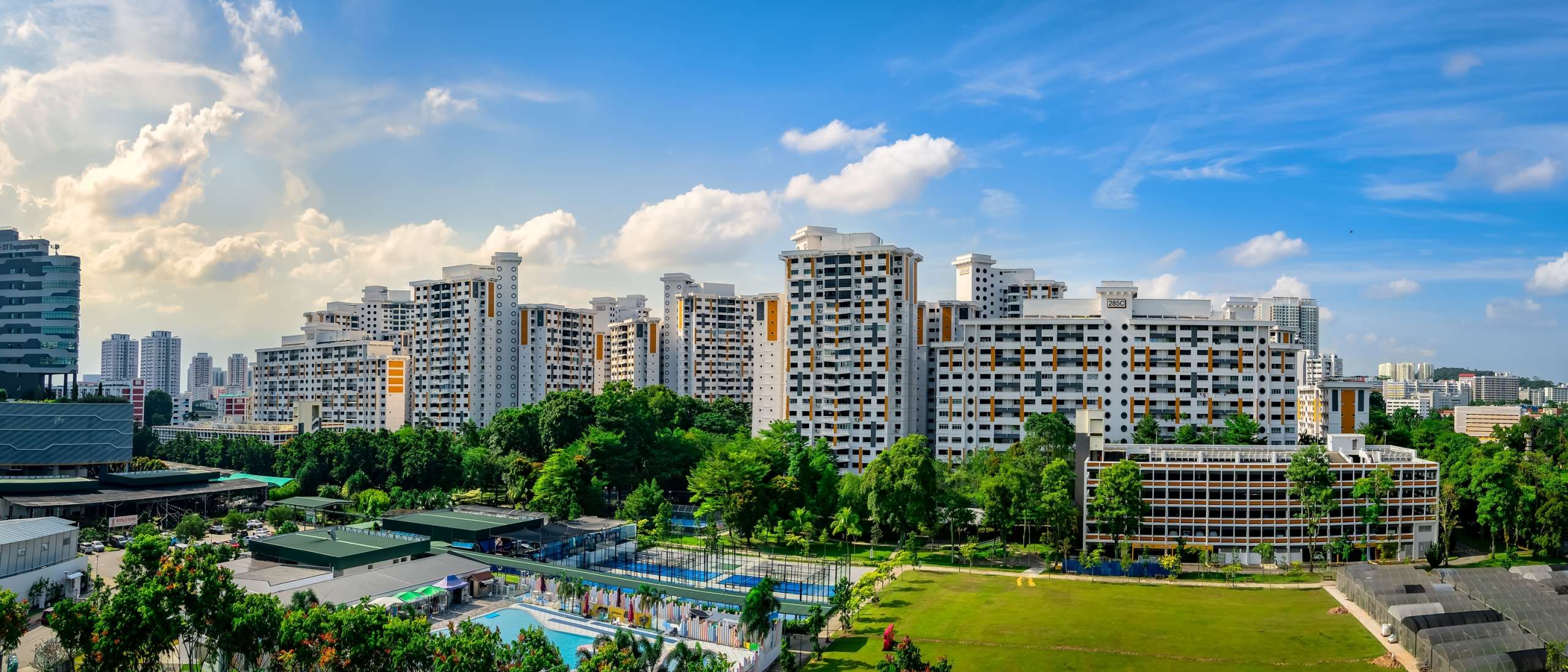
Suburban Launches Drive Strong New Home SalesSingapore’s private residential market continued to show strong momentum in April 2026, led by healthy demand in the Outside Central Region (OCR).New home sales rose for the second consecutive month to 1,548 units in April, up 19.1% from March and 129.3% year-on-year. The increase was mainly supported by two major suburban launches, Tengah Garden Residences and Vela Bay.The OCR recorded a 14-month high in launched units, with 1,406 units released in April. It also accounted for the bulk of developer sales, making up 87.7% of all new private homes sold during the month.Tengah Garden Residences was the standout performer, selling 99.1% of its project within the launch month. As the first private residential project in Tengah, it attracted buyers looking for first-mover advantage and future capital and rental appreciation.Vela Bay also performed well, selling 71.8% of its total units, supported by sea-view units and proximity to Bayshore MRT Station and East Coast Park. OutlookSingapore’s new private home demand is expected to remain firm, especially among first-time buyers and HDB upgraders.While Middle East conflicts could push energy prices higher and place upward pressure on interest rates, any rate increases are expected to be moderate in the near term. Current mortgage rates remain relatively low compared with the peak of over 3% two years ago, supporting affordability.As long as employment and income growth stay resilient, buyer confidence should remain intact. Upcoming launches such as Dunearn House, Lucerne Grand and Lentor Gardens Residences may further test market depth in the second half of 2026.Download to see insights from other country marketsDownload
4 กรกฎาคม

