



































Your Trusted
Real Estate Partner in
Canada
IQI Canada provides comprehensive real estate services and makes your real estate process easy with our professional team

Discover
Your one-stop property solution
Get the latest Property News
Expand your knowledge here!
List your property
Have an agent list my property
Global Market Insights
Get detailed property reports and insights across multiple countries
Manage My Deal
Follow up on my buying process
Mortgage Calculator
I want to calculate my budget
Register as a Real Estate Negotiator
I want to be a real estate negotiator in IQI

Canada Market Insight
Canada is one of the world’s most-watched property markets because it combines stable institutions, global appeal for education, a strong immigration history, and major cities that attract families, students, workers, and investors. However, the Canadian real estate market in 2026 is not simple. Ho... Canada is one of the world’s most-watched property markets because it combines stable institutions, global appeal for education, a strong immigration history, and major cities that attract families, students, workers, and investors. However, the Canadian real estate market in 2026 is not simple. Home prices are still high, mortgage costs remain a concern, rental supply is increasing, and each city is moving in different ways. That means buyers cannot rely on national averages alone.
New Launches
Latest Listings
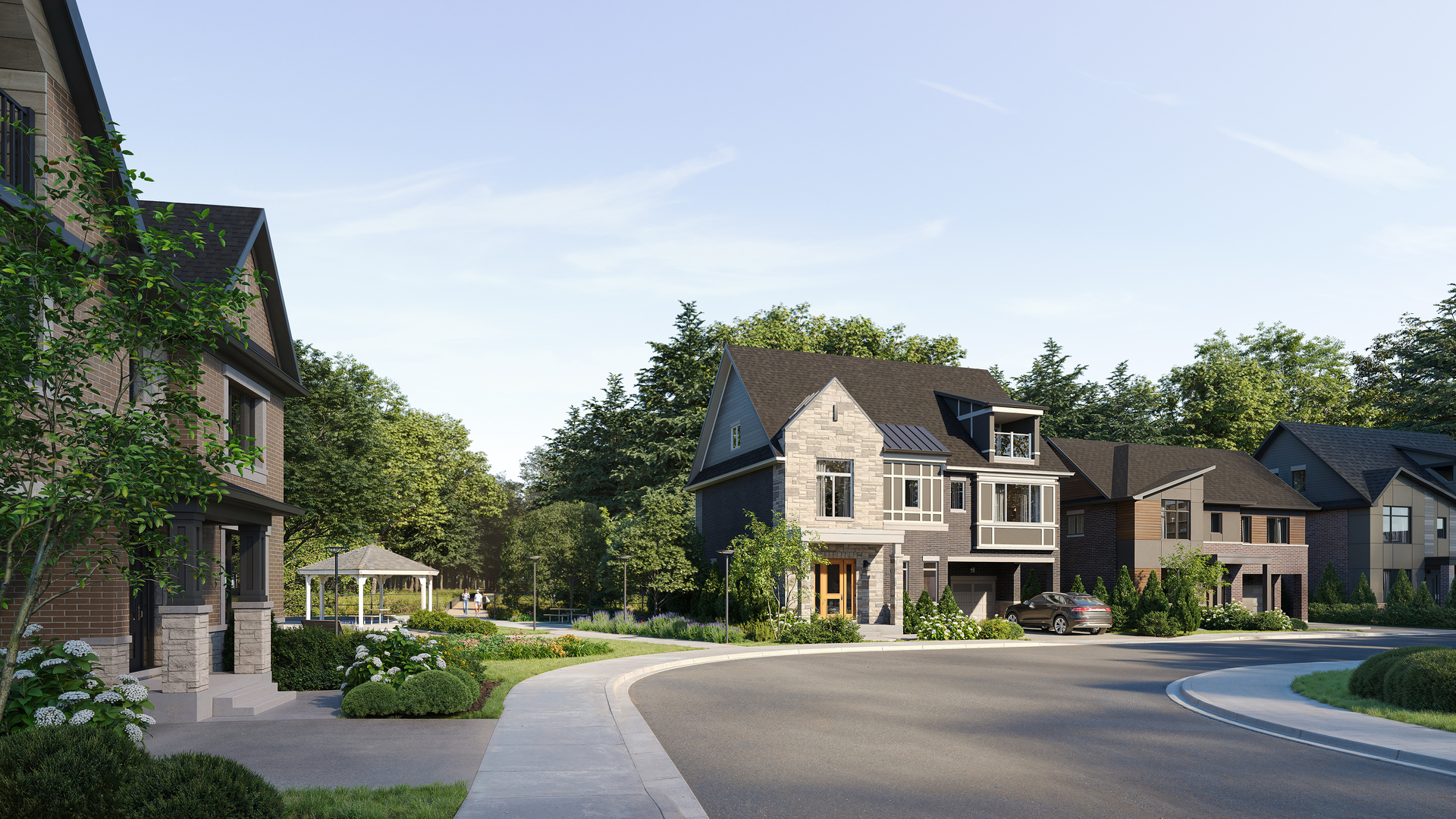
Riverview (Detached)
&, Upper Middle Rd W, Bronte Rd, Oakville, ON L6M 0M3
Starting from $ 1,229,990
Listed on June 12, 2026
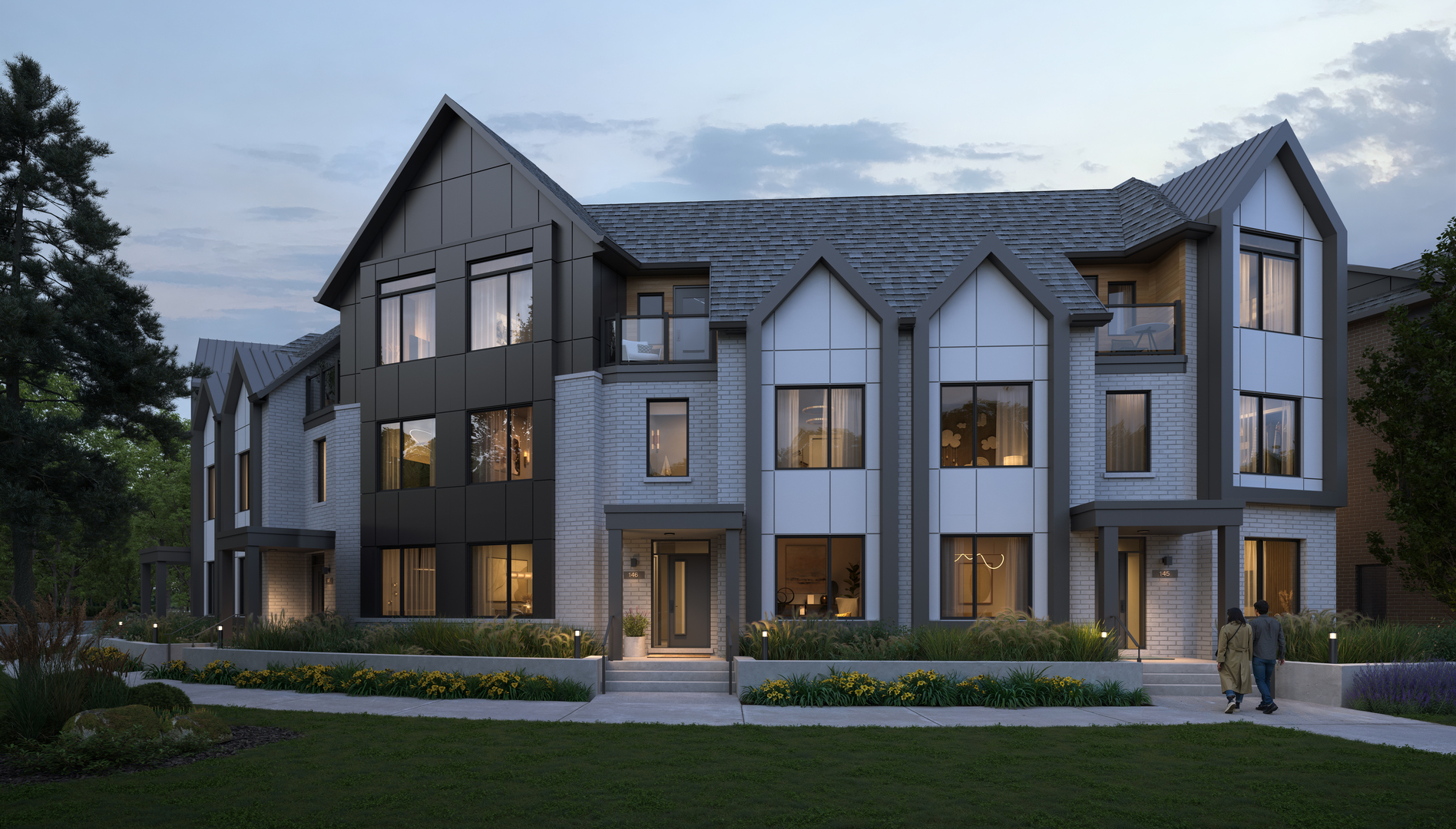
Riverview (Townhomes)
&, Upper Middle Rd W, Bronte Rd, Oakville, ON L6M 0M3
Starting from $ 764,593
Listed on June 12, 2026

Havendale
209 Mt Pleasant Rd, Brantford, ON N3T 1T6
Starting from $ 499,106
Listed on June 12, 2026
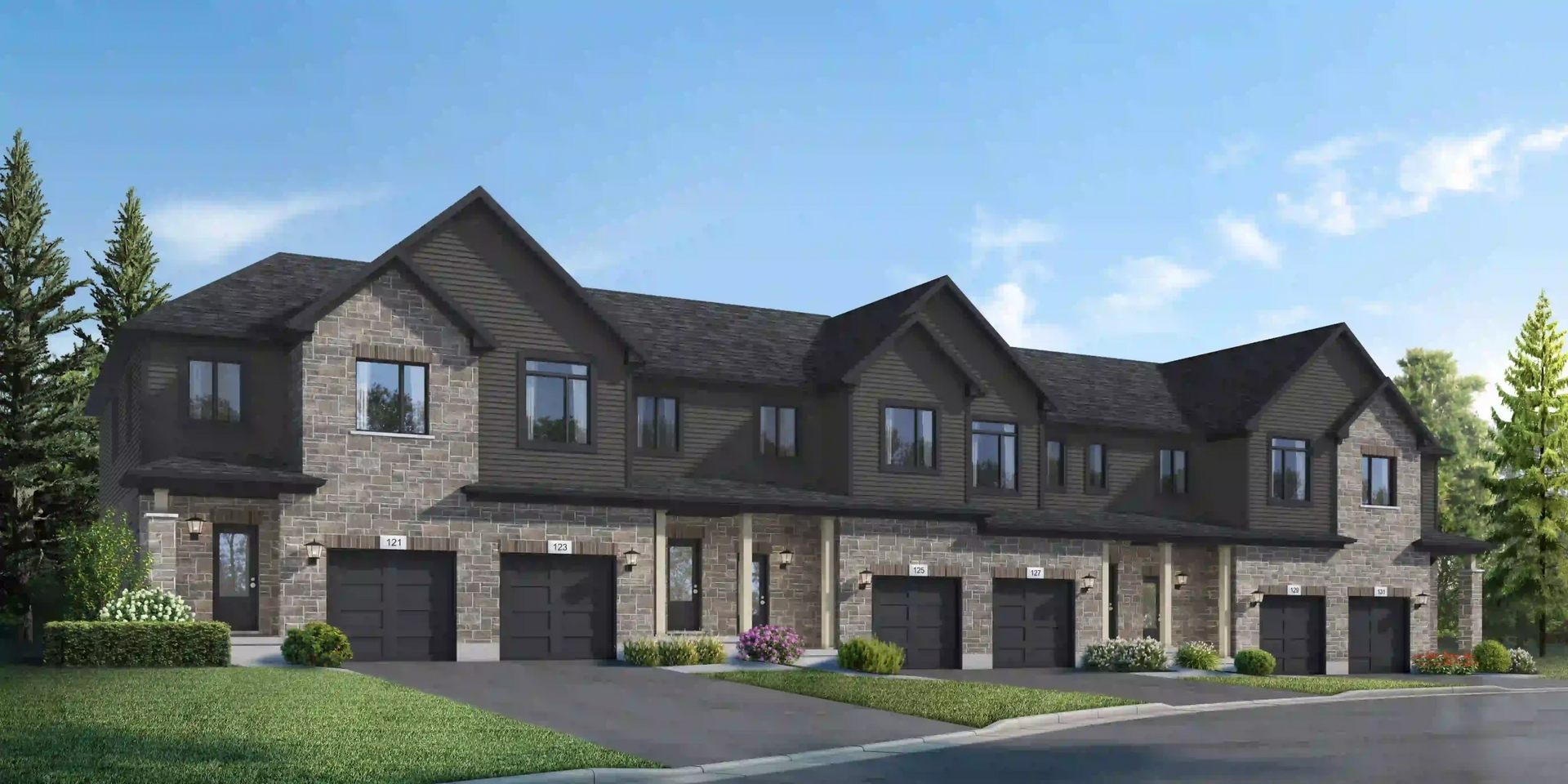
Cadence
155 Guelph Ave, Cambridge, ON N3C 1A5
Starting from $ 439,990
Listed on June 12, 2026
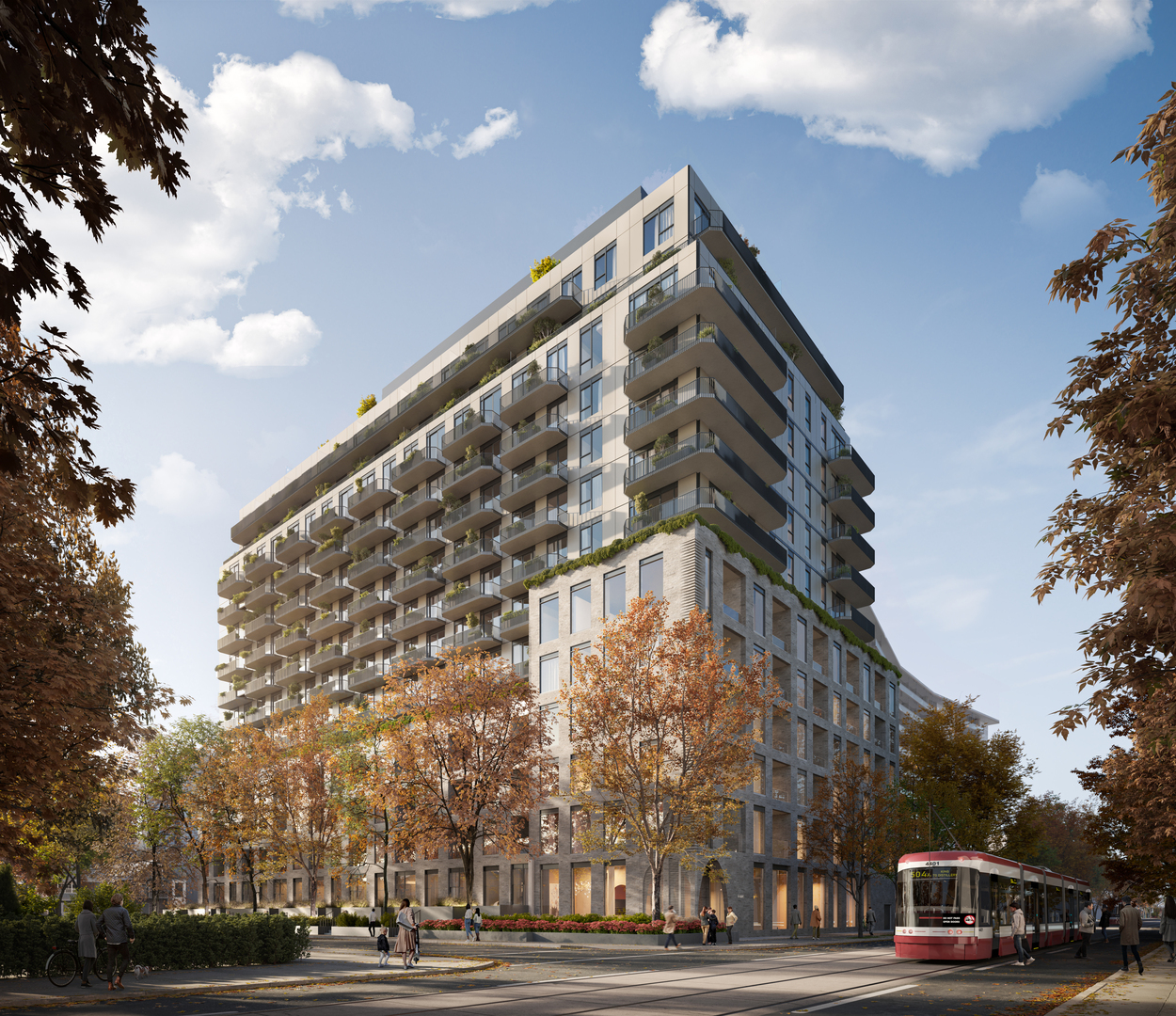
8 Temple
8 Temple Ave, Toronto, ON M6K 1C8
Starting from $ 589,900
Listed on June 12, 2026
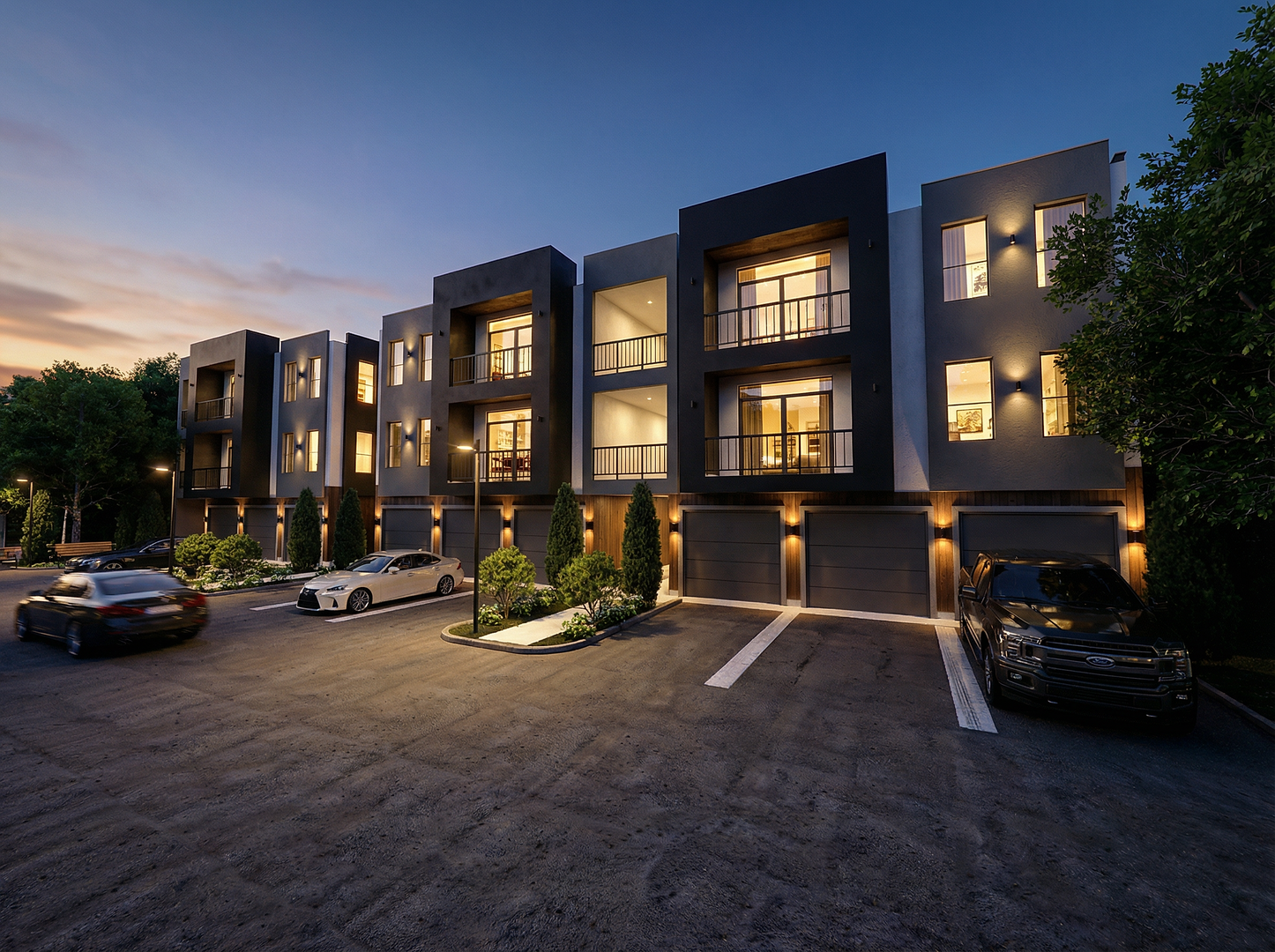
Dove Trails
5135 Wurzbach Rd, San Antonio, TX 78238, USA
Starting from $ 232,831
Listed on June 12, 2026

Distrikt Trailside 2.0
395 Dundas St W, Oakville, ON L6M 4M2
Starting from $ 399,900
Listed on May 5, 2026

The Greenwich
3240 William Coltson Ave, Oakville, ON L6H 8C8
Starting from $ 426,900
Listed on May 5, 2026

Urban Towndominiums
35 Romilly Ave, Brampton, ON L7A 5A7
Starting from $ 599,990
Listed on May 5, 2026

The Wilde Condos
533 Marlee Ave, North York, ON M6B 3J3
Starting from $ 568,900
Listed on May 5, 2026

STAK36 Condominiums at Square One District
395 Square One Dr, Mississauga, ON L5B 0C6, Canada
Starting from $ 625,900
Listed on March 3, 2025

The Rebecca
71 Rebecca St, Hamilton, ON L8R 1B6, Canada
Starting from $ 528,990
Listed on March 3, 2025
Our story
Award-winning PropTech Agency

IQI goes beyond conventional boundaries.
With offices in 30+ countries and 60,000+ real estate negotiators and growing, we have a unique perspective into international best practices in real estate, allowing our team to become global real estate entrepreneurs through cross border property investment and transactions.
Countries
Agents
Projects










AI-Powered App for Agents on the Go
Introducing IQI Atlas SuperApp and IQPilot. Your proprietary AI duo built to manage leads, sales, earnings and every step of your real estate journey, anytime, anywhere.



All-in-one
Connecting you globally
Invest with us
Invest on a platform with over 6 million global properties from more than 111 countries to empower yourself as a citizen of the world.
Advertise with us
Maximise advertising efficiency and lead conversion through our buyers using data.
Testimonials
Hear from our happy buyers

Learn
Tips and Guides
 Canada Housing Market Stabilises as Buyer Confidence Gradually Returns
Canada’s housing market is beginning to stabilise in 2026 as lower prices, improving affordability, and reduced borrowing costs gradually bring buyers back into the market. While elevated inventory levels continue to provide buyers with negotiating power, improving sales activity suggests confidence is slowly returning after a challenging period for the sector. Toronto: Sales Activity Improves One of the clearest signs of recovery can be seen in Toronto, where home sales rose 7% year-on-year to 5,946 transactions. Although new listings declined and benchmark prices remain below last year's levels, market conditions have started tightening as buyer activity improves. This suggests that demand is gradually returning, supported by better affordability and easing financing conditions. Vancouver: Detached Homes Lead Market Confidence In Vancouver, market performance remains mixed, but detached homes are showing encouraging signs of strength. Detached home sales increased 14%, indicating renewed confidence among buyers seeking larger properties. While benchmark prices remain lower than a year ago, values continue to hold above long-term averages, reflecting the underlying resilience of the market. Market Conditions Remain Balanced Across Canada, elevated housing inventory continues to create a balanced market environment. Buyers still have room to negotiate, while sellers are adjusting expectations in response to changing demand patterns. This balance is helping support a healthier market recovery compared to the rapid price growth seen in previous years. The combination of improving affordability, lower borrowing costs, and stable inventory levels is creating a more sustainable foundation for long-term market growth. Outlook Canada's housing market is expected to continue its gradual recovery through the second half of 2026. While price growth is likely to remain moderate, improving affordability, lower financing costs, and returning buyer demand should support stronger activity across major markets. If economic conditions remain stable, Toronto and Vancouver could lead the next phase of market improvement, while balanced inventory levels help maintain market stability. Download to see insights from other country marketsDownload
Continue Reading
 Canada Housing Market Shows Early Signs of Recovery in May 2026
Canada’s housing market showed signs of stabilisation in March 2026, as national conditions moved closer to balance. Improved affordability and stronger seasonal demand helped support prices after previous declines, giving buyers and sellers a more stable market environment. Toronto Market Tightens In the Greater Toronto Area, sales reached 5,039, up 1.7% year-on-year, while new listings fell 16.7% year-on-year. This shows that supply is dropping faster than demand. Although prices were still down annually, they remained stable month-on-month, suggesting that a price floor may be forming. Vancouver Remains Balanced Metro Vancouver recorded 2,032 sales, down 2.8% year-on-year, while new listings fell 10.3% year-on-year. However, active listings remained high at 14,774, around 38% above average. This gives buyers more choice and keeps price growth limited for now. Buyers Still Hold Negotiating Power Compared with 2025, buyers continue to benefit from more options and stronger negotiating power. However, as the spring market progresses and supply adjusts, conditions may begin to tighten gradually in selected cities. Outlook Canada’s housing market is likely to remain more balanced in the near term, with different cities moving at different speeds. Toronto may see stronger support if supply continues to fall, while Vancouver could stay steady due to higher inventory. For buyers, this remains a useful window to compare options, negotiate carefully and enter the market before conditions tighten further. Download to see insights from other country marketsDownload
Continue Reading
Canada Housing Market Slows as Inventory Rises and Prices Ease
Canada’s Housing Market Is Moving Toward Balance Canada’s housing market in early 2026 is slowing but stabilising, as rising inventory and moderating prices bring the market closer to balance. While overall activity has softened, this shift is creating more opportunities for buyers who were previously priced out. Home sales have declined year-on-year, while average prices have eased slightly. At the same time, inventory has risen to around 140,000 listings, with nearly five months of supply, giving buyers more options and reducing urgency across the market. Toronto Toronto is showing mixed signals. Sales remain relatively steady, but new listings have dropped sharply, tightening supply in certain segments. Prices continue to adjust, although strong underlying demand suggests potential recovery if inventory tightens further. Vancouver In Vancouver, higher inventory continues to put pressure on the market. Sales activity remains below historical averages, while benchmark prices have declined as supply outweighs demand. This reflects more cautious buyer sentiment, particularly in higher-priced segments. Overall, Canada’s housing market is transitioning into a more balanced phase. With improved supply, softer pricing, and steady demand, the current environment offers greater flexibility and entry opportunities for buyers and long-term investors. Quebec Source: GVR Residential Market Report - January 2026 Download to see insights from other country marketsDownload
Continue Reading
 Canada Housing Market 2026: Softer Sales in Toronto & Vancouver, Modest Rebound Ahead
Canada Canada’s housing market started 2026 with softer sales and more balanced supply compared to prior years. Total home sales in 2025 fell 1.9% from 2024, and the MLS® Home Price Index was down about 4% year-over-year by year-end. CREA forecasts a modest rebound in 2026, with sales expected to rise 5–7% and average prices reaching around $690,000 to $700,000. The market remains stable, supported by improved affordability and steady buyer confidence. Toronto GTA REALTORS® reported 3,082 home sales in January 2026, down 19.3 per cent compared to January 2025, while new listings totaled 10,774, a 13.3 per cent year-over-year decline. On a seasonally adjusted basis, sales decreased month-over-month as listings edged slightly higher. The MLS® HPI Composite benchmark fell eight per cent year-over-year, with the average selling price at $973,289, down 6.5 per cent from January 2025. TRREB’s 2026 Market Outlook and Year in Review Report also highlights broader trends across the GTA’s residential and commercial real estate markets. Source: https://trreb.ca/wp-content/files/market-stats/market-watch/mw2601.pdf Vancouver Metro Vancouver home sales on the MLS® dropped 28.7% year-over-year in January 2026 to 1,107 units, well below the 10-year average. New listings declined 7.3% to 5,157 but remained above historical norms, pushing active listings up nearly 10% to 12,628. The sales-to-active listings ratio stood at 9.1%, signaling continued downward pressure on prices. The MLS® Home Price Index benchmark fell 5.7% to $1,101,900. Detached, apartment, and attached home sales and prices all saw double-digit declines compared to January 2025. GVR expects 2026 to mirror last year with subdued sales, high inventory, and stable prices amid ongoing economic uncertainty. Source: https://members.gvrealtors.ca/news/GVR-Stats-Package-January-2026.pdf Quebec Source: https://apciqca-152af.kxcdn.com/wp-content/uploads/sites/4/2026/02/stats-202601-en-1.pdf Download to see insights from other country marketsDownload
Continue Reading

Be updated on new launches
Subscribe to our emails to find out about the latest property news, trends and launch dates.


Juwai.com, Juwai.asia, IQI, and Juwai IQI are trademarks of Juwai IQI group. All rights are reserved.
© IQI Global 2026
This site is protected by reCAPTCHA and the Google Privacy Policy and Terms of Service apply.
Your privacy matters!
We use cookies to improve your browsing experience, serve personalized content, and analyze our traffic. By clicking Accept all Cookies, you agree to the storing of cookies on your device. For more details, see our Cookie Policy.
Got questions? 😊 I'm JIQI, happy to help!