

Newsletter
Keep yourself update with our current news for Juwai IQI
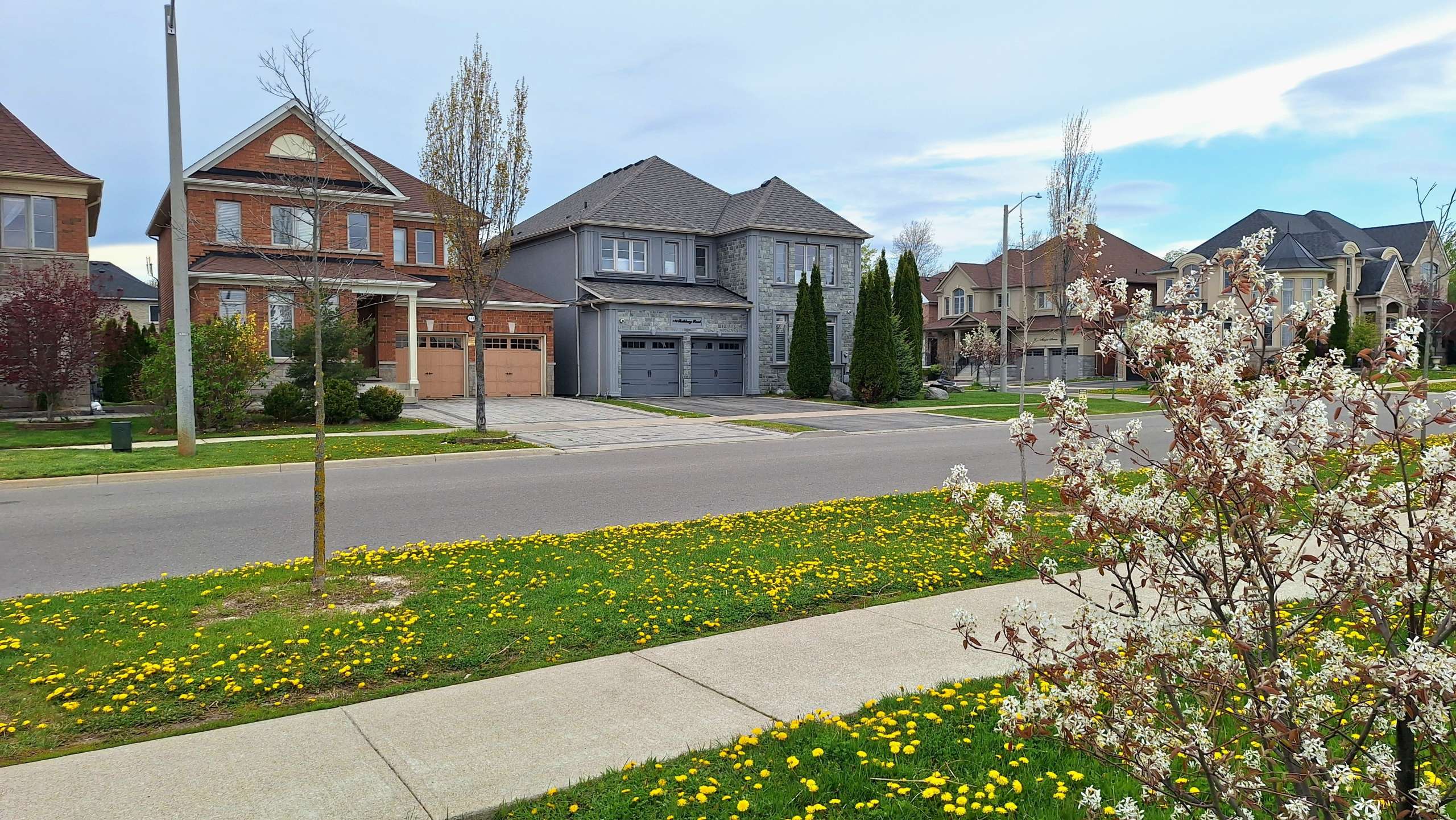
Canada Property Market 2026: Buyers Stay Cautious as Major Markets Cool
Major Markets Lose MomentumCanada’s housing market remained relatively balanced in July 2026, as buyers stayed cautious despite improved borrowing conditions. Sales and new listings slowed across major markets, while prices continued to soften in several regions.In the Greater Toronto Area, sales fell 0.9% year-on-year, while new listings dropped a much sharper 17.8%. The average selling price declined 4.5% to C$1,003,956, although reduced supply has begun increasing competition among buyers.Metro Vancouver also slowed, with home sales falling 9.8% year-on-year to 2,061 transactions. New listings declined 11.5%, while the composite benchmark price fell 6.2% year-on-year to C$1,088,800. Apartment sales recorded the largest drop, down 17.8%. Quebec Shows a Different PatternQuebec also experienced softer transaction activity, with total sales down 6% year-on-year in July. However, active listings increased 19%, giving buyers more choice.Price trends were more mixed. The median price for single-family homes increased 3% to C$505,000, while plex properties recorded an 8% increase to C$690,000. Condominium activity was weaker, with sales falling 16% and median prices edging down 1%.The figures highlight how Canada’s housing adjustment is increasingly varying by region and property type.OutlookCanada’s market is likely to remain balanced but selective in the near term. Toronto and Vancouver may continue facing price pressure as demand adjusts, although tighter new supply could provide some support.For buyers and investors, opportunities will increasingly depend on local inventory, property type and pricing, rather than broad national market trends.The contents of this article were contributed by Yousaf Iqbal, Head of IQI Canada.Download to see insights from other country marketsDownload
4 September
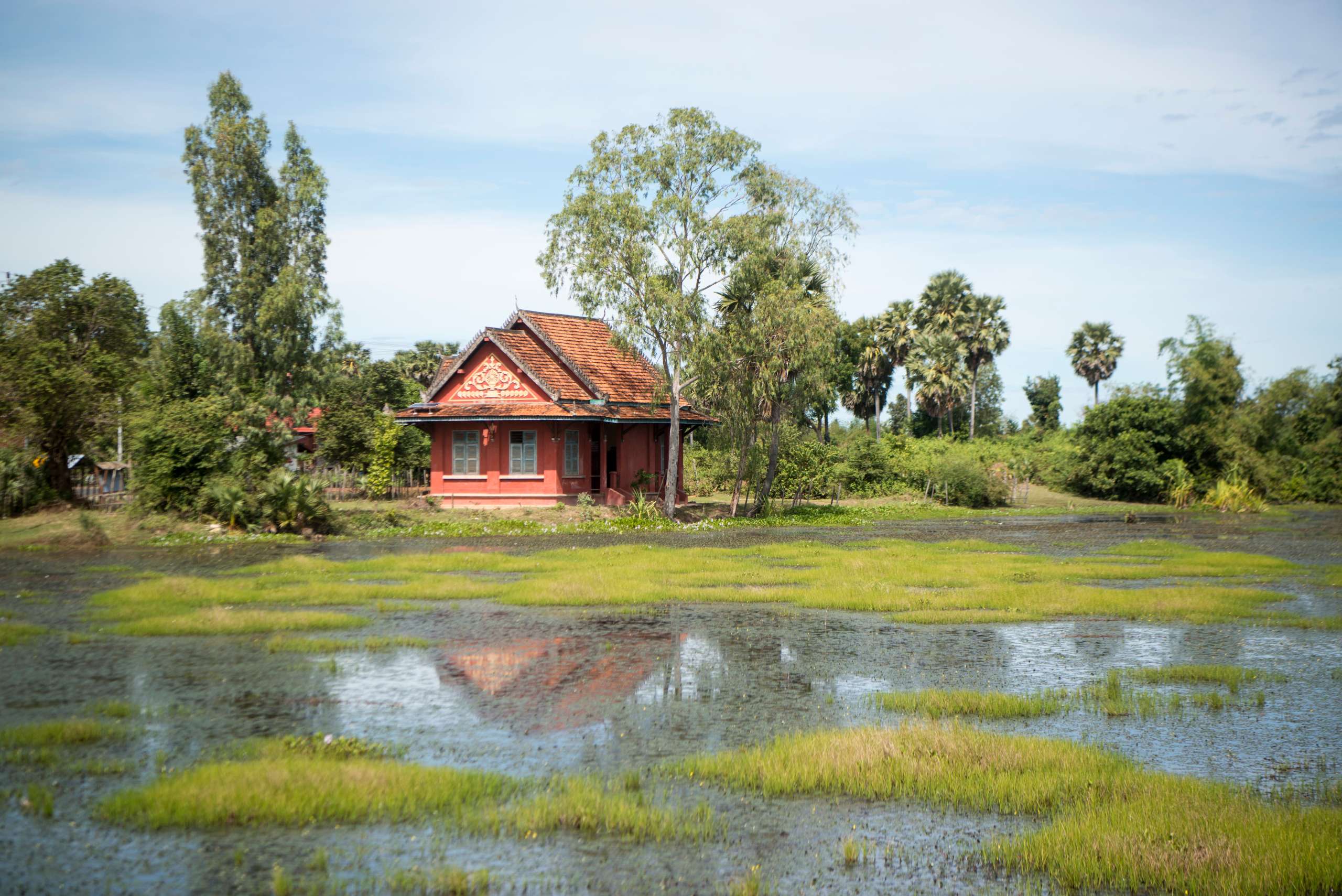
Cambodia Property Market 2026: Selective Recovery Gains Momentum
Recovery Led by Value and InfrastructureCambodia’s real estate market is moving through a gradual and selective recovery, with buyer confidence improving but purchasing decisions remaining cautious.Demand is increasingly concentrated on properties offering strong value, good locations and reliable quality. Buyers are also placing greater importance on legal documentation, completed or reputable developments and long-term investment potential.Infrastructure remains one of the strongest drivers. Ring Road 3, the New Techo International Airport, and the continued expansion of southern and western Phnom Penh are reshaping development patterns and supporting demand for land and residential projects along key growth corridors. Landed Homes and Growth Corridors LeadThe residential market is gradually stabilising, with the strongest demand seen in affordable and mid-market properties.The borey segment remains relatively active, although affordability, financing conditions and household purchasing power continue to influence sales.Condominiums are recovering more slowly. Performance remains highly location-dependent, while existing supply and absorption continue to weigh on some projects.By comparison, growth-corridor land continues to show some of the strongest long-term potential, particularly in areas benefiting from infrastructure development and urban expansion.OutlookCambodia’s property recovery is expected to remain gradual rather than broad-based.Affordable landed housing and growth-corridor land are likely to remain the strongest-performing segments, while condominium recovery will favour projects with competitive pricing, strong locations, good quality and clear rental demand.As investors become more disciplined, opportunities are likely to favour buyers who focus on fundamentals, infrastructure and long-term value rather than short-term speculation.The contents of this article were contributed by Sorn Seap, Head of Juwai Cambodia.Download to see insights from other country marketsDownload
4 September
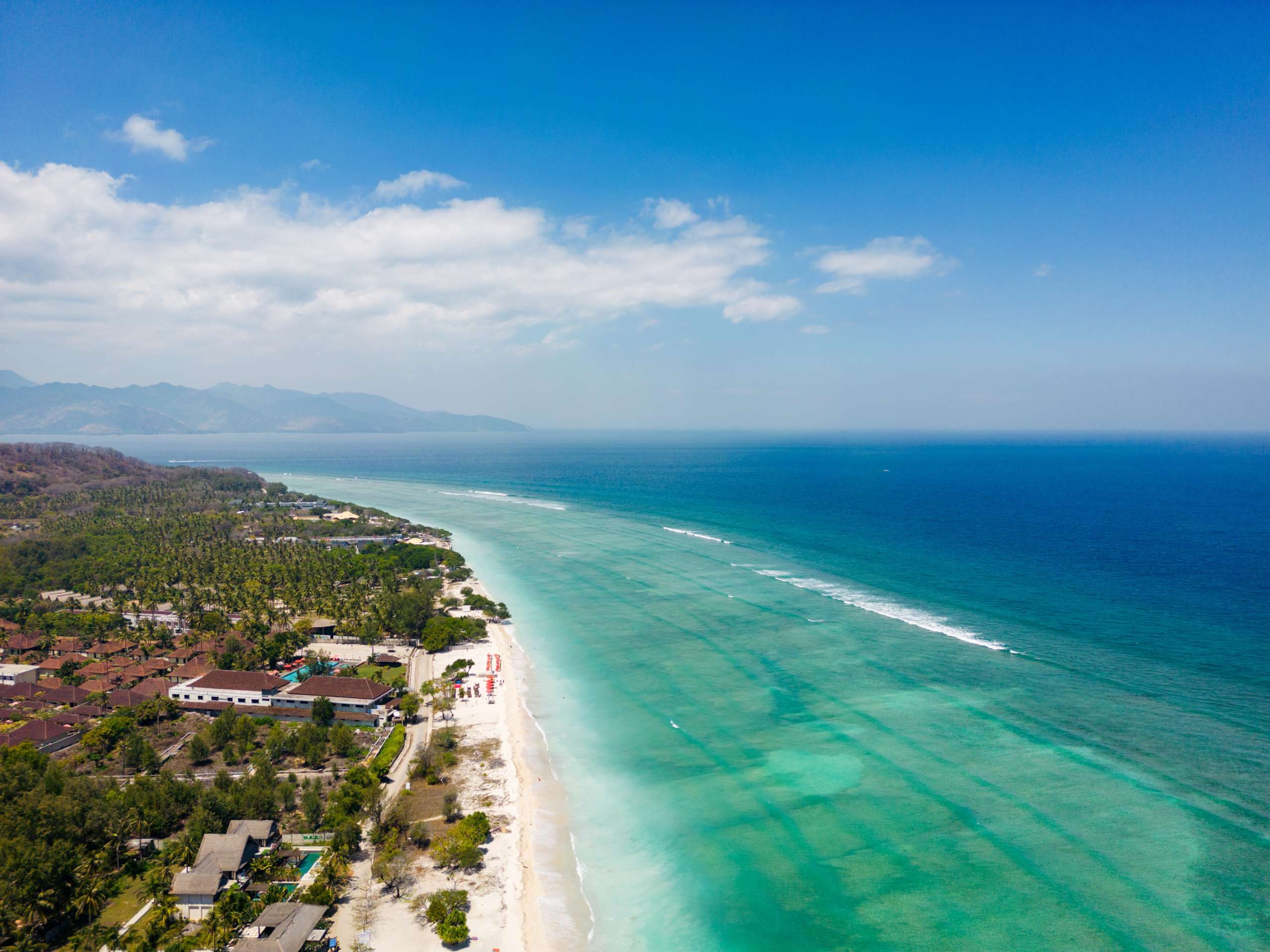
Bali vs Lombok Property Investment 2026: Two Islands, Two Different Opportunities
Bali: A More Established Property MarketBali has evolved far beyond its reputation as a holiday destination. Today, it is a mature international real estate market supported by millions of visitors, established hospitality brands, restaurants, beach clubs, wellness concepts and international schools.Popular areas such as Canggu, Pererenan and Uluwatu have already experienced significant development. As prices and competition increase in these locations, investors are increasingly looking towards emerging areas where land and property may still offer stronger growth potential.For investors, success in Bali is becoming less about simply owning property on the island and more about choosing the right micro-location, concept and legal structure. Indonesia’s efforts to attract more international capital also add to the broader investment story. Lombok: Earlier in the Growth CycleLombok presents a very different opportunity.The island remains at an earlier stage of development, supported by an international airport, the Mandalika development, MotoGP circuit, and a growing pipeline of hotels, resorts and villas around Kuta Lombok and the south coast.Property prices can still be considerably lower than comparable locations in Bali, giving Lombok potentially more room for long-term appreciation.However, an earlier-stage market also brings greater development and execution risk, making project selection, developer quality and due diligence especially important.OutlookThe choice between Bali and Lombok ultimately depends on an investor’s strategy.Bali offers a more established tourism and rental market, while Lombok offers greater early-stage growth potential. Rather than viewing them as competing markets, investors may benefit from understanding both and identifying where future tourism and development demand is likely to move next.The contents of this article were contributed by Liv Baggen, Head of Global Sales, Juwai IQI; Founder, Homes in Asia.Download to see insights from other country markets Download
4 September
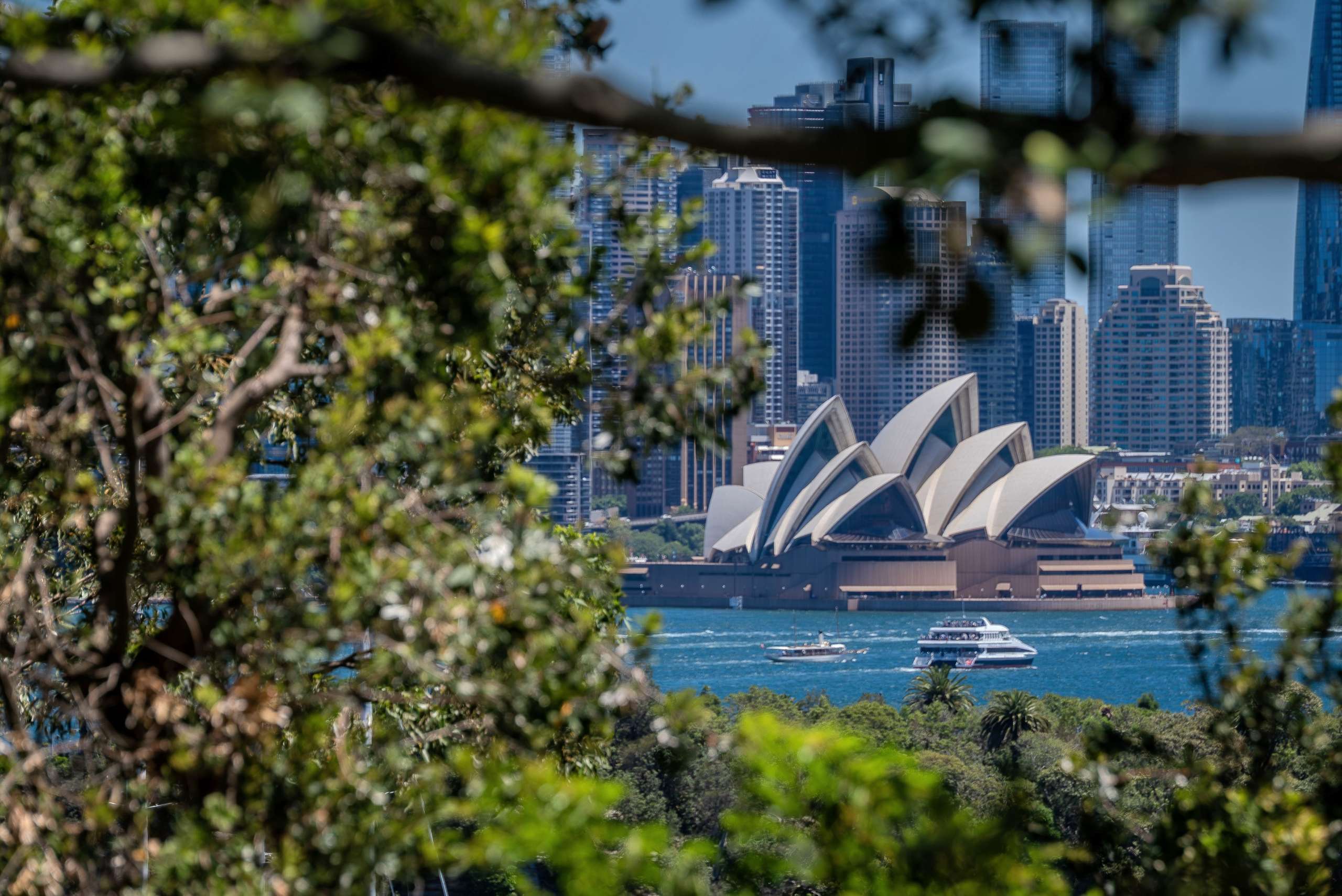
Australia Housing Market September 2026: Downturn Broadens Across Major Capitals
Australia’s Housing Downturn SpreadsAustralia’s housing market lost further momentum in July, with Cotality’s national Home Value Index falling 0.7%, its largest monthly decline in more than three years.Sydney and Melbourne remained the weakest major markets, with home values falling 1.4% and 1.2% respectively during the month.However, the slowdown is becoming more widespread. Brisbane declined 0.6%, while Adelaide fell 0.2%, with both cities recording two consecutive months of falling values following historical revisions.Perth showed a small 0.1% monthly increase, although its June result was revised to a 0.5% decline, signalling how quickly conditions have shifted from the city’s earlier growth phase. Premium Homes Feel More PressureThe correction has been particularly noticeable at the higher end of the market.Values in the upper quartile fell 3.2% over the three months to July, compared with a 0.3% gain among lower-value properties.Several factors are weighing on demand, including affordability constraints, three cash-rate increases and weak consumer confidence. At the same time, advertised housing supply has increased.Capital-city auction clearance rates have remained below 50%, suggesting buyers and sellers are still struggling to agree on pricing.OutlookAustralia’s housing market is likely to remain price-sensitive and uneven across cities and property segments in the near term.With higher-value homes experiencing the greatest pressure, buyers may gain greater negotiating power in selected markets. For homeowners and investors, conditions will require closer attention to local demand, pricing and affordability rather than relying on broader national trends.The contents of this article were contributed by Lily Chong, Head of IQI Australia.Download to see insights from other country marketsDownload
4 September

Juwai IQI Global Real Estate Newsletter for September 2026
Juwai IQI Expands Its Indonesia NetworkJuwai IQI continued strengthening its international footprint in August with the addition of IQI Bali and IQI Lombok to its global network.The expansion was established through a strategic partnership with Homes in Asia, positioning the business to represent Juwai IQI across Bali and Lombok.The partnership combines local property knowledge and relationships with Juwai IQI’s international real estate network, technology and cross-border capabilities, creating stronger connections between Indonesian opportunities and global buyers.The collaboration was formalised during a signing ceremony at IQI Global Headquarters in Millerz Square on 29 August 2026, marking another step in the group’s regional growth strategy. Developing the Next Generation Through AIAlongside its international expansion, Juwai IQI also focused on developing future-ready talent through IQI Youth Connect 2026 and the IQI AI Hackathon 2026.Youth Connect brought together young Malaysians aged 18 to 35 at IQI Global Headquarters on 22 August, providing a platform centred on learning, networking and emerging opportunities.That momentum continued through the AI Hackathon, where 30 teams developed AI-powered solutions spanning real estate, marketing, productivity and deal-making.Participants were challenged to build, test and refine practical ideas within a limited timeframe, encouraging hands-on experimentation with technology rather than simply discussing its potential.OutlookThese two developments reflect complementary parts of Juwai IQI’s growth strategy.Expanding into Bali and Lombok strengthens the group’s ability to connect international investors with emerging Asian property markets, while programmes such as Youth Connect and the AI Hackathon help build the skills needed for an increasingly technology-driven industry.Together, they position Juwai IQI for growth through market expansion, technology and next-generation talent.Discover More HereDownload
4 September
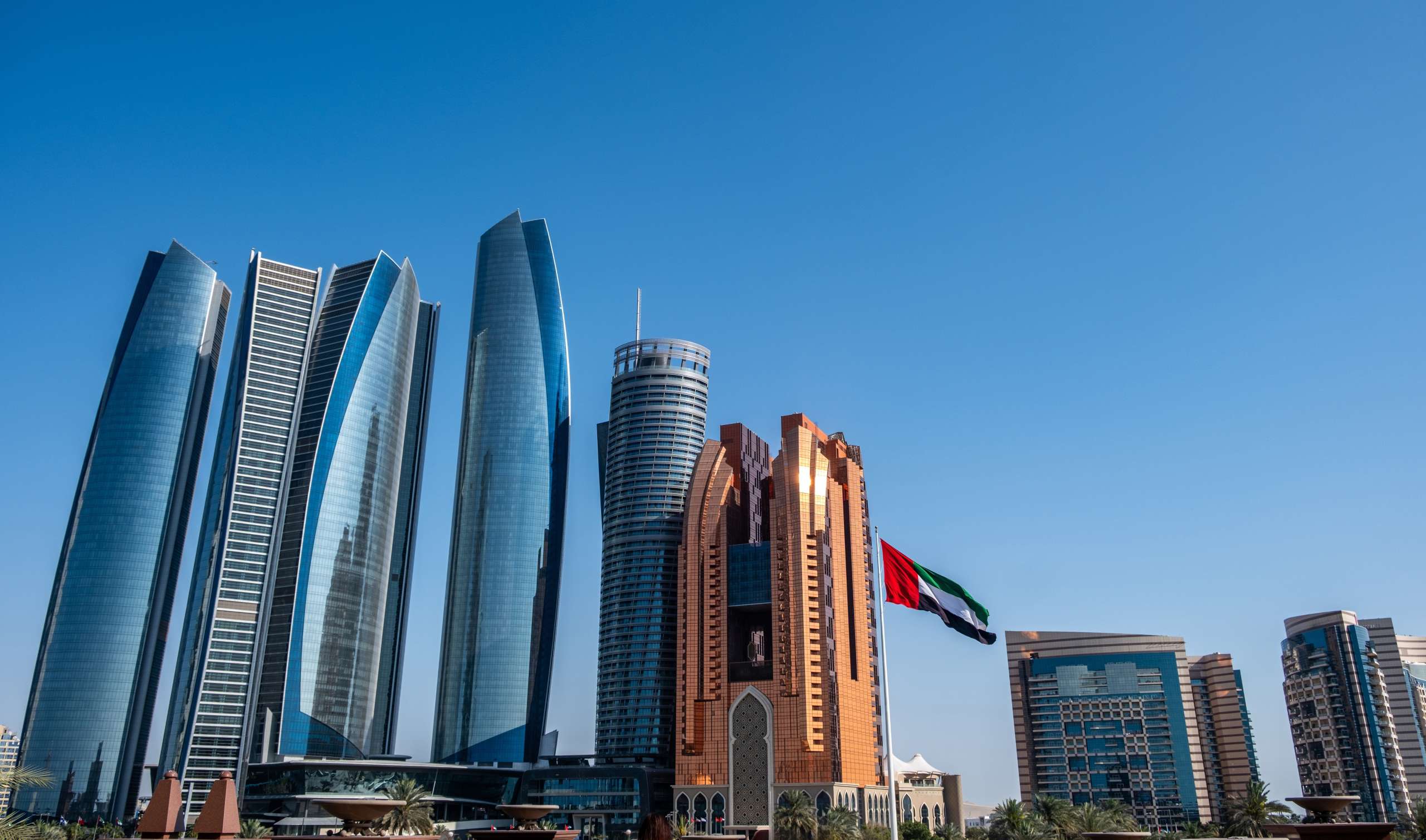
Where to Invest in Property in 2026: Four Global Markets to Watch
Property Fundamentals Pass the Mid-Year TestThe first half of 2026 tested global property markets through regional security tensions, temporary repricing and changing financing conditions.What followed was a rapid recovery and a clearer investment picture. Capital is now moving towards markets supported by demographics, infrastructure and policy, rather than short-term speculation.The United Arab Emirates demonstrated strong resilience. Dubai recorded approximately AED 286 billion in property sales during H1 2026, the second-highest first-half result on record. Rental yields remain near 7%, while freehold ownership, tax-free rental income and Golden Visa eligibility continue to attract international investors.Saudi Arabia is emerging as a new foreign investment destination following the introduction of its non-Saudi property ownership law in January 2026. Riyadh offers gross yields of around 7% to 9%, while apartment rents have risen nearly 20% year-on-year. More than 780 multinational companies have also committed to establishing regional headquarters in the Kingdom. Malaysia and Japan Offer Different StrengthsMalaysia remains one of ASEAN’s most accessible growth markets. Property transactions reached RM241.9 billion in 2025, while Johor attracted a record RM110 billion in approved investment.The upcoming Rapid Transit System Link between Johor Bahru and Singapore is strengthening interest near station locations, where selected units have already appreciated 18% to 20%. Prime transit-linked properties in the Klang Valley continue to offer yields of approximately 4% to 5%.Japan provides a more defensive opportunity. The average price of a new condominium in Tokyo’s 23 wards reached ¥137.8 million, up 18.5%, while supply fell to its lowest level since 1973. High occupancy, transparent ownership rules and a weaker yen continue to support demand.OutlookThe strongest property opportunities in the second half of 2026 are likely to be found in markets where policy reform, infrastructure investment and genuine demand support long-term returns.The UAE and Saudi Arabia offer stronger yields, Malaysia provides accessible growth, while Japan remains a stable portfolio anchor.Download to see insights from other country marketsDownload
30 July

Vietnam Property Market Outlook 2026: Infrastructure Corridors Lead the Next Growth Cycle
Vietnam’s Housing Market Enters a Selective ResetVietnam’s residential market entered August 2026 in a period of consolidation. Prices remain relatively firm, but transaction activity is slower as buyers become more selective and borrowing costs stay elevated.During Q2 2026, developers launched approximately 12,000 primary condominiums across the enlarged Ho Chi Minh City market and more than 4,000 units in Hanoi. However, luxury absorption remained below 30% in Ho Chi Minh City, while Hanoi’s take-up rate eased to around 20%.Inner-city primary prices reached approximately USD 5,400 to USD 9,500 per square metre. Pressure was more visible in the secondary market, where prices declined 5% to 8% in Ho Chi Minh City and by as much as 12% in parts of Hanoi.Floating mortgage rates of 13% to 16% are encouraging some owners to lower asking prices. However, the market has not experienced widespread distress, while the new land-price framework is helping maintain a floor under development costs and headline prices. Infrastructure Redirects Property DemandVietnam has approximately 234 major infrastructure projects worth VND 3.4 quadrillion underway. These investments are shifting demand from crowded central districts towards better-connected suburban and regional corridors.In the south, growth is concentrating around the Ho Chi Minh City and Dong Nai corridor, supported by Long Thanh International Airport, new ring roads, expressways and Metro Line 1.Northern demand is moving towards Hanoi’s gateway districts and neighbouring Hung Yen and Bac Ninh. Da Nang is also showing stronger primary-market activity, supported by limited prime coastal supply.OutlookVietnam’s next property cycle is expected to favour patience and careful asset selection rather than short-term speculation.With average gross rental yields near 3.85%, investment returns will depend increasingly on infrastructure-led capital appreciation. Legally clear projects with strong connectivity and genuine end-user demand should remain best positioned, particularly for buyers with sufficient holding power and a multi-year investment horizon.Download to see insights from other country marketsDownload
30 July

Thailand Retail Property Outlook 2026: Transit and Experience Drive Bangkok Growth
Bangkok Retail Market Enters a New PhaseBangkok’s retail property market is evolving as developers place greater emphasis on transit-oriented locations, experiential concepts and asset repositioning.Total retail supply reached 9.27 million square metres in Q1 2026, recording only a marginal 0.12% quarter-on-quarter decline. This reflects a relatively stable market despite wider economic uncertainty and a fresh pipeline of new space.Retail development is becoming increasingly divided between neighbourhood-focused community malls and larger shopping centres connected to mass-transit networks. Another 300,000 square metres of retail space is scheduled for completion during 2026, increasing competition among existing and upcoming projects. Occupancy Improves as Tenant Demand ShiftsBangkok’s overall retail occupancy rate rose to 89% in Q1 2026, compared with 85% a year earlier and around 84% throughout much of 2024.Demand remains strongest among luxury brands, food and beverage operators, wellness providers and experience-led tenants. Higher-performing malls are allocating more space to leisure, lifestyle services and community activities that encourage repeat visits.CBD shopping mall rents averaged 2,852 baht per square metre per month, above the northern fringe at 2,230 bahtand the eastern fringe at 2,300 baht.Community malls remained more affordable, with average CBD rents of 1,755 baht per square metre, compared with 1,200 baht in the northern fringe and 1,250 baht in the eastern fringe.OutlookCompetition may place pressure on average occupancy as consumers become more selective about where they spend their time and money.Projects combining strong transit access, distinctive experiences and a clear market identity are expected to perform best. Retail centres that respond to changing consumer habits through wellness, dining, entertainment and community-focused concepts should remain better positioned as new supply enters the Bangkok market.Download to see insights from other country marketsDownload
30 July

