

































Newsletter
Keep yourself update with our current news for Juwai IQI

Hong Kong Property: Office Net Absorption Turns Positive as Mass Residential Values Tick Up
Office Sector: Hong Kong’s office market showed signs of recovery in July 2025, with a positive net absorption of 189,500 sq ft, largely driven by a flight-to-quality trend as tenants take advantage of softening rents. While the overall Grade A office vacancy rate improved slightly to 11.6%, certain submarkets like Kowloon East and Wanchai/Causeway Bay still have high vacancies. Monthly office rents declined 0.5% overall, with Hong Kong East recording the steepest drop at 2.8%. Key leasing transactions took place in premium buildings such as Two Harbour Square and the Manulife Financial Centre. Meanwhile, a notable asset disposal in Central highlighted continued investor activity despite the cautious rental environment. Residential Sector: In the residential market, overall transaction volumes dipped 3.1% month-on-month in July, though secondary market activity increased. Mass residential capital values edged up 0.3% as buyers gravitated toward more affordable housing options amid narrowing price gaps between private and subsidized flats. The luxury segment also saw movement, with a unit at TWELVE PEAKS selling for HKD 288 million—a 37% discount from its 2018 price. Despite a slowdown in total consideration value, positive sentiment persists in the primary market, evidenced by strong uptake at new project launches like Deep Water Pavilia. Source by Jones Lang Laselle, The Land Registry For more countries updatesDownload Now!
1 October, 2025

Real Estate: The $10 Trillion Catalyst for India’s Growth Story
written by MANU BHAZIN, Head of IQI IndiaIndia’s real estate sector has quietly but steadily transformed into one of the biggest engines of economic growth. From contributing less than 5% to GDP in the early 2000s, the sector now accounts for 6–8%, and by 2047, it is projected to reach an impressive 14–20%. This means real estate alone could become a $5–10 trillion market, acting as a growth catalyst for India’s ambition of becoming a $35–40 trillion economy by 2047, according to a Colliers–CREDAI report. The momentum is already visible—India’s Grade A office stock has tripled since 2010 to 800 million sq. ft., driven by demand from GCCs, BFSI giants, technology firms, and flex operators. By 2047, office real estate is projected to triple again, reaching 2.5–3.0 billion sq. ft. Meanwhile, industrial and warehousing stock, which stood at under 50 million sq. ft. in 2010 and has now surged past 250 million sq. ft., is set to cross 2 billion sq. ft., supported by e-commerce growth, infrastructure upgrades, and global supply chain diversification. The government is also playing a key role in supporting this momentum. The recent overhaul of the GST regime is a game-changer for developers and homebuyers alike. By rationalising slab inputs into just two rates—5% and 18%—and reducing taxes on key inputs like cement (from 28% to 18%) and construction materials such as steel, aluminium, marble, bricks, and tiles (from 12% to 5%), construction costs are expected to fall by 3–5%. If developers pass on these savings, home prices in the affordable and mid-income segments could drop by 2–4%—providing much-needed relief for households stretched by rising interest rates and inflation. As India moves toward its $40 trillion economic ambition, the role of real estate cannot be overstated. With technology, policy, and demand aligning, the sector is poised to become the heartbeat of India’s $40 trillion future. For more countries updateDownload Now!
1 October, 2025
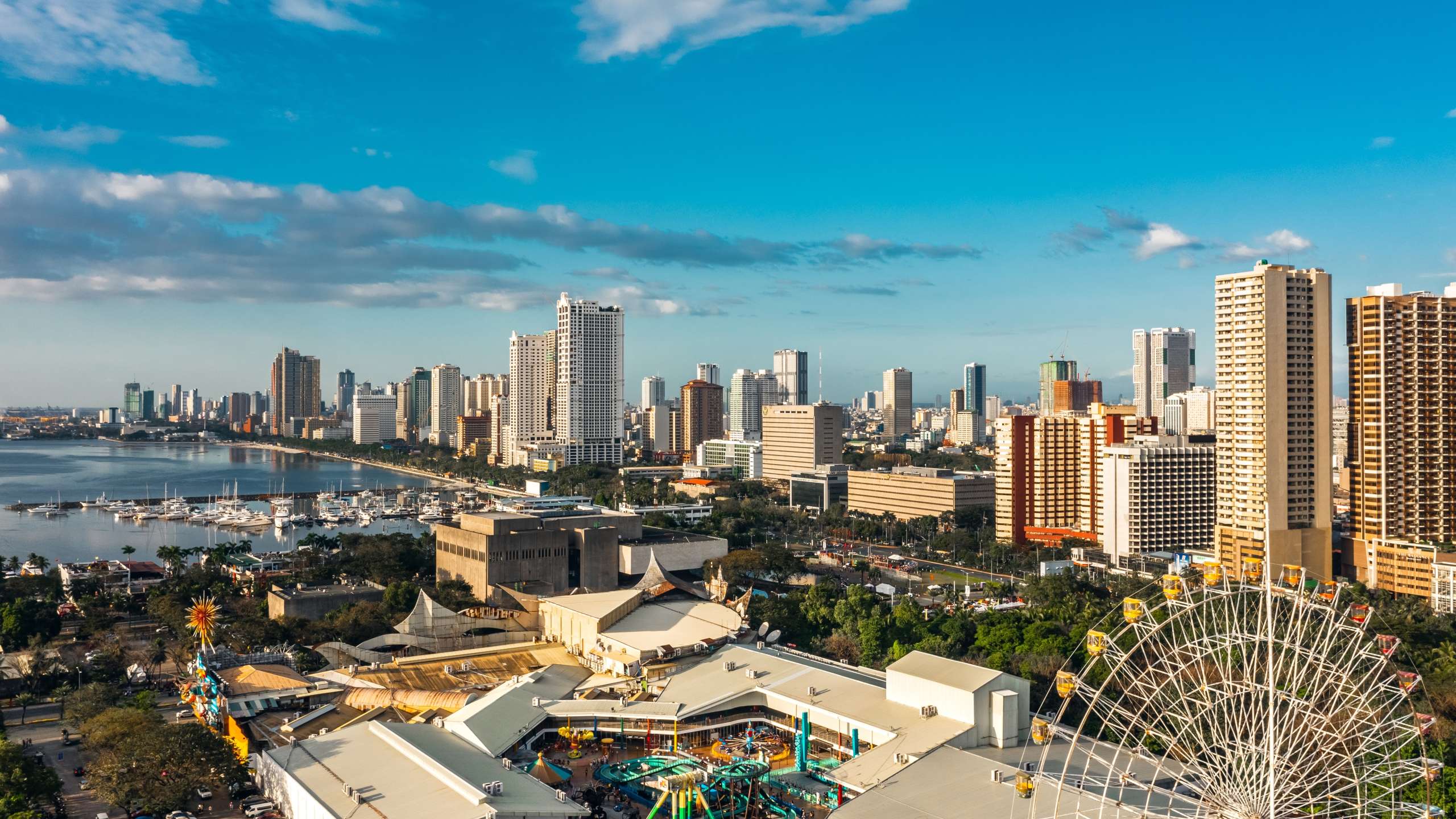
Philippines Opens Doors to Global Investors with 99-Year Land Lease & Major Industrial Expansion in Tarlac
written by EMMANUEL ANDREW VENTURINA, Head of IQI PhilippinesThe Philippines government's new 99-year land lease policy under President Ferdinand Marcos marks a strategic shift aimed at boosting foreign investment. Historically, foreigners were restricted from owning land and could only lease it for limited durations. This new long-term lease policy offers foreign investors near-ownership security, aligning the Philippines with global standards and making it more attractive for investments in real estate, tourism, manufacturing, and other sectors. This approach is expected to enhance foreign capital inflows, generate jobs, and facilitate technology transfer, ultimately diversifying and strengthening the local economy. Simultaneously, infrastructure and industrial growth are accelerating, particularly in Central Luzon. Aboitiz InfraCapital has launched the Tari Estate in Tarlac City, a 200-hectare development designed as a smart, sustainable business hub. With strong government backing and strategic connectivity to transport networks, the project is expected to become a catalyst for regional economic growth. Its integrated offerings—from residential to commercial—position Central Luzon as a rising investment destination, reinforcing investor confidence in the Philippines' evolving real estate and economic landscape. For more countries updateDownload Now!
1 October, 2025

Unlocking Opportunity: Pakistan’s Rising Mid-Income Real Estate Market Market Overview
written by JUNAID HAMID, Head of IQI Karachi PakistanPakistan’s real estate sector in 2025 is experiencing strong growth in the affordable and mid-income housing segment, a space that is emerging as one of the most dynamic drivers of urban development. With nearly 60 percent of the population under 30 and household formation rising steadily, demand is expanding beyond luxury enclaves toward modern, cost-efficient communities. Cities such as Lahore, Karachi, and Islamabad are leading the trend, with developers focusing on compact, master-planned projects that deliver both value and quality of life. Capital appreciation in this segment is averaging 6 to 8 percent annually, while rental yields of 5 to 6 percent provide investors with a balanced income stream. Regulatory Dynamic Supportive policies are adding momentum to this shift. The government’s housing finance initiatives, together with updated mortgage frameworks, are creating new pathways for aspiring homeowners. Digital land record reforms and streamlined approval processes are improving transparency, encouraging institutional investors to enter the housing finance space. Incentives for developers to build within planned urban frameworks are ensuring that affordable housing is both scalable and sustainable, aligning growth with long-term city masterplans. Urban Planning Innovative planning is redefining the housing landscape. Gated mid-income communities are being developed with integrated schools, retail promenades, healthcare facilities, and public green spaces, reducing pressure on city centers. Increasingly, energy-efficient designs, smart security systems, and sustainable infrastructure are being incorporated as standard features. Connectivity is a key advantage: new road networks and transit projects are extending city boundaries, unlocking suburban corridors for modern residential projects. This fusion of accessibility and amenities is creating vibrant, self-sufficient neighborhoods that appeal to families and young professionals alike. What It Means For Investors For investors, Pakistan’s affordable and mid-income housing offers a compelling mix of growth, resilience, and long-term relevance. The segment generates multiple income opportunities through rental returns and capital appreciation, while benefiting from consistent end-user demand. Strategic investments in projects by reputable developers—particularly those located in emerging urban corridors—promise stable cash flows and sustained value growth. As Pakistan’s urban landscape expands, mid-income housing is positioning itself as both a cornerstone of inclusive development and a rewarding avenue for global investors seeking exposure to a dynamic, youthful market. For more countries updateDownload Now!
1 October, 2025
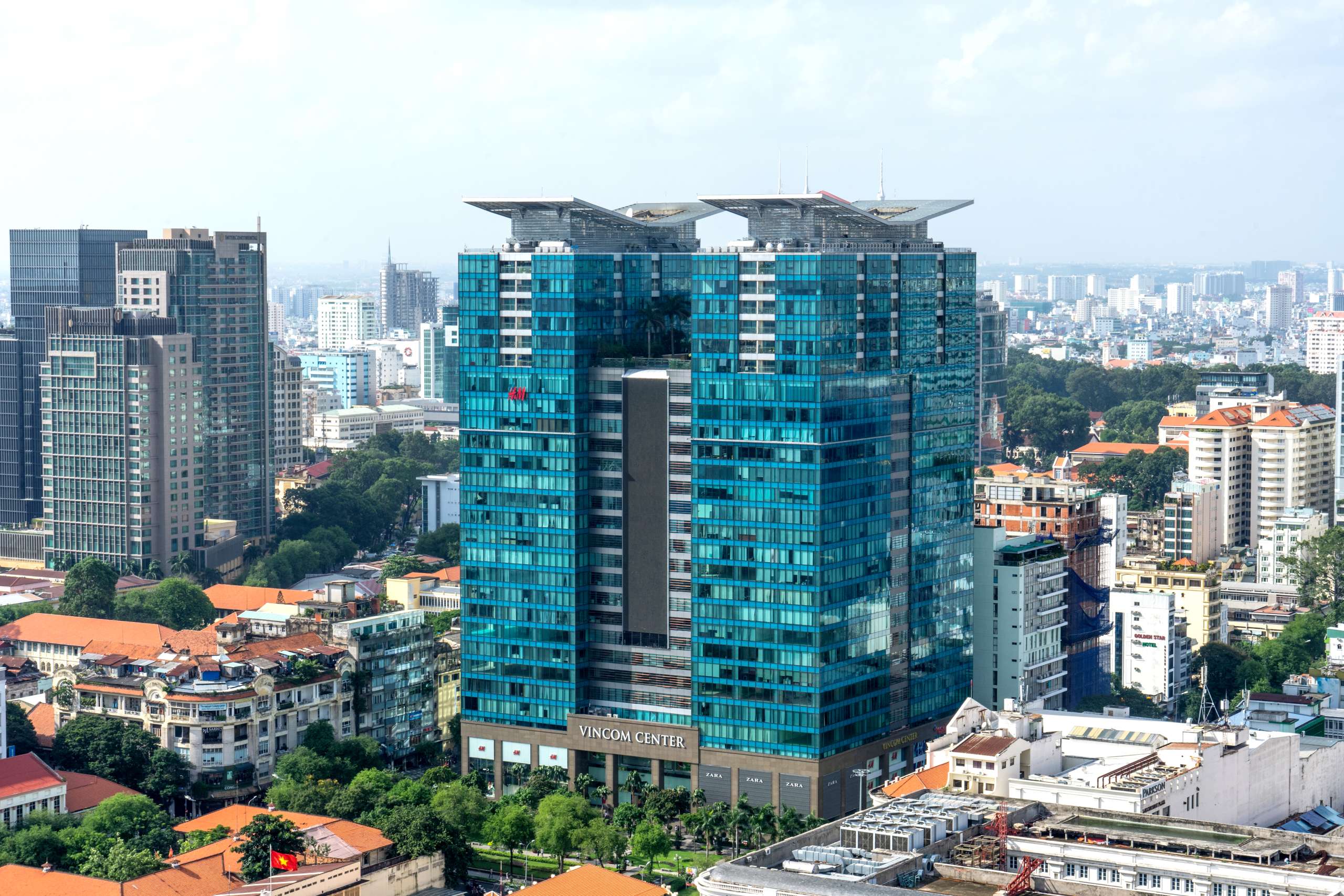
HCMC Apartment Prices Soar, Outpacing Landed Homes as Foreign Investment Fuels Vietnam Property
written by DUSTIN TRUNG NGUYEN, Head of IQI VietnamVietnam’s real estate sector is increasingly attracting foreign investors through mergers and acquisitions (M&A), driven by economic recovery and rising demand. The first half of 2025 saw a number of notable foreign-led transactions. These include CapitaLand’s US$553 million acquisition of a project from Becamex IDC; the partnership of Sumitomo Forestry, Kumagai Gumi and NTT Urban Development with Kim Oanh Group to develop The One World project; and Nishi Nippon Railroad’s purchase of a 25% stake in Nam Long’s Paragon Dai Phuoc project. HCMC apartment prices are increasingly approaching, and in some cases surpassing, single-family homes. An 85-square-meter unit at The Metropole in the eastern ward of An Khanh, is being sold at VND130-180 million (US$4,925-6,820) per square meter. An 80-square-meter private house with one ground floor and two upper stories in nearby Thao Dien Ward only costs VND150 million per square meter. Other nearby apartments such as The Privé, Eaton Park and Lumière Midtown are selling at VND130–250 million, higher than the VND110–200 million range of landed houses within a two-kilometer radius. For more countries updateDownload Now!
1 October, 2025

Canada’s Housing Market 2025 Summary
written by YOUSAF IQBAL, Head of IQI CanadaCanada’s housing market remained steady yet subdued in August 2025. The national average home price edged up to C$672,800, but experts still anticipate a 2% annual decline. Affordability remains a major challenge, with recovery to pre-pandemic levels not expected for at least two years, even amid interest rate cuts. A growing housing supply is easing pressure on prices, encouraging cautious re-entry from first-time buyers. Meanwhile, rental growth has softened due to reduced immigration, contributing to a more balanced but affordability-constrained environment for both buyers and investors. Regionally, market dynamics vary. In the Greater Toronto Area (GTA), sales rose by 2.3% and listings increased 9.4%, while average prices dropped 5.2% to $1.02 million—creating a more competitive landscape. Metro Vancouver saw a 2.9% increase in sales and a 17.6% surge in listings, but benchmark prices fell 3.8% year-on-year to $1.15 million. Detached and townhouse segments saw improvement, while apartment demand lagged. In contrast, Quebec had its busiest August since 2020, with a 10% rise in transactions and strong price growth across all property types, reinforcing its status as a seller’s market. Source by FSMI For more countries updateDownload Now!
1 October, 2025
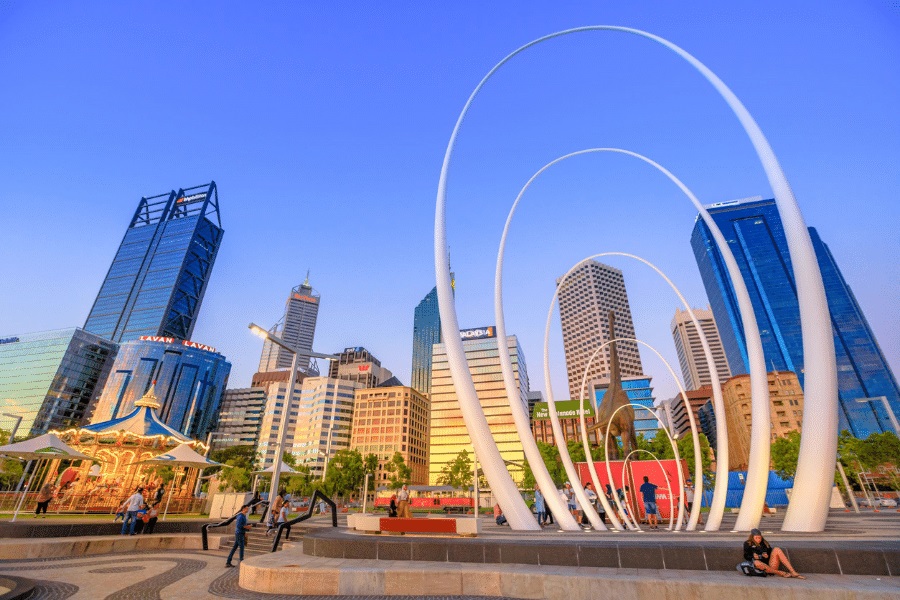
Perth, Brisbane Lead Housing Boom as National Home Value Index Rises 4.1% Annually
written by Lily Chong, Head of IQI AustraliaCotality’s national Home Value Index (HVI) rose 0.7% in August, marking the strongest monthly gain since May last year and lifting annual growth to 4.1%.The upswing has been building since the February rate cut, driven by improved borrowing capacity, rising buyer confidence, real wage growth, and limited advertised stock.“There’s a clear mismatch between supply and demand, which continues to push housing values higher,” said Tim Lawless, Cotality Australia’s research director.Key HighlightsStrong vendor position: Auction clearance rates hit 70% in late August, the highest since February last year.Tight supply: Advertised stock levels remain about 20% below average, giving sellers an advantage despite a slight seasonal increase in new spring listings.Sustainable growth expected: While prices are rising, affordability constraints, cautious lending, and slower population growth are likely to keep growth more measured compared to the rapid surges seen during the pandemic.Perth Market PerformancePerth continues to be one of the strongest-performing capital cities, with housing values rising 1.1% in August, outpacing the national average. Alongside Brisbane (+1.2%) and Adelaide (+0.9%), Perth remains a frontrunner in monthly gains.Low advertised stock, strong buyer demand, and attractive affordability compared to other capitals are contributing to Perth’s sustained growth momentum.Perth Rental MarketPerth’s median dwelling rent stayed stable at $680 per week in August, 4.6% higher than last year.Houses: Up 2.2% over the month to $700 per week (7.7% YoY increase).Units: Stable at $650 per week, up 4.6% YoY.While rents remain elevated, experts note this is a seasonal trend as rental demand typically tightens towards the end of the year. However, there’s no broad surge in prices, with many landlords keeping new lease and renewal increases modest.Source by Cotality & ReiwaFor more countries updateDownload Now!
1 October, 2025

Juwai IQI Newsletter – Real Estate Market – October 2025
The global real estate market saw mixed results in October, with some areas improving and others struggling.What else have you missed in September 2025For more info Download Now!
30 September, 2025

