

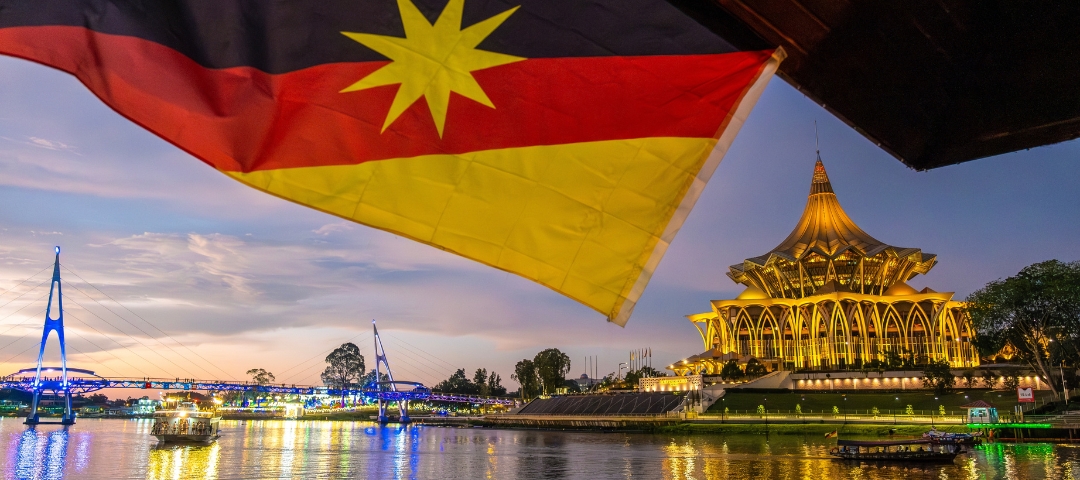
Sarawak
A State That Runs by Its Own Rules, and Its Own Economy
Invest in Malaysia's largest state, where its own land laws, a hydrogen-powered green economy and nearly 5 million annual visitors create a property market that moves to a different rhythm from the Peninsula.
Explore NowWelcome to Sarawak, Where Autonomy Shapes Opportunity
Sarawak is not just another Malaysian state. It has its own land code, its own immigration controls and its own resource rights. These aren't historical footnotes. They directly shape how property is bought, who can buy it and where value is created. The market here is stable, non-speculative and locally driven, with no serious overhang issue. For investors who understand the rules, that stability is the opportunity.
A Market That Moves Gradually, Not Speculatively
Median price: RM409,000 at approximately RM193 psf. No serious overhang. Landed homes remain the backbone of demand. This is a market built on owner-occupier fundamentals, not investor cycles.
Green Energy Is Building the Next Demand Corridors
RM16.3 billion invested in hydrogen. Two flagship plants in Bintulu targeting 240,000 tons annually by 2028. Malaysia's first hydrogen-powered transit launching in Kuching. The energy transition is creating residential demand in corridors that barely existed five years ago.
Four Cities, Four Investment Profiles
Kuching for lifestyle, education and the state's most liquid market. Miri for O&G rental demand and resort living. Bintulu for SCORE corridor exposure and worker housing. Sibu for river-city affordability. Each city operates at its own pace.
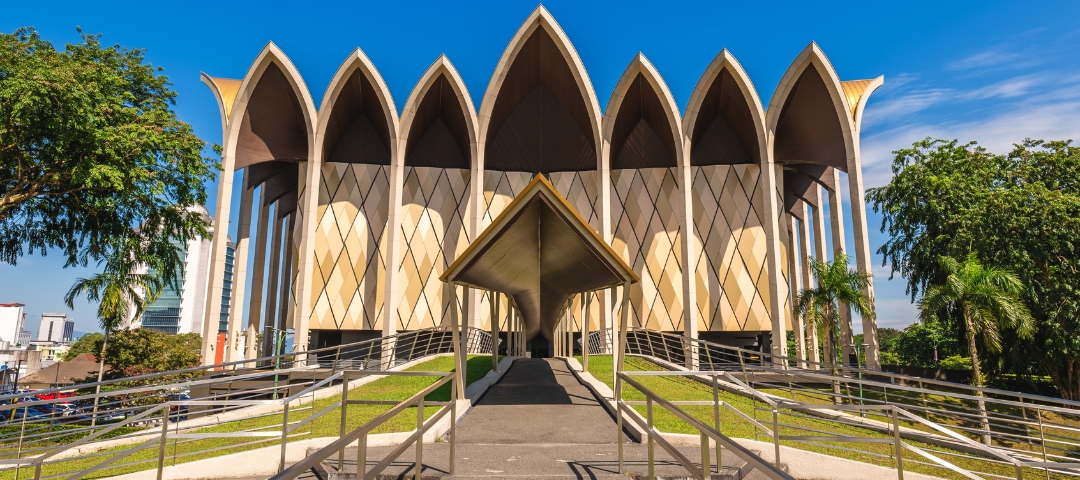
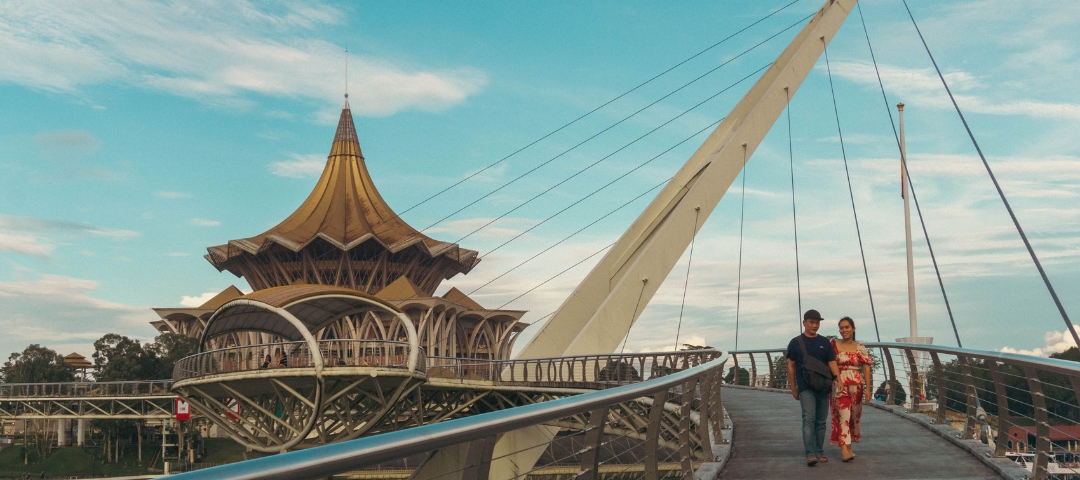
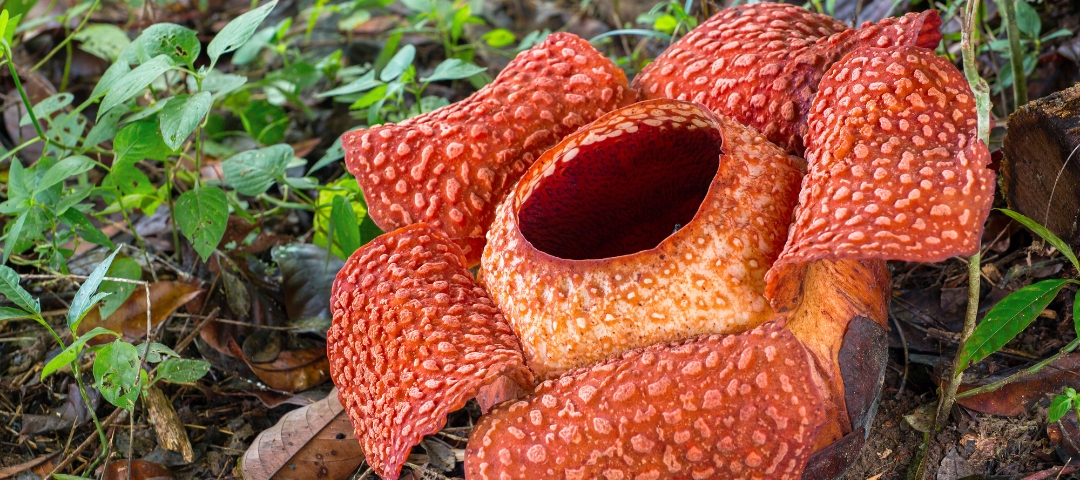
What Living in Sarawak Feels Like
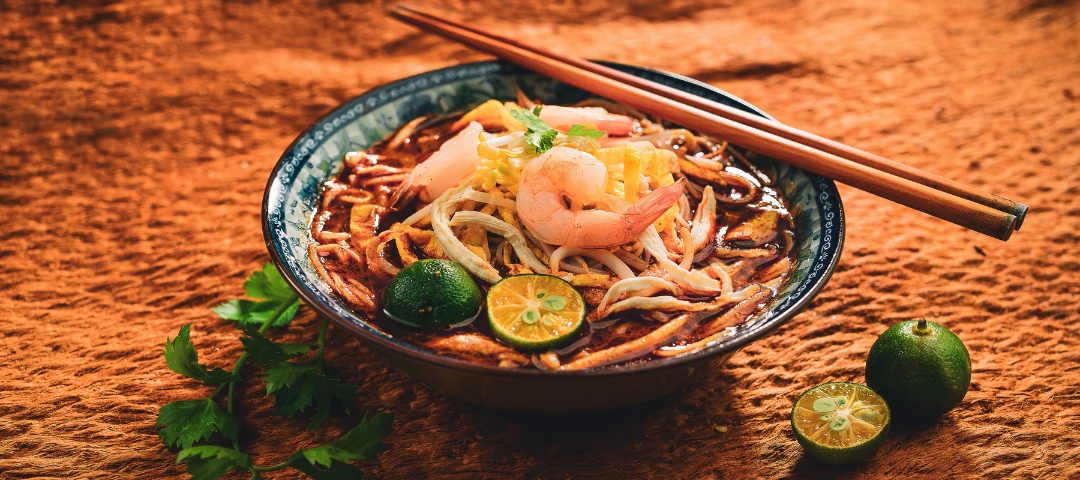
Mornings Along Rivers and Rainforest Edges
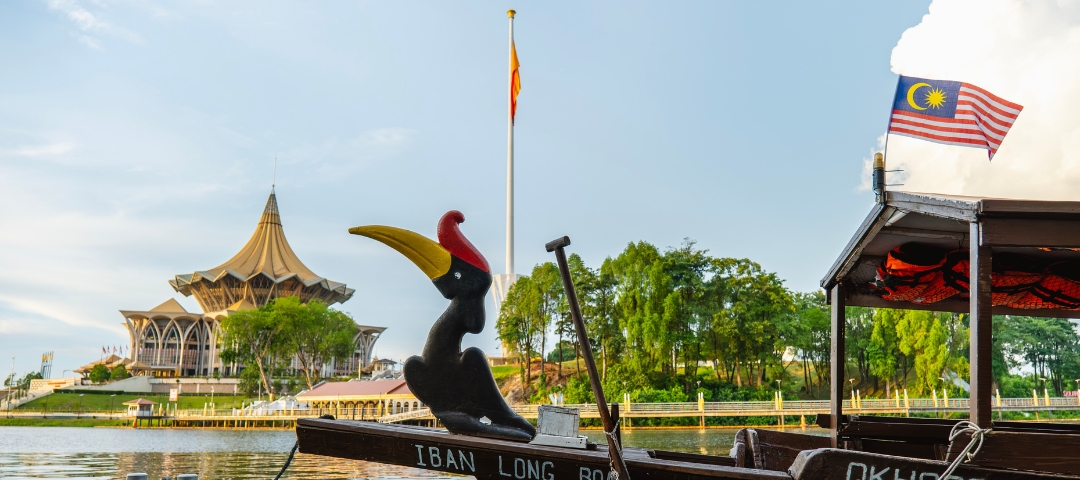
In Kuching, mornings start along the Sarawak River waterfront or at a laksa stall in Carpenter Street. In Miri, it is a beach jog along Taman Selera. Sarawak's daily rhythm is shaped by nature, not traffic.
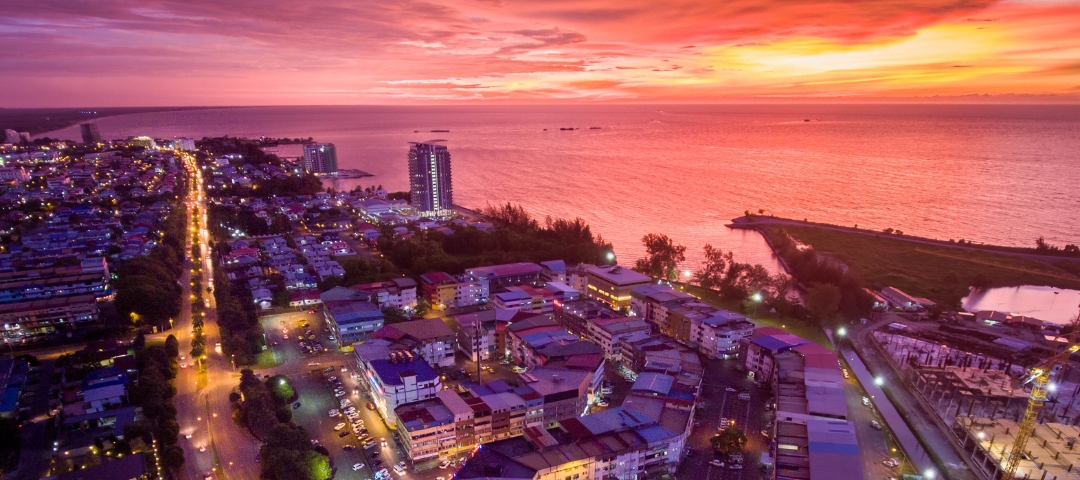
Midday Across Campuses, Markets and Industrial Hubs
Kuching's university belt (UNIMAS, Swinburne, UiTM) keeps the daytime economy young. Miri's oil and gas offices hum through lunch. In Bintulu, the SCORE corridor drives a workday rhythm closer to Penang's Bayan Lepas than anything else in Borneo.

Evenings Defined by Culture, Food and Open Skies
The Kuching Waterfront lights up at sunset. Hawker centres serve laksa Sarawak, kolo mee and ayam pansuh. The Rainforest World Music Festival draws international crowds annually. Evenings here feel wide open.
Key Amenities & Connectivity in Sarawak
Schools & Learning Pathways
- SMK St. Joseph (Kuching)
- SMK Green Road
- SMK St. Thomas
- SJK(C) Chung Hua No. 1 (Kuching)
- SMK Kuching High
- Lodge International School Kuching
- Tunku Putra-HELP School (Kuching)
- Knewton Global Schools Miri
- St. Joseph's International School Kuching
Universities & Colleges
- Universiti Malaysia Sarawak (UNIMAS, Kota Samarahan)
- Swinburne University of Technology Sarawak Campus (Kuching)
- Curtin University Malaysia (Miri)
- Universiti Teknologi MARA (UiTM) Sarawak
- University of Technology Sarawak (UTS)
- Politeknik Kuching Sarawak
Public Transport & Connectivity
- Kuching International Airport (KIA): Domestic and regional flights to KL, Penang, Singapore, Pontianak (Indonesia) and Brunei. 10 new routes added in 2024 to 2025.
- Miri Airport: Domestic hub for northern Sarawak with connections to KL, Kota Kinabalu and Labuan.
- Sibu Airport and Bintulu Airport: Domestic connections across Sarawak and to KL.
- KUTS (Kuching Urban Transportation System): Malaysia's first hydrogen-powered ART (Autonomous Rail Transit) system. Phase 1 comprising the Blue, Red and Green Lines is targeted for full operations by 2028, with 38 ART vehicles running on hydrogen fuel cells.
- Pan Borneo Highway: Major upgrade connecting Kuching, Sibu, Bintulu and Miri along a single improved corridor.
- Express Boat Network: River transport connecting Sibu, Kapit and interior towns.
Hospitals & Healthcare
- Sarawak General Hospital (Kuching)
- Borneo Medical Centre (Kuching)
- KPJ Kuching Specialist Hospital
- Columbia Asia Hospital Miri
- Miri City Medical Centre
- Bintulu Hospital
Tourism & Local Attractions
- Bako National Park
- Semenggoh Nature Reserve (orangutan centre)
- Sarawak Cultural Village
- Kuching Waterfront
- Rainforest World Music Festival
- Gunung Mulu National Park (UNESCO World Heritage)
- Niah Caves (UNESCO World Heritage)
- Annah Rais Longhouse
- Miri-Sibuti Coral Reefs National Park
- Batang Ai National Park
- Sarawak Delta Geopark (UNESCO Global Geopark, designated April 2026)
A Market Powered by Local Demand, Amplified by Infrastructure
Sarawak's market is fundamentally different from the Peninsula. No serious overhang. Gradual, steady prices. The statewide median sits at RM409,000 at RM193 psf across 14,113 transactions. In Kuching, RM410,000 at RM218 psf. Double-storey terraces are the most transacted and liquid segment.
Yields in Kuching: 2% to 3% for landed, 4% to 5% for condos, with higher returns near university hubs like Kota Samarahan. Miri delivers stronger yields during active O&G upstream cycles. A predominantly local, owner-occupier market, which gives it resilience that speculative markets lack.
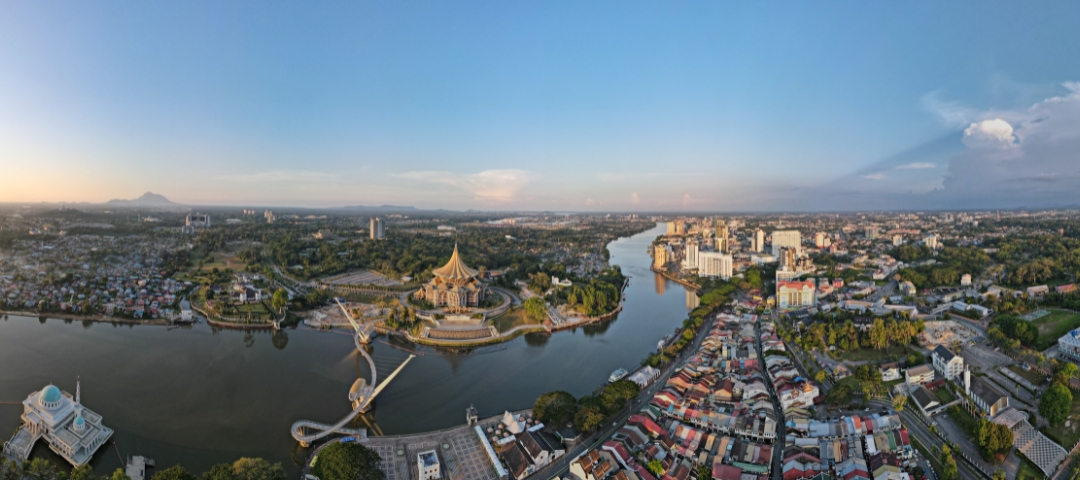
Green Energy and Infrastructure Are Creating New Demand
RM16.3 billion already invested in hydrogen. Two flagship plants in Bintulu, H2ornbill and H2biscus, targeting 240,000 tons per year by 2028. The Rembus plant in Samarahan will produce one ton per day by Q1 2027 to fuel KUTS.
KUTS itself, Malaysia's first hydrogen-powered transit, will reshape Greater Kuching's mobility. Transit-linked appreciation is proven in KL and Penang. Kuching is next.
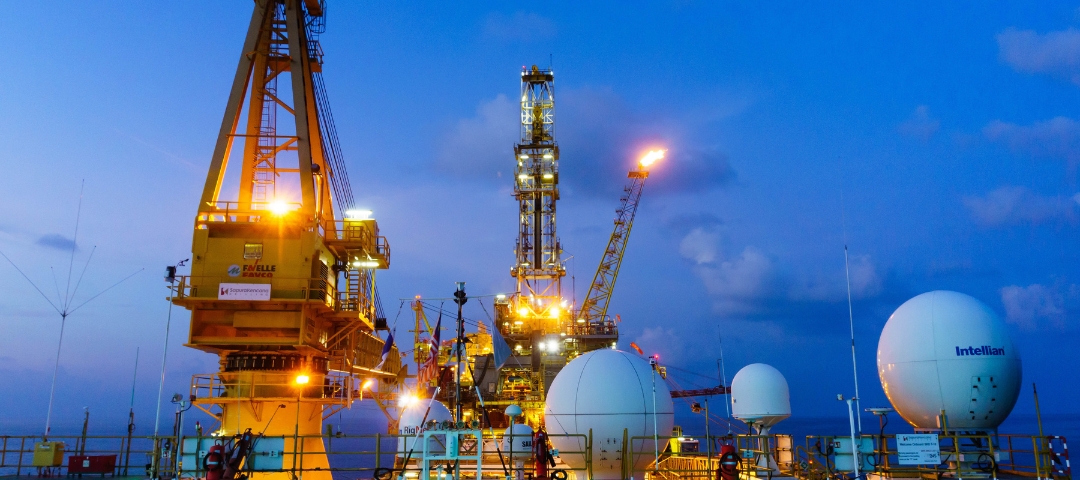
Sarawak's Green Transformation Is Underway
Sarawak surpassed the World Bank's high-income threshold ahead of schedule. Now targeting 10 GW by 2030, 15 GW by 2035, positioning itself as ASEAN's clean energy hub. Hydrogen partnerships with Japan, South Korea and China are expanding.
Pan Borneo Highway is upgrading connectivity across all four major cities. Sarawak Delta designated a UNESCO Global Geopark in April 2026, joining Kuching's UNESCO Creative City status. Free tertiary education from 2026 sustains rental demand in Kota Samarahan and Kuching.
Explore Homes & Projects in Sarawak
-
SK One Garden City
Jln Sultan Iskandar, 97000 Bintulu, Sarawak, Malaysia
Number of units
296
1-41-3468 - 1,594 ft²6336Starting from RM 356,168
Explore projectNew Listing
-
Central City Phase 18
Jln Uni-Central, 94300 Kota Samarahan, Sarawak
Number of units
160
3-32-2855 - 855 ft²6026Starting from RM 198,000
Explore projectNew Listing
-
Central City Phase 15
Jln Uni-Central, 94300 Kota Samarahan, Sarawak
Expected Completion Date
December 31, 2022
Number of units
109
3-34-41,754 - 3,046 ft²5672Starting from RM 580,000
Explore projectNew Listing
-
Sri Aman Square - Shophouses
Pekan Sri Aman, 95000 Sri Aman, Sarawak
Expected Completion Date
September 30, 2022
Number of units
55
1,200 - 1,200 ft²4391Starting from RM 1,080,000
Explore projectNew Listing
-
Saratok Betong (Lot 2406)
Jalan Disso 95400 Saratok, Sarawak
4-43-31,872 - 3,918 ft²5463Starting from RM 395,000
Explore projectNew Listing
-
Forest Hill Townhouse @ Sungai Maong
93150 Kuching, Sarawak
Number of units
18
3-33-31,605 - 1,605 ft²8890Starting from RM 593,850
Explore projectNew Listing
-
Boxhill 76 @ 7th Mile
Jalan Penrissen, Kota Sentosa, 93250 Kuching, Sarawak
Expected Completion Date
June 30, 2023
Number of units
76
4-43-31,887 - 4,775 ft²9162Starting from RM 610,000
Explore projectNew Listing
-
Taman Mutiara Matang
Lorong Bunga Selasih, Taman Mutiara Matang, 93050 Kuching
3-33-32,030 - 2,030 ft²8111Starting from RM 740,000
Explore projectNew Listing


What Are Experts Seeing in Sarawak's Market?
"The landed residential sector remains the backbone of the property market and continues to experience steady growth. Sarawak does not have a serious property overhang issue."
Robert Ting and Augustine Wong, Managing Director, WTWY & President, SHEDA
"Sarawak aims to be the Battery of ASEAN by supplying clean energy and enhancing cross-border interconnectivity. At the midpoint of PCDS 2030, we are already seeing results, including surpassing the World Bank's high-income threshold ahead of schedule."
Abang Johari Tun Openg, Premier of Sarawak
"Overall residential overhang in Sarawak has decreased by about 12 per cent in volume." "The average transacted price increased about 8.7 per cent y-o-y."
Yip Phooi Leng, Director, CBRE | WTW Sarawak
Considering Sarawak for your next home or investment?
From riverside living in Kuching to industrial-corridor opportunities in Bintulu and resort-city potential in Miri, speak with an IQI Sarawak specialist to explore a market that plays by its own rules.
Frequently Asked Questions
Is Sarawak a good place to invest in property?
Yes, for patient investors. Stable, non-speculative, no serious overhang. Median RM409,000 at RM193 psf, well below Peninsular equivalents. Demand is diversified across hydrogen, SCORE corridor and tourism. Best for income-focused buyers, not those chasing quick capital gains.
What are the rental yields in Sarawak?
In Kuching, landed homes yield 2% to 3% gross while condos and high-rise deliver 4% to 5%. Yields are stronger near university hubs like Kota Samarahan and in Miri during active O&G cycles. The market is predominantly local, so vacancy is low in well-located properties.
Can non-Sarawakians buy property in Sarawak?
Yes, but under Sarawak's own land code, not the National Land Code. All non-Sarawakians need state consent via the Land Custody and Development Authority (LCDA). Foreign buyer minimums: RM600,000 in Kuching division, RM500,000 elsewhere. Approval takes 6 to 12 months, longer than most Peninsular states.
What is the KUTS and how does it affect property?
Malaysia's first hydrogen-powered transit network, using 38 ART (Autonomous Rail Transit) vehicles on hydrogen fuel cells. Phase 1 (Blue, Red and Green Lines) targets full operations by end-2027. Properties along the KUTS alignment in Greater Kuching are positioned for transit-linked appreciation.
What is SCORE and does it affect property demand?
SCORE (Sarawak Corridor of Renewable Energy) leverages hydropower for heavy industry, now pivoting to hydrogen and green manufacturing. The Bintulu and Samalaju industrial hub creates worker-housing demand. RM16.3 billion in hydrogen investment is generating new residential demand in Bintulu, Samarahan and surrounding corridors.
How does Sarawak compare to Peninsular Malaysia for investment?
30% to 50% cheaper than KL and Penang on a psf basis, more stable and less speculative. No serious overhang. The trade-off: slower capital appreciation and thinner liquidity. Best for investors who value stability and green-energy exposure over fast gains.
Be updated on new launches
Subscribe to our emails to find out about the latest property news, trends and launch dates.

