

Thank you for your interest!
We will be in touch soon. Meanwhile, if you want to know news about IQI and the world, you can check out our articles below.

Learn
More from IQI
 Chinese Buyers Remain Australia’s No.1 Foreign Home Investors in 2026
Chinese Buyers Continue to Lead Australia’s Foreign Home Investment Chinese buyers remain the leading foreign buyer group in Australia’s residential property market, even as overall foreign home investment cools. According to Australian Treasury data highlighted in the Juwai IQI Insight, buyers from China purchased more Australian residential property than citizens of any other country. Juwai IQI Co-Founder and Group Managing Director Daniel Ho noted that China ranked first by both the number and value of approved investment in every quarter. Other key buyer sources include Taiwan, Vietnam and Hong Kong, with demand mainly driven by migration, education and lifestyle. Juwai IQI’s internal data also shows that Australia became the most popular global destination for Chinese buyers in Q1 2026, moving up from second place in 2025. The next most popular destinations were Thailand, the United Kingdom, the United States and Malaysia. Education and Migration Remain Core Demand Drivers Education remains one of the strongest reasons behind Chinese buyer interest in Australia. More than 35,000 Chinese citizens moved to Australia in 2025, while around 730,000 Australian residents were born in China. In the first quarter of FY2026, Chinese buyers accounted for 234 of 799 approved residential investments. The value of approved Chinese residential investment reached about $2.6 billion in FY2024, around $1.4 billion in FY2025, and roughly $0.8 billion across the first three quarters of FY2026. This shows that while investment volumes have moderated, the underlying connection between China and Australia remains strong. Chinese companies are also the third-biggest source of approved foreign direct investment in Australia. Outlook Chinese demand for Australian property is likely to remain resilient, especially where it is linked to education, migration and long-term lifestyle planning. For developers and agents, Australia’s appeal to Chinese buyers remains clear, but stronger targeting and trusted market positioning will be essential as foreign investment becomes more selective. Download to see insights from other country marketsDownload
Continue Reading
 Italy Property Market July 2026: Residential Prices Rise as Investment Demand Strengthens
Italy’s Residential Market Gains Momentum Italy’s residential market entered mid-2026 with stronger pricing and sales activity. House prices rose 1.0% quarter-on-quarter and 5.2% year-on-year in Q1 2026, supported mainly by existing homes, which increased 1.5% over the quarter. Transaction activity also improved. Residential sales rose 4.4% year-on-year in Q1 2026, a clear acceleration from the previous quarter. This follows 766,756 transactions in 2025, one of the strongest annual performances of the past decade. Growth remains uneven across major cities. Milan led with 6.3% year-on-year price growth, followed by Rome at 5.0% and Turin at 3.6%. Rental yields also remained attractive, with average gross yields at 7.23% in January 2026. Investment Demand Remains Selective Italy’s investment market also showed strong momentum, with total investment volume reaching €12.5 billion in 2025, up 23% year-on-year. Foreign capital accounted for 58% of total investment, mainly targeting retail, hospitality, industrial and logistics assets. However, investors are becoming more selective. Demand is strongest for premium, liquid assets, with prime office yields in Milan around 4%. Limited supply of Grade A and energy-efficient stock continues to support competition for quality assets. Outlook Italy’s 2026 outlook remains positive but disciplined. Residential demand should stay supported by major cities, rental income and continued interest from international buyers. At the same time, higher energy risks, inflation pressure and steady ECB rates may keep investors cautious. The strongest opportunities are likely to be in well-located residential assets, student housing, logistics and high-quality buildings that meet modern efficiency standards. Download to see insights from other country marketsDownload
Continue Reading
 Strait of Malacca 2026: Why Maritime Risk Matters for Malaysia’s Property Market
The Strait of Malacca Moves Into Sharper Focus The Strait of Malacca is once again drawing attention as global markets reassess the importance of major maritime trade routes. After Iran’s closure of the Strait of Hormuz in late February 2026, investors and policymakers have become more alert to the risks surrounding key shipping corridors. For Southeast Asia, any disruption in the Strait of Malacca could carry wider implications, affecting energy flows, industrial supply chains and logistics costs. Regional developments have added to this uncertainty. In mid-April 2026, the US and Indonesia signed a Major Defence Cooperation Partnership focused on capacity building, training and operational cooperation. Although Indonesia later ruled out the idea of transit fees, the brief discussion still contributed to higher shipping insurance premiums. What This Means for Malaysia’s Property Market For Malaysia, the Strait of Malacca is more than a maritime route. It is closely linked to trade, ports, manufacturing activity and logistics movement. If shipping through Malacca is disrupted, businesses could face higher import and logistics costs. This may influence tenant demand, industrial activity, investor confidence and commercial property decisions, especially in locations connected to trade and supply chains. Security concerns are also evolving. Risks now go beyond traditional military threats and include cybersecurity, regional competition and emerging operational challenges. This means market players may need to think more carefully about resilience, cost planning and long-term location strategy. Outlook The Strait of Malacca remains calm, but the stakes are rising. For Malaysia’s property market, the immediate impact may be limited, but prolonged uncertainty could affect business sentiment and logistics-driven demand. In 2026, investors should watch how maritime security, shipping costs and regional cooperation develop, as these factors may increasingly shape industrial and commercial property outlooks. Download to see insights from other country marketsDownload
Continue Reading
 India Property Market July 2026: NCR Enters a New Era of Branded Development
NCR Residential Market Shifts Toward Branded Developers India’s National Capital Region (NCR) residential market is entering a new phase, led by the rising presence of national developers and stronger buyer preference for trusted brands. Between 2022 and Q1 2026, leading national developers launched more than 15,000 residential units across NCR. This reflects a clear shift in buyer expectations, with purchasers placing greater value on timely delivery, stronger governance, superior amenities and execution trust. Major national players are also reshaping the competitive landscape. In the NCR launch share, Godrej Propertiesaccounted for 47%, followed by Prestige Group at 27%, Sobha Ltd at 10%, and others at 16%. Infrastructure is a major growth driver. Projects such as the Dwarka Expressway, Noida International Airport, Delhi-Mumbai Expressway, RRTS, Sohna Corridor and expanding metro networks are improving connectivity and opening up new residential corridors across NCR. These developments are making previously peripheral locations more attractive to both end-users and investors. Premium and Luxury Homes Lead New Supply National developers are focusing heavily on the premium and luxury segments, where larger apartment layouts are becoming the norm. Average unit sizes across new launches now stand at around 1,830 sq ft for 3BHKs, 2,600 sq ft for 4BHKs, and over 4,400 sq ft for 5BHK residences. This points to stronger demand from affluent buyers seeking lifestyle-led communities, larger living spaces and better project quality. Gurugram remains the leading launch market, accounting for 47% of national developer launches, followed by Ghaziabad at 27%, Noida at 13% and Greater Noida at 12%. Outlook NCR’s residential market is likely to remain driven by branded supply, infrastructure growth and rising buyer expectations. As competition increases, overall standards in design, transparency and delivery should continue to improve, ultimately benefiting NCR homebuyers. Download to see insights from other country marketsDownload
Continue Reading
 Iceland Property Market July 2026: Improving Affordability Opens Investor Window
Iceland Housing Market Shifts in Buyers’ Favour Iceland’s property market is entering a more buyer-friendly phase, with prices broadly steady, wages rising and sales activity remaining unhurried. The national housing price index slipped 0.44% in May to 113.3 points, but remained 2.16% higher year-on-year. The weakness was mainly seen in detached houses in the capital area, where prices fell 1.91% over the month. The more important movement is affordability. Wages rose 6.4% over the past year, outpacing housing price growth of about 2.15%. This has made homes roughly 8% cheaper relative to incomes compared with August 2024, giving buyers stronger purchasing power than in recent years. Supply Remains Ample, But the Pipeline Is Thinning Current inventory gives buyers room to negotiate. Nearly 25% of homes listed in early June had been on the market for more than 12 months, while half of unsold new builds had been available for over 260 days. However, this supply advantage may not last. Fewer homes were completed in the first five months of 2026 than in the past two years, while residential investment is contracting. This points to a thinner construction pipeline and potentially tighter supply ahead. First-time buyers are also returning, helped by relaxed lending rules and an expanded shared-equity scheme. Outlook Iceland’s near-term market remains shaped by financing costs. Inflation eased to 5.1% in May, but the Central Bank raised its policy rate to 7.75%, delaying a more supportive rate environment. Even so, the medium-term outlook is constructive. With improving affordability, negotiable inventory, firm rental demand and shrinking future supply, Iceland could offer a value-oriented entry window for investors with a two to three-year horizon. Download to see insights from other country marketsDownload
Continue Reading
 Hong Kong Property Market July 2026: Residential Sales Rebound as Office Leasing Improves
Residential Market Shows Renewed Activity Hong Kong’s residential market recorded a stronger performance in April, with total residential sales transactions rising to 7,368 units, up 1,052 units month-on-month. Secondary market transactions accounted for 4,774 units, while primary sales reached 2,594 units. Mass residential capital values also improved, rising 1.5% month-on-month. In the primary market, One Victoria Cove in Hung Hom sold all 218 units launched in its first sales batch, with prices ranging from HKD 17,365 to HKD 21,158 per sq ft. Around 30% of buyers were estimated to have purchased for investment purposes. Developer confidence also remained visible. The Kam Sheung Road Station Phase Two development was awarded to a consortium including Sino Land, China Overseas, Great Eagle and China Merchants, with planned investment exceeding HKD 13 billion. Office Market Sees Early Recovery Signs Hong Kong’s office leasing market also showed improvement, recording positive net absorption of 8,000 sq ft in April. Central continued to lead demand, with average monthly net absorption exceeding 100,000 sq ft during the first four months of 2026. The overall office vacancy rate remained stable at 13.5%, while Central vacancy declined to 9.2%. Office rents rose 1.2% month-on-month, supported by a 2.1% increase in Central and early recovery in Wanchai and Causeway Bay. Outlook Hong Kong’s property market is showing a more positive tone, supported by stronger residential sales, selective investment demand and improving office leasing activity. Momentum is still likely to vary by segment, but prime locations, well-priced new launches and core office districts may continue to attract stronger buyer and tenant interest. Download to see insights from other country marketsDownload
Continue Reading
 UEM Sunrise Partners EXSIM KLCC for Strategic KL City Centre Development
Version: BM UEM Sunrise Berhad has announced a strategic partnership with EXSIM KLCC Sdn Bhd for the development of Lot 149, a 1.6-acre freehold land located at the junction of Jalan Ampang and Jalan P. Ramlee, adjacent to Kuala Lumpur City Centre. The partnership was formalised through a Development Rights Agreement (DRA), giving EXSIM KLCC the right to undertake and deliver the development of the site. Under the agreement, UEM Sunrise will receive a guaranteed entitlement of RM415 million. The DRA also includes a profit-sharing mechanism, allowing UEM Sunrise to participate in the future success of the development while aligning the longer-term interests of both parties. Key Details of the UEM Sunrise and EXSIM KLCC Partnership ItemDetailsProject siteLot 149LocationJunction of Jalan Ampang and Jalan P. Ramlee, adjacent to KLCCLand size1.6 acresLand statusFreeholdParties involvedUEM Sunrise Berhad and EXSIM KLCC Sdn BhdAgreement typeDevelopment Rights AgreementDevelopment roleEXSIM KLCC will undertake and deliver the developmentGuaranteed entitlementRM415 million to UEM SunriseAdditional arrangementProfit-sharing mechanism linked to the future success of the development A Strategic Move for a Prime KLCC Site Lot 149 is located in one of Kuala Lumpur’s most valuable city centre areas. Its location near KLCC gives the land strong potential because it is surrounded by major offices, hotels, shopping malls, transport links and lifestyle destinations. For UEM Sunrise, the partnership allows the company to unlock the value of the land without developing the project alone. It also allows the company to work with EXSIM KLCC, a developer with experience in premium developments within the KLCC area. This strategic partnership reflects our disciplined approach to portfolio optimisation and capital allocation. It enables us to realise the full potential of a strategic asset while participating in the success of the development. Shaharul Farez Hassan, Managing Director and Chief Executive Officer of UEM Sunrise. Shaharul Farez said the agreement also allows UEM Sunrise to leverage EXSIM KLCC’s development strength and understanding of the KLCC market. At the same time, UEM Sunrise can continue to focus on its own development pipeline across its key growth areas. Why This Deal Matters This partnership is important because it shows how major developers are becoming more strategic with their land. Instead of developing every project by themselves, developers can work with the right partners to speed up development, reduce risk and unlock stronger value from prime land. For UEM Sunrise, the agreement gives the company a clear return of RM415 million, while still allowing it to take part in the future success of the project through profit-sharing. For EXSIM KLCC, the deal gives access to a rare freehold land parcel in the KLCC area, one of the most established and recognised locations in Malaysia. For the Kuala Lumpur property market, the partnership shows that prime city centre land still holds strong long-term value, especially when the location is close to business, retail, hospitality and lifestyle hubs. A New Direction for the Former Angkasa Raya Site Lot 149 is also linked to the former Wisma Angkasa Raya site. The Edge Malaysia previously reported that Sunrise had unveiled plans for the Angkasa Raya project, which carried an estimated gross development value of RM1.3 billion and was planned on the former Wisma Angkasa Raya site. With this new partnership between UEM Sunrise and EXSIM KLCC, the site now moves into a new chapter. The latest agreement gives the land a clearer development direction, supported by UEM Sunrise’s strategic landholding and EXSIM KLCC’s experience in the KLCC market. What It Means for Buyers and Investors For buyers and investors, this deal is another sign that KLCC remains one of Malaysia’s most important property locations. Even as the market becomes more selective, prime areas with strong connectivity, business activity and lifestyle appeal continue to attract attention. KLCC is not only a tourist and business district. It is also a premium address that continues to influence demand for high-value residential, commercial and mixed-use developments in Kuala Lumpur. This makes developments around KLCC important to watch, especially for those tracking the direction of Malaysia’s luxury and city centre property market. UEM Sunrise’s Wider Growth Plans UEM Sunrise said Kuala Lumpur and the Klang Valley remain important markets for the company. The developer continues to have a presence in key areas such as Mont’Kiara, Kiara Bay and Cheras. It is also expanding into Petaling Jaya, with upcoming launches at the former Dutch Lady site and in Kelana Jaya. Beyond Klang Valley, UEM Sunrise is also strengthening its position in Iskandar Puteri, Johor. The company is the largest landowner and master developer of the Gerbang Nusajaya and Puteri Harbour integrated townships. It is also progressing with the Gerbang Nusajaya Industrial Park, which is expected to capture opportunities linked to the Johor-Singapore Special Economic Zone. A Stronger Future for KLCC Development The partnership between UEM Sunrise and EXSIM KLCC is more than a land deal. It shows how developers are using strategic partnerships to unlock prime land value, manage risk and stay focused on long-term growth. For Kuala Lumpur, the redevelopment of a prime KLCC site also signals continued confidence in the city’s future as a business, lifestyle and investment hub. As Malaysia’s property market continues to evolve, well-located land in mature urban areas such as KLCC will remain a key focus for developers, buyers and investors. UEM Sunrise was featured in The Edge Malaysia Juwai IQI is a global property company that provides insights on property, locally and globally. Click below to explore more expert property insights from our blog! MORE INSIGHTS
Continue Reading
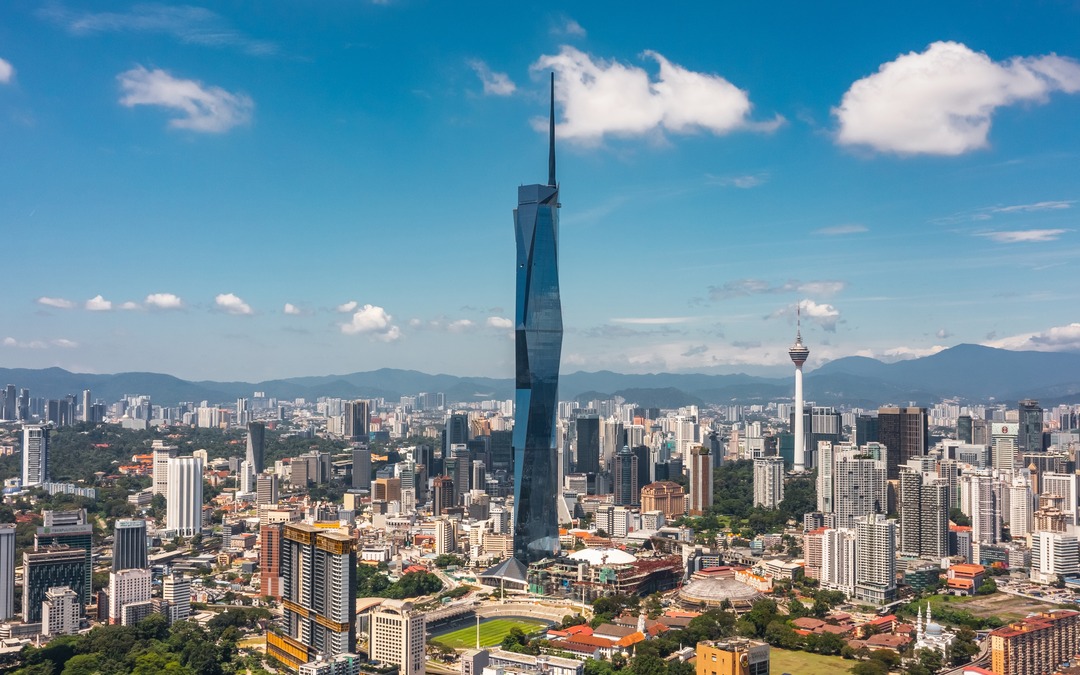 Malaysia’s Income Classifications: B40, M40, T20, and B50 Explained (Updated)
Understanding Malaysia’s income classifications is essential for every Malaysian, whether you're planning your finances, researching property, or simply navigating economic discussions. Terms like B40, M40, T20, and the newer T15 are frequently mentioned, but their precise definitions and implications can sometimes be unclear. This comprehensive guide from IQI Global will break down what these income groups mean, how they are determined by the Department of Statistics Malaysia (DOSM), and their significance in various aspects of life, especially for property buyers and investors. You'll learn the latest income thresholds, key trends, and how these classifications influence housing, financial aid, and economic planning. TL;DR / Key Takeaways Malaysia’s income classifications divide households into B40 (Bottom 40%), M40 (Middle 40%), T20 (Top 20%), and T15 (Top 15% of T20) based on gross monthly household income. These classifications are updated by the Department of Statistics Malaysia (DOSM) using nationwide surveys, with the latest data from the 2024 Household Income Survey. Income groups significantly influence eligibility for government subsidies, financial aid, and housing schemes, directly impacting household purchasing power. Understanding these classifications helps property buyers identify suitable housing options and locations that align with their affordability and lifestyle. The government is currently reviewing these classifications to better reflect socio-economic realities and address issues like the informal economy and regional cost-of-living differences. Understand Malaysia’s Income ClassificationsWhat Are Malaysia's Income Classifications?Understanding Malaysia’s Income ClassificationsDefining Household and Household IncomeThe B40 Income Group: Bottom 40%The M40 Income Group: Middle 40%The T20 Income Group: Top 20%Introducing the T15 Income Group: The Top EarnersThe Impact of Malaysia’s Income Classifications on Property DecisionsEligibility for Government Housing SchemesUnderstanding Affordability and Market SegmentsProperty Locations and Types by Income ClassificationNavigating Income Mobility and Future Trends What Are Malaysia's Income Classifications? Malaysia’s income classifications categorise households into distinct groups – B40, M40, T20, and T15 – based on their gross monthly household income. These classifications, determined by the Department of Statistics Malaysia (DOSM), serve as a framework for understanding income distribution across the country, guiding government policy for subsidies, financial aid, and economic planning, and informing market strategies for businesses. Understanding Malaysia’s Income Classifications In Malaysia, the government categorises households into different income groups to monitor economic progress, distribute aid, and understand the socio-economic landscape. These classifications are vital in determining eligibility for various government initiatives, influencing everything from subsidies to housing schemes. Let's delve into the specifics of each group, including the more recent T15 subgroup. Defining Household and Household Income Before exploring the income groups, it's crucial to understand how "household" and "household income" are defined in Malaysia. According to the Department of Statistics Malaysia (DOSM), a household is "a group of related or unrelated individuals who live together and share common expenses for essentials such as food, shelter, and other necessities." [Source: DOSM, 2024 Household Income Survey Report] Household income, as defined by DOSM, refers to "the total income received by a household member, whether in cash or in kind, on a regular basis—daily, weekly, monthly, or annually—that is used for living expenses." This includes wages, salaries, business income, transfers, and any other regular financial inflows. [Source: DOSM, 2024 Household Income Survey Report] Based on the 2024 Household Income Survey, the average household income in Malaysia is RM9,155, showing an increase of 3.8% from RM8,479 in 2022. [Source: DOSM, 2024 Household Income Survey Report] The B40 Income Group: Bottom 40% The B40 income group, representing the "Bottom 40%" of earners, comprises households with the lowest income levels in Malaysia. This group is typically the primary target for various government social safety nets, subsidies, and assistance programs aimed at poverty eradication and improving living standards. Understanding the B40 income range is crucial for policymakers to design effective support systems. As of the latest data, households in the B40 income range earn up to RM5,249 per month. The median income for the B40 group is RM3,440. [Source: aJobThing, 2025] The M40 Income Group: Middle 40% The M40 income group, or the "Middle 40%", consists of middle-income households. Often referred to as the "middle class", this group faces unique challenges, including rising cost of living and stagnant wage growth, making them a significant focus for policies aimed at economic stability and growth. The m40 salary range often determines access to affordable housing and financial products. Households in the M40 income group have a gross monthly income between RM5,250 and RM11,819. The median income for the M40 group stands at RM7,694. [Source: aJobThing, 2025] The T20 Income Group: Top 20% The T20 income group represents the "Top 20%" of high-income households in Malaysia. These households typically have higher purchasing power and contribute more significantly to direct taxes. Knowing the t20 salary range helps in understanding the demand for premium goods and services, including higher-end properties. The T20 income Malaysia threshold starts from RM11,820 per month and above. The median household income for the T20 group is RM15,867, while the average income is RM20,662. [Source: aJobThing, 2025] The definition of what is T20 in Malaysia is simple: it signifies the wealthiest segment of the population based on their combined household earnings. This group often drives economic growth through consumption and investment. Introducing the T15 Income Group: The Top Earners Within the T20 category, a newer subgroup known as T15 (Top 15%) has emerged, specifically representing the wealthiest earners among the high-income households. This sub-classification allows for a more granular understanding of income distribution at the very top. The T15 income Malaysia group highlights the concentration of wealth and high earning potential. To qualify for the T15 income group, a household typically earns RM13,000 and above per month, with a median income of RM19,781. This specific classification helps to distinguish the highest earners within the broader T20 category. [Source: aJobThing, 2025; J.P. Morgan, 2024] The Impact of Malaysia’s Income Classifications on Property Decisions Malaysia’s income classifications are not just abstract economic terms; they have tangible implications for households, particularly when it comes to major financial decisions like buying property. For aspiring homeowners and investors, understanding these groups can provide crucial insights into market dynamics, affordability, and available opportunities. Eligibility for Government Housing Schemes One of the most direct impacts of these classifications is on eligibility for government-backed housing schemes. Programs such as PR1MA, RUMAWIP, and other affordable housing initiatives are often specifically targeted at the B40 and M40 income groups. These schemes aim to make homeownership accessible to those who might otherwise struggle to afford it in the open market. For instance, B40 households typically qualify for the lowest-priced affordable housing units, while M40 households may be eligible for slightly higher-priced options within these schemes. T20 households, by contrast, generally do not qualify for such subsidised housing, as they are considered capable of purchasing properties in the private market. Understanding Affordability and Market Segments Income classifications serve as a fundamental guide for understanding what property segments are affordable for different groups. Your income classification directly influences your loan eligibility and the type of property you can realistically afford. B40 households generally seek properties in the entry-level segment, focusing on affordability, basic amenities, and proximity to public transport or workplaces. M40 households often target mid-range properties, balancing affordability with better locations, amenities, and future growth potential. T20 households have the financial capacity to explore higher-end and luxury properties, often prioritising lifestyle, exclusivity, and investment returns. Property Locations and Types by Income Classification The choice of property location and type is significantly influenced by a household's income classification, reflecting varying purchasing power and lifestyle preferences across Malaysia. B40 Households: These buyers typically focus on affordable housing options in suburban areas or developing townships, often in states like Perak, Kelantan, or outer districts of major cities. Property types include:Low-cost apartments or flatsTerrace houses in less developed areasAffordable housing projects (e.g., PR1MA, RUMAWIP)The priority for B40 income households is usually proximity to essential services and public transportation with a lower cost of living. M40 Households: The M40 income group often seeks well-located, mid-range properties in established suburbs with good connectivity and amenities. These are typically found in the outskirts of Kuala Lumpur, Selangor, Penang, or within growth corridors of other major cities. Property types include:Mid-tier condominiums or apartmentsTerrace houses in mature neighbourhoodsNewer townships with community facilitiesM40 salary range buyers balance affordability with a desire for a comfortable lifestyle and potential property appreciation. T20 Households: T20 income Malaysia households are generally able to afford premium properties in prime urban centres and exclusive townships. They seek properties that offer luxury, exclusivity, and strong investment potential. Popular locations include central Kuala Lumpur, affluent parts of Selangor (e.g., Damansara, Mont Kiara), and prime areas of Penang and Johor Bahru. Property types include:Luxury high-rise condominiumsSemi-detached or bungalow homes in gated communitiesServiced residences in central business districtsThe t20 salary allows for choices that prioritise prestige, advanced facilities, and a high-quality living environment. It's also important to note that living standards and property values vary greatly across Malaysia. A household considered M40 in a state with lower living costs like Perak might fall into the B40 category if they were to live in a high-cost urban centre like Kuala Lumpur. [Source: aJobThing, 2025] Impact on Lending and Loan Approvals Lenders use income classifications, among other factors, to assess a borrower's creditworthiness and determine loan eligibility. A higher household income generally translates to a stronger ability to secure larger loans with more favourable terms. Conversely, B40 households might face more stringent lending criteria or be limited to lower loan amounts, necessitating government intervention or specific financial products designed for them. Ready to explore property options that align with your income classification? Connect with an IQI Global property expert today for personalized advice and listings. Explore Property Options → Data & Market Insight: Malaysia’s Income Thresholds (Updated 2024) The Department of Statistics Malaysia (DOSM) regularly updates these income thresholds to reflect changes in the economy and cost of living. Here’s a summary of the latest classifications: Income GroupDescriptionMonthly Income (RM)Median Income (RM)B40 (Bottom 40%)Low-income householdsUp to RM5,249RM3,440M40 (Middle 40%)Middle-income householdsRM5,250 - RM11,819RM7,694T20 (Top 20%)High-income householdsRM11,820 and aboveRM15,867T15 (Top 15% of T20)The wealthiest earnersRM13,000 and aboveRM19,781 [Source: aJobThing, 2025] The average household income in Malaysia as of 2024 is RM9,155. [Source: DOSM, 2024 Household Income Survey Report] Comparison Table: Property Considerations by Income Group This table illustrates typical property characteristics and considerations for each income group in Malaysia. Income GroupTypical Property TypePreferred LocationsKey ConsiderationsB40Affordable apartments, low-cost flats, small terrace houses (often government-backed schemes like PR1MA, RUMAWIP)Suburban areas, developing townships, outer districts of major cities, rural towns.Affordability, basic amenities, proximity to public transport, essential services; high loan-to-value (LTV) ratios.M40Mid-tier condominiums, modern terrace houses, smaller semi-Ds in new townships.Established suburbs, growth corridors of major cities (e.g., Kajang, Cyberjaya, Bukit Mertajam).Balance of affordability & lifestyle, good connectivity, community facilities, potential for appreciation.T20 / T15Luxury condominiums, bungalows, semi-detached homes, serviced residences in prime locations.Prime urban centres (KLCC, Mont Kiara, Bangsar), exclusive gated & guarded communities, resort-style developments.Exclusivity, premium facilities, investment potential, prestige, accessibility to business hubs and elite schools. Navigating Income Mobility and Future Trends Malaysia's income classifications are not static; households can experience income mobility, moving between classifications over time. Additionally, the government consistently reviews these categories to ensure they accurately reflect the nation's socio-economic landscape and address contemporary challenges. Shifting Tiers: Income Mobility in Malaysia Income mobility refers to the movement of individuals or households up or down the income ladder. Factors such as career progression, education, entrepreneurship, and changes in household composition (e.g., dual-income vs. single-income families) can all contribute to a household moving from B40 to M40, or M40 to T20. For example, a young couple starting their careers may initially fall into the M40 salary range. With career advancement and increased earnings, they may eventually transition into the T20 income Malaysia group. Conversely, economic downturns, job losses, or health crises can lead to downward mobility. This dynamic nature means that classifications like "t20 income" and "b40 income" are not fixed destinies but rather snapshots in time. The Ongoing Review of Income Classifications (Updated 2026) The Malaysian government has recognised the need to continually reassess and potentially redefine its income classifications. Discussions are underway to review the B40, M40, and T20 categories, especially in light of the informal economy and regional disparities in the cost of living. [Source: Free Malaysia Today, 2026] Indera Mahkota MP Saifuddin Abdullah highlighted that a "new national consensus" is focusing on these reclassifications to ensure equitable prosperity and address issues like modern-day slavery and informal labour not captured in current data. Prime Minister Anwar Ibrahim also indicated that a proposal to review petrol subsidies for high-income earners is being finalised, underscoring the importance of accurate income classifications for targeted assistance. [Source: Free Malaysia Today, 2026] These reviews are crucial to ensure that government policies, including targeted subsidies and financial aid, are directed to those who genuinely need them. The outcome of these discussions could lead to updated definitions and possibly new subgroups beyond T15, potentially impacting how "t20 income Malaysia 2026" and other classifications are understood in the near future. Local Expert Insight "Understanding Malaysia’s income classifications is foundational for any property decision. For B40 and M40 households, it's about navigating government schemes and finding value. For T20 and T15, it's about identifying premium investment opportunities and lifestyle properties. Our role at IQI is to bridge this understanding with real market opportunities, ensuring every client finds a property that not only fits their budget but also aligns with their long-term financial goals."— IQI's research team "The cost of living varies dramatically across Malaysia. What constitutes a comfortable M40 income in a smaller state might barely cover basic necessities in Kuala Lumpur. This regional difference is vital for property buyers, as it dictates realistic housing budgets and available options. We advise our clients to consider not just their income bracket, but also the specific local economic context when looking to buy."— A senior IQI property consultant FAQ What is the main purpose of Malaysia’s income classifications? The primary purpose of Malaysia’s income classifications is to categorise households based on their income levels. This helps the government understand income distribution, design targeted social policies, provide financial aid, and allocate subsidies to the appropriate segments of the population. How often are the income classifications updated? The Department of Statistics Malaysia (DOSM) updates the income classifications periodically, typically every few years, based on comprehensive Household Income and Basic Amenities Surveys. The latest data available is from the 2024 Household Income Survey Report. Does household size affect which income group I belong to? Yes, while the classification is based on gross monthly household income, household size and composition significantly affect actual living standards. A larger family with the same income as a smaller family will have less disposable income per person, potentially experiencing greater financial strain within the same income bracket. Can I move between income groups? Absolutely. Income mobility is a common phenomenon. Factors such as career advancement, education, starting a business, changes in household structure, or economic downturns can cause households to move up or down between the B40, M40, T20, and T15 classifications over time. Where can I find the most official and detailed data on these classifications? The most official and detailed data on Malaysia’s income classifications can be found in the Household Income and Basic Amenities Survey Report published by the Department of Statistics Malaysia (DOSM) on their official website. What is the difference between T20 and T15? T20 refers to the top 20% of high-income households in Malaysia. T15 is a sub-segment within the T20 group, representing the wealthiest 15% of all households. This subgroup provides a more granular view of the highest earners. Ready to make your next property move with confidence? Contact an IQI agent today for expert guidance tailored to your financial profile. [custom_blog_form] Continue Reading Guide to Affordable Housing Schemes in Malaysia Understanding Property Taxes in Malaysia Best Locations for Property Investment in Greater Kuala Lumpur The Future of Real Estate in Malaysia: Trends and Forecasts Sources Department of Statistics Malaysia (DOSM). (2024). Household Income Survey Report, Malaysia, 2024. Retrieved from https://www.dosm.gov.my/portal-main/release-content/household-income-survey-report--malaysia--states-2024 aJobThing. (2025). B40, M40, and T20 in Malaysia: Income Groups & Classification (2025). Retrieved from https://www.ajobthing.com/resources/blog/b40-m40-t20-malaysia-income-classification Free Malaysia Today. (2026, May 15). New national consensus to review B40, M40, T20 classifications, says Saifuddin. Retrieved from https://www.freemalaysiatoday.com/category/nation/2026/05/15/new-national-consensus-to-review-b40-m40-t20-classifications-says-saifuddin
Continue Reading
Not ready to start yet? Join our IQI Community

