


Many Malaysians still dream of having a safe and comfortable home.
In rural villages and low-income urban areas, thousands of families continue to live in houses that are either too small, too old, or structurally unsafe.
To address this, the government introduced two key housing programs that remain vital today PPR (Program Perumahan Rakyat) and PPRT (Program Perumahan Rakyat Termiskin). Both are designed to uplift vulnerable communities, but they serve different groups with different goals.
Under Budget 2026, Malaysia continues to expand its commitment to these initiatives ensuring that access to affordable housing becomes a cornerstone of national growth and equality.
All About PPR & PPRT Malaysia
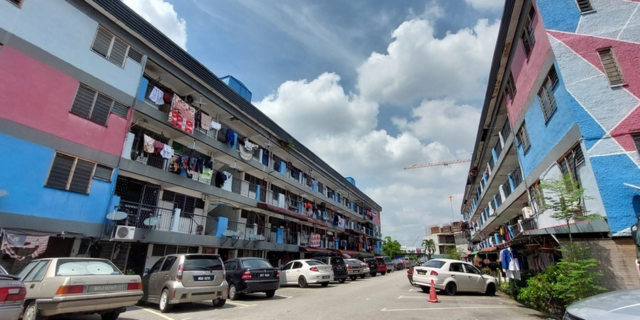
What Are PPR and PPRT?
Both programs share the same mission to provide safe, affordable, and dignified homes for Malaysians who need them most. However, their target groups and housing models differ.
| Program | Full Name | Target Group | Type of Housing | Implementing Agency |
|---|---|---|---|---|
| PPR | Program Perumahan Rakyat | Urban & semi-urban B40 households | High-rise or landed rental or rent-to-own (RTO) units | Ministry of Local Government Development (KPKT) |
| PPRT | Program Perumahan Rakyat Termiskin | Rural poor and hardcore poor | Single landed units — new builds or home repairs | Ministry of Rural & Regional Development (KKDW) |
While PPR focuses on improving urban living conditions and easing housing costs, PPRT directly tackles rural poverty, providing basic shelter for those without safe homes.
Together, they form the foundation of Malaysia’s long-term social housing strategy.
PPR: Affordable Housing for Urban Malaysia
Bridging the urban housing gap
Malaysia’s PPR projects were introduced to help low-income households, particularly in urban areas where property prices are beyond reach.
These projects provide rental or rent-to-own (RTO) options, making it easier for families to secure stable homes while improving their living standards.
Key features of PPR housing:
- Rental rates as low as RM124 per month
- 3 bedrooms, 2 bathrooms, with basic facilities such as lifts, playgrounds, parking areas, and surau
- Strategically located near schools, public transport, and workplaces
- Managed by local councils or government-linked agencies for maintenance and community welfare
Who qualifies for PPR?
- Malaysian citizens aged 18 and above
- Monthly household income below RM3,000–RM4,000 (depending on state)
- Do not own any residential property
- Priority for families with dependents, senior citizens, or persons with disabilities (OKU)
Application process:
Applications can be made online via the TEDUH KPKT portal or through local government housing departments.
Successful applicants are shortlisted based on income, family size, and housing need assessments.
PPRT: Building Dignity in Rural Communities
While PPR focuses on urban housing, PPRT (Program Perumahan Rakyat Termiskin) addresses rural housing deprivation.
It is a government assistance program under KKDW, designed for families in the hardcore poor (miskin tegar) and poor (miskin) categories, particularly in villages, FELDA/FELCRA areas, and rural settlements.
Two forms of assistance:
| Type | Description | Estimated Aid (2024–2025) |
|---|---|---|
| Home Repair (Baik Pulih) | Fixes roofs, floors, walls, wiring, plumbing, toilets — if the house is still structurally sound | ~RM 13,000–15,000 |
| New Construction (Bina Baharu) | Builds a new home for families without a safe place to live | ~RM 56,000 in Peninsular Malaysia / ~RM 68,000 in Sabah & Sarawak |
Eligibility:
- Must be a Malaysian citizen
- Registered under e-Kasih or verified as poor/hardcore poor by the local committee
- Own land or have written permission to use the land
- Priority for senior citizens, single parents, OKU, or disaster victims
Typical home specifications:
- 3 bedrooms, 2 bathrooms, living area, kitchen, dining
- Floor size: 660–715 sq ft
- Built using affordable yet durable materials
- Not cash-based — managed and constructed through appointed contractors
Application channels:
Forms are available through District Offices or RuralLink (KKDW). Applicants submit required documents, after which technical officers inspect the site and determine feasibility.
Budget 2026: Strengthening Housing Support Nationwide
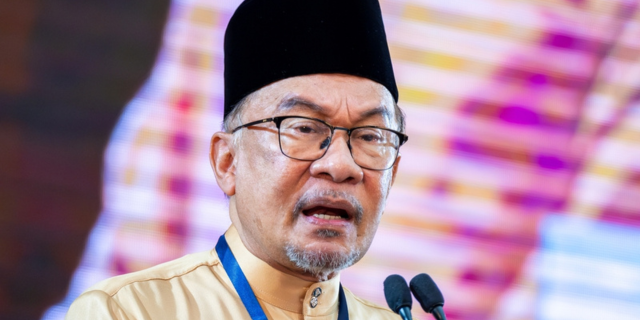
The Belanjawan 2026 emphasizes inclusivity and rural development, both crucial for the success of PPR and PPRT programs.
| Focus Area | Allocation / Initiative | Impact |
|---|---|---|
| Public & Affordable Housing | RM 672 million for Residensi Rakyat and Rumah Mesra Rakyat, benefiting 33,000 Malaysians | Reinforces the government’s focus on accessible housing |
| Rural Infrastructure | RM 3.3 billion to upgrade roads, electricity, clean water, bridges, and streetlights | Enables smoother delivery of PPRT projects in remote areas |
| Low-Cost Housing Upgrades | RM 143 million for maintenance and improvements | Enhances safety and habitability of existing PPR communities |
| First-Home Stamp Duty Exemption | Extended until 31 Dec 2027 for homes up to RM 500,000 | Encourages homeownership beyond PPR or rental schemes |
| Credit Guarantee Expansion | Raised to RM 20 billion to support first-time buyers and gig workers | Makes financing more inclusive for lower-income Malaysians |
Together, these measures ensure that both urban and rural families benefit from public housing accessibility to rural housing upgrades that reduce poverty and inequality.
Challenges and the Road Ahead
Challenges:
- Land and logistic constraints in remote areas
- Maintenance and management issues in older PPR flats
- Rising construction material costs
- Long waiting lists and application backlogs
The Way Forward:
- Encourage modular and green building technologies to reduce costs and speed up delivery
- Expand rent-to-own (RTO) and smart village housing models
- Digitize application and monitoring processes for transparency
- Foster public-private collaboration to expand affordable housing supply
Frequently Asked Questions
What’s the difference between PPR and PPRT?
PPR serves low-income urban families through rental or RTO apartments; PPRT serves rural hardcore poor families through home repair or new builds.
Are both still active in 2026?
Yes, both programs continue under Budget 2026 with new funding and rural infrastructure support.
Can someone apply for both PPR and PPRT?
No, applicants should apply under the scheme relevant to their income level and location (urban vs rural).
Are PPRT houses given in cash?
No, construction or repair is handled by approved contractors under KKDW supervision.
How much does PPR rent cost?
Rental is typically RM124–RM250 per month depending on state and unit type.
Where can I apply?
PPR: teduh.kpkt.gov.my
PPRT: rurallink.gov.my
A Foundation for Shared Growth
Housing is more than shelter it’s stability, dignity, and opportunity.
Through PPR and PPRT, Malaysia continues its mission to ensure that every citizen, whether in city flats or rural kampungs, has access to a safe place to call home.
With the 2026 Budget focusing on inclusivity, infrastructure, and affordability, both programs remain central to Malaysia’s broader vision of empowered communities and balanced development.
Find you dream home with our professional real estate agents. Fill up your information down below and you’re one step closer to own your dream home!
[custome_blog_form]
Continue reading:
Sources & Reference:
- Ministry of Local Government Development (KPKT): teduh.kpkt.gov.my
- Ministry of Rural & Regional Development (KKDW): rurallink.gov.my
- Malaysia Budget 2026 Official Portal: belanjawan.mof.gov.my
