


| TL;DR Malaysia’s tourism sector is exploding in 2025, shattering records with 28.24 million international arrivals from Jan-Aug. This growth, fueled by visa reforms, infrastructure development, and thriving niches like medical and education tourism, is creating a golden window for investors. The boom is directly fueling demand in the real estate and property market, from luxury hotels to student housing and retirement communities. |
Feeling like you’re missing out on the next big investment wave in Southeast Asia? The news is full of fragmented data about market trends, making it hard to see the big picture.
While you’re trying to connect the dots, savvy investors are already locking in on Malaysia, where a historic tourism boom is unfolding right now. Guiding this incredible transformation is a clear, data-backed vision.
As articulated by Dato’ Dr. Angie Ng, a leading voice in Malaysian tourism and Chairperson of EZT Group, the mission is to unlock global tourism and investment opportunities.
Consider this your ultimate guide, where we use her expert framework to connect all the key 2025 data and show you exactly why this is the opportunity you’ve been waiting for.
Key Takeaways
- Record-Breaking Growth: Malaysia is leading ASEAN tourism, recording 28.24 million international arrivals from January to August 2025, a massive 14.5% year-on-year increase.
- Massive Economic Impact: The tourism industry’s contribution to Malaysia’s GDP is a monumental 15.1%, amounting to RM291.9 billion in gross value added. Projections show total tourism revenue rocketing towards US$11.8 billion by 2035.
- Dato Angie Ng’s Six Pillars of Growth: This boom is strategically built on six key emerging trends: Muslim-Friendly Tourism, M.I.C.E., Medical, Education, Retirement, and Investment Tourism, each creating highly specific real estate demands.
- Strong Government Backing: Pro-investment policies, visa liberalization for travelers from China and India, and significant infrastructure development, such as an expanding 270 km+ rail network in Greater KL, are actively fueling this boom and making it a secure bet.
Table of contents
- 1. Why Is Everyone Talking About Malaysia’s Tourism Market in 2025?
- 2. What Are the Hidden Engines Driving This Incredible Tourism Growth?
- 3. How Is the Malaysian Government Making It Easier for Tourists and Investors?
- 4. What Are the Best Ways to Invest in This Tourism Boom Right Now?
- 5. Is Malaysia a Good Place to Retire or Own a Second Home?
- 6. Frequently Asked Questions (FAQs)
1. Why Is Everyone Talking About Malaysia’s Tourism Market in 2025?
If you’ve noticed “Malaysia” popping up more often in financial news, you’re witnessing a carefully orchestrated economic shift. The country has accelerated past its regional neighbors to become Southeast Asia’s undisputed tourism leader in 2025.
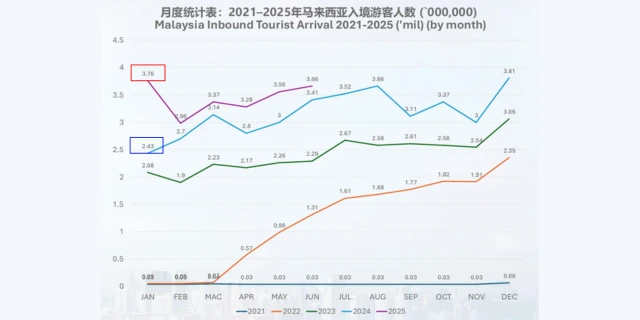
The high-level numbers are impressive, but Dato’ Angie Ng’s monthly data reveals the true momentum. In January 2025 alone, arrivals reached 3.76 million, a massive leap from 2.43 million the year prior. This explosive growth continued through the first quarter, consistently outperforming 2024 figures month after month.
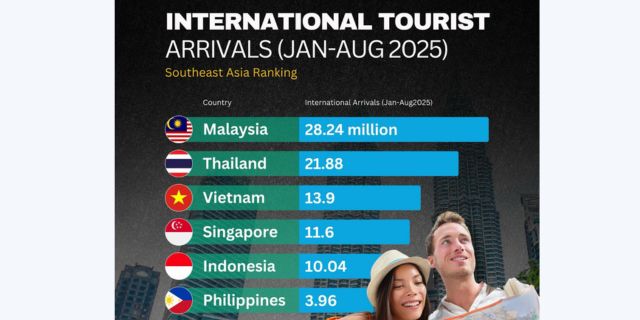
By August, the cumulative total had swelled to 28.24 million international visitors, placing Malaysia firmly ahead of traditional powerhouses like Thailand (21.88 million) and Singapore (11.6 million) for the same period.
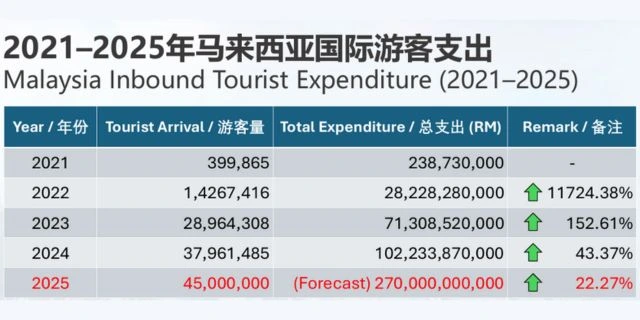
This is not only a recovery, but a fundamental adjustment to the regional tourism landscape. International arrivals are on track to reach the ambitious target of 45 million by the end of 2025, generating an expected RM270 billion in revenue. This explosive growth, underpinned by strategic planning, is the primary signal for investors that Malaysia’s market is not just hot like the local weather, but sustainable.
2. What Are the Hidden Engines Driving This Incredible Tourism Growth?
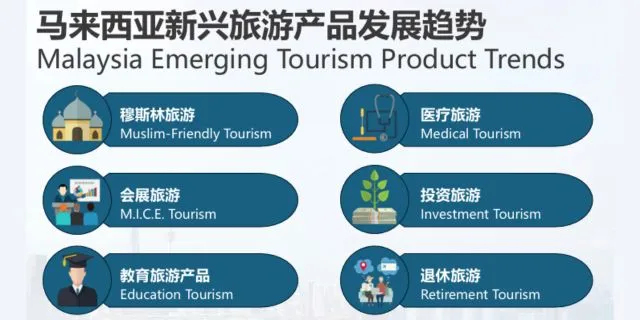
Such tremendous growth is by no means accidental. It is the result of a deliberate strategy to cultivate diverse, high-value tourism sectors. In her presentation at the Juwai International Summit 2025, Dato’ Dr. Angie Ng identified six “Emerging Tourism Product Trends” that serve as powerful engines driving this growth.
These hot trends are pillars of a national strategy, each creating distinct and lucrative investment corridors, particularly in real estate.
a. Medical & Wellness Tourism: The Global Healthcare Hub
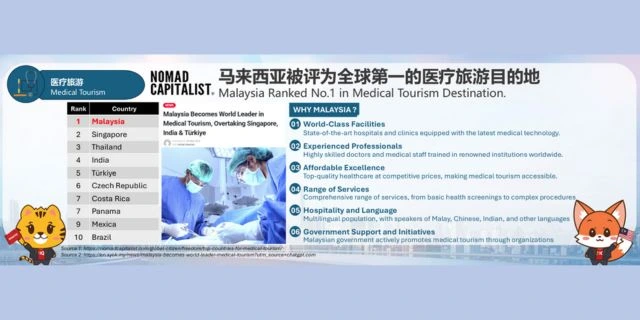
Malaysia is no longer a choice but is becoming a global leader in healthcare. Ranked the No. 1 Medical Tourism Destination in the world, its appeal lies in a unique combination of world-class facilities, highly-skilled professionals, and costs that are a fraction of those in the US or Europe.
In 2024, the sector attracted 1.6 million healthcare travelers and generated RM2.72 billion in revenue, with a target of hitting an astounding RM12 billion by 2030.
Investment Angle
The government’s “Malaysia Medical Tourism Year 2026” campaign is far beyond an advertisement you see everywhere, it is a signal, a signal that supercharges local demand. The high patient volume creates a critical demand for serviced apartments and short-term rentals near the four “Flagship Medical Tourism Hospitals” in Kuala Lumpur and Penang.
Investors who focus on properties offering comfort and accessibility for patients and their families are tapping into a stable, high-yield market.
b. Education Tourism: The Regional Knowledge Hub
Malaysia has quietly become a magnet for international students. With over 130,000 students already enrolled and an aggressive government target of 250,000 by 2025, the education sector is now a powerful economic driver.
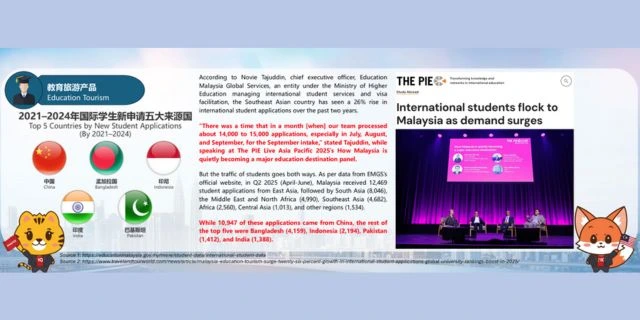
Institutions like Monash University and the University of Nottingham have established major branch campuses, offering globally recognized degrees at affordable prices. From Q1 2021 to Q1 2024, new international student applications surged, with East Asia (led by China) being the dominant market.
Investment Angle
The math is simple. An influx of over 100,000 new students creates an immediate and pressing demand for housing. This opens up a massive investment opportunity in purpose-built student accommodation (PBSA), rental apartments, and co-living spaces in university hubs such as Kuala Lumpur, Selangor, and Penang.
c. M.I.C.E. Tourism: The Business Hub of ASEAN
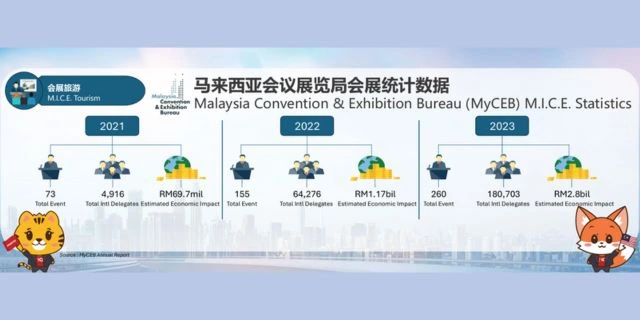
Meetings, Incentives, Conferences, and Exhibitions (M.I.C.E.) have evolved from a niche segment to a cornerstone of Malaysia’s economy. The country hosted 260 major events in 2023 alone, generating an estimated economic impact of RM2.8 billion.
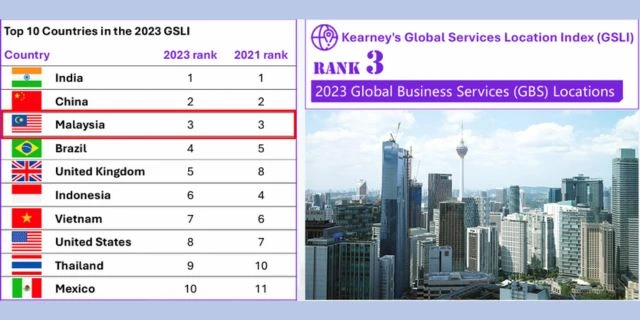
Malaysia now ranks 3rd globally for competitive Global Business Services locations and 31st for international association meetings.
Investment Angle
Significant events, such as the 46th ASEAN Summit, fill hotels and serviced apartments for weeks. This creates a reliable revenue stream for property owners who cater to business travelers and event delegates, particularly around key venues like the KL Convention Centre and MITEC.
d. Muslim-Friendly Tourism: The Undisputed Leader
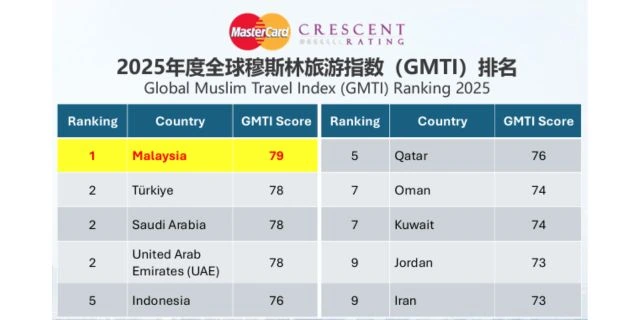
Leveraging its cultural and religious infrastructure, Malaysia has cemented its position as the #1 destination in the Global Muslim Travel Index (GMTI).
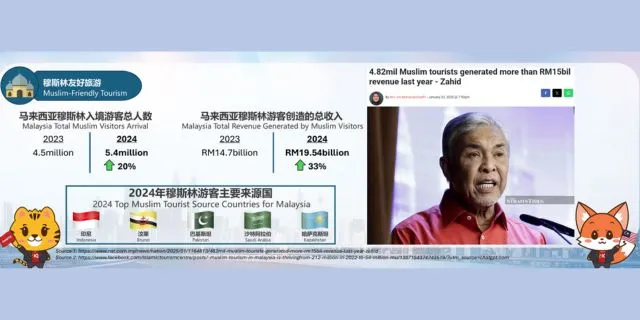
The global Muslim population is over 2 billion people, representing a colossal and values-driven travel market. In 2024, Malaysia welcomed 5.4 million Muslim visitors who generated RM19.54 billion in revenue.
Investment Angle
This market has specific needs. There is high demand for Shariah-compliant hotels and properties with halal-certified kitchens and prayer facilities. This niche offers a significant competitive advantage to developers and property investors who meet these requirements.
e. Retirement Tourism: A Perfect Haven for the Silver Generation
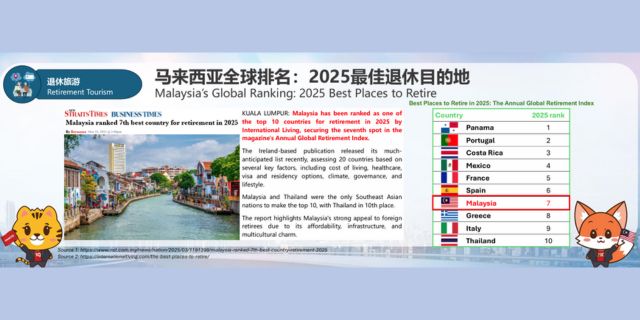
The “Silver Economy” is projected to exceed US$15 trillion globally by 2030. Malaysia is perfectly positioned to capture a large share of this. It’s ranked the #7 Best Place in the World to Retire, thanks to its low cost of living, excellent healthcare, stable climate, and welcoming culture.
Investment Angle
This trend directly fuels the need for high-quality retirement communities, assisted living facilities, and accessible, long-term rental homes. This is the foundation for the Malaysia My Second Home (MM2H) program.
f. Investment Tourism: A Global Vote of Confidence
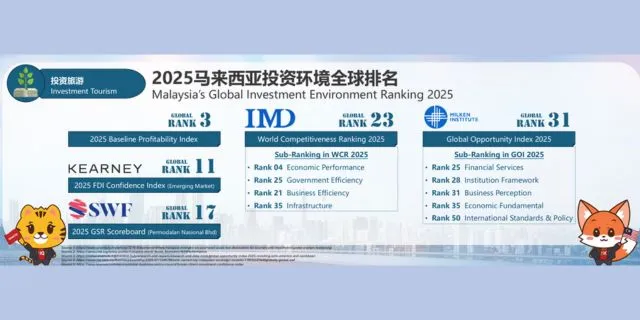
Finally, tourism and investment are deeply linked. Malaysia’s exceptional global rankings, such as ranking 3rd in the 2025 Baseline Profitability Index, show that the country is not just a place to visit but also a safe and profitable place to invest capital.
Investment Angle
This meta-trend is about confidence. When major corporations like Infineon (RM30 billion investment) and Shell (RM9 billion investment) invest capital in the country, it signals stability and growth, which, in turn, attracts individual property investors.
3. How Is the Malaysian Government Making It Easier for Tourists and Investors?
A boom this big requires strategic, pro-growth governance. The Malaysian government is actively fueling this fire.
The Visa Liberalization Plan for tourists from China and India was a game-changer, causing arrivals from China to surge by 38.8% in early 2025.

This is backed by massive infrastructure investment. Dato’ Dr. Angie Ng’s presentation highlights that Malaysia’s air connectivity for August 2025 alone includes over 2.8 million total seats and 3,241 weekly flights. This seamless access is crucial.
On the ground, according to ASEAN Briefing, the 270 km+ rail network in Greater KL connects all key districts, making the city hyper-accessible for both tourists and residents. These projects are calculated moves to prepare for the landmark Visit Malaysia Year 2026, a national campaign targeting a staggering 47 million visitors.
4. What Are the Best Ways to Invest in This Tourism Boom Right Now?
Understanding the “why” is key, but taking action is where value is created. The historic influx of people is creating direct, predictable, and lucrative demand across the real estate spectrum.
- Hospitality Real Estate: This is the most direct play. Average hotel occupancy rates are robust and growing. In key tourist destinations, demand is even higher, with Genting Highlands recording a 96.8% occupancy rate in the first half of 2025. Investing in hotels, boutique resorts, and high-quality vacation rentals is a prime strategy.
- Niche & Themed Accommodation: Think beyond the standard hotel. With ecotourism on the rise, demand for unique eco-lodges in Borneo or near Taman Negara is growing. The wellness boom is fueling demand for yoga retreats and health-focused resorts. As mentioned, the surge in international students presents a golden opportunity for purpose-built student accommodation.
- Retail and Commercial Spaces: Tourists spend money. Foreign tourist retail spending was an estimated RM27.8 billion in 2024. Investing in well-located shop lots and commercial properties in high-traffic tourist zones like Kuala Lumpur’s Bukit Bintang, George Town in Penang, or Langkawi is a direct way to capture a piece of this spending pie.
5. Is Malaysia a Good Place to Retire or Own a Second Home?
For those looking for longer-term investment and lifestyle opportunities, the answer is a resounding yes. As previously noted, Malaysia is a world-class retirement destination. The government’s flagship Malaysia My Second Home (MM2H) program is the primary vehicle for this.
It’s a structured long-term visa program that offers a stable path for foreigners to reside in the country. Dato’ Dr. Angie Ng’s presentation provides a detailed breakdown of the revamped tiers, designed to attract a broader range of qualified individuals.
| Provision | Platinum Tier | Gold Tier | Silver Tier |
| Fixed Deposit | US$1,000,000 | US$500,000 | US$150,000 |
| Visa Validity | Permanent Residency (PR) status eligibility | 15 Years (MEV) | 5 Years (MEV) |
| Min. Residency | 60 days/year (can be met by principal or spouse) | 60 days/year | 60 days/year |
| Property Purchase | Min. RM2 million (West MY), purchase after pass approval | Min. RM1 million (West MY) | Min. RM600,000 (West MY) |
| Work/Business | Allowed to work and invest | Not allowed | Not allowed |
The MM2H program is a direct funnel, channeling global wealth into the local economy and, most significantly, the high-end residential property market. This provides a steady, reliable stream of buyers and long-term renters for premium homes, condos, and villas.

The data presented throughout 2025, expertly synthesized in Dato’ Dr. Angie Ng’s framework, paints an undeniable picture: Malaysia’s tourism and investment landscape is in the midst of a historic boom. This is far more than a simple travel rebound; it’s a structural economic shift, driven by a diversified strategy and robust government support.
For astute investors seeking opportunities in the Malaysian hospitality investment space or the broader property market, this is a unique window. The numbers are precise, the strategy is sound, and the time to explore your options is now.
6. Frequently Asked Questions (FAQs)
What is the projected growth of the Malaysian tourism market?
The market is projected to grow significantly. Revenue is expected to reach US$6.85 billion in 2025 and to grow to approximately US$11.8 billion by 2035, at a high compound annual growth rate.
Which country has the most tourist arrivals in Malaysia for 2025?
Singapore is by far the largest source of visitor arrivals to Malaysia, with 6.53 million visitors recorded just between January and April 2025. Indonesia and China follow this.
What government incentives are available for tourism investment in Malaysia?
The Malaysian government, through agencies such as the Malaysian Investment Development Authority (MIDA), offers various incentives, including liberal equity policies allowing 100% foreign ownership in many sectors, tax incentives such as Pioneer Status (70% income tax exemption), and an Investment Tax Allowance.
Why is Malaysia considered a top destination for medical tourism?
Malaysia offers internationally accredited hospitals, highly skilled doctors, and state-of-the-art facilities at a fraction of the cost of services in Western countries. It has been ranked the #1 medical tourism destination globally and is supported by a strong government body, the Malaysia Healthcare Travel Council (MHTC).
Is Malaysia’s infrastructure developed enough to support tourism growth?
Yes, Malaysia has invested heavily in infrastructure. The Greater Kuala Lumpur area boasts over 270 kilometers of integrated rail networks, and its primary airport, KLIA, handled over 40 million passengers in 2023. This robust infrastructure is a key factor in supporting the current tourism boom.
How does Malaysia compare to Thailand for tourism in 2025?
In the first eight months of 2025, Malaysia surpassed Thailand in international tourist arrivals, recording 28.24 million visitors compared to Thailand’s 21.88 million. This positions Malaysia as the leader in Southeast Asia for this period.
What is the Malaysia My Second Home (MM2H) program?
MM2H is a government initiative that allows foreigners to live in Malaysia on a long-term visa. It has multiple tiers (Silver, Gold, Platinum) based on a fixed financial deposit and is designed to attract expatriates and retirees, boosting the real estate market and local economy.
Ready to act on these opportunities? Connect with us for exclusive access to prime real estate opportunities and personalized guidance. Let us help you navigate your investment with confidence and unlock the very best of Malaysia’s thriving property market!
Continue Reading
- Earn in SGD With Your Property: Why Investing in the Johor-Singapore SEZ is a Smart Move!
- Auction Home vs. Blacklisted: Key Differences to Know Before Buying Property
- 6 Common Home Mistakes That Could Stop You From Owning a Second Property
Reference
- Amin, L. (2025, July 22). Malaysia sees 20% surge in tourist arrivals in Jan-May 2025, boosted by China, India. The Edge Malaysia. retrieved from
https://theedgemalaysia.com/node/763490 - Future Market Insights. (2025, April 22). Malaysia Tourism Market Analysis – Size, Share & Forecast 2025 to 2035. retrieved from
https://www.futuremarketinsights.com/reports/malaysia-tourism-sector-forecast-and-spend-analysis - Malaysia Healthcare Travel Council. (2025, July 28). MALAYSIA HEALTHCARE TRAVEL COUNCIL LAUNCHES MYMT 2026, MALAYSIA’S FIRST MEDICAL TOURISM YEAR. PR Newswire. retrieved from
https://www.prnewswire.com/apac/news-releases/malaysia-healthcare-travel-council-launches-mymt-2026-malaysias-first-medical-tourism-year-302514642.html - Medina, A. F. (2025, June 5). Malaysia’s Tourism Evolution: Infrastructure, Identity, and International Appeal. ASEAN Briefing. retrieved from
https://www.aseanbriefing.com/news/malaysias-tourism-evolution-infrastructure-identity-and-international-appeal/ - Seasia Stats. (2025, October 15). Malaysia Leads Southeast Asia in Tourist Arrivals for 2025. retrieved from
https://www.facebook.com/seastats/posts/malaysia-leads-southeast-asia-in-tourist-arrivals-for-2025from-january-to-august/845347131170473/ - Statista. (2025). Travel & Tourism – Malaysia. retrieved from
https://www.statista.com/outlook/mmo/travel-tourism/malaysia?srsltid=AfmBOoo2SvdPVYllxH1LENhuxrwpTQ7PpZS8e2I7OmGlPnkRiTaXQNIS - Dzulkifli, S. (2025, September 25). UN report highlights Malaysia’s 9% tourism arrivals growth. The Star. retrieved from
https://www.thestar.com.my/news/nation/2025/09/25/un-report-highlights-malaysia039s-9-tourism-arrivals-growth - The Straits Times. (2025, October 8). Tourist arrivals in Malaysia rise 14.5% to hit 28.24 million in first eight months of 2025. retrieved from
https://www.straitstimes.com/asia/se-asia/tourist-arrivals-in-malaysia-up-14-5-to-hit-28-24-million-in-first-eight-months-of-2025 - Tourism Malaysia. (2025, October). Paid Accommodation Survey Performance: January – June 2025. Strategic Planning Division, Tourism Malaysia. retrieved from
https://data.tourism.gov.my/
