


For many Malaysians, Sabah means one thing: Vacation.
Golden sunsets at Tanjung Aru. Island hopping in clear blue waters. Fresh seafood by the waterfront. Mount Kinabalu rising in the background.
But Kota Kinabalu is no longer just a travel destination.
Behind its relaxed image, structural economic changes are happening. Tourism growth, airport connectivity, infrastructure upgrades and housing development are aligning.
And when tourism, infrastructure and property demand move together, markets evolve.
This is where Kota Kinabalu property investment starts entering serious conversations.
Key Takeaways:
- Kota Kinabalu tourism growth is strengthening rental demand.
- RM 6.9 billion allocated to Sabah supports infrastructure upgrades.
- City-centre condo prices averaging RM400–RM700 psf remain competitive.
- Peak occupancy of 70–80% and 5–7% yields indicate measurable performance.
- The city appears to be in an earlier property market cycle compared to Penang
How Kota Kinabalu Is Transitioning
- Is Kota Kinabalu More Than Just a Travel Destination?
- Tourism Growth Is Supporting Property Demand In Kota Kinabalu
- The Airport Effect: Connectivity as a Growth Driver
- Rental Performance and Yield Reality In Kota Kinabalu
- Kota Kinabalu vs Penang vs Langkawi: A Practical Comparison
- Property Prices, Urban Growth and Market Cycle
- What Smart Investors Should Evaluate
- Final Thoughts: Is This the Right Time to Look East
- FAQ
Is Kota Kinabalu More Than Just a Travel Destination?
Kota Kinabalu, or KK, is the capital of Sabah in East Malaysia. It is the gateway to island tourism, marine parks and Mount Kinabalu.
What makes Kota Kinabalu different from other Malaysian cities?
- An urban city centre
- Island access within 15–20 minutes
- Mountain and eco-tourism
- Diving and marine parks
- Cruise arrivals
- Strong food and lifestyle culture
Very few Malaysian cities combine city living and island proximity this closely.
Cities built on experience tend to attract repeat visitors. Repeat visitors create steady demand for accommodation. Steady demand supports property performance.
Unlike Kuala Lumpur or Penang, Kota Kinabalu property prices have not fully priced in its tourism positioning.
Tourism Growth Is Supporting Property Demand In Kota Kinabalu
Tourism in Sabah has long been important, but what is different today is alignment.
The federal government has allocated RM 6.9 billion to Sabah, focusing on:
• Transport upgrades
• Public facilities
• Tourism infrastructure
• Urban improvements
When infrastructure improves, property demand often follows with a delay.
This timing gap is important for investors.
Tourism Foundation Snapshot
| Factor | Why It Matters for Property Investors |
| Transport upgrades | Easier visitor movement |
| Urban redevelopment | Better city centre appeal |
| Tourism infrastructure | Supports rental occupancy |
| Government focus | Long-term growth direction |
Markets grow when policy, infrastructure and demand align. Kota Kinabalu is beginning to show that alignment.
The Airport Effect: Connectivity as a Growth Driver
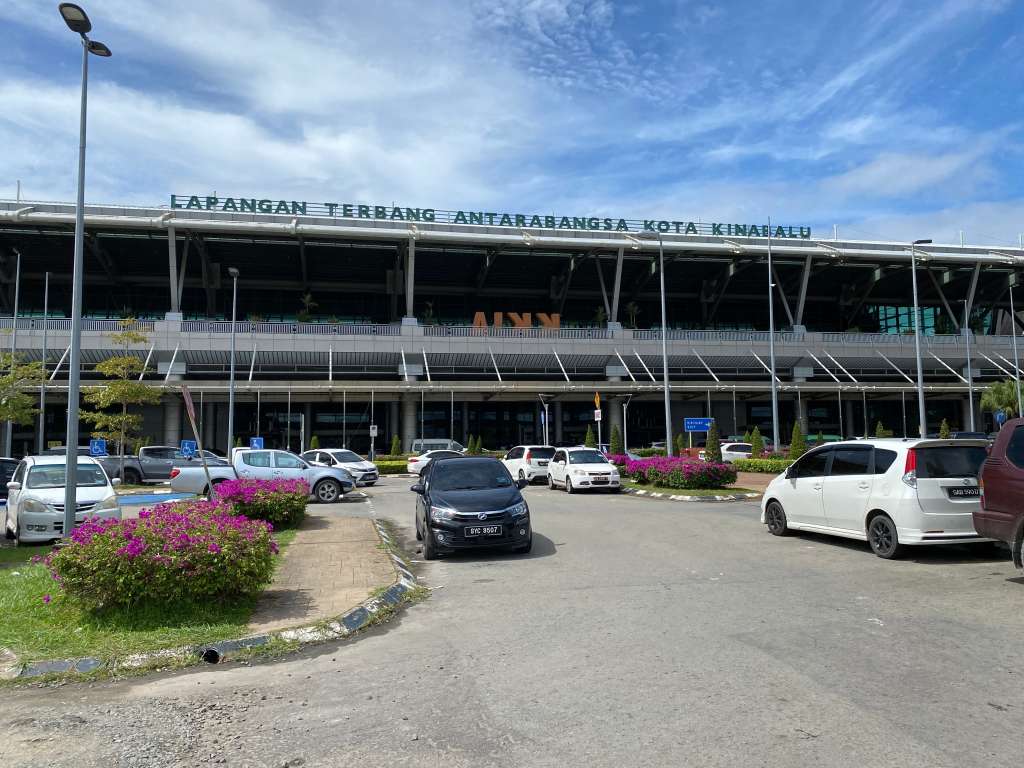
Kota Kinabalu International Airport is Sabah’s main entry point. Nearly every tourist and business traveler passes through it.
It connects KK directly to:
- Kuala Lumpur
- Singapore
- Key regional Asian cities
- Major East Malaysian towns
Historically, airports act as economic signals. When passenger movement increases, accommodation demand usually follows.
Infrastructure often improves before property prices adjust.
For investors, understanding this sequence is critical
Rental Performance and Yield Reality In Kota Kinabalu
Let’s talk numbers.
In the Kota Kinabalu property market, well-located units have shown:
- 70–80% peak occupancy rates
- 5–7% estimated net annual yields
- RM40,000–RM70,000 annual rental income for strong-performing units
However, returns depend heavily on:
- Location within the city
- Building approval for short-term rental
- Layout efficiency
- Management quality
Investors targeting the city centre, Jesselton and waterfront zones typically see stronger demand due to tourist foot traffic.
In tourism-driven markets, convenience and accessibility matter more than unit size.
The key principle: Selection drives performance, not speculation
Kota Kinabalu vs Penang vs Langkawi: A Practical Comparison
Investors comparing Kota Kinabalu property investment often look at Penang and Langkawi.
Penang is a mature tourism and heritage market. Property prices are higher, and much of its growth is already reflected in values.
Langkawi is strongly leisure-driven, focused on resort and seasonal tourism.
Kota Kinabalu offers a different balance:
- Urban city centre with daily activity
- Direct access to islands and marine tourism
- Competitive entry prices
- Moderate short-term rental competition
| Factor | Kota Kinabalu | Penang | Langkawi |
| Market Stage | Emerging | Mature | Tourism-Focused |
| Avg Condo Price | RM400–RM700 psf | RM500–RM900 psf | RM450–RM800 psf |
| Growth Potential | Higher | Moderate | Moderate |
For investors, the difference is simple.
Penang offers stability.
Langkawi offers resort appeal.
Kota Kinabalu offers earlier-cycle positioning with tourism-driven property demand.
Markets that are not yet fully priced often present stronger medium-term upside.
Property Prices, Urban Growth and Market Cycle
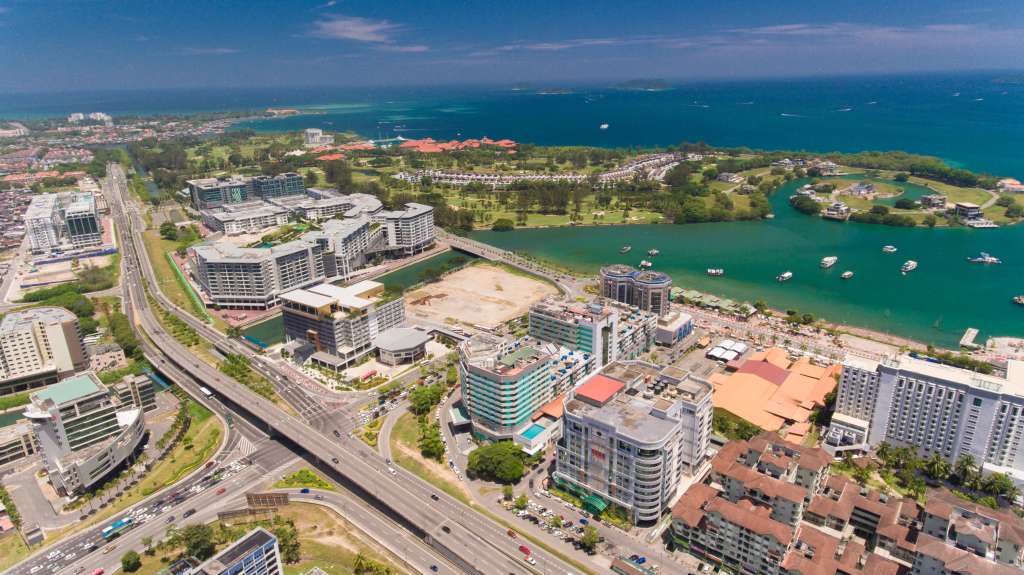
The Kota Kinabalu property market remains competitively priced, with many city-centre units averaging RM400 to RM700 per square foot. Compared to Kuala Lumpur and Penang, this suggests Kota Kinabalu is still in an earlier growth phase.
Lower entry prices offer:
- Smaller capital commitment
- Better downside protection
- More room for gradual appreciation
At the same time, waterfront upgrades, mixed-use projects and serviced apartments are reshaping the city core.
Property markets usually move in stages:
Infrastructure upgrades → Developer activity → Price recognition.
Kota Kinabalu appears to be in the middle stage — where fundamentals are strengthening but prices remain moderate.
That positioning often attracts early-cycle investors.
What Smart Investors Should Evaluate
Emerging markets require discipline.
Before investing in Kota Kinabalu, investors should review:
- Strata regulations and short-term rental approval
- Building management standards
- Long-term maintenance quality
- Proximity to transport and tourist hubs
- Upcoming development plans
Location remains critical. Areas near the city centre and waterfront, particularly Jesselton, continue to attract attention due to accessibility and tourist flow.
A strong investment is built on consistent demand, not short-term excitement.
Balanced growth is healthier than rapid price spikes.
Final Thoughts: Is This the Right Time to Look East
Kota Kinabalu is slowly moving beyond its image as just a tourist destination. With RM6.9 billion allocated to Sabah, stronger infrastructure and steady tourism demand, the fundamentals are becoming clearer.
The Kota Kinabalu property market is still reasonably priced compared to more mature cities. At the same time, urban upgrades and new developments show growing long-term confidence.
The key question is simple.
Is this the moment before broader market recognition?
For investors willing to look beyond Kuala Lumpur and Penang, Sabah may offer an earlier-stage opportunity backed by tourism growth and improving connectivity.
Sometimes, the quieter markets tell the stronger long-term story.
FAQ
Kota Kinabalu is gaining attention due to tourism growth, infrastructure spending and competitive property pricing. The city appears to be in an earlier growth phase compared to mature markets.
City-centre condos typically range between RM400 and RM700 per square foot, depending on location and project quality.
Penang is more mature with higher pricing. Kota Kinabalu offers earlier-cycle positioning with tourism-driven demand.
Short-term rental performance depends on building-level approval and strata regulations. Investors must verify management rules and local compliance requirements before purchasing.
Well-selected properties have demonstrated 70–80% peak occupancy and estimated 5–7% net yields.
Considering Kota Kinabalu property investment? Leave your details and an IQI advisor will help you evaluate the market and next steps.
Continue Reading:
- Sabah’s Housing Boom: How It Became More Than Just ‘Tourism Spot
- Kota Kinabalu: IQI Global’s New Step
- Juwai IQI: Sabah’s property mart to rebound next year
References:
- Airbtics. (2025). Annual Airbnb revenue in Kota Kinabalu, Malaysia. https://airbtics.com/annual-airbnb-revenue-in-kota-kinabalu-malaysia/
- Christopher Elliott. (2025, September 20). In Kota Kinabalu, a fragile balance between sustainability and tourism. Forbes. https://www.forbes.com/sites/christopherelliott/2025/09/20/in-kota-kinabalu-a-fragile-balance-between-sustainability-and-tourism/
- Daily Express. (2026, February). Kota Kinabalu to soon have longest waterfront. https://www.dailyexpress.com.my/news/271868/kota-kinabalu-to-soon-have-longest-waterfront
- STAah Blog. (n.d.). 10 reasons why I love Kota Kinabalu. https://blog.staah.com/featured/10-reasons-why-i-love-kota-kinabalu
- The Borneo Post. (2026, February 16). Stronger ringgit and its impact on Malaysia and Sabah. https://www.theborneopost.com/2026/02/16/stronger-ringgit-and-its-impact-on-malaysia-and-sabah/
- The Star. (2025, April 7). Bangkuai calls for more tourism investments in rural Sabah. https://www.thestar.com.my/news/nation/2025/04/07/bangkuai-calls-for-more-tourism-investments-in-rural-sabah
- The Star. (2025, July 4). Sabah attracts growing interest from Kazakhstan in tourism and business. https://www.thestar.com.my/news/nation/2025/07/04/sabah-attracts-growing-interest-from-kazakhstan-in-tourism-and-business
- The Vibes. (n.d.). KK airport drives Sabah’s tourism, business and trade growth. https://www.thevibes.com/articles/news/115457/kk-airport-drives-sabahs-tourism-business-and-trade-growth
- Tourism Malaysia. (2025, June 25). Tourism Malaysia unveils “Explore Sabah” campaign to boost visitor arrivals to the state. https://www.tourism.gov.my/media/view/tourism-malaysia-unveils-explore-sabah-campaign-to-boost-visitor-arrivals-to-the-state-1
