


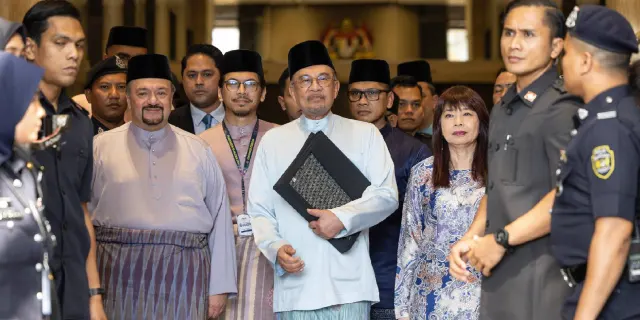
It’s official. Prime Minister Datuk Seri Anwar Ibrahim has unveiled the highly anticipated Budget 2026 Malaysia on October 10, 2026, at 4pm.
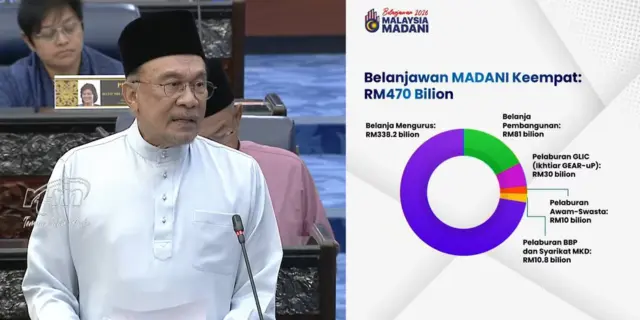
This year’s budget, themed “Memacu Ekonomi MADANI: Memperkasa Rakyat,” outlines a total allocation of RM470 billion dedicated to strengthening Malaysia’s economy and improving the well-being of the people.
Of that, RM672 million is channelled into the property and housing sector, covering initiatives such as urban renewal and affordable housing.
Overall, the tabling focused on reforming last year’s three central pillars: Raise the Ceiling, Raise the Floor, and Drive Reform & Good Governance.
Below are the key highlights from Budget 2026 Malaysia, particularly under property development.
Budget 2026 Malaysia: Real Estate & Future Development:
Affordable Housing & Urban Living
The government continues to prioritise liveable, inclusive cities under Budget 2026, with a focus on improving public housing and urban environments nationwide.
Through DBKL, a total of RM500 million has been allocated to uplift urban living standards:
RM200 million to improve hawker facilities and RM300 million for public housing upgrades, including maintenance of Projek Perumahan Rakyat (PPR) infrastructure.
In addition, all lift damages in public housing units are targeted to be fully repaired by the end of 2025, ensuring safer and more comfortable living conditions for all.
Kota MADANI
The Kota MADANI concept embodies Malaysia’s vision of a smart, AI-driven, and green city, born from the philosophy of MADANI itself.
The first of its kind, Kota MADANI Precinct 19 in Putrajaya will offer 10,000 homes, with 80% reserved for civil servants.
To maximise urban space in high-density areas, the government will also introduce the Vertical School concept, integrating education and housing within the same development.
Three pilot projects will be launched at:
- Kota MADANI Precinct 19, Putrajaya
- Rumah Bakat MADANI SkyWorld Pearlmont, Seberang Perai, Penang
- Residensi Aman MADANI, Bandar Sri Permaisuri, Kuala Lumpur
Projek Perumahan Rakyat (PPR)
The government will continue expanding access to quality housing through several initiatives under the Projek Perumahan Rakyat (PPR):
- RM672 million allocated for the Residensi Rakyat and Rumah Mesra Rakyat programmes, benefiting 33,000 residents in projects such as PRR Ayer Lanas (Kelantan) and PRR Masai (Johor).
- Expansion of the SJKP home financing guarantee scheme to RM20 billion, doubling last year’s allocation to help more gig workers and self-employed Malaysians own homes.
- RM500 million to rebuild or repair over 3,300 dilapidated houses, including 380 homes for fishermen.
- RM143 million for maintenance of low- and medium-cost strata housing, including replacement of old lifts.
- RM90 million to upgrade infrastructure in Chinese new villages and Indian settlements.
- RM95 million to enhance public toilets and parks across local councils.
Stamp Duty
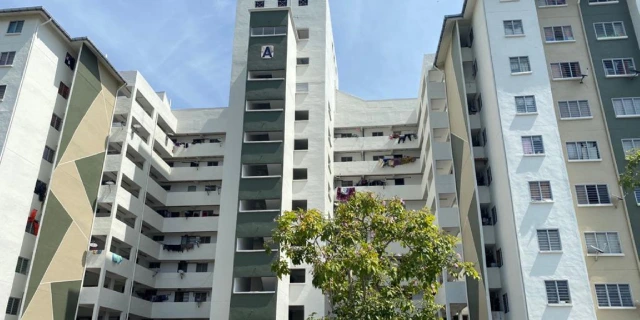
To continue supporting homeownership, the government has extended full stamp duty exemptions for first-home purchases up to RM500,000 until 31 December 2027.
To keep the property market fair and competitive, residential property transfers by non-citizens and foreign companies will now be charged a flat stamp duty rate of 4% to 8%, except for permanent residents.
The goal is to keep housing prices steady while making sure Malaysians can still afford to own homes.
Home Financing Support
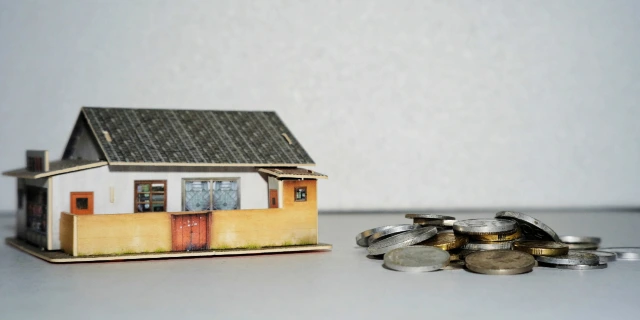
To further ease access to housing, the government also announced several measures:
- 80,000 first-time homebuyers will benefit from loan guarantees under SJKP (Skim Jaminan Kredit Perumahan), to help more Malaysians secure their first homes.
- In addition, RM20 billion fund also has been introduced to help more gig workers and self-employed to own homes.
- Under the 13th Malaysia Plan (RMK13), financial institutions are encouraged to support rent-to-own and build-then-sell housing schemes, providing more flexible homeownership options.

Rural Infrastructure Development
Sabah and Sarawak receive the highest development allocations under Budget 2026, amounting to RM6.9 billion and RM6 billion respectively.
This is a clear reflection of the government’s commitment to balanced regional growth.
To further bridge the urban–rural divide and enhance connectivity, the government has also allocated RM3.3 billion for basic rural infrastructure projects.
This includes building and upgrading village roads, providing clean water and electricity in rural Sabah and Sarawak, and adding bridges and streetlights.
Together, these initiatives aim to improve daily living standards and ensure that development reaches every corner of the nation.
National Rail and Transport Development
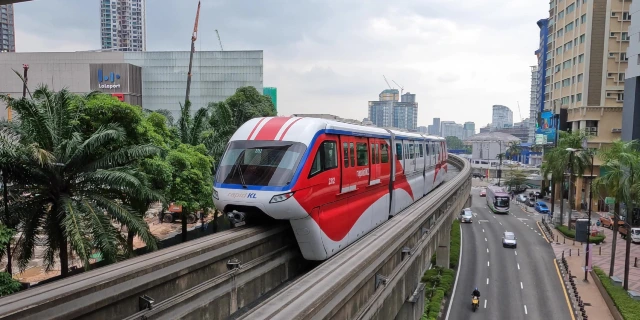
Malaysia’s national rail connectivity also continues to be strengthened under Budget 2026, with several major projects moving towards completion.
- Final phase of the ETS extension to Johor Bahru Sentral
- LRT3 line from Bandar Utama to Johan Setia
- ECRL route connecting Kota Bharu to Gombak
- Replacement of 26 train sets for the LRT Kelana Jaya line
These initiatives reaffirm the government’s commitment to enhancing public transport efficiency and nationwide connectivity.
AI Nation by 2030
To further adapt to the future and accelerate Malaysia’s digital transformation, the government is setting its sights on becoming an AI-driven nation by 2030.
Under Budget 2026, RM5.9 billion has been allocated for Research, Development, Commercialisation and Innovation (RDCI) activities, alongside a 50% additional tax deduction for MSMEs investing in AI-related training.
The plan also includes the establishment of a Sovereign AI Cloud and a RM53 million Malaysia Digital Accelerator Grant, both aimed at empowering local industries and strengthening the nation’s position in the global digital economy.

At the heart of it all, Budget 2026 is about building better homes, stronger cities, and a future Malaysians can thrive in.
What are your thoughts?
With all these new initiatives, there’s never been a better time to find your forever home. Talk to our agents today and discover how you can make it yours.
Continue Reading:
