


This article is taken from IQI Real Estate Tit&Bits, written by K. Soma Sundram, Strategic Advisor at Juwai IQI Group, titled “Landlord and Tenant Responsibilities: Who Is Responsible?”
Version: BM
Having a comfortable place to live is a universal dream. For many, renting a home is the practical path to achieving it.
With rising mobility and changing lifestyles, demand for rental housing continues to grow.
Both landlords and tenants play vital roles in ensuring a smooth, fair, and satisfying rental experience.
This article explores their respective rights and responsibilities, key legal protections, and practical steps to prevent misunderstandings or disputes.

Key Takeaway:
- A tenancy agreement must be formally drafted to protect both parties.
- Landlords and tenants have clear roles and rights under Malaysian law.
- Rental issues can be reported through official channels like the Consumer Claims Tribunal.
- Deposits can be reclaimed if there are no arrears or damages.
- Safety and verification steps help prevent rental fraud.
Things to Understand Before Contract Signing:
1. The Importance of a Tenancy Agreement
A tenancy agreement is a legally binding contract between a landlord and a tenant that outlines the rights, responsibilities, and expectations of both parties throughout the rental period.
This document serves as a foundation of trust between the landlord and tenant, ensuring that the rental process runs smoothly, fairly, and transparently.
Some of the key details that should be included in a tenancy agreement are:
- Property information (address and type of property)
- Rental period (start and end dates)
- Rental amount and payment schedule
- Security and utility deposits
- Maintenance and repair responsibilities
- Utility and service charges
- Terms for termination and renewal of the contract
2. Responsibilities of Landlords and Tenants
Each party plays an important role in ensuring the rental process runs smoothly. Below are the key differences between the responsibilities of a landlord and a tenant:
| LANDLORD | TENANT |
|---|---|
| Provide a safe and liveable place to stay | Pay rent on time |
| Responsible for preparing and explaining the terms of the agreement | Understand and comply with the agreed terms |
| Obtain property insurance | Keep the property in good condition |
| Manage structural maintenance and major repairs | Report major damages and avoid making alterations without the landlord’s permission |
| Return the deposit after the rental period ends | Give notice to vacate according to the agreed terms |
3. Rights of Landlords and Tenant
The rights of both landlords and tenants should be respected by each party. Below is a brief explanation of their respective rights:
| Landlord’s Rights: | Tenant’s Rights: |
| Ensure the property is properly cared for | Occupy a safe and livable home |
| Prohibit illegal activities or subletting | Enjoy privacy and peace |
| Receive rent payments on time | Obtain refund of deposits after tenancy ends |
| Inspect property with prior notice | Receive a valid written tenancy agreement |
| Claim compensation for damages or arrears | Receive a valid written tenancy agreement |
The Importance of Knowing Your Rights
Understanding one’s rights helps tenants avoid fraud and misuse of power, such as invasion of privacy or unjustified deductions from their deposit.
Meanwhile, landlords have the right to terminate a tenancy if the tenant fails to pay rent or breaches the terms of the agreement.
This awareness ensures that the rental process is conducted fairly and professionally.
Tenants who understand their responsibilities will take good care of the property, while responsible landlords will treat their tenants with respect.
A positive relationship between both parties not only reduces stress but also helps build long-term trust.
4. What to Do If Your Landlord Ignores Damage Reports
If a landlord ignores damage reports, tenants should take follow-up action to ensure the issue doesn’t persist. It’s important to address the situation promptly to protect the tenant’s rights and safety throughout the tenancy period.
Here are the steps tenants can take if a landlord neglects a damage report:
- Gather evidence
If the landlord fails to act, keep records such as photos, messages, and receipts. - Send a written or WhatsApp notice
Provide a written notice with a reasonable timeframe for action. State the type of damage and how it affects safety or comfort. Give a reasonable period — for example, two weeks — for the landlord to respond. - Carry out the repair (if necessary)
If there’s still no response, the tenant may proceed with the repair and claim the cost with receipts and proof of repair work. - Report to the relevant authority
If the landlord refuses to reimburse or continues to ignore the issue, file a complaint with the Tribunal for Consumer Claims Malaysia (TTPM) or the Housing and Strata Management Tribunal.
The tribunal can order compensation or require the landlord to carry out the necessary repairs.
5. Channels for Reporting Tenancy Issues
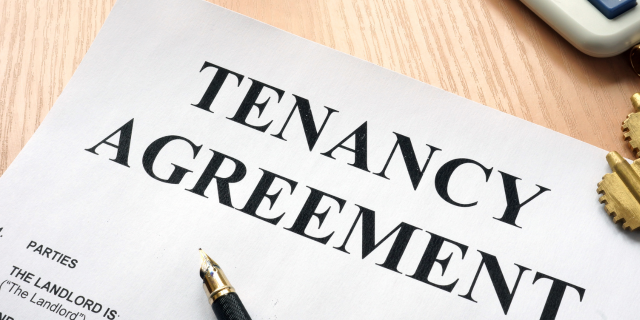
Both tenants and landlords have rights that are recognised under the law.
If you experience unfair treatment — such as withheld deposits, unauthorised charges, or invasion of privacy — you can file a report through the following channels:
1. Tribunal for Consumer Claims Malaysia (TTPM)
Suitable for rental-related claims below RM25,000. Complaints can be submitted online at https://ttpm.kpdn.gov.my/.
2. Sessions / Magistrate Court
For claims exceeding RM25,000 or cases involving eviction. These matters require a legal process and may involve hiring a lawyer.
3. Legal Office / Law Firm
For legal advice and assistance in issuing demand letters or initiating lawsuits.
4. Board of Valuers, Appraisers, Estate Agents and Property Managers (LPPEH)
For cases involving real estate agents, ensure the agent is legally registered with LPPEH. If a registered agent violates ethics — for example, by misrepresenting rental rates, withholding property details, or overcharging commissions — you can file a complaint directly via the official portal at https://lppeh.gov.my/.
5. Police Station
If a landlord or tenant commits fraud, threats, or collects deposits without the intention of renting out a real property, the case may be classified as a commercial crime.
Here’s a smooth, clear English translation for sections 6–9, keeping it natural, easy to read, and suitable for publication:
6. What Happens If a Tenant Is Late on Rent?

If a tenant delays rent payment, the action taken depends on the terms stated in the tenancy agreement and local laws. Here are some common measures that may be applied:
- Late payment notice: The landlord may issue an official notice, usually allowing a set period (for example, 7–14 days) for the tenant to clear outstanding payments.
- Late payment penalty: The agreement may include an additional charge (e.g. RM50 or a certain percentage) for late payments.
- Contract termination: If delays occur repeatedly or over an extended period, the landlord may legally terminate the tenancy agreement.
- Legal action: The landlord may file a claim with the tribunal or court to recover unpaid rent.
- Eviction: As a last resort, the landlord can apply for a legal eviction order.
Under Malaysia Law
Under the Strata Titles Act 1985 and the Contracts Act 1950, landlords have the right to take action if tenants breach payment terms.
If the unit is part of a strata building, the management may also impose restrictions such as disabling access cards or facility use.
7. When Can You Claim Your Deposit?
Rental deposits usually consist of two main types:
- Security deposit (typically two months’ rent) – protects the landlord from property damage or unpaid rent.
- Utility deposit (half a month’s rent) – covers unpaid utility bills such as water or electricity after the tenant moves out.
Tenants can claim their deposits after the tenancy ends, provided the property is returned in good, clean condition and all rent and utility bills are settled.
Landlords typically return deposits within 14 to 30 days after the move-out date. This period allows them to:
- Inspect the property’s condition
- Verify outstanding utility bills
- Calculate any valid deductions for repairs
If everything is in order, the deposit must be refunded in full. However, deductions may be made for:
- Damage to furniture or fittings due to negligence
- Excessive cleaning costs
- Outstanding rent or utility bills (e.g. electricity, water, internet)
8. How to Prevent Invalid Tenancy Agreements

Every rental arrangement should be documented officially to avoid future disputes — especially tenancy agreements.
This ensures that both parties’ rights and responsibilities are clear, legally valid, and can serve as evidence if issues arise.
Here’s how to prevent an invalid or non-binding tenancy agreement:
- Ensure all arrangements are written and formal, not just based on verbal promises or WhatsApp conversations.
- Verify the tenant’s identity, including employment, position, and income, to ensure their ability to pay rent and avoid problematic tenants.
- Clarify or transfer utility account names (electricity, water) to prevent confusion over who is responsible for payments.
- Inspect the property and confirm the inventory list (furniture, appliances, facilities) with both parties before handing over the keys.
- Do not use the security deposit to offset monthly rent; it can only be used after the tenancy ends for legitimate deductions.
- Ensure each page of the agreement is reviewed, signed, and initialled by both parties as proof of official consent.
9. How to Tell If a Rental Listing Is Trusted or a Scam
Rental scams are becoming increasingly common, especially through social media platforms like Facebook and Telegram.
To avoid being scammed, tenants should always verify the landlord’s background via their social media profiles.
Look out for these warning signs:
- Newly created accounts, few followers, or no real posts — these are often fake.
- Check comments and testimonials from other users. Legitimate profiles typically have visible activity, clear photos, and normal interactions.
If a rental ad is repeatedly copied and reposted across different platforms with inconsistent details, it’s very likely that a scammer has reused someone else’s photos.
Avoid paying any deposit before visiting the property in person. Always request a site viewing before making any payment.
If the person avoids meeting, gives excuses about being far away, or pressures you to pay upfront — those are clear signs of a scam.
You can verify phone numbers or bank accounts through the Truecaller app or official scam-check websites such as:
CCID Portal – Semak Mule (PDRM)
👉 https://scamcheck.my/
Enter the phone number or bank account to check if it has been previously reported as a scammer account.
Conclusion
Awareness of the rights and responsibilities of both tenants and landlords is crucial to maintaining harmony in rental relationships.
With the right legal knowledge, both parties can avoid disputes, fraud, and misunderstandings.
A good relationship not only ensures mutual satisfaction but also contributes to a more stable and ethical rental market in Malaysia.
Renting a home is not just about signing a contract — it’s a partnership built on trust, communication, and shared responsibility.
If you’re looking for a licensed and trusted real estate agent to help with your rental or property sale, feel free to reach out to us at IQI for professional assistance!
Continue Reading:
