


































Your Trusted
Real Estate Partner in
Pakistan
IQI Pakistan provides comprehensive real estate services and makes your real estate process easy with our professional team

IQI Lahore
Lahore, Pakistan's cultural and economic hub, offers strong real estate investment opportunities, fueled by rapid urbanization and infrastructure development. The city's prime areas, such as DHA and Gulberg, attract high-end residential and commercial investments. Bahria Town, a modern planned community, provides lucrative opportunities in housing and retail. Lahore's growing population and expanding industrial sector make it a hotspot for residential, commercial, and mixed-use real estate projects. With ongoing development in transport and infrastructure, Lahore remains a top destination for real estate investors in Pakistan.

Discover
Your one-stop property solution
Get the latest Property News
Expand your knowledge here!
List your property
Have an agent list my property
Global Market Insights
Get detailed property reports and insights across multiple countries
Manage My Deal
Follow up on my buying process
Mortgage Calculator
I want to calculate my budget
Register as a Real Estate Negotiator
I want to be a real estate negotiator in IQI
Our story
Award-winning PropTech Agency

IQI goes beyond conventional boundaries.
With offices in 30+ countries and 60,000+ real estate negotiators and growing, we have a unique perspective into international best practices in real estate, allowing our team to become global real estate entrepreneurs through cross border property investment and transactions.
Countries
Agents
Projects










AI-Powered App for Agents on the Go
Introducing IQI Atlas SuperApp and IQPilot. Your proprietary AI duo built to manage leads, sales, earnings and every step of your real estate journey, anytime, anywhere.



All-in-one
Connecting you globally
Invest with us
Invest on a platform with over 6 million global properties from more than 111 countries to empower yourself as a citizen of the world.
Advertise with us
Maximise advertising efficiency and lead conversion through our buyers using data.
Testimonials
Hear from our happy buyers

Learn
Tips and Guides
 Best Housing Loan Rates to Secure in June 2026
Finding the best house loan interest rates in Malaysia can be challenging, particularly with the numerous options available. Critical terms such as home loan, housing loan, and loan tenure are essential for making informed decisions. This guide will help you navigate the various loan types, their interest rates, and other key factors to consider when searching for your dream home. In June 2026, several financial institutions in Malaysia offered competitive home loans and other financing options. Here's a quick overview: 1. Best Housing Loan Rates in June 2026 Bank NameHouse Loan NameInterest / Profit RateFinancing TypeTenureLock-In PeriodMBSBProperty Refinancing-i and Remortgage-ifrom 2.75% p.a.Full Term islamic financingUp to YearNoneHong LeongHousing Guarantee Schemefrom 2.75% p.a.Term loanUp to 35 yearsNoneMaybank IslamicHouzKEYfrom 2.88% p.a.Term Islamic financingUp to 35 years1 YearBank IslamBaiti Home Financing-ifrom 3.55% p.a.Term Islamic financingUp to 35 yearsNoneBank of ChinaHousing Loanfrom 3.88% p.a.Term loanUp to 35 years3 YearsSource: Ringgitplus These banks offer a range of housing and home loans that cater to different needs, whether you're looking for a flexible or a term loan. Understanding Housing Loan Rates: 1. Best Housing Loan Rates in June 20262. Understanding the Effective Lending Rate (ELR)3. Understanding House Loan Interest Rates4. How Should You Compare Lending Rates Across Banks as Borrowers?5. How to Plan and Compare Your House Loan Interest Rates?Critical Terms in Home Financing 1. MBSB Property Refinancing-i and Remortgage-i MBSB Property Refinancing-i and Remortgage-i are Islamic refinancing and remortgage facilities for homeowners who want to refinance their property or take cash out, using their home as collateral. It offers a floating profit rate of 2.75% p.a., a financing margin of up to 90%, and no processing fee. The Product Disclosure Sheet also states that the facility is based on Tawarruq, and the monthly installment may change if the SBR/OPR changes. a. Requirements RequirementDescriptionMinimum Age18 to 65 years oldWho Can ApplyAny nationalityEmployment TypeSalaried employees and self-employed applicants are eligibleFinancing TypeFull-term Islamic financingProfit TypeFloating profit rateProfit RateFrom 2.75% p.a.Profit Rate CeilingCapped at 11% p.a.Margin of FinanceUp to 90%Security RequiredThe property will be used as security for the financingTenureUp to a year b. Fees & Charges Fees & ChargesDescriptionProcessing FeeNo processing feeCompensation Charge1% per annum Ta’widh compensation charge will be imposed on the outstanding installment amountRedemption Letter FeeRM50 per requestLetter for EPF Withdrawal FeeRM50 per requestCredit TakafulRequired from MBSB Bank’s panel Takaful provider or another approved Takaful providerAdditional SecurityTerm Deposit-i may be requested depending on credit assessment c. Benefits BenefitDescriptionLow Starting Profit RateOffers a starting profit rate from 2.75% p.a., which is one of the lowest among the listed bank loan optionsHigh Financing MarginAllows financing of up to 90%, which can help homeowners access more value from their propertyIslamic Financing StructureBased on the Shariah concept of Tawarruq, suitable for borrowers looking for Islamic refinancingNo Processing FeeHelps reduce upfront application costSuitable for Refinancing or RemortgageUseful for homeowners who want to restructure their existing property loan or access cash from their property valueOpen to More ApplicantsAvailable to any nationality, including salaried employees and self-employed applicants For more information, please visit the MBSB Bank website. MBSB Property Refinancing-i and Remortgage-i Product Disclosure Sheet 2. Hong Leong Housing Guarantee Scheme The Hong Leong Housing Guarantee Scheme is a government-guaranteed home loan under SJKP for eligible first-time Malaysian home buyers, including salaried employees and non-fixed-income earners. It offers financing of up to 100%, with interest rates from 2.75% p.a. and tenure up to 35 years. The Product Disclosure Sheet states that this facility is calculated on a variable-rate basis, and that the property will be used as security for the bank. a. Requirements RequirementDescriptionMinimum Age18 years oldWho Can ApplyMalaysians onlyBuyer TypeFirst-time home buyersEmployment TypeSalaried employees and self-employed applicantsIncome TypeSuitable for fixed-income and non-fixed-income earners, including gig workers, traders, farmers, and fishermenProperty PurposeProperty must be for own occupationEligible Property TypeNew, sub-sale, auctioned, completed or under-construction residential propertiesNot EligibleLand purchase or construction financingLoan TypeTerm loanInterest TypeFloating interest rateInterest RateFrom 2.75% p.a. for borrowing up to RM500,000Margin of FinanceSuitable for fixed-income and non-fixed-income earners, including gig workers, traders, farmers and fishermenMaximum Financing AmountUp to RM500,000, inclusive of MRTA/MRTT, LTHO, solicitor’s fees and valuation feesTenureUp to 35 yearsCredit ConditionTotal monthly loan repayment should not exceed 65% of gross monthly incomeCredit RecordCCRIS should not show arrears of more than 2 months within any 12-month period, with no adverse credit record within the last 24 monthsIncome Documents for Non-Fixed Income EarnersBank statements, business license, fisherman’s registration card, or confirmation letter from authorized bodies such as JKKK, Penghulu, Category A government servants or elected representatives b. Fees & Charges Fees & ChargesDescriptionProcessing FeeWaived, subject to changeEarly Settlement FeeNot applicable because there is no lock-in periodLate Payment Fee1% p.a. on the outstanding amount in arrearsEscalating Late ChargesAdditional charges may apply for repeated or prolonged defaultWithdrawal FeeNot applicable because this is a term loanRedemption Letter FeeRM50 per requestLetter for EPF Withdrawal FeeRM20 per requestInsurance or Takaful CoverageRequired for residential properties under houseowner policy or takaful coverage, according to the PDSGovernment TaxesAll fees are subject to prevailing government taxes where applicable c. Benefits BenefitDescriptionLow Starting Interest RateOffers interest rates from 2.75% p.a., making it one of the lowest options in the provided listUp to 100% FinancingHelps eligible buyers reduce the need for a large upfront depositSuitable for Non-Fixed Income EarnersDesigned for applicants who may not have formal payslips, such as gig workers, small traders, farmers and fishermenGovernment Guarantee SupportBacked by SJKP, which helps eligible applicants access financing even if they may not qualify through normal loan channelsLong Loan TenureTenure of up to 35 years can help reduce monthly repayment pressureTwo-Generation FinancingAllows a child to join as a borrower to extend the loan tenure, subject to approvalNo Lock-In PeriodBorrowers can settle the loan early without early redemption or settlement feeFinancing Can Include Related CostsMRTA/MRTT, LTHO, solicitor’s fees and valuation fees can be included within the RM500,000 financing ceilingFirst-Home Buyer FriendlySuitable for Malaysians buying their first home for own stayMultiple Repayment ChannelsRepayment can be made through standing instruction, HLB Connect, IBG transfer, ATM transfer, deposit machine or branch counter For more information, please visit the Hong Leong Bank website. Hong Leong Housing Guarantee Scheme Product Disclosure Sheet 3. Maybank Islamic HouzKEY Maybank Islamic HouzKEY is an Islamic homeownership solution designed to help Malaysian buyers own a home with a lower upfront cost and greater cash-flow flexibility. It offers up to 100% financing, no down payment, and a profit rate from 2.88% p.a., with a tenure of up to 35 years or until age 70, whichever comes earlier. The Product Disclosure Sheet states that HouzKEY is based on the Shariah concept of Ijarah Muntahiyah Bi Tamlik, a lease contract that ends with ownership transferred via sale. a. Requirements RequirementDescriptionMinimum Age18 to 70 years oldWho Can ApplyMalaysian citizens onlyBuyer TypeSuitable for first and second home Malaysian buyersHome Financing LimitApplicant must not have more than one home financing, including HouzKEY, at the point of applicationEmployment TypeSalaried employees and self-employed applicantsGuarantorsUp to 3 guarantors are allowedGuarantor RequirementGuarantors must be immediate family members, such as spouse, parents, siblings, or childrenGuarantor AgeGuarantors must be between 18 to 70 years oldFinancing TypeTerm Islamic financingProfit TypeFloating profit rateProfit RateFrom 2.88% p.a.Eligible Property PriceRM250,000 to RM2,000,000Margin of FinanceUp to 100%TenureInitial tenure of 5 years, with flexibility to continue up to another 30 yearsMaximum TenureUp to 35 years, or up to age 70, whichever is earlierEligible LocationsSelected projects in Kuala Lumpur, Selangor, Johor and PenangEligible Property TypeSelected properties from Maybank’s partnering developers, including new launches, under-construction and completed properties b. Fees & Charges Fees & ChargesDescriptionProcessing FeeNo feeDown PaymentNo down payment requiredSecurity Deposit3 months refundable security deposit is required upon signing the HouzKEY Agreements and SPAEarly Settlement FeeNo feeCompensation Charge1% p.a. on the outstanding amountLate Payment Charges1% p.a. on the monthly payment amount in arrears or any other approved amount by BNMLegal Fees for SPALegal fee based on the Solicitor’s Remuneration Order and disbursement, if not absorbed by the developerStamp Duty for SPANominal stamp duty of RM10 per copy, with four copies to be stampedLegal Fees for Home Financing AgreementLegal fee based on the Solicitor’s Remuneration Order and disbursementStamp Duty for Home Financing AgreementBased on Stamp Act requirement for the original copy, with RM10 nominal stamp duty for each duplicate copyLegal Fees for Deed of TrustRM300Legal Fees for Power of AttorneyRM300Legal Fees for Purchase UndertakingRM150Notice of SettlementRM50Property Maintenance CostsUtilities, fire takaful, quit rent, assessment fee, maintenance fee and other related property payments are borne by the buyer during the tenure, where applicableTakaful CoverageFire Takaful is encouraged, while Family Takaful or Life Insurance is optional but recommended c. Benefits BenefitDescription100% FinancingAllows eligible buyers to finance the full property price without a down paymentLower Upfront CostBuyers only need to prepare a 3-month refundable security deposit, subject to terms and conditionsNo Payment During ConstructionBuyers do not need to make payment during the construction period until the key or vacant possession is handed overLow Starting Profit RateOffers a profit rate from 2.88% p.a., subject to Maybank’s approval and assessmentFlexible TenureStarts with a 5-year initial tenure and can be extended up to another 30 yearsCash Flow FriendlyMonthly payment during the initial tenure is structured as profit payment only, helping reduce monthly payment pressureUp to 3 Guarantors AllowedApplicants can strengthen their application by including up to 3 immediate family members as guarantorsSuitable for New or Under-Construction HomesAvailable for selected new launches, under-construction and completed properties from participating developersOption to Continue After Initial TenureBuyers may continue with HouzKEY after the initial tenure without paying a new down payment, subject to the bank’s termsOption to Buy, Refinance or SellAfter fulfilling the required period, buyers may buy the property, refinance with Maybank Islamic or other banks, or sell the property to settle the outstanding amount Visit Maybank website for more information Maybank Islamic HouzKEY Product Disclosure Sheet 4. Bank Islam Baiti Home Financing-i Bank Islam Baiti Home Financing-i is an Islamic home financing facility for Malaysians who want to buy a residential property, whether under construction or completed. It is based on the Tawarruq Shariah concept, with a floating effective profit rate of up to 3.55% p.a., a financing margin of up to 90%, no processing fee, and no lock-in period. The Product Disclosure Sheet also states that the financing is for residential property purchase, with the Effective Profit Rate calculated on a variable or floating rate basis a. Requirements RequirementDescriptionMinimum Annual IncomeRM24,000Minimum Age18 to 70 years oldWho Can ApplyMalaysians onlyEmployment RequirementApplicant should be employed or own a business for at least 3 yearsCredit RequirementApplicant should not be bankrupt or involved in legal actionPayment Track RecordMinimum 1 year of good payment track recordFinancing TypeTerm Islamic financingShariah ConceptTawarruqProfit TypeFloating profit rateProfit RateFrom 3.80% p.a. for property value above RM300,000Rate for Property RM300,000 and BelowFrom 4.10% p.a.Margin of FinanceUp to 90%TenureUp to 35 yearsApproval TimeAround 30 days, subject to Bank Islam’s approvalEligible PropertyResidential property, including under-construction or completed propertyCollateralThe financed property will be used as collateralGuarantorMay be required on a case-by-case basis, depending on credit assessmentRequired TakafulMRTT or MLTT is compulsoryOptional TakafulHouseowner or Householder Takaful Plan, if applicable b: Fees & Charges Fees & ChargesDescriptionProcessing FeeWaivedEarly Settlement FeeNo lock-in period. Bank Islam shall grant Ibra’ on deferred profit after full settlementCompensation Charge1% p.a. on overdue installments before maturity until full paymentCharge After MaturityBased on the prevailing daily overnight Islamic Interbank Money Market Rate on the outstanding balanceRedemption Letter FeeRM50 per requestLetter for EPF Withdrawal FeeRM20 per request for manual application, RM10 per request for online applicationStamp DutyBased on Stamp Duty Act 1949Disbursement FeeIncludes registration of charge and other related chargesValuation FeeApplicable for completed property or own construction by appointed contractorWakalah FeeRM25 for Appointment of the Bank as Purchase Agent and RM25 for Appointment of the Bank as Sales AgentLegal FeesLegal fees and incidental expenses related to security documentationCustodian FeeRM80 annually for safekeeping of security documents after the facility is fully settledCopy of Security DocumentsRM50 per requestCancellation FeeCustomer must pay costs incurred by the bank for preparation and registration of security documents, if the facility is canceledTakaful ContributionBased on the contribution amount required by the Takaful operatorMRTT or MLTTCompulsory coverage for the financing facilityHouseowner or Householder TakafulApplicable if required c. Benefits BenefitDescriptionCompetitive Profit RateOffers a profit rate from 3.80% p.a. for property value above RM300,000High Financing MarginAllows financing of up to 90% of the property valueLong Financing TenureTenure of up to 35 years can help make monthly installments more manageableNo Processing FeeReduces upfront application cost for borrowersNo Lock-In PeriodBorrowers can settle the financing early without being tied to a lock-in periodNo Early Settlement PenaltyBank Islam grants Ibra’ on deferred profit after full settlementIslamic Financing StructureSuitable for buyers looking for Shariah-compliant home financing based on TawarruqSuitable for New and Completed HomesCan be used for residential properties that are under construction or already completedStep Up Payment SchemeAvailable for eligible first-time home buyers, allowing them to pay only the profit portion during the Step Up periodProfit Rate ProtectionThe Bank’s Sale Price is based on the Ceiling Profit Rate, while the Effective Profit Rate is floatingTakaful ProtectionMRTT or MLTT helps protect the borrower and family in the event of death or total permanent disability You may visit the Bank Islam website for more information. Bank Islam Baiti Home Financing-i Product Disclosure Sheet 5. Bank of China Housing Loan Bank of China Housing Loan is a conventional term loan for buyers who want to finance a completed or under-construction residential property in Malaysia, or refinance an existing housing loan. It offers a floating interest rate from 3.88% p.a., with financing margin of up to 90% and tenure of up to 35 years. The Product Disclosure Sheet states that the Housing Loan is a secured loan, and the residential property will be used as security to the bank. a. Requirements RequirementDescriptionMinimum Annual IncomeRM60,000Minimum Monthly IncomeRM5,000Minimum Age18 to 70 years oldWho Can ApplyMalaysians, permanent residents and foreigners working in MalaysiaForeigner RequirementForeigners must have valid passport, visa, work permit or employment passEmployment TypeSalaried employees and self-employed applicantsLoan TypeTerm loanInterest TypeFloating interest rateInterest RateFrom 3.88% p.a.Loan AmountMinimum loan amount from RM300,000Eligible Borrowing RangeMore than RM300,000Margin of FinanceUp to 90% of the SPA price or market valueTenureUp to 35 yearsLock-In Period3 yearsEligible PropertyResidential property, including completed or under-construction propertyRefinancing OptionCan be used to refinance an existing housing loanSecurity RequiredThe residential property will be used as security for the loan b. Fees & Charges Fees & ChargesDescriptionProcessing FeeNo processing feeStamp DutyPayable according to the Stamp Act 1949Late Payment Fee1% p.a. on the amount in arrears, causing the total outstanding amount to increaseEarly Settlement Fee2.25% on the prepayment amount if prepayment or full settlement is made within the first 3 years from the first loan release dateSetup FeeOne-time setup fee may apply: RM50 for loan up to RM30,000, RM100 for RM30,001 to RM100,000, and RM200 for RM100,000 and aboveMonthly Maintenance FeeRM10 per month applies only to Flexi Housing Loan or Flexi Term LoanFire InsuranceMandatory. The property must be adequately insured against risk for its full value or replacement cost, whichever is higherHouseowner InsuranceOptionalMRTAOptional but encouragedMLTAOptional but encouragedLegal or Insurer ChoiceBorrower may use the bank’s panel lawyers or insurers, or appoint their own lawyer or insurer c. Benefits BenefitDescriptionCompetitive Interest RateOffers interest rate from 3.88% p.a., subject to Bank of China’s approvalLong Loan TenureTenure of up to 35 years can help make monthly instalments more manageableHigh Financing MarginFinancing margin of up to 90% helps buyers reduce upfront capital neededSuitable for Purchase or RefinancingCan be used to finance residential property purchase or refinance an existing housing loanAvailable for Under-Construction PropertyBuyers can use this loan for completed or under-construction residential propertiesOpen to More Applicant GroupsAvailable to Malaysians, permanent residents and foreigners working in MalaysiaNo Processing FeeHelps reduce the initial cost of applying for the housing loanOptional MRTA or MLTABorrowers are encouraged to take MRTA or MLTA for protection in the event of death or total permanent disabilityFlexi Option AvailableThe PDS mentions Flexi Housing Loan options, which allow deposit and withdrawal flexibility with interest savings through a linked current accountChoice of Lawyers or InsurersBorrowers can choose the bank’s panel lawyers or insurers, or appoint their own, subject to bank requirements Visit Bank of China for more information Bank of China Housing Loan Product Disclosure Sheet 2. Understanding the Effective Lending Rate (ELR) Source: Bank Negara Malaysia The Effective Lending Rate (ELR) is a critical component when evaluating home loans. It represents the total cost of borrowing, expressed as an annual percentage rate. The ELR includes the reference rate and the spread, which collectively impact your monthly repayments. Reference Rate: The base rate, such as the Standardised Base Rate (SBR), is influenced by Bank Negara Malaysia's policies. Spread: Additional charges include credit and liquidity risk premiums, operating costs, and the bank’s profit margin. The ELR is crucial because it affects the total repayment amount and helps borrowers effectively compare different loan products. What is the Reference Rate? Source: Bank Negara Malaysia The reference rate is a benchmark interest rate used by Malaysian banks to determine changes in borrowers' repayments on floating-rate loans over the loan tenure. This rate can vary across institutions, but it serves as a foundation for setting the lending rate. Is the Reference Rate Equal to the Standardised Base Rate (SBR)? No, the reference rate differs from the Standardised Base Rate (SBR). The SBR is a specific reference rate that standardizes the base rate across all banks. Introduced on 1 August 2022, the SBR is directly linked to the Overnight Policy Rate (OPR) set by Bank Negara Malaysia. This standardization aims to simplify comparing loan rates across banks. Is the Reference Rate Equal to the Overnight Policy Rate (OPR)? The reference rate may include the OPR, especially when the SBR is used. The OPR is the interest rate at which banks lend to each other overnight and is set by the central bank. Changes in the OPR directly affect the SBR and the reference rate used for loans. What is Spread? The spread is an additional percentage added to the reference rate to arrive at the ELR. It covers various costs and risks incurred by the bank, including: Credit Risk Premium: Compensation for the risk that a borrower might default. Liquidity Risk Premium: Compensation for the risk associated with the bank’s liquidity. Operating Costs: The day-to-day expenses of running the bank. Profit Margin: The bank’s earnings from the loan. The spread is generally fixed for the duration of the loan unless there is a significant change in the borrower’s credit risk profile. 3. Understanding House Loan Interest Rates Understanding the mechanics of interest rates and their impact on repayments is essential for making informed decisions about Malaysian home loans. What are House Loan Interest Rates? House loan interest rates are the percentage of the loan principal that banks charge. These rates determine the cost of borrowing and are influenced by various factors, including the central bank’s policies and the individual bank's cost structures. How to Calculate House Loan Interest Rate? Source: Bank Negara Malaysia Calculating your home loan interest rate is crucial for understanding the total amount you will pay over time. Use a home loan calculator to determine your monthly instalments and total repayment. Here’s an example: Example Calculation: Bank’s Base Rate (BR): 2.00% Spread: 1.50% ELR: BR + Spread = 2.00% + 1.50% = 3.50% For a loan of RM300,000 over 30 years, the monthly instalment would include interest and principal repayments. Understanding these calculations can help you save money and manage your loan tenure effectively: Annual Interest Amount: RM300,000 x 3.50% = RM10,500 Monthly Interest Amount: RM10,500 / 12 = RM875 Thus, the monthly repayment would include RM875 in interest plus the principal repayment. What Can Affect Your House Loan Interest Rate? Several factors can influence your house loan interest rate, including: Central Bank Policies: Changes to Bank Negara Malaysia's Overnight Policy Rate (OPR) can directly affect interest rates. Economic Conditions: Inflation and economic stability can influence interest rates. Borrower’s Credit Score: Higher credit scores often result in lower interest rates. Loan Tenure: Longer loan tenures can sometimes attract higher interest rates. 4. How Should You Compare Lending Rates Across Banks as Borrowers? Comparing lending rates across banks involves more than just looking at the ELR. Consider the following steps: Review the ELR and Spread: Compare the total borrowing cost. Understand Additional Fees: Be aware of any extra fees that might apply. Read the Product Disclosure Sheet (PDS): This document provides crucial details about the loan. 5. How to Plan and Compare Your House Loan Interest Rates? When planning a home loan, consider the property's value, the loan amount, and the loan tenure. Use a loan calculator to estimate your monthly instalments and ensure you understand all associated fees. Planning and comparing Malaysia house loan interest rates requires a strategic approach: Research Different Lenders: Identify potential lenders and their offerings. Interest Rates: Compare the interest rates offered by different banks. Additional Features: Evaluate foreclosure charges and other loan features. Some loans include extra funds withdrawal or linked current accounts for easier management. Read Reviews: Learn from the experiences of other borrowers. Seek Professional Advice: Consult with financial advisors if needed. Maximum Loan Tenure: Most banks offer up to 35 years. Prepayment Options: Check if the bank allows for additional payments without penalties. Insurance Requirements: Most housing loans require Mortgage Reducing Term Assurance (MRTA) or other types of insurance. Flexibility: Compare loans that offer flexible repayment options, like a flexi loan or semi-flexi loan (make sure to understand the terms and conditions). Critical Terms in Home Financing Understanding key terms related to home financing is crucial for navigating the market: Outstanding Principal Balance: The remaining amount you owe on your loan, excluding interest. Home Loan Balance: The total amount left to pay on your home loan. Basic Term Loan: A standard loan with fixed interest rates and repayment terms. Loan Period: The total time over which you will repay the loan. Mortgage Reducing Term Assurance: Insurance that decreases as your loan balance decreases. Choosing the right home loan in Malaysia requires careful consideration of several factors, including interest rates, loan tenure, and associated fees. By understanding the options available and using tools like a home loan calculator, you can make a more informed decision that aligns with your financial goals and helps you secure your dream home. Version: CN, BM Are you looking for a dream house after getting the best house loan interest rates? We can assist you! Please send us your details, and we will contact you shortly. [custom_blog_form] Continue Reading: Why My Housing Loan Got Rejected in Malaysia? (Reasons Explained) Malaysia vs Singapore Property: Why Investors Still Choose KL? Where Should You Retire in Malaysia? Best Affordable, Quiet and Safe Homes to Consider
Continue Reading
 Why My Housing Loan Got Rejected in Malaysia? (Reasons Explained)
TL;DRA housing loan rejection in Malaysia often due to a high Debt Service Ratio (DSR), a poor credit history (CCRIS/CTOS), or unstable income. The key is to request feedback from your bank, check your credit reports, and then address any financial or documentation issues before reapplying after a recommended 3-6-month waiting period. That sinking feeling when your housing loan application is rejected in Malaysia? Yeah, we get it. It’s like finding the perfect durian, only for it to be snatched away at the last moment. This common scenario can leave prospective homebuyers not just disappointed, but also confused, wondering what went wrong after all the effort. Leaving these underlying issues unaddressed isn't just a missed opportunity; it can lead to repeated rejections, wasted time, and the painful experience of watching your dream property slip through your fingers. In this article, we will explain the "why" behind loan rejections in the Malaysian banking landscape, particularly its unique criteria such as Debt Service Ratio (DSR), CCRIS, and CTOS. By the end, you will be equipped with clear, actionable steps to understand your rejection, fix underlying issues, and significantly boost your chances for a successful home loan approval in Malaysia. Key Takeaway Housing loan rejections in Malaysia are usually due to issues with the financial profile. A rejection is not the end, but a signal to fix the weak points. Improving approval chances requires better debt control and stronger credit behavior. Choosing the right bank and property matters too. Your Guide to Loan Approval in Malaysia1. Top 10 Reasons Your Housing Loan Was Rejected in Malaysia2. What to Do IMMEDIATELY After Your Loan is Rejected?3. How to Improve Your Chances for Future Housing Loan Approval in Malaysia4. Frequently Asked Questions (FAQs) Estimated reading time: 23 minutes 1. Top 10 Reasons Your Housing Loan Was Rejected in Malaysia A housing loan rejected in Malaysia often stems from one or more identifiable factors, typically related to your financial standing, application accuracy, or even the property itself. Understanding these common culprits is the first step towards turning a "no" into a "yes." a. Your Debt Service Ratio (DSR) is Sky-High Debt Service Ratio (DSR) is a critical metric used by Malaysian banks to evaluate a borrower's ability to manage new debt, calculated as your total monthly debt obligations divided by your net monthly income. If your DSR exceeds the bank's maximum allowable limit, often between 50% and 70%, though it varies by bank, your housing loan application will likely be rejected. This limit ensures you have enough residual income for living expenses after servicing all your debts. i. How to Fix High Debt Service Ratio (DSR) To lower your DSR, you can either reduce your existing monthly debt commitments (e.g., credit card balances, car loans, personal loans, PTPTN loans) or increase your verifiable net income. Consider consolidating smaller unsecured loans to reduce your overall monthly outflow, or seek ways to demonstrate additional, consistent income. The DSR calculation example below illustrates how varying debt levels can impact your DSR: Salary RM5,000 = Net Income RM4,500 Salary + Rental Income RM6,000 = Net Income RM5,500 Car Loan = RM800 Personal Loan = RM200 Proposed Housing Loan = RM1,500 Formula Used DSR = Total Monthly Debt ÷ Net Income × 100 Income TypeMonthly Amount (RM)Debt TypeMonthly Payment (RM)Total Monthly Debt (RM)Net Income (RM)DSR (%)StatusSalary5,000Car Loan8008004,50017.8%HealthySalary5,000Car Loan + Personal Loan1,0001,0004,50022.2%HealthySalary5,000Car Loan + Proposed Housing Loan2,3002,3004,50051.1%BorderlineSalary5,000Car Loan + Personal Loan + Proposed Housing Loan2,5002,5004,50055.6%BorderlineSalary + Rental Income6,000Car Loan + Proposed Housing Loan2,3002,3005,50041.8%HealthySalary + Rental Income6,000Car Loan + Personal Loan + Proposed Housing Loan2,5002,5005,50045.5%HealthyAssumes new proposed housing loan payment of RM1,500 per month for illustration purposes. b. That Pesky Credit Score: CCRIS & CTOS Blacklist Banks heavily rely on your credit score, which indicates your repayment behavior and creditworthiness. A low credit score is one of the most common reasons for a housing loan rejection in Malaysia. This score is primarily derived from two key reports: CCRIS (Central Credit Reference Information System): Managed by Bank Negara Malaysia (BNM), this system records all your credit activities over the past 12 months, including housing loans, car loans, credit cards, and personal loans, and flags any irregular or late payments. Even PTPTN student loan defaults appear here. CTOS (Credit Tip-Off Service): A private credit reporting agency that compiles data from public sources, including legal notices, bankruptcy records, and trade references, offering a broader view of your financial standing. Red flags such as consistently missing due dates, high credit card utilization (maxing out credit limits), having accounts classified as "special attention accounts," or a history of bankruptcy can all lead to your housing loan application being denied. Surprisingly, having no credit history at all (a "clean CCRIS") can also be a problem, as banks have no record to assess your repayment capability. i. How to Fix Your Credit Score Obtain your latest CCRIS (via eCCRIS online or BNM kiosks) and CTOS reports to identify specific issues. Pay off outstanding debts, ensure all payments are made on time, and reduce your credit card utilization to below 30% of your limit. If you have no credit history, consider getting a basic credit card and using it responsibly for 6-12 months to build a positive record. FeatureCCRIS (Central Credit Reference Information System)CTOS (Credit Tip-Off Service)Data SourcesFinancial institutions (banks, credit card companies, development finance institutions) that report to BNM.Public records (bankruptcy notices, legal proceedings), trade references, SSM, NRIC.Key InformationLoans, credit cards, payment history for past 12 months, recent loan applications.Business background, director information, legal actions, bankruptcy status, personal credit score.Who Provides ItBank Negara Malaysia (BNM)CTOS Data Systems Sdn Bhd (private agency) c. Income Woes: Insufficient or Unstable Your income is the bedrock of your repayment capacity, and banks scrutinize it to ensure you can comfortably handle monthly mortgage repayments. If your income is deemed insufficient for the loan amount you're requesting, or if it appears unstable, your housing loan application will likely be denied. This is a common reason, as rising property prices often outpace wage growth, making it harder for many Malaysians, including middle-income buyers, to qualify. Banks prefer stable, recurring income. Freelancers or those with commission-driven jobs, for instance, may face greater scrutiny due to fluctuating earnings. i. How to make sure you have sufficient and stable income Ensure you meet the bank's minimum income requirements for the desired loan amount. If your income is variable, provide comprehensive income proof, at least 6 months of salary slips, bank statements showing consistent salary credits, and EPF contributions to demonstrate income stability. If you have other verifiable income sources, such as rental income or dividends, declare them and provide proof. d. The Dreaded Incomplete or Inaccurate Documents One of the most frustrating yet easily avoidable reasons for a housing loan rejection in Malaysia is incomplete or inaccurate documentation. Banks require extensive financial documentation to assess your eligibility, and even simple errors like incorrect addresses or contact details can lead to rejection. Crucially, banks need robust proof of income beyond just a salary voucher, often requiring salary slips, EPF contributions, savings account statements, and income tax declarations. i. How to Fix Inaccurate Documents Compile all necessary documents carefully. Use a checklist to ensure nothing is missed and that all information is accurate and up to date. Make sure copies are clear and legible. For salaried employees, a comprehensive list includes MyKad, the latest 3-6 months' payslips and bank statements showing salary credits, EPF statements (13 months), and the latest income tax papers. Self-employed individuals have a longer list, often including business registration papers, 6 months of bank statements, and latest tax returns. CategoryDocument RequiredNotesIdentity & PersonalMyKad (front and back)Clear copies.Valid Contact Details / Current AddressEnsure consistency with application form.Income Proof (Employed)Latest 3-6 months' PayslipsMust clearly show salary.Latest 3-6 months' Bank StatementsShowing salary credits.EPF Statement (latest 13 months)Proof of consistent contributions.Latest Income Tax Returns (Form BE/B)Accompanied by tax receipts.Income Proof (Self-Employed)Business Registration Papers (SSM)Valid and up-to-date.Latest 6-12 months' Company Bank StatementsReflecting business income and expenses.Latest 2 years' Audited Financial StatementsSome banks require this for larger loans.Latest Income Tax Returns (Form B)With tax receipts.Property DocumentsSale & Purchase Agreement (SPA)For sub-sale properties.Booking Form / Offer LetterFrom developer for new launches.Valuation ReportIf available, especially for sub-sale. e. Choosing the "Wrong" Bank for Your Profile It might sound odd, but sometimes a housing loan rejected in Malaysia isn't entirely about your financial health, but about the bank you applied to. Each Malaysian bank operates with its own specific set of lending policies, risk appetites, and DSR benchmarks, meaning criteria can differ significantly from one institution to another. What one bank considers high risk, another might find acceptable based on its internal credit-scoring system and preferred customer segments. This is why a rejection from one bank doesn't necessarily mean all banks will turn you down. i. How to Choose the Right Bank Don't put all your eggs in one basket, but don't apply everywhere at once either. Research the eligibility criteria and DSR limits of multiple banks before applying. Mortgage brokers can be invaluable here, as they have insight into which banks are more likely to approve your specific financial profile. Pre-assessments offered by some banks can also help gauge your chances without leaving a hard mark on your credit report. f. The Property Itself is a Red Flag Sometimes, the issue isn't you, it's the house! Banks have their own "blacklist" of properties or apply stricter criteria to certain types, leading to your housing loan application being denied. Reasons can include the property's value not matching the asking price, its legal status, or even its physical location and condition. For example, leasehold properties with less than 30 or 60 years remaining on the lease are often viewed as high risk by banks, making them difficult to finance because their value is expected to drop significantly. Properties that haven't received their strata title after many years, are located in landslide or flood-prone areas, or have bad structural integrity can also be red-flagged. Even the developer's reputation or bankruptcy status can cause issues, as banks maintain a blacklist of developers. i. How to Avoid Red-Flagged Property Perform thorough due diligence on the property and the developer before committing. Check the developer's background, including their bankruptcy status via MYEG, and look for online reviews or forum discussions. For sub-sale properties, verify the strata title status and the remaining leasehold tenure. If buying from an individual, confirm the seller is not bankrupt. FactorWhy Banks WorryWhat to CheckLeasehold TenureProperty value declines towards end of lease; high risk.Remaining lease years (many banks reject below 30-60 years).Strata Title StatusUnclear ownership, potential legal complications.Has strata title been issued? How long since completion?Developer ReputationFinancial instability, history of unfinished projects.Check MYEG for bankruptcy, online forums for reviews.Property Location/ConditionHigh-risk areas (flood, landslide), poor maintenance.Site visits, local council reports, insurance viability. g. Too Many Loan Applications In the world of credit, desperation isn't a good look. If you've been submitting multiple loan applications to various banks in a short period, this behavior is recorded on your CCRIS report as "credit inquiries". Banks interpret a high frequency of recent applications as a potential red flag, signaling that you might be desperate for credit or that other lenders have already rejected you, making them hesitant to take on the perceived risk. This can significantly lower your application score and chances of approval. i. How to Avoid Applying to Too Many Loan Applications Instead of blindly applying to every bank, strategize your approach. Use pre-assessment tools offered by banks or consult a mortgage broker to identify banks best suited to your profile. After a rejection, it's crucial to wait for a recommended period, typically 3-6 months, before reapplying. This allows you to address underlying issues and for those multiple inquiries to "cool down" on your credit report. h. Existing Commitments: High Installments or Other Loans Beyond the Debt Service Ratio, the sheer volume and type of your existing financial commitments can weigh heavily on your housing loan approval chances. Banks assess how much of your income is already tied up in other repayments, such as car loans, personal loans, or credit card bills. Even if your DSR is borderline acceptable, having numerous or high-installment unsecured loans can make a lender cautious, as it reduces your financial flexibility in the face of unexpected expenses. This concern is heightened if you have a "thick bureau" (many credit facilities) with substantial outstanding balances. i. How to manage high Commitments Prioritize paying down your highest-interest or shortest-term debts before applying for a home loan. Consider debt consolidation for unsecured loans. This can simplify your repayments and potentially reduce your overall monthly commitment, freeing up more disposable income and improving your perceived financial stability. I. Age and Loan Tenure: Are You Too Young or Too Old? Your age plays a significant, though often overlooked, role in determining your housing loan eligibility, primarily by influencing the maximum loan tenure a bank can offer. In Malaysia, loan tenures are typically capped around the borrower's retirement age, usually 65 or 70. If you're older, your shorter maximum tenure could lead to higher monthly repayments that push your DSR beyond acceptable limits, resulting in a housing loan application denied. Conversely, extremely young applicants with limited credit history or income stability might also face scrutiny. i. How to Overcome Age and Tenure If you're an older applicant, consider a shorter loan tenure if it remains affordable, or apply with a younger co-borrower or guarantor whose age allows for a longer tenure, thus reducing monthly payments. Younger applicants should focus on building a strong credit history and demonstrating consistent income over time. J. Guarantor Issues (When Your Backup Isn't Bulletproof) For some housing loan applications, especially for first-time homebuyers or those with borderline DSRs, a guarantor might be required. However, the guarantor's financial health is just as critical as the primary applicant's. If your proposed guarantor has a poor credit score, high DSR, or other existing financial commitments, their involvement can inadvertently lead to your housing loan being rejected in Malaysia. The bank sees the guarantor as a backup payer, and if the backup looks weak, the primary application suffers. i How to Choose Your Guarantor If you need a guarantor, ensure they have a strong financial profile, a healthy DSR, an excellent credit score, and a stable income. Have an honest conversation with your potential guarantor about their financial standing and the responsibilities involved before they commit. 2. What to Do IMMEDIATELY After Your Loan is Rejected? A housing loan application denied isn't the end of the world; it's a signal that something needs attention. The smartest first move is to plan, not to panic. These four steps will help you understand why your home loan was rejected in Malaysia and set you on the right path. a. Request a Rejection Reason from the Bank Your first immediate step should be to contact the bank that rejected your application and politely request the reason for their decision. While banks may not always provide detailed explanations due to internal policies, they often offer general feedback such as "insufficient income," "high existing debt," or "adverse credit record." Even vague reasons can confirm your suspicions and help you focus your efforts. Understanding the specific "why" is crucial for a targeted fix, rather than guessing what went wrong. b. Get Your CCRIS and CTOS Reports (Your Financial Report Card) Before doing anything else, obtain and review your latest CCRIS and CTOS reports. These reports are your financial report card, revealing exactly what banks saw when they assessed your application. How to get your CCRIS report: Visit a Bank Negara Malaysia (BNM) kiosk with your MyKad, or register for eCCRIS online via the BNM website. How to get your CTOS report: Visit the CTOS website or use their app to sign up and view your MyCTOS Score Report, which includes both your CTOS Score and CCRIS records. Look for missed payments, high outstanding balances, signs of identity theft, or any inaccurate information that could be hurting your score. Dispute any errors immediately. c. Review Your Documents for Errors Sometimes the simplest mistakes are the most costly. After a rejection, re-examine every document you submitted for accuracy and completeness. A missing salary slip, an outdated bank statement, or even a typo in your contact details can be enough to trigger an automatic rejection. Ensure that your proof of income aligns perfectly with what's declared and that all copies are clear and legible. A second pair of eyes on your application can often catch overlooked errors. d. Don't Reapply Immediately It's tempting to immediately apply to another bank after a housing loan is rejected in Malaysia, but resist the urge. Multiple credit inquiries in a short period are recorded on your CCRIS report and can make you appear desperate, further diminishing your chances. Instead, wait for the recommended 3-6 months before submitting a new application. This crucial waiting period allows you time to address any identified issues from your credit reports or financial profile, and for the previous inquiries to "cool down". 3. How to Improve Your Chances for Future Housing Loan Approval in Malaysia After understanding why your home loan was rejected in Malaysia, the next phase is to take actionable steps for improvement. This comeback plan focuses on strengthening your financial profile and application strategy to significantly boost your approval odds. a. Master Your DSR: Reduce Debt, Boost Income To overcome a high Debt Service Ratio (DSR), focus on two core strategies: aggressive debt reduction and income enhancement. Prioritize paying down high-interest debts, such as credit card balances or personal loans, which can drastically reduce your monthly commitments and free up more disposable income. Consider debt consolidation for unsecured loans. Simultaneously, explore ways to increase your verifiable income, whether through a promotion, a side hustle, or by ensuring all legitimate income sources (e.g., rental income with valid tenancy agreements) are documented thoroughly. b. Polish Your Credit Score: The Road to Financial Gold A stellar credit score is your golden ticket. The best way to polish it is through consistent, timely payments on all your existing debts. Ensure you never miss a due date for any loan or credit card for at least 6-12 months. Reduce your credit card utilization to well below 30% of your limit, as maxing out cards indicates financial stress. If you have a "clean" CCRIS (no credit history), start by getting a basic or secured credit card, using it for small purchases, and paying it off in full each month to build a positive payment history. c. Get Your Documents in Order A well-organized and accurate set of documents can make or break your application. Create a comprehensive "pro-level checklist" and keep all financial records meticulously organized. This includes: MyKad (clear copies). Latest 6 months' payslips and bank statements (showing salary credits). Latest EPF statement (at least 13 months). Latest income tax returns (Form BE/B) with payment receipts. Any additional income proofs (e.g., valid tenancy agreements for rental income). Property documents (SPA, booking forms). Ensure all information is consistent across documents and matches your application form. d. Seek Professional Guidance Navigating the varied criteria of Malaysian banks can be daunting. Mortgage brokers are invaluable allies who can significantly improve your chances. They understand the different risk appetites and lending policies of various banks, allowing them to match your specific financial profile with the most suitable lender. A good broker can also advise you on how to best present your application and which aspects of your financial profile need the most attention. This targeted approach minimizes the risk of another housing loan being rejected in Malaysia due to applying to the wrong institution. e. Explore Government Schemes (Especially for First-Time Homebuyers) First-time homebuyers in Malaysia may find additional avenues for approval through government-backed housing schemes. Programs like the "My First Home Scheme" (Skim Rumah Pertamaku) or other initiatives from institutions like BNM aim to help eligible individuals secure financing by offering higher financing margins or specific criteria. While the specific terms and eligibility vary, exploring these options could provide alternative paths to homeownership if traditional bank loans prove challenging. f. Consider a Stronger Guarantor (If Necessary) If your application is still struggling and a guarantor is a viable option, carefully consider whom you choose. A strong guarantor can significantly bolster your application. They should ideally have a stable, high income, a low DSR, and an excellent credit score. Their financial health directly impacts the bank's assessment of your combined repayment capability, making it easier for the bank to approve the loan. Ensure the guarantor fully understands their financial commitment and responsibilities. g. Property Due Diligence: Research, Research, Research! Don't let your dream home become your biggest headache. Comprehensive property due diligence is crucial. Research the developer's track record, check for any past issues or blacklistings, and verify the property's legal status, especially its leasehold tenure and strata title. Ensure the property's valuation aligns with the asking price and that there are no hidden structural or location-based issues. Being proactive here can prevent a housing loan rejection in Malaysia due to property-related red flags. Receiving a housing loan rejection in Malaysia can feel like a roadblock on your journey to homeownership, but it's crucial to remember it's often just a detour, not a dead end. By understanding the common reasons behind these rejections, from DSR woes and credit score hiccups to documentation missteps and property-specific concerns, you gain the power to turn the situation around. With patience, careful preparation, and a strategic approach to improving your financial profile, your dream home is well within reach. Don't let a "no" discourage you; use it as motivation for a smarter, more successful reapplication. 4. Frequently Asked Questions (FAQs) a. What is a good DSR to avoid housing loan rejection in Malaysia? A good Debt Service Ratio (DSR) to aim for in Malaysia is typically between 50% and 60% to maximize your chances of loan approval, although some banks may accept up to 70% depending on factors such as income level and age. The ideal range ensures that a significant portion of your net income remains available after all debt repayments, making you a less risky borrower. It’s important to remember that DSR limits can vary from bank to bank. b. Can a low credit score cause a housing loan to be rejected in Malaysia? Yes, a low credit score is one of the most common reasons for housing loan rejection in Malaysia. Banks use credit reports like CCRIS and CTOS to assess your repayment behavior and creditworthiness. Factors such as late or missed payments, high credit card utilization, and bankruptcy records significantly lower your score, signaling a higher risk of default to lenders. Even a lack of any credit history can be viewed negatively by some banks. c. How can I check why my home loan was rejected in Malaysia? To find out why your home loan was rejected in Malaysia, first contact the bank directly and politely request the specific reason for the decision. Simultaneously, obtain your latest CCRIS report from Bank Negara Malaysia (via eCCRIS online or kiosk) and your MyCTOS Score Report from CTOS. These reports will reveal your credit history, existing debts, and any past rejections, helping you pinpoint the exact issues. d. Do banks in Malaysia reject loans due to unstable employment? Yes, banks in Malaysia can and often do reject loans due to unstable employment, as they prioritize stable, verifiable income. Inconsistent income from commission-based jobs or a short employment history can raise concerns about your long-term ability to meet monthly mortgage payments. Providing comprehensive documentation, like 6-12 months of salary slips, bank statements, and EPF contributions, helps demonstrate income stability. e. How long does it take to reapply for a housing loan after rejection in Malaysia? It is generally recommended to wait 3 to 6 months before reapplying for a housing loan after a rejection in Malaysia. This period allows you to identify and fix the issues that led to the initial rejection, such as improving your credit score or reducing debt. It also ensures that multiple credit inquiries in a short timeframe do not further negatively impact your credit profile. f. Is it possible to appeal a rejected housing loan in Malaysia? While there isn't a formal, universal "appeal process" across all Malaysian banks, as there is for legal decisions, you can certainly re-engage with the bank after a rejection. This involves understanding the specific reason for denial, addressing those issues (e.g., improving DSR, clearing credit black marks), and then resubmitting a stronger application or providing additional supporting documents. It's more of a reapplication with corrected information rather than a formal appeal. g. What role does CTOS play in housing loan rejections in Malaysia? CTOS (Credit Tip-Off Service) plays a significant role in housing loan rejections in Malaysia by providing banks with a comprehensive view of applicants' financial backgrounds. Beyond CCRIS data, CTOS reports also include information from public records such as bankruptcy notices, legal actions, and business registrations. A poor CTOS Score or adverse records (e.g., litigation, bankruptcy) can significantly impact a bank's assessment of your creditworthiness, making them cautious about approving new loans. Don't let a rejected housing loan keep you from your dream. Take control of your housing future and get personalized advice from IQI Global today! [custom_blog_form] Continue Reading Malaysia vs Singapore Property: Why Investors Still Choose KL? Where Should You Retire in Malaysia? Best Affordable, Quiet and Safe Homes to Consider 7 High Rental Potential Properties in Kepong Investors Should Watch in 2026 References Bank Negara Malaysia (BNM). (2017, July 18). Access to financing is not the primary issue for affordable housing. Retrieved from https://www.bnm.gov.my/-/access-to-financing-is-not-the-primary-issue-for-affordable-housing Berinda Properties. (2024, July 30). What Are Your Options After Your Home Loan Application Is Denied?. Retrieved from https://www.berinda.com/what-are-your-options-after-your-home-loan-application-is-denied/ Chandra, C.. (2025, December 2). Why Was Your Loan Or Credit Card Application Rejected?. RinggitPlus. Retrieved from https://ringgitplus.com/en/blog/the-experts-corner/why-was-your-loan-or-credit-card-application-is-rejected.html Chua, G.. (2022, February 28). Top 10 Reasons Your Home Loan Application Was Rejected In Malaysia. PropertyGuru. Retrieved from https://www.propertyguru.com.my/property-guides/top-10-reasons-on-why-your-loan-application-maybe-declined-3795 CTOS. (2026, April 9). Why Your Loan Got Rejected in Malaysia — and What to Check First. Retrieved from https://ctoscredit.com.my/learn/why-your-loan-got-rejected-in-malaysia-and-what-to-check-first/?srsltid=AfmBOop3MYF-i8Vi173oXGzZ9jGObMUo2UiKWxd906eu1VxnKBuH0hw1 FORTUNE. (n.d.). Top reasons why some homes in Malaysia can’t get a loan. Retrieved from https://www.fortune.my/top-reasons-why-some-homes-in-malaysia-cant-get-a-loan.htm Hariri, A.. (2025, March 24). Can’t Get a Loan? Check If You’re Blacklisted by Banks in Malaysia. PEPS Ventures Learning Resources. Retrieved from https://resources.pepsventures.com/cant-get-loan-how-to-check-if-youre-blacklisted-by-banks-malaysia iproperty. (2024, June 26). What can you do after your home loan gets rejected?. Retrieved from https://www.iproperty.com.my/guides/what-can-you-do-after-your-home-loan-gets-rejected-loancare-27923 Khoo, N.. (2017, December 29). Property: Seven reasons your loan application gets rejected. The Edge Malaysia. Retrieved from https://theedgemalaysia.com/article/property-seven-reasons-your-loan-application-gets-rejected Lekham, D.. (2026, March 13). Tightening financing, loan rejections derail home purchases in Malaysia. NST. Retrieved from https://www.nst.com.my/property/2026/03/1396266/tightening-financing-loan-rejections-derail-home-purchases-malaysia Maybank. (2019, August 21). Home Financing Rejection. Retrieved from https://www.maybank2own.com/portal/news?item_id=20 propertyguru. (2022, February 20). Bank Loan Execs Share Why Home Loan Applications Are Rejected. Retrieved from https://www.propertyguru.com.my/property-guides/why-are-home-loan-applications-rejected-malaysia-15953 Yeoh, M.. (2022, October 19). Who do we blame when our home loan gets rejected?. iproperty. Retrieved from https://www.iproperty.com.my/guides/who-do-we-blame-when-our-home-loan-gets-rejected-ctr-28464 Yeoh, M.. (2024, December 10). 9 Reasons Why Banks Reject Your Home Loan Application. iproperty. Retrieved from https://www.iproperty.com.my/guides/home-loan-rejection-reasons-41476
Continue Reading
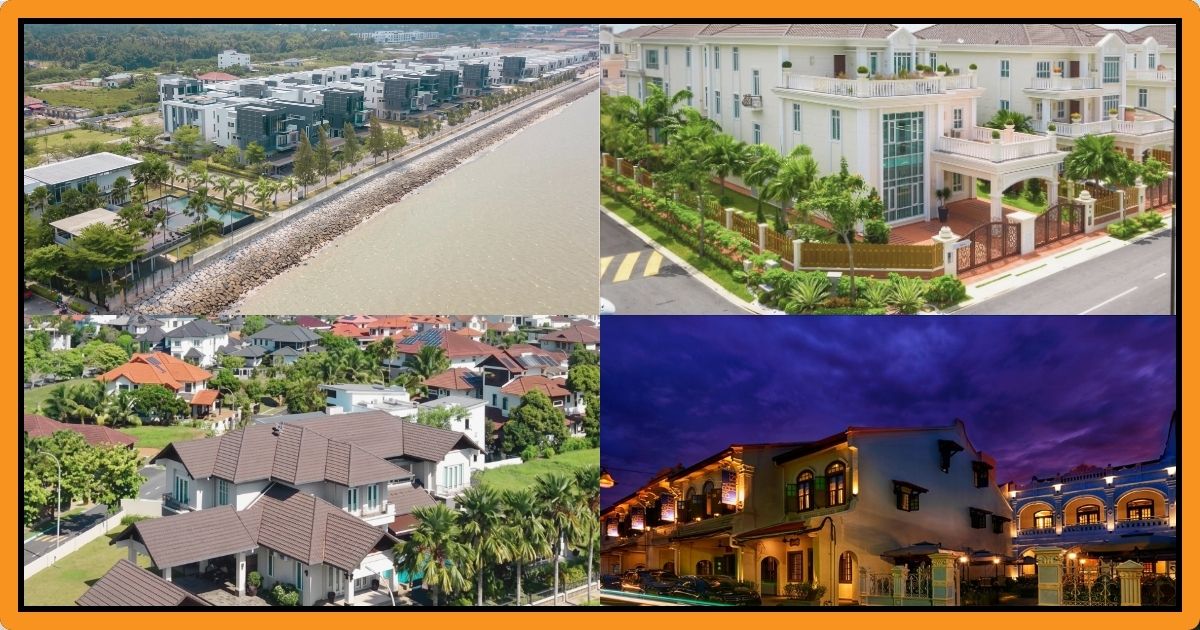 Discover Melaka's 7 Most Richest Neighborhoods: Where Malaysia's Historic Charm Meets Modern Luxury
Melaka often gets overshadowed in Malaysia's property conversation. People fixate on Kuala Lumpur's glitz, Selangor's family appeal, or Penang's island charm. Meanwhile, Melaka quietly evolves into something genuinely special: a state where heritage sophistication meets contemporary luxury. Here's what's interesting about Melaka's property market. You get historic charm that money can't replicate. UNESCO heritage surroundings. A lifestyle that balances prestige with authenticity. Plus, property values here tell a different story than KL or Selangor. They're appreciating steadily because demand is real, not speculative. This guide explores seven neighborhoods where Melaka's elite choose to establish their homes. Each neighborhood tells distinct stories about what success looks like in Malaysia's most historically significant state. Whether you're a heritage enthusiast seeking timeless elegance, a family prioritizing space and safety, or an investor recognizing Melaka's emerging opportunities, this guide reveals where the real Melaka story is being written.Melaka often gets overshadowed in Malaysia's property conversation. People fixate on Kuala Lumpur's glitz, Selangor's family appeal, or Penang's island charm. Meanwhile, Melaka quietly evolves into something genuinely special: a state where heritage sophistication meets contemporary luxury. Here's what's interesting about Melaka's property market. You get historic charm that money can't replicate. UNESCO heritage surroundings. A lifestyle that balances prestige with authenticity. Plus, property values here tell a different story than KL or Selangor. They're appreciating steadily because demand is real, not speculative. This guide explores seven neighborhoods where Melaka's elite choose to establish their homes. Each neighborhood tells distinct stories about what success looks like in Malaysia's most historically significant state. Whether you're a heritage enthusiast seeking timeless elegance, a family prioritizing space and safety, or an investor recognizing Melaka's emerging opportunities, this guide reveals where the real Melaka story is being written. 1. Heeren Street, Jalan Tun Tan Cheng Lock: The Ultimate Heritage Prestige Price Range: RM3,000,000 – RM23,000,000+ (Source: CNA Luxury, Tatler Asia) The Story Behind the Address Heeren Street isn't just a location. It's Malaysia's most historically significant millionaires' row. Positioned in Melaka's UNESCO heritage core, along Jalan Tun Tan Cheng Lock, these properties represent genuine "Crazy Rich Asians" territory – not movie fiction, but documented Melaka reality. Properties here appreciate fundamentally differently than anywhere else in Malaysia. They're not just residences. They're cultural heritage investments. Many families have held these addresses for generations, creating intergenerational wealth markers. Who Lives Here Successful business magnates. Established heritage collectors. Families with deep Melaka roots and contemporary wealth. International buyers recognizing Malaysia's cultural significance. These aren't first-time property buyers. These are people who've already built substantial success elsewhere and chosen Heeren Street as their prestige statement. The Heritage Premium What makes Heeren Street genuinely exclusive? The properties themselves. Heritage Private Villas (conservation-status renovated ancestral homes) and Mansions (exclusive ultra-premium homes) command appreciation precisely because they're irreplaceable. You can't build "heritage" overnight. These addresses took centuries to accumulate their significance. Nearby Lifestyle Elements Jonker Walk – The bustling night market experience Heeren Mansion – Architectural heritage preserved The Stadhuys – Dutch colonial heritage Traditional Chinese shophouses – Living heritage commerce Investment Perspective Heeren Street properties appreciate through scarcity + heritage premium + intergenerational desirability. Unlike typical real estate, these properties become more valuable as modernization makes heritage increasingly scarce. 2. Straits Courtyard / Kota Laksamana: The Modern Prestige Statement Price Range: RM3,500,000 – RM5,000,000+ (Source: Property Guru, IQI Global) Melaka's Premier Modern Luxury While Heeren Street celebrates heritage, Straits Courtyard represents Melaka's answer to "Malacca's Most Premier Living" – contemporary luxury without apology. This gated community adopts breakthrough anti-climb security technology. Every three-storey bungalow features private elevators and rooftop gardens. The positioning targets new-generation Melaka wealth: entrepreneurs, corporate executives, and international professionals seeking modern amenities merged with Melaka's sophisticated environment. The Security & Privacy Appeal What differentiates Straits Courtyard fundamentally? Advanced security systems. Private access. Ultra-low density planning. This appeals to successful entrepreneurs and business owners prioritizing both prestige and genuine privacy. Community Character Straits Courtyard residents are predominantly new-money Melaka professionals. Business owners. Corporate leaders. People building contemporary success and wanting appropriate environment reflection. The community is intentionally exclusive – selective entry, vetted residents, curated lifestyle. Surrounding Amenities One Street Food Row – Trendy dining district Encore Melaka – Shopping entertainment Jonker Street – Night market vibrancy Melaka waterfront – Emerging development Investment Appeal Newer properties typically appreciate slower than established neighborhoods. However, Straits Courtyard's ultra-premium positioning, limited inventory, and Melaka's growing international recognition create steady appreciation. This suits long-term investors prioritizing stability over spectacular returns. 3. 8 Residence, Padang Temu / Ujong Pasir: The Emerging Cosmopolitan District Price Range: RM1,988,000 – RM4,300,000+ (Source: PropertyGuru, PB Realty Brochure) Melaka's Answer to Waterfront Living 8 Residence represents something genuinely new for Melaka: integrated waterfront development combining heritage conservation with contemporary residential. The "8" symbolizes auspicious positioning. The gated, fully-enclosed security concept appeals to those wanting prestige community without compromise. The Unique Positioning What makes 8 Residence distinctive? They've mastered something difficult: modern development respecting heritage context. Three-storey standalone villas positioned along waterfront, with comprehensive planning prioritizing environmental quality and community integration. The development specifically targets middle-to-upper income professionals and families appreciating Melaka's lifestyle advantages without sacrificing modern convenience. Waterfront Appeal Padang Temu location provides genuine waterfront access. Not "near water," but integrated water-oriented living. Maritime heritage surrounds the development. Residents enjoy authentic Melaka waterfront experience while maintaining contemporary comfort standards. Nearby Attractions Ikan Bakar Alai – Waterfront dining culture Portuguese Settlement – Heritage village experience Dataran Pahlawan – Shopping complex Melaka waterfront – Evening promenade lifestyle Investment Perspective 8 Residence appeals to middle-to-upper income buyers seeking balance: prestige + affordability + lifestyle. As Melaka's waterfront develops further, these properties appreciate through infrastructure improvement and growing international tourism interest. 4. Ayer Keroh: The Forest-Retreat Luxury Address Price Range: RM1,200,000 – RM3,500,000+ (Source: NuProp, IQI Global) Melaka's Premier Hill Resort Living Ayer Keroh operates completely differently from urban neighborhoods. Positioned as Melaka's government administrative center, this hillside community attracts government officials, high-ranking professionals, and those prioritizing tranquil lifestyle over urban intensity. Ozana Impian Resort represents the signature development – exclusive positioning targeting those valuing low-density living and golf course proximity. Properties here emphasize environmental quality: greenification, multiple golf courses, privacy through natural terrain. The Administrative Prestige What's genuinely interesting? Ayer Keroh attracts a specific demographic: government leaders, successful professionals, those building legacies in professional institutions. The neighborhood reflects administrative prestige without commercial intensity. Lifestyle Philosophy Ayer Keroh residents prioritize space, privacy, and environmental quality. Many maintain gardens, appreciate nature, value tranquility. This creates different community character than urban neighborhoods – more conservative, professionally-focused, family-oriented. Surrounding Amenities Tiara Melaka Golf Club – Championship golf facilities MITC Melaka – International trade center AEON Ayer Keroh – Retail shopping Melaka International Trade Center – Business proximity Investment Profile Ayer Keroh appreciates through infrastructure development and growing administrative investment. Unlike speculative plays, these properties appeal to conservative investors prioritizing stability and lifestyle quality. 5. Klebang: The Coastal Getaway Prestige Price Range: RM1,000,000 – RM2,800,000+ (Source: PropertyGuru, IQI Global) Melaka's Golden Coastline Living Klebang represents something increasingly valuable: genuine beach living in Malaysia's most heritage-conscious state. This coastal neighborhood attracts international buyers, holiday home seekers, and those valuing beach lifestyle authenticity. The positioning as "Johor Pearl" of Melaka is apt. Properties command genuine waterfront appeal – direct beach access, maritime culture, authentic fishing village atmosphere alongside contemporary residential development. The Beach Community Distinction What differentiates Klebang? Authenticity. This isn't manufactured beach resort. This's actual coastal community where maritime culture remains integrated into daily life. Residents coexist with fishing heritage, traditional boat culture, genuine seaside living. Vacation Home Appeal Klebang attracts two demographics: primary residents wanting beach lifestyle, and vacation home investors recognizing rental income potential. The development sits perfectly for weekend escape from Kuala Lumpur while maintaining prestige residential standards. Nearby Attractions Klebang Coconut Shake – Iconic local experience Submarine Museum – Unique cultural attraction Local fishing village – Authentic maritime culture Melaka waterfront – Developing tourism infrastructure Investment Consideration Klebang appreciates through tourism development and international buyer interest. Properties here perform well in vacation rental market, supporting investment viability alongside lifestyle appeal. 6. Taman Bukit Cheng: The Commercial Prestige Hub Price Range: RM395,000 – RM2,000,000+ (Source: IQI Global, PropertyGuru) Melaka's Business Excellence District Taman Bukit Cheng occupies unique positioning: not residential-only, but commercial-residential integration. Located on hillside (Bukit Cheng), this neighborhood represents "hidden wealth" district – successful business owners clustering in areas prioritizing convenience over flashiness. The nickname "Taman Cheng Utama" reflects this positioning. Properties feature "large land, high usability" positioning – appealing to those building home offices, professional operations, or combining residential prestige with commercial practicality. The Business Owner Appeal Residents here are predominantly entrepreneurs, corporate leaders, those operating sophisticated business operations from home-office environments. The neighborhood reflects practical success rather than ostentatious wealth display. Neighborhood Character Taman Bukit Cheng maintains more conservative, business-focused atmosphere than other Melaka neighborhoods. Communities tend toward professional networks, business relationships, economic pragmatism. This creates different social dynamic than purely residential areas. Surrounding Business Infrastructure Lotus's Cheng – Commercial hub McDonald's DT – Regional facility Malim Business Park – Commercial development Multiple commercial centers – Supporting infrastructure Investment Profile Taman Bukit Cheng appreciates through practical value rather than speculative appeal. Business owners recognize strategic positioning, comprehensive amenities, and location convenience. Properties maintain steady appreciation driven by fundamental demand rather than market trends. 7. Bemban Country Villas Resort: The Emerging Luxury Escape Price Range: RM700,000 – RM1,500,000+ (Source: iHousing, PropertyGuru) Melaka's Newest Prestige Development Bemban represents something genuinely new: high-end country living integrated with resort amenities. Positioned on former agricultural land, with Parkland Avenue developments and hot spring resort integration, this neighborhood attracts those seeking "big space, slow life" philosophy. This development specifically targets successful professionals recognizing that Melaka's emerging prestige provides opportunity for premium country living at prices significantly more accessible than KL or Penang equivalents. The Resort-Lifestyle Integration What's genuinely innovative? Bemban merges residential prestige with resort experience. Residents access hot spring facilities, integrated recreation, and hotel-quality amenities from primary residence – creating unique lifestyle proposition in Malaysian market. The Space Philosophy Bemban explicitly markets around "Land Size" proposition. In Melaka, you can purchase substantial acreage at prices making genuine country estate living accessible. This appeals fundamentally to those wanting genuine space without resort-only visiting. Nearby Attractions Jasin Hot Spring – Integrated wellness facilities Mydin Jasin – Shopping convenience Bemban countryside – Peaceful rural character Emerging resort infrastructure – Lifestyle amenities Investment Appeal Bemban appreciates through emerging development positioning. As Melaka's resort and wellness tourism develops, these properties appreciate through both residential appreciation and tourism-related infrastructure growth. Understanding Melaka's Property Market Dynamics What Makes Melaka Different Melaka's market differs fundamentally from other Malaysian states. This isn't speculation-driven. It's heritage-premium driven. Properties appreciate through: Historical Significance - UNESCO heritage creates permanent value premium Authenticity - Genuine lifestyle cannot be replicated elsewhere International Recognition - Growing tourism and expatriate interest Space Availability - Melaka still offers space advantages over KL/Selangor Heritage Preservation - Conservation requirements protect neighborhood quality Investment Mentality Differences Melaka investors think differently than KL or Selangor buyers. This isn't "flip quickly for profit" market. This's "establish legacy, enjoy lifestyle, appreciate steadily" market. Properties here attract: Heritage enthusiasts valuing authenticity Families seeking balanced lifestyle Business owners wanting prestige addresses International buyers recognizing Malaysia's cultural importance Long-term investors prioritizing stability Market Maturity Perspective Unlike KL's saturated market or Penang's competitive island positioning, Melaka remains relatively underdeveloped in premium property conversation. Early positioning in well-selected neighborhoods offers genuine opportunity. Comparative Analysis: Finding Your Melaka Neighborhood CategoryLocationWhy?Heritage & Prestige CombinedHeeren StreetIrreplaceable historical significance, intergenerational wealth positioning, genuine "Crazy Rich Asians" authenticity, heritage premium appreciation.Modern Luxury Without CompromiseStraits CourtyardIntegrated waterfront access, heritage respect, gated security, emerging cosmopolitan lifestyle.Waterfront Living with Heritage Context8 ResidenceIntegrated waterfront access, heritage respect, gated security, emerging cosmopolitan lifestyle.Forest-Retreat TranquilityAyer KerohGolf course integration, low-density development, administrative prestige, environmental quality prioritization.Beach Lifestyle with Investment PotentialKlebangGenuine beach access, authentic maritime culture, vacation rental income potential, international appeal.Business Owner PracticalityTaman Bukit ChengCommercial-residential integration, professional networking, practical amenities, strategic business location.Emerging Country Living PrestigeBembanResort-integrated amenities, substantial land access, wellness facilities, emerging development positioning. Melaka vs. Other Malaysian States: Strategic Positioning Melaka vs. Kuala Lumpur KL Advantages: Commercial intensity, cosmopolitan diversity, rapid development Melaka Advantages: Heritage authenticity, space, prestige without density, lifestyle quality Melaka vs. Selangor Selangor Advantages: Family volume market, education infrastructure, employment density Melaka Advantages: Sophistication without suburban sprawl, heritage premium, property appreciation through scarcity Melaka vs. Penang Penang Advantages: Island prestige, established international reputation, tourism maturity Melaka Advantages: Lower pricing, growth potential recognition, less saturated market, authentic heritage without tourist overwhelm The Johor Connection Already explored Johor's property opportunities? Discover Johor's 7 most richest neighborhoods and understand how Melaka and Johor offer different value propositions for different investor profiles. Johor emphasizes space and Singapore proximity. Melaka emphasizes heritage authenticity and international prestige. Both offer genuine Malaysian opportunities beyond KL saturation. The Honest Property Investment Perspective What Melaka Offers Genuinely Melaka works exceptionally well for specific profiles: Heritage enthusiasts get authentic preservation without artificial resort atmosphere Family-focused buyers find space and safety with sophisticated cultural context Business owners establish prestigious addresses supporting professional credibility International investors recognize Malaysia's cultural significance materializing in property value Long-term thinkers understand heritage appreciation as permanent wealth vehicle What Melaka Doesn't Offer Melaka isn't for those seeking: Pure commercial intensity (that's KL) Island prestige (that's Penang) Suburban family convenience (that's Selangor) Speculative quick appreciation (that's not Melaka's market) Market Development Trajectory Melaka property market is evolving thoughtfully: Infrastructure Development: Improved highway connectivity, airport expansion, commercial center growth Tourism Investment: Growing international recognition, resort development, cultural tourism International Interest: Increasing expatriate communities, international buyer awareness Heritage Preservation: Conservation efforts protecting neighborhood quality Commercial Integration: Balanced development supporting both lifestyle and investment Early positioning in well-selected neighborhoods offers appreciation potential while Melaka's international recognition builds. Do You Think You Live in an Expensive Neighborhood? Here's the real question worth honest consideration. Among Melaka's seven premium neighborhoods, which resonates most with your actual values? Not your aspirations. Not what sounds impressive. Your genuine values. Does Heeren Street's heritage authenticity call to you? Does Straits Courtyard's contemporary prestige appeal? Does Bemban's space philosophy align with your actual lifestyle preferences? The most successful real estate decisions aren't about choosing the "most expensive" address. They're about selecting the neighborhood that genuinely reflects who you are and how you want to live. Some people find prestige in historic preservation (Heeren Street speaks to them). Others in contemporary luxury (Straits Courtyard resonates). Still others in coastal authenticity (Klebang calls to them). So here's the honest closing question: Among Melaka's expensive neighborhoods, which one actually represents your definition of an expensive, prestigious, genuine home? The answer reveals not just your property preferences, but your actual priorities in life. Ready to Explore Melaka's Premium Neighborhoods? IQI Global understands Melaka's market deeply. We're not just property agents – we're neighborhood guides. We understand heritage significance, investment trajectories, community cultures, and lifestyle implications. Let us help you by you submitting your details below! [custom_blog_form] Continue reading: Discover Penang’s 7 Most Richest Neighborhoods: The Pearl of Malaysia’s Luxury Living Beyond Kuala Lumpur: Discover Selangor’s 8 Most Richest Neighborhoods Why Melaka Is the Best Place for an Affordable House? Explore Top 7 States for Property Investment in Malaysia! Melaka Property Insights: Is Now the Perfect Time to Invest?
Continue Reading
 Career Reset at 25? Why Gen Z Malaysians Are Choosing Real Estate
TL;DR A career reset at 25 is not failure. For many Gen Z Malaysians, real estate is becoming a serious career path because it offers flexibility, performance-based income, personal branding opportunities, and the chance to build long-term financial growth beyond a fixed 9-to-5 job. You graduated, landed what everyone called a “decent” job, and six months later, you’re already searching for “how to resign without ruining my career.” Sound familiar? For many Gen Z Malaysians, being 25 today feels very different from what they were promised. A stable 9-to-5 may offer security, but it does not always offer growth, purpose, flexibility or enough income to keep up with real life. That is why a career reset is no longer seen as failure. For a growing number of young Malaysians, it is a smart pivot. And with real estate offering performance-based income, personal branding opportunities and greater control over how they work, property is becoming one of the most serious career options on the table. Key Takeaways A career reset at 25 is not failure. For many Gen Z Malaysians, it is a practical response to rigid jobs, slow salary growth, burnout, and changing career expectations. Real estate is becoming a serious career option for Gen Z. It offers flexibility, performance-based income, personal branding opportunities, and a faster entry path compared to many traditional professions. Becoming a property agent in Malaysia is more accessible than many young people think. With the right certification, agency support, and REN registration process, Gen Z can start building a real estate career without needing years of additional study. Gen Z agents have a strong digital advantage. Their ability to use social media, short-form videos, personal branding, and online communication helps them build trust and attract property leads in a modern market. The right agency can make or break a young agent’s growth. Training, mentorship, technology, culture, and proven support systems are key for Gen Z Malaysians who want to succeed in real estate. From Burnt Out to Booked OutWhy Gen Z is done with the traditional 9-to-5 scriptWhy Real Estate Makes Sense for a Career ResetHow to Become a Property Agent in Malaysia (Step-by-Step)The Gen Z Advantage: Why Young Agents Win in Today's MarketWhat to Look for in a Real Estate Agency as a Young AgentIs Real Estate Your Next Career Move? Why Gen Z is done with the traditional 9-to-5 script Let’s be honest. The traditional career path was not built for how Gen Z thinks, works or lives today. Many Gen Z workers are already thinking about switching jobs. Some expect to change careers several times throughout their working lives, while others plan to leave their current employer before reaching the two-year mark. This does not mean they cannot commit. It means they are no longer willing to settle for a career that offers little growth, limited flexibility and slow income progress. In Malaysia, this shift is becoming more visible. Many young workers are leaving their jobs as early as 18 months in, not because they are lazy, but because the gap between what they were promised and what they actually experience is becoming too wide to ignore. For many, the reality of work does not match their expectations around salary, career growth, work-life balance and personal fulfilment. The real issue is that the traditional employment model was designed for a different era. Clock in, work hard, wait for a promotion and repeat the same cycle for decades. That deal made sense when loyalty was clearly rewarded. Today, many young Malaysians are questioning whether that path still leads to the future they want. Gen Z did not break the career system. They simply stopped pretending it was still working for everyone. A career reset is not giving up. It is growing up. Why Real Estate Makes Sense for a Career Reset Most people assume a career change means going back to school, accepting a lower salary or spending years starting over from zero. Real estate works differently, and that is exactly why it is becoming a serious career option for many young Malaysians. Here’s what makes a real estate career stand out: No salary ceiling. Your income is tied to your performance, not your job grade. Close more deals, earn more money. It's that direct. Curious about the real numbers? Here's an honest breakdown of what property agents actually earn in Malaysia. You own your schedule. Real estate rewards discipline and drive, not hours spent warming a chair. If you're the type who works better with autonomy, this career is built for you. Low barrier to entry. You don't need a degree, years of experience, or a fancy resume. What you need is the right certification, the right agency, and the right attitude. You're always learning about wealth. Every day in real estate is a masterclass in property, investment, negotiation, and market trends. That knowledge doesn't just make you a better agent but also makes you a smarter person financially. In fact, Gen Z and Millennials are already rewriting the wealth playbook, and real estate is right at the centre of it. Gen Z Malaysians are also becoming more active in the property market as buyers and renters themselves. This gives young agents a valuable advantage. They understand what today’s buyers worry about, what they look for online and what kind of communication feels trustworthy. For a generation that values growth, freedom and upward momentum, a real estate career in Malaysia is no longer just a backup plan. It is becoming a serious upgrade. How to Become a Property Agent in Malaysia (Step-by-Step) Becoming a property agent in Malaysia is simpler than many people think. To legally practice, you need to register as a Real Estate Negotiator (REN) under BOVAEP, the Board of Valuers, Appraisers, Estate Agents and Property Managers. Step 1: Meet the basic requirementsYou must be a Malaysian citizen or permanent resident, at least 18 years old, with a minimum SPM qualification. No degree or prior real estate experience is required. Step 2: Complete the NCC courseThe Negotiator Certification Course covers basic property law, ethics and negotiation skills. After passing the assessment, you will receive a certificate recognised by BOVAEP. Step 3: Join a registered real estate agencyAs a REN, you cannot practise independently. You must be attached to a registered agency that will guide your training, registration and early career journey. Step 4: Get your REN tagYour agency will submit your application to BOVAEP. Once approved, your REN tag allows you to legally market, sell and rent properties in Malaysia. Step 5: Start building your careerFrom here, success depends on learning, follow-up, consistency and client trust. With commissions usually ranging from 2% to 3% per transaction, one successful deal can become a meaningful income milestone. That is why a real estate career in Malaysia is accessible, practical and worth considering for Gen Z Malaysians ready for a serious career reset. The Gen Z Advantage: Why Young Agents Win in Today's Market Here’s something the older generation of real estate agents may not always say out loud: young agents have a real advantage in today’s market. Content creation is second nature. Gen Z grew up making content. A well-shot property walkthrough on TikTok or a relatable Instagram Reel can reach thousands of potential buyers without spending a single ringgit on ads. And the right real estate marketing strategies can turn that content into consistent leads. They also understand today’s buyers better. Many Malaysian property buyers are now Gen Y and Gen Z, which means young agents often speak the same language, understand the same financial pressures and know what kind of communication feels trustworthy. Digital tools are another advantage. WhatsApp follow-ups, virtual tours, CRM apps, online listings and social media marketing are already part of how Gen Z lives and works.Today’s buyers can spot a scripted pitch quickly. Young agents who share their real journey, honest opinions and learning process can build trust faster than a polished sales script. Need proof? Read how Suthan went from career switcher to RM15 million in personal sales at just 26. Gen Z already makes up a major part of Malaysia’s population and workforce. Successful Gen Z real estate agents are not just the future of the industry. They are already here, building trust, generating leads and changing how property is marketed. What to Look for in a Real Estate Agency as a Young Agent Choosing your first real estate agency is one of the most important decisions you will make as a new agent. The right agency can shorten your learning curve, build your confidence and help you grow faster. Here’s what matters most when you are starting out. Real training, not just basic onboarding. A good agency does more than process your REN tag. It teaches you how to prospect, present, negotiate, follow up and close deals with confidence. Mentorship from people who have done it. The fastest way to grow as a real estate agent in Malaysia is to learn from experienced agents who are willing to guide you, not just compete with you. Take Ven Tee, for example. He went from a decade of frustration in banking to leading over 1,000 agents at IQI. That kind of story is possible when the right mentorship environment exists. Technology that supports your work. Lead management tools, marketing support, data insights and digital platforms can make a big difference, especially for young agents who want to work smarter. A culture that fits Gen Z. Autonomy, transparency and purpose matter. If the agency feels rigid, outdated or unsupportive, it may not be the right environment for your growth. Proof that young agents can succeed there. Don't just take the agency's word for it. See how Gen Z can genuinely benefit from a property agent career and look for an agency where that success is already happening. At IQI Global, agents are supported with training, mentorship, technology and a global network designed to help ambitious, digital-first agents build a real career in property, regardless of age or background. Is Real Estate Your Next Career Move? A career reset at 25 is not a setback. It is a decision to stop settling and start building a career that fits the future you actually want. For many Gen Z Malaysians, real estate is becoming one of the most serious paths forward. The entry barrier is accessible, the income potential is performance-based, and the digital skills you already have can become a real advantage in today’s property market. With the right agency, training and mentorship, the journey from beginner to confident real estate agent can move faster than many traditional career paths. Whether you are six months into a job that already feels draining or still figuring out your next move, a real estate career could be the pivot that changes everything. Ready to Make Your Career Reset Count? Real estate is more than a property career. It is a chance to build income, confidence, skills and long-term growth on your own terms. Whether you are exploring your first home, your next investment or a serious career move, IQI Global can guide you with the right people, tools and support. Connect with IQI Global today and take your next step in Malaysia’s property market. [custom_blog_form] Continue Reading: Where to Study Real Estate in Malaysia? Top Universities & Courses 2026 What is the Commission Structure for Real Estate Agents in Malaysia? How To Be a Property Agent in Malaysia in Just 5 Steps How Gen Z Can Benefit from a Property Agent Career Looking for a New Career? Check Out These 7 Highest Paying Jobs In Malaysia! References Kaur, S. (2026, May 18). Gen Z's short-term job mindset raises talent retention concerns. New Straits Times. https://www.nst.com.my/business/corporate/2026/05/1442004/gen-zs-short-term-job-mindset-raises-talent-retention-concerns Yang, O. J. (2026, January 11). Youths call it quits after 18 months. The Star. https://www.thestar.com.my/news/nation/2026/01/11/youths-call-it-quits-after-18-months Wong, J. (2025, November 17). Gen Y and Gen Z now dominate. StarProperty. https://www.starproperty.my/news/gen-y-and-gen-z-now-dominate/133816 IQI Global. (2026). How to be a property agent in Malaysia in just 5 steps. https://iqiglobal.com/blog/how-to-be-a-property-agent-in-malaysia-in-just-5-steps/ IQI Global. (2026). A guide to be a real estate agent Malaysia. https://iqiglobal.com/blog/a-guide-to-be-a-real-estate-agent-malaysia/ PropNex Malaysia. (2025). What's driving Gen Z & Millennials in Malaysia's property market? https://www.propnex.com.my/post/details/blog/gen%20z%20millenials%20real%20estate StarProperty. (2024, September 23). Navigating Gen Z's shift from renting to home ownership. https://www.starproperty.my/news/navigating-gen-z-s-shift-from-renting-to-home-ownership/129596 The Malaysian Reserve. (2024, April 22). Keeping up with Gen Z: Retaining Malaysia's future talent. https://themalaysianreserve.com/2024/04/22/keeping-up-with-gen-z-retaining-malaysias-future-talent/
Continue Reading

Be updated on new launches
Subscribe to our emails to find out about the latest property news, trends and launch dates.

 IQI Global
Pakistan
+92 3535 2086IQI Karachi, Emaar Ocean Front Development, Suite 24,Ground Floor, Coral Tower South, DHA, Phase 8, Defence Housing Authority
Juwai.com, Juwai.asia, IQI, and Juwai IQI are trademarks of Juwai IQI group. All rights are reserved.
© IQI Global 2026
This site is protected by reCAPTCHA and the Google Privacy Policy and Terms of Service apply.
Your privacy matters!
We use cookies to improve your browsing experience, serve personalized content, and analyze our traffic. By clicking Accept all Cookies, you agree to the storing of cookies on your device. For more details, see our Cookie Policy.
Got questions? 😊 I'm JIQI, happy to help!