

Group VP ∙ IQI Philippines
Bhobbie G. Franco

Group VP ∙ IQI Philippines
Bhobbie G. Franco
About Bhobbie G. Franco
Leveraging market knowledge and negotiation skills to deliver exceptional results. Your real estate success is my priority. Ready to make your real estate dreams a reality? Let's chat. Your dream home awaits.
6 years at IQI
22 transactions
Contact Bhobbie G. Franco
Bhobbie G. Franco Social Links
No social links available.
My Listings
No listings available at the moment.
Our newly launched projects
Discover the real estate properties in and around Philippines, Philippines. Buy apartment units, landed houses, bungalows, commercial office space, shop lots, and sub-sales with 100% confidence at IQI Global.
 Living close to nature
The Grove at Plantation Hills
2786-A Cailles Street Bangkal, Makati, 1233, Philippines
Starting from RM 498,819
Listed on May 21, 2021
 Great investment choice
Vista Recto
1896 Recto Ave, Quiapo, Manila, 1001 Metro Manila, Philippines
Starting from RM 371,184
Listed on April 21, 2021
 Sky garden amenity
Vista Pointe Katipunan
Brgy, 329 Katipunan Avenue, cor B. Gonzales, Quezon City, 1108 Metro Manila, Philippines
Starting from RM 377,696
Listed on April 20, 2021
 Extravagant living
The Spectrum, Ortigas
Julia Vargas Ave, cor Garnet Rd, Ortigas Center, Pasig, 1605 Metro Manila, Philippines
Starting from RM 494,912
Listed on April 19, 2021
 Spacious studio flats
Tennyson Heights, Legarda
2533 Concepcion Aguila St, Quiapo, Manila, 1001 Metro Manila, Philippines
Starting from RM 371,184
Listed on April 19, 2021
 2-tower high-rise
Sky Arts, Manila
Gen. Malvar cor. Guerrero St. and, Vasquez St, Malate, Manila, 1004 Metro Manila, Philippines
Starting from RM 377,696
Listed on April 19, 2021
Mortgage Calculator
Calculate your estimated month repayment and plan your monthly expenses well.
The mortgage calculator is intended for reference only. Actual amount may vary.
Monthly Payment
Send me the mortgage calculator result

Home Loan Eligibility Calculator
Calculate your potential loan amount and assess your home buying affordability.

Rental Yield
Calculate the potential rental yield and evaluate a property's investment performance.

Down Payment Saving Plan
Create a structured savings plan and determine how much to save monthly for your down payment plan.

Malaysian Property Transaction Fees Calculator
Estimate the total transaction fees and budget accurately for your Malaysian property purchase.
IQI blog & news
Articles specifically curated for your daily digest of local and global real estate news.

Malaysia has been quietly courting the Gulf, and interest is starting to show, even if applications have yet to follow. In March 2026, The Star reported rising MM2H enquiries from Saudi Arabia, the United Arab Emirates, Kuwait, Bahrain and Qatar. Just weeks earlier, the Tourism Ministry told Parliament that Middle Eastern participation in MM2H remained small, but confirmed plans to expand promotion across the region. The update was reported by Malay Mail, The Star and IMI Daily, as MM2H’s economic contribution reached RM3.87 billion by the end of 2025. So, the policy push is clear, and the interest is beginning to emerge. But one practical question remains largely unanswered: What would life actually cost, and what could the same money buy, in Kuala Lumpur compared with Dubai? Key Takeaways Kuala Lumpur is about 48% cheaper than Dubai, with housing around 65% lower. A household spending AED 25,000 monthly in Dubai could live on roughly RM14,250 in KL, saving about RM159,000 a year. International primary school fees are around RM22,000 lower per child annually in KL. MM2H offers 5, 10, 15 or 20-year renewable terms, with property purchase required for mainland tiers. UAE real estate investors receive a 5-year Golden Visa, while 10 years applies to public-investment investors. Foreign buyers in Malaysia pay a flat 8% stamp duty, with no MM2H exemption. Table of contentsMalaysia vs the UAE in 60 secondsHow much cheaper is Kuala Lumpur than Dubai?What your property budget actually buysWhere Malaysia quietly wins: schools and healthcareMM2H vs the UAE Golden Visa: they solve different problemsWhat the industry is sayingWhat this means for youFrequently Asked Questions (FAQs) Malaysia vs the UAE in 60 seconds Quick answer: Malaysia wins on living costs, housing space, healthcare and schooling. The UAE wins on tax, earning power and global connectivity. Which one is better depends almost entirely on whether you are still building wealth or already spending it. What matters to youMalaysia under MM2HUAEDay-to-day living costsClear advantageHigherHousing value per ringgitClear advantagePremium pricingPrivate healthcare costClear advantagePremium pricingInternational school feesClear advantageHigherZero personal income taxDepends on your tax residencyClear advantageHigh-income employmentWeakerClear advantageGlobal flight connectivityStrong regionallyClear advantageLong-term residencyMM2H, 5 to 20 years renewableGolden Visa, 5 or 10 yearsForeign buyer entry costWeaker since January 2026Clear advantage Notice the last row. Malaysia does not win that one, and any article telling you otherwise is selling something. We come back to it below. How much cheaper is Kuala Lumpur than Dubai? Kuala Lumpur is around 48% cheaper than Dubai overall, and around 65% cheaper on housing. Those figures come from Expatistan's Kuala Lumpur and Dubai price sets, last updated on 8 September 2026. A second dataset points the same way. Livingcost.org, updated 21 June 2026, puts monthly costs for one person at USD 2,470 in Dubai against USD 992 in Kuala Lumpur, and family costs at USD 5,467 against USD 2,346. Where the gap actually shows up Monthly itemKuala LumpurDubaiDifferenceRent, 900 sqft furnished, prime areaRM5,259AED 14,39567% cheaperRent, 900 sqft furnished, normal areaRM2,485AED 9,05175% cheaperUtilities, two peopleRM234AED 85275% cheaperHome internetRM95AED 31773% cheaperMonthly public transport passRM60AED 27981% cheaperShort private doctor visitRM106AED 28166% cheaperBusiness district lunchRM21AED 6369% cheaper Source: Expatistan, Kuala Lumpur vs Dubai, prices updated 8 September 2026. The pattern is consistent. Malaysia's advantage is concentrated in the things you pay for every single month, which is exactly where a relocation decision is won or lost The Dubai to Kuala Lumpur lifestyle calculator Percentages are hard to feel, so we converted them into household budgets. Using Expatistan's own equivalence between the two cities and the exchange rate published alongside it, here is what a Dubai monthly spend translates to in Kuala Lumpur. Current Dubai spendComparable KL lifestyleMonthly differenceOver a yearAED 15,000about RM8,550about RM7,970about RM95,600AED 25,000about RM14,250about RM13,280about RM159,300AED 40,000about RM22,800about RM21,240about RM255,000 IQI calculation, September 2026. Derived from Expatistan's stated equivalence between Kuala Lumpur and Dubai and the AED to MYR rate published on that comparison. Indicative only. Actual costs depend heavily on housing choice, schooling and lifestyle. Read the third row again. A household at AED 40,000 a month in Dubai is looking at roughly a quarter of a million ringgit a year in difference. That is not a discount on groceries. That is an international school place, or a mortgage, or an earlier retirement date. What your property budget actually buys This is where the comparison becomes more compelling for buyers, not just renters. Livingcost estimates city-centre apartment prices at about USD 7,283 per sq m in Dubai, compared with USD 4,081 in Kuala Lumpur. On the same budget, that could mean roughly 78% more floor area in KL. Take the AED 2 million UAE Golden Visa property threshold, equal to roughly RM2.2 million. In Malaysia, that amount already exceeds the MM2H Platinum property minimum of RM2 million, and in most parts of Kuala Lumpur, it can buy a significantly larger home than a comparable budget in Dubai. Working out what a specific budget buys in a specific neighbourhood is the part most comparison articles skip. Browse current Kuala Lumpur listings to see real asking prices rather than index averages. The part nobody warns UAE buyers about Since 1 January 2026, non-citizens pay a flat 8% stamp duty on residential property transfers, up from 4%, while Malaysians continue to pay tiered rates of 1% to 4%. Purchase priceMalaysian citizenForeign buyer from 2026RM1,000,000 (MM2H Gold minimum)about RM24,000RM80,000RM2,000,000 (MM2H Platinum minimum)about RM64,000RM160,000 MM2H does not provide an exemption. Foreign owners also face 30% RPGT if they sell within five years, falling to 10% from year six. Malaysia may still be cheaper to live in, but buying in now comes with higher upfront costs. Budget for the transaction, not just the property price. Budget for the transaction, not just the price The 8% stamp duty is only one line in the entry cost. Legal fees, consent fees, valuation and loan agreement duty sit on top of it, and foreign buyers typically face lower margins of finance than citizens. Run your numbers before you shortlist anything. IQI's property calculators cover transaction fees, mortgage repayments and rental yield. Where Malaysia quietly wins: schools and healthcare For families, this comparison often matters more than rent. International schooling is where the savings add up. Livingcost estimates annual primary school fees at around USD 17,401 in Dubai versus USD 11,913 in Kuala Lumpur, a difference of roughly RM22,000 per child each year. Preschool and daycare show an even wider gap, at around USD 870 monthly in Dubai compared with USD 300 in KL. Healthcare follows a similar pattern. A short private doctor visit costs about RM106 in Kuala Lumpur versus AED 281 in Dubai, while antibiotics are roughly RM26 compared with AED 101. For UAE families, Malaysia’s appeal is not simply lower costs. It is the ability to maintain private healthcare, international education and a comfortable lifestyle without the same Dubai-level expenses. MM2H vs the UAE Golden Visa: they solve different problems These two programmes get compared constantly, and the comparison is usually framed wrongly. The UAE Golden Visa is primarily an investment, talent and economic attraction framework. MM2H is built around long-term residence and second-home living. They are not competing products so much as different answers to different questions. Here is the current MM2H structure, straight from MOTAC. CategoryFixed depositTermMinimum propertyParticipating feePlatinumUSD 1,000,00020 years renewableRM2,000,000RM200,000GoldUSD 500,00015 years renewableRM1,000,000RM3,000SilverUSD 150,0005 years renewableRM600,000RM1,000SEZ/SFZ, age 50+USD 32,00010 years renewableAs set for the SEZ developmentRM1,000SEZ/SFZ, age 21 to 49USD 65,00010 years renewableAs set for the SEZ developmentRM1,000 Source: MOTAC, mm2h.gov.my category overview. Processing fee RM5,000 for the principal applicant and RM2,500 per dependent. Up to 50% of the fixed deposit may be withdrawn for property, medical, education and tourism purposes. Two details UAE applicants tend to miss. Participants aged 25 to 49 must spend 90 cumulative days a year in Malaysia, shareable across the main applicant, spouse and dependents. Those aged 50 and above have no minimum stay. And note the Platinum participating fee of RM200,000, which is a different order of magnitude from the other tiers. The Golden Visa detail most comparison sites get wrong Many comparisons claim that AED 2 million in property automatically gives a 10-year UAE Golden Visa. The reality is more nuanced. According to the UAE federal government portal updated on 28 July 2026, real estate investors qualify for a 5-year Golden Visa, while the 10-year term applies to public-investment investors. The takeaway: always verify the exact visa category before comparing it with MM2H. A 20-year MM2H Platinum term versus a 5-year property-investor Golden Visa is a very different comparison from 20 years versus 10. For investors focused on portfolio protection, read our MM2H safe haven analysis. For application details, explore our complete MM2H guide. What the industry is saying Anthony Liew, President, MM2H Consultants Association In The Star’s 16 March 2026 report by Tarrence Tan and Gerard Gimino, Anthony Liew highlighted growing MM2H interest from Gulf citizens, driven partly by Malaysia’s image as a geopolitically neutral country. The enquiries are coming mainly from Saudi Arabia, the UAE, Kuwait, Bahrain and Qatar, with interest from working professionals, retirees and parents exploring education options for their children. However, Liew noted that interest has not yet translated into a surge of applications. Many prospective applicants are still verifying documents and assessing their options. The pipeline is growing, but approvals will take time to follow. Liew also urged the government to increase MM2H awareness among both citizens and expatriates living in these markets. Why the UAE is the market that matters That last point is the one worth sitting with, because the Gulf is not a market of citizens. It is a market of people who already live abroad. Gulf countryForeign residentsSaudi Arabia16.4 millionUnited Arab Emirates10.04 millionKuwait3.3 millionQatar2.87 millionOman1.8 millionBahrain848,934 Source: Global Media Insight, as published by The Star, 16 March 2026. Global Media Insight is a commercial research firm rather than an official statistics agency, so treat these as widely cited estimates. The UAE has more than 10 million foreign residents, making it one of the world’s largest expatriate hubs. Many have already made an international relocation decision. They have compared schools, healthcare, housing and living costs before choosing to build a life away from their home country. That makes them a different audience from first-time movers. The question is not whether they can live abroad. It is where they choose to go when their priorities, lifestyle and financial calculations change. Kashif Ansari, Co-Founder and Group CEO, Juwai IQ Kashif Ansari told The Star that Malaysia is becoming a natural destination for Middle Eastern residents, with more buyers from the region showing interest in studying, visiting and investing in Malaysia. In comments to Malay Mail, he highlighted Malaysia’s advantage in combining value, international schools, improved visa options and lifestyle appeal, noting that prime Kuala Lumpur homes average around USD 240 per sq ft, compared with USD 1,810 in Singapore and USD 1,090 in Bangkok. Malaysia is quietly emerging as an Asian luxury market sweet spot Kashif Ansari, Co-Founder and Group CEO, Juwai IQI, quoted in Malay Mail, 15 April 2025 Dr Yeah Kim Leng, Professor of Economics, Sunway University Yeah also noted that Malaysia already has a growing Middle Eastern expatriate community, giving it an advantage over destinations like Thailand and Singapore. For new arrivals, having an existing community makes relocation smoother and more familiar. He also highlighted the property opportunity. If Middle Eastern demand continues to grow, developers may begin creating homes and facilities better suited to this market. Dr Geoffrey Williams, Economist Williams was the dissenting voice, and the article is better for it. In the short term, he does not expect a surge of Gulf arrivals, because MM2H looks less attractive against competing visa schemes globally. He also flagged that Malaysia's system for employing expatriates makes it harder for employers to hire high-skilled foreign talent. There must be benefits beyond offering the residence visa. Geoffrey Williams, economist, quoted in The Star, 16 March 2026 He still expects Malaysia to remain attractive over the longer term to people from conflict-affected regions. His point is about pace, not direction. Datuk Seri Tiong King Sing, Minister of Tourism, Arts and Culture The policy backdrop comes from a separate parliamentary reply in February 2026. Tiong stressed that MM2H is open to applicants worldwide and that participants from Arab countries are accepted, while acknowledging that applications from the Middle East remain small. He committed to expanding promotion across the region. What that report does not answer Read together, these four perspectives reveal a clear pattern: there is no Gulf rush into MM2H yet. Instead, the market is showing early-stage interest, an under-targeted opportunity, cultural alignment and a reminder that a visa alone is not enough to convince families to relocate. A residence visa is not the reason a family moves. The real decision comes down to what that move changes: the cost of living, children’s education, housing options and overall lifestyle. That is the calculation most coverage has yet to explore, and it is the one this article examines. China currently leads MM2H property purchases, and the same promotional imbalance explains why. We broke that down in MM2H China: Are Chinese Buyers Taking Over Malaysian Property? What this means for you If you are a UAE family with school-age children: Start with the education cost, not rent. Saving around RM22,000 per child annually can become one of the biggest factors when comparing long-term living costs across multiple children and years. If you are approaching retirement: The age-50 threshold matters. Applicants above 50 face no minimum stay requirement under MM2H, making a flexible two-base lifestyle between Malaysia and the Gulf more practical. If you are buying property: Your property decision and visa choice are linked, as each mainland MM2H tier comes with a minimum property requirement. Factor in the 8% stamp duty and state-specific property thresholds before making a purchase decision. If you are still working in the Gulf: Consider the trade-off carefully. The UAE’s tax advantage is significant, and Silver and Gold MM2H categories do not provide employment rights in Malaysia. So, is Malaysia better than Dubai? Not for everyone. But for long-term living, Malaysia offers significantly more lifestyle value for every ringgit spent. Dubai remains difficult to beat for tax efficiency, career opportunities and global business connectivity. Malaysia’s strength lies elsewhere: a more affordable second home with larger living spaces, private healthcare, international education and a renewable residency option. For UAE residents who have already built their wealth and are now deciding where it can support the best quality of life, the question is no longer just about earning more. It is about where that wealth creates the lifestyle they want. And for many, Malaysia presents a compelling answer. Frequently Asked Questions (FAQs) Is Malaysia cheaper to live in than Dubai? Yes. Kuala Lumpur is around 48% cheaper than Dubai overall, with housing costs about 65% lower, based on Expatistan data updated on 8 September 2026. Livingcost.org also estimates lower monthly costs, at USD 992 in Kuala Lumpur versus USD 2,470 in Dubai. Both are crowdsourced estimates, so they should be used as a guide rather than official figures. Can UAE residents apply for MM2H? Yes. MM2H is open to eligible applicants from all countries with diplomatic relations with Malaysia, including UAE residents. Since July 2024, applications must be submitted through a MOTAC-licensed agent instead of directly. Is MM2H better than the UAE Golden Visa? They serve different purposes. The UAE Golden Visa focuses on investment, talent and economic contribution, while MM2H is designed for long-term residence and second-home living. When comparing visa terms, check the category carefully: UAE real estate investors are listed for a 5-year Golden Visa, not 10 years. How much would a Dubai lifestyle cost in Kuala Lumpur? Yes. Since 1 January 2026, non-citizens excluding permanent residents pay a flat 8% stamp duty on residential property transfers, and MM2H does not provide an exemption. For a RM2 million property, that means RM160,000 in stamp duty. Do I need to live in Malaysia full-time under MM2H? No. Participants aged 25 to 49 must spend 90 cumulative days per year in Malaysia, and the requirement can be fulfilled collectively by the main applicant, spouse and dependants. Those aged 50 and above have no minimum stay requirement under the current framework. Which Malaysian city suits UAE families best? Kuala Lumpur offers the strongest combination of international schools, private healthcare and business connectivity. Johor Bahru appeals to those seeking Singapore access and the Special Economic Zone opportunity at a lower entry cost, while Penang is often preferred by retirees looking for quality healthcare and a slower lifestyle. Is international school cheaper in Malaysia than Dubai? Yes. International school fees are generally lower in Kuala Lumpur, with Livingcost estimating annual primary school fees at around USD 11,913 in KL compared with USD 17,401 in Dubai. That is a difference of roughly RM22,000 per child each year. Your MM2H journey starts with the right property. Every tier comes with different property requirements and costs. Speak with an IQI adviser to find the right fit before you commit. Plan your Malaysia move smarter. [custom_blog_form] Continue reading: MM2H China: Are Chinese Buyers Taking Over Malaysian Property? The MM2H programme: eligibility and how to apply MM2H explained: the Silver, Gold, Platinum and SEZ requirements Foreign land ownership rules in Malaysia Juwai IQI's CEO provides a Malaysia forecast for 2026 Sources Ministry of Tourism, Arts and Culture Malaysia, MM2H Category Overview, mm2h.gov.my, page last updated 10 February 2026, for programme categories, fixed deposits, terms, property minimums, fees and minimum stay requirements The Official Portal of the UAE Government, Golden visa, u.ae, updated 28 July 2026, for Golden Visa categories and residency durations Expatistan, Cost of Living Comparison: Kuala Lumpur vs Dubai, prices updated 8 September 2026 Livingcost.org, Dubai vs Kuala Lumpur Cost of Living Comparison, updated 21 June 2026, for household costs, property prices per square metre and international school fees Stamp Act 1949, Item 32(ab), as inserted by the Finance Act 2025 (Act 874), for the 8% foreign buyer stamp duty effective 1 January 2026 Lembaga Hasil Dalam Negeri (LHDN) for Real Property Gains Tax rates applicable to non-citizens The Star, More Middle East interest in MM2H, 16 March 2026, for commentary from Anthony Liew and Dr Yeah Kim Leng Global Media Insight, foreign resident populations across Gulf countries, as published by The Star, 16 March 2026 Malay Mail / Bernama, Tourism minister: Over 740 bought homes under MM2H, with 2,600 more in pipeline, 4 February 2026, for Datuk Seri Tiong King Sing on Middle East participation and expanded promotion The Star, China, Taiwan and Singapore top MM2H property buyers, says Tiong, 4 February 2026 IMI Daily, Malaysia's revamped MM2H program approaches $1 billion in inflows, February 2026, for the RM3.87 billion economic contribution figure Malay Mail, Malaysia said to be fourth top choice for China's ultra-rich homebuyers, 15 April 2025, for Kashif Ansari's commentary and the Savills prime price comparison Disclaimer: This article is for informational purposes only and does not constitute financial, tax, legal or immigration advice. MM2H and UAE residency requirements change. Verify current terms with MOTAC, a licensed MM2H agent, and the relevant UAE authority before making decisions.

The contents of this article were contributed by K. Soma Sundram, Registered Estate Agent with 36 years of experience. Thinking about becoming a property agent in Malaysia? Here is the part nobody tells you upfront: you can be legally registered and holding your tag in about four to eight weeks, and the whole thing costs less than a decent phone. The hard part is not the paperwork. It is what you do in the 90 days after the tag arrives. Property agents in Malaysia are formally called Real Estate Negotiators, or RENs. You are the bridge between buyers, sellers, landlords and tenants. You market properties, arrange viewings, negotiate the deal and shepherd the paperwork until keys change hands. This guide walks the full path: eligibility, the NCC course, the BOVAEP registration, the real costs, how commission actually pays out, and what the job is like once the excitement wears off. TL;DR: BECOMING A PROPERTY AGENT IN MALAYSIA Entry role: Real Estate Negotiator (REN), not "agent". A Registered Estate Agent (REA) is a separate, five to six year qualification. Minimum requirements: 18 years old, SPM or equivalent (with a pass in Bahasa Malaysia for applications from 1 October 2024), and a non-bankruptcy certificate. Training: the two-day Negotiator Certification Course (NCC), roughly RM600 plus service tax, ending in a short assessment. You cannot go solo. Every REN must be attached to a BOVAEP-registered agency, which submits your REN tag application for you. Timeline: typically four to eight weeks from booking the NCC to holding your tag. Pay: commission only, no basic salary. The regulated ceiling on a sale is 3% of the price, and one month's rent on a tenancy of up to three years. Renewal: annual. Miss it and you retake the NCC from scratch. Practising without a tag risks a fine of up to RM300,000, up to three years' jail, and you cannot sue anyone for your commission. What Does a Property Agent Do? The terms "Real Estate Agent" or "Property Agent" are commonly used to refer to real estate salespeople. Showing houses is maybe a fifth of the job. The rest is closer to marketing, research and project management. Winning and marketing listings. Photographing units, writing copy, pushing them onto portals, social media and your own network. Qualifying enquiries. Separating serious buyers from window shoppers before you burn a Saturday on viewings. Running viewings. Coordinating access, owners, tenants and security, often at nights and weekends. Pricing and market research. Knowing what the block next door actually transacted at, not what the owner hopes it is worth. Negotiating. Handling offers, counteroffers and the emotional bits in between. Shepherding the paperwork. Booking forms, SPAs, loan applications, lawyers, developers and bankers, until the deal completes. The deal is not done when the offer is accepted. It is done when the loan is released, and chasing that gap is where good agents earn their keep. REN, PEA or REA: which one are you becoming? Malaysians use "property agent" loosely, but the law does not. There are three distinct registrations, and knowing which one you are applying for saves a lot of confusion. RENReal Estate NegotiatorPEAProbationary Estate AgentREARegistered Estate AgentTraining requiredTwo-day NCCBOVAEP Part I and Part II examinationsExams, two years of supervised practice, then the Test of Professional Competence (TPC)Time to qualifyFour to eight weeksTwo to four years of studyAround five to six years in totalCan work independently?No. Must be attached to a registered firmNo. Practising under an REA's supervisionYesCan own a firm or hire negotiators?NoNoYes. Only an REA may run an agencyBest forAnyone starting out, career switchers, part-timers testing the waterRENs who want to go professionalAgents building their own agency and income from a team Almost everyone starts as a REN. It is the fastest legal route into the industry, and nothing stops you working towards the REA qualification later while you earn. Want the long-form version covering the full REN to REA journey? Read our complete guide to becoming a real estate agent in Malaysia. Who can register as a REN in Malaysia? The bar is lower than most people assume. You need: Age 18 or above. That is the legal minimum. SPM or equivalent. A pass in Bahasa Malaysia has been required for applications from 1 October 2024. Many agencies also prefer at least three credits, and subjects like Mathematics, Economics or Accounts help, though they are not a legal barrier. A non-bankruptcy certificate from the Insolvency Department (Jabatan Insolvensi Malaysia). This one surprises people, so apply early. Malaysian citizenship or permanent residency, or a valid work permit for non-residents. Identity documents: IC or passport, plus a passport-sized photo. No degree. No prior sales experience. No property background required at all. Some of the strongest agents in the market came from teaching, engineering, banking, F&B and aviation. How to be a property agent in Malaysia in 5 steps This is the whole path. Everything else in this article supports these five steps. Step 1: Pass the Negotiator Certification Course (NCC) The NCC is a two-day course run by training providers accredited by the Board of Valuers, Appraisers, Estate Agents and Property Managers (BOVAEP, also known as LPEPH). It covers the law you are about to work under, professional ethics, agency practice and the basics of a transaction. On day two you sit a short online assessment, typically around 20 questions. Pass it and you receive your NCC certificate. Attendance on both days is compulsory. Turn up late for one and you will be rebooking the whole course. Step 2: Join a BOVAEP-registered real estate agency You cannot register as a REN on your own, and you cannot practise as a freelancer. The law requires you to be attached to a registered firm, and that firm is the one that submits your application. This is the single decision that most affects your first year of income, so do not pick the first agency that replies to your Instagram DM. There is a full section on choosing well further down. Step 3: Submit your REN tag application through the agency Your agency lodges the application with BOVAEP on your behalf. Prepare: NCC certificate Copy of your IC or passport Passport-sized photograph Letter of employment or appointment from the agency Non-bankruptcy certificate Incomplete documents are the number one cause of delay. Get the non-bankruptcy certificate moving before you even sit the NCC. Step 4: Receive your REN tag and start practising Once approved, BOVAEP issues a REN tag carrying your name, photo, IC number, a unique REN number, your firm's details and a QR code that anyone can scan to verify you. You are required to wear it when conducting business. That tag is also your client's proof that you are real, which matters more than new agents realise in a market with plenty of illegal brokers. Step 5: Renew every single year REN registration is renewed annually through your agency, and renewal is tied to continuing professional development. This is the step people forget. Let your registration lapse and you do not simply pay a late fee. You retake the NCC and reapply from the beginning. Thinking about becoming a property agent? Great choice! Property agents, also called Real Estate Negotiators (RENs) in Malaysia, act as the bridge between buyers, sellers, landlords, and tenants. Your job is to market properties, arrange viewings, negotiate deals, and handle all the paperwork to ensure smooth transactions for your clients. Before you begin your career journey, let’s learn what it takes to succeed in the real estate industry! Guide to Starting a Real Estate Career in Malaysia What Does a Property Agent Do? How to be a property agent in Malaysia in 5 steps How long does it take, and what does it cost?What skills do you need to be a estate agent?Understanding Malaysia’s Real Estate Market Key TakeawaysChoosing the Right Real Estate Agency: Why IQI is Your Best ChoiceFrequently Asked Questions How long does it take, and what does it cost? Two questions, one honest answer: faster and cheaper than almost any other licensed profession in Malaysia. StageTypical timeTypical costNon-bankruptcy certificateA few days to two weeksNominal government feeNCC course and assessment2 days, plus waiting for the next intakeFrom around RM600 plus service tax, varying by providerBOVAEP REN tag processingTwo to six weeksBoard fee, often handled by the agencyGetting deal-ready (photos, listings, name cards, portal credits)Ongoing from day oneBudget a few hundred ringgit a month at the startTotal to legally startRoughly 4 to 8 weeksUnder RM1,000 in most cases Fees are set by course providers and the Board and change from time to time. Confirm the current figures with your training provider and agency before committing. The real cost is not money, it is runway. Commission takes time to land, so plan for three to six months of living expenses before you give up other income. The real cost is not money, it is runway. Commission takes time to land, so plan for three to six months of living expenses before you give up other income. What skills do you need to be a estate agent? To succeed in this field, you’ll need: Listening more than pitching. Most new agents talk too much. The ones who close ask what the family actually needs, then match it. Negotiation without desperation. Handling offers, counteroffers and awkward silences on behalf of both sides. Local market knowledge. Transacted prices, rental yields, upcoming MRT and highway links, school catchments, which blocks have management issues. Digital marketing. Property discovery starts online. You need decent listing photos, video walkthroughs, portal copy that ranks and a personal brand people remember. Networking that compounds. Bankers, lawyers, renovators, developers and other agents send more business than cold leads ever will. Time and pipeline discipline. Juggling ten clients at different stages is the actual job. A CRM beats a notebook by month three. Integrity under pressure. This is the biggest financial decision most clients will make. One dishonest deal ends a career that took years to build.The honest pros and cons of being a property agent Anyone who tells you this career is easy money is recruiting you, not advising you. The upsideThe reality checkNo salary ceiling. Commission scales with performance, and nothing caps your upsideNo salary floor either. A quiet month pays nothingYou control your scheduleClients control your weekends and eveningsVery low cost to enter for a licensed professionLow barrier means crowded competition, so you must differentiateSkills transfer everywhere: sales, negotiation, finance, marketingDeals collapse late, often at the loan stage, after weeks of workYou can build a team and earn from a structure, not just your own hoursYou are self-employed. EPF, SOCSO and tax are yours to manageGenuinely varied work and a wide networkFirst deal commonly takes two to four months. Patience is a requirement Treat the first six months as an apprenticeship you are paying for with your time. Everyone who lasted did. How do you choose the right real estate agency? Your agency decides your training, your leads, your split and how fast you get paid. Same tag, wildly different first year. The three types of agency in Malaysia TypeStrengthTrade-offIndependentSmall, personal, close access to the principalFewer resources, thinner training, narrower listing poolLarge network or franchiseBrand recognition, structured training, technology, deep listing and project pipelineYou need to be proactive to stand out inside a big teamBoutiqueDeep specialisation in luxury, commercial or industrialNarrow scope, and usually harder for a complete beginner Six questions to ask before you sign anything Ask these out loud, and write the answers down. A good agency will answer all six without hesitating. What exactly is my commission split, and does it change with performance? Get the percentage in writing. How many days after completion do I get paid? IQI's benchmark is 5 days. Anything past 30 deserves a follow-up question. Is there a forfeit or clawback policy? Some agencies withhold commission if you leave. IQI operates a no-forfeit policy. What training do I get in my first 90 days, and who mentors me? A name, not a brochure. What listings, projects and leads will I have access to on day one? An empty pipeline is a slow start. What technology do I get? CRM, listing distribution, marketing templates and lead tracking. IQI provides IQPilot and IQI Atlas. For context on where IQI sits: 30,000+ property professionals across 20+ countries, which is one of Malaysia's largest networks, plus in-house technology, structured onboarding, a 5-day payout and a no-forfeit policy. Your first 90 days as a REN This is the part the registration guides skip, and it is where most people quietly drop out. Days 1 to 30: pick a patch and learn it cold Choose one or two areas, ideally where you already live or have a network. Walk them. Learn every project, the maintenance fees, the rental range and what actually transacted recently. Depth in one township beats shallow coverage of five. Clients can tell within two minutes which one you are. Days 31 to 60: get listings and get visible Secure your first listings, even small rentals. Rentals close faster, teach you the process end to end, and turn into sales referrals later. Publish consistently, and make sure your REN number is on everything. Days 61 to 90: build the pipeline habit Track every enquiry, follow up in a fixed rhythm, and start collecting the referral network of bankers and lawyers you will lean on for the next decade. Learn the numbers your clients will ask you first Before "which unit", almost every buyer asks "how much can I actually borrow". Being able to answer that in the first conversation is what turns an enquiry into an appointment. This is the tool IQI agents use with clients: Understanding Malaysia’s Real Estate Market Where is the Malaysian property market busiest? Major urban centers such as Kuala Lumpur, Selangor, Penang, and Johor Bahru are hotspots for real estate activity. These areas attract both local and foreign investors due to their strong infrastructure, job opportunities, and high demand for residential and commercial properties. Meanwhile, smaller towns and emerging cities like Ipoh, Seremban, and Kota Kinabalu are experiencing rapid development, fueled by government initiatives, infrastructure projects, and increasing demand for affordable housing. Types of Properties to Know As a property agent, you’ll handle different types of properties, including: Residential: condominiums, apartments, landed homes. The usual starting point. Commercial: offices, shoplots, retail. Longer cycles, larger fees. Industrial: factories, warehouses, logistics. Specialised and lucrative. Land: development and agricultural. Complex titles, patient buyers. Key Takeaways The entry role is Real Estate Negotiator (REN). "Estate agent" is a protected title for REAs. Requirements: 18 years old, SPM or equivalent with a Bahasa Malaysia pass, non-bankruptcy certificate. The two-day NCC plus BOVAEP registration usually takes four to eight weeks and under RM1,000. You must be attached to a BOVAEP-registered firm. Freelancing is illegal. Commission is capped at 3% on a sale and one month's rent on tenancies up to three years. Renew annually or you retake the NCC. Your agency's split, payout speed and training matter more to your first-year income than the market does. Choosing the Right Real Estate Agency: Why IQI is Your Best Choice After navigating the BOVAEP registration process, a crucial decision for any aspiring property agent is selecting the right real estate agency. This choice profoundly impacts your training, support, earning potential, and overall career trajectory. When considering how to become property agent in Malaysia, pairing with a leading agency is paramount. Types of Real Estate Agencies There are various types of agencies, each with distinct advantages: Independent Agencies: These are often smaller, locally-focused firms that can offer a more personal working environment. However, they may have fewer resources and a narrower network compared to larger players. Franchise Agencies: These include big names like IQI Global, RE/MAX, or PropNex. They benefit from wider networks, established brand recognition, and often provide comprehensive training and support systems. Boutique Agencies: These firms typically specialize in niche markets such as luxury properties, commercial real estate, or specific geographical areas, offering focused expertise but potentially limited scope. What to Look for in an Agency (and how IQI excels) When choosing where to build your career, consider these critical factors: Reputation and Market Presence: Does the agency have a strong, trustworthy presence in the market? IQI Global boasts a formidable reputation and extensive market presence across Malaysia and globally. Our brand recognition opens doors and instills confidence in clients, making your job easier. Training and Support: Will the agency invest in your learning and growth? At IQI, we pride ourselves on unparalleled training programs, mentorship from industry leaders, and continuous professional development workshops. We equip you with the latest market insights, sales techniques, and negotiation strategies to ensure your ongoing success. Commission Structure and Earning Potential: How does the agency reward its agents? IQI offers a highly competitive and transparent commission structure designed to maximize your earning potential. We believe in rewarding hard work and provide clear pathways to achieve high income levels, supported by a vast pipeline of projects and listings. Company Culture and Environment: Will you enjoy working with your colleagues and leadership? IQI fosters a vibrant, collaborative, and supportive company culture. We believe in teamwork, mutual respect, and creating an environment where every agent feels valued and empowered to achieve their personal and professional goals. Technology and Innovation: Does the agency provide cutting-edge tools? IQI leverages proprietary technology, including powerful CRM systems, advanced marketing platforms, and data analytics, to give our agents a significant competitive edge. Our digital tools streamline operations, enhance client engagement, and boost productivity. Network and Listings: Does the agency have a wide array of properties and clients? IQI's extensive network spans local and international markets, providing access to an unparalleled portfolio of residential, commercial, and industrial properties. This broad selection ensures you always have quality listings to offer your clients. Important Questions to Ask (and IQI's Answers) Before signing up with any firm, ask these questions to gauge their commitment to your success: "What kind of training do you provide?" IQI's Answer: We offer continuous, structured training covering sales skills, market analysis, legal compliance, and our proprietary tech tools, led by seasoned industry experts. "How is the commission structured?" IQI's Answer: Our commission structure is transparent, highly competitive, and designed to reward performance generously, with clear incentives for top achievers. "How do you support new agents?" IQI's Answer: New agents receive dedicated mentorship, onboarding programs, access to our extensive knowledge base, and administrative support to help them quickly find their footing and secure their first deals. "What are the performance expectations?" IQI's Answer: While we set ambitious goals, we also provide all the resources, training, and support necessary for our agents to meet and exceed these expectations, fostering a culture of high achievement. Choosing IQI means choosing a partner dedicated to your success, offering a robust platform for growth, unparalleled training, and a supportive community. It's how to be a property agent in Malaysia with a significant head start. Explore career with IQI Global Version: CN & MY This article was written by K. Soma Sundram. Soma is a Registered Estate Agent with 36 years of experience, a pioneer in Project Marketing in Malaysia and has trained over 200,000 real estate people. He specializes in sales skill training, and singlehandedly wrote the National Certification Course (NCC) module for real estate negotiators nationwide. Frequently Asked Questions Here are some common questions prospective real estate agents ask about starting a career in Malaysia: How much can a property agent earn in Malaysia? Your income is commission-based, meaning your earnings directly depend on the number and value of the properties you successfully sell or rent out. Top-performing agents at IQI, leveraging our extensive project listings and robust support system, have the potential for very high incomes, significantly above average. Do I need prior experience to become a property agent? No, prior experience is not strictly required. While knowledge of sales, marketing, or real estate can be an advantage, IQI provides comprehensive training programs that equip individuals with all the necessary skills and knowledge from the ground up, making it accessible even for newcomers. How long does it take to become a registered property agent (REN)? The process to become a registered Real Estate Negotiator (REN) typically takes a few weeks to a couple of months. This timeframe depends on how quickly you complete the mandatory Negotiator Certification Course (NCC) and submit all required documents for BOVAEP registration through your agency. Can I work as a freelance property agent in Malaysia? No, all property agents in Malaysia, specifically Real Estate Negotiators (RENs), must be officially attached to a registered real estate agency under BOVAEP. Operating as a freelance agent without proper registration and agency affiliation is illegal and carries penalties. What are the biggest challenges of being a property agent, and how does IQI help? Key challenges include market fluctuations, managing diverse client expectations, and handling the initial instability of commission-based income. IQI addresses these by providing in-depth market analysis, advanced client management tools, continuous training to refine skills, and a vast network of listings to help agents achieve consistent deal flow. What ongoing support does IQI offer its agents? IQI offers a comprehensive support system including regular training workshops, mentorship programs from seasoned professionals, access to cutting-edge proprietary technology for lead generation and management, robust marketing support, and a collaborative team environment. https://youtu.be/cia1_EeMuRU?si=-WV2Y6Aq0YXZjO-5 Are you driven to improve your skillset and reach new heights of success? Look no further than IQI. Fill in the form below and speak soon! [custom_blog_recruit_form] Continue reading: Laid-Off Pilot Turned Property Agent: Jayden Ng’s Success Story How Much Does A Property Negotiator Earn? 6 Things to Know About A Real Estate Agent’s Salary How to Find Your Property Agent in Malaysia
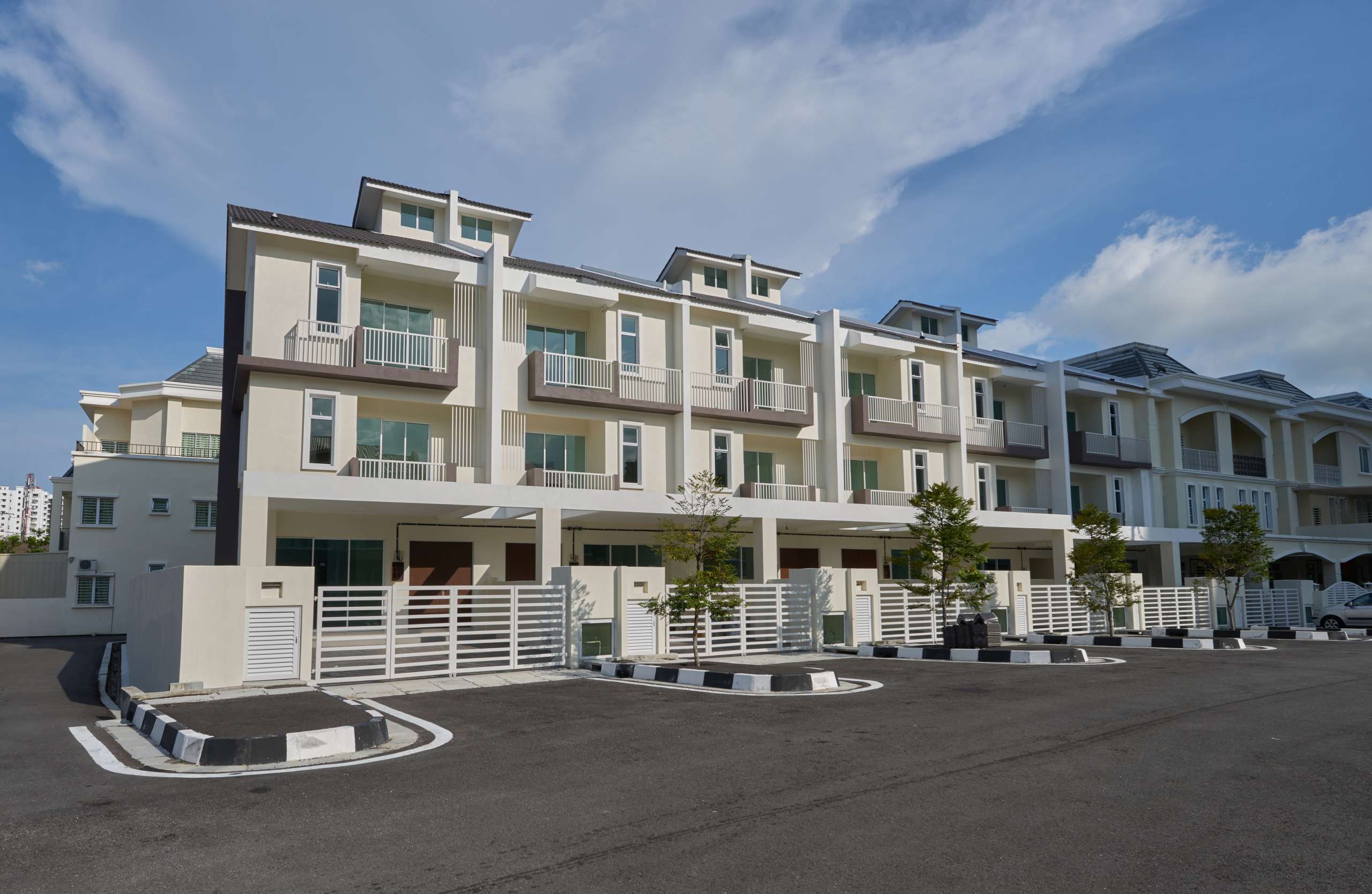
You find the house. The price works. The location works. Then you see two words in the listing. Bumi Lot. So can a non-Bumi buy a Bumi lot in Malaysia? Sometimes yes, but never automatically. It depends on whether the restriction sits on the title or only on the project's sales quota, whether the unit has already been released, and what the State Authority in that particular state allows. Most guides online stop at "apply for release and wait six months". That is not a Malaysian rule. It is one state's practice, repeated until it sounded national. This guide gives you the version your lawyer would give you. TL;DR Non-Bumis cannot simply buy an unreleased Bumi lot. The property must be released by the state or receive written State Authority consent. “Bumi lot” can mean a developer quota unit or a title restriction (sekatan kepentingan). A title restriction stays with the property. Rules differ by state. Selangor, Johor, Penang and the Federal Territories have different release processes and timelines. Released does not always mean unrestricted. In Johor, the Bumi endorsement can remain on the title even after release. Auction does not remove Bumi restrictions. Some Bumiputera lots can still be limited to Bumi buyers. Buying without checking can be costly. In one Selangor case, buyers were asked to pay 12% of the purchase price to register their names on the title. What this guide coversCan a Non-Bumi Buy a Bumi Lot in Malaysia?New Launch, Subsale or Auction? The Rules Are DifferentBumi Lot vs Released Unit vs Non-Bumi Lot vs Malay Reserve LandHow Do Bumi Lot Release and State Consent Actually Work?How Do You Check a Bumi Lot Status Before Paying the Booking Fee?What Happens If Nobody Checks: The 12% ProblemFrequently Asked Questions (FAQs) Can a Non-Bumi Buy a Bumi Lot in Malaysia? Yes, in specific circumstances. A non-Bumiputera buyer can end up as the registered owner of a former Bumi lot if the unit has been officially released from the Bumiputera quota, or if the State Authority grants written consent for the transfer. What a non-Bumi cannot do is buy an unreleased Bumi unit and sort out the paperwork afterwards. Consent is not a formality you clean up later. It is the thing that decides whether you can ever be registered as the owner. The distinction almost every article skips "Bumi lot" gets used for two different situations, and they do not carry the same risk. What it actually isWhere the restriction livesWhat it means for youBumi quota unitIn the developer's sales allocation, approved at planning stageThe developer must sell it to a Bumiputera buyer unless the state releases it. Handled between developer, housing board and land office.Bumi lot endorsed on titlePrinted on the individual or strata title as a restriction in interest (sekatan kepentingan)The property cannot be sold, leased or transferred to a non-Bumiputera without State Authority consent. The restriction travels with the property to every future owner. In Johor, for example, the Bumiputera restriction can be endorsed directly on the property title. In Kuala Lumpur, units under the Bumiputera quota may also carry a Bumi endorsement. In other projects, the quota is managed only at development level and may never appear on the title. That is why saying “just get a release letter” can be misleading. A quota release and State Authority consent to transfer are separate approvals handled by different authorities. Depending on the property, a buyer may need one, the other, or both. New Launch, Subsale or Auction? The Rules Are Different Buyers get confused because the same two words appear in three completely different transactions. Your situationCan a non-Bumi buy?What decides itNew launch, unreleased Bumi unitNoWhether the developer has obtained written quota release from the state housing authorityNew launch, released Bumi unitUsually yesSight of the actual release approval, with reference number and dateSubsale, restriction endorsed on titleOnly with consentWritten State Authority consent to transfer, applied for at the land officeAuction (bank or court)Often noThe Proclamation of Sale and Conditions of Sale, which usually name the permitted purchaserNon-Bumi lotYesNormal title conditions and tenure rules still applyMalay Reserve LandGenerally noMalay Reservation enactments, a separate legal regime entirely New launch: ask for the release letter, not a verbal assurance A salesperson saying a unit is “already open” is not proof. The release should be documented. Ask for a copy, check the reference number and date, and have your lawyer review it before paying the booking fee. Subsale: the title is the source of truth For a subsale property, the listing is not what matters. The title does. If a restriction in interest is endorsed, the transfer to a non-Bumi buyer cannot be registered without State Authority consent. The application is typically handled through the relevant land office. Auction: the restriction does not disappear If an auction property is classified as a Bumiputera lot or restricted to Bumiputera buyers, only eligible Bumiputera buyers may bid or purchase. Similar restrictions can apply to Malay Reserve Land and native land. Auction conditions also usually place the responsibility on bidders to check all title restrictions and seek independent legal advice before bidding. Translation: a below-market auction price on a Bumi lot is not a bargain, it is a filter you may not pass. Read the Proclamation of Sale in full before you register, the same way you would check what separates a genuine auction home from a blacklisted one. Bumi Lot vs Released Unit vs Non-Bumi Lot vs Malay Reserve Land Four terms are commonly confused, yet each has a different legal effect. Bumi lot (unreleased)Released Bumi unitNon-Bumi lotMalay Reserve LandReserved forBumiputera buyers under the state quotaWas reserved, now opened upOpen marketMalay ownership under state Malay Reservation lawCan a non-Bumi buy?No, not without release or consentUsually yes, once release is documentedYesGenerally noState approval needed?YesAlready granted, but confirm the scope and conditionsOnly normal title conditionsSeparate legal regime, not a quota releaseDoes it affect resale?Yes, heavilyPossibly, as the endorsement may remainNot on Bumi groundsYes, permanentlyWhat to checkTitle endorsement and developer quota statusRelease letter, reference number and attached conditionsTitle and tenureWhether the land is within a gazetted Malay Reservation Two distinctions are important. A Bumi lot is not the same as Malay Reserve Land, and Malay Reserve Land is not simply a stricter form of Bumi lot. They are governed by different legal frameworks. Tenure is a separate issue altogether. A Bumi lot can be either freehold or leasehold, so the freehold vs leasehold comparison should be considered alongside Bumi status, not treated as part of it. How Do Bumi Lot Release and State Consent Actually Work? Land administration is primarily a state matter under Malaysia's constitutional framework, which is why there is no single national timeline for Bumi lot release or transfer consent. Each state applies its own procedures and conditions. REHDA Malaysia has made the same point. In 2023, REHDA president Datuk NK Tong said Malaysia has no nationwide mechanism for imposing or releasing Bumiputera quotas, as individual states control land matters. REHDA also urged state governments to introduce an automatic release mechanism for units that developers have unsuccessfully marketed to Bumiputera buyers. Developers who have met the advertising requirements should not face further hurdles, and there should be an automatic release mechanism for these units to be sold. Datuk NK Tong, then president of REHDA Malaysia,The Star 29 November 2023 Selangor: a staged process, not one waiting period Selangor's Bumiputera quota mechanism was approved by the state government in August 2011 and is administered by Lembaga Perumahan dan Hartanah Selangor (LPHS) through E-QUOSEL. It is not simply a matter of waiting six months. Developers must meet specific conditions at different stages: Applications can only begin once construction reaches 50%. Developers must show genuine marketing efforts, including advertisements in Malay and English newspapers. Further stages apply at 75% completion, CF/CCC, and six months after CF/CCC, with additional advertising requirements. For released units, developers must repay the Bumiputera discount at 7% of the sale price for residential properties and 10% for commercial or industrial properties. Selling a Bumi quota unit to a non-Bumi before approval can trigger a 5% charge on the unit's sale price Importantly, quota release and consent to transfer are not the same approval. Selangor's PTGS separately handles consent for titles carrying a restriction in interest, including blanket consent for transfers from developers to first purchasers. Johor: release does not erase the Bumi endorsement Johor shows clearly why “released” does not necessarily mean “unrestricted.” In a 2019 Johor State Assembly answer, the Menteri Besar explained that when a Bumi lot is released for transfer to a non-Bumiputera buyer, the Bumi endorsement remains on the title. The release applies only while the property has not been transferred back to a Bumiputera, and a penalty or charge may also be payable to the State Authority. For a transfer from a Bumiputera owner to a non-Bumiputera buyer, the state also required original newspaper advertisements published three times within three months as part of the application. That is a specific Johor requirement. It is very different from the often-repeated claim that buyers simply need to “wait six months to one year” nationwide. Why Bumi lot releases happen Bumiputera units can remain unsold for years, creating a genuine supply-and-demand problem for developers. REHDA reported in April 2025 that 77% of completed but unsold Bumiputera units were priced between RM300,001 and RM500,000, while 72% had remained unsold for more than three years. REHDA described this as a persistent mismatch between housing supply and demand. This issue has become a major challenge for developers and buyers. Datuk Ir Ho Hon Sang, president of REHDA Malaysia, on unsold Bumiputera stock, Malay Mail 12 April 2025 That helps explain why states need a formal release mechanism. It allows qualifying unsold Bumi quota stock to return to the wider market, but only after the relevant state conditions and approvals are met. Not sure whether the unit you are looking at is quota, endorsed, or already released? An IQI negotiator can pull the project's status, request the release documentation from the developer in writing, and flag it before you commit a single ringgit. Explore Properties → How Do You Check a Bumi Lot Status Before Paying the Booking Fee? Do this in order. It takes days, not weeks, and it is the difference between owning the property and owning a dispute. The six questions to ask before you pay anything Is this unit inside the Bumiputera quota for this project? Ask the developer in writing, not verbally. Is there a restriction in interest endorsed on the title? Your lawyer confirms this from a title search, not from the brochure. If it has been released, can I see the approval? Reference number, date, issuing authority. A copy, not a summary. Does the release carry conditions? Some approvals are conditional or time-limited. Does my booking form or SPA protect my deposit if consent is refused? Ask for the clause. If there is none, ask why. Will I need consent again when I sell? If the endorsement stays, your future buyer inherits your problem, and your pricing has to reflect that. Where to verify, by state StateWho decidesWhere the answer comes fromSelangorState Authority, with LPHS on quotaE-QUOSEL for quota release, land and mines office for consent to transferJohorState AuthorityDistrict land office or PTG Johor for consent, state housing branch for quota releaseKuala Lumpur and Federal TerritoriesFederal Territories Minister as State AuthorityFederal Territories land and mines officePenangState AuthorityState housing board guideline plus the land officeOther statesRespective State AuthorityState housing board or exco for quota, land office for title consent Quotas and discounts are set state by state and reviewed from time to time. The National House Buyers Association has put the national range at 30% to 50% for quotas and 7% to 10% for discounts, while wider figures circulate for particular states and property categories. Confirm the current figure with the relevant state authority rather than relying on any article, including this one. If any of these terms are unfamiliar, it is worth spending a few minutes getting comfortable with the language first. Start with our guide to the financial terms every Malaysian home buyer should know, then see how they fit into the wider journey in our complete guide to buying a house in Malaysia. What Happens If Nobody Checks: The 12% Problem This is not hypothetical. In Selangor, some buyers only discovered years later that the homes they bought as ordinary units were actually unreleased Bumiputera quota units. In a November 2023 EdgeProp article, National House Buyers Association honorary secretary-general Datuk Chang Kim Loong explained that the strata titles carried a restriction in interest requiring written consent for transfer and charge. Because the units still fell under the Bumiputera quota, the land office refused to grant consent. To regularise the titles, buyers had to cover the 7% Bumiputera discount plus a 5% penalty, bringing the total to 12% of the purchase price. For an RM800,000 home, that meant about RM96,000 just to register the title in the buyer’s name. Costs rose further when the original developer had already wound up. Buyers could also face liquidator fees of around 2.5% of the purchase price, on top of legal and vetting costs. Chang’s warning was clear: buyers should never assume a unit has cleared all Bumi restrictions just because the sale has gone through. The payment is "the obligation of the developers/land proprietors and not the house buyers Datuk Chang Kim Loong, honorary secretary-general, National House Buyers Association, EdgeProp 9 November 2023 REHDA urged authorities to take action against developers that sell Bumi quota units without state consent and called on state governments to protect buyers who purchased those units unknowingly. Reports also said Selangor was considering blacklisting developers that breached quota rules. However, industry support does not create a legal exemption. Affected buyers may still have to apply, appeal and wait for approval. The takeaway is simple: a developer’s assurance that a unit is “not Bumiputera” cannot replace an official state release. If problems arise, buyers could face costs calculated as a percentage of the purchase price. That makes Bumi status an important part of the real cost of buying a house in Malaysia. And if you are the one selling If you own a Bumi lot and your buyer is non-Bumi, plan for a longer timeline than a normal subsale. Consent applications have their own queue, evidence requirements and fees, and approval is discretionary. Price and market accordingly, and tell your negotiator the status upfront so the listing targets the right pool of buyers from day one. Frequently Asked Questions (FAQs) Can a non-Bumi buy a Bumi lot in Malaysia? Yes, but only if the unit has been officially released from the Bumiputera quota, or the State Authority grants written consent for the transfer. An unreleased Bumi lot cannot be bought by a non-Bumiputera as an ordinary purchase, and consent cannot be assumed. Can a Bumi lot be sold to a non-Bumi? It can be considered, but it is not a normal sale. If the title carries a restriction in interest, the transfer cannot be registered without written State Authority consent, applied for through the land office. Approval is discretionary and not all applications succeed. Does a Bumi lot become a non-Bumi lot after release? Not necessarily. In Johor, the state has confirmed that the Bumi lot endorsement is retained on the title after release, and the release only applies while the property is not transferred back to a Bumiputera. Always check whether the endorsement remains, because it affects your future resale. Can a non-Bumi buy a Bumi lot at auction? Usually not. Standard Conditions of Sale carry a permitted purchaser clause, so where the property is a Bumiputera lot only a Bumiputera may bid or buy, including bidding on behalf of another party. Auction does not remove the restriction, and bidders are treated as having made their own enquiries. How long does Bumi lot release take in Malaysia? There is no national timeline. Land is a state matter, so each state runs its own process. Selangor uses a staged release mechanism where developers can only apply after 50% site progress and must evidence marketing effort. Timelines depend on the state, the project stage and the completeness of the application. How do I check whether a property is a Bumi lot? Ask the developer in writing whether the unit sits inside the project's Bumiputera quota, and have your lawyer run a title search to see whether a restriction in interest is endorsed. If you are told the unit is released, ask for a copy of the approval with its reference number and date. Is a Bumi lot cheaper than a non-Bumi lot? Bumiputera buyers receive a state-set discount on the developer's price at a new launch, commonly quoted in a range of 5% to 15% depending on the state and property category. That discount applies to eligible buyers at the primary market stage, not to subsale purchases, and a restricted resale market can offset the saving over time. What is the difference between a Bumi lot and Malay Reserve Land? A Bumi lot comes from the Bumiputera housing quota applied to development projects, and may be released or transferred with State Authority approval. Malay Reserve Land is gazetted land governed by separate Malay Reservation legislation, with much tighter and generally permanent ownership restrictions. They are not interchangeable terms. Love the property? Check the Bumi status before you commit. A great deal can become an expensive problem if the quota or title status is unclear. IQI can help you verify the property details, understand what approvals may be required, and find suitable alternatives that are genuinely open to you. Know what you’re buying before you pay the deposit. Talk to an IQI property negotiator today. [custom_blog_form] Continue Reading: Step by step guide to buying a house in Malaysia Hidden fees first home buyers should know Malaysia subsale prices Q1 2026: KL breaks RM1 million Sources Lembaga Perumahan dan Hartanah Selangor, E-QUOSEL Bumiputera quota mechanism guidance and FAQ. Dewan Negeri Selangor, state assembly replies on the Bumiputera quota maintenance mechanism approved on 11 August 2011. Pejabat Tanah dan Galian Selangor, consent to transfer and blanket consent guidance for titles with a restriction in interest. Dewan Negeri Johor reply on consent to transfer for Bumiputera lots, reported by Sinar Harian, 2019. Pejabat Tanah dan Galian Johor, restriction in interest and transfer consent guidance. Datuk Chang Kim Loong, National House Buyers Association, "Bumiputera lots: Why should innocent house buyers pay for state agencies' negligence?", EdgeProp, 9 November 2023. Datuk NK Tong, REHDA Malaysia, on the absence of a countrywide quota mechanism and the call for automatic release, The Star, 29 November 2023. Datuk Ir Ho Hon Sang, REHDA Malaysia, on unsold Bumiputera stock, Malay Mail, 12 April 2025. REHDA Institute research on staged quota release, eligibility criteria and release levies, cited in iProperty property insights, November 2024. Standard Malaysian Proclamation of Sale and Conditions of Sale, permitted purchaser and bidder clauses.

Getting a property lead is the easy part. Turning it into a conversation is where most agents lose the deal. This is especially true online. Someone submits an enquiry, clicks a property advertisement or leaves their contact details without being anywhere near ready to buy. Then you call, and you get the five words every agent knows: "I'm just looking, thanks." That does not mean the opportunity is gone. A good real estate lead calling script helps you start naturally, work out what the person actually needs, and guide them to a practical next step without pressure. The objective is not to sell a property on the first call. It is to move the lead one step closer to a decision. Here is the full script, the questions, the objection replies and the follow-up system. What Makes a Real Estate Lead Call Successful? Before thinking about the exact words to use, agents should understand what the first conversation is supposed to achieve. A successful call should help you: understand why the person made the enquiry identify whether they are buying, selling or simply researching discover their preferred location and property requirements understand their expected timeline determine how serious they currently are provide something useful based on their situation agree on the next action That next action could be a viewing, a buyer consultation, a property valuation, a follow-up call, or a carefully selected shortlist. Trying to accomplish everything in one conversation is what makes a call feel like a pitch. Focus instead on earning permission to continue the relationship. What Should You Do Before Dialling a Property Lead? A good property call begins before you dial. Spend five minutes on three things. 1. Check where the lead came from The source tells you how to open. Did the person: enquire about one specific property? register through your property website? respond to a social media advertisement? attend a property event? ask about selling? ask about a certain neighbourhood? come through a referral? Your opening should reflect whatever triggered the enquiry. If someone asked about a condominium in Mont Kiara, opening with that property lands far better than a generic "Are you looking for a house?" 2. Review Previous Conversations If the lead has contacted your agency before, read the notes: preferred areas, budget, property type, properties already viewed, timeline, earlier questions and follow-up history. Asking a question the prospect already answered is the fastest way to feel like a stranger. Repeating questions that the prospect has already answered can make the experience feel disconnected. Decide What You Want From the Call Know what a successful outcome looks like before calling. Lead type A successful first call ends with Buyer A viewing booked, a short consultation scheduled, or requirements confirmed before you recommend anything Seller A valuation arranged, a market discussion held, or a listing consultation scheduled Early-stage lead Permission to contact them again, with an agreed reason and rough date How Quickly Should Agents Contact New Property Leads? Speed matters with online enquiries. When possible, respond while the property, advertisement or enquiry is still fresh in the person's mind. Someone who submitted an enquiry five minutes ago is much more likely to remember what they were looking at than someone contacted several days later. However, calling quickly does not mean rushing through the conversation. Respond promptly, introduce yourself clearly and give the prospect a reason to continue speaking with you. The 6-Step Real Estate Lead Calling Script Here is a simple framework agents can customise. Step 1: Start With a Natural Introduction Agent: "Hi [Name], this is [Your Name] from [Company]. You recently enquired about [property/area/property type], so I wanted to follow up and see what you're currently looking for. Is now a convenient time for a quick chat?" This works because it answers the only three questions in the prospect's head: who are you, why are you calling, and what do you want. Nobody needs your full background in the first 30 seconds. If they agree to continue, go straight into discovery. Step 2: Find Out What They Actually Need Resist the urge to start describing properties. Ask instead. What you gather here decides whether your recommendations are useful or noise. For a buyer, the four things you need are location, budget, requirements and timeline. "What areas are you currently considering?" "What type of property are you looking for?" "Do you already have a budget range in mind?" "When are you hoping to buy?" "What matters most: location, price, space or facilities?" "Is this for your own stay or for investment?" For a seller, you are after motivation, expectation and timing instead. "What made you start considering selling?" "Are you planning to sell soon, or still exploring your options?" "Have you had a recent valuation on the property?" "Is there a particular price you are hoping to achieve?" "What would you ideally like to happen after the property is sold?" These get at why the owner is selling, which is far more useful than simply asking whether they want to list. You do not need to ask every question on one call. Pick the ones that fit the conversation naturally. Step 3: Connect Their Needs to Something Useful Once you understand what they want, show how you help. Skip the company presentation and make it directly relevant to what they just told you. Based on what you've shared, I can narrow the search to properties around [area] that fit your budget and size. That saves you scrolling through listings that don't match. Or, for an early-stage buyer: I can keep you updated when suitable properties come up in that area, so you don't have to monitor the market yourself. For a seller: The first useful step is probably understanding what similar properties nearby are asking and actually selling for. From there we can work out a realistic pricing strategy. The principle is simple: understand first, recommend second. Step 4: Handle "I'm Just Looking" Without Becoming Pushy This is the most common response you will get. Do not treat it as a no. Lower the pressure and keep the conversation alive. "That's completely fine. Are you mainly exploring different areas at the moment, or have you already narrowed it down to a few locations?" Or: "No problem. I'll keep it simple and only share properties that closely match what you're considering. What type of property have you been looking at?" Someone who is "just looking" today is often an active buyer three months from now. Your job is to find out where they are in the journey, not to manufacture urgency. Step 5: Handle the four common objections Objections are normal, especially when the prospect does not know you yet. "I'm not ready yet" Do not argue. Get a timeline instead. "That's fine. Do you have a rough idea of when you might start looking more seriously?" Then: "I'll check in closer to that time and send you any useful market updates." Now you have a legitimate reason to call again. "Just send me the information" "Sure, I can do that. Before I send anything, can I quickly check what location and budget you're considering, so I don't send you irrelevant properties?" A request for information is still a qualification opportunity. "I'm already speaking with another agent" Respect the existing relationship. Do not turn it into a contest. "Understood. If you're already being properly assisted, that's good. If you ever want additional market information or a second perspective on an area, I'm happy to help." "The price is too high" Find out which objection this actually is before defending anything. "I understand. Is it above your overall budget, or does it feel high compared with other properties you've seen in the area?" Affordability and perceived value are two completely different problems. One needs a cheaper shortlist. The other needs comparable data. Step 6: Turn the Conversation Into a Clear Next Step Never end with "Okay, I'll keep you updated." That is not an action. "Based on what you've told me, I'll shortlist a few suitable options. We can have a quick discussion once you've looked through them. Would today or tomorrow be better?" For a viewing: "Would you prefer to view during the week or over the weekend?" For a seller: "I'll prepare a comparison of similar properties in your area, then we can talk about pricing. Would that be useful?" Give people an easy either-or, not an open-ended question. "Morning or afternoon?" gets answered. "When are you free?" gets ignored. The pipeline you are building looks like this: Buyers: Call → Shortlist → Viewing → OfferSellers: Call → Valuation → Consultation → Listing A Short Real Estate Lead Calling Script If you are working through 30 enquiries in an afternoon, the six steps compress into three moves. Hi [Name], this is [Your Name] from [Company]. You recently showed interest in [property/area], so I wanted to quickly check if you're still exploring properties at the moment." If yes: Great. Which areas are you considering, and what type of property? Then close: Got it. I'll shortlist a few options based on that rather than sending you random listings. Once I've picked them, we can have a quick discussion. Would today or tomorrow work better? Short calls often convert better than elaborate ones. Complexity is not the same as skill. A Shorter Script for High Enquiry Volume If you are working through 30 enquiries in an afternoon, the six steps compress into three moves. Hi [Name], this is [Your Name] from [Company]. You recently showed interest in [property/area], so I wanted to quickly check if you're still exploring properties at the moment. If yes: Great. Which areas are you considering, and what type of property? Then close: Got it. I'll shortlist a few options based on that rather than sending you random listings. Once I've picked them, we can have a quick discussion. Would today or tomorrow work better? Short calls often convert better than elaborate ones. Complexity is not the same as skill. 7 Call Habits That Make Any Script Work A script gives you the words. These habits decide whether the words land. 1. Let the lead talk The temptation is to launch into your prepared pitch the moment they answer. Resist it. If you monologue, they tune out and hang up. Open by asking what they want from the conversation, tell them you will do your best to help, and let their answer set the direction. Your agenda keeps the call on the rails. Their input decides where it goes. 2. Build rapport in the first minute People respond to people. Use their name, give yours plainly, and open with something human. "Good afternoon, am I speaking with Encik Peter?" "This is Jane calling from IQI." "I hope I'm not catching you at a bad time." Genuine interest is the difference between a person calling and a selling machine calling. 3. Use simple language You do not need impressive vocabulary on a phone call. Let your experience show through how easy you are to understand. Jargon confuses people or irritates them, and both kill the relationship before it starts. Meet the prospect at their level. 4. Ask follow-up questions in the moment When a prospect mentions something, dig one layer deeper before moving on. It confirms you understood them correctly, and it proves you are actually listening rather than waiting for your turn to speak. Often the prospect clarifies their own thinking while answering you. That is when the real requirement appears. 5. Do not panic when you lack the answer You will get questions you cannot answer. It happens to everyone. Do not dance around it. Ask to place them on a brief hold, or point them to a colleague or resource that can help properly. An honest "let me confirm that for you" beats a confident wrong answer every time. 6. Smile while you talk Smiling during a phone call genuinely changes your tone, and the person on the other end hears it. Gestures and expressions carry into your voice, so use them. Treat the call the way you would a face-to-face conversation and the lead relaxes with you. 7. Close the call cleanly A strong call that ends clumsily still leaves a bad taste. Finish with three quick moves: Summarise what you discussed Confirm what happens next and when Ask if there is anything else you can help with The prospect should hang up feeling informed, not sold to. What Should Agents Avoid on Lead Calls? A script should guide a conversation, not control it. The biggest mistake is following it so rigidly that you stop listening. Avoid: firing questions one after another like an interrogation exaggerating demand or manufacturing urgency promising unrealistic returns or selling prices pushing for an appointment before you understand the prospect sending large batches of unrelated listings contacting people who have asked you not to That last one is not just etiquette. If someone asks to stop receiving calls or messages, honour it and follow the applicable privacy and marketing requirements. Trust is worth more than completing every line of your script. How Should You Follow Up After a Lead Call? Property decisions take time. A buyer who enquires today may purchase eight months later. A homeowner weighing up a sale may sit on it for a year. Follow-up is where most of the conversion actually happens. After every call, log: preferred location budget property type buying or selling purpose expected timeline objections raised the agreed action and next follow-up date If you promised to send something, send it promptly. That might be property recommendations, market information, appointment details, valuation figures, financing guidance or neighbourhood data. Give them a reason to reply "Hi, just following up" gives the prospect nothing to respond to. Hi [Name], a new unit came up in [area] that's close to the requirements you mentioned. Thought it was worth showing you. That is relevant, specific and easy to answer. Send three good listings, not twenty Agents often mistake activity for follow-up. Twenty listings does not beat three that actually match. If the prospect told you three bedrooms, near public transport, within a set budget, in two specific neighbourhoods, then your follow-up should reflect exactly that. Final Thoughts The best real estate lead calling script does not sound like a script. It gives agents a framework for starting the conversation, asking useful questions, understanding the prospect's situation and recommending the most appropriate next action. You do not need to convince every online lead to buy or sell during the first conversation. Instead, focus on becoming useful. Understand what they need. Give them relevant information. Follow up when you say you will. Then make it easy for them to take the next step. When agents combine fast responses, good questions, personalized recommendations and consistent follow-up, a simple property inquiry has a much better chance of developing into a viewing, appointment and eventually a client. Frequently Asked Questions What should I say on the first call to a real estate lead? Give your name, your company, and the reason you are calling in one sentence, then ask if it is a convenient time. For example: "Hi [Name], this is [Your Name] from [Company]. You recently enquired about [property], so I wanted to see what you're currently looking for. Is now a good time?" Keep the introduction under 30 seconds and move into questions. How do I respond when a property lead says "I'm just looking"? Accept it and ask a low-pressure follow-up question. Something like "That's completely fine. Are you exploring different areas, or have you narrowed it down already?" This keeps the conversation going and still gives you qualifying information. Many buyers who are "just looking" become active within a few months. How quickly should I call a new property enquiry? As soon as you reasonably can, while the property or advertisement is still fresh in the person's mind. Someone contacted within minutes remembers exactly what they enquired about. Someone contacted days later often does not recall the listing at all. What questions should I ask a seller lead? Focus on motivation, expectation and timing: what made them consider selling, whether they are selling soon or exploring, whether they have had a recent valuation, what price they hope to achieve, and what they want to happen after the sale. These reveal far more than simply asking if they want to list. How many times should I follow up with a property lead? There is no fixed number. Follow up on the timeline the prospect gave you, and only when you have something relevant to share, such as a new matching listing or a market update. Volume without relevance damages trust. Always honour a request to stop contact. With the right attitude, mindset and training, your lead calling days have only just begun. Want a change? Be the change! Through #IChooseIQI, experience the many endless possibilities with IQI - all starting from RM188. Grab the opportunity TODAY! [hubspot type=form portal=5699703 id=c063034a-f66d-41ab-881b-6e6a3f275c33]
Ready to get started?
Get in touch now.