

Newsletter
Keep yourself update with our current news for Juwai IQI
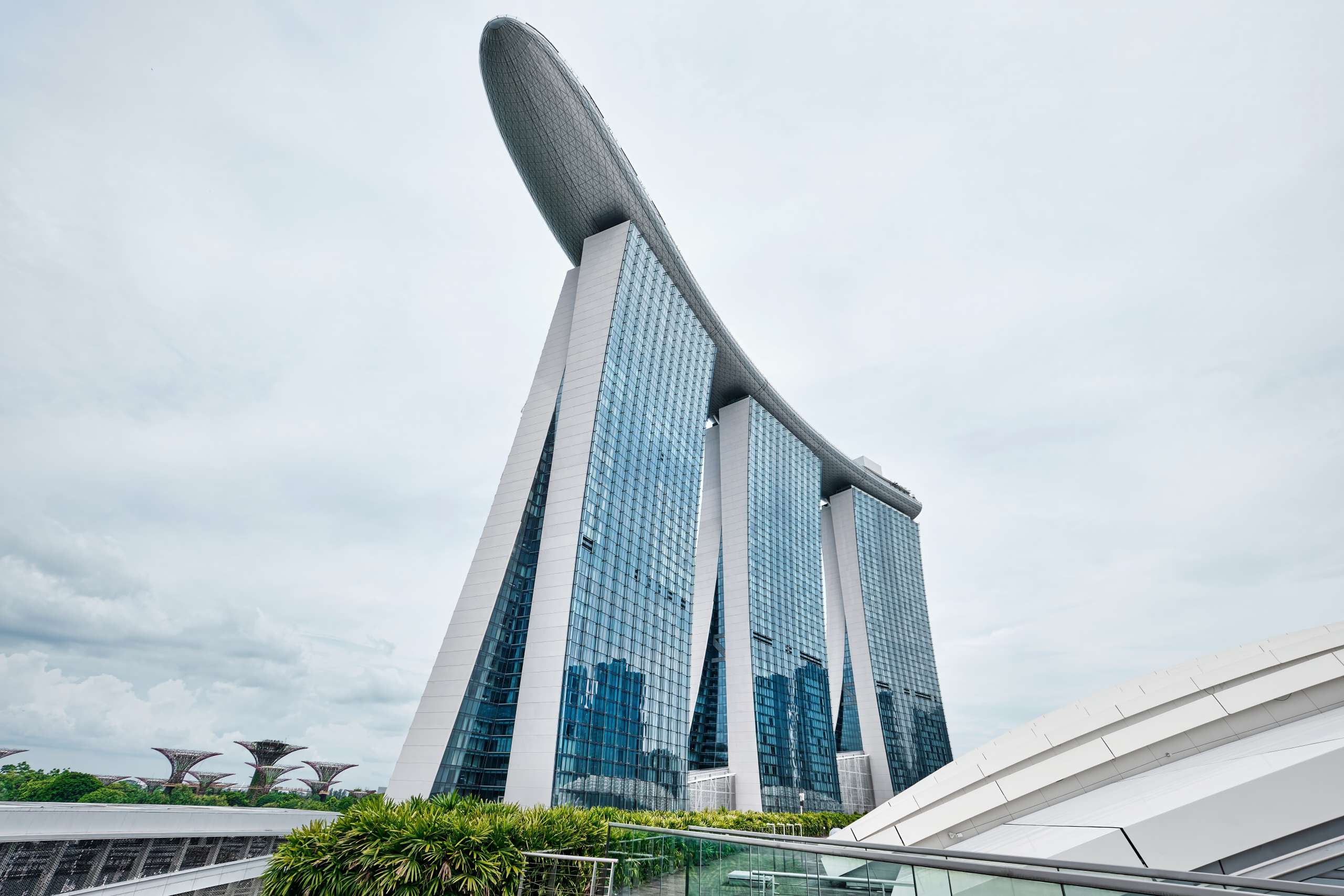
Singapore New Home Sales Surge as Buyer Confidence Returns
Singapore's residential property market regained momentum in March 2026, with new private home sales recording a sharp recovery following the Lunar New Year period. Supported by major project launches and stable economic conditions, buyer demand returned across both mass-market and luxury segments.Major Project Launches Drive Sales ActivityDevelopers sold 1,300 new private homes in March, representing a significant increase from the previous month and marking one of the strongest monthly performances in recent periods. New launches played a key role in driving activity, with projects such as Pinery Residences and River Modern attracting strong buyer interest.Demand was supported by factors such as convenient access to public transport, established amenities, and attractive locations, highlighting the continued importance of connectivity and lifestyle convenience in buyer decision-making.OCR Continues to Lead Buyer DemandA notable trend in March was the strong performance of the Outside Central Region (OCR), which accounted for more than half of total new home transactions. This reflects continued demand for homes offering greater affordability and value compared to central locations.At the same time, the Core Central Region (CCR) and Rest of Central Region (RCR) also recorded healthy activity, indicating that demand remains broad-based across different segments of the residential market.Luxury Segment Shows Renewed StrengthThe luxury residential market also staged a recovery, with a significant increase in transactions involving properties priced above S$5 million. High-net-worth buyers continued to show interest in premium developments, supported by Singapore's reputation as a stable and attractive wealth preservation destination.The return of activity in both mass-market and luxury segments suggests confidence remains healthy despite a more selective global investment environment.OutlookSingapore's property market is expected to remain active through the second half of 2026. Upcoming launches, stable employment conditions, and manageable mortgage rates should continue supporting buyer demand. While market activity may moderate from March's exceptionally strong performance, the outlook remains positive, particularly for well-located projects that offer strong connectivity, amenities, and long-term value.Download to see insights from other country marketsDownload
16 June
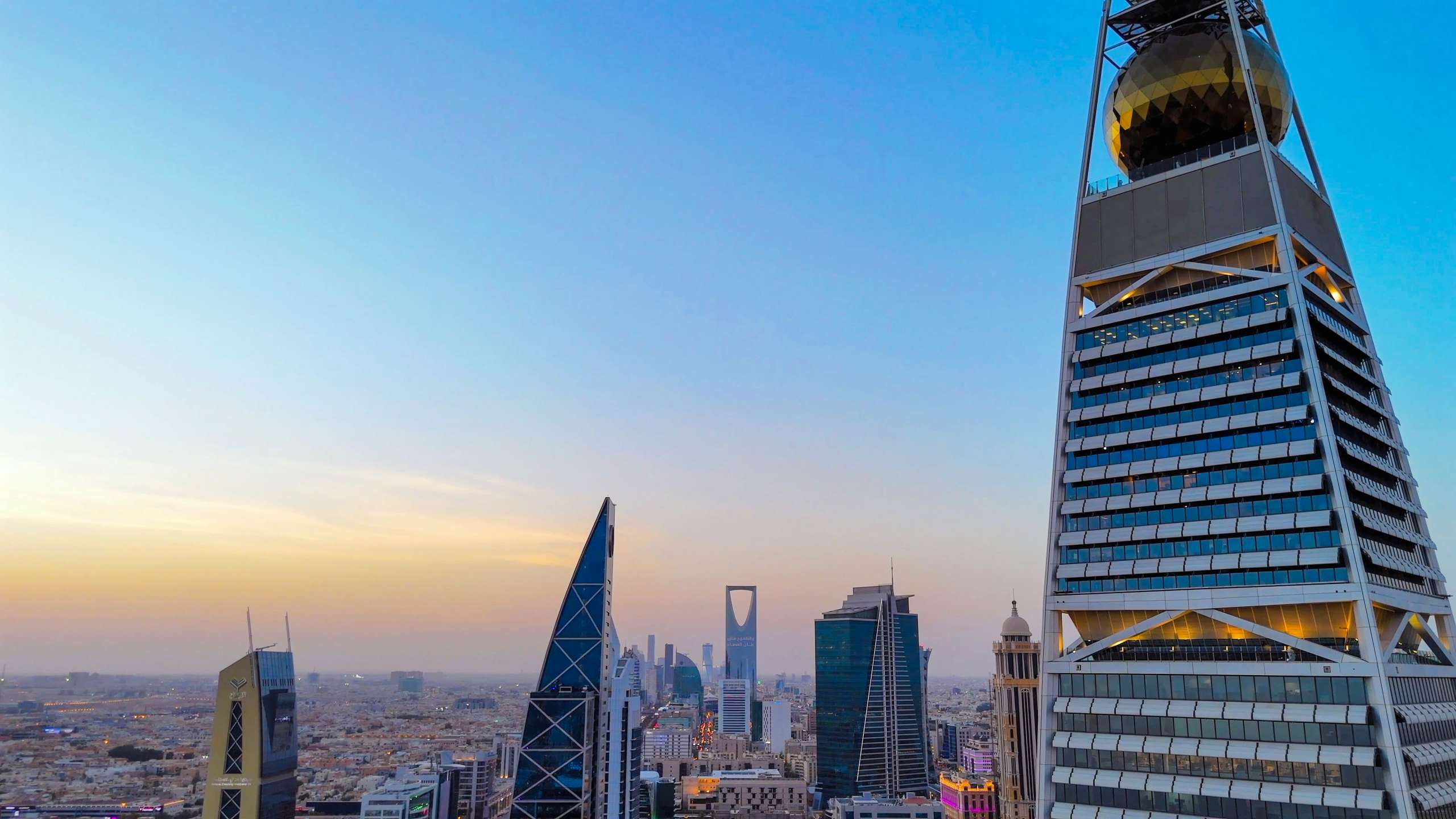
Saudi Arabia Property Market 2026: Vision 2030 Continues to Drive Growth
Saudi Arabia's real estate market remains one of the strongest-performing sectors in the Middle East, supported by economic diversification, large-scale infrastructure investment, and the continued implementation of Vision 2030. Demand across residential, commercial, and industrial segments remains healthy, with major cities such as Riyadh and Jeddah continuing to lead market activity.Residential Demand Remains StrongThe residential sector continues to benefit from population growth, housing initiatives, and rising demand for quality homes. Residential property sales increased by 10% year-on-year, while average home prices rose by 5%, reflecting healthy market fundamentals.Riyadh remains the dominant residential market, accounting for more than half of total sales activity, while Jeddah continues attracting demand for both apartments and premium residential developments.Commercial and Industrial Activity ExpandsCommercial real estate continues to strengthen as business activity grows across the kingdom. Office vacancy rates have improved significantly, while Grade A office space in Riyadh and Jeddah continues to attract strong occupier demand. Retail and logistics sectors are also benefiting from expanding consumer activity and e-commerce growth.The industrial sector remains a major growth driver, with industrial land sales increasing by 20% year-on-year. Demand for warehouses, logistics facilities, and manufacturing-related infrastructure continues rising as Saudi Arabia strengthens its role as a regional industrial and supply chain hub.Infrastructure Projects Continue to Shape GrowthLarge-scale development projects remain central to Saudi Arabia's long-term real estate strategy. Major initiatives such as the Riyadh Metro are improving urban connectivity and supporting surrounding property values, while flagship developments like NEOM continue attracting international attention and investment.These projects are helping create new economic centres while supporting demand across residential, commercial, and industrial property segments.OutlookSaudi Arabia's property market is expected to maintain positive momentum throughout the second half of 2026. Supported by Vision 2030 initiatives, infrastructure development, and increasing private-sector participation, the market remains well-positioned for long-term growth. Residential demand, commercial expansion, and industrial development are expected to continue driving opportunities across the kingdom.Download to see insights from other country marketsDownload
16 June

Why Industrial Real Estate Is the Bright Spot in the Philippines Property Market
The Philippines property market faced a more challenging environment in early 2026 as inflation, higher interest rates, and rising living costs weighed on consumer sentiment and investment activity. While some sectors remain under pressure, industrial and logistics real estate continues to stand out as the market's strongest-performing segment.Residential Market Remains ChallengingThe residential sector continues to face headwinds from higher borrowing costs and affordability concerns. A large inventory of unsold condominium units, combined with rising mortgage rates, has slowed buyer activity across several urban markets.Despite these challenges, demand remains relatively resilient in regional growth centres and master-planned transit-oriented communities, where long-term infrastructure improvements continue to support buyer interest. End-users remain focused on affordability, connectivity, and long-term value rather than speculative purchases.Commercial Sector Shows Mixed RecoveryThe commercial property market is gradually recovering, although performance remains uneven across sectors. Prime office locations continue to attract demand, particularly in established business districts where vacancy rates are expected to improve.Retail activity is also showing signs of recovery, supported by experiential retail concepts and international brands. However, the hospitality sector continues to face challenges as tourism recovery remains slower than expected in some areas.Industrial and Logistics Lead GrowthAmong all property sectors, industrial and logistics real estate remains the strongest performer. Continued investment in manufacturing, warehousing, and logistics infrastructure is supporting demand for industrial space, particularly within strategic growth corridors.The development of New Clark City and the Clark-Pampanga corridor continues to strengthen the region's position as a key industrial and logistics hub. Rising industrial rents and ongoing investment commitments highlight the sector's growing importance within the country's long-term economic development strategy.OutlookWhile inflation, interest rates, and affordability concerns may continue creating short-term challenges, the Philippines' long-term property fundamentals remain intact. Supported by infrastructure investment, urbanisation, and demographic growth, the market continues to offer opportunities for investors focused on long-term value. Industrial and logistics assets, along with strategically located commercial and residential developments, are expected to remain among the most resilient sectors through the remainder of 2026.Download to see insights from other country marketsDownload
16 June

People’s Financial Guide June: Why Real Estate Remains a Strong Wealth Protection Strategy
Global economic uncertainty continues to influence investment decisions in 2026. Rising energy prices, inflation concerns, and geopolitical tensions are increasing living costs and creating a more cautious investment environment. While global growth remains positive, investors are increasingly focusing on assets that can preserve wealth and generate stable long-term returns.Real Estate Remains a Core Wealth-Building AssetOne of the strongest themes emerging this year is the continued appeal of real estate as a long-term wealth preservation strategy. Unlike cash, which may gradually lose purchasing power during inflationary periods, property can provide both capital appreciation and recurring rental income.Several markets continue attracting investor attention due to their growth potential and attractive yields. Destinations across Southeast Asia and Turkey remain particularly appealing, offering a combination of affordability, tourism demand, infrastructure development, and competitive rental returns.Markets such as Bali, Thailand, Vietnam, and Malaysia continue to benefit from strong demand drivers, making them popular choices for investors seeking income-producing assets and long-term growth opportunities.Diversification Becomes More ImportantWhile property remains a key investment pillar, diversification continues to play an important role in managing risk. Investors are increasingly allocating capital across different asset classes, including gold, global index ETFs, bonds, and real estate, rather than relying on a single investment strategy.Gold remains a popular safe-haven asset during periods of uncertainty, while ETFs and bonds offer accessible ways to build diversified portfolios and generate more stable returns.For newer investors, maintaining emergency savings and taking a long-term approach remain essential foundations of successful wealth building.Focus on Long-Term FundamentalsPeriods of uncertainty often create anxiety among investors, but history consistently shows that long-term discipline tends to outperform short-term reactions. Rather than attempting to predict every market movement, successful investors focus on asset quality, diversification, and sustainable growth drivers.The combination of rising global wealth, urbanisation, infrastructure development, and demand for quality real assets continues to support long-term investment opportunities across multiple markets.OutlookThe second half of 2026 is likely to remain shaped by inflation concerns, geopolitical developments, and evolving economic conditions. However, opportunities continue to emerge for investors who focus on fundamentals rather than short-term market noise. Real estate, diversified portfolios, and disciplined financial planning remain among the most effective tools for protecting and growing wealth over the long term.Discover More HereDownload
16 June
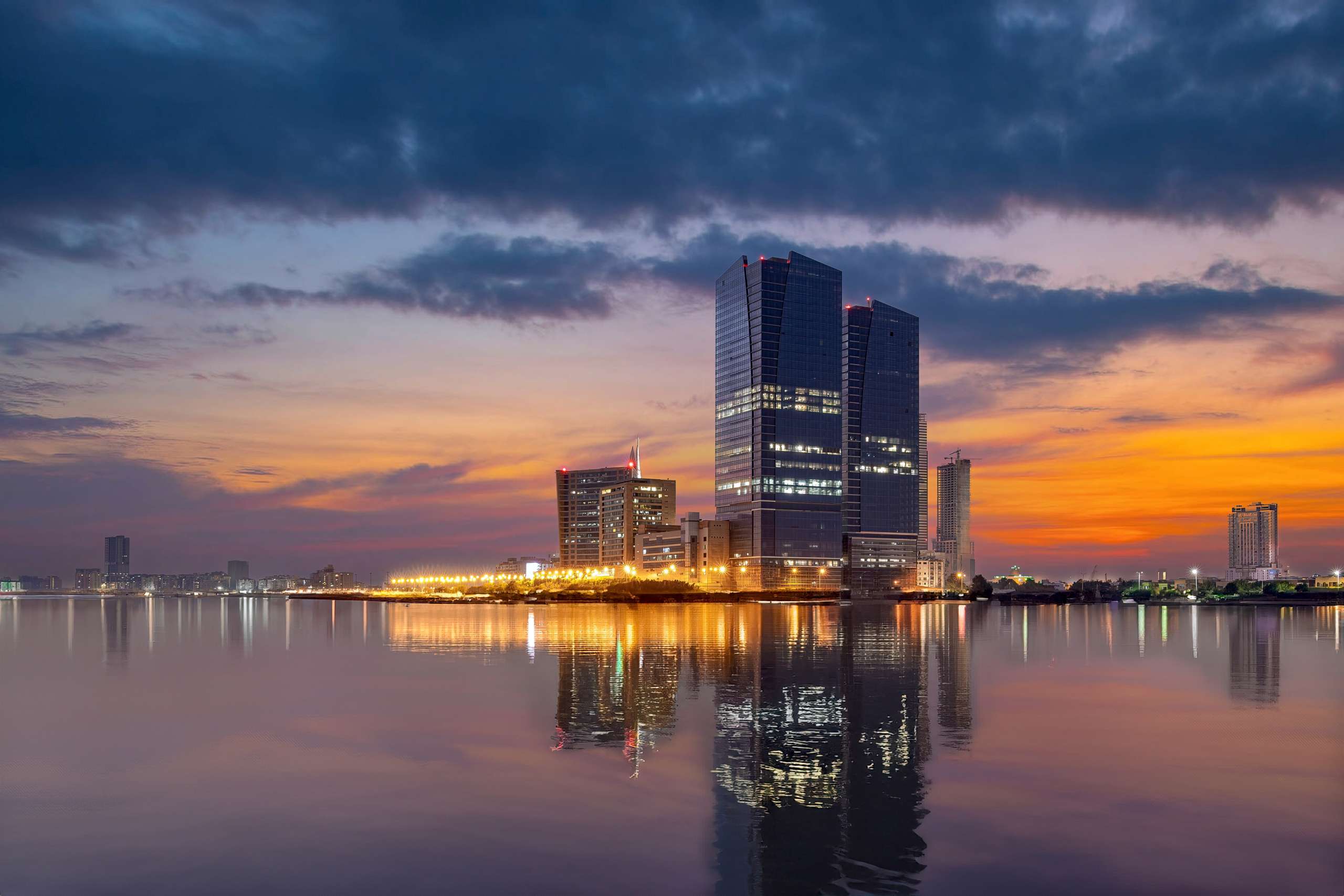
Karachi Property Market 2026: Investors Shift Towards Yield and Income Assets
Karachi's property market remained resilient through April and May 2026, with home prices continuing to rise despite a more cautious investment environment. While transaction activity has moderated, demand remains supported by end-users and investors increasingly focused on income generation rather than speculative gains.Property Prices Remain StableResidential prices in Karachi continued to show strength, with average home values recording steady growth over the past year. Premium locations, particularly within DHA Phase 8, remained among the strongest-performing segments, while sea-facing apartments continued attracting buyers seeking quality residential assets and long-term value preservation.Despite broader economic uncertainty, the market's ability to maintain pricing stability reflects continued confidence in well-located residential properties.Investors Focus on Yield Over SpeculationOne of the biggest shifts in 2026 has been the move away from speculative land investments towards assets capable of generating consistent income. Higher interest rates, inflation concerns, and changing market conditions have encouraged investors to prioritise rental-producing residential units, commercial plazas, and mixed-use developments.Income-generating properties are increasingly attracting attention due to their ability to provide stable cash flow and stronger risk-adjusted returns in a more selective investment environment.Key Locations Continue to Attract DemandEstablished communities such as DHA and Clifton remain among Karachi's most sought-after property markets, supported by strong rental demand, end-user activity, and long-term appreciation potential. Commercial districts are also gaining attention as businesses expand and demand for quality commercial space continues to grow.At the same time, emerging areas and infrastructure-led developments continue to attract investors seeking future growth opportunities, particularly in locations with improving connectivity and planned urban expansion.OutlookKarachi's property market is expected to remain stable through the second half of 2026. While higher financing costs may continue limiting speculative activity, demand for quality residential and income-producing assets should remain resilient. As investors increasingly prioritise yield, cash flow, and long-term fundamentals, markets with strong rental demand and established infrastructure are likely to outperform.Download to see insights from other country marketsDownload
16 June
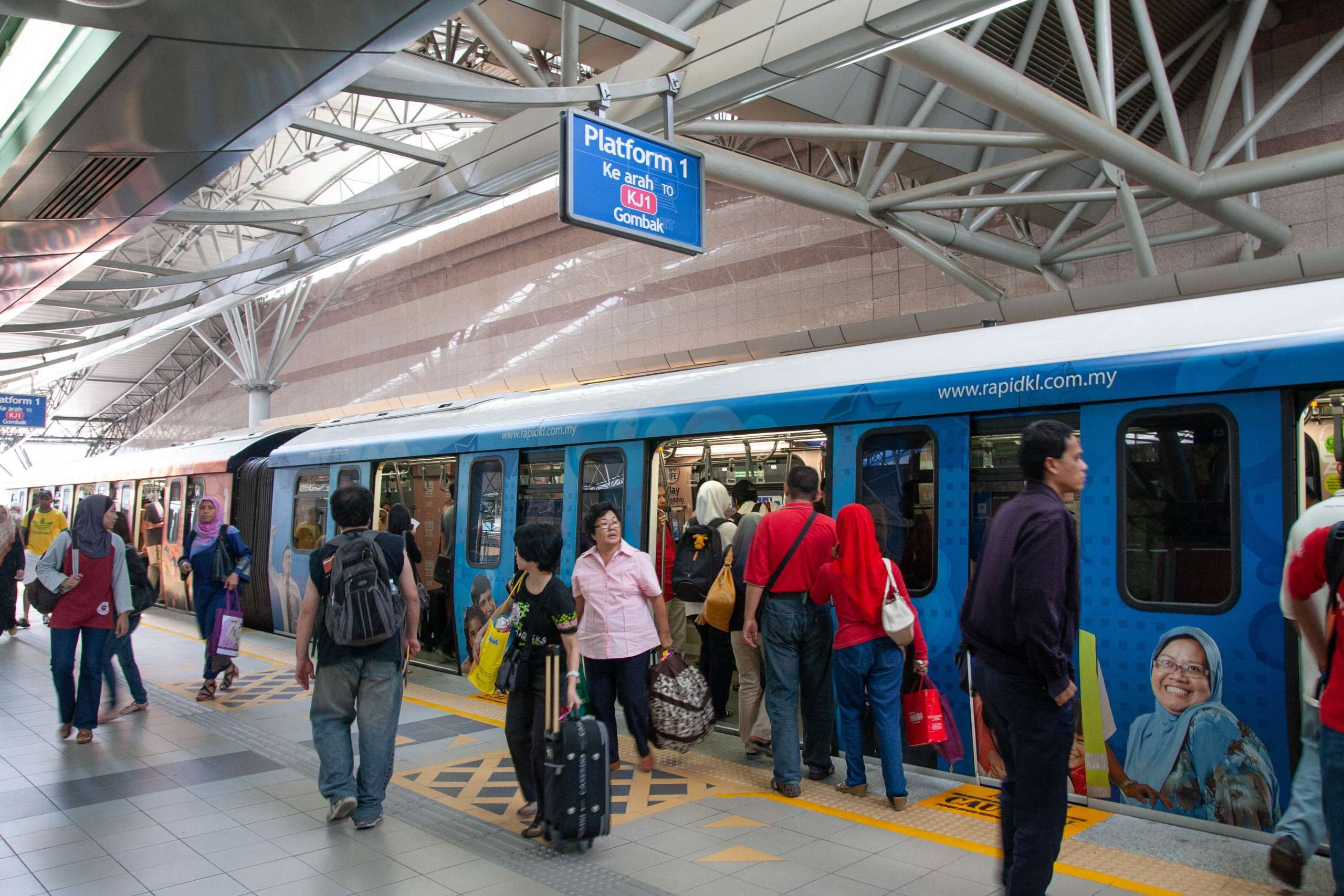
Malaysia TOD Properties 2026: Why Transit Connectivity Is Becoming a Defensive Investment Advantage
Malaysia's property market is entering a new phase where connectivity is becoming just as important as location. As fuel subsidy rationalisation, transport costs, toll charges, and vehicle ownership expenses continue to rise, buyers and investors are increasingly evaluating properties based on the real cost of daily commuting rather than distance alone.This shift is strengthening demand for transit-oriented developments (TODs) located near MRT, LRT, KTM, and future rail networks, positioning them as one of the most resilient segments of the residential market.Rising Mobility Costs Are Changing Property DecisionsFor many households, commuting costs extend far beyond petrol expenses. Parking fees, toll charges, vehicle maintenance, depreciation, and time spent in traffic all contribute to the overall cost of living.As these expenses increase, homes located near major public transport networks become more attractive. Properties with strong transit connectivity can offer meaningful monthly savings while improving convenience, making them increasingly appealing to both owner-occupiers and tenants.TOD Properties Offer Stronger Rental AppealThe growing focus on transport affordability is also benefiting the rental market. Tenants are increasingly factoring commuting costs into their housing decisions, creating stronger demand for properties with direct access to rail networks and employment hubs.However, not every property near a station will perform equally. The strongest TOD assets typically combine walkability, mature amenities, job accessibility, quality management, and competitive pricing. These factors help support long-term occupancy, rental demand, and value retention.Connectivity Becomes a Long-Term Value DriverWhile suburban properties can continue to perform well through factors such as school catchments, land scarcity, and community infrastructure, connectivity is becoming a more important driver of future property value.As transportation costs remain elevated, properties that reduce commuting expenses may enjoy stronger demand and greater resilience across market cycles.OutlookTOD properties are expected to remain one of the most attractive residential investment themes in Malaysia throughout 2026. As households place greater emphasis on mobility costs and convenience, demand for well-connected developments should continue to strengthen. For buyers and investors, evaluating a property's proximity to public transport may become just as important as assessing its price, size, or location.Download to see insights from other country marketsDownload
16 June
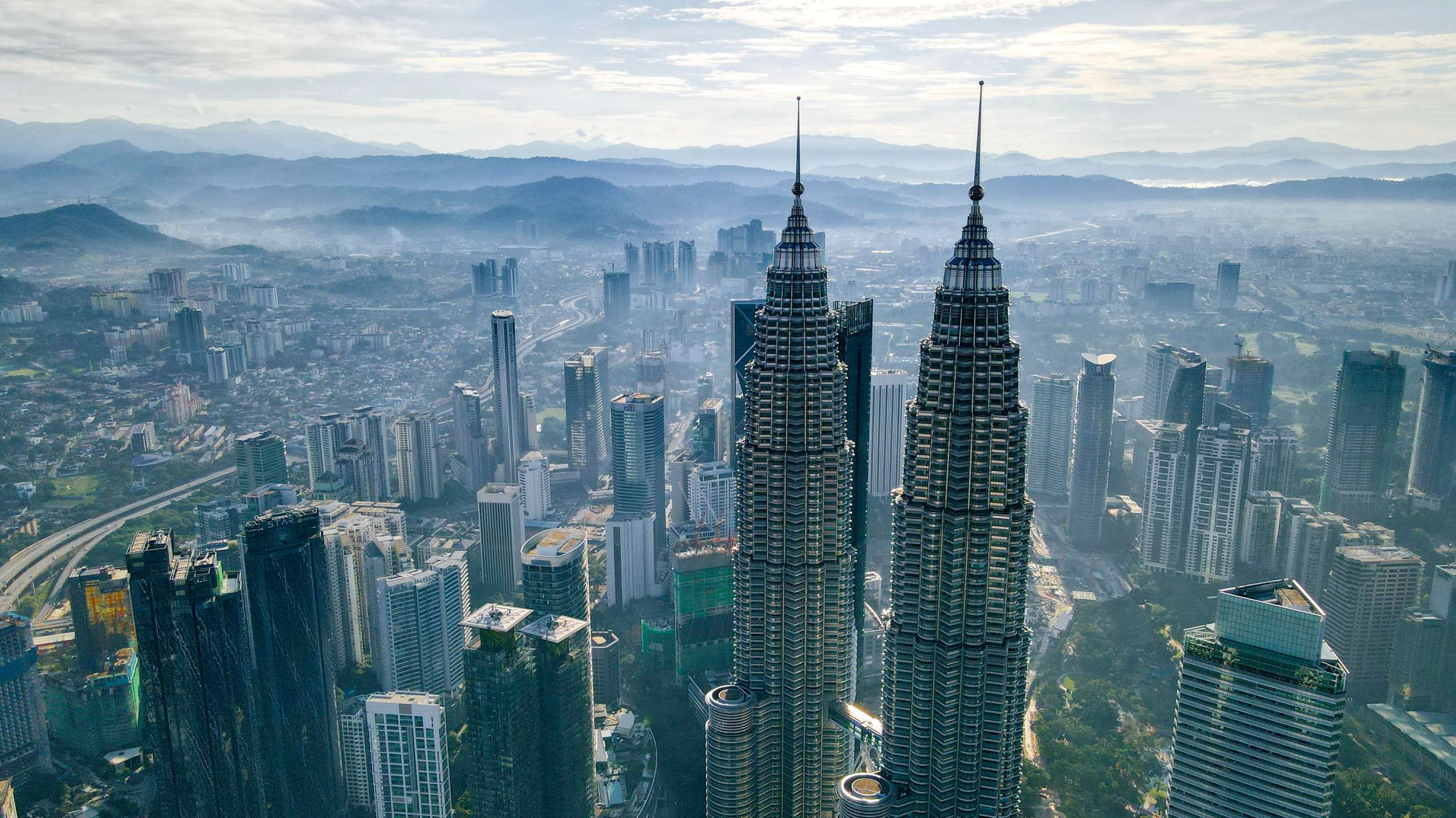
Juwai Insights: Central KL Rents Stabilise After Reaching Record Highs
Central Kuala Lumpur's rental market is entering a more stable phase after experiencing one of its strongest rental growth cycles in recent years. Following a sharp increase in rents during 2024, rental rates across key city-centre postcodes have begun to moderate, signalling a healthier and more sustainable market environment.Rental Growth Normalises After Strong GainsAccording to IQI transaction data, average rents in Central Kuala Lumpur peaked in early 2024 after reaching a seven-year high. Rental rates rose significantly during the post-pandemic recovery period, supported by the return of expatriates, stronger economic activity, and growing demand for city-centre living.However, rental growth has since started to stabilise as market conditions normalise. While rents remain elevated compared to previous years, the pace of growth has slowed, creating a more balanced environment for both landlords and tenants.Luxury Properties Continue to Influence Market AveragesOne of the key factors behind the rental spike was the strong performance of luxury residential developments. Premium projects in locations such as Banyan Tree Signatures Pavilion, Four Seasons Place, St Mary Residences, and Hampshire Park achieved some of the highest rental rates in the city due to their prime locations, direct access to lifestyle amenities, and proximity to major business districts.This highlights an important market dynamic: headline rental averages are often influenced by a relatively small number of ultra-luxury transactions rather than broad-based rental increases across all property segments.Affordability Remains Available Across the MarketDespite rising averages, Central Kuala Lumpur continues to offer a wide range of rental options. While luxury units can command rents above RM10,000 per month, many tenants continue to secure quality accommodation within the RM3,000 to RM5,000 monthly range.This suggests the market remains accessible to a broad tenant base, supporting long-term occupancy and sustainable rental demand across different property categories.OutlookCentral Kuala Lumpur's rental market is expected to remain stable throughout the second half of 2026. As unusually strong rental growth figures from 2024 gradually fall out of annual comparisons, further moderation is likely. However, continued demand for prime urban living, limited supply of high-quality units, and Kuala Lumpur's attractiveness as a regional business hub should continue supporting rental values over the long term.Discover More HereDownload
16 June

Italy Property Market 2026: Prime Cities Lead Growth as Buyers Become More Selective
Italy's property market remains resilient in 2026, supported by steady price growth, healthy rental demand, and continued interest in major urban centres. While buyers are becoming more selective, strong fundamentals in key cities continue to support long-term investment opportunities across the country.Prime Cities Continue to OutperformOne of the clearest trends in 2026 is the growing gap between Italy's prime cities and more affordable regional markets. Milan remains the country's premium property market, with average asking prices exceeding €6,500 per square metre, while Florence, Rome, and Bologna continue attracting demand from both local and international buyers.These cities benefit from strong tourism activity, established business centres, international demand, and limited housing supply, helping support stable price growth despite a slower economic environment.Buyers Focus More on Value and Rental PotentialWhile transaction activity remains healthy, buyers are becoming more cautious and selective. Market participants are placing greater emphasis on location quality, transport accessibility, rental demand, and long-term investment potential rather than simply chasing lower prices.Rental demand continues to be a major support for the market. Cities such as Milan and Florence benefit from strong tenant demand and premium rental pricing, while more affordable markets including Turin, Genoa, Palermo, and Catania are attracting investors seeking higher yields and lower entry costs.Stable Market with Long-Term OpportunitiesItaly is increasingly being viewed as a market driven by fundamentals rather than speculation. Existing homes continue to outperform new developments, reflecting stronger demand for established properties in mature neighbourhoods. At the same time, a wide range of entry points allows investors to choose between premium capital growth markets and more affordable yield-focused locations.This diversity remains one of Italy's key strengths, offering opportunities across multiple buyer profiles and investment strategies.OutlookItaly's property market is expected to remain stable throughout the second half of 2026. While price growth may moderate compared to previous years, strong rental demand, international buyer interest, and limited supply in major cities should continue supporting market fundamentals. For investors, success will increasingly depend on selecting the right city, location, and asset quality rather than relying on broad market growth.Download to see insights from other country marketsDownload
16 June

