20+
ตลาด
เข้าถึงโอกาสการลงทุนทั่วเครือข่ายนานาชาติของ IQI

ยินดีต้อนรับ! ฉันคือ JIQI. 👋
ฉันสามารถช่วยคุณได้อย่างไรวันนี้? 😊
กรุณาเลือกหนึ่งจากต่อไปนี้

JIQI can make mistakes. Always verify listings and prices with an IQI agent before making any property decisions.
สำหรับนักลงทุนอสังหาริมทรัพย์
ติดต่อทีมลงทุนของเราเพื่อค้นหาโอกาสที่เน้นผลตอบแทน ครอบคลุมทั้งตลาดซับเซล การประมูล และโครงการเปิดใหม่
พูดคุยกับทีมลงทุนทำไมต้องลงทุนกับ IQI

เรานำเสนอโอกาสที่คัดกรองจากผลตอบแทนการเช่าและศักยภาพการเติบโตของเงินทุน ไม่ใช่เพียงราคาที่ประกาศขาย
ทำความเข้าใจราคาซื้อขายเปรียบเทียบ ความต้องการเช่า และผลงานที่ผ่านมาของโครงการอย่างชัดเจน ก่อนตัดสินใจลงทุน
เข้าถึงโอกาสที่ผ่านการคัดกรองแล้วทั่วตลาดในเครือข่ายของ IQI ไม่จำกัดเพียงประเทศบ้านเกิดของคุณ
ตลาด
เข้าถึงโอกาสการลงทุนทั่วเครือข่ายนานาชาติของ IQI
ประเภทของทรัพย์ที่ประกาศขาย
ทรัพย์ซับเซล การประมูล และโครงการเปิดใหม่ในที่เดียว
ที่ปรึกษาส่วนตัว
จุดติดต่อเดียวสำหรับพอร์ตอสังหาริมทรัพย์ทั้งหมดของคุณ
การคัดสรรรายชื่อทรัพย์
คัดกรองจากผลตอบแทนและศักยภาพการเติบโต ไม่ใช่เพียงราคา
ตัวเลือกของคุณ
ทรัพย์ที่มีอยู่แล้ว พร้อมปล่อยเช่าหรือขายต่อได้ทันที เหมาะสำหรับผลตอบแทนในระยะสั้น
ทรัพย์ของธนาคารและทรัพย์จากการประมูลของศาล ซึ่งมักมีราคาต่ำกว่าตลาด เหมาะสำหรับการเติบโตของเงินทุน
โครงการจากผู้พัฒนาในราคาเปิดตัว พร้อมแผนการผ่อนชำระเป็นขั้นตอน เหมาะสำหรับการเพิ่มมูลค่าในระยะยาว
ควรลงทุนที่ไหน
| พื้นที่ | ราคาต่อตารางฟุต | ผลตอบแทนจากการเช่า |
|---|---|---|
| KLCC | RM1,000+* | ~4.9%* |
| Johor Bahru | RM500-800* | 5-7%* |
| Penang (Georgetown) | RM400-700* | 4-5.5%* |
| Melaka | RM300-500* | - |
ลองใช้งานด้วยตัวเอง
Check the return on any opportunity before you commit.
ลองใช้งานด้วยตัวเอง
Estimate the fees to budget for on your next purchase.
ไม่มีขั้นต่ำที่กำหนดไว้แน่นอน ที่ปรึกษาของคุณจะจับคู่โอกาสให้ตรงกับงบประมาณที่คุณมี ไม่ว่าจะเป็นยูนิตซับเซลเดียวหรือพอร์ตหลายโครงการ
ได้ ที่ปรึกษาของคุณสามารถแนะนำตัวเลือกด้านการเงินควบคู่กับแต่ละโอกาสการลงทุน เพื่อให้คุณเปรียบเทียบผลตอบแทนที่แท้จริงทั้งหมดได้
ได้ นักลงทุนของเราหลายรายซื้อทรัพย์สินทางไกล สอบถามเกี่ยวกับ International Desk ของเราได้ หากคุณซื้อจากนอกประเทศมาเลเซีย
เราคัดกรองจากผลตอบแทนการเช่า ศักยภาพการเติบโตของเงินทุน และเป้าหมายที่คุณระบุ ไม่ใช่เพียงราคาที่ประกาศขาย ก่อนที่ทรัพย์ใดจะเข้าสู่รายชื่อของคุณ
จาก IQI Blog
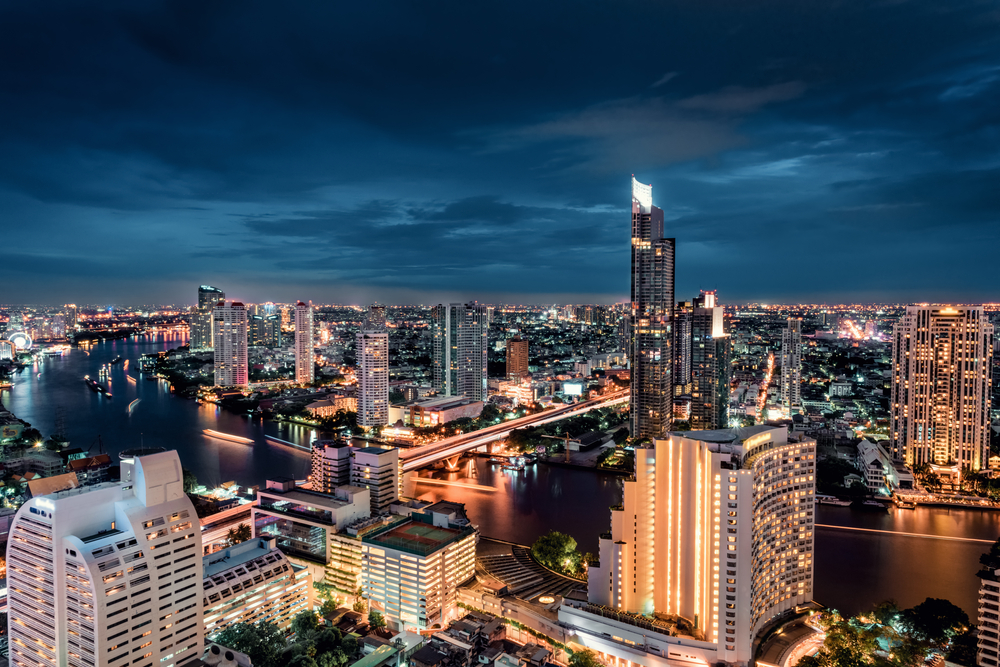 Chinese investors eye Thai properties to diversify risk
Chinese from the middle class upward are sending some of their money – and even themselves – to Thailand, particularly as China has been reopening following three difficult years under zero-Covid. Many are hoping to hedge against economic pressures at home, while building their future in an inexpensive Southeast Asian country with growth prospects. The Southeast Asian country saw a surge in popularity among Chinese investors as zero-Covid began relaxing in late 2022 and they were again able to easily travel abroad to invest. Real estate technology firm Juwai IQI says Thailand in December rose to become the No 3 global destination for Chinese property buyers, coinciding with Beijing’s relaxation of zero-Covid controls. The firm logged a 107 per cent jump in Thailand-related enquiries from Chinese buyers between the third and fourth quarters last year. After zero-Covid, Chinese investors wanted to ensure right away that they had a place to live outside China, explained Juwai IQI CEO Kashif Ansari. Read more here: South China Morning Post This article was also quoted in: info.51.ca (CN), Yahoo! News (CN) Do you need expert assistance on real estate investment? Fill out the form below to learn how to get the most out of your investment! [hubspot type=form portal=5699703 id=2380afe3-ad4c-4cfa-9abf-d3947e377bf2]
อ่านต่อ
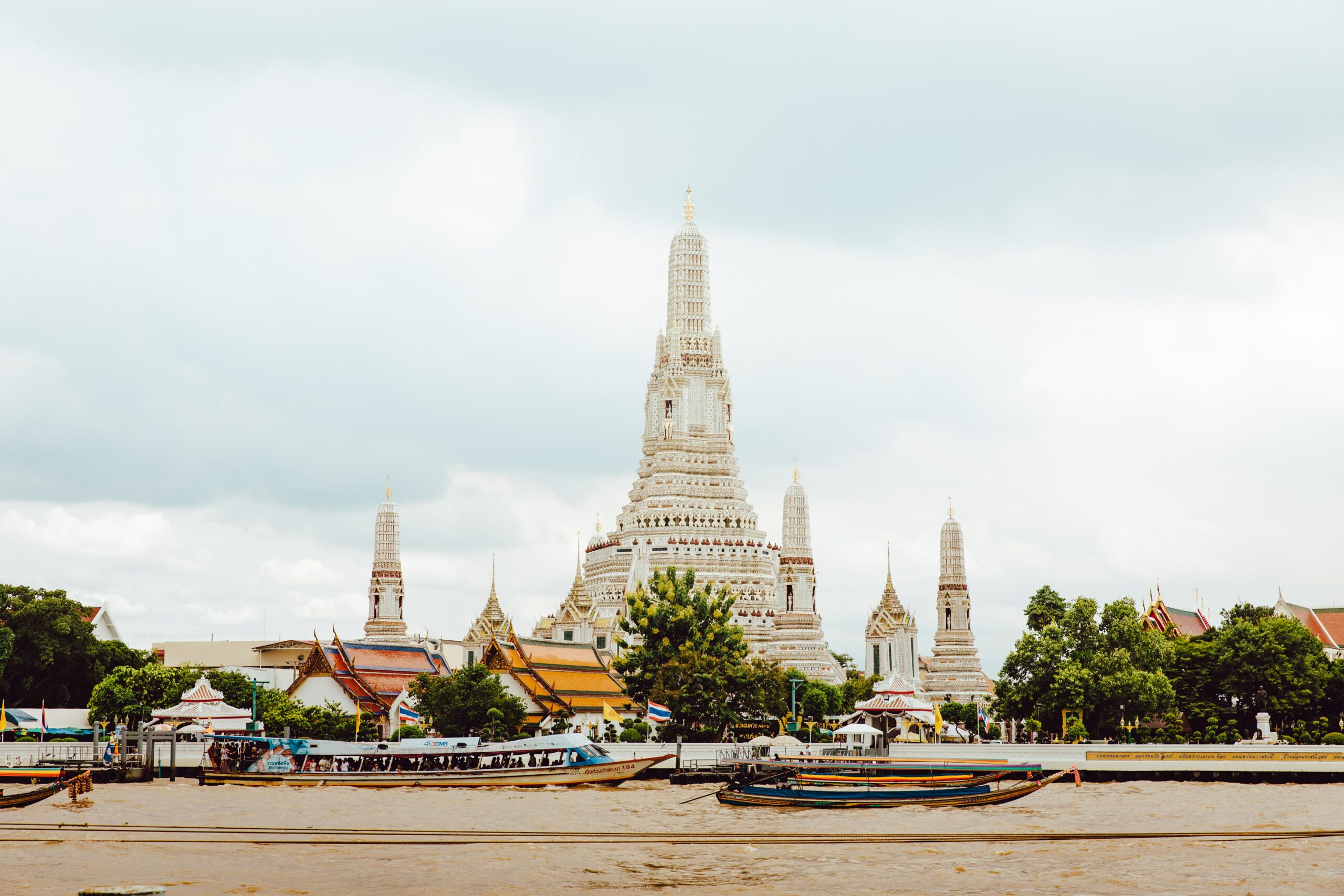 5 Pros and Cons to Investing in Property in Thailand
Before we dive into the pros and cons of investing in a property in Thailand, there are several factors to note. 1. Thailand Investment Policy For Foreigners 2. Can a Foreigner Own a Land in Thailand? 3. Pros of Investing in Property in Thailand. 4. Cons of Investing in Property in Thailand. 5. Top 3 Areas That Are Hot for Property Investment in Thailand 1. Thailand Policy of Overseas Investment "Can I Buy Property in Thailand as a Foreigner?" According to Thailand property law, foreigners are not allowed to own land in Thailand. Several options are depending on the property you wish to buy. However, foreigners can be owners of structures of Thailand land. The law authorizes the purchase in freehold and proper name of villas or in condominium developments. Pros and cons aside, here's how foreigners can get a hold of property in Thailand. There are Three Possibilities to Purchase a Land for Foreigners: 1) Foreigners Can Buy Condo Units and Have Their Names Registered on the Title Deeds, the 'Chanote' This is the most simple and hassle-free way for foreigners to own property in Thailand and they benefit from a special type of freehold title known as a Condominium Freehold. The Condominium Act B.E 1979 and its amendments, condos need to ensure the following: Only up to 49% of the condo’s registrable area can be sold to foreign buyers; “Foreign Quota”, the remaining 51% must be owned by Thai nationals or Thai entities. If the Foreign Quota of a condo is sold out, foreign buyers can only acquire units in the building on a leasehold basis. 2) Foreigners Can Buy a House, Villa or Apartment With a Long Term Contract Rental (Leasehold) One option is simply to acquire land on a leasehold basis; in Thailand the maximum lease on land is 30-years, with the possibility to have a contractual agreement for two subsequent renewals (Total of 90-years lease). Leasehold rights are registered on the chanote and can be a simple way to enjoy a property without the hassle of additional and ongoing paperwork. While a leasehold may not offer ownership, it does offer the leaseholder exclusive rights to the use of that property. 3) Foreigners Can Buy Property Through a Thailand-Based Company Thai people or companies may be owners of land and buildings constructed on this land. If the lease option does not please you, you can create a Thai company that you control, and which could legally buy land. The land will belong to the Company and as a director of the company, you will have control of the ownership of the land. But this company will be controlled by the Land Department, it shall have a real activity! You have to go through a lawyer, so that you legally guide to the legal structure of the company. 2. Can a Foreigner Own a Land in Thailand? Sometimes, pros and cons don't matter. Why? Because current Thai law prohibits foreigners from buying land freeholds, and this restriction extends to landed property such as villas and houses. However, there are other ways to acquire legal rights to land titles, as mentioned previously. However, a foreign buyer may buy freehold condominiums, which can be registered in their name at the local Land Department. Buying a property in Thailand is often leaves ex-pats frustrated and confused as to which route to take. When it comes to buying property in Thailand, there are several restrictions to keep note of: Restrictions in Purchasing Power Among Foreigners in Thailand: Foreigners can't own land in Thailand. When you buy a property such as a house, you own the house but not the land it is on. You can own a room in a condominium outright. So with these restrictions in mind, one may wonder if it is worth actually buying a house, if the land the house is on belongs to someone else. There are however, certain things you can do in order to get around the land ownership problem. Did Covid-19 Impact These Policies in Any Way? The real estate business in Phuket drew great interest from foreign investors. Many foreign tourists visit each year and have started to look at condominiums to purchase, and some also sought additional rental income when they were not in residence. Because foreign tourists are the main source of purchasing power, the pandemic is hurting the property market in Phuket. As it heavily relies on tourism, the economy of Phuket became stagnant. Even though Thai tourists continued to come, they were not enough to revive the real estate sector of Phuket. With a significant impact on movement, real estate activity has been severely compromised. Within such an uncertain situation, concerns about cash flow and the difficulties in conducting inspections have led to a fall in demand for most types of property in Phuket. Most Thai developers are postponing the launch of new condo projects to focus on clearing existing stock. Currently, the Thai government has indicated it is considering every possible measure to stimulate the property market and encourage foreign investment. The government would most likely enact these reforms for a period of three to five years. This move would be valuable for the market. Now, we can finally move on to the pros and cons of investing in property in Thailand. 3. Pros of Investing in Property in Thailand Property prices & capital appreciation Generally, properties in China, Singapore and Hong Kong are higher in cost than real estate in Phuket. Thailand’s property market also ranks as one of Asia’s most popular amongst Chinese investors. According to recent data from the online Chinese real estate portal Juwai.com, Thailand was the most popular country globally when it comes to inquiries from potential real estate buyers in 2018. The Chinese nationals were accounting for half of the international buyers in Phuket. When you buy a property in Phuket, Thailand, the value will go up (in a normal situation). The most beneficial way to buy is the significant discount off the purchase price offered to anyone buying early pre-pandemic. Phuket, Thailand and it's liberal laws for foreigners Many reasons speak for an investment in real estate in Phuket. The first reason is that you have the right to a 100% freehold. A non-Thai citizen can invest in a property in Thailand, but foreigners can legally only own a condominium freehold. You can invest in a house as long as you do it through a Thai partner. This method protects you automatically from going through complicated processes in a foreign land. Furthermore, an investment in a house in Phuket can also be a wise move concerning the future as you can easily sell the condominium under foreign freehold to other Thais or foreign investors. As the government usually sells foreign freeholds at higher prices, you have good chances of profiting from selling a unit in the future. Beautiful climate and beaches Phuket, the peninsula in the country's southwest, is known for its excellent weather, marvelous beaches, and luxurious hotels. It is certainly no wonder that many people seriously consider staying in this paradisiacal place and settle down. Older people may consider Phuket as the place to spend a relaxed and sunny retirement while eating good food and enjoying the island's incredible scenery. Read also: Why Begin Your Investment Alongside Chao Phraya River, Thailand 4. Cons of Investing in Property in Thailand Off-plan comes with attractive pre-construction discounts but with a catch There is risk of buying an off-plan property that the development may never be completed which can happen due to a lack of funds or other reasons why the demand for units dries up and it can lead to unexpected bankruptcies of development projects. Investors should make sure to have chosen developers of sound repute who are not exposing themselves to high risks. Make sure you consult with the professional real estate agent on the island regarding the pros and cons of your potential investment. Environmental Impact Assessment (EIA) needs to approve development before construction This doesn't stop developers from marketing available units in advance. Changes in legislation or unforeseen problems on the land can lead to changes, delays or even full construction freeze. The final product is not always what the marketing collaterals portray it to be Despite increasing protection of buyers by the legislation, many developers still disregard the rules and make it hard for buyers to know what the final product will look like and the quality they can expect. There is almost nothing the investor can do in such cases even though the developer is, legally, in the wrong. After weighing in the pros and cons of investment, investors need to choose the property they're interested in investing in. Luckily, there's that in abundance in Thailand. 5. Top 3 Areas That Are Hot for Property Investment No matter how you balance the pros and cons of investing in a property in Thailand, there's no denying that the areas here are beautiful and are well sought-after. Every region or district of Phuket has its charms and unique attractions. Sometimes you can find stark contrasts only five minutes down the road, so it is worth spending a little time discovering what each area has to offer. Here are some of the locations where foreigners most frequently invest or settle in Phuket: Patong The vast majority of people come to stay in Patong because it is great fun and just massively entertaining. There is a much faster pace of life than what you find on most of the island. In addition to the entertainment, Patong is difficult to beat for shopping, restaurants, supermarkets. Convenience in Patong makes property owners earn a high yield on rental in Patong very good, especially in the peak season, when the entire area is buzzing. If you buy wisely, you’re also likely to see good capital growth on your property investment. Laguna If you are attracted to real estate at Laguna Phuket, you should look into investing in Banyan Tree Holdings Limited, one of Asia’s most successful luxury hotel chains. This Singapore-based company boasts 40 resorts in 28 countries throughout Asia, America, Africa, and the Middle East. These resorts employ close to 4,600 people and feature spas, shops. Amenities and management of a world-class hotel group, combined with a championship golf course, also make Laguna properties very easy to rent out, especially in the high season. This Laguna’s collection of luxury properties is one of the most desirable locations in all of Phuket. There are spacious sea view apartments, spectacular villas with easy beach access, and condos and townhouses further inland positioned either on a lakeside or in a lush, green tropical environment. Rawai It is easy to understand why there are many new developments in Rawai. There is a good choice of condo and villa developments appearing all over the Rawai area, some inland, some closer to the beach, while others are perched on the mountain with stunning sea views. Given the area's popularity, Rawai has attracted foreign residents and now has a huge community in the area. As the population has increased so has the choice of restaurants, cafes and bars, we expect more development to follow. There are still plenty of open tracts of land ideally suited to development. This article is written by Nasupha Suwansri. Looking for your next property investment? IQI is here to address all your queries! [hubspot type=form portal=5699703 id=2380afe3-ad4c-4cfa-9abf-d3947e377bf2]
อ่านต่อ
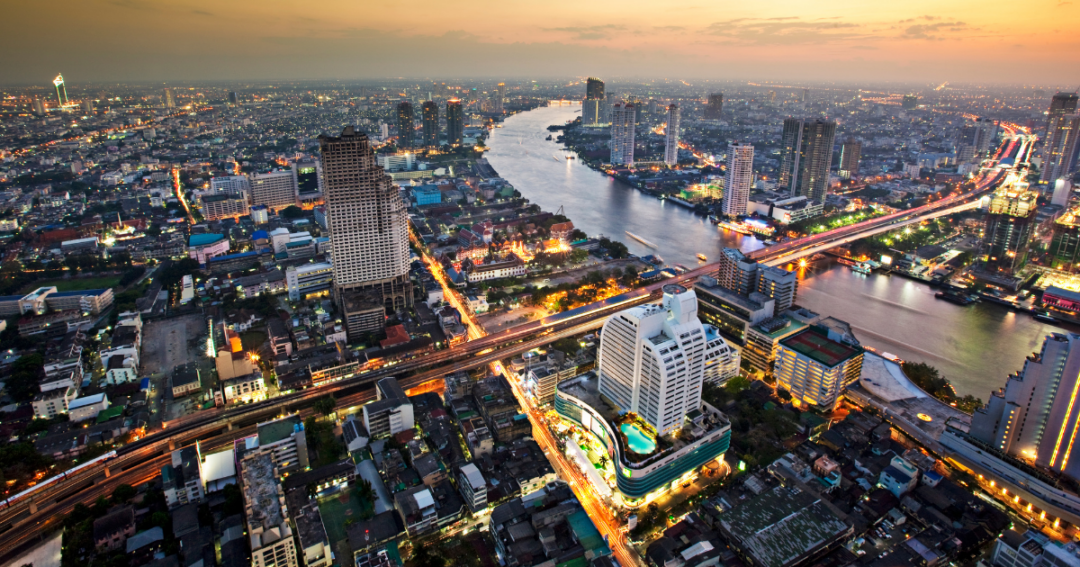 Why Begin Your Investment Alongside Chao Phraya River, Thailand
The rich history of the Chao Phraya River of Thailand is intertwined with the city. Once a site chosen by early settlers due to its fertility and abundant fish, the river is now the western banks of Thonburi. Bangkok is never far from resources for a condominium for use or investment, but the riverside has always been an ideal spot for buyers and investors alike. But why is there a demand in the rivers of Chai Phraya, Thailand? An iconic symbol for Bangkok, Thailand Chao Phraya River is an iconic symbol of Bangkok. For centuries, the Thai have used the Chao Phraya, particularly its canal system, to enrich people’s lives as a source of water. Even today, you can find embassies, five-star hotels and trading firms on the banks of the Chao Phraya River. Once again, the river grew with new trade and industry: the most attractive temple and themed shopping venue of recent years. The western part of Bangkok, which most people refer to as the Thon Buri side of the Chao Phraya River. Thonburi is a riverside community located on the western banks of the Chao Phraya River. It was the capital of Thailand for a short time in 1768. After the capital was moved across the river, Thonburi becomes one of many districts that make up the city of Bangkok, with many attractions for tourists. An abundance of attractions A great place to start for local-style eateries is Wang Lang Market, which is easy to reach by river ferry and puts you close to some offbeat attractions like Siriraj Medical Museum and Wat Rakang. Or across the Chao Phraya from Chinatown and accessible by cross-river ferry, a clutch of food stalls and shops fronting Tha Din Daeng Pier is also worth your while. Further south down the river, Khlong San Night Market is a compact cluster of clothing and food stalls with some low-key bars ideal for an early evening beer by the river. From there, you could stroll south to the art and design hub, The Jam Factory, or take the sky train west for loads of street food with a Chinese-Thai flare at Talad Phlu. In addition, a new large-scale shopping mall, Icon Siam, on the Chao Phraya River bank is included the Golden Line, which adds the appeal of the area, and Thonburi become more attractive for developers. The ideal place to start is Bangkok, Thailand. Before the expansion of mass transit, most residential projects on the western side of the river are older housing and low rise developments. Still, the new mass transit helping connects and make Thonburi close to the city's heart by offering convenient commuting to CBD areas like Silom and Sathorn. Generally, the west side of the Chao Phraya has lower and affordable prices. The area is now better connected to Central Bangkok, especially with the recent launch of the MRT Blue Line extensions and the Gold Line located on Charoen Nakhon already opened in 2021, connecting Icon Siam to Bangkok’s main mass transit connections. And as the BTS light rail continues its push west of the Chao Phraya River, the Talat Phlu area became one of the popular condominium development areas with BTS Green Line connecting Talat Phlu to CBD directly. Only 20 minutes (4-7 Stations) to CBD (Silom – Sathorn). The neighbourhood is transforming from an old fashioned and crowded commercial area into a trendy and charming leisure and lifestyle destination. Numerous developments are gentrifying the area, with a growing number of developers converting old industrial warehouses and old-style shophouses into hip leisure and entertainment venues. Introducing the Altitude Unicorn Altitude Unicorn - a luxurious condominium at the heart of Chao Phraya River, Thailand, an endless source of inspiration that gives a new perspective of life. Also, it gives new paths for business to achieve your dream and participating in your own life. Do not miss out on this opportunity to experience a luxurious lifestyle. Register and get more information about the Altitude Unicorn now. [hubspot type=form portal=5699703 id=2380afe3-ad4c-4cfa-9abf-d3947e377bf2]
อ่านต่อ
กรอกแบบฟอร์ม แล้วที่ปรึกษาการลงทุนของเราคนใดคนหนึ่งจะติดต่อกลับภายใน 24 ชั่วโมง เพื่อพูดคุยเรื่องงบประมาณ เป้าหมาย และโอกาสที่ดีที่สุดในตอนนี้
ขั้นตอนต่อไปคืออะไร
รับการจับคู่กับ Buyer Agent ส่วนตัวที่ดูแลคุณตั้งแต่การวางงบประมาณจนถึงรับกุญแจ
เริ่มต้นอาชีพของคุณในฐานะ IQI Real Estate Negotiator พร้อมการฝึกอบรมและการสนับสนุน
ทีม International Desk ของเราจะดูแลรายละเอียดข้ามพรมแดนให้คุณ

 IQI Global
Bangkok
128/405, Unit F, 37th Floor, Phyathai Plaza Building, Phyathai Road, Thung-Phyathai, Ratchathewi, Bangkok 10400, Thailand
Bueng Kham Phroi, Lam Luk Ka District, Pathum Thani 12150, Thailand
Juwai.com, Juwai.asia, IQI และ Juwai IQI เป็นเครื่องหมายการค้าของกลุ่มบริษัท Juwai IQI สงวนลิขสิทธิ์ทั้งหมด
© IQI Global 2026
This site is protected by reCAPTCHA and the Google นโยบายความเป็นส่วนตัว and Terms of Service apply.
ความเป็นส่วนตัวของคุณมีความสำคัญ!
We use cookies. See our Cookie Policy.
มีคำถาม? 😊 ฉันคือ JIQI ยินดีที่จะช่วยคุณ!