

Newsletter
Keep yourself update with our current news for Juwai IQI

Australia Property Market July 2026: Housing Momentum Slows as Buyers Gain More Choice
Australia Housing Market Slows in May 2026Australia’s housing market showed clearer signs of slowing in May, with Cotality’s national Home Value Index remaining flat. The data suggests that momentum is easing across most regions as buyers face affordability pressure, tighter borrowing capacity and broader demand-side challenges.The slowdown was most visible in Sydney and Melbourne, where dwelling values fell by 0.9% and 0.8% respectively over the month. Both cities are now below their recent market peaks recorded in November last year. The ACT also softened slightly, with values down 0.2%.However, the market remains highly uneven. Perth and Darwin recorded the strongest monthly gains at 1.5%, followed by Brisbane and Hobart at 0.9%, and Adelaide at 0.5%.Cotality Research Director Tim Lawless noted that Australia’s housing market is moving at different speeds. Over the past five years, Perth home values surged 91.4%, while Melbourne rose only 3.3%, highlighting the gap between stronger and weaker city markets.Sales activity is also cooling. National home sales over the past three months were estimated to be 2.2% lower year-on-year and 4.1% below the five-year average. Sydney and Melbourne recorded the sharpest annual falls in sales, down 17.0% and 14.2% respectively.OutlookLooking ahead, Australia’s property market is expected to remain selective rather than broadly weak. Cities with stronger population growth, tighter supply and better affordability may continue to outperform.For buyers, rising listings and softer auction clearance rates could create more room to negotiate. For sellers, realistic pricing will be increasingly important as market conditions become more balanced.Juwai IQI Newsletter July 2026 RDownload
3 July

Juwai IQI Global Real Estate Newsletter for July 2026
Global Property Markets Show Mixed but Active MomentumThe July 2026 Juwai IQI newsletter shows a global property market that remains active, but increasingly selective. Investors are still moving, yet affordability, financing costs and policy changes are shaping decisions across key markets.Australia remained firm in May, with national home values up 0.5% monthly and 2.3% annually. Perth continued to lead, recording a strong 1.5% monthly gain, supported by tight supply and steady demand.In Italy, residential prices rose 5.2% year-on-year, while sales increased 4.4%, led by Milan, Rome and Turin. Investment volume also rose sharply, reflecting renewed interest in prime and energy-efficient assets.Vietnam recorded roughly 12% year-on-year price growth in Q1 2026, supported by strong GDP growth and disciplined selling. In the Philippines, industrial and logistics demand remained one of the strongest themes, with investment pledges up 27% year-on-year.Capital Flows, Buyers and Policy ShiftsCross-border capital remains important. The newsletter notes that Chinese buyers are still Australia’s No.1 foreign buyer group, with Australia ranking first by both investor count and approved investment value.Policy is also influencing investor behaviour. Greece retained its position as the world’s No.1 destination for global wealth for the second consecutive year, supported by fast Golden Visa issuance and flexible investment options.Meanwhile, Malaysia’s market is cooling, with the average house price projected at RM507,533 in Q1 2026 and quarterly growth forecast at -0.6%, signalling a more cautious environment for speculative pricing.OutlookThe second half of 2026 will likely favour markets with clear demand drivers, limited supply and strong rental fundamentals. Investors are becoming more careful, but not inactive.For agents, developers and buyers, the key message is clear: data-led decisions, realistic pricing and stronger market positioning will matter more than ever.Discover More HereDownload
3 July

Where to Invest in 2026: Infrastructure, Stability and Real Demand Lead the Way
Global real estate is entering a more selective phase in 2026. As interest rates stabilise and inflation pressures gradually ease, investors are shifting their attention towards markets supported by infrastructure investment, population growth, and genuine end-user demand. Rather than chasing short-term momentum, capital is increasingly flowing into locations with strong long-term fundamentals.The Middle East Remains a Core AllocationThe Middle East continues to attract global investor interest, particularly in Dubai and Saudi Arabia. Dubai remains one of the world's most liquid international property markets, supported by business migration, population growth, and a favourable tax environment. While price growth is moderating, the market continues to benefit from strong long-term demand.Saudi Arabia also remains a standout market, driven by Vision 2030 reforms, infrastructure investment, and expanding housing demand. Cities such as Riyadh continue to attract both local and international investors as the kingdom diversifies its economy and accelerates urban development.Southeast Asia Benefits from Infrastructure GrowthAcross Southeast Asia, infrastructure remains one of the strongest investment themes. In Malaysia, projects such as the RTS Link, Johor-Singapore Special Economic Zone, and transit-oriented developments continue creating opportunities in well-connected locations.Vietnam is entering a more disciplined market cycle, with investors focusing on quality developments, legally secure projects, and long-term urban growth. Meanwhile, Bali continues attracting investors seeking rental income opportunities, although buyers are becoming more selective as supply increases in certain areas.India Continues to Deliver Long-Term GrowthIndia remains one of Asia's most resilient real estate markets, supported by economic expansion, technology sector growth, and strong domestic demand. Cities such as Bengaluru and Hyderabad continue benefiting from corporate expansion, infrastructure investment, and rising demand for quality residential and commercial properties.The combination of population growth, urbanisation, and increasing institutional participation continues to strengthen India's long-term investment outlook.OutlookThe second half of 2026 is expected to favour disciplined investors who focus on quality assets and market fundamentals. The Middle East offers stability and liquidity, Southeast Asia benefits from infrastructure-led growth, and India continues to deliver strong long-term demand. Across all markets, the strongest opportunities are likely to emerge in locations supported by real economic activity, connectivity improvements, and sustainable population growth rather than short-term speculation.Discover More HereDownload
16 June

Ho Chi Minh City Leads Vietnam Property Growth in 2026
Vietnam's property market continues to present a mixed but encouraging picture in 2026. While Hanoi's retail property sector is undergoing a period of adjustment, Ho Chi Minh City's residential market remains resilient, supported by limited supply, strong demand, and improving infrastructure connectivity.The contrasting performance between the two cities highlights the importance of market selection as investors navigate Vietnam's evolving real estate landscape.Hanoi's Retail Market Faces AdjustmentHanoi's prime retail corridors continue experiencing pressure as changing consumer behaviour and the growth of e-commerce reshape demand for traditional street-front retail space. Vacancy levels have become more noticeable in several key commercial areas as landlords and tenants adjust to shifting market conditions.The correction has also impacted retail-linked residential assets, with demand softening compared to previous years. Rental rates for townhouses across several submarkets have declined from their recent peaks, reflecting a more cautious operating environment for retailers and property owners.Despite these short-term challenges, Hanoi remains an important commercial centre, and the current adjustment may create opportunities for well-capitalised investors focused on long-term value.Ho Chi Minh City Continues to Lead Residential GrowthIn contrast, Ho Chi Minh City's residential market remains one of Vietnam's strongest-performing sectors. Limited new supply, improving infrastructure, and sustained buyer demand continue supporting price growth across the city.Average apartment prices in central Ho Chi Minh City reached new highs during the first quarter of 2026, driven largely by high-end and luxury developments. The shortage of mid-market housing options has also contributed to upward pressure on prices.Growth is not limited to the city centre. Formerly independent areas such as Binh Duong and Ba Ria-Vung Tau continue benefiting from expanding infrastructure and stronger regional connectivity, supporting residential demand and investment activity throughout the wider metropolitan area.Infrastructure Continues to Support Long-Term DemandOne of the strongest themes across Vietnam's property market remains infrastructure-led growth. Continued investment in transportation networks and urban expansion projects is improving accessibility between major economic centres and surrounding residential markets.As connectivity improves, suburban and emerging growth areas are becoming increasingly attractive to both homebuyers and investors seeking more affordable entry points and long-term appreciation potential.OutlookVietnam's property market is expected to remain supported by urbanisation, infrastructure investment, and long-term housing demand. While Hanoi's retail sector may continue adjusting to changing consumer trends, Ho Chi Minh City's residential market is likely to remain resilient due to limited supply and strong buyer interest. For investors, opportunities increasingly lie in understanding the differing dynamics between cities and focusing on markets supported by strong economic and infrastructure fundamentals.Download to see insights from other country marketsDownload
16 June
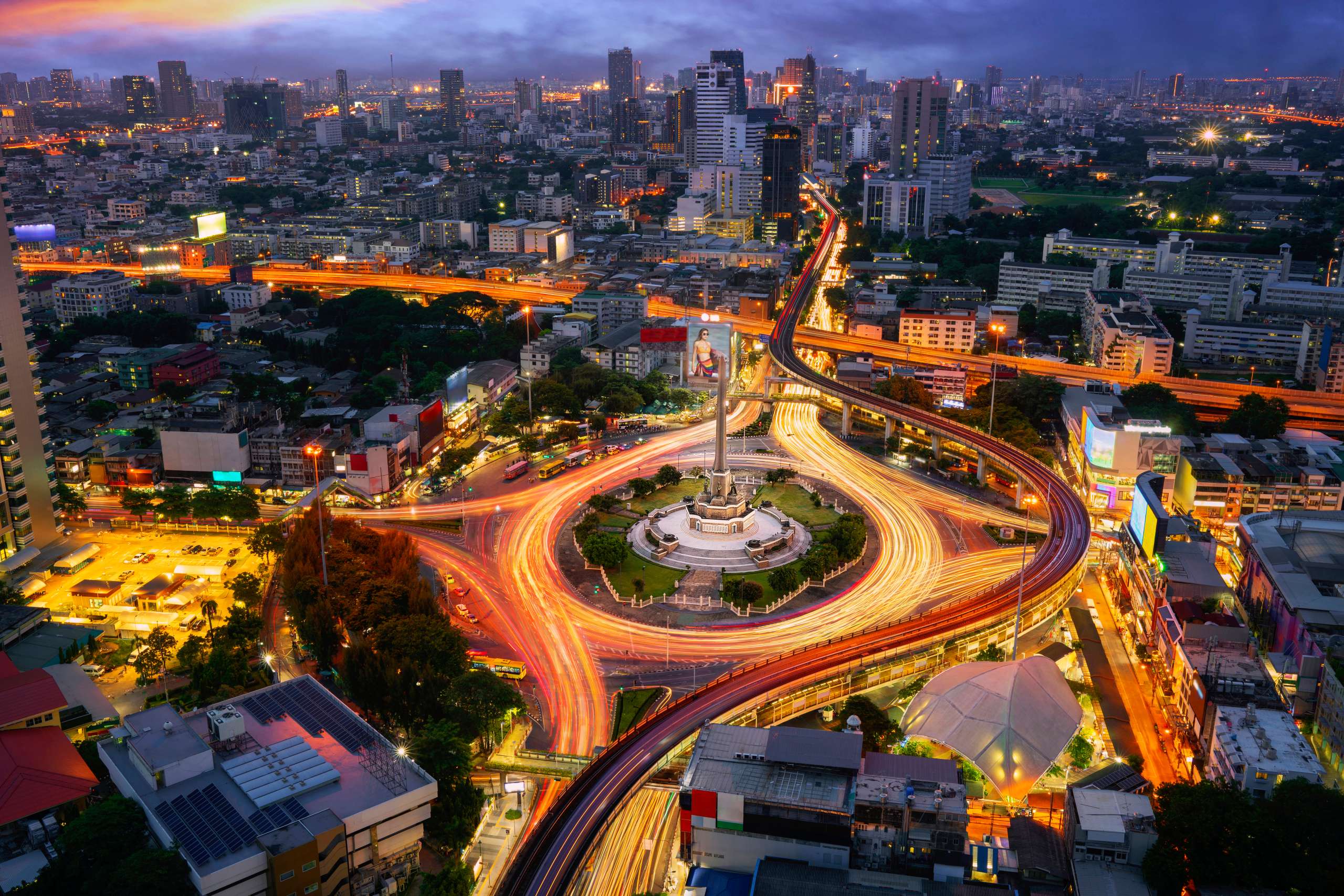
Thailand Luxury Housing Market Expands as Ultra-Wealthy Population Grows
Thailand is increasingly positioning itself as one of Asia's emerging wealth destinations, supported by a growing population of high-net-worth individuals, strong tourism recovery, and rising demand for premium lifestyle properties. As global wealth becomes more mobile, Thailand is attracting investors and affluent buyers seeking both lifestyle benefits and long-term investment opportunities.Rising Wealth Supports Luxury Property DemandA key trend shaping Thailand's property market is the rapid growth of its ultra-wealthy population. According to recent forecasts, the number of ultra-high-net-worth individuals in Thailand is expected to grow significantly over the coming decade, making it one of Asia's fastest-growing wealth markets.This growth is supporting demand for luxury residences, branded developments, wellness-focused properties, and high-end lifestyle assets, particularly among both local and international buyers.Bangkok and Phuket Remain Key Investment DestinationsThailand's strongest luxury property demand continues to be concentrated in Bangkok, Phuket, and Samui. Bangkok remains the country's financial and business hub, while Phuket and Samui continue attracting buyers seeking resort-style living, second homes, and long-term lifestyle investments.Demand is particularly strong for branded residences, waterfront homes, wellness communities, and premium condominiums, reflecting changing buyer preferences towards quality living environments and long-term value.Lifestyle and Mobility Drive Buyer DecisionsOne of the most important emerging trends is the concept of "Ultra Mobility", where wealthy individuals choose to live, work, and invest across multiple countries. Thailand benefits from this trend due to its lifestyle appeal, healthcare system, wellness offerings, hospitality sector, and relatively attractive cost of living compared to many global cities.The country's strong tourism sector, growing family office presence, and expanding luxury services ecosystem are also helping strengthen its position as a regional wealth and investment destination.OutlookThailand's luxury property market is expected to remain well-supported throughout 2026. Rising regional wealth, tourism recovery, and growing international demand should continue benefiting premium residential developments in Bangkok, Phuket, and Samui. As more affluent buyers prioritise lifestyle, wellness, and long-term residency options, Thailand is becoming increasingly attractive as both a wealth destination and a luxury real estate investment market.Download to see insights from other country marketsDownload
16 June
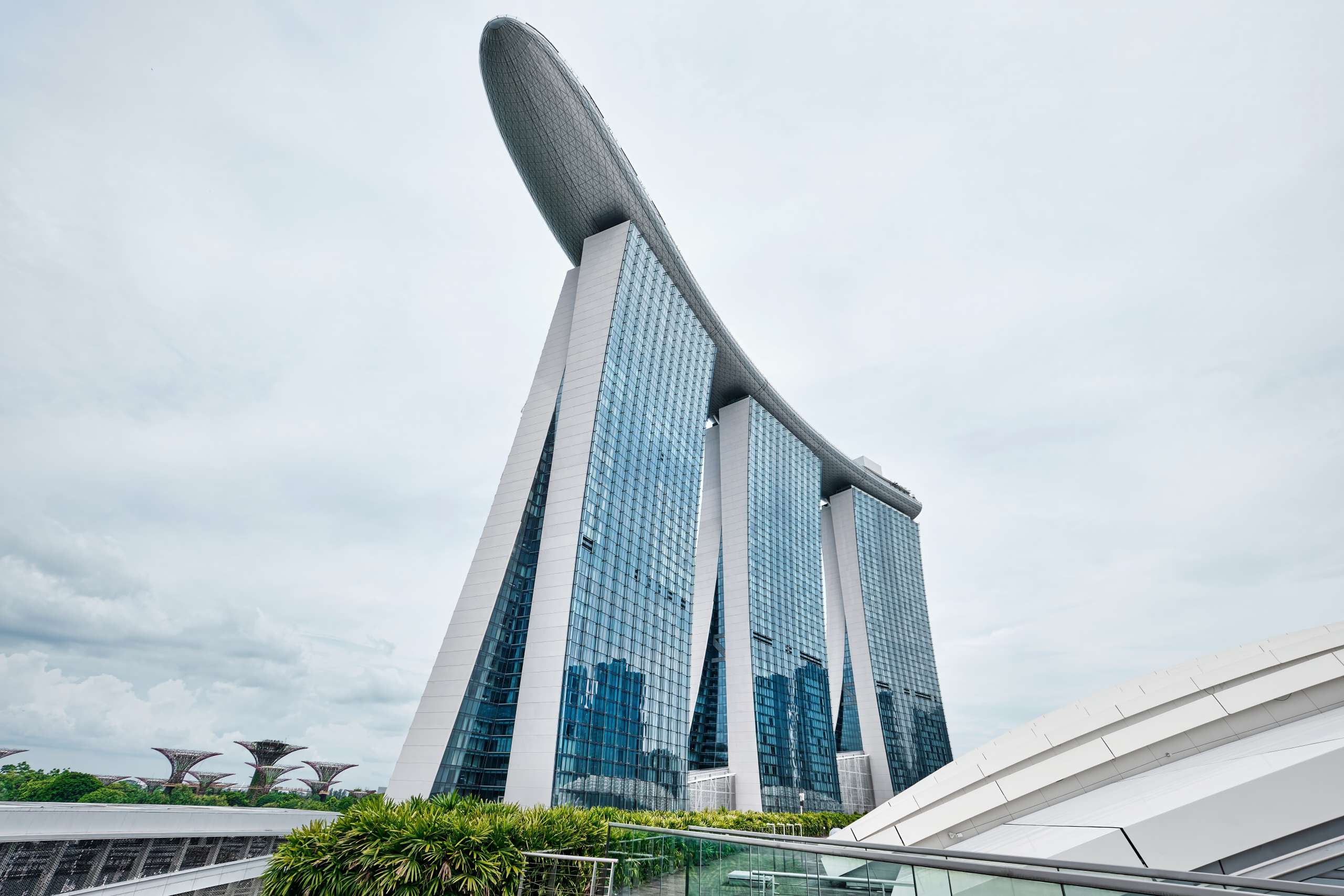
Singapore New Home Sales Surge as Buyer Confidence Returns
Singapore's residential property market regained momentum in March 2026, with new private home sales recording a sharp recovery following the Lunar New Year period. Supported by major project launches and stable economic conditions, buyer demand returned across both mass-market and luxury segments.Major Project Launches Drive Sales ActivityDevelopers sold 1,300 new private homes in March, representing a significant increase from the previous month and marking one of the strongest monthly performances in recent periods. New launches played a key role in driving activity, with projects such as Pinery Residences and River Modern attracting strong buyer interest.Demand was supported by factors such as convenient access to public transport, established amenities, and attractive locations, highlighting the continued importance of connectivity and lifestyle convenience in buyer decision-making.OCR Continues to Lead Buyer DemandA notable trend in March was the strong performance of the Outside Central Region (OCR), which accounted for more than half of total new home transactions. This reflects continued demand for homes offering greater affordability and value compared to central locations.At the same time, the Core Central Region (CCR) and Rest of Central Region (RCR) also recorded healthy activity, indicating that demand remains broad-based across different segments of the residential market.Luxury Segment Shows Renewed StrengthThe luxury residential market also staged a recovery, with a significant increase in transactions involving properties priced above S$5 million. High-net-worth buyers continued to show interest in premium developments, supported by Singapore's reputation as a stable and attractive wealth preservation destination.The return of activity in both mass-market and luxury segments suggests confidence remains healthy despite a more selective global investment environment.OutlookSingapore's property market is expected to remain active through the second half of 2026. Upcoming launches, stable employment conditions, and manageable mortgage rates should continue supporting buyer demand. While market activity may moderate from March's exceptionally strong performance, the outlook remains positive, particularly for well-located projects that offer strong connectivity, amenities, and long-term value.Download to see insights from other country marketsDownload
16 June
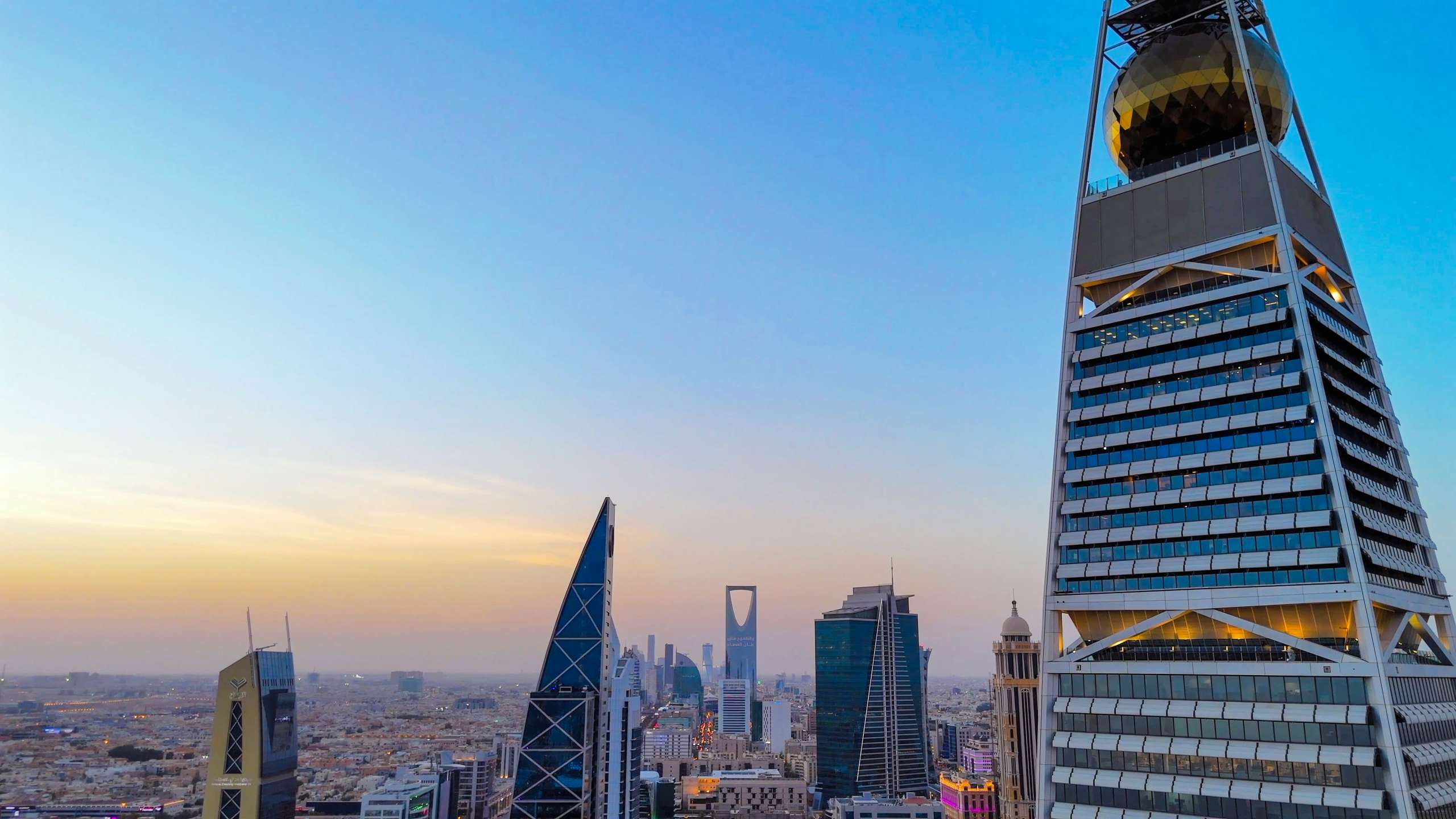
Saudi Arabia Property Market 2026: Vision 2030 Continues to Drive Growth
Saudi Arabia's real estate market remains one of the strongest-performing sectors in the Middle East, supported by economic diversification, large-scale infrastructure investment, and the continued implementation of Vision 2030. Demand across residential, commercial, and industrial segments remains healthy, with major cities such as Riyadh and Jeddah continuing to lead market activity.Residential Demand Remains StrongThe residential sector continues to benefit from population growth, housing initiatives, and rising demand for quality homes. Residential property sales increased by 10% year-on-year, while average home prices rose by 5%, reflecting healthy market fundamentals.Riyadh remains the dominant residential market, accounting for more than half of total sales activity, while Jeddah continues attracting demand for both apartments and premium residential developments.Commercial and Industrial Activity ExpandsCommercial real estate continues to strengthen as business activity grows across the kingdom. Office vacancy rates have improved significantly, while Grade A office space in Riyadh and Jeddah continues to attract strong occupier demand. Retail and logistics sectors are also benefiting from expanding consumer activity and e-commerce growth.The industrial sector remains a major growth driver, with industrial land sales increasing by 20% year-on-year. Demand for warehouses, logistics facilities, and manufacturing-related infrastructure continues rising as Saudi Arabia strengthens its role as a regional industrial and supply chain hub.Infrastructure Projects Continue to Shape GrowthLarge-scale development projects remain central to Saudi Arabia's long-term real estate strategy. Major initiatives such as the Riyadh Metro are improving urban connectivity and supporting surrounding property values, while flagship developments like NEOM continue attracting international attention and investment.These projects are helping create new economic centres while supporting demand across residential, commercial, and industrial property segments.OutlookSaudi Arabia's property market is expected to maintain positive momentum throughout the second half of 2026. Supported by Vision 2030 initiatives, infrastructure development, and increasing private-sector participation, the market remains well-positioned for long-term growth. Residential demand, commercial expansion, and industrial development are expected to continue driving opportunities across the kingdom.Download to see insights from other country marketsDownload
16 June

Why Industrial Real Estate Is the Bright Spot in the Philippines Property Market
The Philippines property market faced a more challenging environment in early 2026 as inflation, higher interest rates, and rising living costs weighed on consumer sentiment and investment activity. While some sectors remain under pressure, industrial and logistics real estate continues to stand out as the market's strongest-performing segment.Residential Market Remains ChallengingThe residential sector continues to face headwinds from higher borrowing costs and affordability concerns. A large inventory of unsold condominium units, combined with rising mortgage rates, has slowed buyer activity across several urban markets.Despite these challenges, demand remains relatively resilient in regional growth centres and master-planned transit-oriented communities, where long-term infrastructure improvements continue to support buyer interest. End-users remain focused on affordability, connectivity, and long-term value rather than speculative purchases.Commercial Sector Shows Mixed RecoveryThe commercial property market is gradually recovering, although performance remains uneven across sectors. Prime office locations continue to attract demand, particularly in established business districts where vacancy rates are expected to improve.Retail activity is also showing signs of recovery, supported by experiential retail concepts and international brands. However, the hospitality sector continues to face challenges as tourism recovery remains slower than expected in some areas.Industrial and Logistics Lead GrowthAmong all property sectors, industrial and logistics real estate remains the strongest performer. Continued investment in manufacturing, warehousing, and logistics infrastructure is supporting demand for industrial space, particularly within strategic growth corridors.The development of New Clark City and the Clark-Pampanga corridor continues to strengthen the region's position as a key industrial and logistics hub. Rising industrial rents and ongoing investment commitments highlight the sector's growing importance within the country's long-term economic development strategy.OutlookWhile inflation, interest rates, and affordability concerns may continue creating short-term challenges, the Philippines' long-term property fundamentals remain intact. Supported by infrastructure investment, urbanisation, and demographic growth, the market continues to offer opportunities for investors focused on long-term value. Industrial and logistics assets, along with strategically located commercial and residential developments, are expected to remain among the most resilient sectors through the remainder of 2026.Download to see insights from other country marketsDownload
16 June

