

All For Rent
Discover the latest project for rent
No listings here yet
We could not find any listings matching this view right now.
New listings are added regularly, so check back soon.

Be updated on new launches
Subscribe to our emails to find out about the latest property news, trends and launch dates.
Learn
Tips and Guides
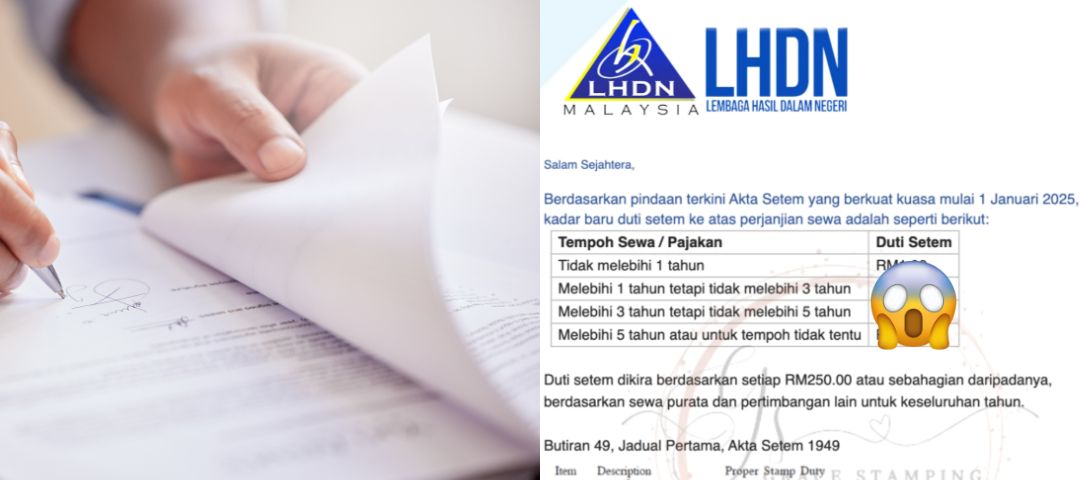 Stamp Duty Malaysia Increased in 2025! What You Need to Know!
Are you feeling lost in the maze of stamp duty or property transaction costs in Malaysia? The ever-changing rules and calculations surrounding stamp duty can feel overwhelming, leaving you anxious about making a costly mistake. But fear not! This comprehensive guide will demystify stamp duty, providing you with the clarity and confidence to navigate your property journey in Malaysia. Stamp Duty Malaysia1. Tenancy Agreement Stamp Duty (NEW)2. Deadlines and Penalties for Late Stamping (NEW)3. Understanding Stamp Duty4. Why Should You Care About Stamp Duty?5. The Different Shades of Stamp Duty: Ad Valorem and Fixed Duties6. Who Foots the Bill? Determining Liability for Stamp Duty7. Stamp Duty Rates on Instruments of Transfer in Malaysia (2025)8. Stamp Duty on Loan Agreements9. Stamp Duty Exemptions and Remissions in Malaysia10. Paying Your Stamp Duty: The STAMPS System11. Significant Changes to Stamp Duty in 2025 and Beyond12. Frequently Asked Questions (FAQs) about Stamp Duty in Malaysia: 1. Tenancy Agreement Stamp Duty (NEW) When it comes to rental properties, stamp duty is calculated based on the monthly rental and the duration of the tenancy. As of January 1, 2025, the tenancy agreement stamp duty increased in 2025. The new rates for stamp duty on rental agreements are as follows: Rental PeriodStamp DutyNot exceeding 1 yearRM1.00Exceeding 1 year but not exceeding 3 yearsRM3.00Exceeding 3 years but not exceeding 5 yearsRM5.00Exceeding 5 years or for an indefinite periodRM7.00 Source: Finance Act 2024 Stamp duty is calculated based on every RM250.00 or part thereof, depending on the average rent and other considerations for the entire year. a. Example Calculation (Based on old calculation): Let's say you're renting a property for RM1,800 per month for 3 years. Calculate Annual Rent: RM1,800 x 12 months = RM21,600 Subtract the Exemption Threshold (if applicable): RM21,600 - RM2,400 = RM19,200 (The RM2,400 threshold is no longer applicable as of January 1, 2025) Divide by RM250 and Round Up: RM21,600 ÷ RM250 = 86.4, rounded up to 87 Multiply by the Applicable Rate (RM3 for 3-year tenancy, based on old rates): 87 x RM3 = RM261 Add Stamp Duty for Tenant's Copy: RM261 + RM10 = RM271 b. Important Note The tenant is responsible for paying the stamp duty on the tenancy agreement, not the landlord. 2. Deadlines and Penalties for Late Stamping (NEW) It's crucial to pay stamp duty within the stipulated timeframe to avoid penalties. Instruments executed within Malaysia: Must be stamped within 30 days of execution. Instruments executed outside Malaysia: Must be stamped within 30 days after it has been first received in Malaysia. a. Penalties for Late Stamping (Effective from January 1, 2025): DelayPenaltyNot exceeding 3 monthsRM50 or 10% of the unpaid stamp duty, whichever is higherExceeding 3 monthsRM100 or 20% of the unpaid stamp duty, whichever is higher Source: Finance Act 2024, The Sun b. Before January 1, 2025, the old penalty rates are: DelayPenaltyNot exceeding 3 monthsRM25 or 5% of the unpaid stamp duty, whichever is higherExceeding 3 months, not exceeding 6 monthsRM50 or 10% of the unpaid stamp duty, whichever is higherExceeding 6 monthsRM100 or 20% of the unpaid stamp duty, whichever is higher Source: LHDN Malaysia, Cleartax, Finance Act 2024 c. Consequences of Unstamped or Insufficiently Stamped Instruments: Inadmissible in Court: The document will not be accepted as evidence in a court of law. Cannot Be Acted Upon by Public Officer: A public officer will not act upon an unstamped or insufficiently stamped instrument. 3. Understanding Stamp Duty Stamp duty is a tax levied on legal documents, specifically those related to the purchase or transfer of real estate, as well as tenancy, etc. in Malaysia. It's governed by the Stamp Act 1949 and overseen by the Lembaga Hasil Dalam Negeri Malaysia (LHDN), the Inland Revenue Board of Malaysia. Think of it as a mandatory fee that validates your property-related documents, making them legally binding and admissible in court. It is not merely a formality but a cornerstone of secure and legal property transactions. 4. Why Should You Care About Stamp Duty? Understanding stamp duty is not just about ticking a legal box but making informed decisions. No matter you're a first-time homebuyer, a seasoned investor, or simply transferring property to a loved one, knowing the ins and outs of stamp duty can save you significant sums of money and prevent legal headaches down the road. It directly impacts your financial planning and ensures a smooth, legally sound property transaction. 5. The Different Shades of Stamp Duty: Ad Valorem and Fixed Duties In Malaysia, stamp duty comes in two primary forms: Ad Valorem Duty: This is the most common type for property transactions. The amount payable is calculated as a percentage of the property's value or the consideration stipulated in the instrument, whichever is higher. The higher the property value, the higher the stamp duty, although there are some exemptions that we will discuss later. Fixed Duty: This type of duty applies a predetermined amount, regardless of the property's value. It's typically levied on specific legal documents, such as certain types of agreements, as outlined in the First Schedule of the Stamp Act 1949. 6. Who Foots the Bill? Determining Liability for Stamp Duty The responsibility for paying stamp duty isn't arbitrary. The Third Schedule of the Stamp Act 1949 clearly outlines who is liable for specific instruments. In most property transactions, the buyer is responsible for paying the stamp duty on the instrument of transfer (MOT) and SPA. The borrower is responsible for paying the stamp duty on the loan agreement. 7. Stamp Duty Rates on Instruments of Transfer in Malaysia (2025) The cost of stamp duty on the transfer of property, excluding shares, stock, or marketable securities, depends on whether the buyer is a Malaysian citizen/permanent resident or a foreigner/foreign company. a. For Malaysian Citizens and Permanent Residents: Price TierStamp Duty RateFirst RM100,0001%RM100,001 to RM500,0002%RM500,001 to RM1,000,0003%Above RM1,000,0004% Source: iProperty Malaysia b. For Foreign Companies, Non-Citizens, and Non-Permanent Residents: Price TierStamp Duty RateAll Price Tiers4% Source: PwC c. Example Calculation Let's say you're a Malaysian citizen buying a property for RM600,000. Here's how the stamp duty is calculated: First RM100,000: RM100,000 x 1% = RM1,000 Next RM400,000: RM400,000 x 2% = RM8,000 Remaining RM100,000: RM100,000 x 3% = RM3,000 Total Stamp Duty: RM1,000 + RM8,000 + RM3,000 = RM12,000 8. Stamp Duty on Loan Agreements When you take out a loan to finance your property purchase, the loan agreement is also subject to stamp duty. a. Standard Rate Generally, a flat rate of 0.5% of the total loan amount applies. b. Reduced Rate For specific Malaysian Ringgit loan agreements or instruments without security and repayable on demand or in a single bullet repayment, a reduced rate of 0.1% may apply. c. Example Calculation If you take out a loan of RM540,000 (90% of the RM600,000 property), the stamp duty on the loan agreement would be: RM540,000 x 0.5% = RM2,700 9. Stamp Duty Exemptions and Remissions in Malaysia Fortunately, the Malaysian government offers several exemptions and remissions to ease the financial burden of stamp duty, particularly for first-time homebuyers and specific property transfers. a. First-Time Homebuyers Exemption (i-MILIKI): This initiative aims to encourage homeownership among Malaysians. Properties valued up to RM500,000: Full stamp duty exemption on both the instrument of transfer and loan agreement. This applies to Sale and Purchase Agreements executed between 1 January 2021 and 31 December 2025. Properties valued between RM500,001 and RM1,000,000: 75% stamp duty exemption on the instrument of transfer for SPAs executed by December 31, 2023. Starting from 2024, first-time homebuyers purchasing homes above RM500,001 will not benefit from any stamp duty exemption. b. Eligibility Criteria for First-Time Homebuyers Exemption: Malaysian citizen. Must not already own a residential property (including inherited or gifted property). Applicable to residential properties only (excluding SOHO/SOFO/SOVO types and serviced residences built for commercial use). c. Transfer Between Family Members: Parent and Child: Before April 1, 2023: 50% remission of stamp duty. From April 1, 2023: Full exemption for the first RM1 million of the property's value; 50% remission on the ad valorem stamp duty for the remaining value. This applies only to Malaysian citizens. Grandparent and Grandchild: From April 1, 2023: Full exemption for the first RM1 million of the property's value; 50% remission on the ad valorem stamp duty for the remaining value. This applies only to Malaysian citizens. Husband and Wife: 100% exemption. Siblings: No exemption. d. Other Exemptions and Remissions: Abandoned Housing Projects: Stamp duty exemption on instruments executed by a rescuing contractor or developer approved by the Ministry of Housing and Local Government, for loan agreements and transfer of revived residential properties in abandoned projects. This exemption is valid for instruments executed by December 31, 2025. Conversion of Conventional Partnership or Private Company to Limited Liability Partnership: Stamp duty exemption on all instruments of transfer of land, business, asset, and share. Micro Small and Medium Enterprises (MSMEs): Stamp duty exemption on loan/financing agreements executed between MSMEs and investors for funds raised on a peer-to-peer platform registered and recognized by the Securities Commission (SC). This is valid from January 1, 2022, to December 31, 2026. Stamp duty exemption on instruments for loan or financing up to RM50,000 (increased to RM100,000 for agreements executed from January 1, 2025) between MSMEs and participating banks or financial institutions under the National Small and Medium Enterprise Development Council. Stamp duty exemption on loan or financing instruments executed from January 1, 2025 to December 31, 2026 by MSMEs and investors through Initial Exchange Offering platforms registered with SC. e. Stamp Duty Order (Remittance & Exemption): You can check out the various stamp duty order for remittance & exemption from year 2002 until 2021 on LHDN Malaysia official website. 10. Paying Your Stamp Duty: The STAMPS System Gone are the days of manually stamping documents at the LHDN office. Now, you can conveniently pay your stamp duty online through the Stamp Assessment and Payment System (STAMPS) via the LHDN website (https://stamps.hasil.gov.my). This digital system streamlines the process, making it faster and more efficient. a. Step-by-Step Guide to Paying Stamp Duty Online via STAMPS: Register as a STAMPS User: If you are not already registered, create an account on the STAMPS portal. Log in to STAMPS: Access the system using your registered ID and password. Select "Sistem Duti Setem": Choose the stamp duty system from the available options. Choose "Penyeteman" and then select the type of instrument: For example, select "Perjanjian Sewa" for tenancy agreement and "Pindah Milik Tanah/ Harta" for the instrument of transfer (e.g., MOT). Fill in the Required Information: Provide details about the instrument, property, and parties involved. Upload Supporting Documents: You may need to upload scanned copies of the relevant documents (e.g., SPA, loan agreement, tenancy agreement). Make Payment: Pay the stamp duty online using FPX or other available online payment methods, such as CIMB BizChannel and Public Bank. Print Stamp Certificate: Once the payment is successful, you can print the stamp certificate. Affix this certificate to the original instrument as proof of payment. b. Important Note A stamp certificate is issued electronically for online applications through STAMPS. The certificate should be affixed or attached to the instrument, and the instrument is considered duly stamped. 11. Significant Changes to Stamp Duty in 2025 and Beyond The Malaysian government is implementing significant changes to the stamp duty regime, transitioning towards a self-assessment system. a. Key Changes Mandatory Stamping: From 2026, stamp duty will be mandatory for all instruments under the Stamp Act, including intercompany agreements. Self-Assessment System: This will be implemented in phases: Phase 1 (from January 1, 2026): Rental or lease, general stamping, and securities. Phase 2 (from January 1, 2027): Instruments of transfer of property ownership. Phase 3 (from January 1, 2028): All other instruments not covered in Phases 1 and 2. IRB Audit Power: The IRB will have the authority to audit agreements up to five years after the duty is paid or would have been paid. Increased Penalties: The maximum penalty is RM100 or 20% of the deficient duty, whichever is higher. If the matter goes to court, the fines can range from RM1,000 to RM10,000, and may have to pay a special penalty equivalent to the underpaid duty. b. Expert Insights Source: KPMG "The amendments will make stamp duty mandatory and grant the Inland Revenue Board (IRB) the authority to audit agreements up to five years after payment," says Soh Lian Seng, Head of Tax at KPMG in Malaysia. He further emphasizes the importance of accurate calculations and classifications under the self-assessment system to avoid hefty penalties. 12. Frequently Asked Questions (FAQs) about Stamp Duty in Malaysia: a. How much is stamp duty in Malaysia 2025? The stamp duty rates for property transfers in 2025 depend on the property value and the buyer's status (Malaysian citizen/permanent resident or foreigner). For Malaysian citizens and permanent residents, the rates are tiered: 1% for the first RM100,000, 2% for the next RM400,000, 3% for the next RM500,000, and 4% for the value exceeding RM1,000,000. For foreigners and foreign companies, a flat rate of 4% applies. For loan agreements, the general rate is 0.5% of the loan amount. Tenancy agreement stamp duty rates have also changed - refer to the "Stamp Duty on Tenancy Agreements" section above. b. Is there any stamp duty exemption for first-time homebuyers in 2025? Yes, first-time homebuyers purchasing properties valued up to RM500,000 can enjoy a full stamp duty exemption on both the instrument of transfer and loan agreement if the SPA is executed between January 1, 2021, and December 31, 2025. However, for properties valued between RM500,001 and RM1,000,000, the 75% exemption on the instrument of transfer was only valid for SPAs executed by December 31, 2023. c. What are the stamp duty rates for properties in Malaysia 2025? The rates are the same as mentioned in question 1. Refer to the tables provided in the "Stamp Duty Rates on Instruments of Transfer" section above. d. How to calculate stamp duty on a loan agreement in Malaysia 2025? The stamp duty on a loan agreement is generally 0.5% of the total loan amount. For example, if you take out a loan of RM450,000, the stamp duty would be RM2,250. However, certain exceptions and reduced rates may apply as mentioned in the "Stamp Duty on Loan Agreements" section. e. Is there any change in stamp duty in Malaysia 2025? Yes, there are several changes, including the introduction of a self-assessment system, mandatory stamping for all instruments under the Stamp Act (from 2026), increased audit powers for the IRB, revised penalty rates for late stamping, and changes to stamp duty rates for tenancy agreements. f. What documents are subject to stamp duty in Malaysia? Documents related to the sale, transfer, and lease of property, loan agreements, and other instruments listed in the First Schedule of the Stamp Act 1949 are subject to stamp duty. This includes Sale and Purchase Agreements (SPA), Memorandum of Transfer (MOT), Deed of Assignment (DOA), Loan Agreements, and Tenancy Agreements. g. How to pay stamp duty online in Malaysia LHDN? You can pay stamp duty online through the Stamp Assessment and Payment System (STAMPS) on the LHDN website (https://stamps.hasil.gov.my). You need to register as a user, log in, select the type of instrument, fill in the required information, upload supporting documents, and make the payment online. h. How to do tenancy agreement stamp duty? To pay stamp duty for a tenancy agreement in Malaysia, calculate the amount based on rental and lease duration: RM1 per RM250 of annual rent (≤1 year), RM2 per RM250 (1-3 years), and RM3 per RM250 (>3 years). Submit the agreement for stamping within 30 days via LHDN STAMPS online portal (https://stamps.hasil.gov.my) or at an LHDN branch with required documents (tenancy agreement, NRIC/passport, and property details). Payment can be made online or at the counter, and once approved, both parties should keep a stamped copy for legal reference. F Stamp duty is an integral part of property transactions in Malaysia. Understanding its nuances, from rates and calculations to exemptions and payment procedures, is crucial for a smooth and cost-effective property journey. By staying informed about the latest regulations and leveraging available exemptions, you can navigate the complexities of stamp duty with confidence and make informed decisions that safeguard your financial well-being. Remember, this guide serves as a starting point, please always consult with legal and financial professionals for personalized advice tailored to your specific circumstances. The upcoming changes in 2025 and beyond underscore the importance of staying updated and seeking expert guidance to ensure compliance and optimize your property transactions in Malaysia. Version: CN, BM Are you a first-time homebuyer or need expert guidance on purchasing a house? We are here to assist you! Fill out the form below, and our representative will approach you soon! [custom_blog_form] Continue Reading: Tenancy Agreement in Malaysia: Fees, Stamp Duty and More! i-MILIKI Stamp Duty Exemption for First-Home Buyers Is Ended But Here’s What Government Are Giving! Everything You Need To Know About The Memorandum Of Transfer (MOT) Citation, Reference and Related Information about Stamp Duty in Malaysia 2025 LHDN Malaysia Stamp Duty 2. iProperty Malaysia Memorandum of Transfer (MOT) and Stamp Duty in Malaysia. Sale and Purchase Agreement in Malaysia: What is SPA in property? Stamp duty and legal fees calculation for SPA when buying a house in Malaysia. 3. PwC 2024/2025 Malaysian Tax Booklet: Stamp Duty. 4. Cleartax Stamp Duty in Malaysia: Rates, Exemptions & Penalties. 5. DWG Malaysia What is Memorandum Of Transfer (MOT) in Malaysian Property? 6. 小晴天~房产报报看 How to calculate the new stamping fee 2025! Year 2025 | Late stamping fine adjustment. 7. Propertyguru Malaysia Tenancy Agreement In Malaysia: 6 Things You Should Know! 8. The Sun Tax Matter - Expect significant Changes to Stamp Duty from 2025. 9. KPMG Tax experts: Stamp duty reform must come with stronger enforcement, stiffer penalties
Continue Reading
 How to Rent a House as a Student in Malaysia
Moving out for university is exciting. Signing your first tenancy agreement is less so. Most students rent with little experience, a tight budget and parents asking questions from home. That is exactly when costly mistakes happen. This guide walks you through how to rent a house as a student in Malaysia, step by step: what it really costs, where to look, what to check in the agreement and how to spot a scam. TL;DR Budget for the upfront cost, not just rent. Expect to pay about 3.5 to 4 months of rent before you move in. Pick the area by commute first. A cheaper room 40 minutes from campus can cost more in time and transport. Never pay before a viewing. Deposits requested before you see the unit are the most common scam sign. Read the tenancy agreement for duration, early exit, utilities and deposit refund terms. Photograph everything on move-in day. It is your best protection for getting your deposit back. Steps to Rent a House as a University StudentShould you stay on campus or rent outside?3. Pick an area by commute, not just price4. Search through verified channels5. View the unit in person6. Read the tenancy agreement before you signLiving with housemates and getting your deposit back Should you stay on campus or rent outside? Start here, because it changes everything else. Here is how the two options usually compare. FactorOn-campus hostelOff-campus rentalUpfront costUsually a fixed fee per semesterDeposits plus first month's rentUtilitiesOften includedOften split among housematesCommuteWalking distanceDepends on area and transportFreedomCurfews and hostel rules may applyMore privacy and flexibilityContractSemester-basedUsually 12 months Hostels suit first-years who want simplicity. Renting outside suits students who want space, cook their own meals or are staying for a few years. How much does it cost to rent as a student? The monthly rent is the number everyone looks at. The upfront payment is what catches students out. In Malaysia, landlords commonly ask for a security deposit of two months' rent plus a utility deposit, on top of the first month's rent. Here is a simple worked example, using an illustrative rent of RM800 a month for a room. ItemTypical basisAmountSecurity deposit2 months' rentRM1,600Utility depositHalf to 1 month's rentRM400 to RM800First month's rentPaid in advanceRM800Stamp duty and agreementBased on rent and tenancy lengthCheck with landlord or agentTotal before move-inAbout RM2,800 to RM3,200 + stamp duty Figures are an example only. Deposit terms vary by landlord and are agreed in the tenancy agreement. Then plan your monthly budget. Beyond rent, include your share of electricity, water, internet, transport and food. If you share a unit, agree upfront how bills are split. CostHow to estimate itElectricityThe biggest variable. Air-conditioning drives it. Ask current tenants for their last three bills.Water and sewerageUsually small. Check whether it is billed per unit or included in rent.InternetCheck if a line is already installed. A new contract may need someone to commit for 12 to 24 months.Maintenance or service chargeNormally paid by the owner. Confirm it is not passed on to you.TransportPrice a monthly public transport pass against e-hailing or parking. Many condos charge for an extra parking bay.Food and household itemsCooking at home cuts costs, but only if the unit has a usable kitchen. A simple rule: if rent plus utilities takes more than about a third of your monthly allowance, look for a cheaper room or share with more housemates. Also check whether the unit is fully furnished or partially furnished. A cheaper partially furnished room can cost more once you buy a bed, mattress, desk and fan. How to rent a house as a student: 8 steps 1. Set your budget and move-in date Work out your total upfront cost and monthly limit using the tables above. Start looking 4 to 6 weeks before semester starts, before the best rooms near campus are taken. Prepare your documents early so you can move fast when you find the right room: MyKad, or passport and student pass for international students Student ID or university offer letter Guarantor details, usually a parent's IC and contact number, if the landlord asks Proof you can pay, such as a scholarship, PTPTN or sponsor letter, or a parent's commitment 2. Choose your room type OptionBest forWatch out forSmall or middle roomLowest budgetShared bathroom, less spaceMaster roomPrivacy with an attached bathroomHigher rent than other roomsStudioFull independenceYou pay all bills aloneWhole unit with friendsGroups who already know each otherOne person often signs and carries the risk 3. Pick an area by commute, not just price Map the journey to your faculty at class time, not on a Sunday. Check walking distance to a bus stop or LRT/MRT station, food options and whether the area feels safe at night. Safety matters as much as convenience. Look for guarded buildings with access cards, a well-lit walk from the station, and working fire exits. Female students may prefer female-only units, which are common near campuses. Popular student areas include Petaling Jaya and Bangsar South for UM, Bandar Sunway and Subang Jaya for Sunway and Taylor's, Bukit Jalil for APU, Serdang for UPM, Cyberjaya for MMU, Bangi for UKM and Shah Alam for UiTM. For transport, amenities and price trends, see our neighbourhood guides. 4. Search through verified channels Use established listing platforms or a registered agent. In Malaysia, agents must be registered with the Board of Valuers, Appraisers, Estate Agents and Property Managers (BOVAEP), and you can check a REN or REA's registration on the board's website. Student Facebook groups and senior recommendations can lead to good rooms, but treat them with extra care. Anyone can post there, so the scam checks below matter most for these listings. 5. View the unit in person If you cannot go, ask a friend or parent, or request a live video call, not pre-recorded clips. During the viewing, check: Water pressure, air-conditioning and every light switch Signs of leaks, damp or pests Phone signal and internet availability Locks on the main door and your room door Who your housemates are and what the house rules are The furniture list, and whether everything on it actually works Visit at night too if you can. Noise, parking and how safe the walk home feels can be very different after dark. 6. Read the tenancy agreement before you sign This is where most student disputes start. Check these clauses: Duration: most agreements run 12 months. Ask whether a shorter term or a renewal option is possible. Early termination: leaving early often means losing your deposit. Know the rule before semester breaks or internships. Utilities and maintenance: who pays bills, and who pays for repairs. Many agreements make the tenant pay for minor repairs up to a set amount. Deposit refund: when it is returned and what can be deducted. Renewal and rent increase: whether you can renew, and how much notice you get of any increase. Subletting and guests: most agreements ban subletting. Some limit overnight guests. Inventory list: every item supplied should be listed and attached to the agreement. Guarantor: some landlords ask a parent to co-sign for students. The guarantor can be liable for unpaid rent or damage. If a clause is unclear, ask for it to be rewritten before you sign. Verbal promises, like "we will fix the aircon next week", should be added to the agreement in writing. For a clause-by-clause breakdown, read our tenancy agreement guide. 7. Pay deposits and stamp the agreement Pay by bank transfer to the account named in the agreement, never in cash, and keep every receipt. Tenancy agreements must be stamped with the Inland Revenue Board (LHDN) within 30 days of signing for them to be accepted as evidence if there is a dispute. Stamp duty is based on the annual rent and the length of the tenancy, and is usually paid by the tenant. Check the latest rates on LHDN's STAMPS portal. 8. Document everything on move-in day Take dated photos and videos of every room, note existing damage and record the electricity and water meter readings. Share them with the landlord in writing, by email or WhatsApp, so there is a timestamp. When you move out, this record is what protects your deposit from unfair deductions. Also confirm in writing whose name the utility accounts are in and when bills are due. Living with housemates and getting your deposit back Most student rental problems are not with the landlord. They are with housemates, and they usually start over money. Agree a few house rules in your first week and put them in a group chat so everyone can refer back: How bills are split, especially if one room has air-conditioning and others do not Who pays which bill and by what date A cleaning rota for shared spaces Quiet hours during exam weeks, and rules on overnight guests When it is time to leave, follow these steps to get your deposit back in full: Give written notice as required by the agreement Clean the unit and repair any damage you caused Settle final utility bills and record the closing meter readings Do a joint inspection with the landlord, using your move-in photos Return all keys and access cards, and get an acknowledgement in writing If the deposit is not returned on time, follow up in writing and refer to the agreement. As a last resort, small deposit disputes can be filed under the small claims procedure at the Magistrates' Court, without a lawyer. A note for parentsIf you sign as guarantor, read the agreement yourself, because you may be liable for unpaid rent or damage. Ask for a copy of the stamped agreement, save the landlord's or agent's contact details, and visit the unit or join a video viewing before money changes hands. How do you spot a rental scam? Students are frequent targets because they search fast, often from another state or country. Walk away if you see any of these: Payment before viewing. "Many people want it, pay a booking fee now" is the classic line. Rent far below similar units nearby. If it looks too good to be true, it usually is. No viewing allowed, or only photos copied from other listings. Payment to a personal account whose name does not match the owner or a registered agency. No written agreement, or pressure to sign immediately. If you are unsure, ask to see proof of ownership or the agent's registration, and check it yourself. How much deposit do students pay to rent in Malaysia? Landlords commonly ask for a security deposit of two months' rent plus a utility deposit of around half to one month's rent, on top of the first month's rent. Terms vary and are set in the tenancy agreement. Who pays stamp duty on a tenancy agreement? The tenant usually pays, unless the agreement says otherwise. The agreement should be stamped with LHDN within 30 days of signing, and the duty is based on the annual rent and the tenancy length. Can international students rent a house in Malaysia? Yes. Landlords usually ask for a passport and a valid student pass, and some request a guarantor or a larger deposit. Check that the tenancy length fits within your visa period. Is it cheaper to rent a room or a whole unit? A single room is usually cheapest for one person. Renting a whole unit with friends can work out cheaper per head, but one person often signs the agreement and carries the risk if others leave. How do I avoid rental scams as a student? Never pay before viewing the unit in person or by live video, pay only to an account named in a written agreement, and check the agent's registration with BOVAEP. Be wary of rent far below similar units nearby. How do I get my rental deposit back? Give written notice as the agreement requires, clean and repair any damage you caused, settle final bills, do a joint inspection using your move-in photos and return all keys with a written acknowledgement. The refund timeline should be stated in the agreement. R Looking for a room near campus? Browse verified rental listings around Malaysia's university towns, or ask a registered IQI agent to shortlist units for you. [custom_blog_form] Continue Reading: Things you should know about AEON Bank, Boost Bank, and GX Bank in 2024 Moving House Tips: A Step by Step Guide on How to Move House from A-to-Z Are You a -P or -J MBTI Personality Type? Unleash Your Hidden Talent as a Real Estate Agent Based On Your Type!
Continue Reading
 Free Moving House checklist: Plan & Prepare For Your Next Move
Moving house. It's exciting! New space, new place to call home. Yet, it's so stressful. Why are so many things involved?! Take a deep breath, inhale, exhale... whether we like it or not, we can't escape from all the (sometimes tedious) parts of moving house. But we can make it easier for you, at the very least. Wear your seatbelts and get ready to scroll. This A-Z guide for moving house is going to be a ride, but we promise it'll help you. Let's start! Your Moving House Guide from A-ZBefore You Begin...Before MovingDuring MovingAfter Moving Before You Begin... Here's your checklist. Before we start getting into the nitty-gritty, we've prepared a thorough checklist to make it easier for you to keep track (because we all might forget that one thing). No.ItemDone? (✔️/✖️)Before Moving1.Get rid of unwanted items2.Get dimensions of every room3.Order packing supplies (labels, boxes, tape etc.)4.Make inventory list of items5.Pack non-daily items6.Separate valuables and important documents7.Pack essential household items8.Check with strata building management9.Notify relevant parties10.Find moving serviceAfter Moving1.Check your inventory2.Unpack and settle in3.Update your information Be sure to take a screenshot, write it in your notebook or keep it somewhere handy! Now let's get into each item of the list: Before Moving 1. Get rid of stuff you don't need Find out what you want to bring and what you're going to leave behind. If you're moving to a smaller space, or planning to buy new things for your home, it's time to get rid of unneeded items (even if that means leaving your string favourite plushie behind). You don't have to throw your stuff into the garbage - you can either donate them or sell them online! This is where the internet comes in handy. Here are some apps you can use to get your old stuff in new hands: CarousellFacebook MarketplaceMudah.my Additionally, people tend to forget the food that they have in the fridge. As you get closer to your move, finish as much food as you can to avoid mess, melts and heavy cans. 2. Get dimensions of every room The worst thing that can happen is to buy RM3,000 furniture and it not fitting right in your home. Be sure to check the space and rooms in your new home carefully to see what fits and what doesn't. Luckily for you, your phone most likely already has an app that will help you with measuring. Ditch the tape and use your phone! Measure app 3. Order packing supplies Moving requires a lot of supplies. You'll need lots of tape, markers, labels and bubble wrap. If you're moving on your own (or even if you're getting movers - more on that below), stock up on these items by purchasing them at the store or even online. Here are some apps or websites that provide packing supplies: ShopeeLazadaMR. DIY Some movers provide these items, so if you're using a mover, might as well kill two birds with one stone. For your clothes, you'll do well with luggage and big bags. Moving can be quite expensive, so save as much as you can while you go. 4. Make inventory list of items Don't lose your things! Make an inventory list of all your belongings before you move. It's not only useful to have when you lose things due to your own negligence. It can also come in really handy for insurance purposes, so it's easier to make claims. If you have enough phone storage, taking photos of your items (especially valuable or fragile ones) will be even better so you have additional proof of ownership and condition. Did you know that there's apps for inventory management? Now you do! Here's a useful app to help you with that: Itemtopia You can also use the built-in Notes app in your phone, or even Excel if that's what you're into. Just make sure everything is accounted for, and you'll be good to go. 5. Separate valuables and documents & pack non-daily items First things first, separate your valuables! Make sure to have dedicated boxes for your jewellery, luxury items and especially important documents. Be sure to carry them with you so you don't lose them, instead of leaving them with the movers. Next is two things: (1) pack things you don't normally use, and (2) pack them according to room. Photo albums, fancy dinnerware and books you don't normally read (or have given up on - I've been there) can be packed away for now. To reduce clutter, you can set up a 'packing station' to place all your packed items (so at least your space will be less of an eyesore). 6. Have essential household items with you Trust me, this is an essential step that most people overlook - make sure to bring your most essential things like towels, dishes, cutlery, clothes and medicine for the first few days. Unpacking can be very overwhelming, so be sure to keep these handy. Have them with you instead of leaving them to the movers. 7. Check with your strata building management If you're living in or planning to move into a strata building like condominiums, apartments, or flats, it's essential to communicate with the building management or JMB regarding any restrictions. A lot of JMBs do not allow large lorries or trucks to enter the premises outside of designated working hours to minimize disruption to other residents. Before scheduling any moving or delivery activities involving these heavy vehicles, do consult with your JMB and arrange a good date and time for your move. 8. Notify relevant parties Inform important parties about your move, including your landlord (if renting), utility companies, postal service, banks, insurance providers, and schools (if you have children). Utilities include water / gas / electric (often bundled), telephone / TV / internet (also often bundled), home security, and waste. 9. Arrange for moving services Research and book a reputable moving company well in advance. Get quotes from multiple movers, read reviews, and confirm details such as dates, costs, and services included. Consider additional services like packing and unpacking assistance if needed. Some movers you can consider: AlliedThe LorryThe Movers.myAKMOVERS During Moving 1. Move with the movers Once you've selected your moving company and set a date, it's time to get ready for the big day. While you won't be doing the heavy lifting, it's important to be around when the movers arrive to transport and unload your belongings, unless you've made special arrangements for them to work independently. 2. Conduct a Final Walkthrough An important part in moving house is to do a final walkthrough of your old home to make sure nothing is left behind. Check closets, cabinets, and other hiding spots, and ensure all utilities are turned off. 3. Secure Your Belongings During transit, secure your belongings to prevent damage. Take precautions to protect fragile items and valuables during the process of moving house. Consider purchasing moving insurance for added peace of mind. After Moving 1. Unpack and Settle In Once you arrive at your new house, start unpacking and setting up each room. Begin with essential items like bedding, kitchenware, and toiletries, then gradually unpack the rest. Take your time to organize each space according to your preferences. 2. Update Your Information Update your address with relevant parties, including banks, credit card companies, insurance providers, and government agencies. Register your new house address with the postal service and update your driver's license and vehicle registration if necessary. The good thing is you don't have to go anywhere to get your info updated for your utility bills. Just download these apps and update what you need to: myTNBAir SelangorIndah WaterMyUnifiMy Astro 3. Explore Your New Neighborhood Take some time to explore your new neighborhood and familiarize yourself with nearby amenities, such as grocery stores, restaurants, parks, and schools. Introduce yourself to neighbors and start building connections in your new community. 4. Enjoy Your New Home! Finally, take a moment to celebrate your new beginning and enjoy your new home! Take pride in your accomplishment while moving house and embrace the opportunities that come with starting fresh in a new place. We hope this guide helped make your moving house process easier. And if you're looking for a property negotiator for your next home, IQI Global is the place to be. [hubspot portal="5699703" id="544fffa2-4cd6-47c4-bc3c-a929a909c09c" type="form"] Continue reading: A Beginners Guide to Buying Home Insurance in Malaysia 10 Simple Steps to Buy a New House in Malaysia – Your Ultimate Guide Know the Difference: Residential vs Commercial Titles. Understand with Just 3 Easy Points!
Continue Reading
 6 Points To Remember When You Rent Out A Room
Do you want to lease out your property but are unwilling or unable to lease it out in its entirety? In this case, renting out a part of your property like a room is the best available option. It offers more flexibility for your own private use of the other rooms and it is much easier to manage when compared to leasing the entire house. You may also consider leasing out multiple rooms, which may be more profitable than leasing out an entire house to a single tenant. However, before you start renting out your spare room(s), make sure you complete these 6 points. 1. Prepare Your Property Once you have decided to rent out a room, you will need to go through your house thoroughly and make sure to “renter proof” it. After all, you will be letting potentially complete strangers live in your house; you need to ensure the safety of your belongings. Here are some steps you should take: Remove any valuables, private items or furniture that you don’t want to get damaged by accident. Put keyed deadbolts on each bedroom door. Remove self locking door knobs to prevent accidental lockout. Fix and repair anything that may need it, such as cracks in the walls, leaky taps or pipes and so on. 2. Determine The Non-Negotiables When you rent out a room, you are essentially getting yourself a housemate of sorts. Considering you will be living together, you need to set some ground rules. Be honest with yourself, if you can’t tolerate smokers, people who throw parties, or pets in the house, then state that clearly in your advertisement. 3. Set The Rent Price You will need to research and find out just how much others are charging for a room of a similar size in your area. You can go on the internet and get a rough estimation on how much you can charge based in your area and the type of room you rent. You will also need to decide the type of room you are willing to rent out. Remember, if the room comes with an attached bathroom then you can charge more. 4. Start With People You know It’s wise to start looking for tenants amongst people you already know. Talk to friends, family and acquaintances and ask them if they or anyone they know is looking for a room for rent. Since you already know them, a certain level of trust already exists so you can count on them to give payments on time and to look after your belongings and property with a certain level of responsibility and respect. 5. Filter Out Tricky Tenants It is important that you screen your tenant to make sure you can get along with them. Like we said before, you are pretty much getting a housemate for yourself so it would be better all around if you get along with them. How can you screen a potential tenant to know whether you will be able to live with them? Pay attention to how they communicate via phone or email. Or you could have a quick meet up and a short interview with them. Don’t be afraid to ask personal questions such as what they do or why they want to live here. Remember, a problematic tenant may cause many problems, which can be much worse than a few minutes of discomfort for asking personal questions. 6. Get Everything In Writing Once you have found a suitable tenant, make sure that you make and sign a proper written contract. Do not rely on a simple oral agreement, even if you do know them and trust them. This agreement will come in especially handy if, for some reason, you and your tenant have a disagreement. When creating a written lease it is best that you seek the services of a certified legal advisor, and make sure that the lease includes the following: How much the rent will be The date the money is due Whether the renter will pay utilities, and if so, which ones or what percentage How you will handle the food, fridge space, laundry, and common areas Any other concerns you have (cleaning, parking, quiet time, etc.) Having everything written down keeps everything well documented and helps avoid any confusion in the future. Want to know more about renting out property? Talk to us, send a message at hello@iqiglobal.com or call us at 012-299-6155 or 03-7450-6655. Liked what you read? Check out this article next: What is a lease agreement? Be a part of our award-winning team of investors, click here: https://goo.gl/UnFe3f
Continue Reading

