

Newsletter
Keep yourself update with our current news for Juwai IQI
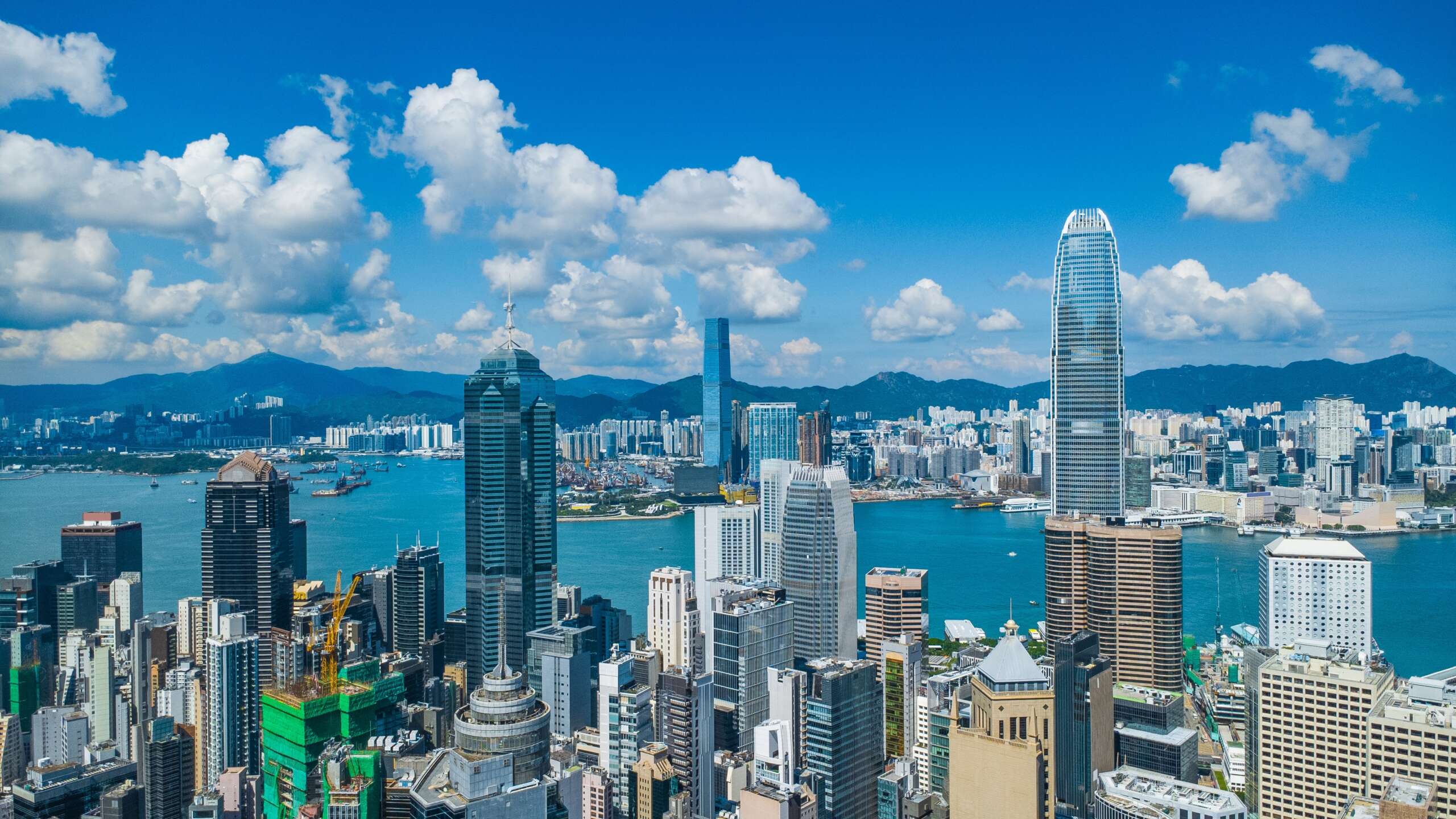
Hong Kong Property Market 2026: Residential Recovery and Rental Demand
Residential Market Shows Renewed StrengthHong Kong's property market is showing signs of recovery, supported by improving residential prices, stronger retail activity and continued demand for premium properties.Residential property prices increased by approximately 7% over the first eight months of 2026, reflecting an improvement in market sentiment.Meanwhile, overall residential rents rose approximately 4.9% over the first eight months, highlighting continued demand for rental accommodation.The luxury residential segment also maintained activity, with nearly 130 primary residential transactions above HKD100 million recorded in 2026 to date.These transactions indicate that high-net-worth buyers continue to demonstrate interest in Hong Kong's premium housing market.Infrastructure and Commercial Activity Support GrowthBeyond residential property, major development initiatives are shaping Hong Kong's longer-term prospects.The Northern Metropolis development aims to deliver approximately 900 hectares of formed land by 2030, providing a foundation for future housing and economic activity.Policy initiatives supporting family offices and industrial development are also expected to contribute to demand across selected property segments.In the commercial sector, Grade A office prices increased approximately 2.6%, while rents rose around 0.2% during the first nine months of 2026.Although office market improvements remain modest, these figures suggest emerging signs of stabilisation.The contrasting performance of residential, luxury and commercial property highlights the importance of evaluating each sector independently.OutlookHong Kong's property market is benefiting from stronger residential momentum and rental demand, while infrastructure investment offers longer-term development potential. However, property selection, interest rates, rental sustainability and developer launch strategies will continue influencing market performance. Investors should remain selective across different property segments.The contents of this article were contributed by Nelson Li, Head of IQI Hong Kong.Download to see insights from other country marketsDownload
13 November
Global Economic Outlook 2026: Inflation, Energy Prices and Interest Rate Risks
Rising Energy Prices Intensify Inflation PressuresThe global economy faces growing uncertainty as geopolitical tensions, energy supply disruptions and rising inflation risks reshape financial conditions in 2026.Energy prices have surged, with Brent crude oil rising 71%, European natural gas increasing 190%, and diesel climbing 142%. These sharp increases are adding pressure to production, transportation and operating costs, raising concerns about their impact on businesses and consumers.Meanwhile, the U.S. 10-year Treasury yield has increased by 108 basis points, tightening financial conditions and raising borrowing costs globally.Higher energy prices are also complicating the Federal Reserve's monetary policy outlook, increasing the possibility that interest rates will remain elevated for longer.Financial Markets Remain Resilient Despite Growing RisksDespite rising economic pressures, financial markets have demonstrated resilience.The S&P 500 has gained 14.11% year-to-date, while copper prices have advanced 19%, reflecting continued strength in selected financial and commodity markets.However, the divergence between rising asset prices and increasing energy costs highlights growing concerns about stagflation, where persistent inflation coincides with slowing economic growth.Higher borrowing costs could weigh on investment activity, while expensive energy threatens corporate profit margins and household purchasing power.For investors, these developments create a more challenging environment, particularly as elevated Treasury yields influence financing costs and asset valuations.OutlookThe global economic outlook for the remainder of 2026 remains uncertain as energy-driven inflation and geopolitical risks continue to influence monetary policy.Central banks may need to maintain restrictive interest rates even as economic growth weakens, potentially putting pressure on financial markets.Moving forward, energy prices, inflation expectations, Treasury yields and central bank decisions will remain critical indicators of global economic stability and investment sentiment.The contents of this article were contributed by Shan Saeed, IQI Chief Economist.Download to see insights from other country marketsDownload
13 November

Greece Property Market 2026: Rising Apartment Prices and Foreign Investment
Residential Prices Maintain Positive MomentumGreece's residential property market continued to demonstrate positive momentum in the second quarter of 2026, supported by sustained housing demand and ongoing international investment interest.Apartment prices increased 5.5% year-on-year in Q2 2026, while newer apartments recorded stronger annual growth of 6.2%.The figures suggest that residential property values remain resilient, although price growth has moderated compared with earlier periods.Demand remains an important driver of the housing market, particularly as constrained supply in established locations continues to influence property values.For buyers and investors, these conditions reinforce the importance of understanding local market fundamentals rather than relying solely on broader national price movements.International Investment Reinforces Market AppealForeign capital continues to play a significant role in Greece's property sector.During the first half of 2026, foreign capital inflows into Greek real estate reached approximately USD1.14 billion, representing an increase of 6.7% compared with H1 2025.This continued international investment supports market confidence and reflects Greece's appeal to overseas property purchasers.However, positive investment trends do not mean every residential development offers the same level of opportunity.Property location, development quality, buyer demand and long-term ownership costs remain important factors when evaluating potential acquisitions.Investors should also consider the relationship between recent price growth and a property's ability to generate sustainable returns.OutlookGreece's property market enters the final months of 2026 with positive residential price momentum and continued international investment support. While growth has moderated, resilient housing demand, constrained supply and overseas buyer interest may continue supporting selected locations. A disciplined, long-term investment approach remains essential.The contents of this article were contributed by Nikos Pratikakis, Head of IQI Greece.Download to see insights from other country marketsDownload
13 November

Dubai Property Investment 2026: Why Asset Quality and Rental Returns Matter
Dubai's Property Market Requires Greater SelectivityDubai continues to attract international property investors, supported by its residential developments, branded residences and established real estate market.However, successful investment increasingly depends on selecting assets that can sustain rental income and maintain their appeal over time.Rather than focusing exclusively on headline prices or advertised rental yields, investors should examine developer credibility, building quality, community infrastructure and long-term maintenance requirements.Established neighbourhood amenities, convenient access and well-maintained facilities can strengthen a property's appeal to both tenants and future purchasers.Looking Beyond Rental YieldRental returns are an important consideration, but gross yield alone does not represent actual investment performance.Service charges, maintenance expenses, vacancy periods, management costs and financing commitments can significantly affect the income investors ultimately receive.Comparing properties based on their expected net income provides a more realistic picture of potential returns.Investors should also compare asking prices with relevant off-plan launches and nearby completed properties.Launch premiums, rental-income expectations, delivery schedules and developer track records deserve careful examination before making a purchase.Equally important is understanding the intended buyer when the property is eventually resold.Families may prioritise spacious layouts and convenient amenities, while executive tenants and international purchasers may value location, building standards and accessibility differently.With an investment horizon of five to ten years, selecting an asset that appeals to future buyers can be as important as its current rental potential.OutlookDubai's property market continues to offer opportunities for investors who prioritise quality over speculation. As market conditions and supply evolve, net rental returns, asset condition, community appeal and future resale demand will remain key factors in identifying sustainable long-term investments.The contents of this article were contributed by Haroon Anwar, Head of Global Wealth Management.Download to see insights from other country marketsDownload
13 November
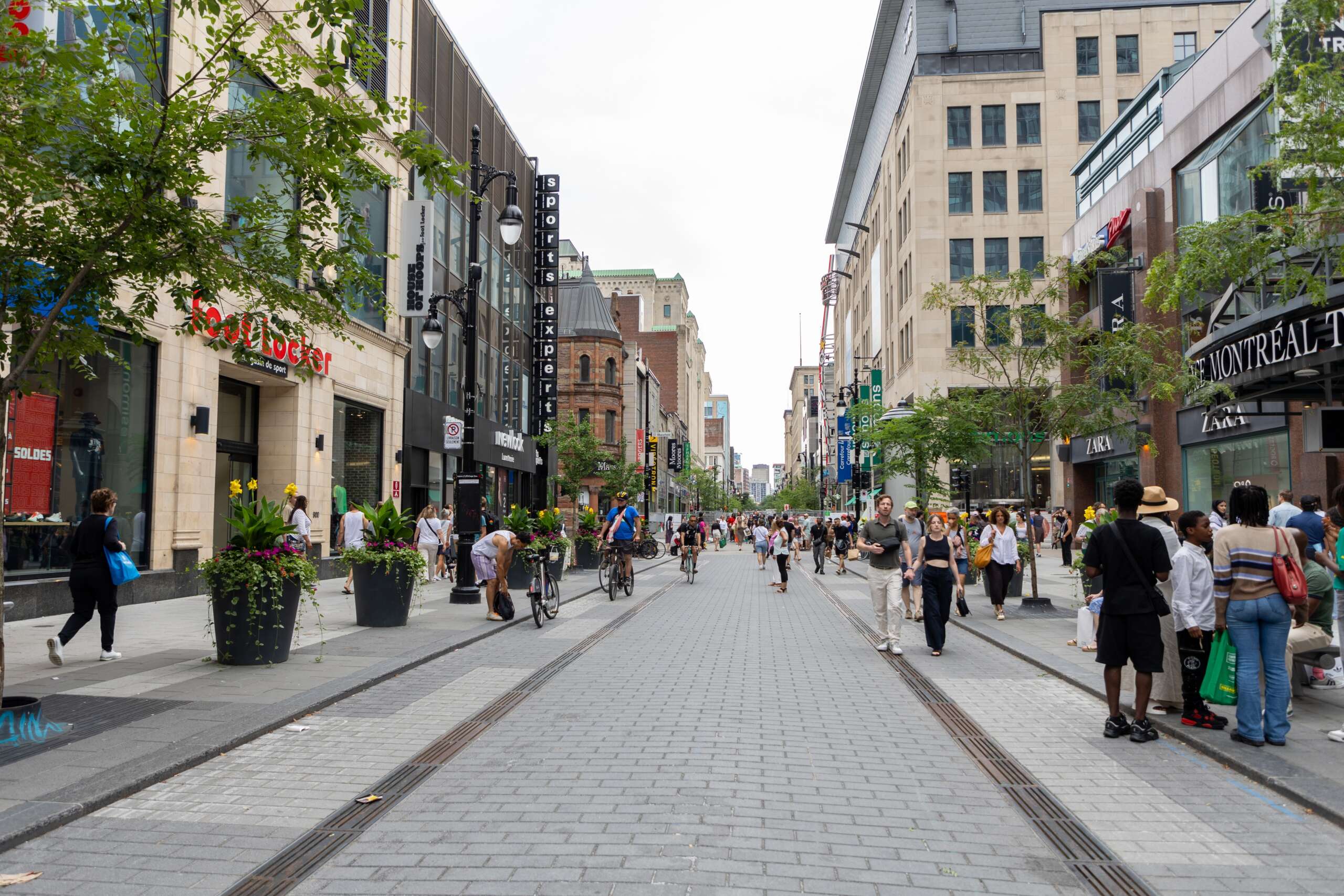
Canada Property Market 2026: Falling Prices Give Buyers More Choice
Canada's Housing Market Becomes More SelectiveCanada's residential property market is experiencing softer conditions, giving buyers greater flexibility as elevated inventory and economic uncertainty continue to influence demand.National home sales declined by 7.7% year-on-year, while national home prices fell by 1.6%, reflecting a market in which buyers are becoming more cautious.Although these national figures indicate a general slowdown, regional performance varies significantly.For prospective purchasers, understanding local pricing, housing supply and transaction activity is increasingly important when making property decisions.Regional Housing Markets Show Different TrendsIn Metro Vancouver, the benchmark home price stood at approximately CAD1.076 million, representing a 5.5% annual decline.Inventory increased by 24.3% year-on-year, while sales activity dropped 8.4%, creating greater choice for purchasers and potentially improving their negotiating position.The Greater Toronto Area recorded an average selling price of approximately CAD1.006 million, down 5.1% year-on-year.Sales totalled 5,040 transactions, representing a 9.9% annual decline, while new listings decreased by 14.4%.Quebec showed comparatively stronger price resilience. Single-family home prices reached approximately CAD498,500, up 3% annually, while condominium prices remained around CAD400,000, unchanged year-on-year.Plex properties also recorded price growth, reaching approximately CAD687,553, an increase of 5%.These contrasting results demonstrate why nationwide averages cannot fully explain individual housing markets.OutlookCanada's property market offers a more selective buying environment, particularly in locations where inventory has expanded and prices have softened. However, regional fundamentals remain decisive. Local supply, affordability, market liquidity and long-term demand should guide buyers and investors rather than national trends alone.The contents of this article were contributed by Yousaf Iqbal, Head of IQI Canada.Download to see insights from other country marketsDownload
13 November

Cambodia Property Market 2026: Infrastructure Drives Investment Opportunities
Infrastructure Development Supports GrowthCambodia's property market continues to offer long-term opportunities as major infrastructure projects improve connectivity and encourage development across emerging economic corridors.Investment activity remains an important indicator of market development. Cambodia registered 37 investment projects in August 2026, representing a combined investment value of approximately USD233 million.Meanwhile, registered investment activity reached around USD209 million, according to the figures highlighted in the November 2026 newsletter.These developments reflect continued investor interest, although project-level fundamentals remain important when evaluating individual property opportunities.Infrastructure investment is particularly significant because improved transportation links can influence accessibility, business activity and long-term property demand.Emerging Corridors Create New OpportunitiesSeveral major infrastructure projects are helping reshape Cambodia's development landscape.Techo International Airport, with approximately USD2.3 billion in Phase I investment, is expected to strengthen the country's international connectivity.Other important growth corridors include Ring Road 3, which supports urbanisation and logistics development, and the Southern Phnom Penh area, where improved accessibility may create longer-term property opportunities.Cambodia has also recorded 1,312 ownership certificates delivered, highlighting the continuing importance of title documentation and property ownership procedures.For investors, these developments underline the need to evaluate properties beyond their initial purchase prices.Secure ownership documentation, convenient infrastructure access, realistic pricing and genuine end-user demand are key considerations when selecting suitable assets.OutlookCambodia's long-term property potential remains closely linked to infrastructure improvements and economic development. Well-connected locations with credible demand may offer more sustainable opportunities than purely speculative developments. Investors should continue prioritising title security, accessibility and income potentialwhen assessing the market.The contents of this article were contributed by Sorn Seap, Head of Juwai Cambodia.Download to see insights from other country marketsDownload
13 November

Bali and Lombok Property Market 2026: Tourism Growth and Investment Opportunities
Tourism Growth Supports Property DemandBali and Lombok continue to attract property investment interest, supported by tourism activity and evolving hospitality opportunities. However, their different market characteristics mean investors should approach each island with a distinct strategy.Bali recorded approximately 4.59 million foreign arrivals between January and August 2026, reflecting its continued appeal as an international destination. The island also had 5,641 hotel rooms in the pipeline, while hotel occupancy reached 74% in July 2026.These indicators highlight the strength of Bali's tourism market, although visitor growth and hotel performance do not automatically translate into profitable property investments.For investors, selecting properties with established demand, suitable locations and sustainable operating costs remains essential.Two Islands, Different Investment ConsiderationsLombok is experiencing tourism-related momentum of its own. The 2026 Indonesian Grand Prix at Mandalika attracted 157,875 spectators, representing a 12.5% increase compared with 2025.The event also generated an estimated IDR 5.2 trillion in economic impact, reinforcing Lombok's growing visibility as a tourism and investment destination.While Bali benefits from an established international tourism market, Lombok offers a developing landscape shaped by major events, infrastructure improvements and emerging visitor demand.Investors should distinguish between these opportunities rather than applying the same income expectations to both markets.Land-use restrictions, title structures and rental-licensing compliance are especially important when assessing Indonesian property opportunities.OutlookBali and Lombok present different opportunities for long-term investors. Tourism demand, project quality, realistic income assumptions and manageable holding costs will remain central to property selection. Investors should prioritise compliant, well-located assets rather than relying solely on tourism growth.The contents of this article were contributed by Liv Baggen, Head of Global Sales, Juwai IQI; Founder, Homes in Asia.Download to see insights from other country marketsDownload
13 November

Australia Property Market November 2026: Softer Prices Give Buyers More Choice
Australia’s Property Market Shifts in Buyers’ FavourAustralia’s housing market continued to soften in September, creating a more favourable environment for buyers who are prepared to take a longer-term view.Cotality’s national Home Value Index fell 1.1% during the month, leaving dwelling values 5.2% below their March 2026 peak. Higher interest rates, affordability pressures and living costs continue to weigh on demand, but lower prices are also opening more accessible entry points for financially prepared purchasers.Performance varied significantly across capital cities. Brisbane declined 1.5%, Sydney fell 1.4%, while Melbourne recorded a smaller 0.7% decline. Darwin was the only capital to post monthly growth. On an annual basis, Darwin and Perth remained standouts, recording gains of 11.9% and 10.1%, respectively.More Choice and Less CompetitionBuyers are also benefiting from higher stock levels. Total advertised listings across the combined capitals were 23.1% higher than a year earlier, while the median selling period increased from 23 days to 39 days. This gives purchasers more time to compare properties, conduct due diligence and negotiate.Meanwhile, estimated national transactions over the previous three months were 19.1% lower year-on-year, pointing to reduced competition across much of the market.OutlookThe timing of a broader market recovery remains uncertain, but softer prices and greater choice are giving buyers and investors more room to be selective. Property quality, local demand and manageable holding costs will remain important considerations, particularly as market performance continues to differ significantly between cities.The contents of this article were contributed by Lily Chong, Head of IQI Australia.Download to see insights from other country marketsDownload
13 November

