

































Newsletter
Keep yourself update with our current news for Juwai IQI

India Commercial Real Estate 2026: Grade-A Offices Drive Record Growth
India's commercial real estate sector is entering a new phase of growth, supported by strong economic expansion, rising business activity, and growing demand for high-quality office space. Valued at US$50.29 billion in 2024, the sector is projected to grow at a CAGR of 18.5% through 2030, making it one of the fastest-growing segments within India's property market.Record Office Demand Drives Market MomentumThe office market started 2026 on a strong footing, recording historic absorption levels across major cities. Leasing activity remained robust as businesses continued expanding operations, while new supply remained relatively limited in key commercial hubs.A major contributor to this growth is the continued expansion of Global Capability Centres (GCCs), which account for a significant share of office demand. At the same time, multinational corporations and Fortune 500 companies continue increasing their presence across major business districts, reinforcing India's position as a leading global office market.Grade-A Offices Become the Preferred ChoiceOne of the strongest trends shaping the market is the growing preference for Grade-A and ESG-compliant office spaces. Occupiers are increasingly prioritising sustainable, energy-efficient, and modern workplace environments that align with long-term corporate goals.This shift is creating stronger demand for premium office assets while older secondary office buildings face higher vacancy levels. Combined with limited new completions, the trend is supporting rental growth and strengthening landlord bargaining power across major Tier-1 cities.Tightening Supply Supports Long-Term GrowthThe combination of strong leasing demand and tightening vacancy levels is creating favourable conditions for investors and developers. Vacancy rates across India's office market have fallen significantly, reflecting healthy occupier demand and improving market fundamentals.Supported by infrastructure upgrades, economic growth, and rising institutional investment, commercial real estate is increasingly viewed not only as a business necessity but also as a long-term investment opportunity.OutlookIndia's commercial real estate market is expected to remain one of the strongest-performing property sectors in Asia. Demand for Grade-A office buildings, GCC expansion, and sustainable workspaces should continue driving leasing activity and rental growth. As supply tightens and occupier demand remains healthy, the sector appears well-positioned for sustained long-term growth through the remainder of 2026 and beyond.Download to see insights from other country marketsDownload
15 June

Iceland: Housing Prices Gain Momentum as Supply Tightens
Iceland's housing market is showing signs of renewed strength in 2026, supported by rising home prices, easing inflation, and a slowing construction pipeline. As new project activity declines and supply growth moderates, market conditions are gradually shifting in favour of sellers.Housing Prices Continue to RiseNational housing prices increased 0.62% month-on-month in March 2026, accelerating from February and lifting annual growth to 2.61%. Reykjavik continued to lead market performance, with capital area home prices rising 0.8% monthly and 2.82% year-on-year. Detached homes recorded the strongest gains, while apartment prices remained stable and continued posting annual growth.Construction Activity Continues to SlowA key trend shaping the market is the decline in construction activity. Active construction projects fell to 6,172 units nationwide, marking the sharpest contraction since the post-2023 building peak. Completions are now outpacing new project starts, suggesting future housing supply may become increasingly constrained.At the same time, building cost pressures have eased, indicating that the slowdown is being driven more by softer development activity and weaker demand conditions than by rising construction expenses.Inflation Moderates but Interest Rates Remain HighInflation is showing signs of improvement, with annual CPI easing to 5.2% in April. However, Iceland's policy rate remains elevated at 7.5%, continuing to weigh on borrowing conditions and housing affordability. While rate cuts are anticipated later in the year, financing costs remain a key factor influencing market activity.OutlookIceland's housing market appears to be entering a new phase of recovery. Rising prices, declining construction activity, and easing inflation are gradually improving market fundamentals. While high interest rates continue to limit affordability in the short term, a potential easing cycle in the second half of 2026 could support stronger buyer activity and create a more active market environment heading into 2027.Download to see insights from other country marketsDownload
15 June
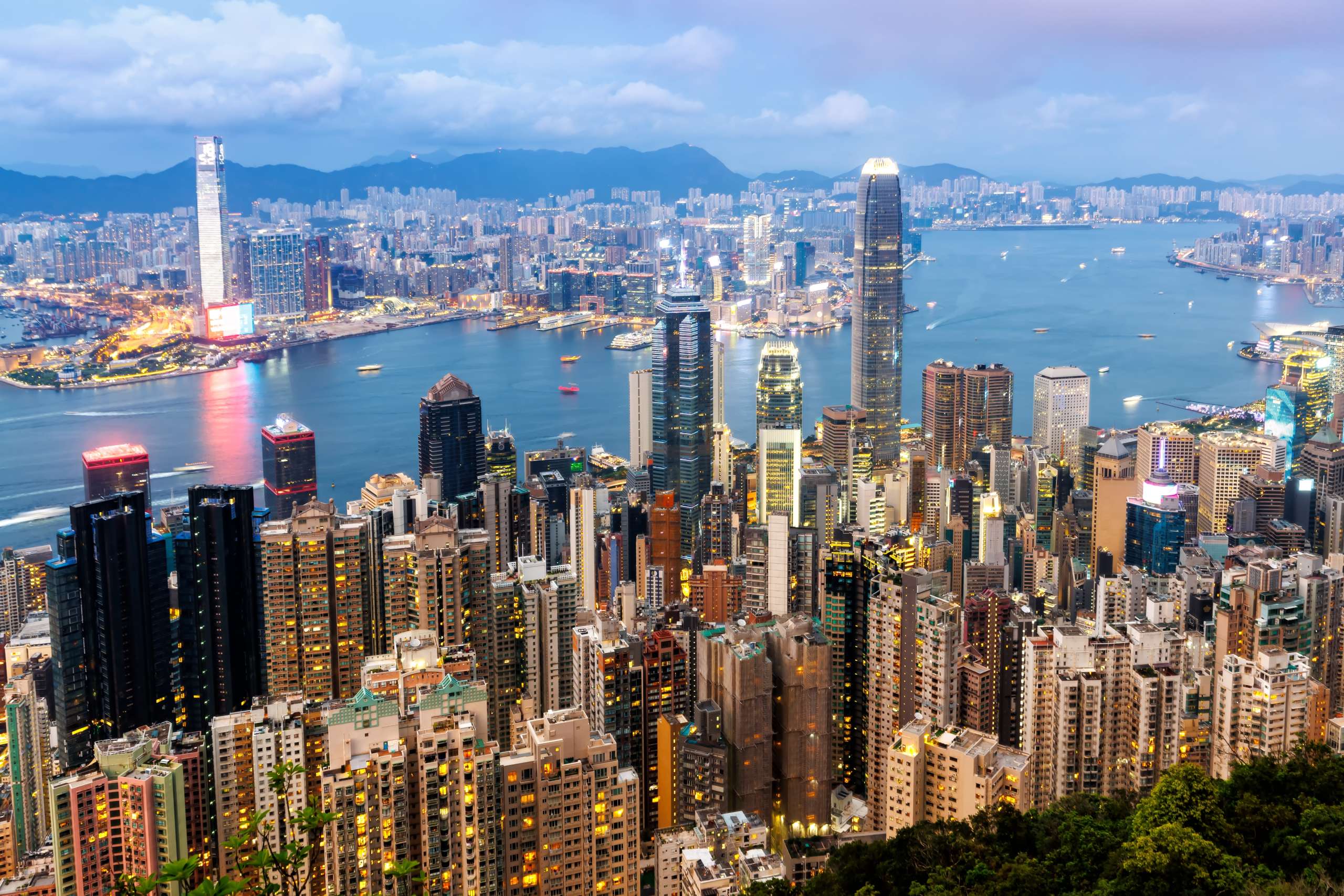
Hong Kong Property Market June 2026: Residential Demand Stays Firm Despite Office Challenges
Hong Kong's property market continued to show mixed performance in early 2026, with the office sector facing ongoing challenges while residential demand remained relatively resilient. Although leasing activity in some office districts softened, healthy housing transactions and stable home prices suggest buyer confidence remains intact in key residential segments.Office Market Faces Ongoing PressureThe office market recorded negative net absorption during the quarter, reflecting cautious corporate expansion and continued vacancy challenges in certain districts. While leasing activity remained active in selected prime locations, performance varied across submarkets. Central continued to demonstrate resilience, supported by rental growth and improving occupancy, while some fringe office districts remained under pressure.Despite these challenges, major corporate commitments continued to support the market. Large leasing transactions and investment activity indicate that occupiers remain focused on quality buildings in strategic locations.Residential Demand Holds FirmThe residential market delivered a stronger performance, supported by healthy transaction activity and stable pricing. First-quarter residential transactions reached their strongest level in several years, reflecting improving buyer sentiment and continued interest in well-located projects.Home prices remained largely stable, while new launches continued attracting attention from both owner-occupiers and investors. Demand for premium and luxury properties also remained active, highlighting confidence in Hong Kong's long-term residential market fundamentals.Selective Market Favouring Quality AssetsOne of the key themes emerging in 2026 is growing selectivity among buyers and investors. Demand is increasingly concentrated in well-located residential projects, prime office assets, and quality developments with strong long-term fundamentals. Rather than broad-based market growth, performance is becoming more dependent on asset quality and location.This trend is creating opportunities for investors who focus on resilient sectors while remaining cautious toward weaker-performing segments.OutlookHong Kong's property market is expected to remain selective through the second half of 2026. While the office sector may continue facing pressure from elevated vacancies, residential demand is likely to remain supported by stable pricing, healthy transaction volumes, and continued interest in quality developments. Markets with strong fundamentals and strategic locations are expected to outperform as investors prioritise resilience and long-term value.Download to see insights from other country marketsDownload
15 June

Greece: Tourism Growth Continues to Support Property Demand
Greece's real estate market remains one of Europe's strongest-performing lifestyle and investment destinations in 2026, supported by a robust tourism outlook, steady foreign investment, and growing demand for coastal properties. With more than 38 million international visitors expected and tourism revenue projected to exceed €22 billion, confidence remains strong across both the hospitality and residential sectors.Coastal Properties Continue to Lead DemandThe country's positive tourism outlook is translating into stronger demand for coastal homes, holiday residences, hospitality assets, and development land. Popular destinations such as the Athens Riviera, Cyclades, Crete, and mainland coastal regions continue attracting both international buyers and investors seeking long-term lifestyle and rental opportunities.Greece's Golden Visa programme also remains a major driver of foreign investment. While entry thresholds have increased in certain prime locations, opportunities still exist in emerging markets, helping sustain international buyer interest across the country.Investors Focus on Long-Term ValueBuyer preferences are increasingly shifting towards quality construction, energy-efficient homes, year-round locations, and sustainable rental yields. Rental returns of approximately 4% to 7% continue attracting investors looking for both income generation and long-term capital appreciation.Despite higher construction costs and limited housing supply in some locations, strong international demand continues to support price growth. Property values in key regions are still increasing by approximately 8% to 10% annually, reflecting the strength of Greece's tourism-driven property market.OutlookGreece is expected to remain one of the Mediterranean's most attractive property investment destinations throughout 2026. Continued growth in international arrivals, tourism spending, and foreign investment should support demand for coastal homes, hospitality assets, and lifestyle properties. As buyers increasingly focus on long-term value and rental income potential, Greece's property market remains well-positioned for sustainable growth.Download to see insights from other country marketsDownload
15 June

Global Economic Outlook June 2026: Why Investors Are Prioritising Resilience Over Growth
As the global economy moves through 2026, investors are adjusting to a new reality where geopolitical risks, higher interest rates, and capital discipline play a larger role in investment decisions. Rather than chasing short-term market momentum, capital is increasingly flowing towards assets that offer resilience, income generation, and long-term value.According to IQI Chief Economist Shan Saeed, global markets are no longer simply reacting to geopolitical events. Instead, geopolitical developments are now being structurally priced into investment strategies across asset classes, making policy credibility and economic stability increasingly important considerations for investors.Capital Is Shifting Towards Quality AssetsGlobal economic growth is expected to remain relatively stable at 2.8% to 3.2%, while inflation gradually moderates. However, the world is likely to remain in a higher-for-longer interest rate environment, creating a more disciplined investment landscape. Investors are becoming increasingly selective, focusing on assets that can generate sustainable returns rather than relying on liquidity-driven growth.This shift is also supporting renewed interest in fixed income investments, as bond yields remain attractive and provide investors with a credible income-generating alternative alongside equities. At the same time, commodities continue to benefit from geopolitical risk premiums, particularly oil, industrial metals, and gold.Real Estate Re-Emerges as a Strategic AllocationOne of the clearest themes in 2026 is the return of real estate as a core portfolio allocation. As valuations reset and yields normalise, investors are increasingly allocating capital towards logistics infrastructure, data centres, and prime residential assets.These sectors are being viewed not only as income-producing investments but also as effective inflation hedges and long-term stores of value. Growing demand for digital infrastructure, supply chain resilience, and quality housing continues to support investment activity despite broader market uncertainty.OutlookThe second half of 2026 is expected to favour disciplined investors who prioritise fundamentals over speculation. While geopolitical tensions and market volatility remain key risks, opportunities continue to emerge in sectors supported by strong structural demand.Real estate, logistics infrastructure, data centres, and quality income-producing assets are likely to remain well positioned as investors increasingly focus on resilience, diversification, and long-term wealth preservation. In today's environment, success is no longer about chasing momentum. It is about allocating capital with precision and confidence.Discover More HereDownload
15 June

Dubai Property Investment 2026: Why UAE Investors Are Going Global for Wealth Protection
As global uncertainty, inflation concerns, and geopolitical risks continue shaping investment decisions, cross-border real estate is becoming a core wealth-building strategy for UAE residents. Rather than focusing solely on domestic markets, investors are increasingly using international property portfolios to diversify risk, preserve wealth, and secure long-term financial stability. This trend is placing Dubai at the centre of global real estate investment activity.Dubai Leads the Cross-Border Investment TrendDubai continues to strengthen its position as one of the world's most active international property markets. Real estate transaction values approached AED 500 billion in 2025, supported by sustained double-digit annual growth and increasing participation from overseas buyers. Indian investors remain the largest foreign buyer group, followed by investors from the UK, China, Saudi Arabia, and Russia. More importantly, many of these purchases are being made as long-term wealth and residency strategies rather than short-term speculation.Real Estate as a Wealth Preservation ToolFor many UAE-based professionals, entrepreneurs, and high-net-worth individuals, cross-border property ownership offers more than investment returns. It provides protection against currency concentration, reduces dependence on a single market, and supports long-term family wealth planning. Real estate's combination of rental income, inflation protection, and tangible asset ownership continues to make it a preferred asset class during periods of uncertainty.Recent data also highlights growing institutional confidence in the sector. According to Knight Frank's Global Wealth Report, 44% of family offices worldwide plan to increase their real estate exposure, reinforcing the view that property remains a key component of long-term wealth strategies.OutlookAs global investors become more focused on diversification and resilience, Dubai is expected to remain a major gateway for international property investment. While market conditions continue evolving, demand for cross-border real estate is likely to stay strong as investors prioritise wealth preservation, geographic diversification, and stable long-term returns. For UAE residents, building a globally diversified property portfolio may become an increasingly important part of future wealth planning.Download to see insights from other country marketsDownload
15 June

Canada Housing Market Stabilises as Buyer Confidence Gradually Returns
Canada’s housing market is beginning to stabilise in 2026 as lower prices, improving affordability, and reduced borrowing costs gradually bring buyers back into the market. While elevated inventory levels continue to provide buyers with negotiating power, improving sales activity suggests confidence is slowly returning after a challenging period for the sector.Toronto: Sales Activity ImprovesOne of the clearest signs of recovery can be seen in Toronto, where home sales rose 7% year-on-year to 5,946 transactions. Although new listings declined and benchmark prices remain below last year's levels, market conditions have started tightening as buyer activity improves. This suggests that demand is gradually returning, supported by better affordability and easing financing conditions.Vancouver: Detached Homes Lead Market ConfidenceIn Vancouver, market performance remains mixed, but detached homes are showing encouraging signs of strength. Detached home sales increased 14%, indicating renewed confidence among buyers seeking larger properties. While benchmark prices remain lower than a year ago, values continue to hold above long-term averages, reflecting the underlying resilience of the market.Market Conditions Remain BalancedAcross Canada, elevated housing inventory continues to create a balanced market environment. Buyers still have room to negotiate, while sellers are adjusting expectations in response to changing demand patterns. This balance is helping support a healthier market recovery compared to the rapid price growth seen in previous years.The combination of improving affordability, lower borrowing costs, and stable inventory levels is creating a more sustainable foundation for long-term market growth.OutlookCanada's housing market is expected to continue its gradual recovery through the second half of 2026. While price growth is likely to remain moderate, improving affordability, lower financing costs, and returning buyer demand should support stronger activity across major markets. If economic conditions remain stable, Toronto and Vancouver could lead the next phase of market improvement, while balanced inventory levels help maintain market stability.Download to see insights from other country marketsDownload
12 June

Cambodia Real Estate Recovery Gains Momentum in Mid-2026
Cambodia’s real estate market is gradually entering a more sustainable growth phase in mid-2026, supported by improving buyer confidence, infrastructure expansion, and stronger end-user demand. While the market remains selective, affordable housing and strategic land continue to attract the greatest interest from both local and regional investors.Economic growth is expected to remain stable at around 4.2% to 4.5%, supported by major infrastructure projects including the New Techo International Airport, Ring Road 3, and expanding urban transport networks. These developments continue to strengthen long-term confidence in Cambodia’s property market and improve connectivity across key growth corridors.The strongest-performing segment remains Borey landed housing, driven by middle-class demand, flexible payment plans, and improving financing access. Meanwhile, the condominium market is gradually stabilising as rental demand improves, although oversupply continues to affect selected locations. Investors are increasingly focusing on projects with strong fundamentals rather than speculative opportunities.Infrastructure-linked land remains another key growth area. Locations along the New Airport Corridor, as well as emerging districts in southern and western Phnom Penh, continue to attract attention. Areas such as Chroy Changvar, Sen Sok, Kamboul, Diamond Island, and Olympia City are benefiting from infrastructure investment and urban expansion.Buyer behaviour is also evolving. Today's purchasers are becoming more data-driven and selective, prioritising strong developers, Hard Title properties, infrastructure connectivity, and long-term value potential over short-term speculation. This shift is helping create a healthier and more sustainable market environment.OutlookCambodia's property market is expected to strengthen gradually through the second half of 2026. Affordable housing, infrastructure-led developments, and long-term land investments are likely to remain the strongest opportunities. While condominium recovery may continue at a slower pace and remain location-dependent, the broader market is benefiting from improving fundamentals, growing infrastructure investment, and rising confidence among long-term investors. Download to see insights from other country marketsDownload
11 June

