


































Newsletter
Keep yourself update with our current news for Juwai IQI

Iceland Housing Market Holds Steady as Supply Grows
Iceland’s housing market is moving through a more stable phase in 2026, with prices still rising but at a slower pace than before.National house prices increased 2.35% year-on-year to February 2026, while prices in the capital area rose 2.56%. This is lower than the 4% to 5% growth recorded in 2025, showing that stronger supply is helping to balance demand.More Supply Enters the MarketIceland’s construction pipeline is growing again. There are currently 6,988 units under construction, up 7.9% year-on-year.New project starts between September 2025 and March 2026 reached 1,754 units, the highest level since 2022. Completed but unoccupied units also increased to 1,409, nearly double the previous year.This shows that developer confidence is returning, but the larger supply pipeline is also helping to keep price growth under control.Inflation and Rates Still Weigh on BuyersInflation remains one of the biggest challenges for Iceland’s housing market. Inflation stood at 5.4% year-on-year in March 2026, while the Central Bank policy rate remained high at 7.5%.With around 62% of Icelandic mortgages inflation-indexed, ownership costs are closely tied to inflation. Until inflation moves closer to target, transaction activity may remain limitedOutlookIceland’s housing market is likely to remain in a holding pattern in the near term. Price growth may stay moderate while borrowing costs remain high, but the market could recover more strongly once inflation eases and interest rate cuts begin.For buyers and investors, the key signal to watch is rate relief. Once financing becomes more affordable, tighter future supply and lower borrowing costs could support stronger price growth again.Download to see insights from other country marketsDownload
6 May
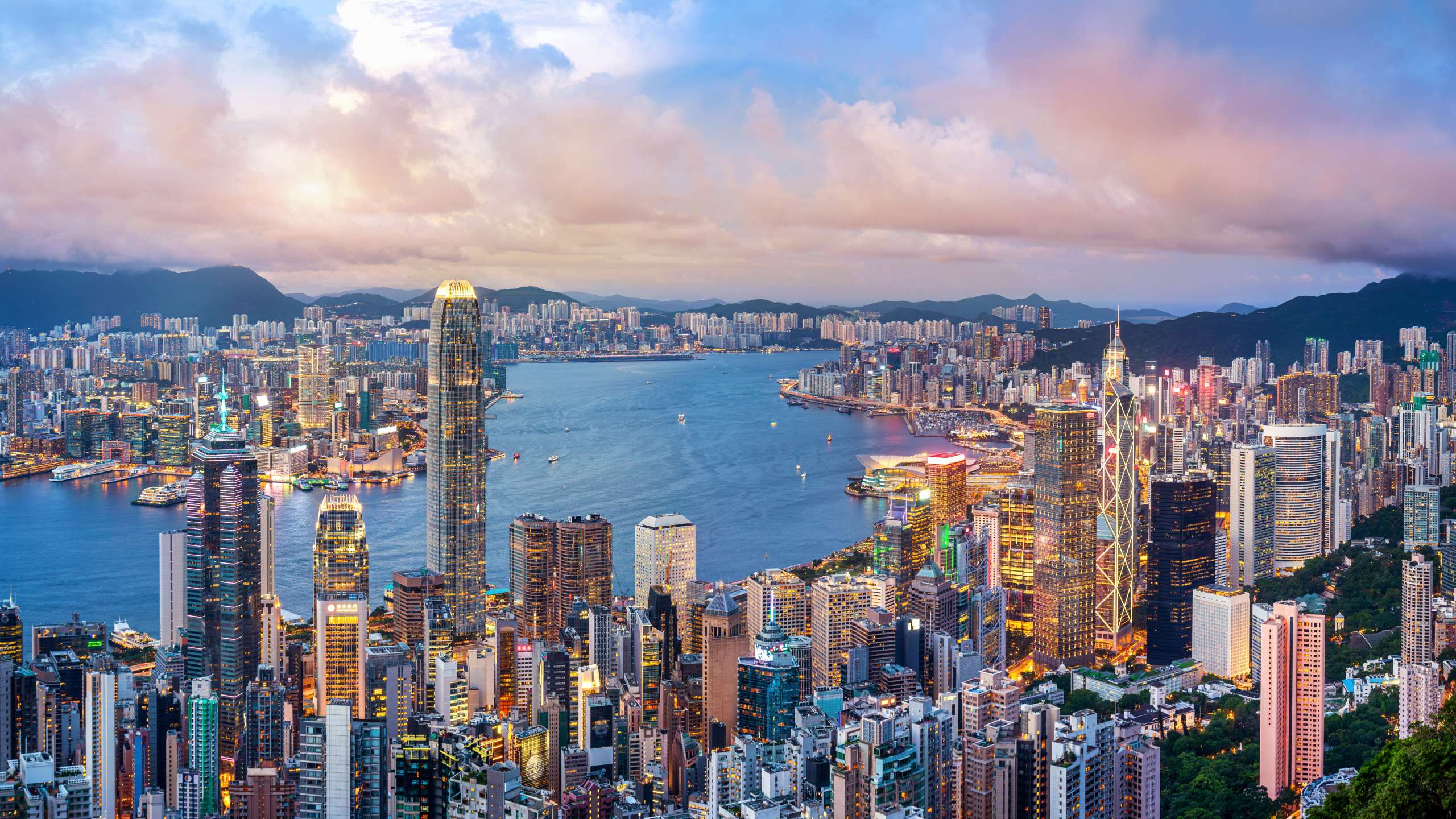
Hong Kong Property Market Strengthens as Leasing and Home Sales Improve
Hong Kong’s property market showed signs of improving momentum in February 2026, with both the office and residential sectors recording positive activity.In the office market, Grade A leasing recorded positive net absorption of 143,700 sq ft, supported by demand from the banking sector. Major leasing deals included Standard Chartered Bank taking space at One Causeway Bay and Rabobank securing space at One IGC in West Kowloon.Office Market Shows Early ImprovementOffice occupancy improved in Central and Wanchai / Causeway Bay for the third consecutive month. The overall office vacancy rate fell to 13.4%, while Central’s vacancy rate dropped to 9.9%.Rents also improved, with overall office rent rising 1.1% month-on-month. Central led the increase with a 2.3% rise, showing that prime office locations are starting to regain stronger tenant demand.Residential Sales Continue to Build MomentumHong Kong’s residential market also remained active, with total residential sales reaching 6,669 units in February, around 1,000 units higher than the previous month.Secondary market transactions made up 4,102 units, while primary sales reached 2,567 units. Mass residential capital values also grew 0.5% month-on-month, showing modest but positive price movement.Luxury and Primary Market Demand Remain VisibleThe primary market continued to attract buyers, with Kennedy Bay in Kennedy Town selling all 48 units launched in its first round. Average prices ranged between HKD 24,800 and HKD 29,400 per sq ft.The luxury segment also remained active. One house at 110 Repulse Bay Road was sold for HKD 372.9 million, or HKD 90,929 per sq ft, showing that high-end demand is still present for rare and premium assets.OutlookHong Kong’s property market is showing early recovery signals, but the improvement is still selective. Prime office areas such as Central may continue to benefit from stronger leasing demand, while residential activity could remain supported by better buyer sentiment and new project launches.Overall, Hong Kong is entering a more stable phase. The strongest opportunities are likely to remain in well-located office assets, quality residential projects and premium properties where demand is still more resilient.Download to see insights from other country marketsDownload
6 May

Greece Property Demand Grows on Tourism and Golden Visa Interest
Greece’s real estate market continues to show steady strength in 2026, even as global economic uncertainty affects investor sentiment in many parts of the world.Demand remains supported by international buyers, lifestyle investors and long-term relocation interest. Property prices have also continued to rise by around 8% to 10% annually in recent years, showing consistent demand in both urban centres and popular tourist destinations.Tourism Drives Property DemandTourism remains one of the strongest drivers behind Greece’s property demand. The country is projected to welcome up to 38 million visitors and generate more than €22 billion in tourism revenue.This creates strong demand for holiday homes, coastal properties and development land, especially in island and seaside locations. As tourism activity grows, investors are also paying closer attention to rental potential in high-demand destinations.Golden Visa Supports International InterestGreece’s Golden Visa programme continues to attract foreign capital, especially from buyers in China, the Middle East and Europe.For many international buyers, Greece offers more than lifestyle appeal. It provides access to a European property market with rental income potential, relocation benefits and long-term capital growth opportunities.OutlookGreece’s property outlook remains positive for 2026.With strong tourism, limited supply, rising international demand and ongoing infrastructure improvements, the market is well-positioned for continued growth.For investors, the strongest opportunities are likely to be in locations with consistent tourism demand, good rental potential and long-term lifestyle appeal.Download to see insights from other country marketsDownload
6 May

Global Economic Outlook May 2026: Real Assets Move Back into Focus
The global economy is entering a more uncertain phase in 2026 as geopolitical tensions, inflation pressure and rising oil prices create new risks for markets.With U.S. inflation climbing to 3.3%, oil prices moving above US$105 per barrel, gold reaching around US$4,700 per ounce and copper staying firm at US$13,000 per tonne, investors are facing a market environment that looks increasingly inflation driven.Supply Shocks Add PressureGlobal markets are already absorbing major supply disruptions across key commodities, including fertilisers, LNG, oil and helium.These are not small disruptions. They affect food, energy, manufacturing and logistics, which means cost pressures can spread quickly across the global economy. This raises the risk of slower growth while inflation remains elevated.Oil Market Volatility Remains a Key RiskThe Strait of Hormuz remains a major concern, with daily vessel crossings reportedly down by more than 95%.With European and Asian refineries rushing to secure oil cargoes, oil prices could remain volatile. If disruption continues, oil may potentially move above US$150 per barrel in the coming months.Investors Turn Toward Real AssetsIn this environment, portfolio strategy needs to be more defensive and deliberate.Real estate, gold, silver and commodities are becoming more important as inflation-resilient assets. These assets can help investors preserve value when markets become volatile and confidence in traditional growth assets weakens.OutlookThe global economy in 2026 is likely to be shaped by one major trade-off: growth or inflation.If geopolitical risks continue and energy prices stay high, investors may need to prepare for more market turbulence. Real assets, especially well-selected real estate, could remain attractive because they offer income, long-term value and protection against inflation pressure.For investors, the priority is no longer just chasing returns. It is about building a portfolio that can stay resilient through uncertainty.Discover More HereDownload
5 May

Dubai Real Estate: Why Developer Credibility Now Matters as Much as Location
Dubai’s property market has long been driven by location, but in 2026, investors are looking beyond the address.With rapid development cycles and a strong off-plan market, developer credibility has become one of the most important factors in deciding whether an investment succeeds. Buyers are not only purchasing a property. They are trusting a developer to deliver the project, quality and long-term value promised.Off-Plan Demand Raises the StakesDubai recorded strong activity, with over 17,000 transactions and around AED 70 billion in sales recently. More importantly, around 70% of activity came from off-plan units. This makes execution risk a major consideration. Delays, redesigns, cost pressure and poor finishing can affect final returns, even when the location is attractive.Developer Quality Shapes Property ValueIn areas such as Business Bay and JVC, nearby towers can achieve very different rental and resale values. The difference is often not location, but build quality, finishing, maintenance and brand trust. This is why investors are increasingly willing to pay a premium for developers with a proven delivery record.Investors Are Buying PromisesIn an off-plan-heavy market, the product is not fully visible at the time of purchase. Investors are effectively buying a promise that the project will be completed well, on time and to the expected standard.That makes due diligence more important. Track record, financial strength, contractor network and post-handover management are no longer secondary details. They are part of the investment case.OutlookDubai will remain a strong real estate market, but investor behaviour is becoming more selective.Established locations will continue to attract demand, but the gap between strong and weak projects may widen. For buyers and investors, the key is no longer just choosing the right area. It is choosing the right developer, the right product and the right execution strategy.Download to see insights from other country marketsDownload
5 May

Canada Housing Market Shows Early Signs of Recovery in May 2026
Canada’s housing market showed signs of stabilisation in March 2026, as national conditions moved closer to balance. Improved affordability and stronger seasonal demand helped support prices after previous declines, giving buyers and sellers a more stable market environment.Toronto Market TightensIn the Greater Toronto Area, sales reached 5,039, up 1.7% year-on-year, while new listings fell 16.7% year-on-year. This shows that supply is dropping faster than demand. Although prices were still down annually, they remained stable month-on-month, suggesting that a price floor may be forming.Vancouver Remains BalancedMetro Vancouver recorded 2,032 sales, down 2.8% year-on-year, while new listings fell 10.3% year-on-year. However, active listings remained high at 14,774, around 38% above average. This gives buyers more choice and keeps price growth limited for now.Buyers Still Hold Negotiating PowerCompared with 2025, buyers continue to benefit from more options and stronger negotiating power. However, as the spring market progresses and supply adjusts, conditions may begin to tighten gradually in selected cities.OutlookCanada’s housing market is likely to remain more balanced in the near term, with different cities moving at different speeds.Toronto may see stronger support if supply continues to fall, while Vancouver could stay steady due to higher inventory. For buyers, this remains a useful window to compare options, negotiate carefully and enter the market before conditions tighten further.Download to see insights from other country marketsDownload
5 May
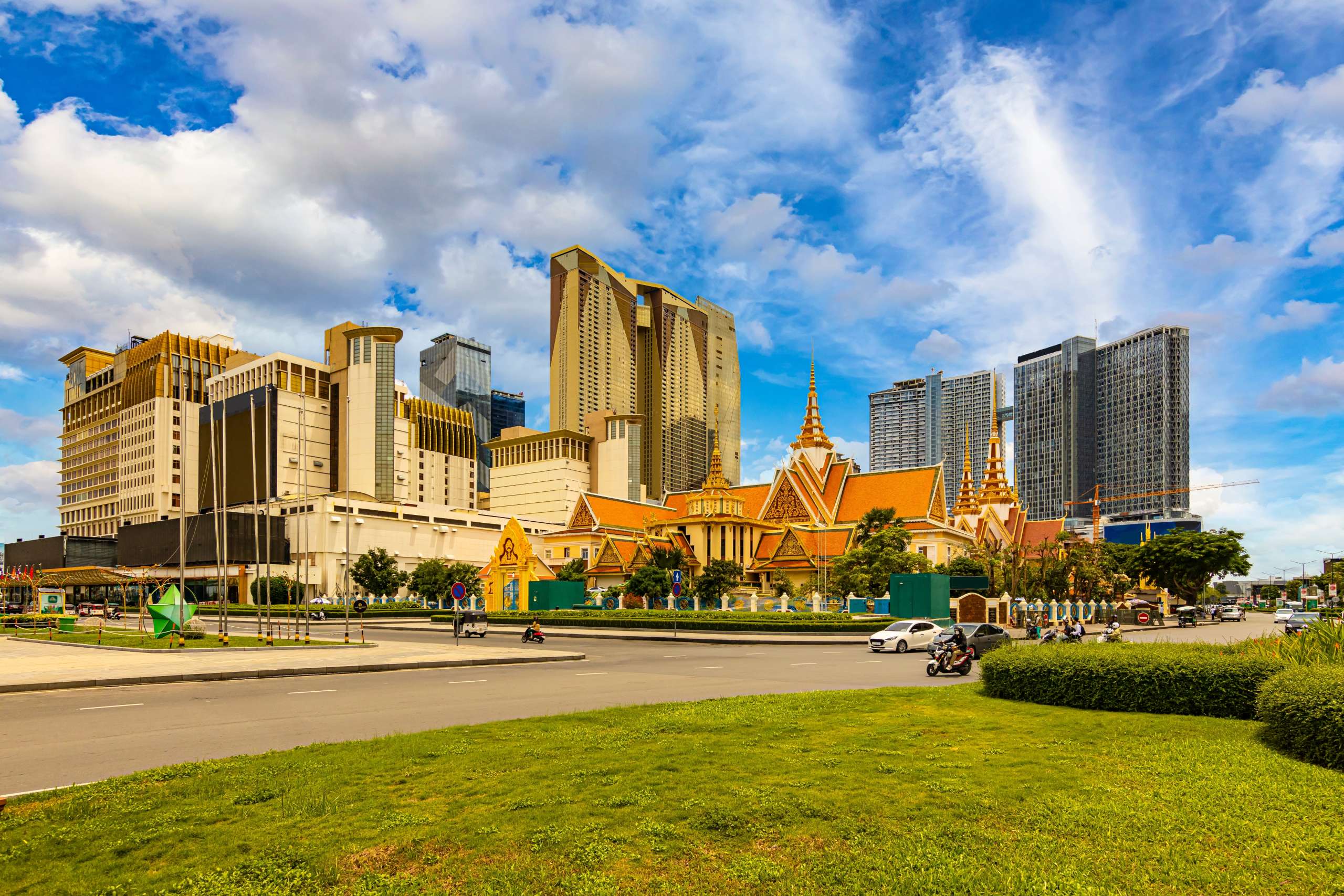
Cambodia Real Estate Recovery: Landed Homes and Growth Corridors Lead the Way
Cambodia’s real estate market is showing signs of gradual recovery in early 2026, with demand shifting away from speculative trading and moving toward real buyers, landed homes and infrastructure-linked locations.Landed Homes Lead the RecoveryThe borey, or landed property segment, remains the most active part of the market. Demand is supported by Cambodia’s growing middle class, better financing options and stronger buyer confidence.At the same time, condominiums are recovering more slowly due to oversupply in selected districts. However, rental demand from expats and professionals continues to support the segment.Growth Corridors Gain Investor AttentionInfrastructure is becoming a major driver of property value. Areas linked to Ring Road 3, the New Airport Corridor, Chroy Changvar, Sen Sok and Kamboul are attracting more attention from buyers looking for long-term growth.Land in growth corridors has also seen strong appreciation, rising from around US$10 to US$20 per sqm in 2016 to US$100 to US$200 per sqm in 2026.Buyers Are Becoming More CarefulCambodian buyers and investors are becoming more data-driven. Instead of chasing short-term gains, they are now focusing on hard titles, infrastructure access, rental yield and long-term fundamentals. This marks a healthier shift for the market.OutlookCambodia’s property market is expected to strengthen over the next 6 to 12 months, led mainly by landed homes and land in growth corridors. Condos may take longer to recover due to existing stock, but urban expansion toward the south and west will continue to shape new investment opportunities.For long-term investors, 2026 looks like a strategic buying window, especially for land and infrastructure-led locations.Download to see insights from other country marketsDownload
5 May

Australia Property Market May 2026: Perth Leads as the Market Splits
Australia’s housing market continued to grow in March 2026, but the momentum is becoming more uneven across the country.According to Cotality’s National Home Value Index, national home values rose 0.7% in March and increased 2.1% in the first quarter of 2026. While this shows that the market is still moving upward, growth has slowed compared to the 2.8% increase recorded in the final quarter of 2025.Perth Becomes Australia’s Strongest Property MarketPerth was Australia’s strongest performer, with home values rising 2.5% in March and 7.3% over the quarter. This added about $69,000 to the median dwelling value.The main driver is limited housing supply, with listings still well below historical averages. Regional Western Australia also showed strong gains, including areas such as Bunbury.Sydney and Melbourne Show Softer ConditionsSydney and Melbourne recorded softer conditions as more housing supply, lower auction clearance rates and better buyer choice reduced market urgency.This shows that Australia’s property market is no longer moving evenly. Local supply and demand now matter more than overall national growth.Buyers Are Becoming More SelectiveThere are also early signs that purchasing activity is beginning to slow. Transaction volumes are trending below last year and below the five-year average.Cost-of-living pressure, interest rate uncertainty and global economic concerns may continue to affect buyer sentiment. However, markets with strong population demand and limited supply, such as Perth, remain better positioned than areas with higher available stock.OutlookLooking ahead, Australia’s property market is expected to remain positive but more selective.Perth is likely to stay one of the strongest markets due to tight supply and steady demand, while Sydney and Melbourne may continue to grow at a slower pace. For investors, the key is choosing markets with strong fundamentals rather than following national trends alone.As Australia’s property market shifts, opportunities are becoming more location-driven than ever. Whether you are exploring high-growth markets like Perth or reassessing your strategy in major cities, now is the time to make informed decisions. Connect with our team at sales@iqiwa.com.au to discover where the real opportunities are and take your next step with confidence.Download to see insights from other country marketsDownload
5 May

