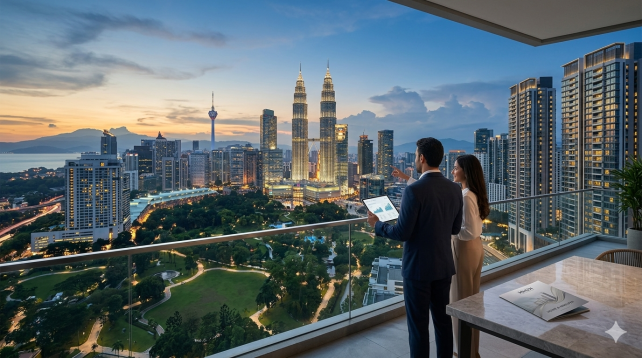
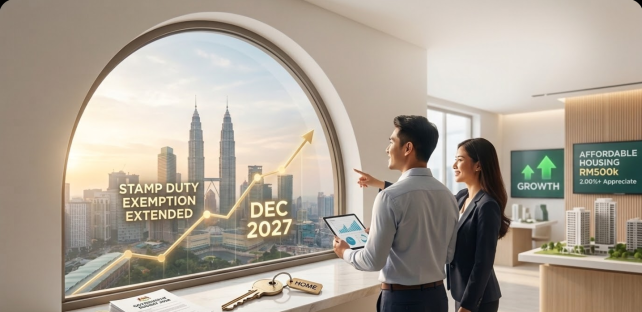
For years, the “10% down-payment rule” has been one of the biggest psychological and financial barriers to homeownership in Malaysia. The assumption was simple: no large cash reserve, no entry. Budget 2026 changes that narrative, placing greater emphasis on financing accessibility rather than affordability alone. With enhanced policy tools now in place, aspiring homeowners may…
Johor’s property market continues to expand, but the focus is shifting from pure growth to infrastructure readiness. According to Kashif Ansari, Co-Founder and Group CEO of Juwai IQI, the defining issue shaping real estate decisions is no longer just location or pricing, but access to electricity and water. As highlighted in coverage by Astro Awani…
As February 2026 unfolds, the global economy is showing encouraging signs of stability, supported by steady GDP growth forecasts and accommodative monetary policy across major markets. Emerging economies particularly in Asia and parts of Latin America are expected to drive much of this momentum. While geopolitical tensions have introduced some uncertainty, markets have remained resilient,…
Markets Re-Enter an Age of Alchemy
The year has barely begun, yet the alchemy of global markets has already shifted. Rising geopolitical risk, the resurgence of AI-led capital expenditure, buoyant equity markets, and precious metals at stratospheric levels are rapidly reshaping the investment landscape.
Investors are no longer chasing growth at any cost. Priority…
As inflation eases and interest rates gradually decline, 2026 is shaping up as a more supportive year for real estate capital. Forecasts point to modest but resilient global growth, improving affordability, and a recovery in transaction volumes, particularly in markets where demographics, infrastructure spending, and policy reforms align.
1. Interest Rates and Buyer Activity …
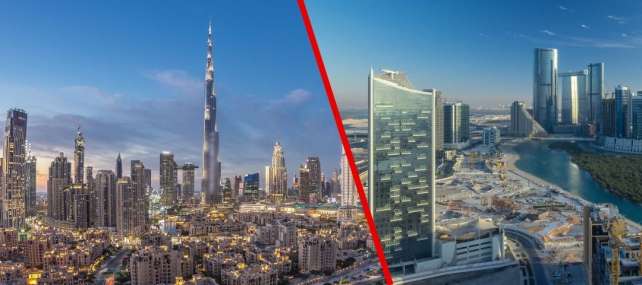
Dubai has transitioned from an emerging property market to a globally relevant destination for real estate capital. For affluent and high-net-worth investors in ASEAN, it now features a diversified international property allocation strategy due to its macro stability, tax-efficient structure, global demand base, and robust fundamentals.
Political and economic stability are among Dubai’s foundational…
Canada’s real estate market closed 2025 in a more balanced and stable position, supported by earlier interest rate cuts, easing inflation, and gradually improving buyer confidence.
Across major cities, conditions varied but remained resilient: the GTA saw steady demand within a well-supplied market, Vancouver experienced elevated inventory with limited price pressure, and Montreal continued…
In November, Hong Kong’s residential market saw a 2.2% decline in transaction volume but a 1.2% rise in total consideration to HKD 51.7 billion. Mass residential capital values continued their 0.6% m-o-m rise, marking the third consecutive month of increases.
Developers have been actively launching new projects, reducing unsold inventory. The expected supply months…
Hanoi's real estate market is facing challenges as rental yields have significantly fallen. While property prices have surged by 30–40% over the past year, rents have only risen by 8–10%, with many areas experiencing a plateau in rental income. This situation is making it increasingly difficult for property owners with mortgages to sustain their investments.…
Bali’s property market showed strong activity in 2025, driven by tourism recovery and heightened investor interest.
Property prices continued to rise, particularly in commercial sectors such as hotels, offices, and retail, while villas and short-term rental properties remained highly sought after by both local and foreign buyers.
The steady return of national and international…