

Negotiator ∙ Elite
Calvin Legada
REN72279
Negotiator ∙ Elite
Calvin Legada
REN72279
About Calvin Legada
Leveraging market knowledge and negotiation skills to deliver exceptional results. Your real estate success is my priority. Ready to make your real estate dreams a reality? Let's chat. Your dream home awaits.
Contact Calvin Legada
Calvin Legada Social Links
My Listings
No listings available at the moment.
Our newly launched projects
Discover the real estate properties in and around Kota Kinabalu, Malaysia. Buy apartment units, landed houses, bungalows, commercial office space, shop lots, and sub-sales with 100% confidence at IQI Global.
 Large land area
Northern TechValley @BKE
Mukim 14, Kubang Semang, 14400 Seberang Perai, Penang, Malaysia
Starting from RM 14,495,520
Listed on January 23, 2026
 Located in Bukit Minyak
Taman IKS Bukit Minyak
Jalan IKS Bukit Minyak Utama, Taman IKS Bukit Minyak, 14100 Simpang Ampat, Penang, Malaysia.
Starting from RM 1,203,800
Listed on January 23, 2026
 Industrial project type
Regalway Industrial Hub (Industrial)
Regalway Industrial Hub, Off Jalan Bukit Panchor, Bukit Panchor, 14100 Simpang Ampat, Penang, Malaysia.
Starting from RM 5,015,000
Listed on January 23, 2026
 Located in Bukit Mertajam
Taman Jasa Ria (Garden Villa)
Jalan Permatang Pasir, Taman Jasa Ria, 14000 Bukit Mertajam, Penang, Malaysia
Starting from RM 1,118,800
Listed on January 23, 2026
 Larger built-up area
Taman Jasa Intan (Garden Superlink)
Jalan Jasa Intan, Taman Jasa Intan, 14000 Bukit Mertajam, Penang, Malaysia
Starting from RM 818,000
Listed on January 23, 2026
 Located in Nibong Tebal
Taman Fajar Permai (Sunrise Terrace)
Jalan Fajar, Taman Fajar Permai, 14300 Nibong Tebal, Penang, Malaysia.
Starting from RM 550,000
Listed on January 23, 2026
Mortgage Calculator
Calculate your estimated month repayment and plan your monthly expenses well.
The mortgage calculator is intended for reference only. Actual amount may vary.
Monthly Payment
Send me the mortgage calculator result

Home Loan Eligibility Calculator
Calculate your potential loan amount and assess your home buying affordability.

Rental Yield
Calculate the potential rental yield and evaluate a property's investment performance.

Down Payment Saving Plan
Create a structured savings plan and determine how much to save monthly for your down payment plan.

Malaysian Property Transaction Fees Calculator
Estimate the total transaction fees and budget accurately for your Malaysian property purchase.
IQI blog & news
Articles specifically curated for your daily digest of local and global real estate news.

TL;DRKuching property investment is gaining attention as Sarawak expands its economy and plans better transport connections. Brickz recorded 1,551 residential transactions in Kuching from August 2025 to July 2026, with a median sale price of RM420,000 and a median price per square foot of RM229. Batu Kawa, Matang, Stutong, Vivacity and Kota Samarahan offer different ways to balance space, convenience and rental demand. House hunting can feel like a second job. Prices stretch the budget, and a beautiful unit can lose its charm after one peak-hour drive. Then the family WhatsApp committee gets involved. Kuching property gives buyers a practical place to start: what can your money buy, which neighborhood suits your routine, and what could change by 2027? Sarawak's capital is worth adding to your viewing calendar. Key Takeaways Kuching property investment: Local family demand, new transport plans, and Sarawak's industrial development support interest in the city heading into 2027. Average house price in Kuching, Sarawak: Brickz reports a median residential sale price of RM420,000, based on 1,551 transactions between August 2025 and July 2026. Best areas to buy property in Kuching: Batu Kawa offers township value, Matang and Petra Jaya offer suburban living, and Vivacity suits buyers seeking city conveniences. Kuching ART property development: Planned KUTS lines connect major urban corridors, including the Samarahan area, potentially improving daily accessibility. Kuching landed house vs condominium: Landed homes suit buyers seeking family space and flexibility, while condominiums offer a different mix of facilities, location, and rental appeal. Read this before investing in property in Kuching!1. Why Is Kuching Becoming a City to Watch for Property Buyers in 2027?2. What Is the Average House Price in Kuching, Sarawak?3. How Could Kuching ART Property Development Shape the Market by 2027?4. What Are the Best Areas to Buy Property in Kuching in 2027?5. Kuching Landed House vs Condominium: Which Should Buyers Choose?6. Is Kuching Property a Good Investment in 2027?7. What Should Malaysians Know Before Buying Property in Kuching?8. Frequently Asked Questions Estimated reading time: 14 minutes 1. Why Is Kuching Becoming a City to Watch for Property Buyers in 2027? Kuching combines an established state capital, emerging industries, and planned transport upgrades. The Kuching property market outlook for 2027 centers on how these changes connect with existing housing demand. a. How Is Sarawak's Economic Growth Supporting Kuching's Property Market? Sarawak's plans emphasize renewable energy, industry and connectivity. PropertyGuru highlights the Sarawak Corridor of Renewable Energy (SCORE), where growth around Bintulu and Samalaju supports housing, logistics and services. In Kuching, government, education and tourism help sustain residential property demand. In October 2026, Borneo Post quoted community leader Dato Sim Kiang Chiok urging the 2027 State Budget to support energy, technology, transport and skills. He said, “Growth must not be measured by revenue and GDP alone.” His focus included higher incomes and better services for residents. b. What Makes Kuching Attractive for Homebuyers and Families? Kuching offers riverside attractions, universities, healthcare, and a relaxed pace. Kuching housing ranges from established streets to self-contained townships. Families still ask ordinary questions: How long is the school run? Can everyone park without a nightly negotiation?. c. Who Is Driving Residential Property Demand in Kuching? Families, first-time buyers, and people moving closer to work or study are important audiences. PEPS Ventures identifies returning East Malaysians as potential buyers in the RM500,000–RM700,000 segment, especially for larger homes with good amenities. 2. What Is the Average House Price in Kuching, Sarawak? For the average house price in Kuching, Sarawak, the clearest recent benchmark is the median: Brickz puts Kuching's residential median sale price at RM420,000, or RM229 per square foot, for August 2025 to July 2026. It recorded 1,551 transactions across 519 projects and townships during that period. a. What Do Kuching's Latest Residential Property Transactions Show? The middle half of sales ranged from RM260,000 to RM630,000, with 25th- and 75th-percentile price-per-square-foot (PSF) figures of RM164 and RM341. The Kuching property prices reflect housing choices across several budgets. Residential market measureRecorded valuePeriod and coverageKuching median transacted priceRM420,000Aug 2025–Jul 2026; 1,551 residential transactionsKuching median price per square footRM229Aug 2025–Jul 2026Kuching division median priceAbout RM410,000Over 5,500 NAPIC-verified transactionsSarawak residential median priceRM388,0002021–2026; 12,584 subsale transactionsMalaysia average house priceRM507,533Q1 2026 Source: Brickz, NewProjek, List.my, & Global Property Guide b. How Do Property Prices Differ Between Kuching's Neighbourhoods? NewProjek puts MJC-Batu Kawa New Township at RM188 per square foot, Matang Jaya at RM421, and Jazz Suites @ Vivacity at RM608. These per-square-foot prices highlight different entry points across these neighborhoods. c. How Does Kuching's Property Market Compare With Malaysia's Wider Housing Market? List.my records a Sarawak residential median of RM388,000 across 12,584 subsales in 2021–2026. Global Property Guide puts Malaysia's Q1 2026 average house price at RM507,533, alongside 1.69% annual index growth. 3. How Could Kuching ART Property Development Shape the Market by 2027? Kuching ART property development matters because a better commute can change where residents choose to live. Planned stations may strengthen access to residential and commercial areas. a. What Is the Kuching Urban Transportation System (KUTS)? The Kuching Urban Transportation System, or KUTS, includes a hydrogen-powered Autonomous Rapid Transit (ART) network. PropertyGenie describes a 69.9-kilometer first-phase plan involving the Samarahan, Serian, and Kuching lines, supported by feeder buses and park-and-ride facilities. Its published project profile targets operations to start in 2026. For 2027 buyers, proximity to a planned station may matter most when it fits their regular commute. b. Which Residential Areas Could Benefit From ART Connectivity? SuperHomes identifies Stutong, Jalan Airport and Kota Samarahan as corridors attracting interest linked to planned ART access. Samarahan has a particularly clear everyday audience because Universiti Malaysia Sarawak (UNIMAS) and Universiti Teknologi MARA (UiTM) Sarawak create student and staff activity. Imagine choosing between a shorter university commute and a larger porch. Your weekday routine decides which matters most. c. How Could the Pan Borneo Highway Influence Kuching's Housing Demand? The Pan Borneo Highway is another major factor shaping Sarawak's housing market. PropertyGuru links regional road upgrades with access to emerging residential and commercial corridors. For Kuching buyers, improved access could broaden the range of practical suburbs, particularly for those willing to trade a central address for more living space. 4. What Are the Best Areas to Buy Property in Kuching in 2027? The best areas to buy property in Kuching vary by budget, commute, and tenant needs. Batu Kawa, Matang, Petra Jaya, Stutong, and Vivacity each offer a distinct residential setting. a. Is Batu Kawa a Good Choice for Affordable Homes and Families? Batu Kawa offers township convenience and relative value. MJC-Batu Kawa New Township includes shops, food outlets, and services, with NewProjek reporting RM188 per square foot. b. How Do Matang, Petra Jaya and Tabuan Jaya Compare? Matang and Petra Jaya offer suburban settings, with Matang Jaya recorded at RM421 per square foot. Tabuan Jaya and Stutong offer mature neighborhoods, commercial facilities, and access to schools. c. Is Kota Samarahan Attractive for Property Investors? Kota Samarahan property investment has a clear tenant base near UNIMAS, UiTM Sarawak, and health services. University and staff housing serve different routines from city-center apartments. d. What Makes Stutong and Vivacity Appealing to Urban Buyers? Vivacity combines shopping, dining, and apartment living. Jazz Suites' reported RM608 per square foot reflects its urban setting, while Stutong offers established residential options near planned transit corridors. AreaMain attractionReported benchmark or demand driverMJC Batu KawaSelf-contained township and family amenitiesRM188 PSFMatang / Petra JayaSuburban living and established neighborhoodsMatang Jaya: RM421 PSFTabuan Jaya / StutongMature housing and access to servicesFamily and upgrader demandKota SamarahanUniversity-linked housingUNIMAS and UiTM student and staff demandVivacity / city areaIntegrated shopping and condominium livingJazz Suites: RM608 PSF If comparing these neighborhoods feels like choosing between five equally good dinner spots, IQI Global can help you narrow the options by budget, home type, and daily routine. Get in touch to explore available properties in Kuching. Approach IQI Now! 5. Kuching Landed House vs Condominium: Which Should Buyers Choose? The decision between a Kuching landed house and a condominium starts with how you plan to use the property. A landed home generally gives a family more control over layout and outdoor space; a condominium can place shops, workplaces, and shared facilities closer to the front door. a. Why Are Landed Houses Popular Among Kuching Homebuyers? NextSix recommends evaluating landed homes by parking, kitchen flow, ventilation, usable land, and room flexibility. Those details decide how a home works on an ordinary Tuesday. The same guide recommends assessing the commute, roof condition, signs of water damage, and renovation needs alongside the asking price. b. What Are the Benefits and Costs of Buying a Condominium in Kuching? Condominiums can suit smaller households, professionals, and some long-stay buyers who prefer a managed building. SuperHomes estimates the Kuching high-rise purchase range at RM320,000 to RM650,000. Buyers should budget for condominium maintenance fees, which cover shared building upkeep, and consider the facilities, unit layout, and access to everyday services. c. Is a New Launch or Subsale Property Better for Your Budget? The new launch vs subsale property choice in Kuching involves timing and condition. A subsale is a home bought from an existing owner; a new launch is sold by a developer. A completed subsale home lets you inspect it before purchase, while a new project has a future delivery schedule. NextSix stresses repair costs and practical layout. Let's say you need a ground-floor room for an aging parent. That might outweigh a showroom-perfect kitchen. 6. Is Kuching Property a Good Investment in 2027? Is Kuching property a good investment? Buyers can identify long-term demand from families, professionals, healthcare staff, and university communities. Entry price and tenant needs shape each opportunity. a. What Rental Yields Can Investors Expect From Kuching Property? SuperHomes estimates gross rental yields of 4.8%–6.2% for selected Kuching strata properties (individually owned units within a shared building or development) and executive suites. It also estimates monthly rent of RM1,800–RM2,800 for furnished two-bedroom units near major shopping areas. PEPS Ventures describes broader Sarawak residential yields of around 3%–4% and notes longer holding periods for investors. Calculate Kuching property rental yield by dividing annual rent by purchase price and multiplying by 100. For a worked example using the reported RM420,000 residential median price and RM1,800 monthly rent, RM1,800 × 12 ÷ RM420,000 × 100 = 5.14% gross yield. Maintenance, repairs, and vacancy affect the net amount received. b. How Could Sarawak's Economic Plans and S-MM2H Program Affect Housing Demand? Sarawak's energy agenda and Sarawak Malaysia My Second Home (S-MM2H) program may broaden buyer interest. Under Sarawak's Ministry of Tourism, Creative Industry and Performing Arts guideline amended on 31 July 2025, the program requires a RM500,000 fixed deposit, a minimum age of 30, and 30 days in Sarawak annually. Dato Sim Kiang Chiok also urged Sarawak Budget 2027 to prioritize jobs, education, and connectivity, all closely tied to where households choose to settle. c. What Are the Main Risks of Investing in Kuching Real Estate? PropertyGuru identifies delayed infrastructure work, slower resale activity, and dependence on industry as key risks for East Malaysian property. Vacancy also matters when planning capital appreciation potential and rental income. PEPS Ventures recommends a five-to-ten-year holding horizon for Sarawak investors and flags Native Customary Rights (NCR) land as a legal concern. Financing deserves equal attention. The Star reported that up to 59% of respondents to a survey of 181 property developers across Peninsular Malaysia held unsold completed residential units as at 30 June 2026, with loan rejection among the reasons given. For individual buyers, income documentation and monthly commitments can affect whether an attractive purchase proceeds. Want to compare rental-oriented units with homes suited to longer ownership? IQI Global can help you explore Kuching listings and discuss options for your preferred area and budget. Approach IQI Now! 7. What Should Malaysians Know Before Buying Property in Kuching? Start with Sarawak property ownership rules, your loan budget, and property condition. Sarawak's land categories require attention, particularly for buyers from other Malaysian states. a. Can West Malaysians Buy Property in Sarawak? West Malaysians can buy property in Sarawak, subject to applicable state procedures and property-title conditions. PEPS Ventures identifies Native Customary Rights (NCR) land as an area requiring specialized legal understanding. Foreign buyers face separate thresholds: Global Property Guide lists a minimum purchase price of RM600,000 in Kuching and RM500,000 elsewhere in Sarawak. b. What Property Financing and Purchase Costs Should Buyers Prepare For? Consider home loan eligibility before scheduling viewings. Nationally, the housing-loan approval rate was 39.2% in the first four months of 2026, with debt commitments and income records affecting decisions. First-time buyer stamp duty relief for homes up to RM500,000 runs through 31 December 2027. Under the Finance Act 2025, the residential-property transfer stamp duty rate for non-citizen buyers rose to 8% on 1 January 2026. A purchase budget should also allow for legal fees, moving costs, and repairs, especially for older homes. c. What Should Buyers Check Before Choosing a Kuching Neighborhood? Flood risk and traffic congestion, water damage, drainage, and parking all belong on a viewing checklist. NextSix stresses everyday usability and future flexibility over showroom appeal. Use a three-visit test: see the street during the morning school run, return at evening rush hour, and inspect the home's drains and walls after rain. Record commute time, parked cars, and repair concerns. Those observations will help rank two similarly priced homes by everyday fit. For help making that shortlist, IQI Global can assist with Kuching property options across neighborhoods and home types. Reach out before arranging your next round of viewings. Approach IQI Now! Kuching enters 2027 with a recognizable housing market, active suburban neighborhoods, and transport and economic projects that give buyers reasons to pay attention. Kuching property investment works best when the home fits the household or tenant who will actually use it. Start with the numbers, choose the right neighborhood, and factor the commute into the decision. The nicest listing photo will never shorten a school run. 8. Frequently Asked Questions a. Is Kuching property a good investment in 2027? Kuching property has identifiable long-term demand from families, students, professionals and people seeking a different pace of life. Transport plans and Sarawak's energy and industrial strategy add to its appeal. PEPS Ventures favors a five-to-ten-year investment horizon in the state, particularly where local housing demand is visible. b. What is the average house price in Kuching, Sarawak? Brickz reports a median residential sale price of RM420,000 and a median price per square foot of RM229 for Kuching, based on 1,551 transactions between August 2025 and July 2026. The middle half of recorded transaction prices ran from RM260,000 to RM630,000. c. Which areas in Kuching are best for first-time homebuyers? MJC Batu Kawa is a strong starting point for buyers seeking a self-contained township and value, with a reported price of RM188 per square foot. Matang and Petra Jaya offer suburban choices, while Kota Samarahan suits buyers whose work or study is centered near its universities. d. How will the Kuching ART project affect nearby property prices? Kuching ART could make selected corridors easier to reach and strengthen interest in housing near planned stations. Stutong, Jalan Airport and Samarahan feature in SuperHomes' discussion of transport-linked residential demand. The strongest everyday benefit for a buyer would be a station and feeder connection that shortens a regular trip to work or study. e. Is landed property or a condominium better to buy in Kuching? A landed house often suits buyers prioritizing parking, flexible rooms, and outdoor space. A condominium may suit professionals or smaller households who want managed facilities and convenient access to urban amenities. NextSix emphasizes layout and daily routine when choosing a landed home, while SuperHomes highlights high-rise options across Kuching. f. Can West Malaysians buy property in Sarawak? West Malaysians can purchase property in Sarawak under applicable state procedures and title conditions. PEPS Ventures highlights restrictions affecting Native Customary Rights (NCR) land, while SuperHomes describes purchase eligibility subject to state rules. g. What rental yield can investors expect from condominiums in Kuching? SuperHomes estimates 4.8%–6.2% gross rental yields for selected strata properties and executive suites in Kuching. It also quotes monthly rents of RM1,800–RM2,800 for furnished two-bedroom units near major shopping areas. Gross yield measures annual rental income against the purchase price, before accounting for ownership and vacancy costs. Want a home or rental property in Kuching? Contact IQI Global to explore neighborhood options, compare listings, and plan your next property viewing. [custom_blog_form] Continue Reading Malaysia Housing Overhang 2026: Why RM300K Homes Stay Unsold Foreigner’s Guide To Buying Property In Malaysia Pakistan Real Estate Market Insights 2026 References Ahmad, A. (2026, September 24). Real estate market eyes 1H27 turnaround. The Star. Retrieved from https://www.thestar.com.my/business/business-news/2026/09/24/real-estate-market-eyes-1h27-turnaround Brickz. (2026, July). Kuching, Sarawak - residential. Retrieved fromhttps://www.brickz.my/transactions/residential/sarawak/kuching/ Hariri, A. (2026, June 15). Real estate opportunities in Sarawak's property market. PEPS Ventures. Retrieved fromhttps://www.pepsventures.com/resources/real-estate-opportunities-in-sarawaks-property-market Kumar, K. (2026, July). Malaysia's residential property market analysis 2026. Global Property Guide. Retrieved from https://www.globalpropertyguide.com/asia/malaysia/price-history Lim, H. P. (2026, October 4). 2027 State Budget must translate growth into better lives for Sarawakians, says community leader. Borneo Post. Retrieved fromhttps://www.theborneopost.com/2026/10/04/2027-state-budget-must-translate-growth-into-better-lives-for-sarawakians-says-community-leader/ List.my. (n.d.). Sarawak property market analysis. Retrieved fromhttps://list.my/subsales/sarawak NewProjek. (2026, September 18). Best areas to live in Kuching 2026. Retrieved fromhttps://newprojek.com/guides/best-areas-to-live-kuching NextSix. (2026, May 28). Choosing landed homes in Kuching & Samarahan. Retrieved fromhttps://blog.nextsix.com/how-to-choose-residential-landed-property-kuching-samarahan-alven-jap/ PropertyGenie. (n.d.). Kuching property market overview. Property Genie. Retrieved from https://www.propertygenie.com.my/location/sarawak/kuching Property Guru. (2026, June 26). Emerging opportunities in Sabah and Sarawak: East Malaysia property investment in 2026. Retrieved from https://www.propertyguru.com.my/property-guides/east-malaysia-property-investment-78434 SuperHomes. (2026, July 24). Kuching property market outlook 2026: ART network, S-MM2H & trends. Retrieved from https://www.superhomes.my/resources/kuching-property-market-2026 World Borneo. (2025, July 31). Sarawak MM2H requirements 2026: Official S-MM2H guide. Retrieved fromhttps://www.worldborneo.com/sarawak-mm2h

The best tools for real estate agents fall into five jobs: finding leads, managing them in a CRM, marketing listings, using AI to save writing time, and closing paperwork through transaction and e-signature tools. The brand names change by country. In Malaysia, there is no MLS, WhatsApp runs every conversation, and advertising rules apply to every post, so the right stack looks different. This guide picks the tools that actually work for a Malaysian REN in 2026, and shows where each one fits in your week. Key takeaways Build the compliance block into every template before you build anything else. Standard 6 applies to every digital advertisement you publish. Never let an AI tool publish superlatives under your REN number. WhatsApp first, then a CRM that connects to it. A CRM your clients will not use is a CRM you will not use. Because there is no MLS, syndication saves more hours per week than any other tool category. Quote transacted prices, not asking prices. That is what wins listings. Start on free tiers. Add paid tools after the first commission, not before. The 2026 tool stack at a glance JobGlobal examplesWhat works in MalaysiaLead generationZillow Premier Agent, BoldLeads (US)PropertyGuru, iProperty, EdgeProp, Mudah, Juwai.com, social adsClient communicationSMS, emailWhatsApp BusinessCRMFollow Up Boss, Wise AgentZoho CRM, HubSpot CRM, IQI AtlasAI writingChatGPT, Gemini, CopilotSame tools, with Standard 6 guardrailsDesign and toursCanva, virtual staging, 3D toursCanva with a locked compliance templateTransactions and e-signingDotloop, DocuSignE-signature apps plus LHDN's online stamping on MyTax For context, the US National Association of Realtors' 2025 Technology Survey found e-signature tools used by 79% of agents, social media by 75% and AI-generated content by 46%. Social media was the top source of quality leads, named by 39%. What Are the Best Lead Generation Tools for Real Estate Agents? In the US, agents buy leads from services like Zillow Premier Agent or BoldLeads. Those are built around the American MLS and do not carry Malaysian listings, so they will not help a REN here. In Malaysia, leads come from three places. Property portals: PropertyGuru and iProperty, which have been under the same group since PropertyGuru bought iProperty Malaysia and Brickz in 2021, plus EdgeProp and Mudah. Buyers browse them first, so your listings need to be there. Cross-border portals: Juwai.com reaches buyers from China and other overseas markets, useful if you list high-end or MM2H-eligible homes. Social media: Facebook, Instagram, TikTok and Xiaohongshu, with organic content and paid ads. Every ad still needs your Standard 6 details. The trap is posting the same listing by hand on five sites. With no MLS, syndication is the biggest time-saver in your stack. Upload once, publish everywhere. How IQI Atlas and IQI Pilot handle leads IQI agents upload a listing once to IQI Atlas, and it is pushed automatically to EdgeProp, Juwai.com and IQI Global. Enquiries come back into Atlas, where the agent tracks them alongside existing clients. IQI Pilot, the AI layer inside Atlas, then recommends properties to each lead based on budget, preferences and behaviour, and helps agents see which leads are hot. Our IQI Atlas and AI tools FAQ explains how both work. Once a lead comes in, speed matters more than any tool. Our call script template shows what to say in the first call. Which Client Communication Tool Should a Malaysian Agent Use? WhatsApp Business. In Malaysia, buyers, tenants, owners and lawyers all expect to reach you there, not by email. Set up a business profile, quick replies for common questions, and labels for each stage of a deal. Then choose a CRM that connects to WhatsApp, so conversations do not stay trapped on your phone. Using broadcast lists to send listings? Each broadcast is an advertisement, so it must carry the same Standard 6 details as any other ad. What Is the Best CRM for Property Agents in Malaysia? A CRM stores contacts, tracks conversations, schedules follow-ups and stops enquiries from quietly dying. An agent working 40 live leads cannot remember who wants a Mont Kiara condo under RM800,000 and who is still waiting on loan approval. That information either lives in a system or it leaks. CRMBest forIndicative priceWhatsAppZoho CRMCost-conscious agents who want WhatsApp handled properlyFree tier available, with paid plans for additional featuresNative optionsHubSpot CRMLong nurture cycles, upgrader and investor buyersFree tier availableVia integrationFollow Up BossHigh lead volume and faster follow-upPaid subscriptionVia integrationWise AgentSolo agents wanting a simpler CRMPaid subscriptionLimitedIQI AtlasIQI agents wanting one app for the whole workflowIncluded for IQI agentsYes Features and pricing change often. Check each vendor's current plans before you sign up. What about an agency-built platform? This is where the picture changes completely for agents joining a large agency rather than working alone. IQI Atlas is IQI Global's own AI-powered SuperApp, built for the Malaysian workflow rather than adapted from a generic. It folds lead management, listing tools, project information, training, commission tracking and internal team communication into a single platform running on mobile and web, so an agent is not stitching together four subscriptions charged as external subscriptions against ringgit commission. Listings uploaded to Atlas are pushed automatically to EdgeProp, Juwai.com and IQI Global, which removes a large part of the portal-by-portal posting problem created by the absence of an MLS in Malaysia. It runs alongside IQI Pilot, an AI layer that recommends properties to leads based on budget, preferences and behaviour, so agents can prioritise the enquiries most likely to close rather than working the list top to bottom. ATLAS Super App is built from the ground up to make sure agents get their commission on time. Nabeel Mungaye, Chief Information and Chief Operating Officer, Juwai IQI, StarProperty, 7 June 2024 Because it is built in-house for a registered Malaysian agency, commission tracking reflects how estate agency fees actually work here, and firm-level details are handled at platform level rather than left to each agent to remember on every post. Atlas is exclusive to registered IQI agents and included at no separate subscription cost, which is worth weighing when comparing agencies, because the stack you inherit on day one is part of yourtake-home rather than a perk. Can you use AI to write listing copy in Malaysia? Yes, carefully, and this is where most agents will get into trouble in 2026. Ask for a listing description and you will reliably get "the best value in the area", "an unbeatable opportunity", and a claim that you are the neighbourhood's leading specialist. Every one of those breaches Standard 6. No superlatives, no comparative claims about the practice, no claims of expertise in a specialised field. Use AI like this instead: Give it your compliance block and instruct it never to alter or drop that section Instruct it explicitly to avoid superlatives, comparatives and claims of expertise Use it for translation between English, Bahasa Malaysia and Mandarin, which is its strongest and safest use here Use it for structure and first drafts, then rewrite with what you actually saw Buyers can tell when a description was written by someone who never walked the unit. You are responsible for what your AI publishes under your REN number. What design tools do Malaysian agents need? Canva remains the fastest way to produce marketing material without a designer, and in 2026 it is table stakes rather than an advantage. The Malaysian-specific move is to build a locked template with your compliance footer already in place: firm name, firm registration number, office telephone, your name, your mobile and your REN number. Social templates sized for Facebook, Instagram, TikTok and Xiaohongshu Property flyers, which carry their own content requirements Listing presentation decks Background removal and photo tidying Set the compliance block once, then never think about it again. That single habit removes the most common advertising breach in Malaysian practice. Virtual staging tools are worth adding for subsale, where most units are shown vacant. Always disclose that images are virtually staged, because misrepresenting a property is a Standard 6 problem as well as a trustproblem. Are virtual tours worth it in Malaysia? Yes, for two segments specifically: overseas buyers and time-poor professionals. For a Johor or Penang unit being marketed to a Singapore or Hong Kong buyer, a 3D walkthrough with a shareable WhatsApp link is close to essential. The point is filtering, not showing off. A virtual tour removes viewings that were never going to convert, which is worth more than the extra listing views. What Are the Best Transaction Management and E-Signature Tools? Transaction tools keep a deal's documents, deadlines and signatures in one place. In the US, platforms like Dotloop run the whole workflow. In Malaysia, agents usually combine an e-signature app with LHDN's online stamping. Which documents can be e-signed in Malaysia? The Electronic Commerce Act 2006 says a contract shall not be denied legal effect just because it is electronic. That covers most of what an agent handles day to day. DocumentE-signing in practiceLetter of offer, booking form, appointment letterCommonly e-signedTenancy agreementCommonly e-signed, then stamped onlineSale and Purchase AgreementE-signed in some developments. The lawyer decides.Transfer (Form 14A) and charge (Form 16A)Must be presented in original form for registration That last row is why lawyers see e-signing as a helper, not a full replacement, for now. E-signing will remain a supplementary tool rather than a complete solution. Nurul Anis Mohd Sohaimi, Associate, Real Estate, Halim Hong & Quek, 19 May 2026 How does LHDN's online stamping fit in? Stamping is now self-assessed. Under LHDN's Stamp Duty Self-Assessment System (STSDS), you log in to MyTax, upload the document, work out the duty and pay it yourself. From 1 January 2026: tenancy and lease agreements, security instruments and general stamping From 1 January 2027: transfers of real property From 1 January 2028: all other instruments For agents who handle rentals, getting the tenancy stamped correctly is now the client's responsibility to self-assess, and a good agent walks them through it. Landlords can read our rental income tax guide for what happens after the tenancy starts. From the authorHere is my honest take. The agents who struggle are rarely the ones with too few tools. They are the ones with too many, half set up, none of them talking to each other.If you are new, start small. WhatsApp Business, one CRM, one Canva template that is already compliant. Use them every single day for a month before you add anything else.And treat AI like a sharp junior assistant, not a ghostwriter. It saves you hours on drafts and translations, but your name and REN number go on the final post, so the judgement has to stay yours.In the end, tools do not close deals, consistent follow-up does. The best tool is simply the one that makes you follow up faster than the next agent. Today's real estate professionals need not just industry-leading skills, but also world-beating technology. Daniel Ho, Co-Founder and Group Managing Director, Juwai IQI, EdgeProp, 19 May 2026 Frequently asked questions What are the best tools for real estate agents in Malaysia? The core stack is WhatsApp Business for client communication, a CRM that connects to WhatsApp, Canva with a compliant listing template, an AI writing assistant used with guard rails, Brickz or NAPIC for transacted prices, and LHDN e-stamping for documents. What must a property advertisement in Malaysia include? Under Standard 6 of the Malaysian Estate Agency Standards, any advertisement in any media, including electronic, digital and mobile media, must prominently display the estate agency firm's name and registration number, the firm's office telephone number, and the negotiator's name, mobile number and REN registration number.Comparative or superlative descriptions of the practice and claims of expertise in a specialised field are not permitted. What is the best free CRM for a new REN in Malaysia? Zoho CRM and HubSpot CRM both offer usable free tiers. Zoho tends to suit Malaysian agents better because it handles WhatsApp messaging natively, and WhatsApp is the primary client channel in this market. Where can Malaysian agents find real transacted property prices? NAPIC and JPPH publish official government transaction data. What is IQI Atlas? IQI Atlas is an AI-powered SuperApp developed by IQI Global that combines CRM, lead tracking, listing tools, commission tracking and training resources in one platform. It works on mobile and web, and listings uploaded to it are distributed automatically to EdgeProp, Juwai.com and IQI Global. Join IQI and get structured training, mentorship, Atlas CRM, and a 65,000 -agent network from Day 1. Your 9-to-5 skills are more valuable than you think. [custom_blog_recruit_form] Continue reading: IQI Atlas and AI Tools: Frequently Asked Questions Real Estate Agent Call Script Template to Convert Leads IQI AI Hackathon Builds AI Skills for Malaysia's Real Estate Industry Real Estate Agent Commission Structure in Malaysia Sources HousingWire, NAR Technology Survey finds AI gaining traction with Realtors, 18 September 2025 StarProperty, Riding on tech to succeed in real estate, 7 June 2024 EdgeProp, Juwai IQI marks US$4.3b in global transactions at largest-ever KL convention, 19 May 2026 Halim Hong & Quek, E-signing in Malaysian housing development transactions, 19 May 2026 LHDN, Stamp Duty Self-Assessment System (STSDS), updated 28 August 2026 The Edge, PropertyGuru acquires iProperty Malaysia with REA Group as strategic shareholder, 2021
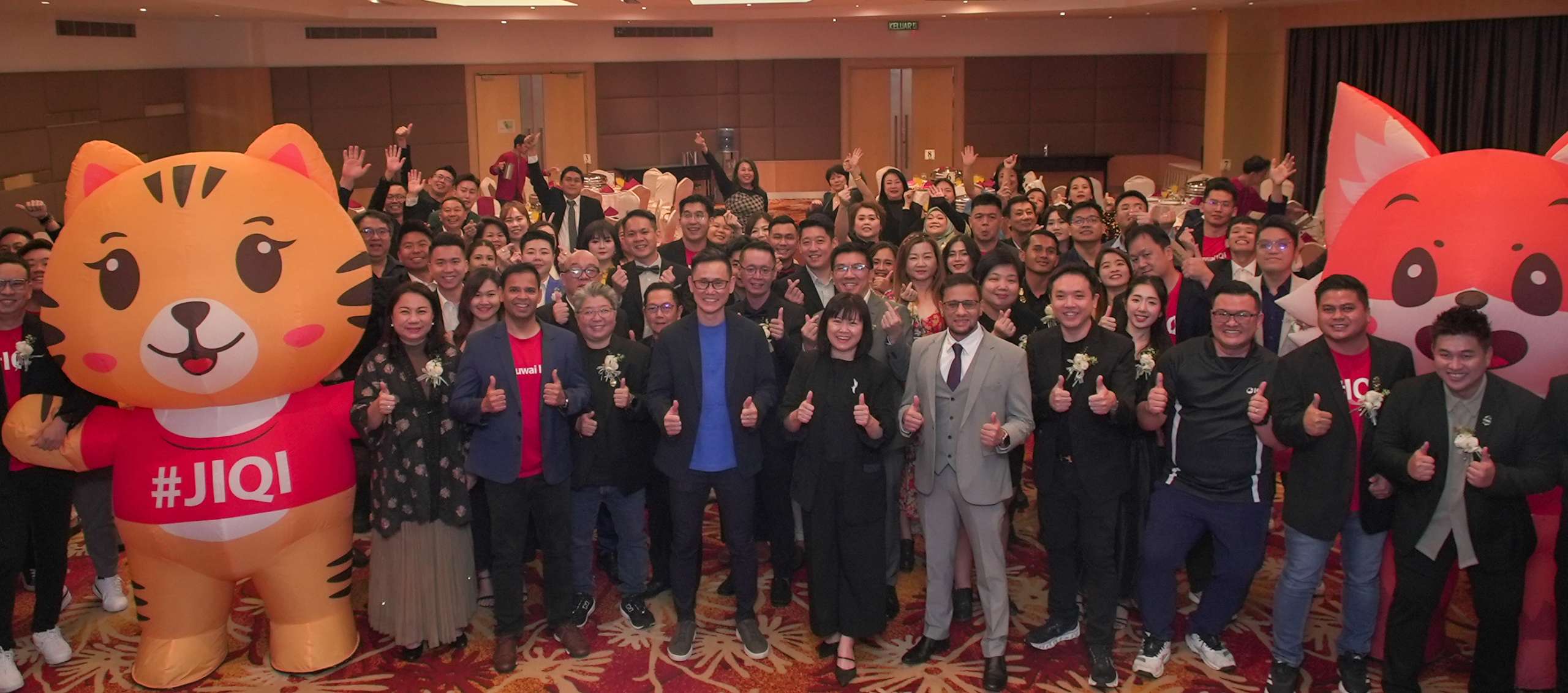
Real estate in Sarawak once relied heavily on paperwork. Agents printed contracts, chased signatures and couriered documents, while property listings sat in notebooks and scattered chat groups. Growing a real estate career often meant figuring things out on your own. Today, IQI Sarawak has grown into a network of over 1,500 members, with Head of Team and Person-in-Charge (PIC) Jamie Tiew leading the team. Digital tools now help agents work smarter, close deals faster and expand their reach across one of Malaysia's largest states. After sharing how Joel Low grew IQI Sabah from 13 agents to over 3,000, we turn our attention to Sarawak. Here's how its people, technology and opportunities are shaping the next chapter of IQI Sarawak. TL;DR IQI Sarawak is the Sarawak network of IQI Global, led by Head of Team and PIC Jamie Tiew, with more than 1,500 members. Jamie has spent 8 years with IQI and watched Sarawak agency work move from hardcopy files to digital systems. Sabri, known as "Bang Bro", has 10 years in real estate, 6 of them with IQI, and is building a Bumiputera team in Sarawak. Sarawak recorded 25,923 property transactions worth RM9.26 billion in 2024, with its House Price Index up 4.8% (NAPIC). Kuching's hydrogen-powered ART Blue Line targets pilot operations by end-2026 and full operations in 2027. To start, you complete a 2-day Negotiator Certification Course (NCC) and register for your REN tag with BOVAEP through an agency like IQI. What's inside?What Makes IQI Sarawak a Strong Market for Agents?Meet Jamie Tiew: From Hardcopy Files to Leading 1,500+ MembersHow Did Bang Bro Build a Bumiputera Team in Sarawak?From Solo Agents to Team Leaders: What Does Growth Look Like?How Much Can a Property Agent Earn in Sarawak?What Support Do IQI Sarawak Agents Get, and How Do You Join?Your Sarawak Story Could Be the Next One We TellFrequently Asked Questions What Makes IQI Sarawak a Strong Market for Agents? IQI Sarawak is the Sarawak arm of IQI Global, part of the Juwai IQI group, a real estate network present in more than 30 countries. Its agents serve buyers, sellers, tenants and investors across the state, from new launches to subsale homes and rentals. The market they work in is bigger than many people outside Borneo realise. According to NAPIC's East Malaysia Region Property Market Report 2024, Sarawak recorded 25,923 property transactions worth RM9.26 billion. That is 71.1% of all property transactions in East Malaysia. Sarawak property market at a glance (2024) Indicator2024 figureChange vs 2023Total property transactions25,923Down 8.7%Total transaction valueRM9.26 billionUp 0.3%Residential transactions11,449Down 5.3%Residential transaction valueRM4.01 billionDown 1.6%House Price Index212.4 pointsUp 4.8%Average house priceRM541,599Up from RM516,917Residential overhang1,512 unitsDown 12.5% Source: NAPIC, East Malaysia Region Property Market Report 2024 (preliminary figures). Infrastructure is the next growth story. Sarawak Metro expects the first hydrogen-powered Autonomous Rapid Transit (ART) vehicles on Kuching's Blue Line, running from Rembus to Riveria, to begin pilot operations by the end of 2026, with full operations planned for 2027. The Sarawak Housing and Real Estate Developers' Association (Sheda) has also pointed to the Pan Borneo and coastal road networks, rural utilities and state housing programmes as indirect boosts to housing demand heading into 2026. Author's InsightLook closely at that table. Transaction volume dipped, but total value held steady and prices rose 4.8%. Overhang also fell by 12.5%.That tells me Sarawak is not a fast-flipping market. It is a fewer-deals, higher-value market, where buyers take their time and trust matters more than hype. Agents who genuinely know local pricing, land titles and neighbourhoods will win those conversations.And the ART corridor is a head start you can only get once. Agents who learn the Rembus to Riveria catchment now will be the ones buyers call when the line opens. Meet Jamie Tiew: From Hardcopy Files to Leading 1,500+ Members Jamie Tiew has seen Sarawak's real estate industry from both sides of the digital shift. When she started, the work ran on hardcopy documents and manual processes. Every booking, every form and every follow-up took time, and time was the one thing agents never had enough of. Eight years later, she is Head of Team and PIC for IQI Sarawak, leading a growing network of more than 1,500 members. View this post on Instagram A post shared by Life At IQI by IQI Global (@lifeatiqi_) For Jamie, the biggest change is not just speed. It is what speed makes possible. With IQI's digital systems, tasks that once needed a trip to the office can now be handled from a phone. That frees agents to spend more time with clients, and frees leaders like Jamie to focus on coaching and growing their people. What makes IQI different is its technology. Everything we need is right in the app, making it easier for agents to manage their work and grow their business. Jamie TiewHead of Team and PIC, IQI Sarawak Her journey shows something many new agents overlook. The right platform does not only help you close deals. It helps you keep up with the industry as it changes, and then lead others through that change. Author's InsightTechnology matters more in Sarawak than people think. This is a state where clients, projects and towns can sit hundreds of kilometres apart.When your listings, paperwork and leads live in one app, distance stops being a disadvantage. That is the real lesson in Jamie's eight years: going digital is not a trend, it is how you scale a network across Borneo. See the tools behind the shift Discover how Atlas SuperApp helps IQI agents manage listings, leads and deals from one place. Explore Atlas SuperApp How Did Bang Bro Build a Bumiputera Team in Sarawak? Sabri has spent 10 years in the property industry. Six of them have been with IQI. Most people in his circle know him simply as Bang Bro. And over those six years, he has used IQI's platform to do something he cares deeply about: building a Bumiputera team in Sarawak. View this post on Instagram A post shared by Life At IQI by IQI Global (@lifeatiqi_) He credits three things for helping his career go further: Easier access to listings, so he and his team always have properties to offer clients. A more digital way of working, which cuts the admin and speeds up every deal. The opportunity to recruit and lead, turning his own experience into careers for others. Joining IQI helped me achieve success much faster. We gained access to more property listings, recruitment became easier, and our team could work more efficiently. Sabri "Bang Bro"Real Estate Negotiator and Team Leader, IQI Sarawak His story matters because real estate in Sarawak is deeply local. Buyers want someone who understands their community, speaks their language and knows how things work on the ground. A team built from within that community brings trust that no advertisement can buy. Author's InsightHere is something agents from West Malaysia often learn the hard way. Sarawak has its own land law, the Sarawak Land Code, with land classes such as Mixed Zone Land and Native Area Land, and dealings in some classes are restricted to natives of Sarawak.That makes local knowledge a genuine career advantage, not a nice-to-have. A Bumiputera team that understands land status and can guide families through it with confidence is exactly what this market needs more of. Always confirm a title's status with the Land and Survey Department or a lawyer before any deal. From Solo Agents to Team Leaders: What Does Growth Look Like? Every leader in IQI Sarawak started in the same place: as one agent, with one phone and a first listing. The agents in our third story began exactly that way. Today, they lead their own teams, grow their careers and create opportunities for others. View this post on Instagram A post shared by Life At IQI by IQI Global (@lifeatiqi_) The flexibility of real estate changed more than their income. It gave them the freedom to travel more, invest in themselves and build a lifestyle they once only imagined. Their path follows a pattern we see across IQI networks in Sabah, Sarawak and beyond. The typical growth path of an IQI agent StageWhat you focus onWhat helps you move upNew RENLearning the market, closing your first dealNew REN training, a mentor, ready listingsConsistent producerBuilding repeat clients and referralsDigital tools, project access, fast payoutsTeam leaderRecruiting and coaching new agentsLeadership training, team recognitionLeader of leadersGrowing a network across townsRegional support, the wider IQI Global network For a closer look at how far that path can go, read how Ven Tee went from banking to leading more than 1,000 agents. How Much Can a Property Agent Earn in Sarawak? Let's be honest about this. Real estate negotiators (RENs) in Malaysia do not earn a fixed salary. Your income comes from commission, so it rises with the deals you close. For a subsale, the agency fee is commonly 2% to 3% of the selling price, within the maximum set under Malaysia's scale of fees. The agency then shares that fee with the REN based on their commission tier. A worked example using Sarawak's average house price Formula: Agency fee = selling price x commission rate Sarawak average house price (NAPIC, 2024): RM541,599 At 2%: RM541,599 x 2% = RM10,832 agency fee At 3%: RM541,599 x 3% = RM16,248 agency fee Gross figures before the REN's commission split. Actual rates are agreed between the seller and the agency. Now multiply that by a few deals a month, add rentals and new project sales, and you can see why many agents describe real estate as a career that rewards consistency. Want to run your own numbers? Use IQI's commission calculator below. Estimates for guidance only. Actual earnings depend on deal value, commission rate, your tier and the number of transactions you close. For the full breakdown of tiers and splits, read our guide on real estate agent commission structure in Malaysia, or see how much property agents really earn in Malaysia. Author's InsightNotice one thing about every story in this article. Jamie has 8 years with IQI. Bang Bro has 10 years in the industry. None of them got there in a month.My honest advice: do not join for the trips, join for the system. Treat your first 6 to 12 months as training with income attached. The rewards come, but they come to people who stay consistent long enough to collect them. What Support Do IQI Sarawak Agents Get, and How Do You Join? Every story here shares one common thread. Nobody built their career completely alone. They had a platform behind them. Here is what that support looks like in practice: What you needFiguring it out aloneWith IQIListingsOnly what you source yourselfAccess to 400+ projects in Malaysia plus shared subsale and rental listingsPaperwork and leadsManual files and scattered chatsAtlas SuperApp and IQPilot AI to manage leads, deals and earningsCash flowWait on long payment cyclesFull commission in 5 days after closing on qualified projectsTrainingSelf-taught, trial and errorFree online and offline training, including a 4-day New REN TrainingRewardsCommission onlyIncentive trips, awards and a Home Bonus of up to RM500,000* *Terms and conditions apply. According to IQI, RM25 million was paid out in agents' home bonuses and RM9.4 million was allocated to incentive trips in 2025. How to become a property agent in Sarawak with IQI: 5 steps Check you are eligible. You must be a Malaysian citizen or permanent resident aged 18 or above. An SPM qualification is recommended. Talk to the IQI Sarawak team. Leave your details in the form below and a team leader will walk you through the path. Complete the Negotiator Certification Course (NCC). It is a mandatory 2-day course run by BOVAEP-approved providers. Get your REN tag. IQI submits your registration to the Board of Valuers, Appraisers, Estate Agents and Property Managers (BOVAEP). Once approved, you receive your REN tag. Train and start. Join IQI's New REN Training, set up Atlas SuperApp and work towards your first listing with your mentor. For more detail on each step, read our complete guide to becoming a real estate agent in Malaysia. Your Sarawak Story Could Be the Next One We Tell Jamie started with hardcopy files. Bang Bro started as one agent with a goal for his community. Our third group started solo. None of these stories are promises. They are real journeys from real people who chose the right platform and kept showing up. Whether you are in Kuching, Miri, Sibu, Bintulu or anywhere in between, your first step can happen this month. About IQI Sarawak IQI Sarawak is part of IQI Global, a real estate network present in more than 30 countries under the Juwai IQI group. Led by Head of Team and PIC Jamie Tiew, the Sarawak network has grown to more than 1,500 members. Through technology, training, mentorship and a people-first culture, IQI Sarawak helps agents build rewarding careers while serving homeowners, buyers and investors across the state. Frequently Asked Questions What is IQI Sarawak? IQI Sarawak is the Sarawak network of IQI Global, part of the Juwai IQI group. Led by Head of Team and PIC Jamie Tiew, it has more than 1,500 members serving property buyers, sellers, tenants and investors across Sarawak. How do I become a property agent in Sarawak? You must be a Malaysian citizen or permanent resident aged 18 or above. Complete the 2-day Negotiator Certification Course (NCC), join a registered agency such as IQI, and the agency registers you with BOVAEP for your REN tag. Do I need experience to join IQI Sarawak? No. Many IQI agents started with no real estate background. IQI provides free online and offline training, including a 4-day New REN Training, plus mentorship from experienced team leaders. How much does a property agent earn in Sarawak? RENs earn commission, not a fixed salary, so income depends on the deals closed. At Sarawak's 2024 average house price of RM541,599, a 2% to 3% subsale fee works out to RM10,832 to RM16,248 per deal before the REN's commission split. Is Sarawak a good market to start a real estate career in 2026? Sarawak recorded 25,923 property transactions worth RM9.26 billion in 2024, with its House Price Index up 4.8% and overhang down 12.5%. Upcoming infrastructure such as Kuching's ART Blue Line adds new growth corridors from 2026. How fast does IQI pay commission? IQI pays full commission 5 days after closing for qualified projects. Ready to Build Your Success Story? Join IQI Sarawak and turn your ambition into a real estate career. Sign up today. Your future starts here. [custom_blog_recruit_form] Continue reading: From 13 to 3,000+ Agents: How Joel Low Built IQI Sabah How Much Do Property Agents Really Earn in Malaysia? A Guide To Becoming A Successful Real Estate Agent in Malaysia 10 Flexible Careers in Malaysia That Offer Freedom and High Income Potential Sources: NAPIC, East Malaysia Region Property Market Report 2024; The Borneo Post, "Kuching to receive up to six hydrogen ART vehicles this year", 16 April 2026; StarProperty, "2026 outlook for Sarawak's real estate", 12 December 2025; IQI Global, Join IQI (accessed October 2026); Life At IQI Instagram (agent reels).
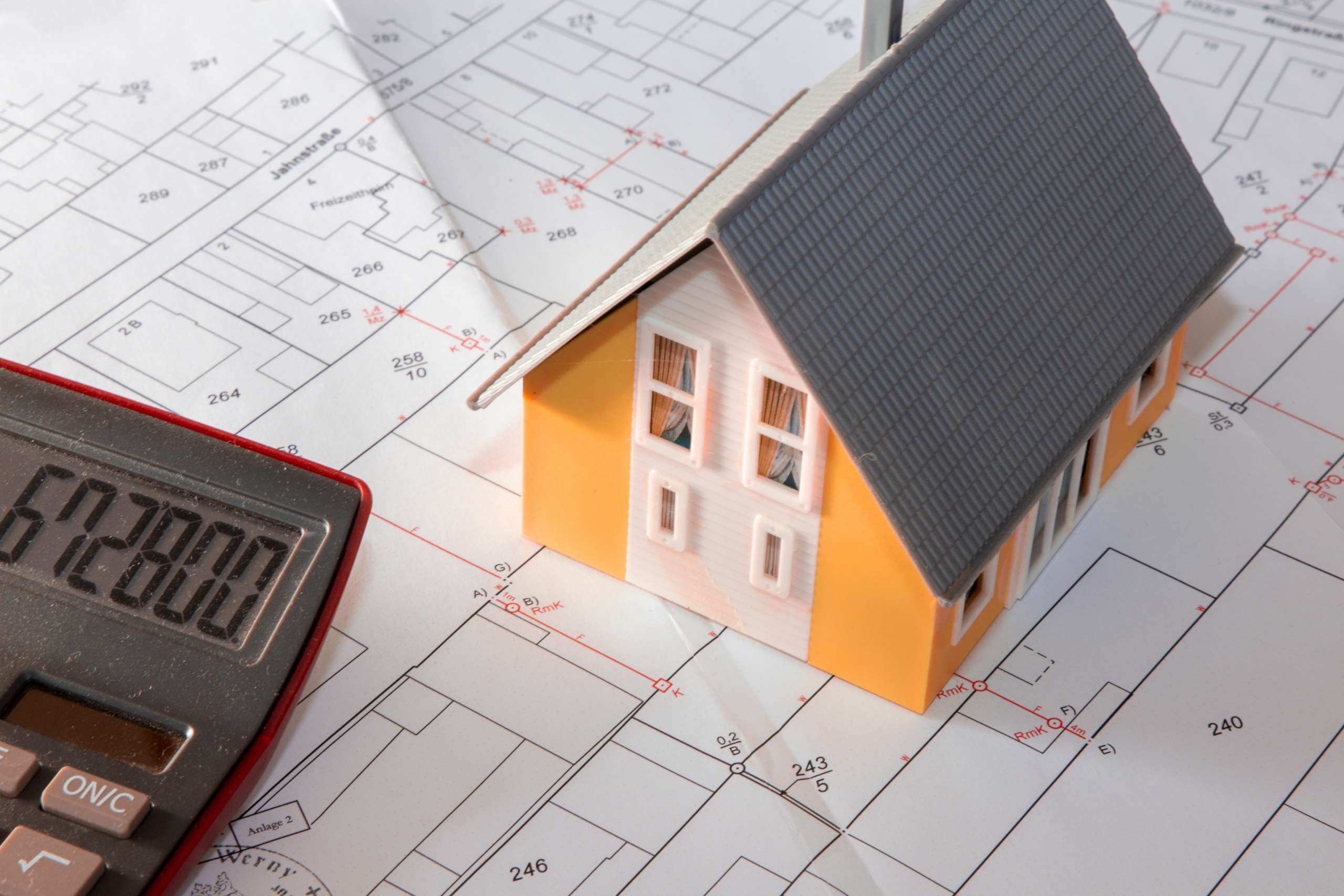
Malaysia has 33,094 brand new homes that nobody has bought. More than a third of them cost RM300,000 or less. That doesn't fit the usual story. We keep hearing that homes are too expensive. Yet thousands of homes at the cheapest end of the market are finished and ready to move into, and still unsold. So what is really going on? The National Property Information Centre (NAPIC) released its H1 2026 data on 10 September 2026, and the numbers explain a lot. Some of the answers aren't what you'd expect. Key Takeaways Malaysia's housing overhang reached 33,094 completed unsold residential units worth RM17.78 billion in H1 2026, up 8.6% from 30,471 units in H2 2025 (NAPIC). 37.3% of these homes are priced at RM300,000 and below. That share was 43% to 47% in Q1 2026, so most of the new unsold stock is priced above RM300,000. Unsold serviced apartments, which NAPIC counts separately as commercial property, jumped 24.7% to 23,375 units worth RM19.33 billion. Developers named loan rejections (30%), high pricing (21%) and unreleased Bumiputera units (16%) as the top reasons units stay unsold (Rehda 1H2026 survey). Prices are not falling nationwide. The average Malaysian house price is RM506,317, up 0.9% year on year. A low price alone doesn't make a home affordable. Location, upfront cash, loan approval and the home itself decide whether it sells. In this articleWhat Is Malaysia's Housing Overhang?Why Are Affordable Homes Still Unsold in Malaysia?3. The buyer wants the home, but the bank says noWhich States Have the Most Unsold Homes in Malaysia?Will the Housing Overhang Make Property Prices Drop?What Does the Housing Overhang Mean for Buyers and Investors?Frequently Asked Questions About Malaysia's Housing Overhang What Is Malaysia's Housing Overhang? A housing overhang is a home that has been completed but remains unsold more than nine months after launch. This is NAPIC's official definition, and it is the figure most news reports quote. Unsold units still under construction, and those not yet built, are tracked separately. So are serviced apartments, which NAPIC classifies as commercial property even though many people live in them. Here is how the numbers moved in the first half of 2026. Malaysia's complete unsold homes, H2 2025 vs H1 2026 CategoryH2 2025H1 2026ChangeResidential overhang (units)30,47133,094+8.6%Residential overhang (value)RM17.73 billionRM17.78 billion+0.3%Serviced apartments (units)18,75223,375+24.7%Serviced apartments (value)RM15.42 billionRM19.33 billion+25.4% Source: NAPIC Property Market Report H1 2026, released 10 September 2026, as reported by Malay Mail and The Edge Malaysia. Add both categories together and Malaysia has 56,469 completed, unsold homes worth RM37.11 billion. The residential overhang also has a clear profile: 43.4% are high-rise units and 34.9% are terraced houses. 38% were launched six to 10 years ago, so a large part of this is old stock. 37.3% are priced at RM300,000 and below. That works out to roughly 12,300 homes, based on our calculation. The detail most reports miss: the affordable share is shrinking In Q1 2026, NAPIC figures cited in Parliament and by the National House Buyers Association (HBA) put homes priced at RM300,000 and below at 43% to 47% of the overhang. By H1 2026, that share had fallen to 37.3%. Over the same period, the number of unsold units rose by only 293 (from 32,801 to 33,094). Their total value rose by about RM1.41 billion (from RM16.37 billion to RM17.78 billion). Most of the new unsold stock is priced well above RM300,000. On average, each unsold home is now worth around RM537,000. The government has said the same. Deputy Housing and Local Government Minister Datuk Aiman Athirah Sabu told the Dewan Rakyat on 29 June 2026: "This shows that unsold housing is not limited to affordable housing alone." AUTHOR'S TAKEI think the headline number hides the real story. Yes, thousands of RM300,000 homes are unsold. But that pile is getting smaller, while the pricier stock above it keeps growing. To me, Malaysia doesn't have a cheap-homes problem. It has a problem with homes built in the wrong place, in the wrong form, at the wrong time. How much home can your salary actually carry? See the loan amount banks typically approve at your income level before you start viewing. Check your loan limit → play-button1 Why Are Affordable Homes Still Unsold in Malaysia? Developers have told us why. In Rehda's 1H2026 Property Industry Survey of 181 developers, the top reasons units stayed unsold were loan rejections (30%), high pricing (21%) and unreleased Bumiputera units (16%). Rehda president Datuk Zaini Yusoff summed it up on 23 September 2026: "Housing affordability should not be viewed solely from the perspective of property prices." Here are the four reasons that matter most to buyers. 1. The price is affordable, but the location isn't Many low-cost projects are built where land is cheap. That usually means far from jobs, trains and schools. Tang Chee Meng, chief operating officer of Henry Butcher Real Estate, told The Edge Malaysia in August 2026: "The locations of these houses are often unsuitable for intended buyers." Let's work through the numbers. Say a home is RM80,000 cheaper but adds 40km each way to your drive to work. Worked example: is the cheaper, far-away home really cheaper ItemPer monthInstalment saved on an RM80,000 lower price (90% loan, 4%, 35 years)RM319 savedExtra fuel for 1,760km (80km a day x 22 days, at 12km per litre, RON95 RM1.99)RM292Extra tolls (RM4 each way x 44 trips)RM176Net resultAbout RM149 worse off Illustrative only. Excludes car wear, parking and roughly 1.5 extra hours on the road every working day. The lower price is cancelled out by the commute, and you also lose time with your family. That's why many buyers would rather keep renting near work than buy a cheap home far away. 2. A RM300,000 home still needs close to RM40,000 in cash The price tag is only where the costs start. Here's what a first-time buyer pays on a RM300,000 home with a 90% loan. The real cost of a RM300,000 first home (2026) CostEstimated amount10% down paymentRM30,000Legal fees, SPA and loan agreement (SRO 2023 scale, incl. 8% service tax)About RM7,700Stamp duty on transfer and loan (first home up to RM500,000, until 31 Dec 2027)RM0Cash needed before keysAbout RM37,700 + disbursementsMonthly instalment (RM270,000 loan, 4%, 35 years)About RM1,195Total interest paid over 35 yearsAbout RM232,100 Illustrative calculation. Excludes valuation, disbursements, insurance, maintenance fees and furnishing. Actual rates and approval depend on your bank. A household that can afford RM1,195 a month may still not have RM37,700 saved. That's how a home can be affordable on paper but out of reach in cash. Our guide to the real cost of buying a house in Malaysia lists every fee, and the i-Miliki stamp duty exemption explains what first-time buyers save. Want to try your own numbers? Change the price, rate and tenure below. Estimates for guidance only. Actual figures depend on the bank's assessment, current rates and your full financial profile. 3. The buyer wants the home, but the bank says no Loan rejection is the single biggest reason units stay unsold, at 30% of cases in Rehda's survey. Zaini also said: "Among the main factors contributing to housing loan rejection were purchasers' income eligibility." Banks look at your debt service ratio (DSR), which is all your monthly debt repayments as a share of your income. The instalment is only one part of it. Add the RM1,195 instalment to a RM600 car loan and a RM150 PTPTN repayment. Your commitments are now about RM1,945 a month. For many young buyers, that's where the application gets rejected. Gig workers and the self-employed face an extra hurdle because they can't show regular payslips. Juwai IQI has called on Budget 2027 to offer more creative financing for this group, including rent-to-own and shared ownership. Check where you stand before you apply: Each bank sets its own DSR limits. Use this as a guide, not an approval. Help does exist. Budget 2026 set aside a RM20 billion guarantee under the Housing Credit Guarantee Scheme (SJKP), expected to benefit about 80,000 homebuyers. Compare your options in our first home schemes guide. 4. The home doesn't fit how people live today Remember, 38% of the overhang was launched six to 10 years ago. Many of these homes were planned before the pandemic, before working from home and before new rail lines changed which areas are in demand. Tang put it this way: "The size and design of the units may not meet the needs of targeted buyers." Sulaiman Saheh of Rahim & Co Chestertons was even more direct: "What people want is not just a RM300,000 house." Common mismatches include small two-bedroom layouts for growing families, a single parking bay per unit and high-rise blocks with maintenance fees that push up the monthly cost. In some projects, unsold units are Bumiputera-quota units that have not been released to other buyers. The key takeaway: for most buyers, an affordable home is one they can pay for, reach easily and actually live in, not just one with a low price. AUTHOR'S TAKEYoung buyers don't usually ask, "Is it under RM300,000?" They ask, "Can I get to work by 8.30am?" and "Will the bank say yes?" If a home fails either test, a lower price won't change their mind. Before buying any "affordable" unit, I'd ask whether you would happily live there for 10 years. If the honest answer is no, it isn't really affordable for you. Which States Have the Most Unsold Homes in Malaysia? Johor now has the most unsold homes in Malaysia, with 4,222 completed unsold residential units in H1 2026. It also leads in serviced apartments, with 9,946 unsold units, or about 43% of the national total. Johor wasn't top of the list three months earlier. Here's the Q1 2026 ranking for comparison. States with the highest residential overhang StateQ1 2026 (units)H1 2026 (units)Johor3,852 (2nd)4,222 (1st)Perak4,063 (1st)Not yet publishedSelangor3,745 (3rd)Not yet publishedKuala Lumpur3,733 (4th)Not yet publishedPenang3,165 (5th)Not yet published Sources: NAPIC Q1 2026 Property Market Status Report via Penang Property Talk (2 July 2026); NAPIC H1 2026 report via Malay Mail (10 September 2026). We will update this table once the full H1 2026 state breakdown is public. Johor's unsold stock grew by 370 units, or 9.6%, in a single quarter. Yet Juwai IQI data showed Johor subsale prices rising 8.3% in Q2 2026, among the fastest in the country. Both trends can be true. Buyers are paying more for established homes in good locations, while new high-rise stock in less popular areas stays empty. State totals don't show this, so always look at the specific district and development. Our NAPIC Q1 2026 breakdown covers the state data in more detail. Will the Housing Overhang Make Property Prices Drop? Not across the country. The Malaysian House Price Index stood at 234.7 points in H1 2026. The average house price was RM506,317, up 0.9% year on year, even as unsold stock rose. Stable borrowing costs are a big reason. The Overnight Policy Rate has stayed at 2.75% since July 2025. Kashif Ansari, Co-Founder and Group CEO of Juwai IQI, told Bernama in August 2026: "These stable financing conditions are one of the pillars that support the property market." Prices are under pressure in specific places instead: Older unsold projects, where developers need to recover costs and may offer rebates, free legal fees or furnishing packages. Serviced apartments, where 55.2% of unsold units sit in the RM500,001 to RM1 million band. Areas with a lot of new supply. Rehda found 53% of new launches in 1H2026 were priced RM300,001 to RM500,000, so more homes in that price range are coming. For the wider picture, see our Malaysia property market update and the latest subsale price data. Can better planning stop the overhang from growing? See how Budget 2027 could help prevent RM1.8 billion worth of homes from going unsold. Read the Budget 2027 analysis What Does the Housing Overhang Mean for Buyers and Investors? For homebuyers: more room to negotiate When a developer has finished units it can't sell, you have more room to negotiate. You can also see the actual unit, building quality and neighbourhood before you pay, which isn't possible with an off-plan purchase. Just don't assume every unsold unit is a bargain. Ask these questions first. Buying an unsold or overhang unit: 5 questions to ask AskWhy it mattersWhy hasn't it sold?If it's the location or the layout, a discount won't fix that.How does the price compare with recent sales nearby?The discount should be compared with transacted prices, not the developer's original asking price.How many units in the block are still empty?Low occupancy can mean weaker maintenance-fee collection and slower resale.Can I pass a DSR check with room to spare?You need a buffer for rate changes, repairs and life events.Will this still suit me in 10 years?Think about marriage, children, a new job and how easy the home will be to resell. For investors: opportunities, but check the risks A large overhang can get you better purchase terms. But it also means more competition for tenants. If 200 empty units in your block are listed for rent, your rental yield falls. Before you invest, check actual rental demand nearby, recent transacted prices and how many new units are coming. Find out why the units are unsold, not just how many there are. Malaysia does not simply need more homes. We need the right homes, at the right prices and in the right locations. AUTHOR'S TAKEMy advice is to approach an overhang unit the way you would a subsale. Check the sale prices of comparable units nearby, visit at night and during rush hour, and get the developer's final offer in writing. A discount on a good home in the right area is a great deal. A discount on the wrong home is just a cheaper mistake. The bottom line Malaysia's housing overhang isn't just a story about 33,094 empty homes. It shows a gap between what gets built and what Malaysians can actually pay for, reach and live in. For buyers, the cheapest home is not always the most affordable one in the long run. Choose a home that works for your budget, your commute and your loan. If you're starting out, our complete guide to buying a house in Malaysia takes you through every step. Frequently Asked Questions About Malaysia's Housing Overhang How many unsold homes are there in Malaysia in 2026? Malaysia recorded 33,094 completed unsold residential units worth RM17.78 billion in H1 2026, up 8.6% from 30,471 units in H2 2025, according to NAPIC. Another 23,375 unsold serviced apartments worth RM19.33 billion are counted separately as commercial property What is a housing overhang in Malaysia? Under NAPIC's definition, a housing overhang is a completed residential unit that remains unsold more than nine months after launch. Unsold units under construction and serviced apartments are reported separately. Why are affordable homes still unsold in Malaysia? Developers in Rehda's 1H2026 survey cited loan rejections (30%), high pricing (21%) and unreleased Bumiputera units (16%) as the top reasons. Poor locations, upfront cash costs of close to RM40,000 on a RM300,000 home, and outdated layouts also keep buyers away. Which state has the highest housing overhang in Malaysia? Johor had the highest residential overhang in H1 2026, with 4,222 completed unsold units. It also led in unsold serviced apartments with 9,946 units. In Q1 2026, Perak was first with 4,063 units. Will the housing overhang cause property prices to fall in Malaysia? Not nationwide. The average Malaysian house price was RM506,317 in H1 2026, up 0.9% year on year. Price pressure is more likely in older unsold projects, serviced apartments and areas with heavy new supply. Should I buy an overhang property in Malaysia? It can be a good deal if the price is below recent transacted prices nearby, the location suits your daily life and you can pass a DSR check with a buffer. Always find out why the unit has not sold before you commit. Thousands of unsold homes. But which one is worth buying? Let an IQI agent help you compare prices, spot better deals and find a home that fits your budget. Leave your details below and find your next home with IQI. [custom_blog_form] C Sources Malay Mail, "Malaysia's unsold completed homes rise 8.6pc in H1 2026", 10 September 2026 The Edge Malaysia, NAPIC 1H2026 Property Market Report coverage, 10 September 2026 EdgeProp, Daily Digest (House Price Index H1 2026), 11 September 2026 EdgeProp, Rehda Property Industry Survey 1H2026, 23 September 2026 Malay Mail, Rehda 1H2026 survey findings, 23 September 2026 Malay Mail, Q1 2026 overhang in the Dewan Rakyat, 29 June 2026 The Edge Malaysia, "Why aren't Malaysians buying affordable residential units priced below RM300,000?", 17 August 2026 Penang Property Talk via Newswav, Q1 2026 state overhang ranking, 2 July 2026 BernamaBiz, "Subsale house market to continue growing in 2H 2026: Juwai IQI", 18 August 2026
Ready to get started?
Get in touch now.