20+
Markets
Access opportunities across IQI's international network.

Greetings! I am JIQI. 👋
How may I assist you today? 😊
Please choose one of the following options:

JIQI can make mistakes. Always verify listings and prices with an IQI agent before making any property decisions.
For Property Investors
Connect with our investment team for yield-focused opportunities across subsale, auction, and new-launch projects.
Talk to the Investment TeamWhy Invest With IQI

We surface opportunities filtered by rental yield and capital growth potential, not just listing price.
Get a clear read on comparable sales, rental demand, and project track records before you commit.
Access vetted opportunities across IQI's network markets, not just your home country.
Markets
Access opportunities across IQI's international network.
Listing Types
Subsale, auction, and new-launch projects in one place.
Dedicated Advisor
A single point of contact for your whole portfolio.
Shortlisting
Filtered by yield and growth potential, not just price.
Your Options
Existing properties, ready to rent out or resell immediately. Best for near-term yield.
Bank-owned and court auction listings, often below market price. Best for capital growth.
Developer projects at launch pricing, with staged payment schemes. Best for long-term appreciation.
Where to Invest
| Area | Price per sq ft | Rental Yield |
|---|---|---|
| KLCC | RM1,000+* | ~4.9%* |
| Johor Bahru | RM500-800* | 5-7%* |
| Penang (Georgetown) | RM400-700* | 4-5.5%* |
| Melaka | RM300-500* | - |
Try It Yourself
Check the return on any opportunity before you commit.
Try It Yourself
Estimate the fees to budget for on your next purchase.
There's no fixed minimum. Your advisor will match opportunities to whatever budget you bring, from a single subsale unit to a multi-project portfolio.
Yes. Your advisor can walk you through financing options alongside each opportunity so you can compare the real, all-in return.
Yes, many of our investors buy remotely. Ask about our international desk if you're buying from outside Malaysia.
We filter by rental yield, capital growth potential, and your stated goals, not just listing price, before anything reaches your shortlist.
From the IQI Blog
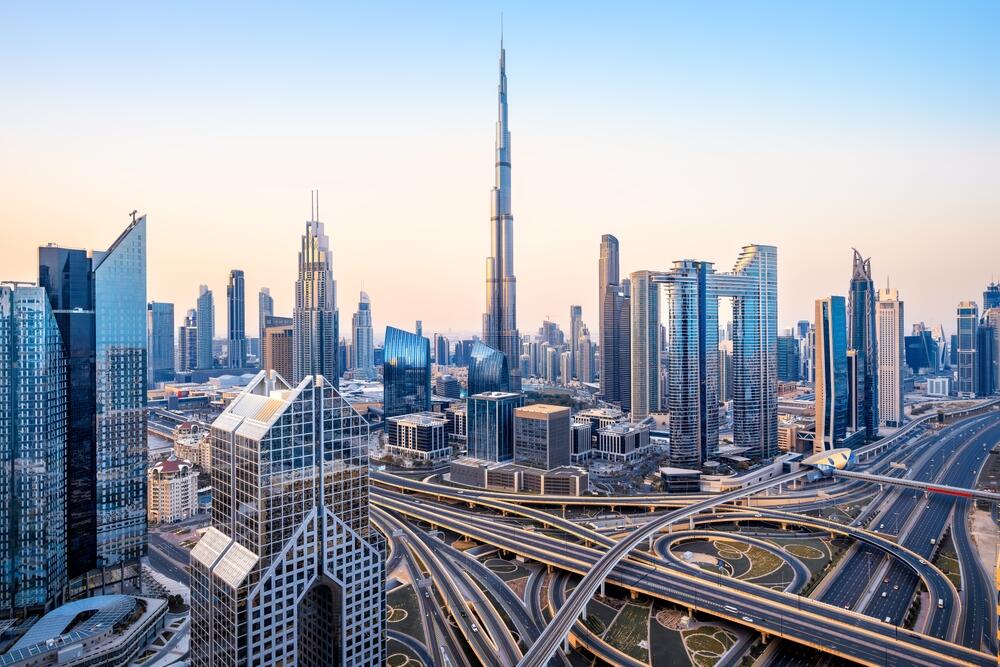 Dubai Property Market 2026: Prices, Rental Yields, Demand and Investor Outlook
Dubai’s property market has evolved into one of the most transparent and liquid real estate markets globally. After recording a historic performance in 2025, the focus now shifts to how investors can navigate 2026 strategically, especially those seeking rental income, capital preservation, and long-term value. With strong population growth, rising rental demand, and continued international inflows, Dubai remains firmly on the radar of global investors looking for opportunities beyond traditional Western markets. If you are exploring Dubai opportunities today, you can browse verified listings and connect with experienced local agents through IQI Dubai, a global platform linking investors directly with IQI Dubai specialists. Dubai Property Market Performance: What 2025 Tells Us Dubai closed 2025 with record-breaking real estate activity, driven by both end-users and investors. Transaction volumes and total sales value reached new highs, reflecting strong confidence in the market’s fundamentals. This growth was supported by several factors: Sustained population growth and job creation Strong international demand from Europe, Asia, and the Middle East A stable regulatory framework with clear ownership rights for foreigners For investors, high transaction liquidity matters. It signals a market where entry and exit are easier compared to less active destinations. What Is Driving Demand in Dubai Today Dubai’s demand is not built on speculation alone. It is underpinned by real economic and lifestyle drivers that continue to attract long-term residents and investors. Key demand drivers include: Dubai’s position as a global business and lifestyle hub Continued inflow of skilled professionals and entrepreneurs High rental demand across both apartments and villas Investor-friendly policies and long-term residency options These factors explain why rental demand remains strong even as new supply enters the market. Rental Yields in Dubai: Why Investors Still Pay Attention Rental yield is one of Dubai’s strongest selling points. Compared to many global cities, Dubai continues to offer attractive gross yields, particularly for well-located apartments and mid-market properties. In established communities, apartments often deliver higher yields due to consistent tenant demand, while villas and townhouses attract families and longer tenancies. The key is asset selection. Yield performance can vary widely depending on location, building quality, service charges, and tenant profile. This is why experienced investors focus less on headline numbers and more on property fundamentals. Ready Properties vs Off-Plan: What Makes Sense in 2026 As the market matures, many investors are shifting their attention toward ready properties, especially those targeting immediate rental income. Ready propertiesOff-plan propertiesImmediate rental cash flowPotential for phased paymentsClear pricing and valuationExposure to future price appreciationLower construction and delivery riskHigher sensitivity to supply cycles For yield-focused investors, ready properties in proven locations often provide more predictable returns. Investors looking to compare ready properties by budget, rental potential, and location can explore curated options and speak directly with IQI Dubai agents via Juwai IQI Dubai. Investors looking to compare ready properties by budget, rental potential, and location can explore curated options and speak directly with our Dubai agents via IQI Dubai. I want to connect with IQI Dubai Agent Luxury vs Mid-Market: Where Real Value Exists in Dubai Dubai is often discussed as a single property market, but in reality, it operates as a collection of distinct sub-markets. Understanding the difference between the luxury segment and the mid-market segment is critical for investors, especially as the market becomes more selective in 2026. Each segment serves a different investor objective, and the definition of “value” changes depending on whether the goal is capital preservation, rental income, or long-term growth. Luxury Property Segment: Stability, Scarcity, and Capital Preservation Dubai’s luxury property segment is driven primarily by high-net-worth individuals, global entrepreneurs, and lifestyle-focused buyers. Demand in this segment is less dependent on mortgage affordability and more influenced by wealth flows, global mobility, and lifestyle appeal. Luxury properties tend to be: Located in prime or iconic areas with limited supply Supported by strong branding, design quality, and waterfront or skyline appeal Less price-sensitive during market slowdowns In market cycles, luxury assets often show greater resilience because buyers are not forced sellers. Many purchases are cash-based and intended for long-term holding, personal use, or wealth preservation rather than short-term resale. However, luxury does not automatically mean better returns. Rental yields in this segment are often lower compared to mid-market properties, as pricing is driven by exclusivity rather than rental affordability. Investors in this segment are typically prioritising capital stability and global asset diversification over income yield. Mid-Market Property Segment: Yield, Occupancy, and Consistency The mid-market segment forms the backbone of Dubai’s rental economy. It is supported by end-users, professionals, families, and long-term expatriates who drive consistent leasing demand. Mid-market properties typically: Offer stronger and more predictable rental yields Experience higher occupancy rates Appeal to tenants with longer average stay periods This segment is more sensitive to interest rates and affordability, but it also benefits directly from population growth and job creation. As Dubai continues to attract working professionals and long-term residents, demand for well-located, practical homes remains strong. For investors focused on income generation, mid-market properties often provide a clearer path to cash flow, especially when service charges, vacancy risk, and tenant demand are carefully assessed. How Investors Should Think About Value in 2026 As Dubai enters a more balanced phase of its property cycle, value is becoming increasingly selective. The market is no longer rewarding broad exposure. Instead, performance is being driven by asset quality, location, and end-user demand. Key considerations for investors in 2026 include: Choosing established communities over oversupplied areas Prioritising proven rental demand rather than speculative growth Understanding tenant profiles and affordability thresholds Evaluating service charges and long-term maintenance costs Investors who focus on fundamentals rather than headlines tend to outperform across both segments. In many cases, well-selected mid-market properties can deliver better risk-adjusted returns, while prime luxury assets serve as long-term wealth anchors. Dubai Property Market Outlook for 2026 As Dubai moves into 2026, its property market is shifting from a rapid growth cycle into a more balanced phase where price momentum, rental dynamics, and supply flows matter more than headline growth rates. This transition is reflected in current data and expert forecasts. According to local market intelligence and recent global indices, investors should prepare for moderate price growth, stable rental trends, and stronger attention to fundamentals such as location, tenant demand, and developer credibility. Population (Dubai)~4 millionResidential transaction volume (H1 2025)~91,800 +Avg citywide price (Q2 2025)AED ~1,809 per sq ft Dubai’s real estate market has shown record transactional activity, indicating depth and liquidity across price segments from mid-market homes to global prime assets. This liquidity continues to attract international capital seeking exposure beyond traditional jurisdictions. 2026 Price Growth: Moderate, Not Explosive While Dubai experienced double-digit price increases in recent years, forecasts for 2026 suggest a rebalancing with moderate price appreciation. Segment2025 Trend2026 OutlookMid-Market ApartmentsSingle-digit growthFlat to modest growth (due to supply) (thenationalnews.com)Villas & Luxury HomesHigher growthStronger resilience and selective appreciation (thenationalnews.com)Citywide Average~5–8% forecastModerate single-digit growth (thenationalnews.com) What this means for investors:Price growth is expected to slow but remain positive in key locations. Rather than broad market bets, returns in 2026 are likely to be driven by micro-market performance and asset quality. Rental Market: Stability With Potential Upside Dubai’s rental market remains one of the more attractive globally, with yield performance supported by strong tenant demand and population growth. Property TypeApprox. Avg Gross Rental YieldNotesApartments~6.7–7.1%Higher in well-connected communities (Engel & Völkers)Villas~4.9–5%Stronger long-stay demand (Engel & Völkers)Overall Market~6–8%Yield targets for many investors (betterhomes) Dubai’s rental growth in 2026 is expected to be stable or modestly positive, with some reports forecasting up to 6% average rent increases, reflecting sustained occupancy demand even as new supply arrives. Supply Dynamics and Price Impact 2026 will see a larger inventory of finished units coming to market. This new supply is expected to have a dampening effect on price escalation, particularly in segments with greater stock growth. FactorExpected ImpactNew Residential DeliveriesModerate pressure on price upliftTenant Demand (Population growth)Supports rental stabilityLuxury & Prime InventoryLimited supply, potential resilienceMid-Market InventoryHigher deliveries, balancing demand The presence of more inventory should not be viewed as a fundamental risk if paired with consistent end-user demand. Instead, it suggests that price rises will be more targeted than broad-based. Where Investors Should Focus To outperform in 2026, investors should prioritise: 1) Location and Connectivity Areas with strong tenant appeal, transport access, and working populations tend to show stable demand even when supply rises. Examples include: Dubai Hills Estate Jumeirah Village Circle (JVC) Business Bay These communities continue to record strong leasing activity and rental absorption. 2) Developer Track Record Properties from well-established developers tend to command stronger pricing and better resale prospects, which matters in a market where price momentum is moderating. 3) Yield Over Speculation In a more balanced 2026 market, rental yield and capital preservation increasingly matter. Middle-market apartments often deliver higher yields than ultra-luxury assets, which trade more on exclusivity and capital gains expectations. 4) Realistic Holding Periods Short-term speculative buying carries higher risk when price growth moderates. A 3–5 year strategy anchored in rental income and locational fundamentals is often lower risk. Quick Data Summary: 2026 Outlook at a Glance Indicator20252026 ForecastCitywide Price GrowthStrongModerate, 5–8% (thenationalnews.com)Rental GrowthDouble digits in some areasStable/low single-digit (The Times of India)Average Rental Yield~6.7% overall6–8% possible (Engel & Völkers)New SupplyIncreasingPrice moderation risk Practical Takeaway for Investors The 2026 Dubai property market is not poised for a sharp downturn, but rather rebalancing toward fundamentals. Investors with a clear strategy, focus on rental income, and good access to verified market data are positioned to benefit, especially where demand outstrips local supply. Stable rental trends, moderate price growth, and diversified demand from global buyers make Dubai one of the more data-backed investment destinations among international real estate markets. How to Invest in Dubai Property More Safely Based on experience working with international buyers, investors should follow a structured approach: Define your objective clearly, rental income, long-term growth, or own use Set a realistic budget including service charges and transaction costs Shortlist locations with proven rental demand Compare similar units, not just marketing prices Work with experienced agents who provide transaction data and not just listings Frequently Asked Questions About Dubai Property Is Dubai still a good place to invest in property in 2026?+ Dubai remains attractive due to strong rental demand, high market liquidity, and continued international interest, though investors should be more selective than in previous years. What type of property offers the best rental yield in Dubai?+ Well-located apartments in established communities often deliver stronger yields, while villas appeal to longer-term tenants and families. Should I focus on luxury or mid-market properties?+ It depends on your goal. Luxury focuses on capital preservation and exclusivity, while mid-market properties often provide more consistent rental income. Where can I find verified Dubai property listings with agent support?+ You can explore listings and connect with IQI Dubai agents through Juwai IQI Dubai. Discover exceptional real estate opportunities in Dubai! Connect with our expert agents by completing the form below and secure top property deals today. [custom_blog_form] Continue reading:
Continue Reading
Fill in the form and one of our investment advisors will reach out within 24 hours to discuss your budget, goals, and the best opportunities available right now.
What happens next?
Get matched with a dedicated buyer agent who guides you from budget to keys.
Start your career as an IQI Real Estate Negotiator, with training and support.
Our international desk handles the cross-border details for you.
Juwai.com, Juwai.asia, IQI, and Juwai IQI are trademarks of Juwai IQI group. All rights are reserved.
© IQI Global 2026
This site is protected by reCAPTCHA and the Google Privacy Policy and Terms of Service apply.
Your privacy matters!
We use cookies. See our Cookie Policy.
Got questions? 😊 I'm JIQI, happy to help!

