

Negotiator ∙ Vietnam
Tran Dinh Minh Thanh

Negotiator ∙ Vietnam
Tran Dinh Minh Thanh

About Tran Dinh Minh Thanh
Best regard, welcome to Viet Nam, especially Ho Chi Minh City !I am Jacob, the real estate consultant in IQI Vietnam International Real Estate Coporation. By all my the foreigner networks in HCMC, I can feel your vibe, how you need a guide to finding a suitable house/apartment with comfortable envir... Best regard, welcome to Viet Nam, especially Ho Chi Minh City !I am Jacob, the real estate consultant in IQI Vietnam International Real Estate Coporation. By all my the foreigner networks in HCMC, I can feel your vibe, how you need a guide to finding a suitable house/apartment with comfortable enviroments in another country like Viet Nam.Be your friend, I can show you how Viet Nam is and its tradional.Be your real estate consultant in Ho Chi Minh City, I can guide the best choice for investor and living !
3 years at IQI
Contact Tran Dinh Minh Thanh
Tran Dinh Minh Thanh Social Links
My Listings
No listings available at the moment.
Our newly launched projects
Discover the real estate properties in and around Vietnam, Vietnam. Buy apartment units, landed houses, bungalows, commercial office space, shop lots, and sub-sales with 100% confidence at IQI Global.
 Beachfront villas
Sanctuary Ho Tram
Ho Tram, Phuoc Thuan Ward, Xuyen Moc, Ba Ria, Vung Tau, Bà Rịa, BV, Vietnam
Starting from ₫ 16,500,000,000
Listed on May 12, 2023
 Riverfront location
One Verandah
Bát Nàn, Phường Thạnh Mỹ Lợi, Quận 2, Thành phố Hồ Chí Minh, Vietnam
Starting from ₫ 4,000,000,000
Listed on May 12, 2023
 High-rise towers
Thủ Thiêm Zeit River
TP, Trần Bạch Đằng, Phường An Khánh, Quận 2, Thủ Đức, Thành phố Hồ Chí Minh, Vietnam
Starting from ₫ 12,500,000,000
Listed on February 27, 2023
 Prime District 1 location
Lancaster Legacy
230 Đ. Nguyễn Trãi, Phường Nguyễn Cư Trinh, Quận 1, Thành phố Hồ Chí Minh, Vietnam
Starting from ₫ 9,000,000,000
Listed on February 24, 2023
 Managed by Ascott
King Crown Infinity
218 Đ. Võ Văn Ngân, Bình Thọ, Thủ Đức, Thành phố Hồ Chí Minh, Vietnam
Starting from ₫ 5,000,000,000
Listed on February 24, 2023
 Hotel apartment towers
Ho Tram IXORA by Fusion
Đường Ven Biển, Phước Thuận, Xuyên Mộc, Bà Rịa - Vũng Tàu, Vietnam
Starting from ₫ 2,600,000,000
Listed on February 20, 2023
Mortgage Calculator
Calculate your estimated month repayment and plan your monthly expenses well.
The mortgage calculator is intended for reference only. Actual amount may vary.
Monthly Payment
Send me the mortgage calculator result

Home Loan Eligibility Calculator
Calculate your potential loan amount and assess your home buying affordability.

Rental Yield
Calculate the potential rental yield and evaluate a property's investment performance.

Down Payment Saving Plan
Create a structured savings plan and determine how much to save monthly for your down payment plan.

Malaysian Property Transaction Fees Calculator
Estimate the total transaction fees and budget accurately for your Malaysian property purchase.
IQI blog & news
Articles specifically curated for your daily digest of local and global real estate news.
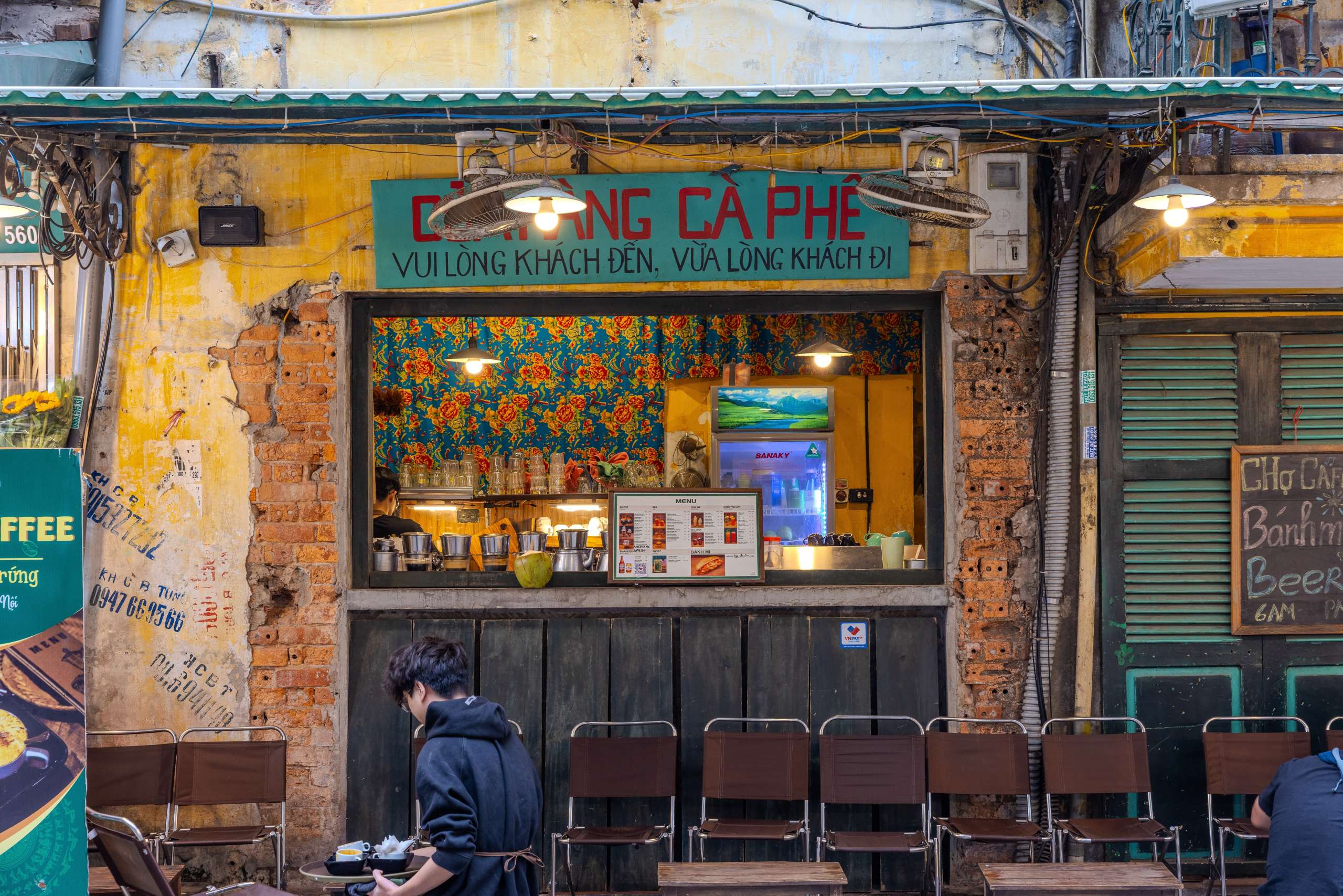
Hanoi Apartment Market Faces Resale Pressure Hanoi’s apartment market is entering a more cautious phase as resale pressure increases among investors who bought off-plan or during construction with short-term flipping strategies. After several years of strong price growth, market conditions have cooled. Capital gains are no longer guaranteed, while the end of mortgage grace periods is exposing some investors to higher floating interest rates and heavier repayment obligations. This is encouraging more owners to sell, with liquidity and debt reduction becoming a greater priority than maximising returns. According to market data cited in the report, asking prices at several Hanoi projects have already corrected from their previous peaks. Imperia Sola Park fell around 12.6%, Lumi Hanoi declined approximately 9.5%, while Kepler Land recorded an 8.6% correction. Market Shifts From Speculation to Liquidity The change marks an important shift in Vietnam’s residential market. Some leveraged investors are no longer holding properties in expectation of further short-term appreciation. Instead, they are looking to exit quickly, reduce debt exposure and, in some cases, accept losses. For genuine homebuyers and investors with stronger cash positions, this may create improved negotiating conditions in Hanoi’s secondary apartment market. Rather than competing in a rapidly rising market, buyers may now have greater scope to negotiate on properties where sellers are under financing pressure. Outlook Hanoi’s apartment market is likely to remain more selective and liquidity-driven in the near term. Resale pressure could continue to create opportunities for buyers who have sufficient cash and are willing to negotiate carefully. The key advantage is shifting towards financially prepared buyers, particularly those able to identify motivated sellers and acquire quality secondary-market units at prices below previous market peaks. The contents of this article were contributed by Dustin Trung Nguyen, Head of IQI Vietnam. Download to see insights from other country marketsDownload

30 Jul, 2026
Vietnam Property Market Outlook 2026: Infrastructure Corridors Lead the Next Growth Cycle
Vietnam’s Housing Market Enters a Selective Reset Vietnam’s residential market entered August 2026 in a period of consolidation. Prices remain relatively firm, but transaction activity is slower as buyers become more selective and borrowing costs stay elevated. During Q2 2026, developers launched approximately 12,000 primary condominiums across the enlarged Ho Chi Minh City market and more than 4,000 units in Hanoi. However, luxury absorption remained below 30% in Ho Chi Minh City, while Hanoi’s take-up rate eased to around 20%. Inner-city primary prices reached approximately USD 5,400 to USD 9,500 per square metre. Pressure was more visible in the secondary market, where prices declined 5% to 8% in Ho Chi Minh City and by as much as 12% in parts of Hanoi. Floating mortgage rates of 13% to 16% are encouraging some owners to lower asking prices. However, the market has not experienced widespread distress, while the new land-price framework is helping maintain a floor under development costs and headline prices. Infrastructure Redirects Property Demand Vietnam has approximately 234 major infrastructure projects worth VND 3.4 quadrillion underway. These investments are shifting demand from crowded central districts towards better-connected suburban and regional corridors. In the south, growth is concentrating around the Ho Chi Minh City and Dong Nai corridor, supported by Long Thanh International Airport, new ring roads, expressways and Metro Line 1. Northern demand is moving towards Hanoi’s gateway districts and neighbouring Hung Yen and Bac Ninh. Da Nang is also showing stronger primary-market activity, supported by limited prime coastal supply. Outlook Vietnam’s next property cycle is expected to favour patience and careful asset selection rather than short-term speculation. With average gross rental yields near 3.85%, investment returns will depend increasingly on infrastructure-led capital appreciation. Legally clear projects with strong connectivity and genuine end-user demand should remain best positioned, particularly for buyers with sufficient holding power and a multi-year investment horizon. Download to see insights from other country marketsDownload

Vietnam Residential Market Enters a More Selective Cycle Vietnam’s residential market opened 2026 in a transition phase, with prices still rising but liquidity cooling. This suggests the market is moving away from easy speculative gains toward a more disciplined cycle. Residential prices rose around 12% year-on-year in Q1 2026, while liquidity fell nearly 40%. However, there was no sign of distress selling, pointing to a healthy reset rather than a sharp downturn. Primary condominium prices reached new highs across major cities. In Hanoi, average prices were around USD 3,950 per sqm, up 30% year-on-year. In post-merger Ho Chi Minh City, prices averaged around USD 3,900 per sqm, supported by new supply and limited premium stock. Supply also improved. Ho Chi Minh City recorded around 8,010 new condo launches, up 104% year-on-year. Yet affordability remains the key challenge, with much of the new supply priced above the level affordable to mass-market buyers. Strong Fundamentals, But Investors Are More Careful Vietnam’s underlying fundamentals remain supportive. The economy grew 8.02% in 2025, while real estate FDI reached USD 389.5 million in Q1 2026, representing around 7.2% of total inflows. However, investor behaviour is changing. Demand is now concentrating on projects with clear legal status, reliable construction progress and long-term value. Satellite locations such as Binh Duong and Ba Ria-Vung Tau are gaining attention as central city prices continue to stretch. Outlook Vietnam’s property market is expected to remain attractive, but more selective. With average gross rental yields at around 3.85%, the market is less of a pure income play and more of a capital appreciation and infrastructure-led growth story. Buyers with strong holding power, careful project selection and a long-term view are likely to be better positioned than short-term speculators. Download to see insights from other country marketsDownload

Vietnam's property market continues to present a mixed but encouraging picture in 2026. While Hanoi's retail property sector is undergoing a period of adjustment, Ho Chi Minh City's residential market remains resilient, supported by limited supply, strong demand, and improving infrastructure connectivity. The contrasting performance between the two cities highlights the importance of market selection as investors navigate Vietnam's evolving real estate landscape. Hanoi's Retail Market Faces Adjustment Hanoi's prime retail corridors continue experiencing pressure as changing consumer behaviour and the growth of e-commerce reshape demand for traditional street-front retail space. Vacancy levels have become more noticeable in several key commercial areas as landlords and tenants adjust to shifting market conditions. The correction has also impacted retail-linked residential assets, with demand softening compared to previous years. Rental rates for townhouses across several submarkets have declined from their recent peaks, reflecting a more cautious operating environment for retailers and property owners. Despite these short-term challenges, Hanoi remains an important commercial centre, and the current adjustment may create opportunities for well-capitalised investors focused on long-term value. Ho Chi Minh City Continues to Lead Residential Growth In contrast, Ho Chi Minh City's residential market remains one of Vietnam's strongest-performing sectors. Limited new supply, improving infrastructure, and sustained buyer demand continue supporting price growth across the city. Average apartment prices in central Ho Chi Minh City reached new highs during the first quarter of 2026, driven largely by high-end and luxury developments. The shortage of mid-market housing options has also contributed to upward pressure on prices. Growth is not limited to the city centre. Formerly independent areas such as Binh Duong and Ba Ria-Vung Tau continue benefiting from expanding infrastructure and stronger regional connectivity, supporting residential demand and investment activity throughout the wider metropolitan area. Infrastructure Continues to Support Long-Term Demand One of the strongest themes across Vietnam's property market remains infrastructure-led growth. Continued investment in transportation networks and urban expansion projects is improving accessibility between major economic centres and surrounding residential markets. As connectivity improves, suburban and emerging growth areas are becoming increasingly attractive to both homebuyers and investors seeking more affordable entry points and long-term appreciation potential. Outlook Vietnam's property market is expected to remain supported by urbanisation, infrastructure investment, and long-term housing demand. While Hanoi's retail sector may continue adjusting to changing consumer trends, Ho Chi Minh City's residential market is likely to remain resilient due to limited supply and strong buyer interest. For investors, opportunities increasingly lie in understanding the differing dynamics between cities and focusing on markets supported by strong economic and infrastructure fundamentals. Download to see insights from other country marketsDownload
Ready to get started?
Get in touch now.