

VP ∙ IQI
Taco Heidinga

VP ∙ IQI
Taco Heidinga

About Taco Heidinga
Leveraging market knowledge and negotiation skills to deliver exceptional results. Your real estate success is my priority. Ready to make your real estate dreams a reality? Let's chat. Your dream home awaits.
2 years at IQI
Contact Taco Heidinga
Taco Heidinga Social Links
No social links available.
My Listings
No listings available at the moment.
Our newly launched projects
Discover the real estate properties in and around Kuala Lumpur, Malaysia. Buy apartment units, landed houses, bungalows, commercial office space, shop lots, and sub-sales with 100% confidence at IQI Global.
 Located in Kubang Semang
Northern TechValley @BKE
Mukim 14, Kubang Semang, 14400 Seberang Perai, Penang, Malaysia
Starting from ₱ 218,666,369
Listed on January 23, 2026
 Varied built-up sizes
Taman IKS Bukit Minyak
Jalan IKS Bukit Minyak Utama, Taman IKS Bukit Minyak, 14100 Simpang Ampat, Penang, Malaysia.
Starting from ₱ 18,159,443
Listed on January 23, 2026
 Located in Simpang Ampat
Regalway Industrial Hub (Industrial)
Regalway Industrial Hub, Off Jalan Bukit Panchor, Bukit Panchor, 14100 Simpang Ampat, Penang, Malaysia.
Starting from ₱ 75,651,777
Listed on January 23, 2026
 Spacious land area
Taman Jasa Ria (Garden Villa)
Jalan Permatang Pasir, Taman Jasa Ria, 14000 Bukit Mertajam, Penang, Malaysia
Starting from ₱ 16,877,210
Listed on January 23, 2026
 Located in Bukit Mertajam
Taman Jasa Intan (Garden Superlink)
Jalan Jasa Intan, Taman Jasa Intan, 14000 Bukit Mertajam, Penang, Malaysia
Starting from ₱ 12,339,612
Listed on January 23, 2026
 Large land area
Taman Fajar Permai (Sunrise Terrace)
Jalan Fajar, Taman Fajar Permai, 14300 Nibong Tebal, Penang, Malaysia.
Starting from ₱ 8,296,805
Listed on January 23, 2026
Mortgage Calculator
Calculate your estimated month repayment and plan your monthly expenses well.
The mortgage calculator is intended for reference only. Actual amount may vary.
Monthly Payment
Send me the mortgage calculator result

Home Loan Eligibility Calculator
Calculate your potential loan amount and assess your home buying affordability.

Rental Yield
Calculate the potential rental yield and evaluate a property's investment performance.

Down Payment Saving Plan
Create a structured savings plan and determine how much to save monthly for your down payment plan.

Malaysian Property Transaction Fees Calculator
Estimate the total transaction fees and budget accurately for your Malaysian property purchase.
IQI blog & news
Articles specifically curated for your daily digest of local and global real estate news.

The Philippine real estate market entered April 2026 facing pressure from rising energy costs, inflation, and weaker consumer purchasing power. Heavy reliance on imported oil continues to impact fuel prices and household spending, creating a more cautious environment for the property sector. The residential market remains challenged by a large inventory of unsold condominiums, with some areas carrying more than two years of supply. While affordability support measures and developer incentives are helping stimulate activity, higher living costs and slower demand continue weighing on the market. Developers are increasingly offering discounts, rent-to-own schemes, and extended payment terms to attract buyers. Commercial real estate recovery also remains uneven. Office demand is gradually stabilising, particularly for higher-quality spaces in prime locations, while retail activity is improving alongside mall upgrades and stronger brand presence. However, the hospitality sector continues to face softer tourism demand and lower hotel occupancy levels. Among all sectors, industrial real estate continues to stand out as the most resilient segment. Strong demand from logistics, manufacturing, and export-oriented industries is supporting expansion in Central Luzon and other industrial corridors, with policy support also driving interest in sectors such as semiconductors and renewable energy. Outlook Looking ahead, the Philippine property market is expected to remain defensive in the near term as inflation and energy-related pressures continue. Industrial and prime-location assets are likely to remain the strongest-performing segments, while broader recovery will depend on improving economic conditions and consumer confidence. Download to see insights from other country marketsDownload
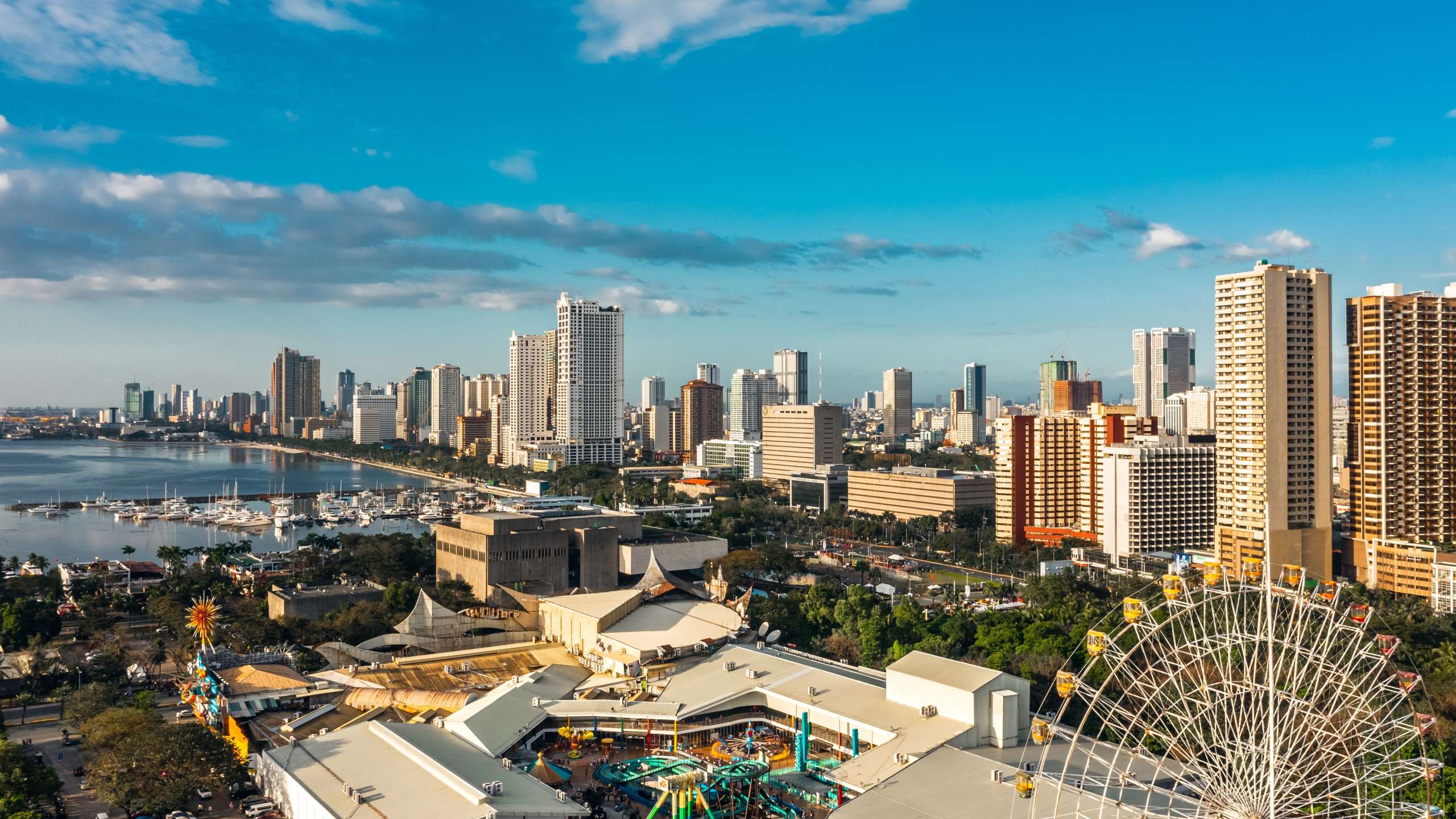
Philippines Market Enters a More Stable Growth Phase The Philippines property market in 2026 is transitioning into a more stable and structured growth phase, supported by improving economic conditions and easing monetary policy. With interest rates lowered to 4.25%, affordability is gradually improving, helping to revive demand in the mid-market residential segment. At the same time, the market is shifting away from post-pandemic volatility towards a more selective environment, where demand is concentrated in established urban hubs and high-growth corridors rather than speculative fringe developments. Residential Market Shows Signs of Recovery The residential sector is stabilising as excess inventory from previous years is gradually absorbed. Reduced new project launches and steady overseas remittances are supporting demand, particularly in the mid-market condominium segment. Meanwhile, the luxury segment remains resilient, with strong demand from high-net-worth buyers sustaining high take-up rates and stable pricing in prime areas such as Makati and BGC. Industrial and Commercial Segments Drive Momentum Beyond residential, the industrial and logistics sector is emerging as a key growth driver, fuelled by e-commerce expansion and manufacturing decentralisation. Demand for new industrial space is rising, particularly in regions such as Central Luzon and CALABARZON. The office market is also improving, with vacancy rates expected to tighten as supply slows and demand for high-quality, ESG-compliant spaces continues to grow. At the same time, the retail sector remains resilient, with low vacancy rates supported by experiential mall concepts. Outlook Looking ahead, infrastructure developments such as major transport links are expected to unlock new growth areas and support property values beyond core cities. As the market continues to stabilise, 2026 is shaping up to be a pivotal year for long-term positioning, particularly in well-located assets and emerging regional hubs. Download to see insights from other countriesDownload

The Philippine real estate market is entering 2026 with mixed but promising momentum, shaped by urbanisation, infrastructure investment and evolving demand across residential, office and industrial sectors. The market was valued at roughly USD 94.4 billion in 2025 and is projected to grow steadily through the decade, with a compound annual growth rate of about 4.1 % from 2026 to 2034 as development continues in cities such as Metro Manila, Cebu and Davao. Residential demand remains driven primarily by end-users rather than investors, particularly in Metro Manila where condominium oversupply persists; there were about 30,400 unsold ready-for-occupancy units in late 2025, prompting developers to use incentives like discounts and flexible payment terms to improve take-up in the mid-income segment. Rental yields in Metro Manila’s residential market are expected to stay flat near 4 %–6 %, reflecting weak investor demand amid oversupply, though secondary market units often deliver slightly higher yields. In commercial real estate, prime office and retail segments show resilience: prime and Grade A office spaces in CBDs such as Makati, Bonifacio Global City and Ortigas have maintained demand with improving vacancy and slight rent growth, while fringe CBD areas face higher vacancies and softer rents. Industrial property continues to attract tenant interest, especially in central Luzon, supported by manufacturing investment and logistics growth. Key structural drivers for 2026 include strong urban population growth, infrastructure improvements under government programs, and continued demand from overseas Filipino workers and the outsourcing sector. These underpin long-term demand for housing, mixed-use developments and logistics facilities even as price growth stabilises and developers adjust supply strategies. Takeaways for Investors and Buyers:= •Residential demand is end-user driven; oversupply in condos suggests careful site and price selection. •Office and retail are stabilising, with premium assets outperforming wider segments. •Industrial and logistics remain growth areas due to manufacturing expansion. •Strategic infrastructure and urbanisation continue to support broader property value growth. Download to see insights from other country marketsDownload
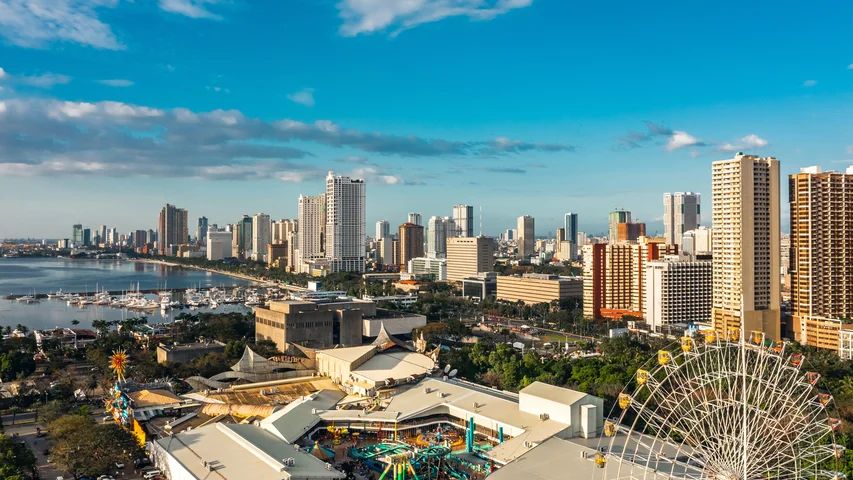
Written by Emmanuel Andrew Venturina, Head of IQI Philippines Cavite is solidifying its position as one of the Philippines’ most dynamic property markets, driven by a strong local economy anchored in manufacturing, outsourcing and leisure industries. Improved road connectivity across South Luzon has transformed Cavite from a suburban extension of Metro Manila into a vibrant urban center and major satellite city, attracting national developers eager to invest beyond the capital. Industrial activity is expanding quickly, supported by manufacturing operations in automotive, semiconductors, and packaging, and strengthened further by new foreign investment pledges secured under the Marcos administration. These investments are expected to boost industrial space absorption, job creation and long-term economic activity across the province. This industrial momentum is directly fuelling residential demand, especially in General Trias, where lot-only developments have achieved 60 to 100 percent take-up and upscale projects priced between P4 million and P10 million account for nearly half of sales. Affordable and economic housing units priced from P580,000 to P3.2 million are also nearly sold out, with General Trias’ average house-and-lot price reaching P3.2 million per unit. With its strong residential base, proximity to industrial parks and expanding infrastructure, Cavite is positioned to become the next major real estate growth corridor in South Luzon. The rollout of transformative projects such as Calax and the Silang Interchange, expected to be fully operational by 2026, is set to elevate land values and accelerate the province’s property development cycle even further. For more countries updates:Download Now!
Ready to get started?
Get in touch now.