

Leader ∙ CS
Lee Kok Kin

Leader ∙ CS
Lee Kok Kin

About Lee Kok Kin
After graduation in year 2007 as a Software Engineer, I had been working as a software programmer for about 2 years.. Knowing the fact that I am not a good motionless engineer, I decide to jump off my comfort zone and started venture into sales industry in Software selling. In the beginning, I find... After graduation in year 2007 as a Software Engineer, I had been working as a software programmer for about 2 years.. Knowing the fact that I am not a good motionless engineer, I decide to jump off my comfort zone and started venture into sales industry in Software selling. In the beginning, I find it very difficult to communicate with different people and different mindset person. Despite all the challenges, I manage to find the fundamental reason in being a sales person. Listen, listen and listen.. UNDERSTAND your client needs first, then you will be able to provide the solution to your customer and not only solution but also a good suggestion to enhance the client’s product. With this, I manage to earn my first gold bucket, and by the influence of “Rich Dad Poor Dad - written by Robert Kiyosaki and Sharon Lechter”, I started to look for my first property investment. Property Investment is the best long-term investment but also is a high committed investment. A wrong decision can lead you to a black hole. Hence, I had done a lot of research and consulted a lot of property guru. For this, I met my teacher for property investment. The best way to understand, is to join the front line and be with it. Hence, starting 2010, I am a full time property negotiator. With the soft skills I learned, I managed to secure a good result on the first 2 years. But I wish to learn more, hence, I started to take up the course to be a real estate agent thru our Board of Valuer, appraisers and estate agents Malaysia ( BOVAE), under this course, I learn about Property Law, Property Taxation, Valuation, Land Economics, Building Technology, Real Estate Agency Law & Practices. With the extra knowledge, I will be able to advise and provide more precise consultation to my clients. I hope with my experience, I can share with more people in order to achieve a financial freedom thru property investment. Feel free to contact me if you wish to know more
6 years at IQI
287 transactions
43 properties on sale
18 properties on rent
Contact Lee Kok Kin
Lee Kok Kin's Service Locations
Lee Kok Kin's Service Locations
My Listings
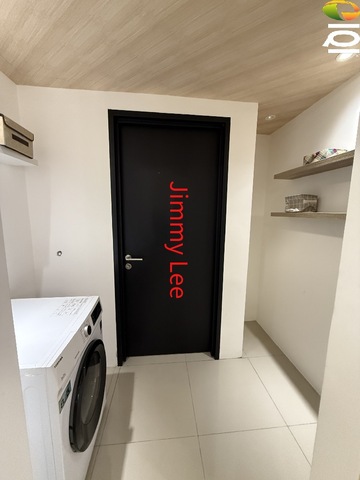
AmanAra Residences @ Kayu Ara
Lorong Masjid
₱ 23,438,183
Listed on December 12, 2025

Verde Residence
Ara Damansara, Petaling Jaya, Selangor
₱ 15,061,914
Listed on August 21, 2026
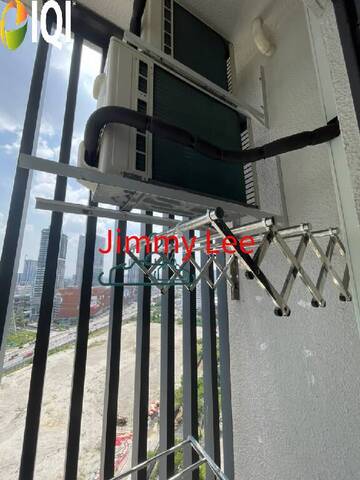
HighPark Suites @ Kelana Jaya
Jalan SS 6/2, Ss 6
₱ 6,455,106
Listed on August 21, 2026
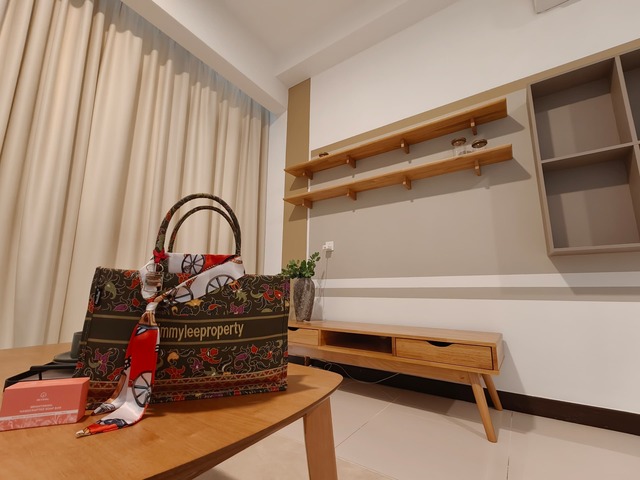
Hampshire Residences
Persiaran Hampshire
₱ 19,211,625
Listed on September 10, 2026

Menara Bintang Goldhill
Jalan Tun Razak, Imbi
₱ 35,042,004
Listed on September 6, 2026

Jalan Setiakasih 1
Jalan Setiakasih 1
₱ 76,846,500 /month
Listed on March 21, 2025

HighPark Suites @ Kelana Jaya
Jalan SS 6/2, Ss 6
₱ 6,624,168
Listed on December 6, 2024

Megah Rise
Jalan SS 24/11, 47301, Selangor
₱ 16,137,765
Listed on May 8, 2025

Ken Damansara
Jalan SS 2/72
₱ 12,295,440
Listed on June 1, 2025

DC Residensi (Damansara City)
50490, Kuala Lumpur
₱ 153,693 /month
Listed on May 5, 2025
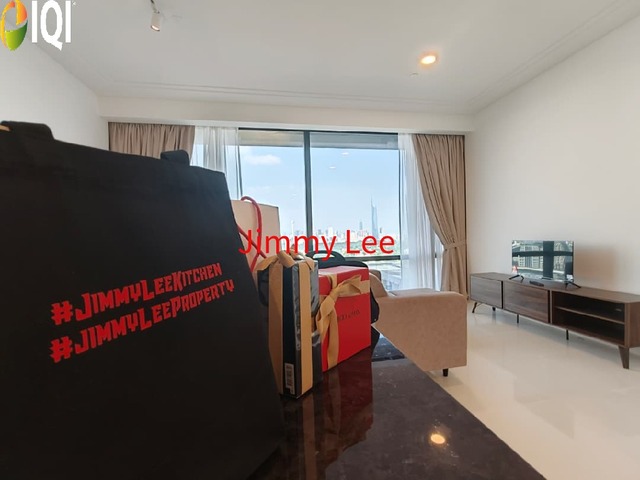
Pavilion Damansara Heights
Jalan damanlela
₱ 90,679 /month
Listed on August 21, 2026

Koi Kinrara Suites
Jalan Pipit, Bandar Puchong Jaya, 47100, Selangor
₱ 8,606,808
Listed on April 24, 2025

Taman Ipoh Jaya
Selasar Rokam 18, Taman Ipoh Jaya, Ipoh, Perak
₱ 5,532,948
Listed on November 23, 2024

DC Residensi (Damansara City)
50490, Kuala Lumpur
₱ 19,211,625
Listed on May 19, 2025

Q Sentral
Jalan Stesen Sentral, KL Sentral, 50470 Kuala Lumpur
₱ 181,358 /month
Listed on December 6, 2024

Kota kemuning Hills :Double Storey Bungalow For Sale -Walking distance to Golf Club -Gated & Guarded
Jalan anggerik vanda 31/166, kota kemuning hills, 40460
₱ 44,570,970
Listed on May 27, 2022
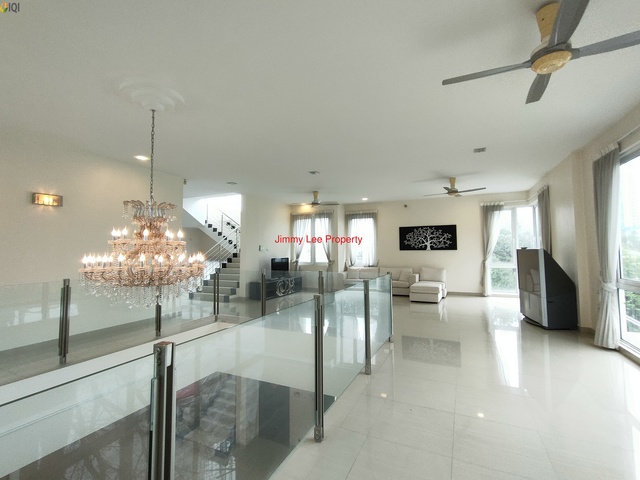
Bungalow - Jalan Batai Barat - Damansara heights
Jalan Batai Barat
₱ 184,431,600
Listed on November 19, 2020

KLCC - TRX Finance District- Horizon Residence 2 Bed 2 Bath for Sale - Near to MRT & TRX Mall
Jalan Tun Razak
₱ 15,369,300
Listed on June 2, 2022
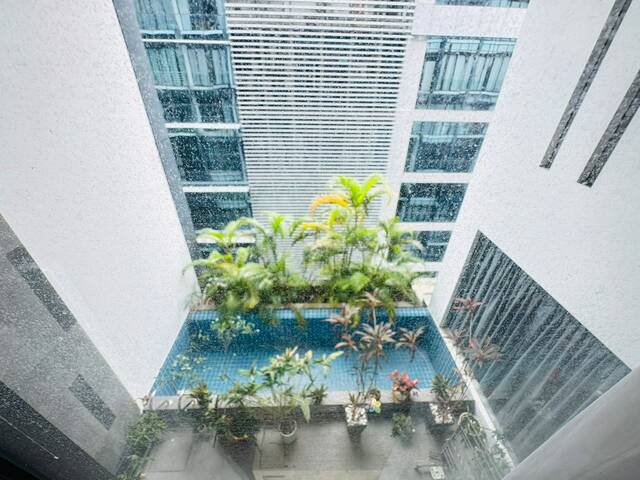
Clearwater Residences
Changkat Semantan
₱ 53,792,550
Listed on June 13, 2026
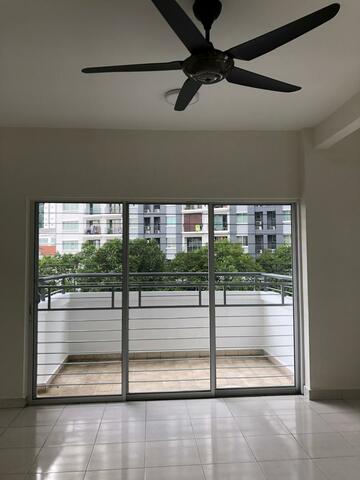
Perdana Emerald Serviced Apartment
Jalan PJU 8/1
₱ 9,221,580
Listed on January 22, 2026

MET 1 Residences @ KL Metropolis
Jalan Sultan Haji Ahmad Shah
₱ 89,142 /month
Listed on June 2, 2025

Kenanga Wholesale City
55200 Kuala Lumpur
₱ 9,037,148
Listed on January 27, 2026

Desa ParkCity (The Westside II)
Jalan Residen Utama
₱ 28,894,284
Listed on October 7, 2023

The Sentral Residences
Jalan Stesen Sentral
₱ 92,216 /month
Listed on August 24, 2023
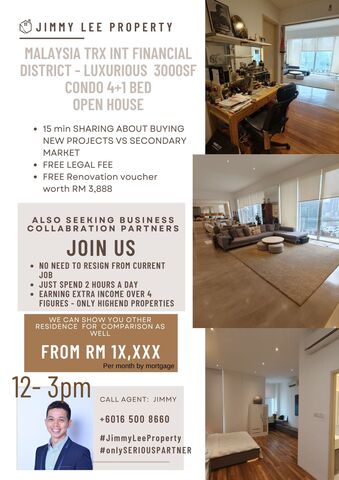
Menara Bintang Goldhill
Jalan Tun Razak, Imbi
₱ 184,432 /month
Listed on September 6, 2026
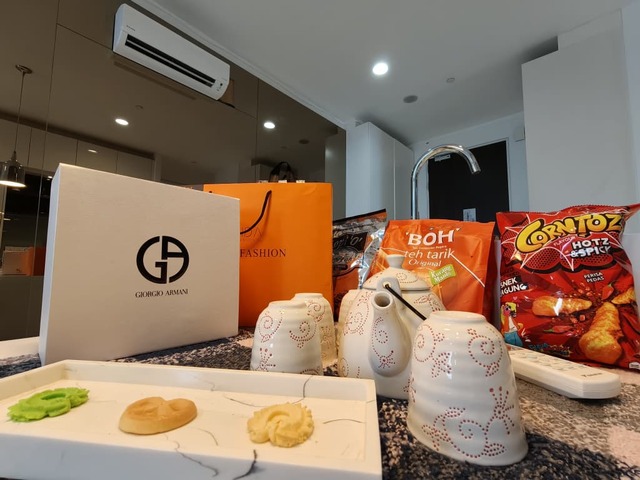
Face Platinum Suites
Jalan Sultan Ismail
₱ 15,369,300
Listed on September 10, 2026
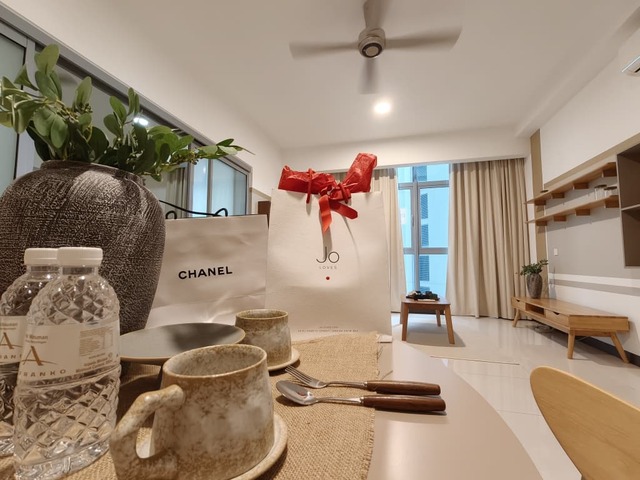
Hampshire Residences
Persiaran Hampshire
₱ 76,847 /month
Listed on September 10, 2026
Ipoh - D'Festivol Residence - 5 min to NorthSouth Highway Entrace
Jalan Medan ipoh Bistari
₱ 6,608,799
Listed on June 20, 2025
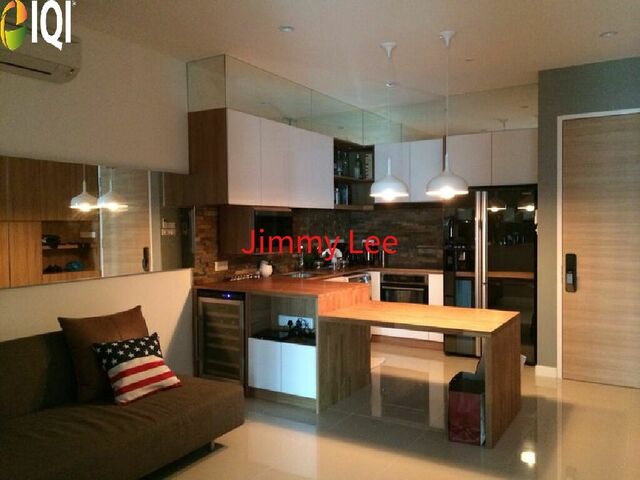
Camellia Service Suites
5, Jalan Kerinchi
₱ 9,682,659
Listed on September 10, 2025
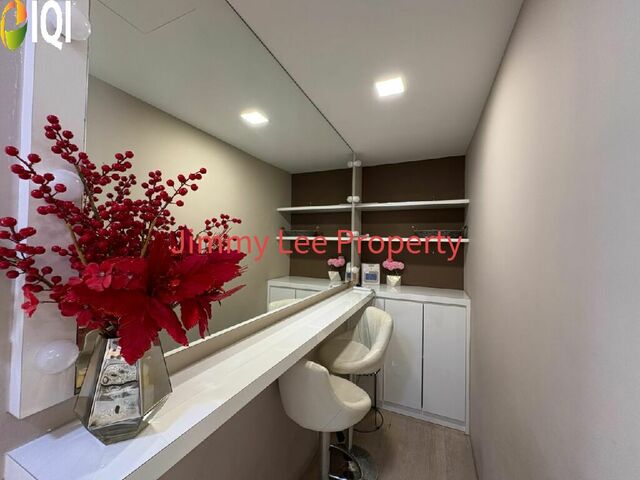
Jalan Maarof
Jalan Maarof
₱ 614,772 /month
Listed on July 17, 2025
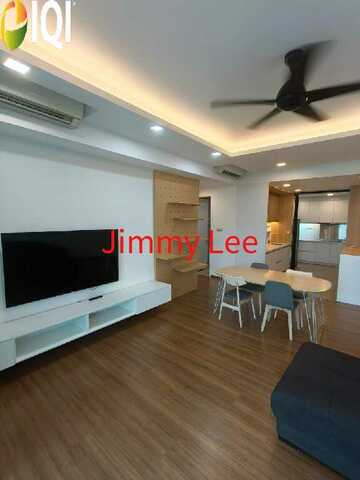
The Potpourri
Jalan PJU 1A/4, Ara Damansara
₱ 61,477 /month
Listed on September 12, 2025

Perdana Exclusive Condominium
Jalan PJU 8/1
₱ 4,303,404
Listed on May 19, 2025

Jalan Setiabakti 3 - Four Storey Bungalow House
Jalan Setiabakti 3
₱ 336,280,284
Listed on November 19, 2020
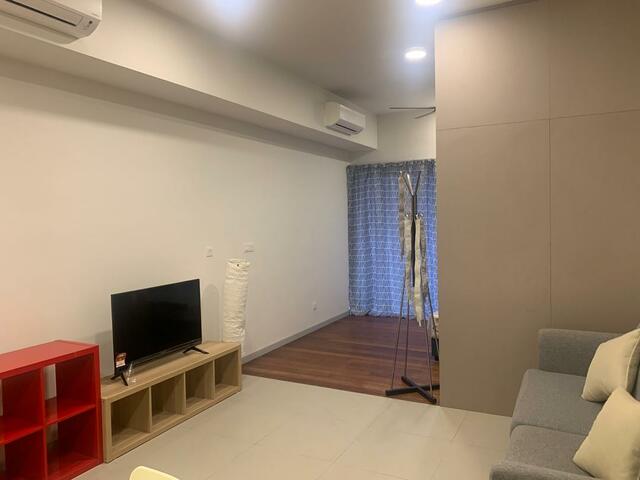
Biji Living (Seventeen Residences)
Jalan 17/29, Seksyen 17, Seksyen 17
₱ 12,295,440
Listed on June 25, 2026

Zenith Residences
SS 7, Kelana Jaya, 47301, Selangor
₱ 43,034 /month
Listed on February 19, 2025
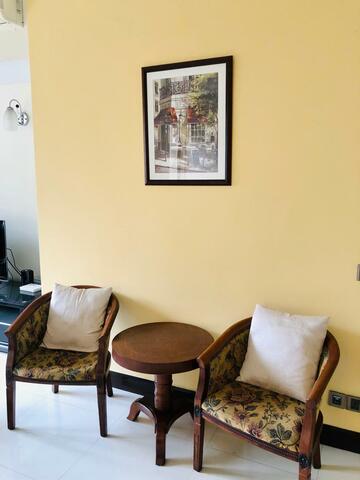
Sri Penaga (Bangsar)
Jalan Medang Serai, Bukit Bandaraya
₱ 58,403 /month
Listed on July 17, 2025

VERVE Suites KL South
Jalan Klang Lama, 58000, Kuala Lumpur
₱ 8,068,883
Listed on May 23, 2025
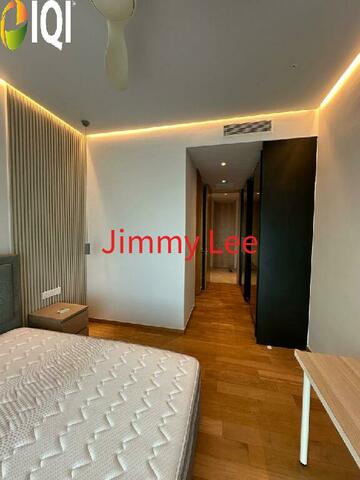
DC Residensi (Damansara City)
Jalan Damanlela
₱ 58,403,340
Listed on June 19, 2025
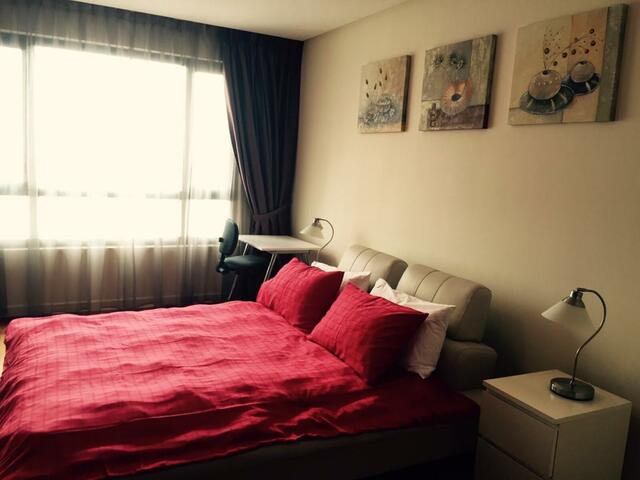
The CapSquare Residences
Persiaran CapSquare
₱ 12,295,440
Listed on August 9, 2025
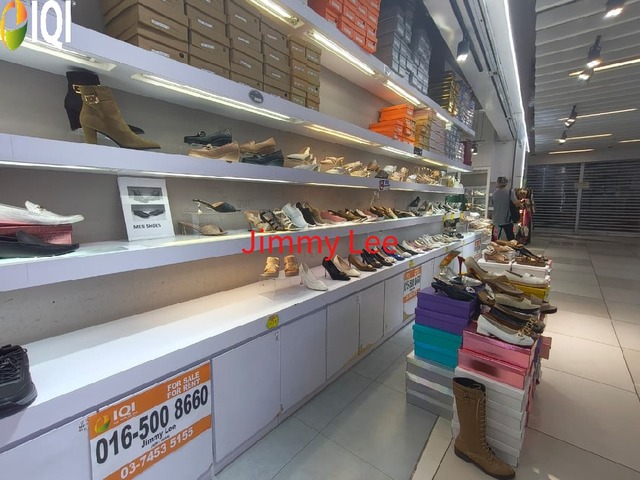
Kenanga Wholesale City
55200 Kuala Lumpur
₱ 10,266,692
Listed on January 27, 2026
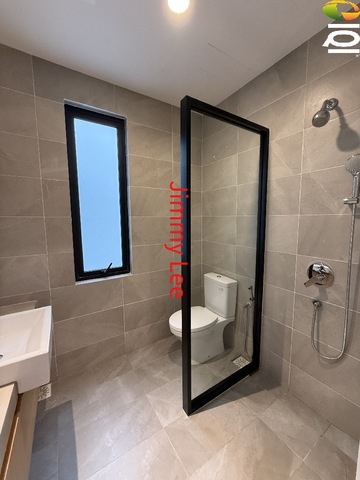
AmanAra Residence
Lorong Masjid 1
₱ 20,748,555
Listed on December 12, 2025
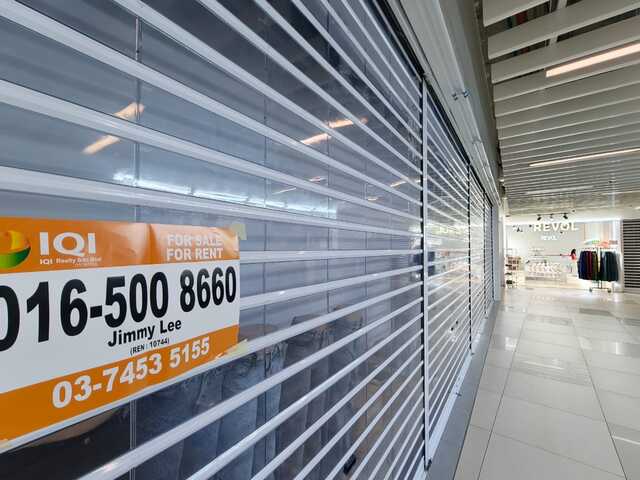
Kenanga Wholesale City (KWC)
Jalan Gelugor
₱ 5,976,936
Listed on September 3, 2026
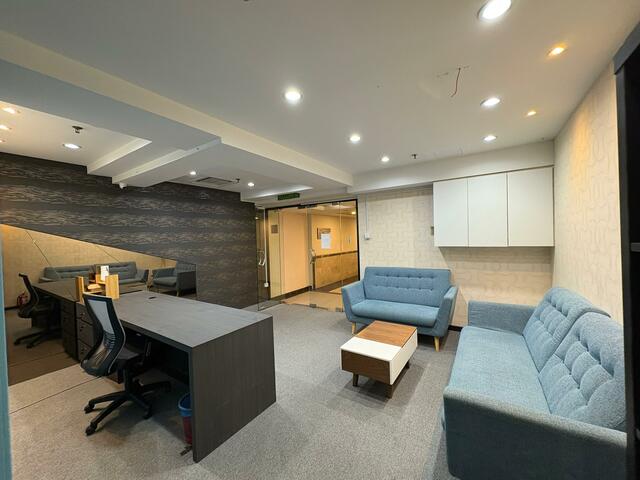
Northpoint
1 Medan Syed Putra
₱ 169,062 /month
Listed on July 17, 2025

The Katana Residences
Jalan Madge, Taman U-Thant
₱ 50,411,304
Listed on December 19, 2025
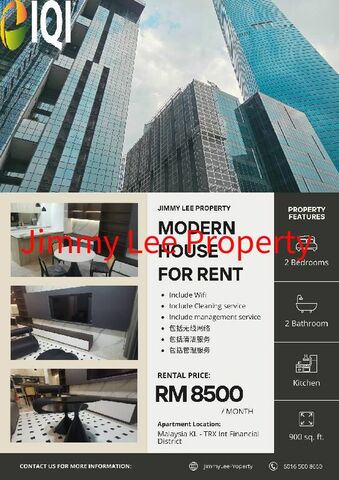
TRX Residence
Jalan Tun Razak
₱ 130,639 /month
Listed on July 24, 2025

KL Sentral
Q Sentral Office
₱ 44,263,584
Listed on December 5, 2024

TAMAN TASEK BARU
TAMAN TASEK JAYA, TAMAN TASEK BARU
₱ 5,671,272
Listed on April 9, 2025

Twins @ Damansara Heights
Jalan Damanlela, Pusat Bandar Damansara, 50490, Kuala Lumpur
₱ 22,285,485
Listed on February 7, 2025
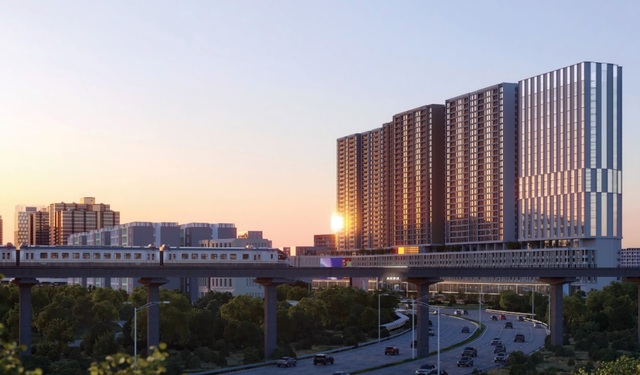
Perla @ Ara Sentral
Jalan PJU
₱ 8,453,115
Listed on August 22, 2025

DC Residensi Damansara Heights KL
Jalan Damanlela
₱ 119,881 /month
Listed on February 16, 2021

Ken Damansara
Jalan SS 2/72
₱ 33,812 /month
Listed on June 1, 2025

Empire Studio @ Empire Damansara
Jalan PJU 8/8, Damansara Perdana
₱ 4,595,421
Listed on May 23, 2025

TRX Residence
Jalan Tun Razak, 55100, Kuala Lumpur
₱ 46,107,900
Listed on March 6, 2025

The Potpourri
Jalan PJU 1A/4, Ara Damansara
₱ 31,507,065
Listed on January 5, 2026

DC Residensi (Damansara City)
50490, Kuala Lumpur
₱ 22,285,485
Listed on May 19, 2025

Icon City
Sungei Way, Petaling Jaya, Selangor
₱ 11,526,975
Listed on December 6, 2024

Bandar Baru Klang
Lorong Mahkota 2C
₱ 7,346,525
Listed on December 5, 2024

TRX Residence
Jalan Tun Razak, 55100, Kuala Lumpur
₱ 110,659 /month
Listed on March 6, 2025

HighPark Suites @ Kelana Jaya
Jalan SS 6/2, Ss 6
₱ 6,916,185
Listed on December 6, 2024
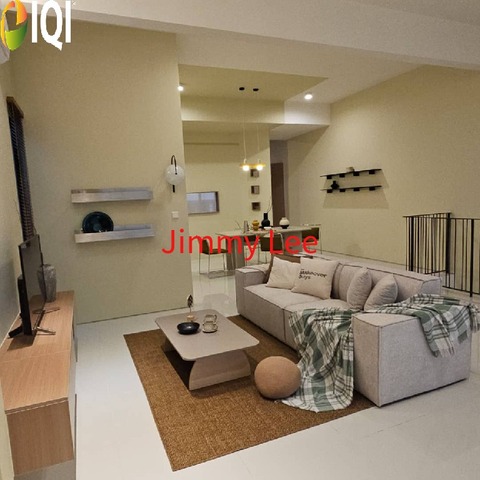
AmanAra Residences @ Kayu Ara
Lorong Masjid
₱ 76,847 /month
Listed on December 12, 2025

Petaling Jaya
Jalan Bukit 11
₱ 89,141,940
Listed on July 25, 2024
Our newly launched projects
Discover the real estate properties in and around Kuala Lumpur, Malaysia. Buy apartment units, landed houses, bungalows, commercial office space, shop lots, and sub-sales with 100% confidence at IQI Global.
 Large land area
Northern TechValley @BKE
Mukim 14, Kubang Semang, 14400 Seberang Perai, Penang, Malaysia
Starting from ₱ 222,785,996
Listed on January 23, 2026
 Located in Bukit Minyak
Taman IKS Bukit Minyak
Jalan IKS Bukit Minyak Utama, Taman IKS Bukit Minyak, 14100 Simpang Ampat, Penang, Malaysia.
Starting from ₱ 18,501,563
Listed on January 23, 2026
 Located in Simpang Ampat
Regalway Industrial Hub (Industrial)
Regalway Industrial Hub, Off Jalan Bukit Panchor, Bukit Panchor, 14100 Simpang Ampat, Penang, Malaysia.
Starting from ₱ 77,077,040
Listed on January 23, 2026
 Located in Bukit Mertajam
Taman Jasa Ria (Garden Villa)
Jalan Permatang Pasir, Taman Jasa Ria, 14000 Bukit Mertajam, Penang, Malaysia
Starting from ₱ 17,195,173
Listed on January 23, 2026
 Larger built-up area
Taman Jasa Intan (Garden Superlink)
Jalan Jasa Intan, Taman Jasa Intan, 14000 Bukit Mertajam, Penang, Malaysia
Starting from ₱ 12,572,087
Listed on January 23, 2026
 Large land area
Taman Fajar Permai (Sunrise Terrace)
Jalan Fajar, Taman Fajar Permai, 14300 Nibong Tebal, Penang, Malaysia.
Starting from ₱ 8,453,115
Listed on January 23, 2026
Mortgage Calculator
Calculate your estimated month repayment and plan your monthly expenses well.
The mortgage calculator is intended for reference only. Actual amount may vary.
Monthly Payment
Send me the mortgage calculator result

Home Loan Eligibility Calculator
Calculate your potential loan amount and assess your home buying affordability.

Rental Yield
Calculate the potential rental yield and evaluate a property's investment performance.

Down Payment Saving Plan
Create a structured savings plan and determine how much to save monthly for your down payment plan.

Malaysian Property Transaction Fees Calculator
Estimate the total transaction fees and budget accurately for your Malaysian property purchase.
IQI blog & news
Articles specifically curated for your daily digest of local and global real estate news.

Industrial and Commercial Recovery Gains Ground The Philippine property market entered the second half of 2026 with recovery strengthening across industrial, commercial and residential real estate. Industrial property remains the standout segment. First-half merchandise exports reached US$46.72 billion, the strongest performance since 1991, supported by electronics demand linked to the global AI supply chain. This momentum is feeding into a 1,200-hectare industrial land pipeline for 2026 to 2028, while industrial rents have increased 45% since 2019. New demand from EV and battery manufacturers is also supporting the sector. Metro Manila’s office vacancy remained stable at 19%, despite softer leasing volumes, while flexible workspace take-up doubled year-on-year. Retail vacancy is expected to fall below 10% by year-end, while around 3,100 new hotel rooms are scheduled for delivery in 2026. Residential Buyers Still Hold the Advantage The residential market remains firmly buyer-favourable. Inflation eased to 6.2% in July, marking a third consecutive month of improvement, while the BSP was expected to maintain its policy rate at 4.75%. Developers continue to compete for buyers through extended payment terms, rent-to-own structures and effective discounts of 3% to 12%. At the same time, future condominium supply is tightening sharply. Annual completions are expected to average around 3,600 units through 2028, down 72% from the 2017 to 2019 average. Outlook The Philippines is entering a potentially important transition period. Improving inflation, the prospect of lower borrowing costs and a shrinking condominium pipeline could support stronger residential absorption into 2027. Meanwhile, industrial assets remain the strongest structural growth story, supported by exports, manufacturing and infrastructure demand. For investors, the second half of 2026 offers an opportunity to focus on quality industrial assets, flexible commercial space and competitively priced residential properties before financing conditions improve further. The contents of this article were contributed by Dara Ko-Saavedra, Head of IQI Philippines. Download to see insights from other country marketsDownload

Inflation Eases as Market Conditions Improve The Philippines property market entered the second half of 2026 with a gradually improving economic outlook. Inflation declined for a second consecutive month, falling from 7.2% in April to 6.4% in June. Lower fuel and transport costs supported the improvement, while monthly inflation recorded its first decline in a year at -0.3%. The Bangko Sentral ng Pilipinas raised its policy rate to 4.75%, but inflation is expected to ease further through 2028. Economic growth is also forecast to strengthen from 2.8% in Q1 2026 to 4.4% for the full year, supporting future consumption, investment and property demand. Industrial Property Offers the Strongest Prospects Metro Manila condominiums remain a buyer’s market, creating opportunities for buyers seeking discounted properties. New condominium completions are expected to average only 3,600 units annually from 2026 to 2028, significantly below the 13,000-unit annual average recorded between 2017 and 2019. This lower supply pipeline could gradually reduce excess inventory. Developer incentives, strong overseas Filipino worker remittances and projected national price appreciation of 25% to 35% by 2031 may support long-term residential demand. Metro Manila’s office vacancy rate improved to 19%, supported by limited new supply and demand beyond the business process outsourcing sector. Retail vacancy is also expected to fall below 10% as household spending recovers. Industrial property remains the strongest segment, led by Central Luzon and the Clark corridor. Rising rents, logistics improvements, e-commerce growth and demand for energy-resilient facilities continue to strengthen investment fundamentals. Outlook Industrial and Clark corridor assets offer the strongest risk-adjusted opportunities. Selected CBD offices, retail properties and discounted condominiums also present improving prospects. Investors should remain selective, prioritising quality assets, strong locations and longer holding periods while monitoring inflation, electricity costs and geopolitical risks. Juwai IQI Newsletter August 2026Download

Philippines Real Estate Shows Stronger Recovery Signals The Philippines property market is entering the second half of 2026 with improving momentum. The US-Iran ceasefire and reopening of the Strait of Hormuz have helped stabilise global oil markets, leading to major fuel rollbacks in the Philippines. This is easing pressure on household budgets and business costs, while also supporting buyer confidence. At the same time, the proposed Japan-Philippines petroleum reserve partnership strengthens the country’s long-term energy security outlook. The residential market remains selective. Metro Manila condominiums are still a buyer’s market, with around 74,000 to 75,300 unsold units. However, developer discounts, rent-to-own schemes and longer payment terms are creating attractive entry opportunities. Supply is also expected to tighten, with only about 3,600 new condo units annually from 2026 to 2028, far below the previous peak average of 13,000 units. Regional markets such as Cavite, Laguna, Cebu, Iloilo and Davao remain stronger performers, with projected annual appreciation of 5% to 7%. Industrial and Commercial Segments Lead Growth Industrial and logistics remain the strongest investment theme. The New Clark City industrial hub is reinforcing the Clark-Pampanga corridor as a key manufacturing and logistics destination, while industrial rents have risen 45% since 2019. Commercial property is also improving. Office demand rose 70% year-on-year in Q1 2026, supported by BPO and IT-BPM expansion. Retail vacancy is expected to fall below 10% by end-2026, while hospitality is benefiting from flight surcharge cuts and route restoration. Outlook The Philippines market is not without challenges, but its fundamentals remain strong. With 115 million people, record OFW remittances, infrastructure expansion and improving energy stability, H2 2026 could mark a clearer recovery phase. Industrial assets, Clark-linked logistics, regional residential corridors and prime income-generating assets are likely to remain the best-positioned opportunities. Download to see insights from other country marketsDownload

The Philippines property market faced a more challenging environment in early 2026 as inflation, higher interest rates, and rising living costs weighed on consumer sentiment and investment activity. While some sectors remain under pressure, industrial and logistics real estate continues to stand out as the market's strongest-performing segment. Residential Market Remains Challenging The residential sector continues to face headwinds from higher borrowing costs and affordability concerns. A large inventory of unsold condominium units, combined with rising mortgage rates, has slowed buyer activity across several urban markets. Despite these challenges, demand remains relatively resilient in regional growth centres and master-planned transit-oriented communities, where long-term infrastructure improvements continue to support buyer interest. End-users remain focused on affordability, connectivity, and long-term value rather than speculative purchases. Commercial Sector Shows Mixed Recovery The commercial property market is gradually recovering, although performance remains uneven across sectors. Prime office locations continue to attract demand, particularly in established business districts where vacancy rates are expected to improve. Retail activity is also showing signs of recovery, supported by experiential retail concepts and international brands. However, the hospitality sector continues to face challenges as tourism recovery remains slower than expected in some areas. Industrial and Logistics Lead Growth Among all property sectors, industrial and logistics real estate remains the strongest performer. Continued investment in manufacturing, warehousing, and logistics infrastructure is supporting demand for industrial space, particularly within strategic growth corridors. The development of New Clark City and the Clark-Pampanga corridor continues to strengthen the region's position as a key industrial and logistics hub. Rising industrial rents and ongoing investment commitments highlight the sector's growing importance within the country's long-term economic development strategy. Outlook While inflation, interest rates, and affordability concerns may continue creating short-term challenges, the Philippines' long-term property fundamentals remain intact. Supported by infrastructure investment, urbanisation, and demographic growth, the market continues to offer opportunities for investors focused on long-term value. Industrial and logistics assets, along with strategically located commercial and residential developments, are expected to remain among the most resilient sectors through the remainder of 2026. Download to see insights from other country marketsDownload
Ready to get started?
Get in touch now.