

Negotiator ∙ Vietnam
Vo Tri Cuong

Negotiator ∙ Vietnam
Vo Tri Cuong

About Vo Tri Cuong
Leveraging market knowledge and negotiation skills to deliver exceptional results. Your real estate success is my priority. Ready to make your real estate dreams a reality? Let's chat. Your dream home awaits.
2 years at IQI
Contact Vo Tri Cuong
Vo Tri Cuong Social Links
No social links available.
My Listings
No listings available at the moment.
Our newly launched projects
Discover the real estate properties in and around Vietnam, Vietnam. Buy apartment units, landed houses, bungalows, commercial office space, shop lots, and sub-sales with 100% confidence at IQI Global.
 Beachfront villas
Sanctuary Ho Tram
Ho Tram, Phuoc Thuan Ward, Xuyen Moc, Ba Ria, Vung Tau, Bà Rịa, BV, Vietnam
Starting from € 564,795
Listed on May 12, 2023
 Riverfront location
One Verandah
Bát Nàn, Phường Thạnh Mỹ Lợi, Quận 2, Thành phố Hồ Chí Minh, Vietnam
Starting from € 136,920
Listed on May 12, 2023
 High-rise towers
Thủ Thiêm Zeit River
TP, Trần Bạch Đằng, Phường An Khánh, Quận 2, Thủ Đức, Thành phố Hồ Chí Minh, Vietnam
Starting from € 427,875
Listed on February 27, 2023
 Prime District 1 location
Lancaster Legacy
230 Đ. Nguyễn Trãi, Phường Nguyễn Cư Trinh, Quận 1, Thành phố Hồ Chí Minh, Vietnam
Starting from € 308,070
Listed on February 24, 2023
 Managed by Ascott
King Crown Infinity
218 Đ. Võ Văn Ngân, Bình Thọ, Thủ Đức, Thành phố Hồ Chí Minh, Vietnam
Starting from € 171,150
Listed on February 24, 2023
 Hotel apartment towers
Ho Tram IXORA by Fusion
Đường Ven Biển, Phước Thuận, Xuyên Mộc, Bà Rịa - Vũng Tàu, Vietnam
Starting from € 88,998
Listed on February 20, 2023
Mortgage Calculator
Calculate your estimated month repayment and plan your monthly expenses well.
The mortgage calculator is intended for reference only. Actual amount may vary.
Monthly Payment
Send me the mortgage calculator result

Home Loan Eligibility Calculator
Calculate your potential loan amount and assess your home buying affordability.

Rental Yield
Calculate the potential rental yield and evaluate a property's investment performance.

Down Payment Saving Plan
Create a structured savings plan and determine how much to save monthly for your down payment plan.

Malaysian Property Transaction Fees Calculator
Estimate the total transaction fees and budget accurately for your Malaysian property purchase.
IQI blog & news
Articles specifically curated for your daily digest of local and global real estate news.
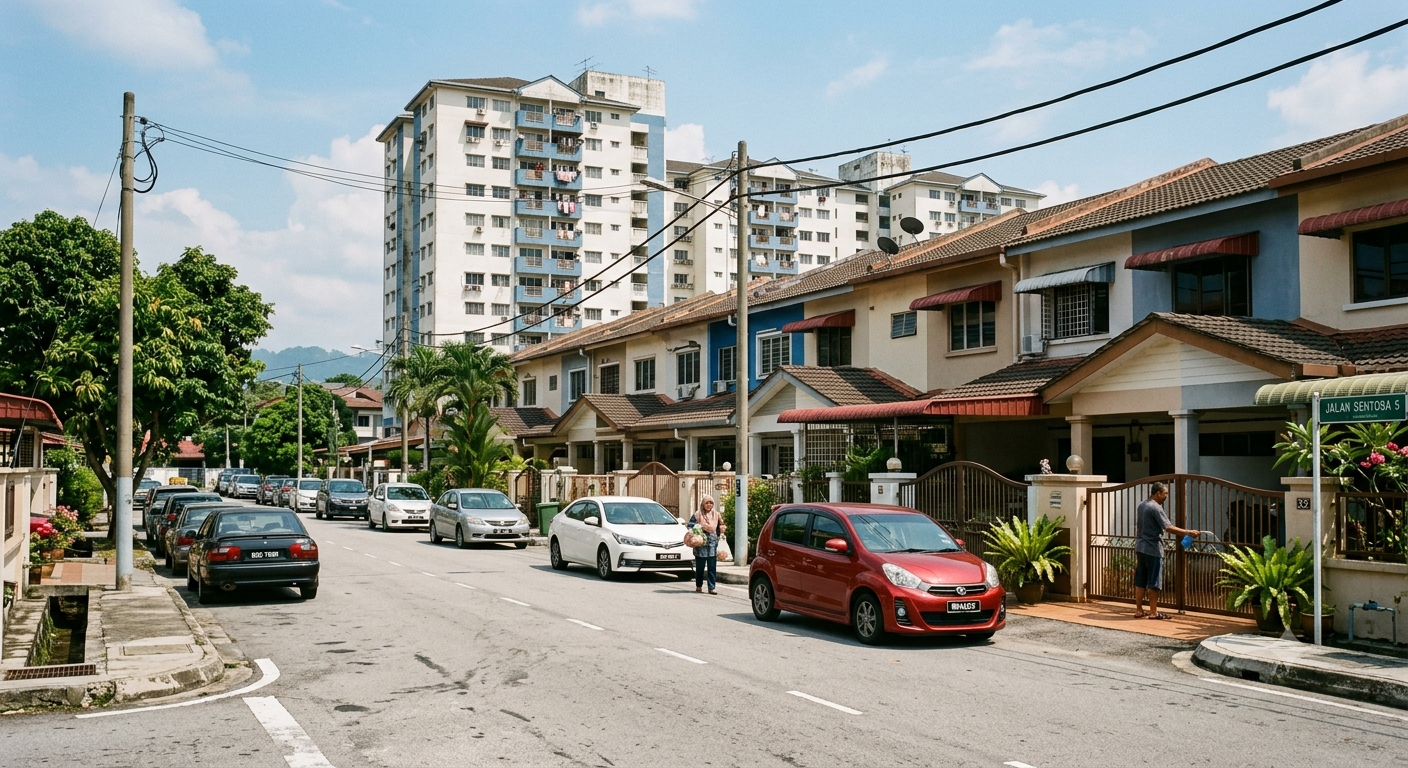
Buying a house under RM300K in KL is hard, but the route is the same one every first-time buyer in Malaysia follows: check your finances, use the incentives you qualify for, shortlist and inspect, secure the unit, get the loan, sign the agreements, then collect your keys. What changes at this budget is how tight each step gets. This guide shows exactly where. Most first-timers discover the squeeze the same way. A stable job, decent savings, RM300,000 to spend. Then the listings load, and the prices do not match the promise. You are not imagining it. Below is what RM300K realistically buys in Greater KL in 2026, what it costs on top of the price tag, and a seven-step plan built for this budget. TL;DR / Key Takeaways Buying a house under RM300K in KL is possible, but mostly through government schemes or older subsale units in peripheral Greater KL. Kuala Lumpur's average house price was RM819,848 in the Property Market Report 2025. Yet 14,201 unsold completed homes nationwide are priced at RM300,000 and below. Plan for about 3% to 5% in upfront costs on top of the 10% down payment. First-time buyers pay the lower end because stamp duty is waived on homes up to RM500,000 until 31 December 2027. Banks typically cap your Debt Service Ratio (DSR) at 40% to 70% of net income. Check eCCRIS and CTOS before you apply. For new launches under the Housing Development Act, developers may not legally collect a booking fee. Subsale buyers usually pay a 2% to 3% earnest deposit. New homes come with a 24-month defect liability period from the date you receive the keys. Realistic Guide for First-Time BuyersTL;DR / Key TakeawaysIs It Really Possible to Buy a House Under RM300K in KL?KL's Property Market Under RM300K in 2026Why "Affordable" Homes Still Feel Out of ReachWhere to Find a Home Under RM300K in Greater KLHow to Buy a House as a First-Time Buyer on a RM300K Budget: 7 StepsThe Broader Picture: Addressing KL's Affordability ChallengeLocal Expert Insight: What Do The Professionals Say?FAQ Is It Really Possible to Buy a House Under RM300K in KL? Yes, but not in central Kuala Lumpur, and rarely for a new home on the open market. The realistic routes are government housing schemes and older subsale apartments in mature, peripheral parts of Greater KL. Expect trade-offs on location, size or building age, and budget for the full cost of ownership, not just the price. KL's Property Market Under RM300K in 2026 The gap is wide. According to the Property Market Report 2025, the national average house price is RM502,922. Kuala Lumpur averages RM819,848 and Selangor RM567,505. Malaysia's median house price-to-income ratio stood at 4.2 in 2024. Housing is considered affordable at three times household income or below, which is why the market has been rated "seriously unaffordable" since 2014. The primary issue remains pricing relative to income. Financing exposes the gap while income growth determines how severe it becomes over time. Assoc Prof Dr Muhammad Najib Razali, Universiti Teknologi Malaysia, speaking to The Sun, 26 May 2026 The overhang paradox Here is the twist. Cheap homes are not selling out. NAPIC data for Q1 2026 shows 32,801 completed homes worth RM16.37 billion still unsold nationwide, 3,733 of them in Kuala Lumpur. 14,201 of those unsold units, or 43.3%, are priced at RM300,000 and below, together worth RM2.77 billion. So the problem is not a lack of sub-RM300K homes. It is that many of them are the wrong product, in the wrong place, for buyers who cannot get financing. Our NAPIC Q1 2026 breakdown has the full picture. Why "Affordable" Homes Still Feel Out of Reach Three barriers sit between a RM300,000 price tag and a set of keys: the cash you need upfront, the loan you need approved, and whether the home actually works for your life. What it really costs upfront to buy a RM300,000 home The 10% down payment is only the start. Legal fees, stamp duty, valuation and loan insurance typically add another 3% to 5% of the price, depending on whether you qualify for the first-time buyer exemption. Here is the breakdown for a RM300,000 subsale home with a 90% loan of RM270,000. Cost itemStandard (RM)First-time buyer (RM)Down payment (10%)30,00030,000Legal fee, Sale and Purchase Agreement (1.25%)3,7503,750Legal fee, loan agreement (1.25%)3,3753,3758% service tax on legal fees570570Stamp duty, Memorandum of Transfer5,0000Stamp duty, loan agreement (0.5%)1,3500Valuation fee (estimate)1,0001,000Extra upfront costs15,045 (5.0%)8,695 (2.9%)Total cash before keys45,04538,695 Legal fees follow the Solicitors' Remuneration Order 2023 scale, before disbursements. Stamp duty on the transfer is 1% on the first RM100,000 and 2% on the next RM400,000. The first-time buyer column assumes the full exemption on transfer and loan instruments for homes up to RM500,000, extended to 31 December 2027 under Budget 2026. Two items are not in the table because they vary so much. MRTA (Mortgage Reducing Term Assurance) is a single premium that is often financed into the loan. MLTA (Mortgage Level Term Assurance) usually costs more, but the cover stays with you if you refinance or sell. Get quotes for both before your loan offer arrives. After you move in, maintenance fees, sinking fund, quit rent, assessment and parking keep coming every month. Our guide to the stamp duty waiver extended to 2027 explains who qualifies for the exemption. Financing hurdles and loan rejection Loan approval is where many sub-RM300K purchases collapse. Units get booked by eager buyers, the bank says no, and the home goes back into unsold stock. Banks judge you on your Debt Service Ratio (DSR), the share of your net income already going to debt repayments. PTPTN, a car loan and credit card balances all count. So do late payments recorded in CCRIS, Bank Negara's Central Credit Reference Information System. Young professionals and gig workers are the most likely to fail on DSR or documentation, not on salary alone. Work out your DSR before you start viewing. It tells you how much room you actually have. Estimates for guidance only. Each bank applies its own DSR limits and income recognition rules. Freelancer or e-hailing driver? Read our guide on how gig workers get a home loan approved. Location vs product: what you can expect To hit the price, some developers build hyper-dense, shoebox layouts with poor workmanship and limited parking. Others build on cheap land far from jobs, with weak public transport. Faced with a long, costly commute, many buyers decide to keep renting near work instead. A home is only affordable if the commute is too. Where to Find a Home Under RM300K in Greater KL Central KL, Damansara and most of PJ are out of range for this budget. Widen the search to government schemes and the subsale market in mature, peripheral districts. Government housing schemes Residensi Wilayah (formerly RUMAWIP): units capped at RM300,000, for Malaysians aged 21 and above who were born in, live in or work in Kuala Lumpur, Putrajaya or Labuan. Single applicants may earn up to RM10,000 a month, married couples up to RM15,000. There is a 10-year moratorium on open-market resale. Apply via the official Residensi Wilayah portal. Rumah Selangorku: Selangor's scheme, with prices capped by unit type and household income. CNA reported a 27-year-old administrative assistant buying a new Shah Alam unit for RM290,000 under the scheme, completing in late 2028. See our Rumah Selangorku application guide. PR1MA: the federal affordable-housing builder, with projects across the country and prices that vary widely by location. Schemes come with ballots, waiting lists and allocations that may not suit your workplace. Compare them all in our first-home schemes guide. The subsale market Outside the schemes, the subsale market is your main hunting ground. At this budget that usually means: Older leasehold apartments and flats in parts of Kepong, Jalan Klang Lama, Cheras and Setapak. Expect renovation costs and check the remaining lease. Smaller condominiums built 15 to 20 years ago in less developed parts of Greater KL. Low-cost apartments with basic facilities, priced for specific income groups. Property options under RM300K: KL and Greater KL compared AreaTypical propertyIndicative priceEst. monthly repaymentProsConsKepongOlder apartment or flatRM200K to RM300KRM800 to RM1,200Established amenities, some MRT accessOlder buildings, trafficJalan Klang LamaOlder apartment or flatRM230K to RM300KRM920 to RM1,200Close to the city, good connectivityCongestion, high densityCheras (selected zones)Older apartment, Residensi WilayahRM200K to RM300KRM800 to RM1,200Wide amenities, MRT and LRT accessQuality varies a lot by zoneSetapakOlder apartment or flatRM220K to RM300KRM880 to RM1,200Near universities, LRT accessOlder infrastructureShah AlamNew apartment under Rumah SelangorkuRM240K to RM290KRM960 to RM1,160Newer unit, scheme pricingFurther from KL, limited supply Prices are indicative and vary by building. Repayments assume a 90% loan at 4% a year over 35 years. Verify current listings and your bank's rate before deciding. How to Buy a House as a First-Time Buyer on a RM300K Budget: 7 Steps These are the same steps every first-time buyer in Malaysia follows. Here they are tuned for a RM300K budget in Greater KL. For the full general process, see our complete guide to buying a house in Malaysia. Step 1: Check your financial readiness Start with your Debt Service Ratio: your total monthly debt repayments, including the new home loan, divided by your net monthly income. Most Malaysian banks cap DSR somewhere between 40% and 70% of net income. The exact limit depends on the bank and your income level, and lower earners can face the tighter end. For comfort, aim to keep the home loan instalment itself within 30% to 40% of your income. Here is how that plays out on a RM300,000 home with a 90% loan at 4% over 35 years, which comes to about RM1,195 a month. Net monthly income RM4,000RM a monthCar loan650PTPTN200New home loan1,195Total commitments and DSR2,045 (51%) At 51%, this buyer passes a 60% or 70% cap but fails a 40% one. Clearing the car loan first would drop the DSR to 35%. Then check your credit record. Request your free report from Bank Negara's eCCRIS, and a CTOS report, which also picks up non-bank records. Settle any arrears, including PTPTN, before you apply, because banks see your last 12 months of repayment behaviour. Estimates for guidance only. Actual eligibility depends on the bank's full credit assessment. Step 2: Use the incentives you qualify for At this budget, incentives are not a bonus. They are the plan. Stamp duty exemption: first-time buyers pay no stamp duty on the transfer or loan agreement for homes up to RM500,000 until 31 December 2027. On RM300,000, that saves RM6,350. Scheme eligibility: check Residensi Wilayah and Rumah Selangorku rules against your income, age and where you work, then register early. Ballots take time. Step 3: Shortlist and inspect properly Visit each area at peak hour, not just on a Sunday afternoon. Time the commute to work and check the nearest MRT or LRT on MyRapid. For older subsale units, look past the paint. Check plumbing, wiring and water seepage, ask the management office for a statement of outstanding maintenance fees, and confirm how many years remain on the lease. A cheap unit with 40 years left on the lease is much harder to finance and resell. Step 4: Secure the property with a booking How you secure the unit depends on what you are buying. Property typeWhat you pay to secure itNew launch under the Housing Development ActNo booking fee should be collected. Regulation 11(2) of the Housing Development (Control and Licensing) Regulations 1989 bars any payment outside the Sale and Purchase Agreement. The developer collects 10% when you sign it.Subsale (secondary market)An earnest deposit of usually 2% to 3% (RM6,000 to RM9,000 on RM300,000) with a signed letter of offer, held by the agent or lawyer as stakeholder. The balance to 10% is paid when the agreement is signed.Government schemeYou register and apply through the scheme portal. Units are allocated by ballot or merit, then you proceed to the agreement. If a developer does take a "booking fee", get an official receipt. The Federal Court ruled in PJD Regency Sdn Bhd v Tribunal Tuntutan Pembeli Rumah (2021) that compensation for late delivery is counted from the date that fee was paid, not from the date you signed. Step 5: Apply for a home loan Apply to two or three banks at once. Approval terms, margins and rates can differ more than you expect. Salaried buyers typically need: NRIC (both sides) Latest three months' payslips Latest EPF statement Three to six months of bank statements showing your salary credited Latest EA form or Form BE The letter of offer or booking form for the property Self-employed and gig workers should add their SSM registration, six months of bank statements and the latest tax return with proof of payment. With a complete file, banks have reported taking an average of 2 to 9 working days to process a housing loan, according to the Association of Banks in Malaysia. Missing documents are the most common cause of delay. Once you have an approval in principle, project your real monthly repayment. Estimates for guidance only. Actual figures depend on the bank's rate and your full financial profile. Step 6: Sign the legal agreements Three documents do the heavy lifting. Sale and Purchase Agreement (SPA): the contract between you and the seller or developer. It sets the price, payment schedule and completion date. Loan agreement: your contract with the bank, signed after the loan offer is accepted. Memorandum of Transfer (MOT): transfers the title to your name on a subsale where an individual or strata title exists. If the title has not been issued yet, a Deed of Assignment is used instead. A subsale usually completes within three months of the SPA, with a one-month extension if needed. A new launch is paid in stages as construction progresses, with your bank releasing the loan against each billing. Step 7: Collect your keys and protect yourself For a subsale, inspect the unit again before the balance is released, and make sure utility and maintenance accounts are settled to the handover date. For a new launch, vacant possession starts your 24-month defect liability period under the Housing Development Act. Report defects in writing with photos. The developer then has 30 days to fix them, at no cost to you. The Broader Picture: Addressing KL's Affordability Challenge Malaysia's housing challenge is no longer just a race for raw volume; it's a structural issue of product mismatch, location flaws, and financing barriers (thestar.com.my, 2026). Experts and bodies like Bank Negara Malaysia (BNM) and the National House Buyers Association (HBA) have consistently called for a coordinated recovery roadmap (thestar.com.my, 2026; Bank Negara Malaysia, 2017). Calls for Change & Policy Directions Recommendations include: Build-Then-Sell (BTS) Framework: HBA advocates for this model, where buyers pay 10% upfront and 90% upon completion, curbing speculative launches and ensuring products align with demand (thestar.com.my, 2026). Modernizing Credit Underwriting: Commercial banks are urged to create flexible credit scoring for gig-economy workers and expand shared-equity models (thestar.com.my, 2026). Integrated Data Bank: HBA has called for the Housing and Local Government Ministry to implement a comprehensive, centralized big data bank for real-time supply and demand metrics (thestar.com.my, 2026; Bank Negara Malaysia, 2017). This would move policymaking beyond "arbitrary government quotas" to data-driven planning. The government maintains it must "strike a balance" to ensure home prices appreciate at a "healthy" rate, as existing homeowners do not want their property values to decline (channelnewsasia.com, 2026). The focus is also on attracting foreign investment to create high-income jobs, hoping that increased incomes will naturally make housing more affordable (channelnewsasia.com, 2026). However, the Khazanah Research Institute (KRI) argued in 2024 that "no amount of wage increment… can realistically keep pace with Malaysia’s rapid house price escalation" (channelnewsasia.com, 2026). Local Expert Insight: What Do The Professionals Say? “Malaysia’s affordability challenge is not driven by a single factor but by the interaction between pricing, income, financing, land cost and market structure,”Universiti Teknologi Malaysia, Assoc Prof Dr Muhammad Najib Razali Assoc. Prof. Dr. Muhammad Najib Razali, specializing in property economics and finance. He emphasizes that "the primary issue remains pricing relative to income. Financing exposes the gap while income growth determines how severe it becomes over time.” (thesun.my, 2026). "while schemes exist, the true challenge lies in their integration with urban planning. A home that's 'affordable' on paper but located an hour from any job hub with no public transport connectivity isn't truly affordable in terms of daily living costs and quality of life."IQI property consultant Exploring current property listings under your budget is a great next step. Take a look at available properties in Kuala Lumpur and Greater KL that might fit your criteria and continue your journey towards homeownership. Explore KL Properties under RM300K → FAQ Is it possible to buy a house under RM300K in central KL? It is largely unrealistic to find new or prime properties under RM300K in central Kuala Lumpur. Options are primarily limited to government affordable housing schemes (like Residensi Wilayah) or very old, often small, sub-sale apartments located in less central, mature districts of Greater KL. What are the best government housing schemes for first-time buyers in KL? Key government housing schemes for first-time buyers in KL/Greater KL include Rumah Selangorku (for Selangor), Residensi Wilayah (for Federal Territories), and PR1MA. Each has specific eligibility criteria and often involves balloting or waiting lists, so thorough research is essential. How much down payment do I need for a RM300K house in KL? Typically, you need a 10% down payment, which would be RM30,000 for a RM300K house. Additionally, you must budget for other upfront costs such as legal fees, stamping fees, and valuation fees, which can add another 5-10% to your initial outlay. Is a property under RM300K in KL a good investment? Investing in properties under RM300K in KL requires careful consideration. These properties, often in peripheral areas or older, may experience slower capital appreciation and stagnant rental yields due to factors like property overhang and location mismatch. It's crucial to evaluate long-term potential against recurring costs. What are the hidden costs of buying property in KL? Beyond the purchase price and down payment, hidden costs include legal fees for the Sale and Purchase Agreement, stamp duty for the Memorandum of Transfer (MOT), valuation fees, Mortgage Reducing Term Assurance (MRTA)/Mortgage Level Term Assurance (MLTA), and potentially property agent fees. Ongoing costs also include monthly maintenance fees, sinking funds, quit rent, and assessment rates. Looking for expert guidance on navigating the KL property market for your first home? Connect with a property expert today for personalized advice and explore suitable options. [custom_blog_form] Continue Reading: Understanding the Debt Service Ratio (DSR) in Malaysia & How It Affects Your Home Loan A Guide to Rumah Selangorku: Eligibility and Application Property Investment Outside KL: Opportunities Beyond the Capital First-Time Home Buyer Malaysia: Grants & Incentives Explained Sources: channelnewsasia.com. (2026, March 11). IN FOCUS: Why have Malaysia’s homes remained ‘seriously unaffordable’ for a decade and counting?. Retrieved from https://www.channelnewsasia.com/asia/malaysia-house-price-affordable-developer-wage-5980991 thesun.my. (2026, May 26). Malaysia’s housing affordability crisis driven by price-income gap: Expert. Retrieved from https://thesun.my/news/malaysias-housing-affordability-crisis-driven-by-price-income-gap-expert/ thestar.com.my. (2026, June 20). Why RM300,000 homes remain unsold. Retrieved from https://www.thestar.com.my/business/business-news/2026/06/21/why-rm300000-homes-remain-unsold Bank Negara Malaysia. (2017). Affordable Housing: Challenges and the Way Forward. BNM Quarterly Bulletin (Bank Negara Malaysia). Retrieved from N/A Narquith. (n.d.). Evaluating My Affordability on My First House. Reddit / r/MalaysianPF. Retrieved from https://www.reddit.com/r/MalaysianPF/comments/14t00n1/evaluatingmyaffordabilityonmyfirsthouse/ Reddit. (2024, July 2). Does Malaysian No longer afford to buy a house? : r/malaysia. Retrieved from https://www.reddit.com/r/malaysia/comments/1dyujo6/doesmalaysiannolongeraffordtobuyahouse/ tomkokotom. (2023, January). Is this house too expensive? Any rule of thumb?. Reddit. Retrieved from https://www.reddit.com/r/MalaysianPF/comments/10q0gc6/isthishousetooexpensiveanyruleofthumb

Okay, real talk. Most first-time buyers in Malaysia don't lose their dream house at the viewing. They lose it at the bank. The seller says yes, you're already planning where the sofa goes, and then the bank approves a loan way smaller than you expected. Suddenly you need another RM40,000 in cash. From where? That's not bad luck. That's just skipping the prep. So this first-time home buyer guide for Malaysia goes in the order things actually happen: your money first, your loan second, the house third. Settle the duit before you fall in love with a unit. TL;DR Save 10% of the house price as your deposit, plus another 3% to 5% for fees. Banks check your DSR, basically how much of your gaji already goes to paying debts. Keep it under 60% to 70%. First home up to RM500,000? You pay zero stamp duty (a government tax on property paperwork) until 31 December 2027. Bank Negara kept the OPR (the base rate that moves loan interest) at 2.75% in September 2026, so loan rates have been steady. Get a loan pre-approval from 2 or 3 banks before you go viewing. It tells you your real budget. Are You Ready to Buy Your First Home? Before you start scrolling listings at 2am, do a quick vibe check. If most of these are a yes, you're good to go. Your deposit is saved. You have 10% of the price set aside, plus extra for fees. No deposit, no deal. You know your number. Your future monthly loan payment is around one-third of your salary or less. Your income is steady. Banks like stable jobs. Just switched jobs last month or income up and down? Might need to wait a bit. You have a backup fund. Three to six months of living costs that you won't touch, even after you buy. You're done with renting. You know what you want, and you'd rather pay for something that's yours. Not there yet? That's okay lah. The sections below show you exactly what to fix first.. How Much House Can I Afford? Start simple: what you earn, what you owe, and how much cash you have. In that order. Be honest with your monthly commitments. Car loan, PTPTN, personal loan, credit card, insurance, plus what you actually spend on makan, petrol and Shopee. Then pop your numbers into this calculator for a quick idea of how much the bank might lend you. What is DSR, in plain English? DSR stands for Debt Service Ratio. It's the bank's way of asking: out of every RM100 you earn, how much already goes to paying debts? The formula looks like this: DSR = (total monthly debt payments ÷ gross monthly salary) × 100 "Gross" just means your salary before EPF, SOCSO and tax are taken out. A quick DSR example Say your gross salary is RM6,000. You pay RM1,000 for your car and RM500 for PTPTN and your credit card. That's RM1,500 in debts already. Add a RM1,800 house loan and your total becomes RM3,300. RM3,300 divided by RM6,000 is 55%. Steady, most banks are okay with that. Go above 70% and approvals get really tough, especially if your salary is on the lower side. Check your own DSR here before you walk into any bank: Estimates for guidance only. Actual figures depend on the bank's assessment, current rates, and your full financial profile. Want a shortcut based on your salary? See how much home loan you can get with your salary, or go deeper on how DSR affects your home loan. How Much Cash Do You Need Upfront? Everyone talks about the deposit. But it's usually the other costs that catch people off guard. For your first house, prepare for: 10% deposit. For a first home, banks usually lend up to 90% of the price. This is called the margin of financing. You cover the other 10%. Lawyer fees for two documents: the SPA (the sale contract between you and the seller) and the loan agreement (the contract between you and the bank). Stamp duty, a government tax on those documents. First-timers often get this waived, more on that below. Valuation fee (the bank's check on what the house is really worth), plus small admin and search costs. Renovation, basic furniture and moving costs. Easy rule: on top of the deposit, keep another 3% to 5% of the house price for all of the above. What a RM450,000 first home really costs upfront Example: a Malaysian first-time buyer, RM450,000 subsale (secondhand) home, bank loan of 90%, SPA signed in 2026. ItemEstimated amountDeposit (10%)RM45,000Stamp duty on the transfer (MOT)RM0 (exempt, would be RM8,000)Stamp duty on the loan agreementRM0 (exempt, would be RM2,025)Lawyer fee, SPAAround RM5,600Lawyer fee, loan agreementAround RM5,000Valuation, admin and searchesRM1,500 to RM2,500Total cash neededAround RM57,000 to RM58,000 MOT, by the way, is the Memorandum of Transfer: the document that officially moves the house into your name. The first-timer exemption saves this buyer about RM10,000 in stamp duty. Lawyer fees follow a fixed government scale, but confirm the exact amount with your lawyer. Now compare a RM600,000 home, which is above the RM500,000 exemption limit. The transfer tax becomes RM12,000, and the loan agreement adds RM2,700. That's RM14,700 in stamp duty alone, plus a RM60,000 deposit. Ouch. One more thing. Don't pour every last ringgit into the house. Keep three to six months of living costs untouched after you get the keys. Water heaters die, jobs change, and year one of owning a home always brings surprises. See every sneaky cost in our list of hidden fees first-home buyers should know, or work out your fees with the property transaction fees calculator. How long will it take to save your deposit? Put in your target house price and how much you can save each month. The calculator tells you when you'll be ready. Numbers making your head spin? You don't have to figure out your first home alone. An IQI agent checks your budget with you, shortlists homes you can actually afford, and guides you from loan to keys. Free, and no pressure. Talk to a local IQI agent and buy with confidence Or browse now: subsale homes and new launches. Which First-Home Schemes Can Help You Save? Malaysia actually has quite a lot of help for first-time buyers. Most people just don't know about it. The ones worth checking in 2026: Zero stamp duty for first-timers: Malaysians buying their first home up to RM500,000 pay no stamp duty on the transfer or the loan agreement, for SPAs signed until 31 December 2027 (Budget 2026). First Home Mortgage Guarantee Programme (First Home MGP): run by Cagamas SRP through selected banks. Eligible first-timers can borrow up to 110% of the price, meaning the loan can also cover some of your fees. Bank approval still needed. SJKP (Skim Jaminan Kredit Perumahan): a government guarantee for freelancers, gig workers and anyone without a normal payslip. Basically, the government vouches for you so the bank can say yes. Budget 2026 doubled it to RM20 billion. PR1MA, Residensi Wilayah, Rumah Selangorku and other state schemes: homes priced below market, based on your income and where you live. EPF Akaun Sejahtera (Account 2): you can withdraw from here to help buy your first home, following EPF's rules. Wait, what happened to the My First Home Scheme? Lots of people still search for this one. The original My First Home Scheme (Skim Rumah Pertamaku or SRP) stopped taking new applications in April 2023. Today, its job is done by the First Home MGP, plus SJKP if you don't have a fixed payslip. Just ask your bank which ones they offer. Scheme rules can change every Budget, so double-check the latest terms before you set your price range. One scheme could push your budget from RM380,000 to RM500,000, and that changes everything. Compare all your options in our first-home schemes guide, the B40 and M40 housing schemes, and how to own a Residensi Wilayah (RUMAWIP) home. How Do You Make the Bank Say Yes? Banks check your money habits long before you apply. They do this through CCRIS and CTOS. Think of them as your financial report card. CCRIS is Bank Negara's record of your loans and repayments. CTOS is a private credit report that can also show things like old disputes or legal cases. Pull both reports early and look out for these red flags: Late or missed payments in the last 12 months Credit cards almost maxed out Too many loans running at the same time That loan you were a guarantor for and totally forgot about Old disputes or unpaid debts still showing Fix these six to twelve months before you apply if you can. Pay on time, bring card balances down, and clear the small loans. Then hold the line. Don't take a new car loan or a big ansuran plan while you're house hunting. A RM900 monthly car payment can cut over RM100,000 from what the bank will lend you. Not worth it. Why do banks reject first home loans? Usually it's one of these: Your DSR is too high once the new house loan is added Late payments or bad records on CCRIS or CTOS Your income is too new, irregular, or hard to prove The bank thinks the property is risky, like a short leasehold or a weak location The bank values the house lower than the price you agreed Fix what you can first, and apply to more than one bank so one rejection doesn't stop the whole plan. Should You Get Pre-Approval Before Viewing? Confirm yes. And do it with two or three banks, not one. Pre-approval means the bank gives you an early estimate of how much it's willing to lend, before you've picked a house. Loan packages differ in more than just the interest rate. Compare: The interest rate and how it moves when the OPR changes How much of the price they'll finance for someone like you Tenure, meaning how long you'll pay. Usually 30 to 35 years Flexi features that let you put extra money in and take it out later Lock-in period, the time you'll pay a penalty if you settle or switch banks early Processing fees, insurance requirements and any free legal fee deals Term loan, semi-flexi or flexi loan? Loan typeHow it worksBest forTerm loanSame payment every month. You can pay extra, but can't take it back out.Makan gaji folks who like things simple, often at a slightly lower rateSemi-flexiExtra payments cut your interest. Taking money out usually needs a request.People who pay extra once in a whileFlexiLinked to a current account. Extra cash cuts interest and you can withdraw it any time, usually with a small monthly fee.Freelancers, side hustlers, or anyone with spare cash to park Most Malaysian home loans are floating, which means your rate goes up or down with the OPR. Fixed-rate loans exist, but they're rarer and usually only fixed for a few years. Compare flexi, semi-flexi and fixed loans and check the latest house loan interest rates. Documents to prepare for pre-approval MyKad Last three to six months of payslips Last three to six months of bank statements EPF statement EA form, or your latest BE form with the LHDN payment receipt A letter from your employer confirming your job Business registration and accounts, if you're self-employed Pre-approval isn't the final yes. But it gives you a real budget and makes sellers take you seriously. Sellers prefer buyers who already have the bank on their side. What Kind of Home Actually Fits Your Life? A house can be super aesthetic and still be wrong for you. Before viewing, split your wishlist into two. Must-haves first: Location, and how long your commute really takes in jam How many bedrooms and bathrooms you actually need Parking, and whether the bay is officially yours Near LRT, MRT, or a highway you'll actually use Schools, clinics, groceries and your daily kopi spot Freehold (yours forever) or leasehold (yours for a set number of years, often 99). See the difference Then the nice-to-haves: a bigger balcony, a study room, a nice view, fancy fittings, an infinity pool for the 'gram. Splitting the two lists stops you from paying RM60,000 extra for a view you'll stop noticing in three months. Subsale or New Launch for Your First Home? Subsale means a secondhand home someone already owns. New launch means buying from a developer, often before the building is finished. FactorSubsaleNew launchCash upfrontHigher, 10% deposit is standardLower, developers often cover some feesMove-in timeAround 3 to 6 monthsOften 2 to 4 years if still being builtWhat you're buyingThe real unit, seen with your own eyesA plan, a showroom and a promiseNeighbourhoodAlready lived-in, easy to checkDepends on what gets built laterCondition riskWear and tear, older wiring and pipesDeveloper must fix defects for a set periodPrice checkCompare with what nearby units sold forDeveloper's price and rebates Need a place to live now? Subsale usually wins. Need more time to save? A new launch buys you that time. How Should You Research and View Properties? Listings are for shortlisting. Not for deciding. Use them to compare prices, sizes, layouts and maintenance fees in an area. Then go and see the unit in person. Photos don't show low ceilings, noisy corridors, the afternoon heat, how long the lift takes, or the smell from the rubbish chute. A viewing does. This is also where a licensed agent helps a lot. Asking prices tell you what sellers want. Transacted prices tell you what buyers actually paid. An agent who works the area every day knows both, and knows which units have been stuck unsold for months. A registered agent or negotiator (licensed by BOVAEP, the board that regulates property agents) can help you: Shortlist homes that match your approved budget, not your dream budget See what similar units in the same area actually sold for Arrange viewings and read how motivated the seller is Negotiate the price and terms for you Handle the timeline between booking, SPA, lawyer and bank How Much Should You Offer? Base your offer on facts, not on the asking price. Check these before you name a number: What similar units nearby sold for, ideally in the same block How long the unit has been on the market Its condition, and how much you'll spend fixing it How much the bank has agreed to lend you Your own max price, decided before you get emotional Write that max price down. The number you set while calm is the only one you can trust once you're attached to the place. Once the seller accepts, you usually pay an earnest deposit of around 2% to 3% (a small "I'm serious" payment), then top up to 10% when you sign the SPA. Read the booking form properly, especially what happens to your money if the bank rejects your loan. What will the monthly payment feel like? Do the maths before you sign. A RM450,000 home with a 90% loan over 35 years at 4.2% interest is about RM1,842 a month. Make it 30 years and it goes up to about RM1,981, but you save years of interest. Try your own numbers: Estimates for guidance only. Actual figures depend on the bank's assessment, current rates, and your full financial profile. What Happens After Your Offer Is Accepted? Nobody really explains this part, so here's the rough timeline: StageWhat happensTypical timingBookingYou pay the earnest deposit and sign the booking formDay 0Loan applicationFull application sent, bank sends a valuer to check the houseWeek 1 to 3SPA signingYou top up to 10% and lawyers take overWithin 14 to 21 days of bookingLoan paperworkLoan agreement signed and stampedWeek 4 to 6TransferMOT submitted; leasehold homes also need state approvalVaries, leasehold takes longerPayout and keysBank pays the seller, you get the keysAround month 3 to 6 Two things to watch. First, the bank's valuation. If the bank says the house is worth less than your agreed price, it only lends based on the lower number, and you have to top up the difference in cash. This is the most common last-minute shock for subsale buyers. Second, do a final check before completion. Make sure the unit is in the condition you agreed, the fittings are still there, and old bills are paid. Want the full process for any buyer, not just first-timers? Read our step-by-step guide to buying property in Malaysia. What Does It Cost After You Get the Keys? Owning a home isn't a one-time payment. It's a monthly thing. Budget for: Your monthly loan payment Maintenance fee and sinking fund for condos and apartments (sinking fund is savings for big future repairs, like lifts or repainting) Cukai tanah (quit rent, a yearly land tax) and cukai pintu (assessment tax, paid to the local council) Fire insurance, plus MRTA or MLTA Utilities, internet and Indah Water where it applies Repairs, servicing and replacing things that break Quick explainer on MRTA vs MLTA. Both pay off your home loan if something happens to you. MRTA is cheaper and usually paid once, but the coverage shrinks as your loan goes down and it's tied to that bank. MLTA costs more, but the coverage stays fixed and can move with you if you switch banks. Start a small repair fund from month one. People who struggle as homeowners usually only budgeted until the day they got the keys. What Do First-Time Buyers Wish They Knew? Ask anyone one year into their first home and you'll hear the same lessons. Learn them now, not the hard way. Location beats everything. You can renovate a kitchen. You can't move your house away from a jammed road. Visit more than once. Go on a weekday evening and a weekend morning. Sometimes it feels like two different places. Be honest about fixer-uppers. A cheap unit that needs work only saves money if you have the time, budget and patience. Everything takes longer than planned. Loans, renos and handovers all run late, so don't give notice on your rental too early. Water problems are never small. Check for stains, damp walls and weak water pressure, and fix leaks fast. Maintenance is a habit. Servicing the aircond and clearing drains costs way less than fixing what you ignored. Know when to call a pro. Wiring, plumbing and structural work are not DIY weekend projects. Landed homes come with outdoor work. Garden, gutters, gate and exterior paint are now your job. Want to hear it straight from real buyers? Read these first-home buyer stories, or weigh up renting forever vs buying a house. Property Jargon Buster: What Do These Terms Mean? TermWhat it actually meansDSR (Debt Service Ratio)How much of your salary already goes to paying debts. Lower is better.Margin of financingHow much of the house price the bank will lend. Usually 90% for your first two homes.SPA (Sale and Purchase Agreement)The official sale contract between you and the seller or developer.MOT (Memorandum of Transfer)The document that moves the house into your name.Stamp dutyA government tax on the MOT and loan agreement. Waived for first homes up to RM500,000 until end-2027.Earnest depositA small "I'm serious" payment (2% to 3%) when your offer is accepted.ValuationThe bank's check on what the house is really worth. It lends based on this.CCRIS and CTOSYour financial report cards. They show your loans and how well you've paid them.OPR (Overnight Policy Rate)Bank Negara's base rate. When it moves, most home loan rates move too.TenureHow many years you take to pay off the loan. Longer means lower monthly payments but more interest.Lock-in periodThe early years where you pay a penalty if you settle or switch banks.Subsale vs new launchSecondhand home vs buying fresh from a developer.Freehold vs leaseholdYours forever vs yours for a fixed number of years, often 99.Sinking fundMonthly savings collected for big future repairs in condos and apartments.MRTA vs MLTAInsurance that pays off your loan if something happens to you. MRTA is cheaper; MLTA is more flexible. First home and not sure where to start? Our IQI agents will help you set a realistic budget, find the right schemes and get your loan sorted. Drop your details below and we'll take it from there. [custom_blog_form] Continue reading: Buying Property in Malaysia: A Step-by-Step Guide (2026) First-Home Schemes in Malaysia Hidden Fees First-Home Buyers Should Know Latest House Loan Interest Rates How Much Home Loan Can You Get With Your Salary? First-Home Buyer Stories
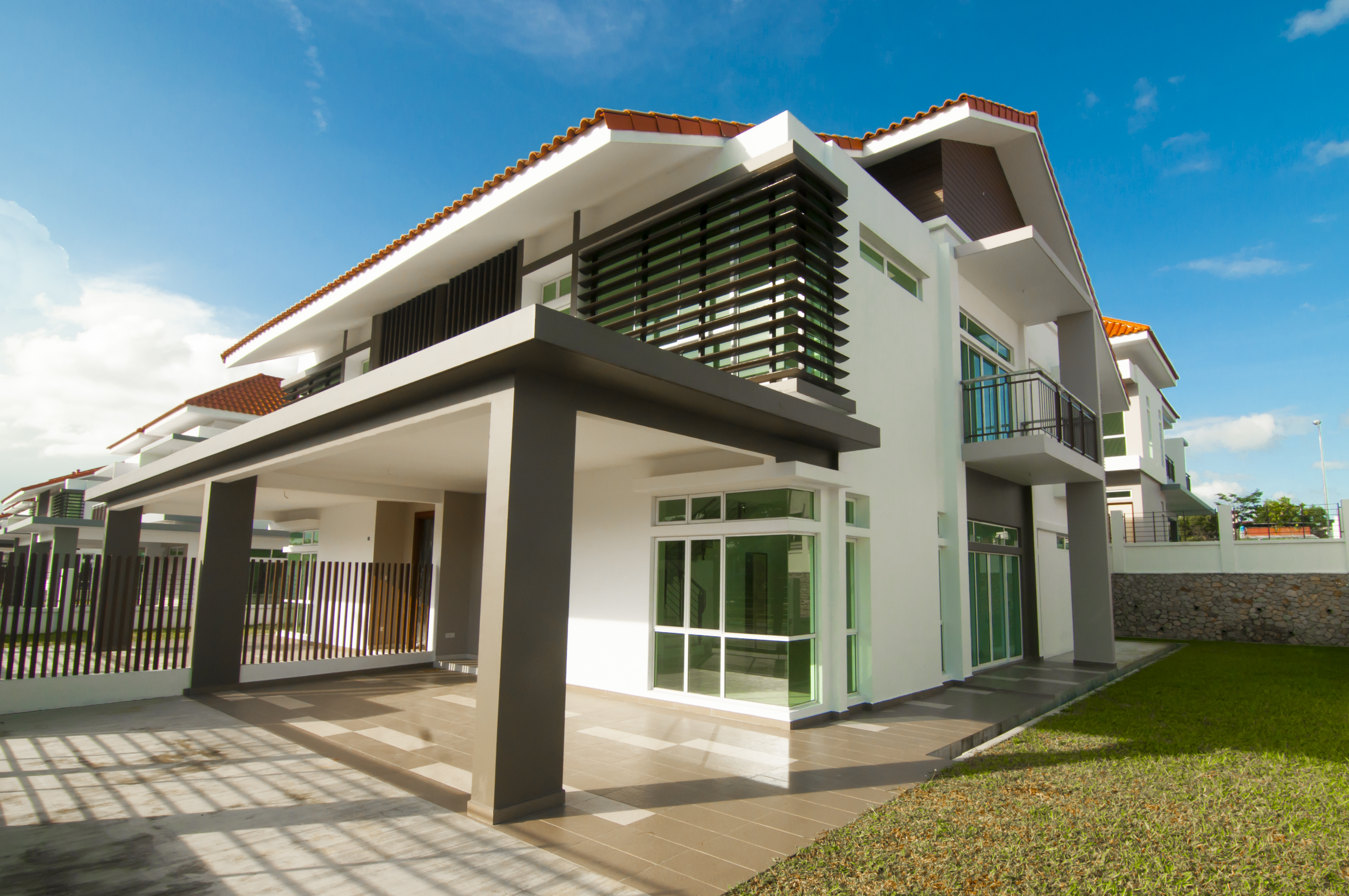
Buying property in Malaysia is not complicated. It just feels that way because nobody hands you the full roadmap at the start. This guide does. It walks you through 8 steps from setting a budget to collecting your keys, plus the documents, fees, stamp duty and timeline you need to plan for. Whether it is your first home or your next one, start here. TL;DR Buying property in Malaysia follows 8 steps: research, affordability check, viewing, booking, loan comparison, legal process, key handover and cost planning. Banks usually finance up to 90% of the price for your first two homes, so plan for at least a 10% down payment. Budget another 10% to 15% on top for stamp duty, legal fees, valuation and moving-in costs. Most banks want your total monthly debts within roughly 60% to 70% of your income (your DSR). First-time Malaysian buyers pay no stamp duty on the transfer and loan agreement for homes up to RM500,000, until 31 December 2027. A subsale purchase usually takes 3 to 6 months from booking to keys. A new launch depends on the construction timeline. The 8 Steps to Buying Property in Malaysia at a GlanceTL;DRStep 1: Where Should You Buy?Step 2: How Much Can You Actually Afford?Step 3: What Should You Check During a Property Viewing?Step 4: How Do You Book a Property and What Documents Do You Need?Step 5: How Do You Choose the Right Home Loan?Step 6: What Happens During the Legal Process?Step 7: When Do You Get Your Keys?Step 8: What Costs Should You Budget For Beyond the Price?How Long Does Buying Property in Malaysia Take?Which Government Housing Schemes Can Help You Buy?What Legal Matters Should You Check Before Buying?What Mistakes Should You Avoid?Frequently Asked Questions Want the bigger picture first, including buyer types and the best areas to buy in 2026? Read our full guide on how to buy a house in Malaysia. Step 1: Where Should You Buy? Before you fall in love with a unit, work out what actually fits your lifestyle and long-term plans. Location and access: distance to work, peak-hour traffic, and MRT, LRT or KTM access. Price benchmarking: compare subsale and new launch prices, and check recent transaction prices nearby. Facilities and environment: security, amenities and how crowded the development feels. Future growth: upcoming developments, rental demand and infrastructure plans. Here is the honest truth: a cheap house in the wrong location can cost you more in time, stress and resale value. Step 2: How Much Can You Actually Afford? This is the make-or-break step. It decides what you can realistically buy, so do it before you view a single property. Banks look at three things: your income, your existing debts and the size of your down payment. Under Bank Negara Malaysia rules, you can usually borrow up to 90% of the price for your first two residential properties, and up to 70% from your third property onwards. How much can you borrow? Start here. The calculator below estimates your maximum loan amount based on your income and commitments. Will your DSR pass the bank's check? Your Debt Service Ratio (DSR) is the share of your income that goes to debt repayments. Most banks want your total commitments within roughly 60% to 70% of income. A high DSR is one of the most common reasons home loans get rejected. Learn how DSR works. What will your monthly instalment be? A safe rule of thumb is to keep your instalment within 30% to 40% of your monthly income. Try different interest rates and tenures below to see how the number moves. Estimates for guidance only. Actual figures depend on the bank's assessment, current rates, and your full financial profile. Not sure what your salary can stretch to? See how much home loan you can get with your salary. Numbers looking tight, or not sure how to read them? You don't have to figure this out alone. An IQI agent reviews your budget, shortlists homes you can actually afford, and walks you through every step from loan to keys. Free, and no pressure. Talk to a local IQI agent and buy with confidence Or browse now: subsale homes and new launches. Step 3: What Should You Check During a Property Viewing? Photos online can be flattering. A physical viewing confirms whether the property really matches the listing. Is the layout practical for how you actually live? Does the unit get natural light and airflow? How loud is it? Listen for highways, neighbours and nearby construction. What condition is the building in, including lifts, corridors and common areas? One tip that pays off: visit at different times of the day. A quiet Sunday morning can feel very different from a weekday evening rush. Step 4: How Do You Book a Property and What Documents Do You Need? Once you find the right unit, you secure it with a booking. The process differs for new projects and subsale homes. New projectSubsaleHow you bookFill in the developer's booking formSign a Letter of Offer to Purchase (OTP)What you payBooking fee, typically RM500 to RM5,000Earnest deposit, typically 2% to 3% of the priceNext stepLoan application, then SPA signingLoan application, then SPA signing and balance of the 10% deposit Speed matters here. Good units do not stay on the market for long, so have your documents ready before you view. Documents for salaried buyers MyKad (identity card) Latest 3 to 6 months' salary slips Latest EPF statement EA Form or Borang BE for the past 2 years Latest 3 to 6 months' bank statements Letter of employment, if requested Booking receipt or signed OTP (the bank will need the SPA later) Extra documents for self-employed buyers Business registration documents (SSM) Latest 6 months' company bank statements Borang B for the past 2 years No fixed payslip? Gig workers have options too. Ask an IQI agent which banks and schemes accept your income type. Step 5: How Do You Choose the Right Home Loan? Do not just take the first bank that says yes. Even a 0.1% difference in rate can save you thousands over a 30 to 35 year loan. Apply to at least 3 banks and compare: Interest rate and how it is calculated Lock-in period and early settlement penalty Flexi features, such as making extra payments and withdrawing them later Monthly instalment and total interest over the tenure Which loan type suits you? ChoiceOption AOption BRate typeFloating: moves with the OPR and the bank's base rateFixed: predictable instalments, usually for a set periodStructureConventional: interest-based loanIslamic: Shariah-compliant financing based on profit rateFlexibilityFlexi or semi-flexi: extra payments reduce interestTerm loan: simpler, often a slightly lower rate Compare the details in our guide to flexi, semi-flexi and fixed home loans, and check this month's latest house loan interest rates. What bank promotions should you look out for? Zero Moving Cost (ZMC) packages, where legal and valuation fees are covered or added to the loan Lower rates for first-time buyers Cashback offers Special Islamic home financing plans Read the fine print on ZMC. If the fees are financed into your loan, you still pay them, just with interest over time. Once you submit, loan approval usually takes about 1 to 2 weeks. The bank then issues a Letter of Offer with the approved amount, rate and terms. Step 6: What Happens During the Legal Process? After your loan is approved, the paperwork moves into the lawyers' hands. You will sign two key documents: Sale and Purchase Agreement (SPA) with the seller or developer Loan agreement with your bank Your lawyer then handles the title search, stamp duty, and the transfer of ownership through the Memorandum of Transfer (MOT). For a subsale, you normally top up your earnest deposit to 10% when signing the SPA. The bank then releases the balance within the completion period, which is usually 3 months, with a possible 1-month extension. Buying a new launch? Many developers now offer electronic signing. See how eSPA signing with iDsaya works. Step 7: When Do You Get Your Keys? This final milestone depends on the type of property you bought. Subsale: once the full payment is made and ownership is transferred, the seller hands over the keys. New project: you receive Vacant Possession (VP), inspect the unit for defects, and report any issues to the developer within the Defect Liability Period, generally 24 months for residential projects. Do not rush the inspection. A proper defect check now can save you costly repairs later. Step 8: What Costs Should You Budget For Beyond the Price? The down payment is only the start. Plan for costs before, during and after the purchase. Before buyingDuring the purchaseAfter getting keysBooking fee or earnest depositLegal fees for the SPA and loan agreementRenovation and furnitureDown payment (usually 10%)Stamp duty on the MOT and loan agreementMaintenance fee and sinking fund Valuation fee (roughly 0.25% of the price)Utility deposits and insurance (MRTA or MLTA, fire insurance) As a rule, keep a 10% to 15% buffer on top of your down payment. It stops a surprise bill from derailing the purchase. How much is stamp duty on property in Malaysia? Stamp duty on the Memorandum of Transfer (MOT) is tiered for Malaysian citizens and permanent residents: Property valueStamp duty rateFirst RM100,0001%RM100,001 to RM500,0002%RM500,001 to RM1,000,0003%Above RM1,000,0004% Worked example: on a RM500,000 home, MOT stamp duty is RM1,000 on the first RM100,000 plus RM8,000 on the next RM400,000, so RM9,000 in total. Stamp duty on the loan agreement is a further 0.5% of the loan amount, which is RM2,250 on a RM450,000 loan. Good news for first-time buyers: Malaysians buying their first home priced up to RM500,000 are exempt from stamp duty on both the MOT and the loan agreement until 31 December 2027. In the example above, that saves RM11,250. Foreign buyers pay a higher flat stamp duty rate and must also meet state minimum price thresholds and consent requirements, so check the latest rules with your lawyer before committing. How much are legal fees? Lawyers' fees for the SPA follow the Solicitors' Remuneration Order 2023: 1.25% on the first RM500,000 and 1% on the next RM7 million. On a RM500,000 home, that is RM6,250, plus disbursements and SST. The loan agreement carries a separate legal fee on a similar scale. Get a full estimate in seconds with our property transaction fees calculator, and see the hidden fees first-time buyers often miss. How long will it take to save your down payment? Plug in your target price and monthly savings to see when you will be ready. Estimates for guidance only. Actual figures depend on the bank's assessment, current rates, and your full financial profile. How Long Does Buying Property in Malaysia Take? StageTypical timeLoan approval1 to 2 weeksSPA signingWithin about 1 month of bookingStamping and loan documentation1 to 2 monthsKeys for a subsale (completed property)3 to 6 months from bookingKeys for a property under construction24 to 48 months, depending on the project Subsale gets you in faster, while a new launch gives you more time to save and stagger payments. Which Government Housing Schemes Can Help You Buy? If you are a first-time or lower-to-middle income buyer, these programmes can bring a home within reach: PR1MA: affordable homes for middle-income Malaysians. Read the PR1MA guide (BM). Residensi Wilayah (formerly RUMAWIP): affordable housing in the Federal Territories. See how to apply. Rent-to-Own (RTO): rent first, then buy the home later. Learn how RTO works. Skim Jaminan Kredit Perumahan (SJKP): a government guarantee that helps buyers without a fixed salary, such as gig workers, get a home loan. First-time buyer stamp duty exemption: full exemption on homes up to RM500,000 until 31 December 2027. Not sure which scheme fits you? Compare your options in our first-home schemes guide and the B40 and M40 housing schemes. What Legal Matters Should You Check Before Buying? Freehold or leasehold: leasehold land returns to the state when the lease ends, which affects financing and resale. Compare leasehold vs freehold. Strata or individual title: check whether the title has been issued, as it affects how ownership is transferred. Developer track record: look at past projects, delivery times and build quality. Bumiputera lots: some units are reserved under quota and carry resale restrictions. Always work with a qualified lawyer. Never skip due diligence, however good the deal looks. What Mistakes Should You Avoid? Paying a deposit before checking your loan eligibility Accepting the first loan offer without comparing banks Spending your whole budget on the down payment, with no buffer for fees Ignoring maintenance fees and sinking fund in your monthly budget Skipping the defect inspection on a new property Learn from people who have done it. Read what first-time homebuyers wish they knew and real first-home buyer stories. Planning to buy property and want it done right? Our IQI agents will help you sort the budget, the loan and the paperwork, so you can focus on finding the right home. Fill in your details below to get in touch. [custom_blog_form] Continue reading: How to Buy a House in Malaysia: The Complete 2026 Guide Latest House Loan Interest Rates Hidden Fees First-Home Buyers Should Know Leasehold vs Freehold Renting Forever or Buying a House? What First-Time Homebuyers Wish They Knew Frequently Asked Questions How much salary do I need to buy a house in Malaysia? Aim to keep your monthly instalment within 30% to 40% of your income. On a RM5,000 monthly income, that generally points to a property of around RM300,000 to RM450,000, depending on your other commitments. How much can I borrow for a home loan in Malaysia? It depends on your income, existing debts and DSR. Banks usually finance up to 90% of the price for your first two homes and want total repayments within roughly 60% to 70% of income. Use a loan eligibility calculator for an estimate. What is DSR and why does it matter? DSR (Debt Service Ratio) is the share of your income that goes to debt repayments. A high DSR is one of the most common reasons home loans get rejected. What is the minimum down payment for a house in Malaysia? Usually 10% of the property price for your first two homes. You also need to budget for legal fees, stamp duty and other costs, so plan for a 10% to 15% buffer on top. Do first-time buyers pay stamp duty in Malaysia? Malaysian first-time buyers of a home priced up to RM500,000 are exempt from stamp duty on the MOT and the loan agreement until 31 December 2027.

Version: BM Most Malaysian landlords get rental income tax wrong in one of two directions. Some do not declare it at all, assuming LHDN will never notice. Others declare every ringgit of rent they collected and forget that the law taxes profit, not rent. The first group risks a back-assessment. The second group quietly overpays, sometimes by thousands of ringgit a year. This guide walks through what is taxable, what you can deduct, and what the tax actually costs on a real Klang Valley condo. With the numbers filled in. Hosting on Airbnb instead? There is a dedicated section on the short-term rental market, the rules, and how hosting income is taxed. TL;DR Rental income tax applies to all rent from Malaysian property under the Income Tax Act 1967. There is no minimum threshold, and no exemption for small landlords. You are taxed on net rent, not gross. Gross rent minus allowable expenses. Resident individuals pay progressive rates of 0% to 30%. Non-residents pay a flat 30%. Residency is decided by 182 days of physical presence, not by citizenship, so a foreigner living in Malaysia is generally taxed like a Malaysian. The 50% residential rental exemption has expired. It applied to YA 2018 only. Any article still promoting it is out of date. Loan interest is deductible. Loan principal is not. Neither are the costs of getting your very first tenant. Short-term rental and Airbnb income is taxable. Most hosts fall under Section 4(d) rental income, while hosts providing comprehensive services may be taxed under Section 4(a) business income, which affects filing requirements and capital allowance claims. Service tax on rental and leasing fell from 8% to 6% on 1 January 2026, and the MSME tenant exemption threshold rose to RM1.5 million. Residential lettings are generally outside it. Form BE is due 30 April, with e-Filing grace to 15 May. Form B is due 30 June, with grace to 15 July. Everything About Rental Income Tax in MalaysiaTL;DRThe Short-Term Rental Tax Landscape in Malaysia (2026)1. Do you have to pay rental income tax in Malaysia?2. Is your rental taxed under Section 4(a) or Section 4(d)?3. What expenses reduce your rental income tax?4. Rental income tax example: what does a RM2,500 condo cost?5. Does joint ownership lower your rental income tax?6. Is there still a 50% rental income tax exemption?7. What happens if your rental property makes a loss?8. Do you need to charge SST on rent in 2026?9. Are foreign landlords taxed differently in Malaysia?Two things foreign landlords get wrong11. How and when do you file rental income tax?12. What if you have never declared your rental income?Key TakeawaysFrequently Asked Questions The Short-Term Rental Tax Landscape in Malaysia (2026) Short-term rental is no longer a side corner of the Malaysian rental market. It is a market of its own, with its own numbers, its own rules, and its own tax questions. Before the tax, it helps to see the size of what you are stepping into. How big is the short-term rental market in Malaysia? Big, and still growing. Airbtics' Malaysia market review for 2025 put national averages at 45.07% occupancy, an average daily rate (ADR) of RM239 and RM40,686 in annual revenue per listing, across 15 markets. Supply grew 24.83% year on year, while revenue rose only 2.05%. Read that gap carefully. More listings are chasing a slower-growing pool of bookings. Hosts who win are the ones in the right city, with the right unit, priced well. Here is how the four most-watched cities compare. CityActive listingsOccupancyADRMedian annual revenueKuala Lumpur20,01359%RM237RM52,000Johor Bahru4,70745%RM270RM46,000Kota Kinabalu2,50358%RM256RM56,000George Town1,67960%RM275RM62,000Malaysia average (2025)Supply up 24.83%45.07%RM239RM40,686 Source: Airbtics. City figures cover February 2025 to January 2026 (updated 12 March 2026). National figures from the Airbtics Malaysia Short-Term Rental Market Review 2025. Revenue figures are gross, before fees, cleaning, utilities and tax. A few patterns stand out. Kuala Lumpur is the volume market. It holds more active listings than the other three cities combined, and added 4,676 listings in 2025 alone. George Town earns the most per listing, on the highest occupancy, with a fraction of KL's supply. It is also the city with the newest and strictest rules (more below). Johor Bahru charges the most per night but books less often, which tracks with weekend-heavy Singapore demand. Kota Kinabalu is the quiet performer, with listings up 19.2% year on year and occupancy close to KL. Demand is real. Malaysia recorded 42,196,892 international visitors in 2025, up 11.2% on 2024 and 20.4% above 2019, according to Tourism, Arts and Culture Minister Datuk Seri Tiong King Sing. Singapore alone sent more than 21 million. Visit Malaysia Year 2026 adds a further push. Want to compare short-stay numbers against long-term rent in a specific area? Our Damansara rental yield guide shows how to read yield properly. What rules apply to short-term rentals in Malaysia? This is where many first-time hosts get caught. There is no single national short-term rental law yet. Instead, several layers stack on top of each other. LayerWhat it means for hostsStatusNational STRA planning guidelines (KPKT, via PLANMalaysia, with MOTAC)Meant to set a common reference for local councils on property types, registration, safety and stay limits.At the last public update in September 2025, still awaiting Cabinet, with the launch postponed.Local council operating licenceMOTAC has said short-term rental premises operating as tourist lodging must first get a business operating licence from the local authority.Varies by council. Check yours before listing.Penang Private Homestay By-Law 2026Licence from MBPP or MBSP. RM50 application fee, RM1,000 a year for up to 3 rooms (RM200 per extra room), plus RM1,800 a year per unit. Strata residential on the island is restricted unless the management corporation permits. Penalty up to RM2,000 and/or one year's jail.In force from 1 August 2026. Enforcement from 1 November 2026. The first state to enforce such a law.Strata by-laws (JMB or MC)Your building's own house rules can restrict or ban short stays, regardless of state law.Building by building. Ask for the by-laws in writing.Service tax on accommodation (Group A)8% service tax for accommodation operators, including homestays and serviced apartments, once taxable turnover passes RM500,000 over 12 months.Applies now. Most individual hosts sit well below the threshold.Tourism taxRM10 per room per night on foreign guests. Booking platforms collect and remit it for stays booked through them.In place since 1 July 2021. Malaysians and PRs are exempt.Income tax (LHDN)Hosting income is taxable from the first ringgit. Classified under Section 4(d) or 4(a).Applies now. Covered in full below. Rules on whether you can host at all differ by state and by building. For the state-by-state legal picture, read our explainer on whether running an Airbnb is legal in Malaysia, then confirm with your local council. Short-term vs long-term rental: what changes for you? FactorShort-term rentalLong-term rentalTypical occupantTourists, business travellersResidents, families, expatsIncome patternHigher gross, swings with season and occupancyLower gross, fixed monthly rentRunning costsHigh: platform fees, cleaning, utilities, furnishingLow: repairs, occasional agent feesRules to checkCouncil licence, strata by-laws, tourism taxStamped tenancy agreementIncome taxUsually 4(d), sometimes 4(a). Furniture claim depends on itAlmost always 4(d) The short version: record-keeping decides a host's tax bill. Section 2 settles the 4(a) or 4(d) question, and Section 4 runs the host maths. Short stay or long let: which earns more after costs? Cleaning, furnishing and vacancy eat into short-stay income faster than most hosts expect. See the hidden costs of a rental → 1. Do you have to pay rental income tax in Malaysia? Yes. Rental income tax applies to rent from any Malaysian property under the Income Tax Act 1967, and it is added to your other income for the year. There is no minimum threshold and no small-landlord exemption. One spare room counts. An inherited terrace house counts. A single condo you rent out while living with your parents counts. The common assumption is that LHDN has no way of knowing. That has not been true for some time. Your tenancy agreement gets stamped, which creates a record in LHDN's own system. Rent almost always lands in a bank account rather than in cash. Property ownership sits in the land registry. The trail exists whether or not you declare. What is genuinely useful to understand is that rental income tax applies to your rental profit, not your rent. Get the deductions right and the bill is usually far smaller than landlords fear. Not sure what a rental property really costs to hold? Read our breakdown of the hidden costs of owning a rental property. 2. Is your rental taxed under Section 4(a) or Section 4(d)? This is the first fork in the road, and it decides how your rental income tax is calculated and what you can claim. LHDN Public Ruling No. 12/2018 sets the test. Letting is treated as a business source under Section 4(a) when maintenance and support services are provided comprehensively and actively. Otherwise it is a non-business source under Section 4(d). Think of it this way. If you hand over the keys and collect rent, that is 4(d). If you are running something closer to a hotel, with cleaning, linen, front desk and meals, that starts to look like 4(a). FactorSection 4(d), non-businessSection 4(a), businessTypical landlordOwns one to a few units, passive lettingProvides active, comprehensive servicesTax formForm BE, or Form B if you also have business incomeForm BCapital allowances on furniture and fittingsNot availableAvailableLosses carried forwardNoYes, subject to conditionsFiling deadline30 April, e-Filing grace to 15 May30 June, e-Filing grace to 15 July The overwhelming majority of Malaysian individual landlords fall under 4(d). The rest of this guide assumes that unless stated. Short-stay and Airbnb hosting: 4(a) or 4(d)? It depends on what you actually do, not on which platform you list with. Public Ruling No. 12/2018, Income from Letting of Real Property, issued on 19 December 2018 and replacing PR 4/2011, defines both halves of the test. "Comprehensively" (paragraph 4.2.1) means doing generally everything needed to maintain and manage the property. That covers the structure, stairways, lobbies, corridors, lifts, drains, pipes and fittings, plus the exterior: car parks, landscaping, recreational areas, walls and lighting. "Actively" (paragraph 4.2.2) means you either provide those services yourself, or hire another person or firm to provide them. Providing only security, or only some facilities, is not comprehensive. The ruling's Example 4 lands in 4(d) for exactly that reason. Notice what the ruling's 4(a) examples look like. A company owning three condominium blocks of 324 units. An owner of a whole 32-unit building who hires a contractor for structure, lifts and cleaning. The test is about maintaining the property, not about how short the stays are. That matters for the typical host. If your unit sits in a strata condo, the management body maintains the lifts, lobbies and car park, not you. Cleaning and changing linen inside one unit does not, on its own, match the ruling's description of comprehensive maintenance. The ruling does not address homestays or serviced apartments by name, so treat the table below as a guide to where each setup usually lands, not a ruling. Hosting setupLikely treatmentWhyOne strata condo unit on Airbnb, self check-in, cleaner between stays4(d)The JMB or MC maintains the building. In-unit cleaning is not comprehensive maintenance of the property.Same unit handed to a co-host or management company for a fee4(d)Outsourcing guest handling does not change who maintains the building. The management fee is a deductible expense.Several units run as an organised operation, with staff, housekeeping, guest support and marketingArguable 4(a)Scale, staff and system start to look like a business in their own right. Get a tax agent's written view.Whole building you own, such as a shophouse guesthouse, where you maintain the structure and common areas and provide cleaning, linen and receptionLikely 4(a)This mirrors the ruling's own Example 2: an owner who actively arranges comprehensive maintenance of an entire building. Why it is worth getting right: 4(a) lets you claim capital allowances on furniture and fittings and carry losses forward. For a host who spent RM30,000 furnishing a unit, that can be worth more than any other deduction. But 4(a) also means Form B, the June deadline, business-level record-keeping, and a classification you must be able to defend. Classification follows the facts, not the smaller bill. If you are near the line, get it confirmed by a licensed tax agent before you file. For the legal side of hosting, see our guide to running Airbnb services in Malaysia. 3. What expenses reduce your rental income tax? Deductions are the main lever you control, and this is where landlords leave the most money on their rental income tax. The rule is that an expense must be wholly and exclusively incurred in producing the rental income. In practice that splits into a clean list. DeductibleNot deductibleLoan interest (the interest portion of your instalment)Loan principal repaymentQuit rent (cukai tanah) and assessment (cukai pintu)Cost of the property itselfFire insurance premiumYour own time and labourRepairs that restore the property to its existing conditionRenovations and upgrades that improve itMaintenance fees and sinking fund for strata unitsNew furniture and appliances treated as capitalAgent commission for a renewal or replacement tenantAgent commission for your first ever tenantLegal fees for renewing a tenancy agreementLegal and stamping fees for the first tenancyAdvertising for a replacement tenantAdvertising to secure the first tenantRent collection and property management costsIncome tax paid Why the "first tenant" rule catches so many people Expenses incurred to obtain your first tenant are treated as initial expenses to create the income source. They are not deductible. Once the property is let, the same categories of cost become deductible on every subsequent tenancy. Split your costs into "getting started" and "keeping it running" and most of the confusion disappears. How much of your instalment is actually interest? Only the interest portion of your monthly loan repayment is deductible, and in the early years of a loan that portion is much larger than most owners assume. Run your loan through the calculator below to see the split before you fill in your form. Estimates for guidance only. Use your bank's annual loan statement for the exact interest figure when you file. Buying another unit to rent out? Check the full cost stack first with our property transaction fees calculator. 4. Rental income tax example: what does a RM2,500 condo cost? Numbers make rental income tax concrete. Meet a salaried landlord in the Klang Valley. She earns RM90,000 a year from employment and rents out a condo at RM2,500 a month. The unit has been tenanted for three years, so this is not a first letting. Step 1: Work out net rental income ItemAmount (RM)Gross rent (RM2,500 x 12)30,000Less: loan interest(14,400)Less: maintenance fee and sinking fund(3,600)Less: quit rent and assessment(1,000)Less: fire insurance(300)Less: agent commission (renewal)(2,500)Less: repairs (aircon servicing, plumbing, repainting)(1,200)Net rental income7,000 Step 2: Find the marginal rate After EPF relief of RM4,000 and personal relief of RM9,000, her salary alone gives chargeable income of around RM77,000. That sits in the 19% band. Rental income stacks on top of employment income, so the net rent is taxed at her marginal rate. Step 3: The tax RM7,000 x 19% = RM1,330. That is roughly 4.4% of the gross rent she collected. The cost of getting it wrong Had she declared the gross RM30,000 without deductions, the tax would have been RM5,700. Claiming what she was entitled to saved her RM4,370 in a single year. That is the entire argument for keeping receipts. Thinking of buying a second unit to rent out? The yield on paper and the yield after tax, maintenance fees and vacancy are two different numbers. An IQI agent helps you compare real rental demand by area, sense-check the asking price, and understand the holding costs before you commit. Talk to a local IQI agent and invest with your eyes open Or browse now: subsale homes and new launches. 5. Does joint ownership lower your rental income tax? It often does, and it is one of the few structural ways to reduce rental income tax, and this is one of the most under-discussed points in Malaysian landlord tax. Where a property is held in joint names, the rental income is generally split according to the ownership share, and each owner declares their portion in their own return. Because Malaysia taxes individuals progressively, splitting income across two people can pull part of it into a lower band. Take the same condo from Section 4, now held 50/50 by a couple. One spouse is in the 19% band, the other in the 6% band. ScenarioNet rent taxedRateTax (RM)Sole nameRM7,00019%1,330Joint, higher earner's halfRM3,50019%665Joint, lower earner's halfRM3,5006%210Joint totalRM7,000Mixed875 A saving of RM455 on one modest condo, every year. Two cautions. The split should follow actual legal ownership rather than whatever is convenient at filing time. And ownership structure affects far more than tax, including financing and future disposal. Decide it when you buy, not when you file. 6. Is there still a 50% rental income tax exemption? No. This is the single most repeated piece of outdated advice about rental income tax in Malaysia. The incentive existed. Announced in Budget 2018, it gave resident individuals a 50% exemption on statutory rental income from residential property let at up to RM2,000 a month, subject to a legal tenancy agreement. It was gazetted through the Income Tax (Exemption) (No. 2) Order 2019 and covered the 2018 calendar year. It has since lapsed. For YA 2025 and YA 2026 there is no blanket exemption on residential rental income. You are taxed on the net, and your relief comes from claiming your deductions properly. If a blog, forum post or agent tells you otherwise, check the date on it. 7. What happens if your rental property makes a loss? Plenty of Klang Valley condos run at a paper loss in the early years, once loan interest and maintenance fees are counted. Under Section 4(d), your rental properties are generally pooled as a single source for the year. A loss on one unit can be set against income from another in the same year. But here is the trap. An overall rental loss under Section 4(d) cannot be carried forward to future years, and cannot be set against your salary. Declare it anyway. A loss year is not a reason to skip the entry, and under-declaring is exactly what invites a review. If you hold several properties and losses are a recurring feature of your position, that is a conversation worth having with a licensed tax agent rather than a blog. 8. Do you need to charge SST on rent in 2026? This is the newest part of the picture, and it changed twice in twelve months. Rental and leasing services came into the service tax net under Group K of the Service Tax Regulations 2018 on 1 July 2025, at 8%. Then, effective 1 January 2026, the rate dropped from 8% to 6%, and the annual sales threshold for the MSME tenant exemption rose to RM1.5 million. Who this actually affects Residential landlords: generally outside the scope. Housing accommodation used for residential purposes is not caught. Commercial landlords: registration is required once taxable rental turnover exceeds RM1 million over a 12-month period. The use test matters more than the title. The updated Customs guide makes clear that a residential unit let out as an office or administrative premises can fall into scope. A condo rented to a small design studio is not automatically exempt just because it is a condo. Short-stay hosts sit under a different heading. Accommodation is taxed under Group A, not Group K, and the short-term rental rules table above sets out how it works. For the wider picture across the property sector, see our guide on how expanded SST affects real estate in Malaysia. SST rules move often, so confirm current rates and thresholds on the MySST portal before you invoice. 9. Are foreign landlords taxed differently in Malaysia? Not in the way most people assume. Your rate is decided by your tax residency, not by your passport. Under Section 7 of the Income Tax Act 1967, the main test is physical presence: 182 days or more in Malaysia during the calendar year makes you a tax resident. Citizenship does not enter into it, and neither does your visa type. An employment pass does not make you a resident, and not holding one does not stop you from being one. That produces a result many foreign owners find surprising. The expat living in Malaysia on rental income A foreigner who actually lives here, holds a few units, and lives off the rent is almost certainly a tax resident. He is taxed exactly like a Malaysian: progressive rates of 0% to 30%, full deduction of allowable expenses, and access to personal reliefs. Say he holds three units at RM3,000 a month each. ItemTax resident (182+ days)Non-residentGross rentRM108,000RM108,000Less: allowable expenses(RM60,000)(RM60,000)Net rental incomeRM48,000RM48,000Less: personal relief(RM9,000)Not availableChargeable incomeRM39,000RM48,000RateProgressiveFlat 30%Tax payableRM840RM14,400 Same three units, same rent, same expenses. A difference of around RM13,560, decided entirely by day count. Note that with no employment there is no EPF relief to claim, so the reliefs available are narrower than a salaried person's. Medical, insurance and lifestyle reliefs may still apply and would reduce the figure further. Two things foreign landlords get wrong You still deduct your allowable expenses as a non-resident. Some sources claim non-residents are taxed on gross rent, or that the tenant must withhold the tax. Malaysian withholding tax does not apply to rent from immovable property in this way, so confirm your position with a tax agent. Non-residents file Form M. The residency test cuts both ways. Spend five months back home and you can drop under 182 days without anything about your property changing. Your rate flips to 30% with no reliefs for that year, so keep passport stamps and flight records. 11. How and when do you file rental income tax? You declare rental income tax in your annual return, filed through LHDN's MyTax portal. Form BE if you are employed and your only non-employment income is rent. Due 30 April, with e-Filing grace usually to 15 May. Form B if you also carry on a business. Due 30 June, with e-Filing grace usually to 15 July. Form M for non-residents. Rental income is declared in the dedicated statutory income from rents section, and the HK-4 working sheet is where you show the rent-minus-expenses maths. You do not attach receipts when you file, but you must keep them for seven years. Deductions you cannot substantiate are deductions LHDN can disallow. Keep one folder per property. Rent in, expenses out, plus the stamped tenancy agreement and the annual loan interest statement from your bank. Hosting short stays? Download your annual payout report from each platform. It is the cleanest record of gross income you will have. Renting to a business? Expect them to ask for an e-invoice, or to issue a self-billed one. Check the current thresholds in LHDN's e-Invoice guideline on MyTax. New to filing? Follow our step-by-step guide to filing income tax in Malaysia, and check the full list of personal tax reliefs while you are at it. 12. What if you have never declared your rental income? Undeclared rental income tax is more common than most landlords admit, and it is fixable. Under Section 113 of the Income Tax Act 1967, making an incorrect return by omitting or understating income is an offence. It carries a fine and a penalty calculated on the tax undercharged. Persistent or deliberate evasion can escalate further. The practical route back is a voluntary amendment before LHDN comes to you. Disclosure that you initiate is generally treated more leniently than income LHDN discovers on its own. The tax owed still has to be paid, but the penalty treatment can differ. A licensed tax agent can file the revised returns and represent you. Do not let a small undeclared amount become several years of compounding exposure. Key Takeaways Rental income tax applies to all rent from Malaysian property. There is no small-landlord exemption. You are taxed on net rent. Deductions are the difference between a fair bill and an inflated one. Loan interest is deductible, loan principal is not, and first-tenant costs are not. The 50% residential rental exemption expired years ago. Ignore any source that still promotes it. Joint ownership can meaningfully reduce the total bill by splitting income across tax bands. A Section 4(d) rental loss cannot be carried forward or offset against salary, but should still be declared. Short-term rental and Airbnb operators should confirm their tax classification before filing. Most hosts fall under Section 4(d), while those providing comprehensive services may qualify as Section 4(a) business income, affecting filing deadlines, capital allowances and loss carry-forward. Service tax on rental is 6% from 1 January 2026, mostly affects commercial lettings, and turns on how the property is actually used. Keep every receipt for seven years. Undocumented deductions are the ones that get disallowed. Is your rental actually earning its keep? Tax is only one line in the equation. Rent levels, tenant demand and vacancy in your area matter just as much. An IQI agent gives you a straight read on what your unit should be renting for, and what it would fetch if you sold instead. [custom_blog_form] Frequently Asked Questions Do I need to declare rental income if I only rent out one room? Yes. There is no minimum threshold for rental income in Malaysia. Income from letting a single room is taxable and must be declared in your annual return. Can I deduct my full monthly mortgage payment from rental income? No. Only the interest portion of your loan repayment is deductible. The principal portion is a capital repayment and cannot be claimed. Your bank's annual loan statement shows the split. Is there still a 50% tax exemption on residential rental income in Malaysia? No. The 50% exemption on statutory rental income for residential property let at up to RM2,000 a month was gazetted under the Income Tax (Exemption) (No. 2) Order 2019 and applied to the 2018 year. It has expired. For YA 2025 and YA 2026 there is no blanket exemption. How is rental income taxed in Malaysia? Rental income is taxed on a net basis. You deduct allowable expenses from your gross rent, and the resulting net figure is added to your other income and taxed at progressive rates of 0% to 30% for residents, or a flat 30% for non-residents. Can I claim the agent commission for finding my tenant? Only for renewals and replacement tenants. Commission, legal fees and advertising costs incurred to secure your very first tenant are treated as initial expenses to create the income source and are not deductible. What happens if my rental property makes a loss? Under Section 4(d), an overall rental loss cannot be carried forward to future years and cannot be offset against your salary. You should still declare the loss in your return. Do I have to charge SST on the rent I collect? Residential lettings are generally outside the scope of service tax. Commercial rental and leasing services fall under Group K, with registration required once taxable rental turnover exceeds RM1 million over 12 months. The rate fell from 8% to 6% on 1 January 2026. How the property is actually used matters more than its title. How are non-resident landlords taxed on Malaysian rental income? Non-residents are taxed at a flat 30% and cannot claim personal reliefs or rebates, but they can still deduct allowable rental expenses. Non-residents file Form M. I am a foreigner living in Malaysia on my rental income. Do I pay the flat 30%? Probably not. Tax residency in Malaysia is decided by physical presence, mainly the 182-day test under Section 7 of the Income Tax Act 1967, not by citizenship or visa type. A foreigner present in Malaysia for 182 days or more in the calendar year is a tax resident and is taxed at the same progressive rates of 0% to 30% as a Malaysian, with the same deductions and access to personal reliefs. The flat 30% applies to owners who live abroad and fall short of 182 days. When is the deadline to file rental income tax? Form BE is due 30 April, with e-Filing grace usually extended to 15 May. Form B is due 30 June, with grace usually to 15 July. Confirm the exact dates on LHDN's MyTax portal each year. What if I have never declared my rental income before? Filing a voluntary amendment before LHDN identifies the omission is generally treated more leniently than a discovery on their side. The tax owed still has to be paid. A licensed tax agent can file the revised returns and represent you. How is Airbnb or short-term rental income taxed in Malaysia? Airbnb and short-term rental income is taxable from the first ringgit on net income. Most hosts fall under Section 4(d) rental income, while properties with comprehensive and active services may qualify as Section 4(a) business income, which affects filing requirements, capital allowances and loss carry-forward. Do I need a licence to run an Airbnb in Malaysia? It depends on your state, local council and building rules. Malaysia has no single nationwide short-term rental law, but local licensing may apply. For example, Penang requires private homestay operators to obtain a licence from MBPP or MBSP, while strata by-laws may also restrict short-term stays. Do short-term rental hosts have to charge service tax or tourism tax? Service tax is 8% for accommodation operators exceeding RM500,000 in taxable turnover over 12 months. Tourism tax is RM10 per room per night for foreign guests, while Malaysian citizens and permanent residents are exempt. For platform bookings, the platform generally collects and remits the tourism tax. This rental income tax guide is general information, not tax advice. Rates, thresholds and phase dates change, and several were revised during 2026. Verify against LHDN and Royal Malaysian Customs before you file or invoice, and speak to a licensed tax agent about your own position. Continue reading: What Are The Hidden Costs of Owning a Rental Property? A Complete Guide to Property Taxes in Malaysia for Homeowners 5 Things You Should Know About Tenancy Agreements in Malaysia Damansara Rental Yield Guide for Property Investors A Comprehensive Guide On Buying Property In Malaysia Sources LHDN, Public Ruling No. 12/2018, Income from Letting of Real Property, 19 December 2018 (summary via CTIM) Airbtics, Malaysia Short-Term Rental Market Review 2025, 22 January 2026 Airbtics city data for Kuala Lumpur, Johor Bahru, Kota Kinabalu and George Town, updated 12 March 2026 The Vibes, Malaysia records 42.19 million visitors last year, 28 March 2026 Bernama, Penang first state to enforce private homestay by-law, 21 August 2026 Malay Mail, Penang introduces new licensing laws for short-term rentals, 21 August 2026 The Vibes, MOTAC: short-term rental premises must get local operating licence, 8 September 2025 New Straits Times, Short-term rental rules under review to protect consumers, 5 June 2025 PwC Malaysia, Malaysian Tax Booklet 2025/2026: Service Tax Skrine, Tourism tax and digital platform service providers, April 2021
Ready to get started?
Get in touch now.