


































Newsletter
Keep yourself update with our current news for Juwai IQI

Where to Invest in 2026: Strategic Real Estate Growth Markets
Strategic Positioning in a Year of Selective Growth As we move through the first quarter of 2026, global real estate markets are entering a more balanced phase. Inflation has eased across most major economies, interest rates are stabilising, and capital is cautiously returning to markets where demand fundamentals remain strong. Rather than speculative expansion, this year favours disciplined investment in regions supported by demographic growth, infrastructure spending, and policy reform. The Middle East: Reform-Driven Momentum The Gulf continues to stand out as a structural growth story rather than a cyclical recovery. Dubai, UAE remains a global capital magnet. Population growth, business migration, and continued inflows from Europe, India, and Asia are supporting residential demand. While price growth has moderated from peak levels, rental yields remain competitive, particularly in mid-market and well-located family communities. Dubai’s transparent regulations, tax advantages, and strong liquidity continue to make it one of the most accessible international markets. Saudi Arabia, particularly Riyadh, is benefiting from Vision 2030 reforms and corporate relocations. Office, logistics, and residential demand are expanding alongside economic diversification. While mega-projects such as NEOM represent long-term transformation plays, Riyadh’s core residential and industrial sectors already offer exposure to real economic expansion and population growth. Southeast Asia: Demographics and Urban Expansion ASEAN markets continue to combine affordability, infrastructure upgrades, and young populations. Malaysia offers one of the region’s most balanced profiles. Kuala Lumpur provides attractive entry pricing compared to regional peers, while Johor benefits from cross-border integration with Singapore and growing industrial investment, including data centres and logistics. Vietnam remains a high-growth economy driven by manufacturing relocation and rising middle-class demand. Ho Chi Minh City and Hanoi continue to experience urban housing needs that support long-term residential fundamentals. Thailand, particularly Bangkok and Phuket, attracts both end-users and lifestyle investors. Transit-linked developments in Bangkok and resort-driven demand in Phuket offer differentiated opportunities. Bali, Indonesia continues to attract lifestyle-driven investors, with limited land supply and sustained tourism recovery supporting strong short-term rental yields and long-term capital appreciation potential in prime villa locations. India: Institutional Strength and Domestic Demand India’s property market is becoming more structured and developer quality is consolidating. Major cities such as Bengaluru and Hyderabad benefit from strong technology-sector demand, while mid-income housing across Tier-1 cities continues to show resilience supported by domestic consumption growth. Outlook 2026 is not a year for aggressive speculation. It is a year for strategic allocation. Markets with strong population growth, supply discipline, and reform-driven expansion are likely to outperform. The Middle East offers transformation momentum, Southeast Asia provides structural growth at accessible entry points, and selective European markets offer stability. For investors, the opportunity lies not in timing the cycle perfectly — but in positioning capital where long-term fundamentals remain firmly intact. Discover more hereDownload
5 March

India’s Warehousing & Logistics Real Estate Emerges as a Core Growth Engine
India’s warehousing and logistics real estate sector has entered a decisive growth phase, underpinned by structural shifts in consumption, manufacturing, and supply-chain strategy. Rapid e-commerce expansion, the rise of organised retail, and sustained government focus on infrastructure and policy reforms have collectively transformed the sector into one of the most resilient real estate asset classes in the country. Industrial and warehousing leasing across India’s top eight cities reached 36.9 million sq ft in 2025, reflecting a 16% year-on-year increase and one of the strongest performances recorded in recent years. With momentum remaining strong, gross leasing is expected to cross 60 million sq ft by year-end, setting a new benchmark for the logistics and industrial market. Demand continues to broaden geographically. While Delhi-NCR and Chennai led absorption -together accounting for nearly half of total leasing -the increasing penetration of Tier-2 locations is reshaping India’s logistics map. This decentralisation, combined with the emergence of integrated logistics parks and built-to-suit facilities, has made India’s ambition of reaching 850 million sq ft of warehousing stock by 2030 increasingly achievable. Third-party logistics (3PL) operators remained the largest occupiers, contributing roughly one-third of total demand, while engineering and e-commerce players continued to scale up operations. Notably, large-format transactions above 200,000 sq ft formed nearly 45% of total absorption, indicating strong occupier confidence and a clear shift toward consolidation and scale. With initiatives such as “Make in India,” PLI schemes, and logistics modernisation gaining traction, India’s warehousing market is well-positioned for sustained, long-term growth. Download to see insights from other country marketsDownload
4 March
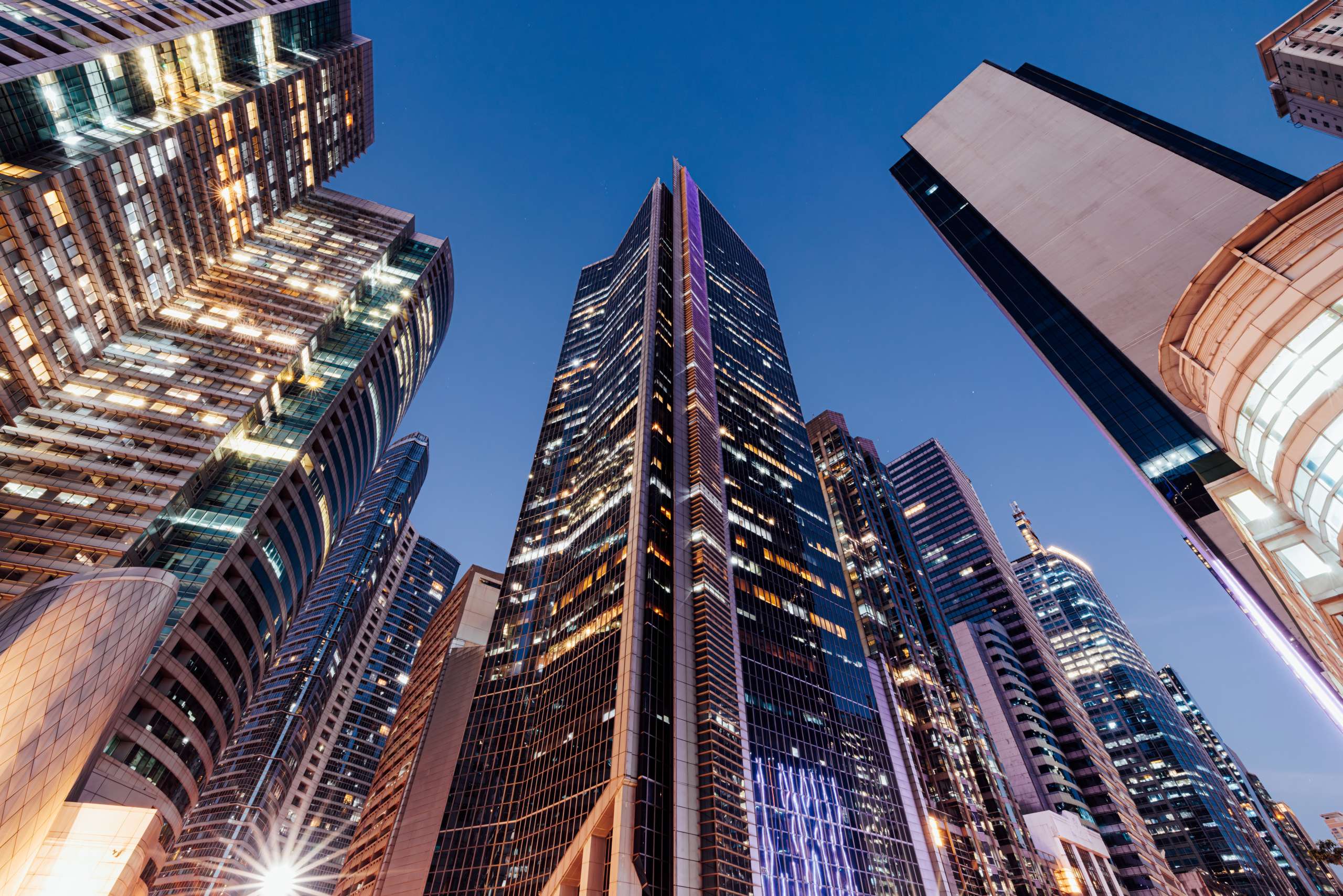
Philippines Real Estate Market 2026: Growth, Oversupply and Sector Shifts
The Philippine real estate market is entering 2026 with mixed but promising momentum, shaped by urbanisation, infrastructure investment and evolving demand across residential, office and industrial sectors. The market was valued at roughly USD 94.4 billion in 2025 and is projected to grow steadily through the decade, with a compound annual growth rate of about 4.1 % from 2026 to 2034 as development continues in cities such as Metro Manila, Cebu and Davao. Residential demand remains driven primarily by end-users rather than investors, particularly in Metro Manila where condominium oversupply persists; there were about 30,400 unsold ready-for-occupancy units in late 2025, prompting developers to use incentives like discounts and flexible payment terms to improve take-up in the mid-income segment. Rental yields in Metro Manila’s residential market are expected to stay flat near 4 %–6 %, reflecting weak investor demand amid oversupply, though secondary market units often deliver slightly higher yields. In commercial real estate, prime office and retail segments show resilience: prime and Grade A office spaces in CBDs such as Makati, Bonifacio Global City and Ortigas have maintained demand with improving vacancy and slight rent growth, while fringe CBD areas face higher vacancies and softer rents. Industrial property continues to attract tenant interest, especially in central Luzon, supported by manufacturing investment and logistics growth. Key structural drivers for 2026 include strong urban population growth, infrastructure improvements under government programs, and continued demand from overseas Filipino workers and the outsourcing sector. These underpin long-term demand for housing, mixed-use developments and logistics facilities even as price growth stabilises and developers adjust supply strategies. Takeaways for Investors and Buyers:= •Residential demand is end-user driven; oversupply in condos suggests careful site and price selection. •Office and retail are stabilising, with premium assets outperforming wider segments. •Industrial and logistics remain growth areas due to manufacturing expansion. •Strategic infrastructure and urbanisation continue to support broader property value growth. Download to see insights from other country marketsDownload
4 March
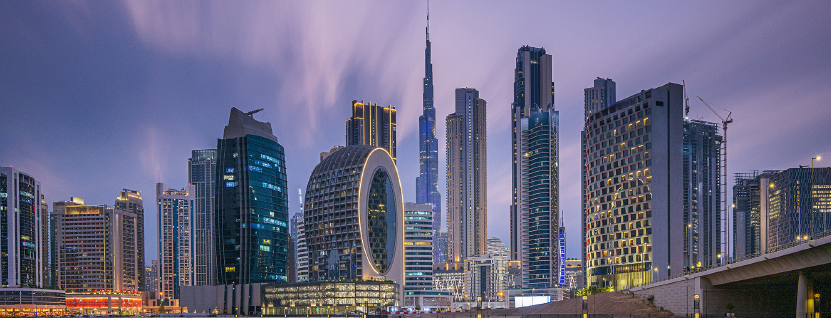
Why Smart Money Is Staying in Dubai — The 2026 Market Reality
Dubai’s residential real estate story in early 2026 is less about boom or correction and more about something deeper: permanence. After three years of exceptional price growth, the market is transitioning into a more mature phase. That is, one driven not by speculation, but by structural global demand. There is, unquestionably, a shift underway. Price growth is moderating from the extraordinary highs of 2023 to 2025, and supply is rising meaningfully. It is the evolution of a young global city into a stable, institutional-grade housing market. At its core, Dubai’s residential demand is demographic, not cyclical. The emirate’s population is expected to approach roughly 4.2 million by the end of 2026, supported by sustained annual growth of around 5 to 6%. This is reinforced by continued inflows of high-net-worth individuals and global professionals, creating a structural demand floor, particularly in prime and villa segments. This migration story is not accidental. Dubai has become a magnet for entrepreneurs, wealth creators and multinational talent, attracted by tax efficiency, infrastructure quality and regulatory clarity. Recent years have seen global business registrations surge, particularly in financial services and wealth management sectors, reinforcing the city’s position as a global capital hub rather than a purely regional one. The supply narrative, however, is real. Large delivery pipelines, particularly apartment-heavy, are expected through 2026. This will likely create segmentation: prime villas and branded residences remain supply-constrained, while mid-market apartments face price stabilisation and selective corrections. Analysts broadly expect 2026 to represent market normalisation rather than contraction, with gains continuing but at a slower, more sustainable pace. Interest rates and global capital flows add another layer. Even with mortgage costs having edged higher globally, demographic pressure and wealth inflows continue to sustain housing demand. The UAE’s safe-haven status strengthened by geopolitical volatility elsewhere continues to channel capital and talent into Dubai, reinforcing long-term housing demand. The most important shift is psychological. Dubai is no longer viewed as a cyclical trading market. It is increasingly seen as a place to live, build businesses and hold multi-generational wealth. Population growth alone is creating housing pressure that supports long-term price stability, even as supply expands. The outlook, therefore, is not about whether Dubai real estate will grow, but how it will mature. Expect moderation, segmentation and greater institutional participation. In global real estate terms, Dubai is moving from momentum to permanence and that is the real story of 2026. Download to see insights from other country marketsDownload
4 March
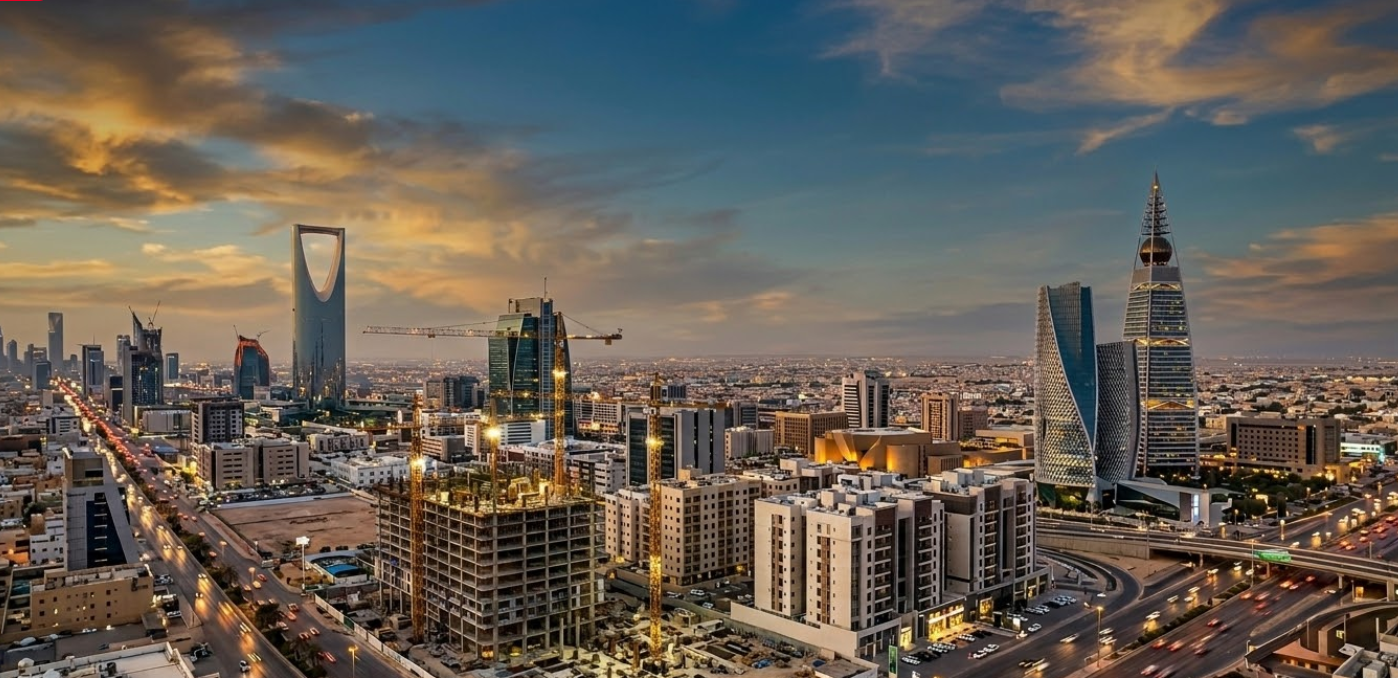
Saudi Arabia Real Estate Market 2026: Vision 2030 Drives Strong Growth and Investment Momentum
Market momentum remains strong across the Kingdom, driven by Vision 2030 investments, regulatory upgrades, and sustained housing demand. Major cities such as Riyadh, Jeddah, and Medina continue to lead activity in both residential and mixed-use developments. Key Highlights • Steady transaction activity: Real estate deals remain active across residential and commercial segments, supported by population growth, infrastructure expansion, and ongoing giga-projects. • Investor interest sustained: Domestic and international investors are increasingly targeting large master-planned communities and income-generating assets. • Moderate market sentiment: While overall demand remains solid, buyers are showing greater price sensitivity and focusing on value-driven developments in emerging districts. Policy & Regulatory Developments • Expansion of the national property registry: The Real Estate General Authority (Saudi Arabia) expanded property registration to additional areas in Medina, improving transparency, ownership protection, and transaction efficiency. • Sector collaboration and planning: Discussions during the Real Estate Future Forum 2026 highlighted regulatory modernization, digital transformation, and sustainability initiatives shaping the market. Innovation & Market Evolution • Digital transformation: New prop-tech initiatives and digital transaction platforms are improving market accessibility and data transparency. • Tokenized real estate milestone: A first tokenized property title issuance signals early adoption of blockchain-based real estate solutions, potentially expanding fractional investment opportunities. Outlook Saudi Arabia’s real estate sector is expected to remain one of the fastest-growing property markets in the GCC during early 2026, supported by large development pipelines, improved regulation, and expanding investment participation. Growth will likely remain strongest in residential supply, mixed-use urban projects, and infrastructure-linked developments aligned with Vision 2030 goals. Bottom line: The February market signals continued structural growth in Saudi real estate, with regulatory progress and innovation reinforcing investor confidence while demand gradually shifts toward planned communities and long-term value assets. Download to see insights from other country marketsDownload
4 March

Canada Housing Market 2026: Softer Sales in Toronto & Vancouver, Modest Rebound Ahead
Canada Canada’s housing market started 2026 with softer sales and more balanced supply compared to prior years. Total home sales in 2025 fell 1.9% from 2024, and the MLS® Home Price Index was down about 4% year-over-year by year-end. CREA forecasts a modest rebound in 2026, with sales expected to rise 5–7% and average prices reaching around $690,000 to $700,000. The market remains stable, supported by improved affordability and steady buyer confidence. Toronto GTA REALTORS® reported 3,082 home sales in January 2026, down 19.3 per cent compared to January 2025, while new listings totaled 10,774, a 13.3 per cent year-over-year decline. On a seasonally adjusted basis, sales decreased month-over-month as listings edged slightly higher. The MLS® HPI Composite benchmark fell eight per cent year-over-year, with the average selling price at $973,289, down 6.5 per cent from January 2025. TRREB’s 2026 Market Outlook and Year in Review Report also highlights broader trends across the GTA’s residential and commercial real estate markets. Source: https://trreb.ca/wp-content/files/market-stats/market-watch/mw2601.pdf Vancouver Metro Vancouver home sales on the MLS® dropped 28.7% year-over-year in January 2026 to 1,107 units, well below the 10-year average. New listings declined 7.3% to 5,157 but remained above historical norms, pushing active listings up nearly 10% to 12,628. The sales-to-active listings ratio stood at 9.1%, signaling continued downward pressure on prices. The MLS® Home Price Index benchmark fell 5.7% to $1,101,900. Detached, apartment, and attached home sales and prices all saw double-digit declines compared to January 2025. GVR expects 2026 to mirror last year with subdued sales, high inventory, and stable prices amid ongoing economic uncertainty. Source: https://members.gvrealtors.ca/news/GVR-Stats-Package-January-2026.pdf Quebec Source: https://apciqca-152af.kxcdn.com/wp-content/uploads/sites/4/2026/02/stats-202601-en-1.pdf Download to see insights from other country marketsDownload
4 March

Market Update: Apartment Prices in HCMC and Hanoi Reach New Highs
Vietnam’s major property markets are entering a new price cycle, with apartment values in Ho Chi Minh City and Hanoi continuing to climb, in some cases rivaling or even surpassinglanded homes. HCMC: Apartments Narrow the Gap with Landed PropertyIn Ho Chi Minh City, high-end apartment prices are approaching the level of single-family homes in prime areas. At The Metropole in An Khanh (Thu Duc City), 85 sqm units are offered at VND130–180 million per sqm, while a nearby 80 sqm townhouse in Thao Dien is priced around VND150 million per sqm. Other premium developments such as The Privé, Eaton Park, and Lumière Midtown are transacting within the VND130–250 million per sqm range, notably higher than the VND110–200 million per sqm commonly seen for landed homes within a 2-kilometer radius. This shift reflects strong buyer preference for modern master-planned communities offering integrated amenities, security, and professional management.The premium segment continues to dominate new supply in Ho Chi Minh City. Of the 5,500 apartments launched last quarter, more than half were priced at VND100 million per sqm or higher. The average launch price rose 21% year-on-year to VND96 million per sqm, including data from Ba Ria–Vung Tau and Binh Duong, which merged into the expanded HCMC metropolitan area in July.Hanoi: Apartment Prices Double Over the DecadeIn Hanoi, apartment prices have doubled over the past 10 years, with VND100 million per sqm becoming the new benchmark in many central projects. A three-bedroom unit in a 26-storey residential tower is priced at VND107 million per sqm, approximately 2.6 times its 2017 launch price. According to Batdongsan, average asking prices surpassed VND100 million per sqm in Q3, with strong year-on-year growth recorded at Royal City (+39%), Park View City (+36%), Hinode City (+32%), and Times City (+29%). These figures underline sustained demand and limited prime supply in the capital’s established urban zones.What This Means for Buyers and InvestorsPremium apartments are increasingly positioned as long-term value assets. Integrated developments continue to command price premiums, and early entry into new launches remains a key strategy for capital appreciation. As pricing benchmarks shift upward, strategic property selection and timing will play an even more important role in optimizing investment returns.Download to see insights from other country marketsDownload
4 March
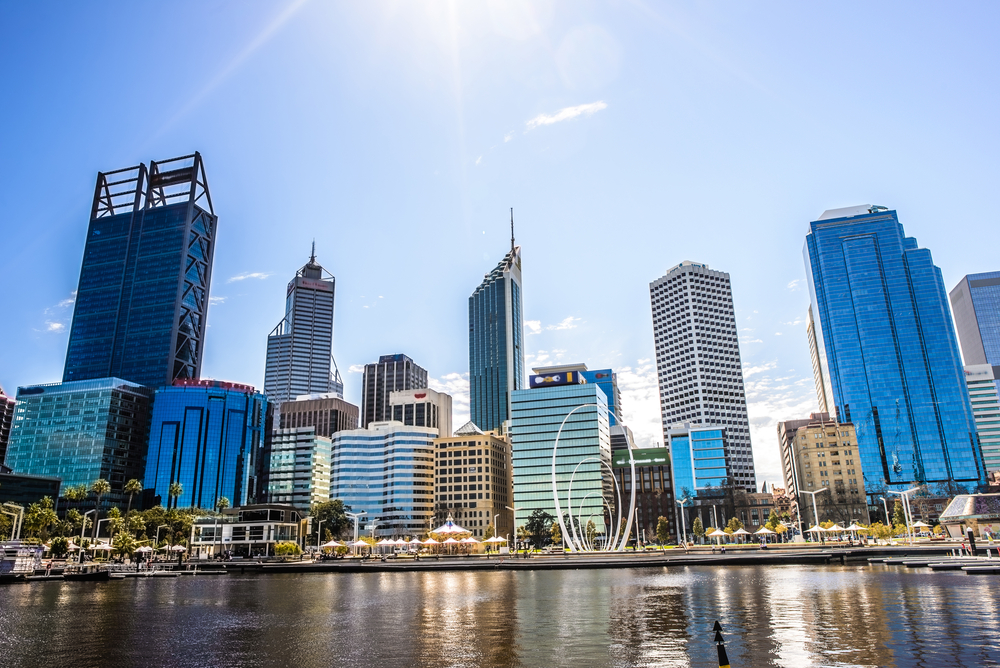
Australia’s Home Values Climb 0.8% in January as Supply Shortages Support Growth
Australian home values continued their upward trend in January, rising 0.8% nationwide, according to Cotality’s Home Value Index. This marks a modest acceleration from December’s 0.6% increase and highlights the market’s resilience despite affordability pressures.All capital cities and regional markets recorded price growth during the month. However, results were mixed acrosst the major capitals. Sydney (+0.2%) and Melbourne (+0.1%) posted only modest gains, following slight declines in December. Both cities remain just below their peak values, with Sydney sitting 0.1% below its November 2025 high and Melbourne 0.7% below its March 2022 peak.Mid-sized capitals continue to lead the market, though momentum is easing. Perth recorded the strongest growth at 2.0%, followed by Brisbane (+1.6%) and Adelaide (+1.2%), all slightly slower than their late-2025 peaks.Cotality’s Research Director, Tim Lawless, noted that price growth remains supported by severely limited housing supply, with listings 19% lower than a year ago and 25% below the five-year average, while buyer demand remains above average. However, he expects market momentum to soften through 2026 as affordability constraints, cost-of-living pressures, potential interest rate increases and slower population growth begin to weigh on demand.At the same time, growth is being driven largely by lower-priced homes, particularly houses. Across the combined capitals, lower-quartile house values rose 1.3% in January, compared with just 0.3% growth in the upper quartile, reflecting intense competition among first home buyers, investors and value-focused buyers.Overall, the market remains resilient, but signs are emerging that the pace of growth may gradually moderate as economic pressures build.For investors and homeowners alike, Perth’s property market presents exciting opportunities. Whether you’re considering selling, buying, or investing, now is the time to explore your options. Contact our team at sales@iqiwa.com.au to discuss your property goals today.Download to see insights from other country marketsDownload
4 March

